Top 20 Natural Monuments in the Capital Region of Denmark
Natural monuments in the Capital Region of Denmark offer diverse natural beauty, from dramatic coastal cliffs to expansive forests and wetlands. This region, encompassing Copenhagen and its surroundings, features unique natural landmarks that provide opportunities for outdoor exploration. The landscape includes ancient royal hunting grounds, significant urban nature parks, and geological sites of global importance. These areas provide varied terrain for activities and showcase the region's natural heritage.
Best natural monuments in the Capital Region of Denmark
- The most popular…
Last updated: October 13, 2026
The Little Mermaid
Highlight • Monument
Translated by Google •
Tip by

Gefion Fountain
Highlight • Monument
The group of figures …
Translated by Google •
Tip by
Sign up now to discover places like this
Get recommendations on the best single tracks, peaks, & plenty of other exciting outdoor places.
Rose Garden at Rosenborg Castle
Highlight • Natural Monument
Translated by Google •
Tip by

Damhus Lake
Highlight • Lake
Tip by

Dronningens Bøge Pier, Esrum Lake
Highlight • Lake
Translated by Google •
Tip by

Botanical Garden Copenhagen
Highlight • Natural
Translated by Google •
Tip by
Churchill Park
Highlight • Natural
Translated by Google •
Tip by

The Royal Oak
Highlight • Natural Monument
Translated by Google •
Tip by
Kulsvierstenen (The Charcoal Burners' Stone)
Highlight • Monument
Translated by Google •
Tip by
Søren Kierkegaard Stone
Highlight • Monument
Translated by Google •
Tip by

Sign up for free to discover even more natural monuments in the Capital Region of Denmark.
Already have an account?
Start today with a free account
Your next adventure awaits.
Popular around Capital Region of Denmark
Naples to North Cape — Two friends, one purpose and many scoops of ice-cream
National Cycle Route 9 – Gedser-Helsingør
Across Denmark on National Cycle Route 4 – Copenhagen to Søndervig
Following the Fjordstien – Cycle Route 40
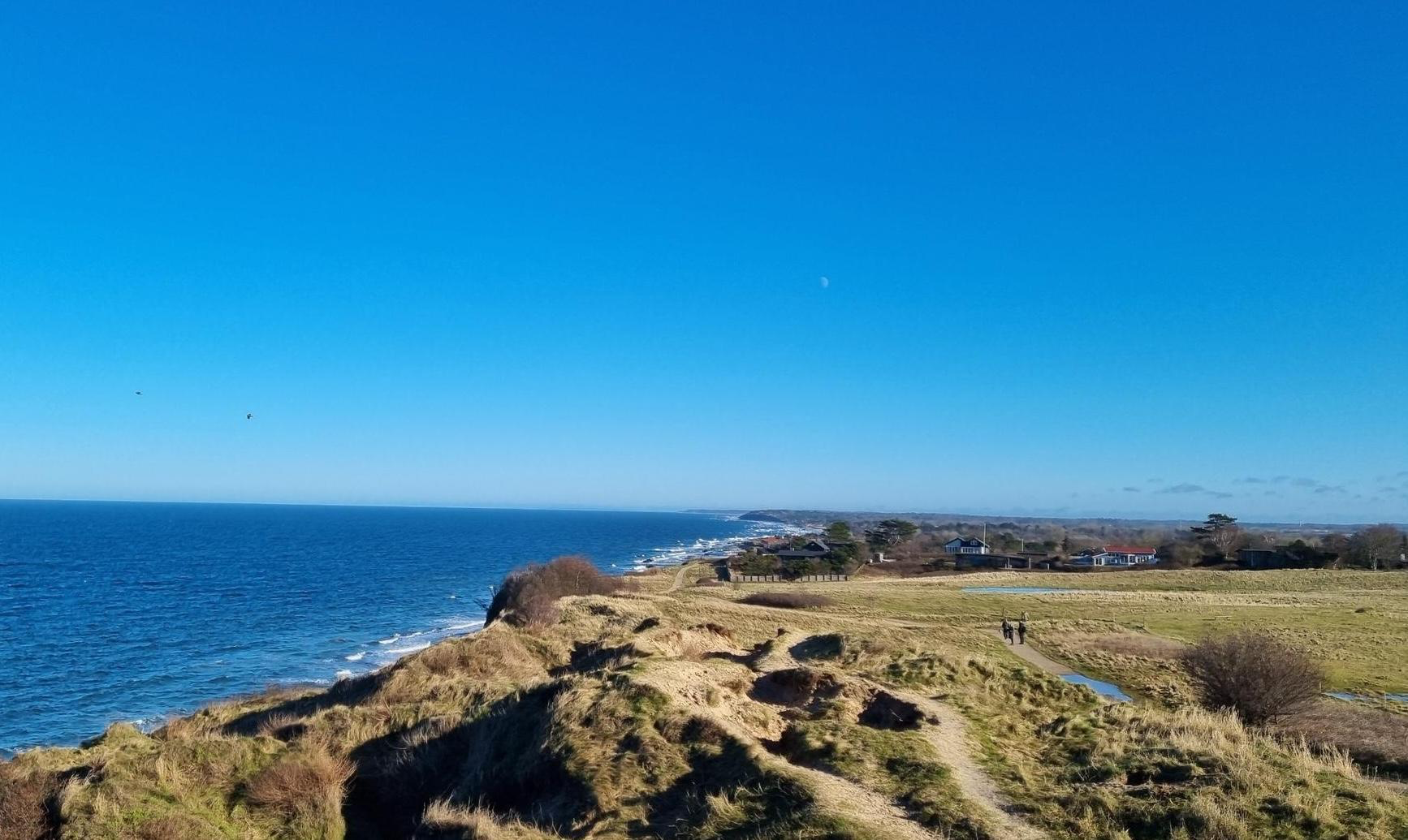
The North Coast by bike: the wonderful Route 47
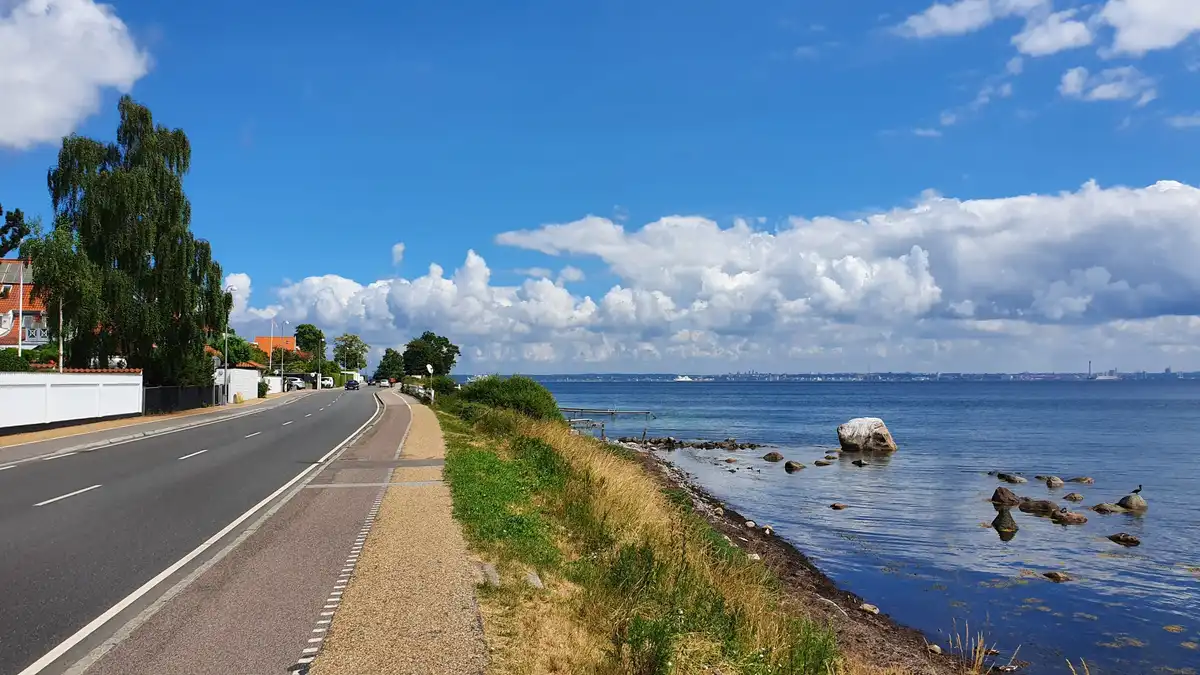
From Gedser to Helsingor – discovering Denmark by bike
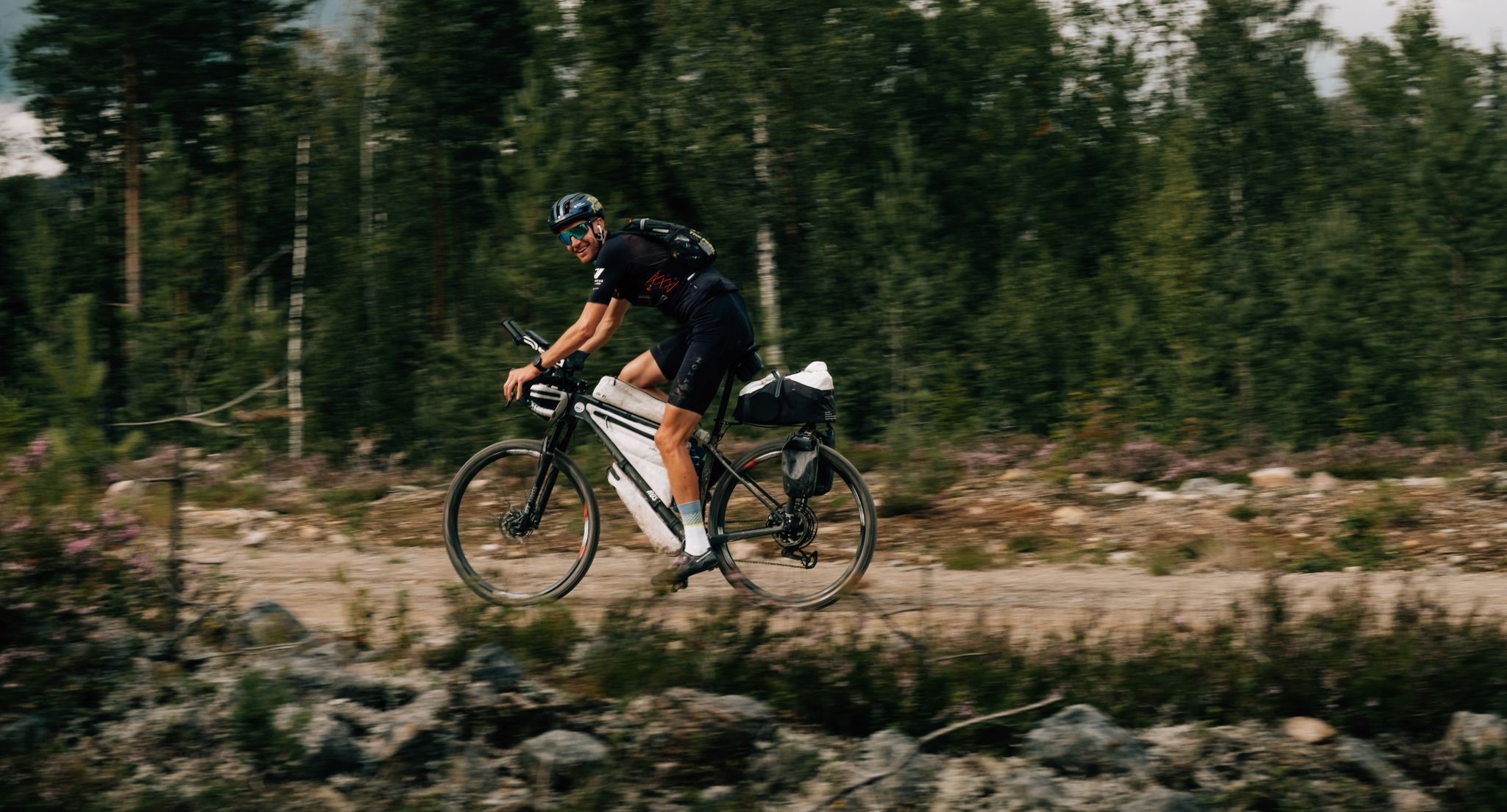
European D̶I̶V̶I̶D̶E̶ Connect Trail Project – a journey across Europe
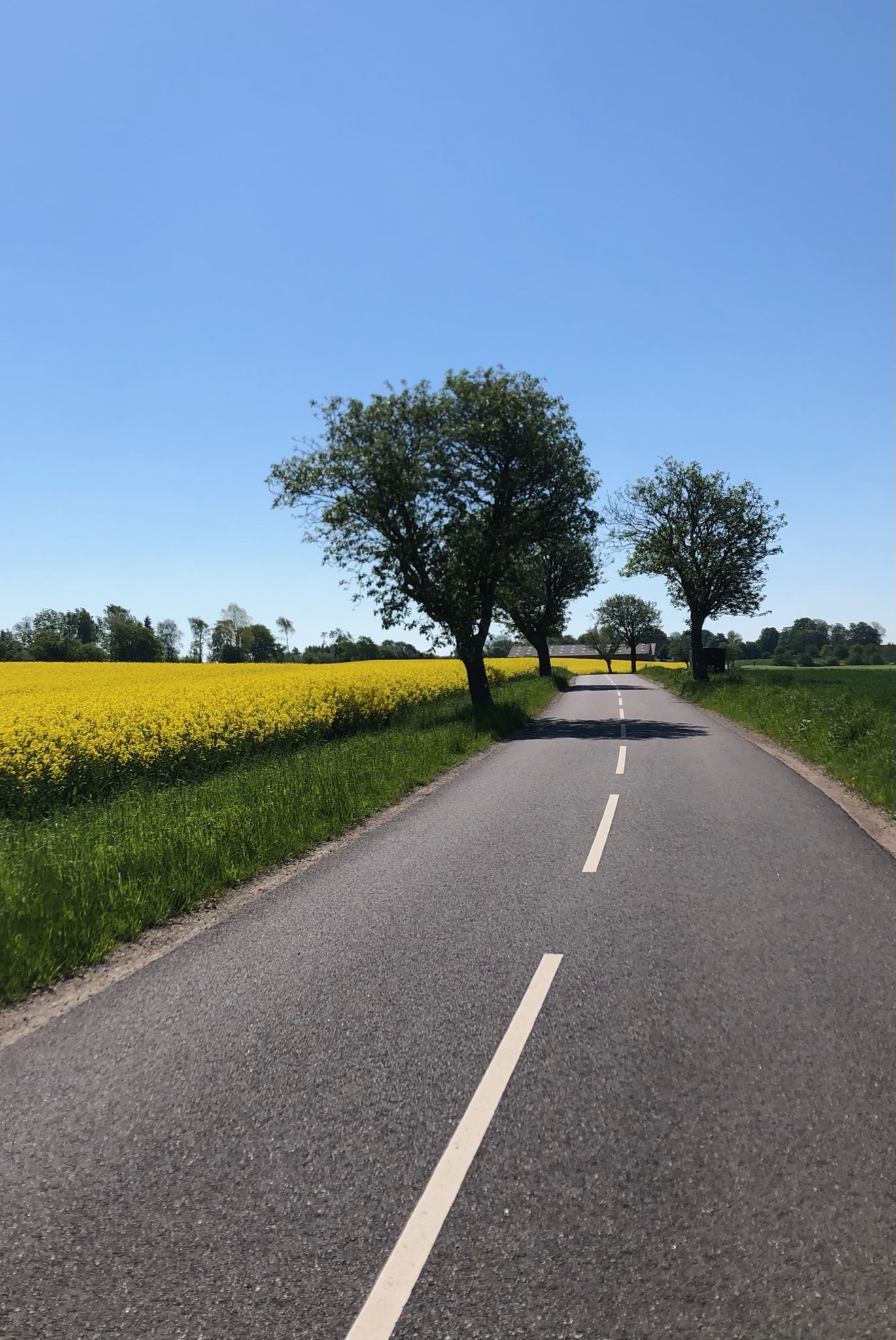
My favourite local road rides around Copenhagen
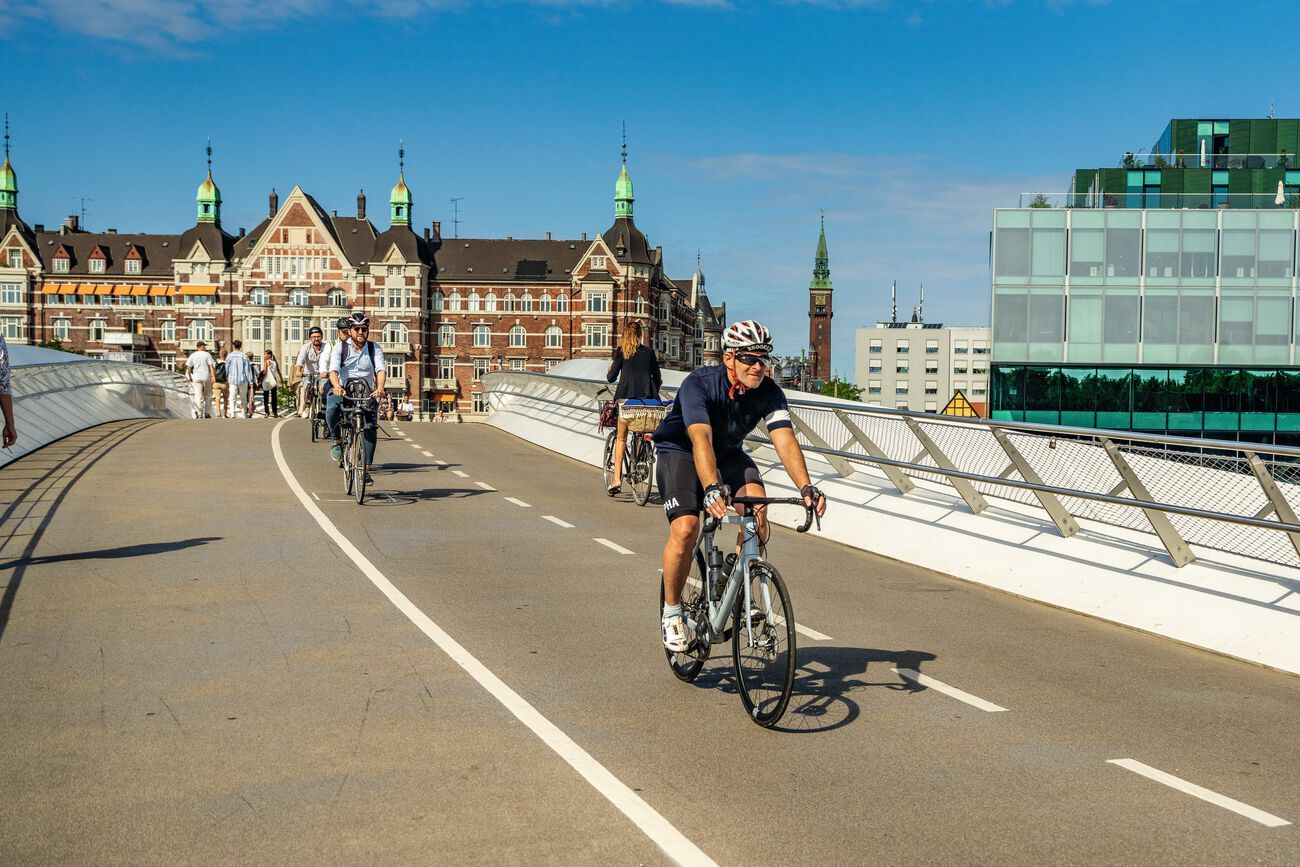
Denmark - Copenhagen and Zealand
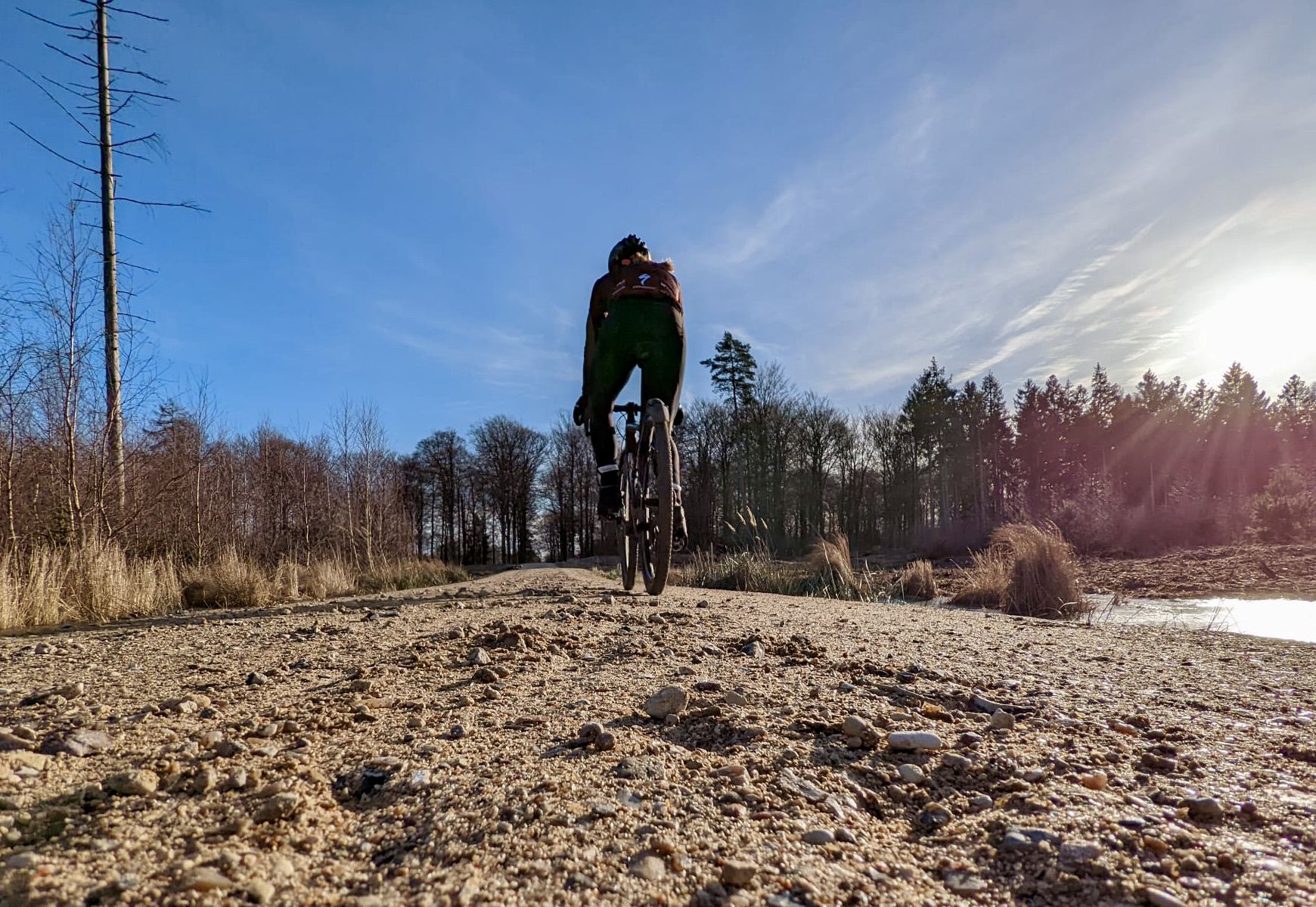
Forest roads and farm tracks — my favourite Copenhagen gravel rides
Other adventures in the Capital Region of Denmark


Tips from the Community

This green park in the Danish capital is located directly next to the historic Kastellet fortress and has borne its name since 1965 in honor of British Prime Minister Winston Churchill. The area is home to important sights such as the English St. Alban's Church, the Museum of Danish Resistance, as well as numerous monuments and sculptures from the Second World War period. Today, both locals and visitors alike appreciate the place as a quiet recreational zone and a historically significant attraction in the urban space.
2
0


Finely landscaped spacious garden with greenhouses which can be visited for an entrance fee
7
0

Translation of the plaque: The Royal Oak is between 1,500 and 2,000 years old. Since the giant has been hollow for centuries, it may have sprouted in the year 0. The Royal Oak was a huge oak tree when Gorm the Old reigned. Around the 16th century, Christian IV carried out the first major oak felling operations [...]. By that time, the Royal Oak was already rotten inside. At the same time, it was inaccessible, and lumberjacks were deterred by its size and gnarled trunk. The Royal Oak [...] is a popular subject for artists (painters). The Royal Oak once had a circumference of 14 meters. [...] Today, only a thin but viable bark remains. New shoots sprout from the old bark from above, forming a new crown.
0
0

Beautifully landscaped, quiet, and relaxing. Garden free, palm house fee applies.
1
0

Free admission to an impressive garden. Visits to the butterfly and palm houses cost extra or are included in the Copenhagen Card. Very worthwhile.
1
0

Great park with many beautiful plants 🪴 well worth seeing 💯🔝👍🏻😉
3
0
Beautiful park with many beautiful plants 🪴 well worth seeing 💯🔝👍🏻😉
1
0
Frequently Asked Questions
What unique natural features can I explore in the Capital Region of Denmark?
The Capital Region offers a diverse range of natural features. You can discover the globally significant geological layers of Stevns Klint, a UNESCO World Heritage site known for its dramatic chalk cliffs and evidence of the dinosaur extinction event. Alternatively, explore the vast, ancient park of Jægersborg Dyrehave, home to thousands of free-roaming deer and historic oak groves. For an urban wilderness experience, Naturpark Amager provides extensive wetlands and forests, crucial for birdwatching.
Are there family-friendly natural monuments in the Capital Region of Denmark?
Yes, several natural monuments are perfect for families. Damhus Lake is a popular spot with easy paths and picnic areas. Jægersborg Dyrehave offers wide-open spaces for children to explore and spot deer. Amager Strandpark, Copenhagen's largest beach, is ideal for a day of swimming and sandcastle building, easily accessible from the city center.
What kind of historical significance do some of these natural monuments hold?
Many natural monuments in the region are intertwined with history. Jægersborg Dyrehave, for instance, was established as a royal hunting reserve in 1670 and features the historic Hermitage Hunting Lodge. Frederiksborg Castle Baroque Garden showcases magnificent 18th-century garden art, reflecting historical landscape design. Even Damhus Lake has historical roots, originally created in the Middle Ages as a water reservoir for Copenhagen.
What outdoor activities can I do near the natural monuments?
The region offers a wide array of outdoor activities. You can find excellent opportunities for hiking, cycling, and mountain biking. For example, explore the diverse trails in Naturpark Amager, or enjoy a scenic walk along the cliff-top path at Stevns Klint. For more structured routes, check out the guides for Hiking in the Capital Region of Denmark, MTB Trails in the Capital Region of Denmark, or Running Trails in the Capital Region of Denmark.
Are there any natural monuments that are easily accessible by public transport from Copenhagen?
Yes, several natural monuments are well-connected. Naturpark Amager and Amager Strandpark are both located on the edge of Copenhagen and are easily reachable by metro or bike. Jægersborg Dyrehave is also just 15 km north of the city and accessible via public transport, offering a quick escape into nature.
What is the best time of year to visit the natural monuments in the Capital Region?
The best time to visit depends on your interests. Spring and summer (May to August) are ideal for enjoying the lush greenery, blooming gardens like the Rose Garden at Rosenborg Castle, and activities like swimming at Amager Strandpark. Autumn (September to November) is spectacular for witnessing the rutting season of deer in Jægersborg Dyrehave and enjoying the vibrant fall foliage. Even winter offers unique beauty, with crisp air perfect for invigorating walks.
Can I bring my dog to these natural monuments?
Many natural areas in the Capital Region are dog-friendly, but it's always best to check specific regulations for each site. Generally, dogs are welcome on leashes in parks and forests like Jægersborg Dyrehave and Naturpark Amager. Always ensure to clean up after your pet.
Are there any natural monuments with good viewpoints or scenic overlooks?
Absolutely. Stevns Klint offers dramatic panoramic views of the Baltic Sea from its cliff-top path. Jægersborg Dyrehave provides picturesque vistas across its expansive meadows and ancient oak groves. Even urban spots like Damhus Lake offer serene views, especially at sunset.
What kind of wildlife can I expect to see?
The Capital Region's natural monuments are home to diverse wildlife. Jægersborg Dyrehave is famous for its large populations of red, fallow, and sika deer. Naturpark Amager is a significant breeding ground for various bird species, including sea eagles, making it a prime spot for birdwatching. You might also spot smaller mammals and a variety of aquatic life in and around lakes like Damhus Lake.
Are there any natural monuments that are wheelchair accessible?
While many natural areas have varied terrain, some parts are designed for accessibility. For example, the paths around Damhus Lake are generally flat and suitable for wheelchairs. Urban green spaces and some sections of Amager Strandpark also offer accessible routes. It's advisable to check specific site information for detailed accessibility options.
What do visitors enjoy most about the natural monuments in the Capital Region of Denmark?
Visitors frequently appreciate the tranquility and natural beauty so close to the city. The opportunity to observe wildlife, especially the deer in Jægersborg Dyrehave, is a highlight. Many enjoy the well-maintained paths for walking and cycling, and the stunning views from places like Stevns Klint. The blend of nature, history, and easy access makes these sites particularly appealing for both locals and tourists.
Most popular routes in the Capital Region of Denmark
Most popular attractions in the Capital Region of Denmark

Get inspired with the komoot mobile app


Didn’t find what you were looking for?
Find even more amazing natural monuments in the Capital Region of Denmark by checking out the top Highlights region by region:
Explore more
Extend your search for the best caves by checking out these guides of the top ones in the Capital Region of Denmark:
