Top 20 Natural Monuments in Transdanubia
Best natural monuments in Transdanubia offer a diverse range of landscapes, from volcanic hills and thermal lakes to expansive national parks. This region in Hungary provides ample opportunities for outdoor activities and relaxation amidst its natural beauty. Visitors can explore varied terrain, including forests, mountains, and significant water bodies. The area is characterized by its unique geological features and rich biodiversity, making it a compelling destination for nature enthusiasts.
Best natural monuments in Transdanubia
- The most popular natural monuments is…
Last updated: July 23, 2026
Gate of Freedom – Pan-European Picnic Memorial
Highlight • Monument
Translated by Google •
Tip by

Kisfaludy Lookout Tower
Highlight • Viewpoint
Tip by

Sign up now to discover places like this
Get recommendations on the best single tracks, peaks, & plenty of other exciting outdoor places.
Sign up for free
Geschriebenstein Observation Tower (Írottkő Lookout)
Highlight • Viewpoint
Translated by Google •
Tip by

Rám Gorge
Highlight (Segment) • Gorge
Tip by
Three-country border point Austria–Hungary–Slovenia
Highlight • Monument
Translated by Google •
Tip by

Tihany Hermit Caves
Highlight • Cave
Translated by Google •
Tip by

Hétforrás (Seven Springs)
Highlight • Natural Monument
The abundant spring was built in 1896 in honor of the Millennium, …
Translated by Google •
Tip by

Kis-Balaton Nature Reserve
Highlight • Lake
Translated by Google •
Tip by

Kőris-Hegy (Radar and Lookout Tower)
Highlight • Viewpoint
Translated by Google •
Tip by

Hegyestű
Highlight • Volcano
Tip by
Sign up for free to discover even more natural monuments in Transdanubia.
Sign up for free
Already have an account?
Start today with a free account
Your next adventure awaits.
Login or Signup
Popular around Transdanubia
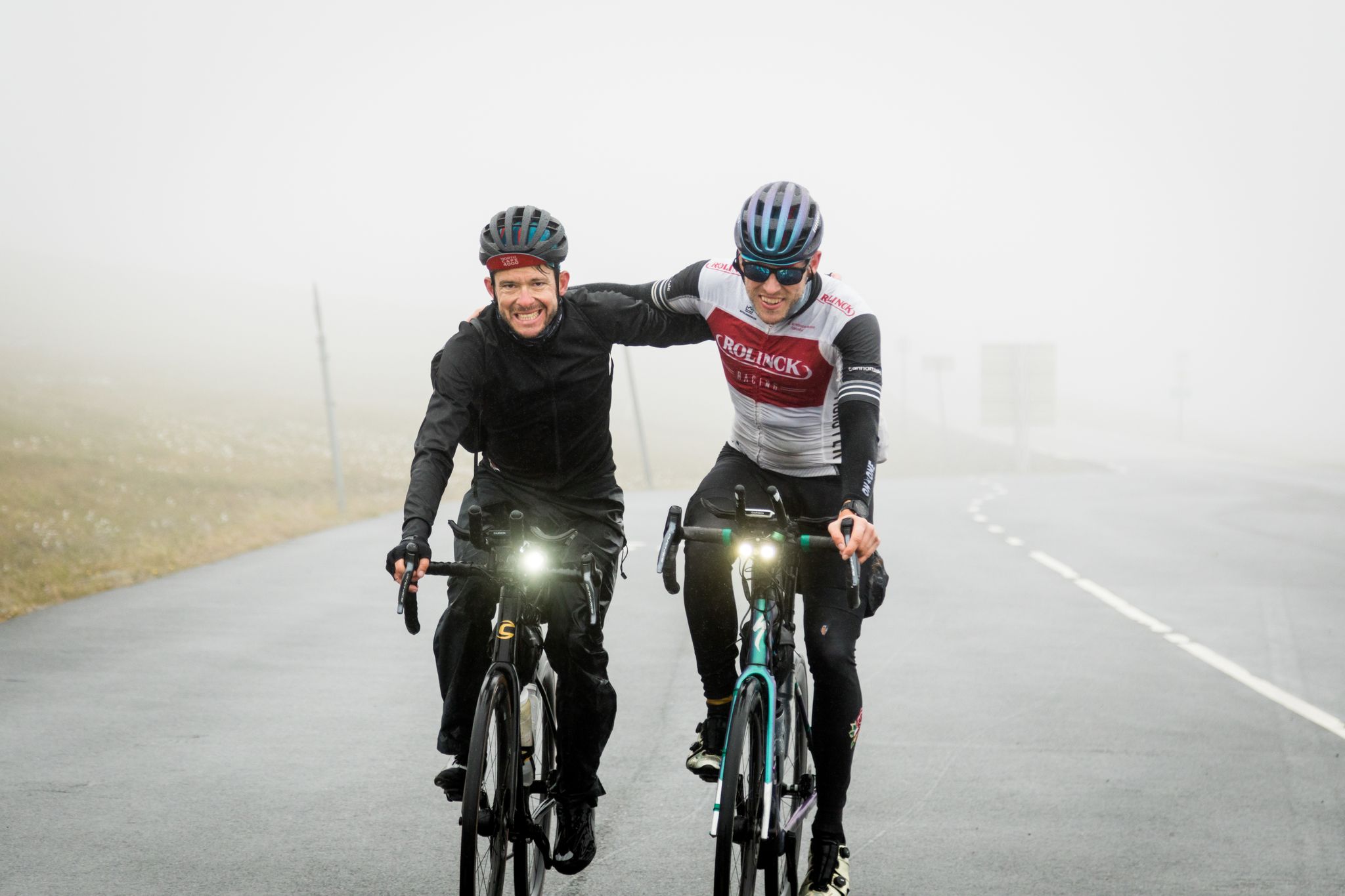
NorthCape4000 – 12 days from Lake Garda to the North Cape
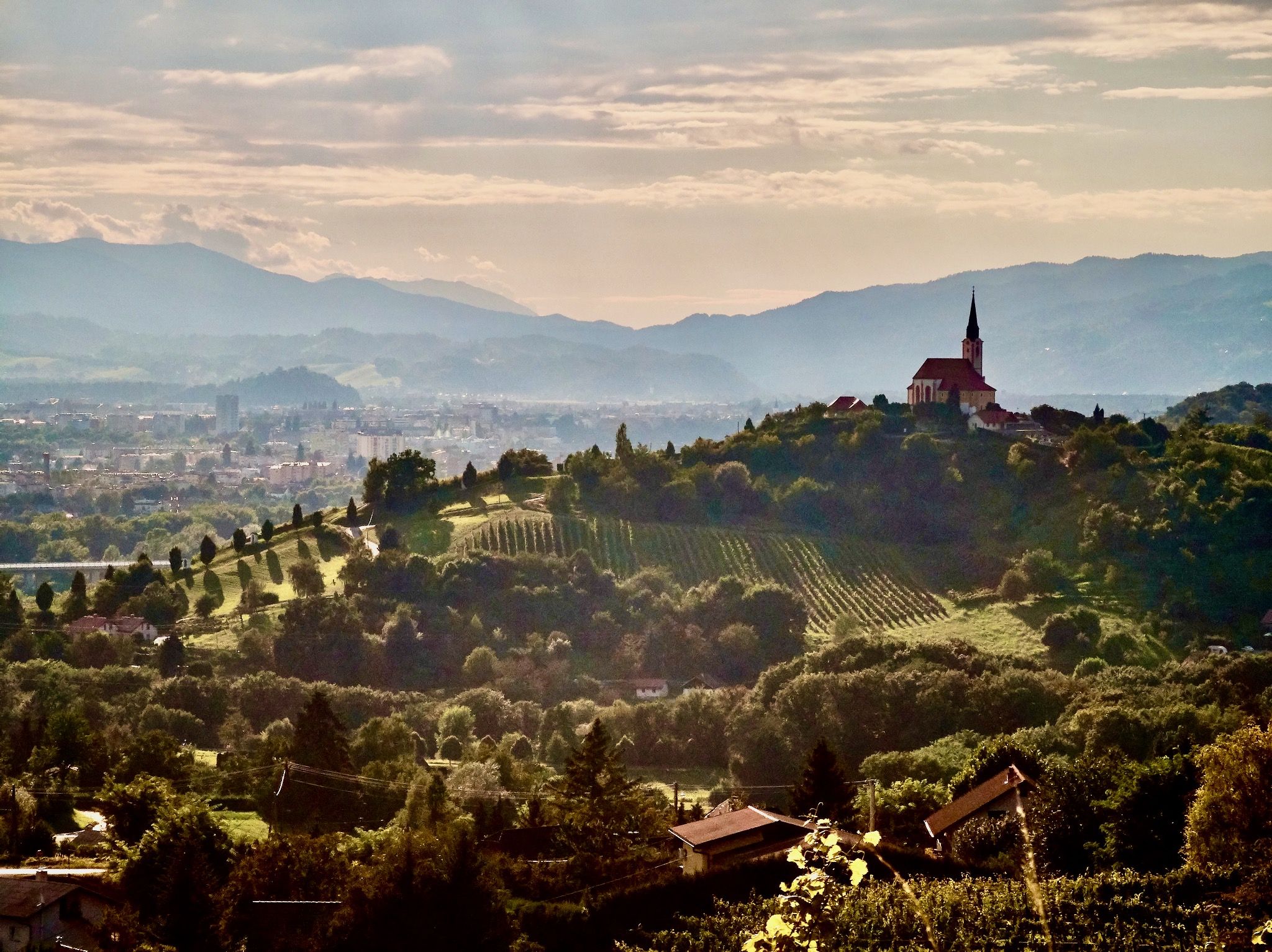
Budapest to Venice via the beautiful Soča Valley
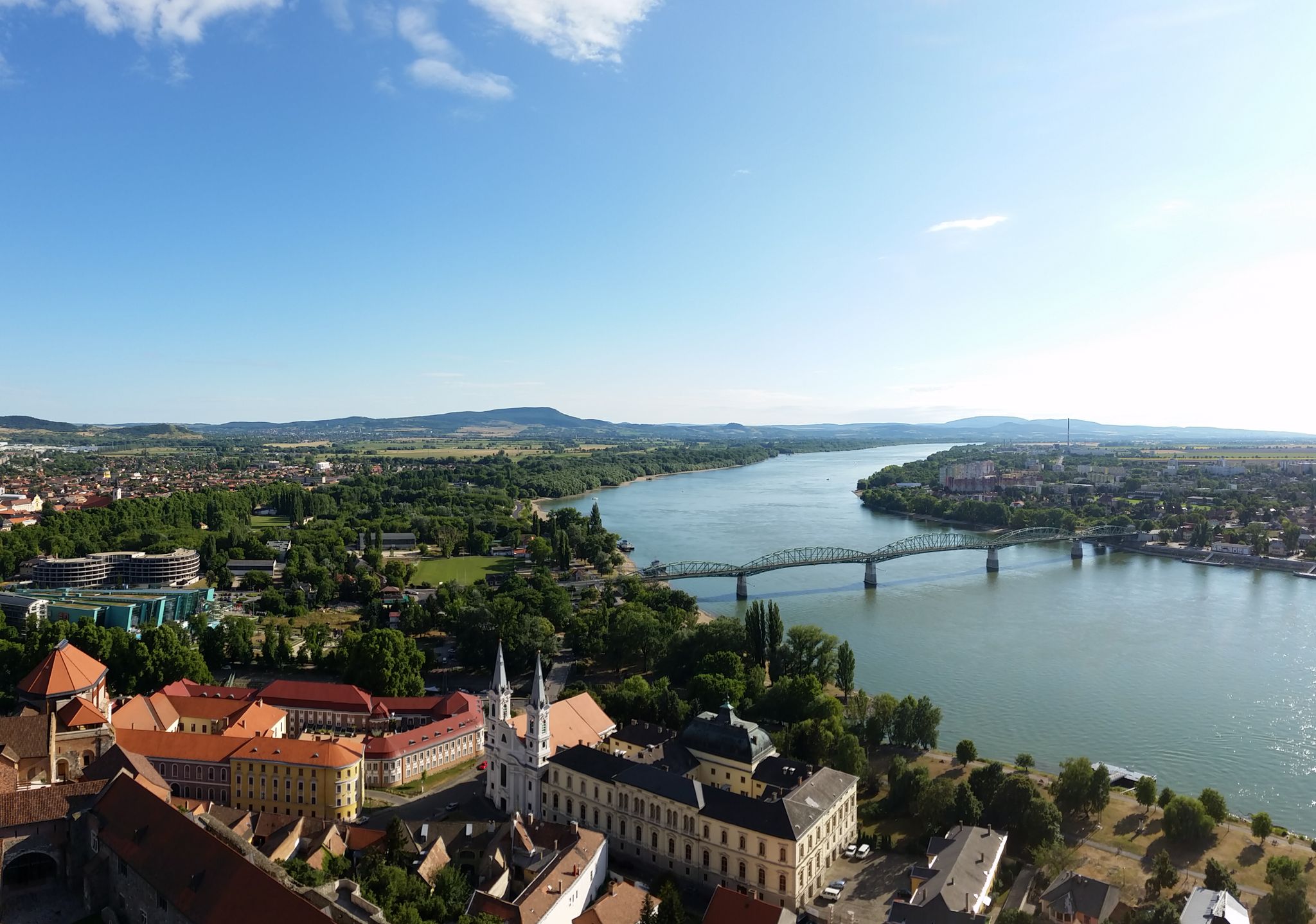
The Danube Cycle Path – From Donaueschingen to Budapest
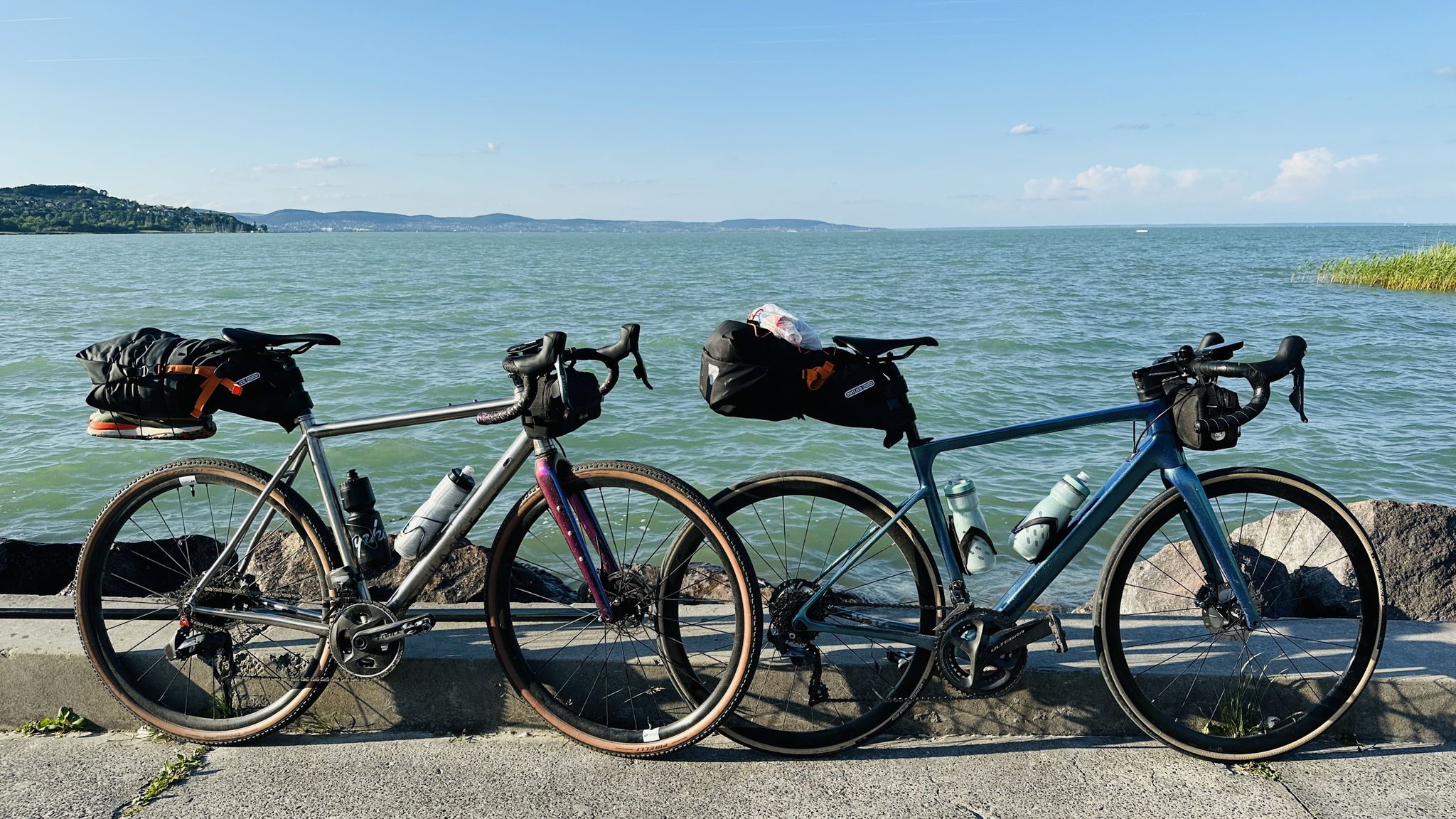
Riding two Koppels through five countries
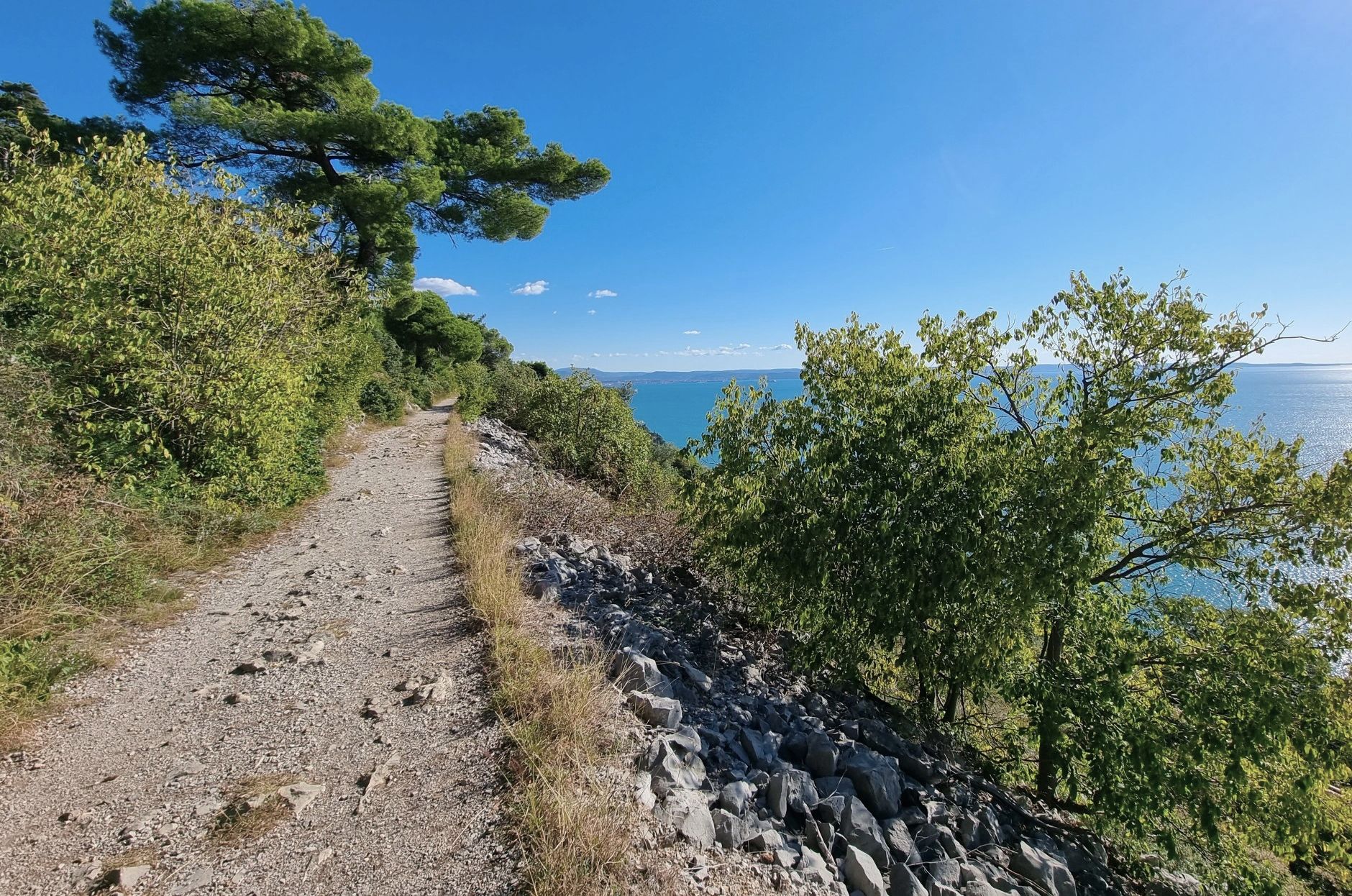
Ride to the sea – gravel bikepacking from Austria’s Vienna to Italy’s Grado
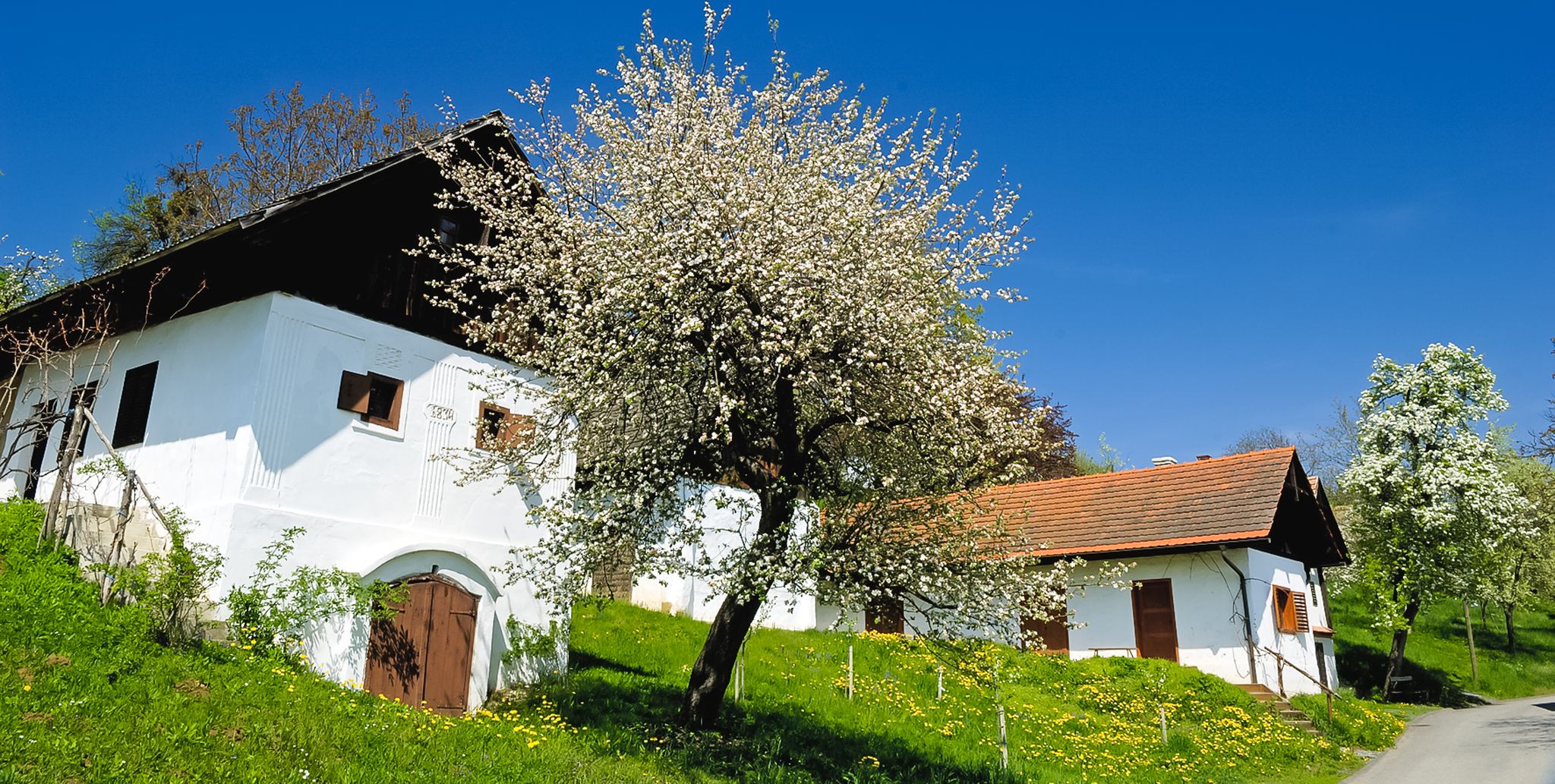
Roman paths in the Burgenland – Amber Trail East Route
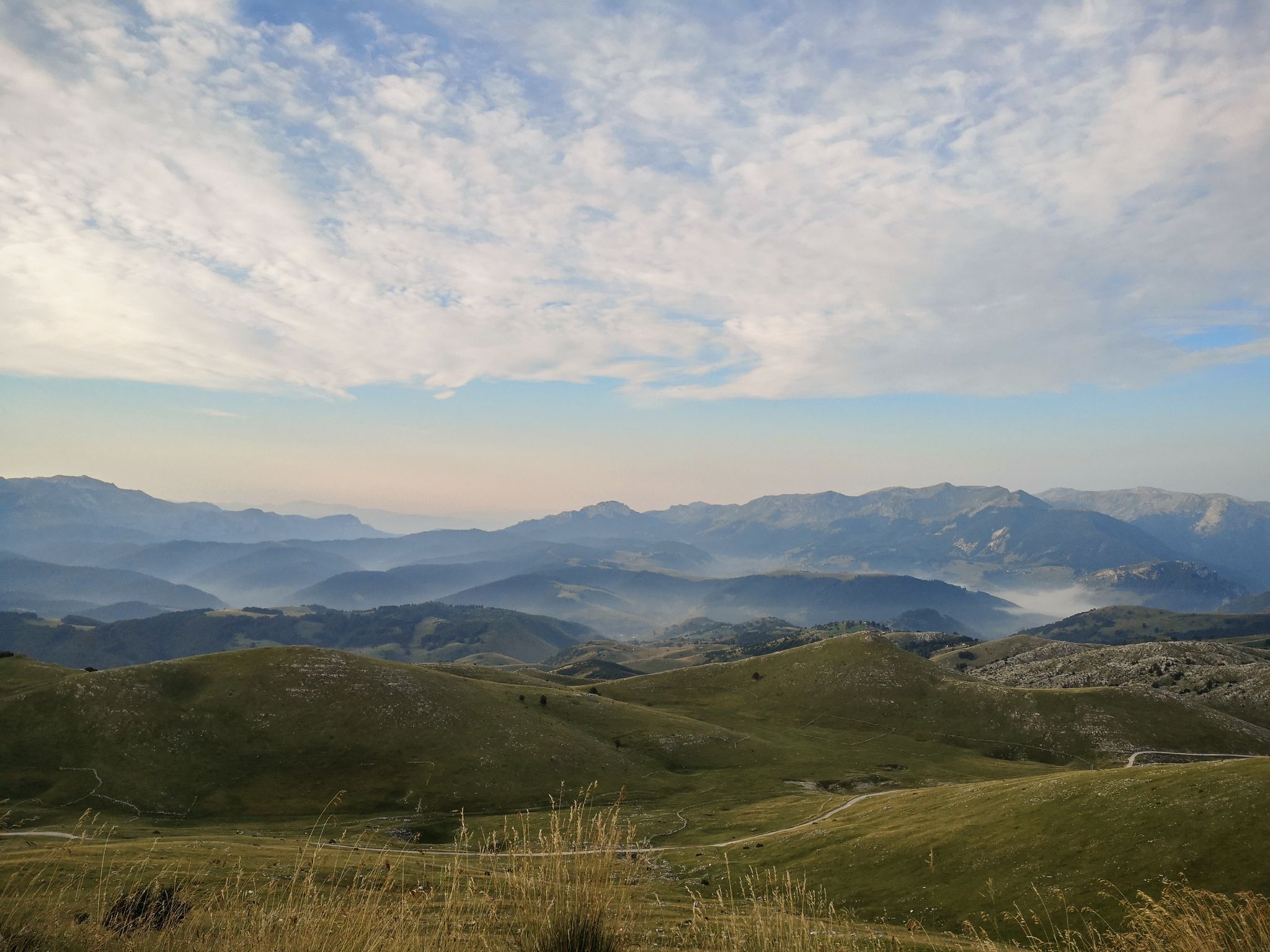
As we wrote history – the Transcontinental Race #TCRN06
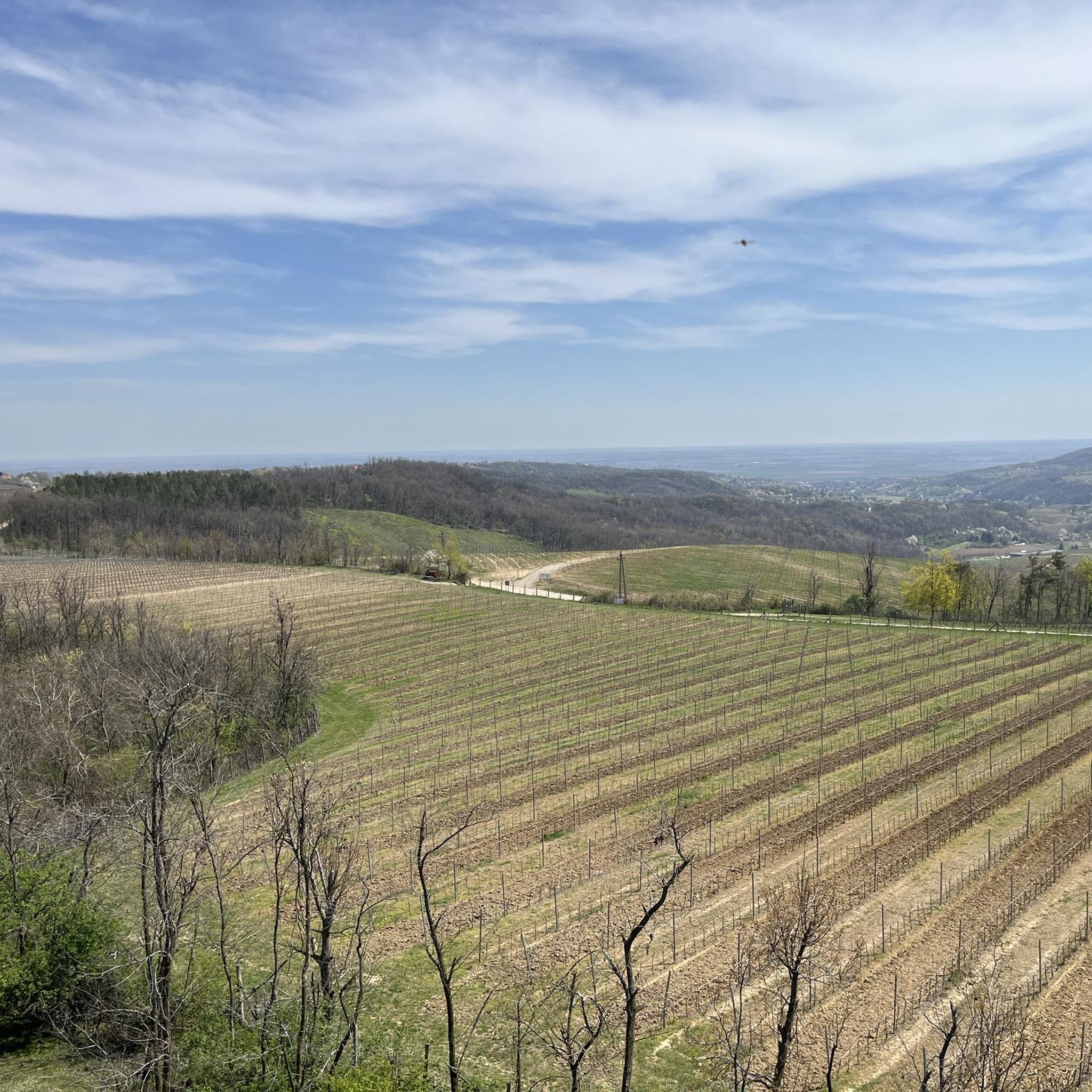
Cycling in Transdanubia
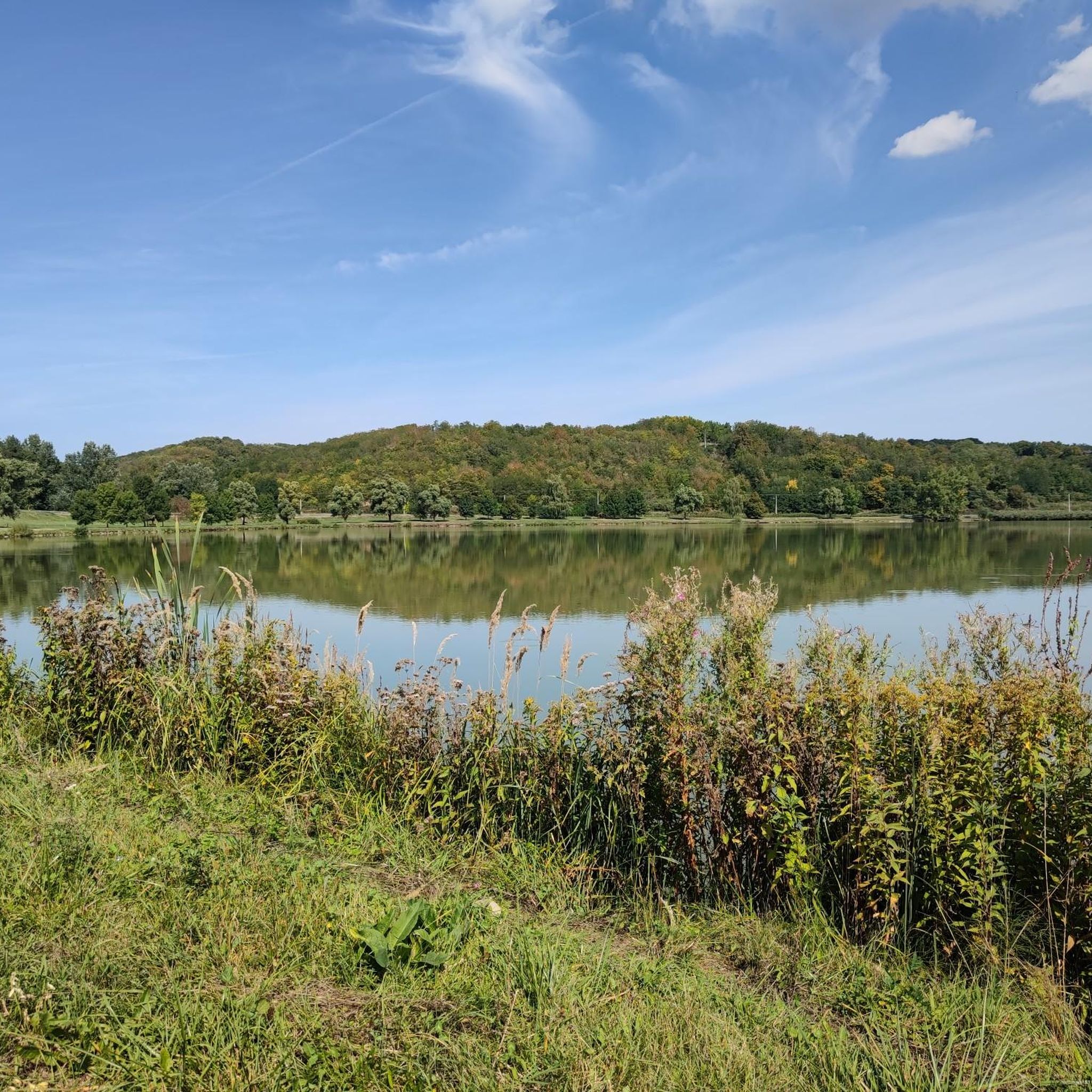
Road Cycling Routes in Transdanubia
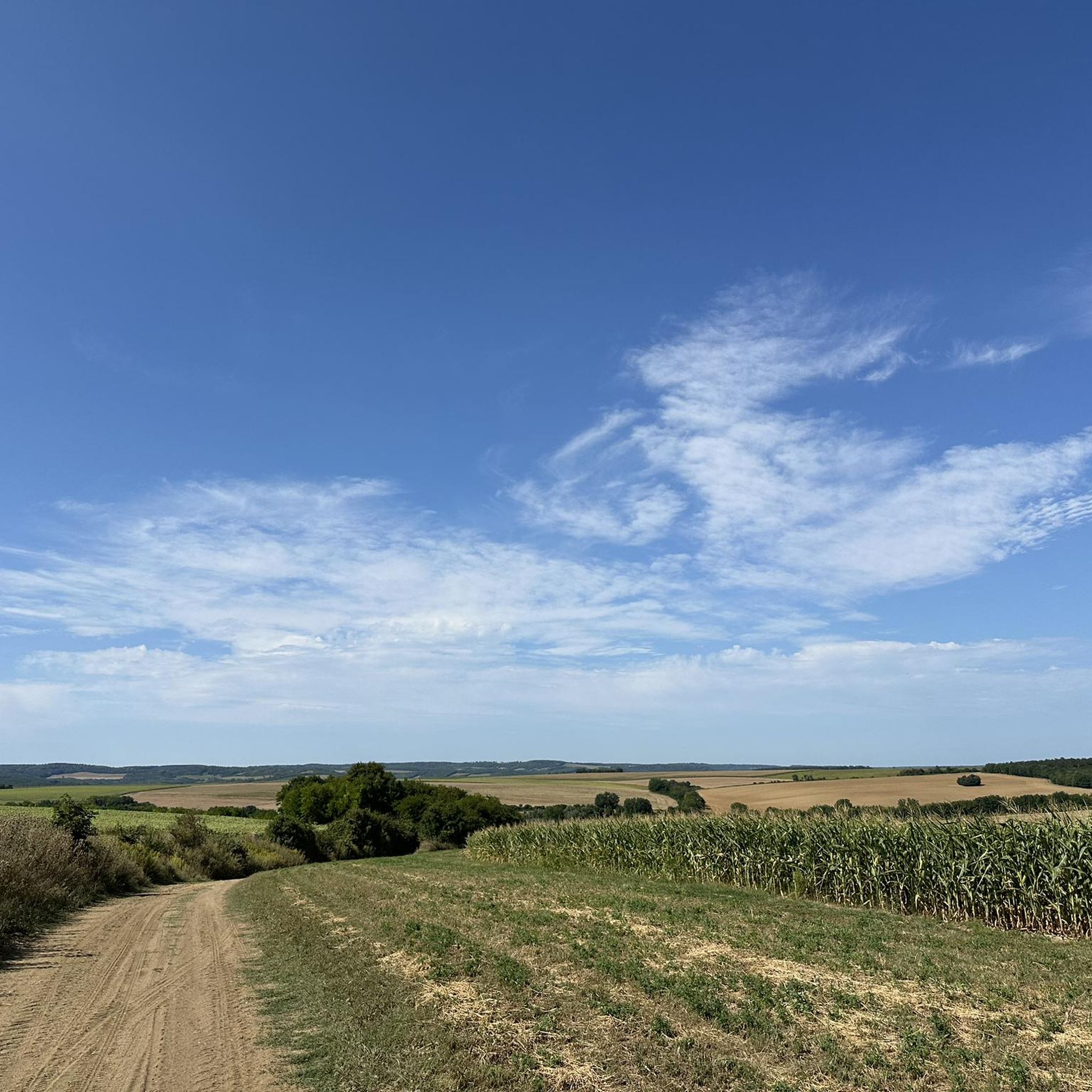
Hiking in Transdanubia
Other adventures in Transdanubia


Tips from the Community

A very pleasant and interesting place in the middle of the forest. Tables and benches invite you to linger. A visit is highly recommended.
1
0

The highest peak of the Bakony (709m), on top of which stands the Vajda Péter Kilátó, which is the seal of several hiking movements, including the National Blue Trail (Photo). The view is magnificent, and all the Bakony peaks are visible, but Somló, Kab-Hegy, Hajagok, Papod peak, etc. are clearly visible. The spherical dome standing directly next to it: which is the air traffic control object of Hungarocontroll Zrt. It can be seen from afar, drawing attention to the highest point of the Bakony. Around the Kilátó there are some benches, tables, and a fire pit. The nearby cave: Ördög-lik, which can be reached on both the Blue Trail (OKT) and the Red Trail (KDP) along with the blue omega (cave) sign.
0
0
At the top of Kőris-hegy, you can find the lookout point on the National Blue Trail Line (also Stamp Place), a few meters from the parking lot, which is next to the radar station. Because of the radar, we don't have a panoramic view, but what we can see is beautiful: Vértes, the Kisalföld, the Balaton highlands, Somlóhegy are all looming in front of us. You can also go up by bike, either from the direction of Zirc or Bakonybél, on a relatively tolerable quality asphalt road. Let's be prepared that the asphalt road from Bakonybél to the summit is at least 10 km long, and even on foot it is about 6 km. Both tours have a strong difference in level, not by chance: we climb to the highest point of Bakony.
0
0
It is one of the best-known tourist attractions of the Kőszeg Mountains. National Blue Tour Sealing Site, and it's also spectacular. Of course, there is also a saying associated with it. You can read about them on the local bulletin board. Around Forrás there is a picnic area with a rain shelter. And a few steps away, we can find traces of history - a few decades ago - with an abandoned border guard base. All this a few steps from the Austrian border. It can be reached on perfect quality asphalt roads and forest roads, it is only 2.4 km away from the "documented" parking lot.
0
0
The radar station and the Vajda Péter lookout are only 50 m apart, but only 2 hiking trails lead to the lookout. The asphalt road ends in front of the radar station. The steps to the observation deck are very steep and slippery in rainy weather! The view is unparalleled: The Bakony, Vértes and Balaton highlands can also be seen. The northern half is the Little Plain. It's worth coming up!
0
0

A well-built, stable tower with a 360 degree panorama, but the structure makes it impossible to take a good photo
8
0

Kőris-hegy is the highest mountain in the Bakony Mountains (709 m). It is located 5 km northeast of Bakonybél, in the Magas-bakony Landscape Protection Area. The National Blue Tour route passes through its peak.[1] It is also the highest point in Veszprém County and Central Transdanubia. https://hu.m.wikipedia.org/wiki/K%C5%91ris-hegy
0
0
Magnificent panorama in all directions
1
0
Frequently Asked Questions
What are some unique geological features to explore in Transdanubia?
Transdanubia offers diverse geological formations. You can explore the volcanic origins of the Tihany Peninsula, which features geysir cones and basalt formations. The Rám Gorge, extending from Dobogókő, showcases dramatic landscapes shaped by soil erosion. For an underground experience, the Tihany Hermit Caves and the Lake Cave in Tapolca offer fascinating insights into the region's geological past.
Where can I find the best panoramic views of Transdanubia's natural landscapes?
For breathtaking vistas, visit Kisfaludy Lookout Tower, which provides a 360-degree panorama of Lake Balaton and the surrounding volcanic mountains. Dobogókő, at 699 meters, offers charming views of the Danube River. The Geschriebenstein Observation Tower (Írottkő Lookout), on the highest mountain of Burgenland, provides great views across both Austria and Hungary. Additionally, Kőris-Hegy (Radar and Lookout Tower) and the High Mountain Lookout Tower are excellent spots for scenic views.
Are there any natural monuments in Transdanubia known for their historical significance?
Yes, several natural monuments have historical importance. The Tihany Peninsula was Hungary's first national park and is rich in history. The Tihany Hermit Caves are ancient dwellings, and Ferenczy Rock is associated with historical stories and believed energetic properties. The Fertőrákos Quarry and Cave Theater, a UNESCO World Heritage site, offers a journey into ancient stone ages and hosts cultural performances.
What natural monuments in Transdanubia are suitable for families?
Many natural sites in Transdanubia are family-friendly. The Hétforrás (Seven Springs) is a pleasant spot for families. Lake Velence, with its shallow, clear waters, is ideal for outdoor activities like walking and cycling. The Kis-Balaton Nature Reserve is also a great option for families to explore nature and wildlife.
Can I go hiking or trekking in Transdanubia's natural monuments?
Absolutely. The Velence Hills offer excellent paths for walking and climbing. Dobogókő is a popular hiking destination with picturesque trails. The Rám Gorge provides a challenging gorge trail, best hiked in the Dömös-Dobogókő direction. Csobánc, a dormant volcano, is now a beautiful hiking spot with stunning regional views. For more extensive hiking options, explore the Mountain Hikes in Transdanubia guide.
Are there any natural monuments with water-related activities or features?
Transdanubia is rich in water-related natural monuments. Lake Balaton, Central Europe's largest freshwater lake, is popular for swimming, fishing, and sailing. Lake Velence is one of Europe's warmest lakes, suitable for various water activities. The Thermal Lake of Hévíz offers a unique therapeutic experience with its warm, mineral-rich waters. Lake Fertő, shared with Austria, features shallow, clear waters and diverse wildlife. The Danube-Dráva National Park is a significant floodland area, providing a rich habitat for aquatic animals.
What is the best time of year to visit the natural monuments in Transdanubia?
The best time to visit depends on the specific monument and activity. The Rám Gorge is best visited in the dry summer months to avoid small floods. Lake Velence is particularly appealing during warmer periods due to its high water temperature. Generally, spring and autumn offer pleasant temperatures for hiking and exploring, while summer is ideal for water-based activities.
Are there opportunities for wildlife spotting in Transdanubia's natural areas?
Yes, Transdanubia's natural monuments are home to diverse wildlife. Lake Velence and its surrounding nature reserves are known for various animal and rare bird species. Lake Fertő and the joint Austro-Hungarian Fertő-Hanság National Park protect diverse wildlife and wetlands. The Danube-Dráva National Park is a significant floodland area, providing a rich habitat for aquatic animals, making it a great option for nature observation.
What kind of outdoor activities can I do near the natural monuments in Transdanubia?
Beyond hiking, Transdanubia offers a variety of outdoor activities. You can find gravel biking routes, such as the "Vineyards Near Lake Neusiedl" loop, by checking the Gravel biking in Transdanubia guide. For running enthusiasts, there are numerous trails, including loops around Old Lake (Öreg-tó) in Tata, detailed in the Running Trails in Transdanubia guide. The region also supports climbing, cycling, swimming, and sailing, especially around Lake Balaton and Lake Velence.
Are there any natural monuments that offer a unique or therapeutic experience?
The Thermal Lake of Hévíz stands out for its unique therapeutic experience. Its mineral-rich, warm waters (around 32 degrees Celsius) are known for healing properties for skin diseases and muscle ailments, surrounded by a picturesque forest. Ferenczy Rock is also believed to fill hikers with energy, offering a unique, almost spiritual, connection to nature.
Where can I find caves or underground natural attractions in Transdanubia?
Transdanubia features several intriguing caves. The Tihany Hermit Caves are ancient dwellings carved into the rock. The Pilisszántó Cave offers stunning views after a challenging hike. For a truly unique experience, the Lake Cave in Tapolca allows visitors to explore its narrow passages by boat, revealing intricate details in its clear waters.
Are there any less crowded natural spots in Transdanubia for a peaceful visit?
While popular spots can attract crowds, many areas offer tranquility. The Velence Hills provide peaceful paths away from the busiest areas. Csobánc, known for grape cultivation, offers a serene environment for rest and meditation. Exploring the smaller trails within the Mecsek Mountains or the Danube-Dráva National Park can also lead to less crowded natural experiences.
What are some challenging natural trails in Transdanubia?
For those seeking a challenge, the Rám Gorge is a notable challenging trail, featuring new wooden stairs to assist in following the correct route. Accessing the Pilisszántó Cave also involves challenging hiking and climbing trails. The Velence Hills offer various paths, some of which can be quite demanding. For more challenging routes, consult the Mountain Hikes in Transdanubia guide.
Most popular routes in Transdanubia
Most popular attractions in Transdanubia

Get inspired with the komoot mobile app


Explore more
Extend your search for the best caves by checking out these guides of the top ones in Transdanubia:
