The best mountain hikes in Transdanubia
5.0
(2)
12
hikers
5
hikes
Mountaineering in Transdanubia, a region in western Hungary, offers diverse terrain for outdoor enthusiasts. The landscape is characterized by varied hills, highlands, and distinct mountain ranges such as the Bakony, Mecsek, and Pilis Mountains. Features include dolomite and limestone plateaus, dense woodlands, karst caves, and unique granite rock formations. This varied topography provides a range of challenging routes for mountaineers.
Best mountaineering routes in Transdanubia
- The most popular mountaineering route is Mountaineering loop from Tatabánya, a 0.7 miles (1.1…
Last updated: July 17, 2026
6
hikers
1.35km
00:32
80m
80m
Hard mountaineering route. Great for any fitness level. Sure-footedness, sturdy shoes and alpine experience required.
5.0
(1)
3
hikers
14.3km
04:16
330m
330m
Moderate mountaineering route. Good fitness required. Mostly accessible paths. Sure-footedness required.

Sign up for free
2
hikers
5.88km
01:49
220m
220m
Easy mountaineering route. Great for any fitness level. Easily-accessible paths. Suitable for all skill levels.
1
hikers
Moderate mountaineering route. Good fitness required. Easily-accessible paths. Suitable for all skill levels.
5.0
(1)
1
hikers
7.96km
02:46
370m
370m
Moderate mountaineering route. Good fitness required. Mostly accessible paths. Sure-footedness required.
Our route recommendations are based on thousands of hikes, rides, and runs completed by other people on komoot.
Start today with a free account
Your next adventure awaits.
Login or Signup
Popular around Transdanubia
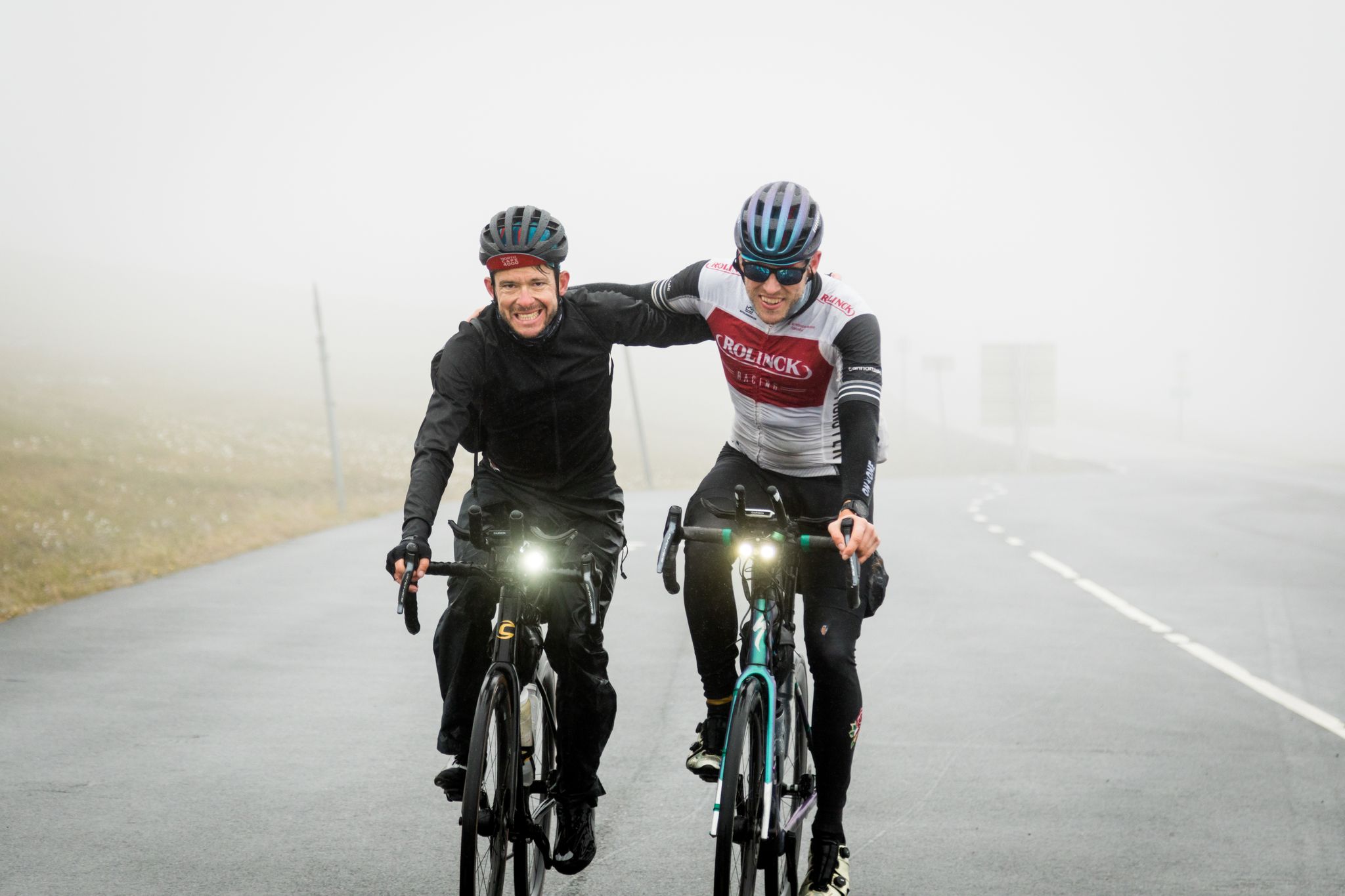
NorthCape4000 – 12 days from Lake Garda to the North Cape
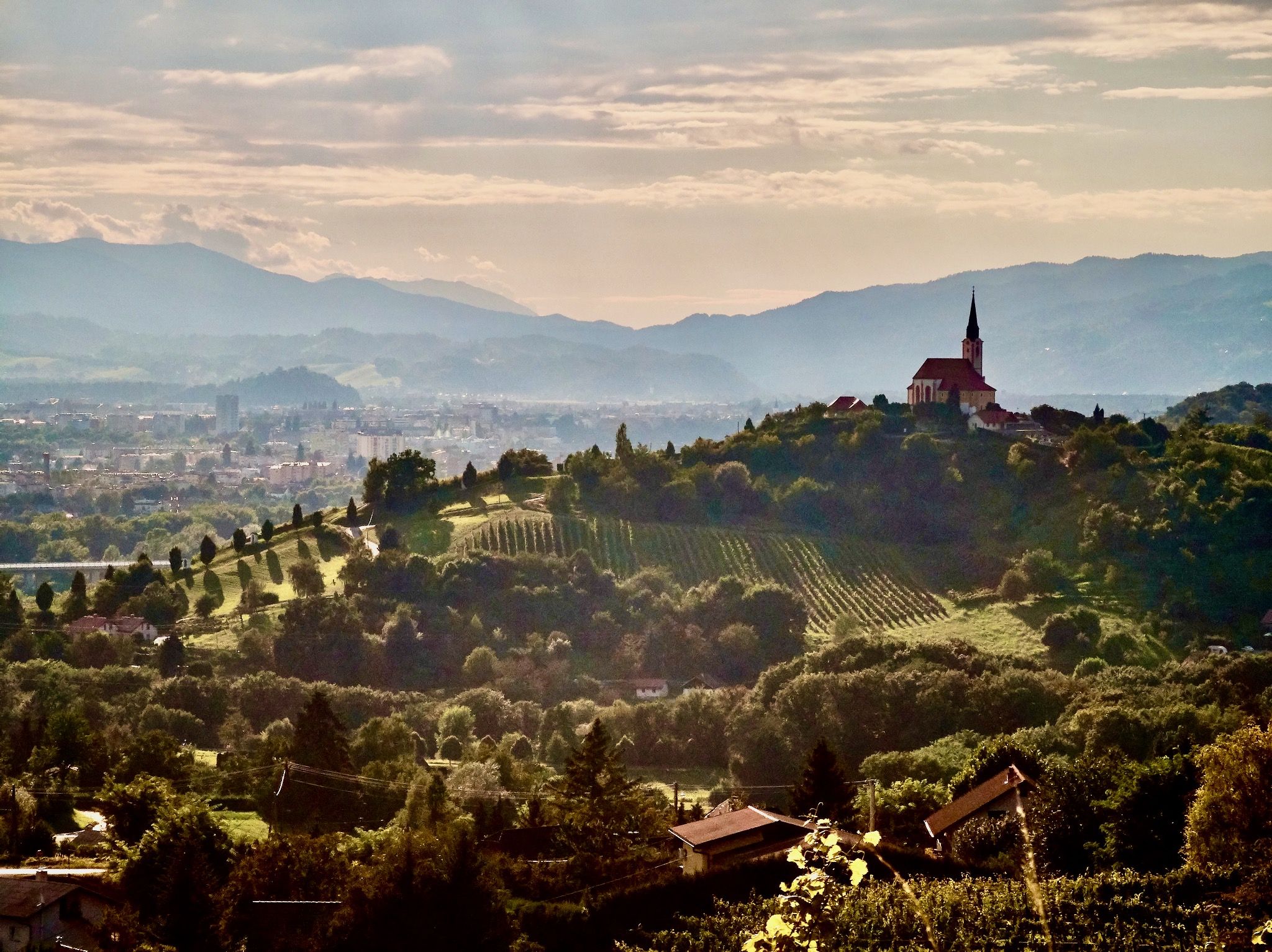
Budapest to Venice via the beautiful Soča Valley
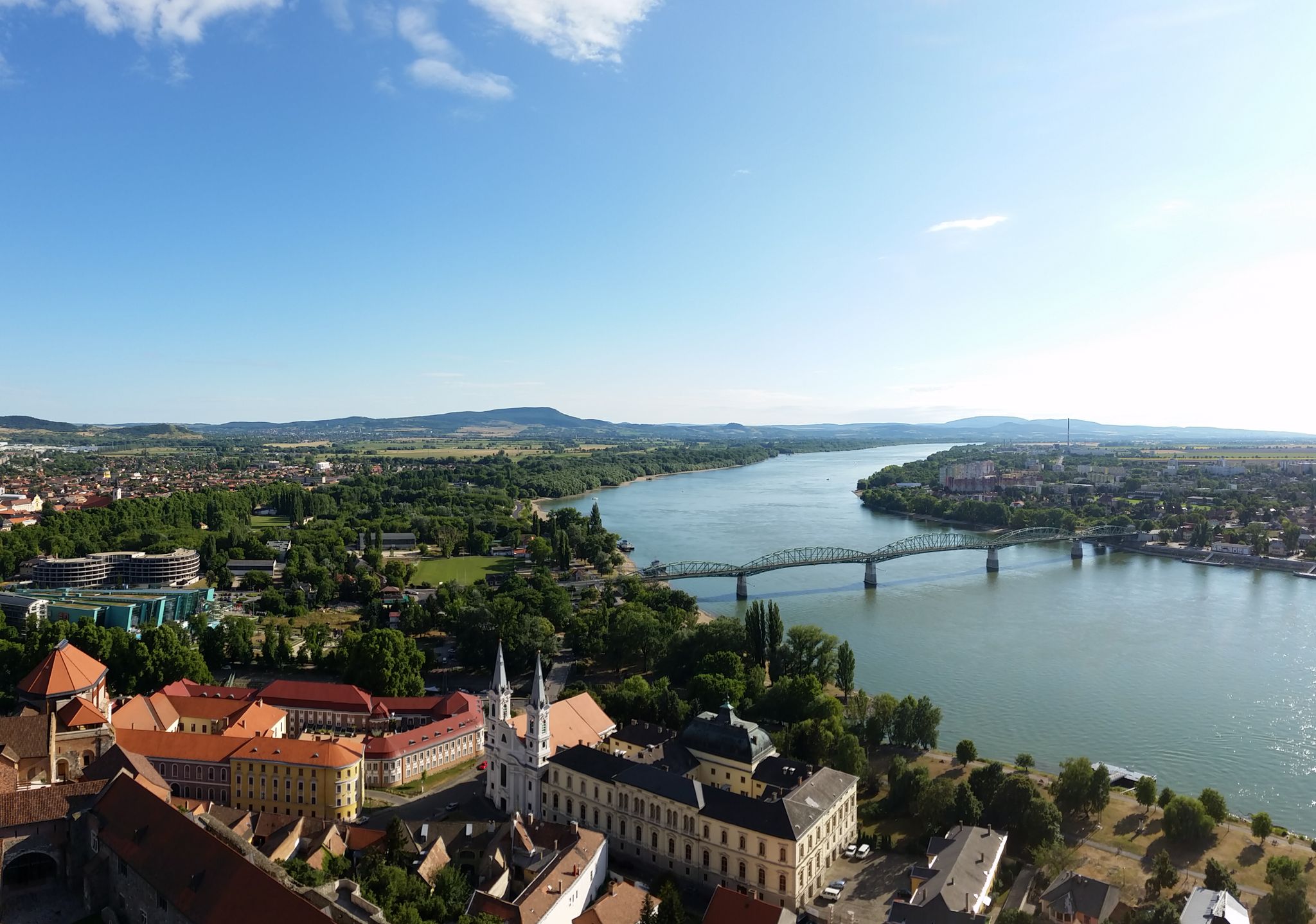
The Danube Cycle Path – From Donaueschingen to Budapest
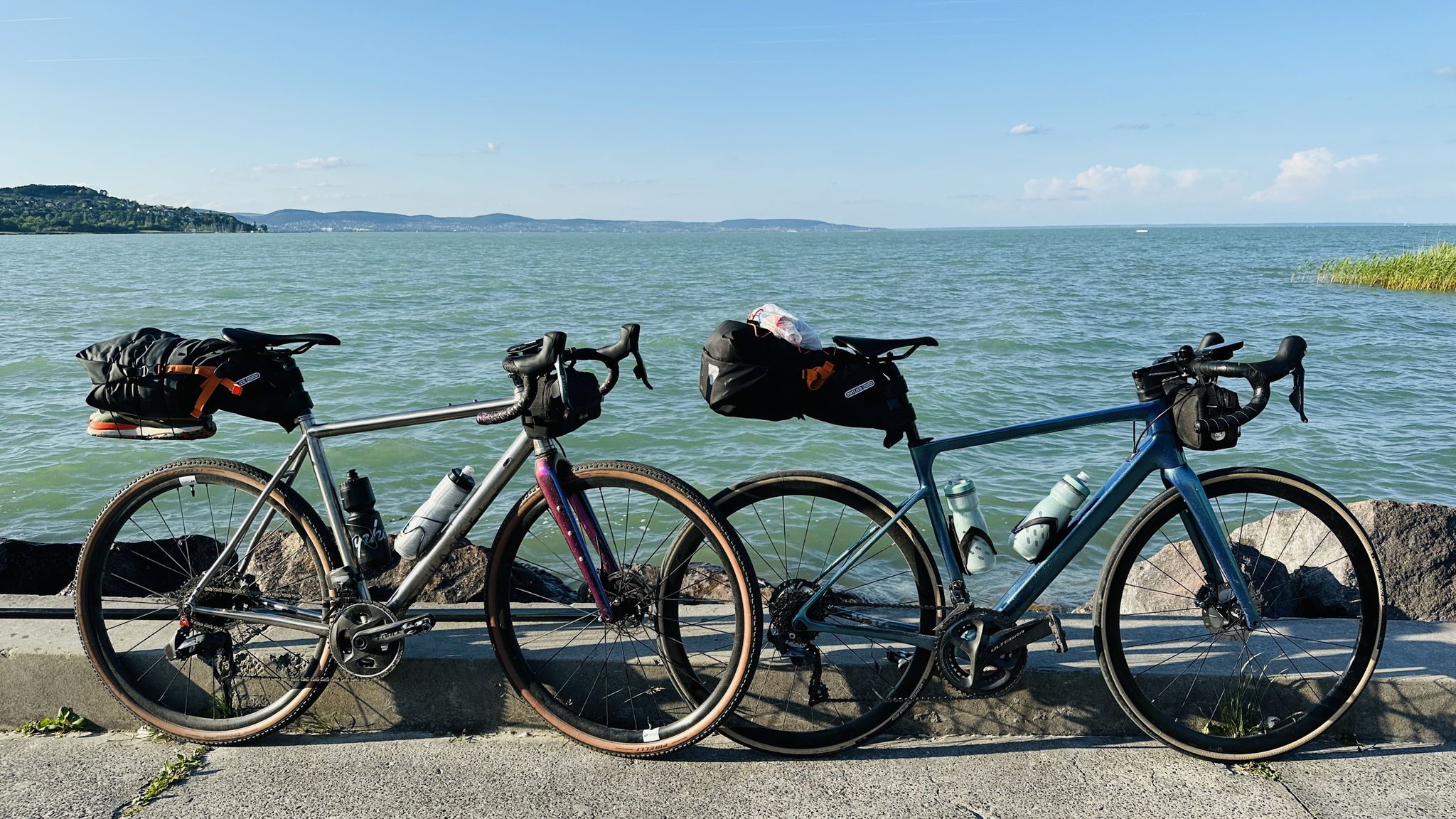
Riding two Koppels through five countries
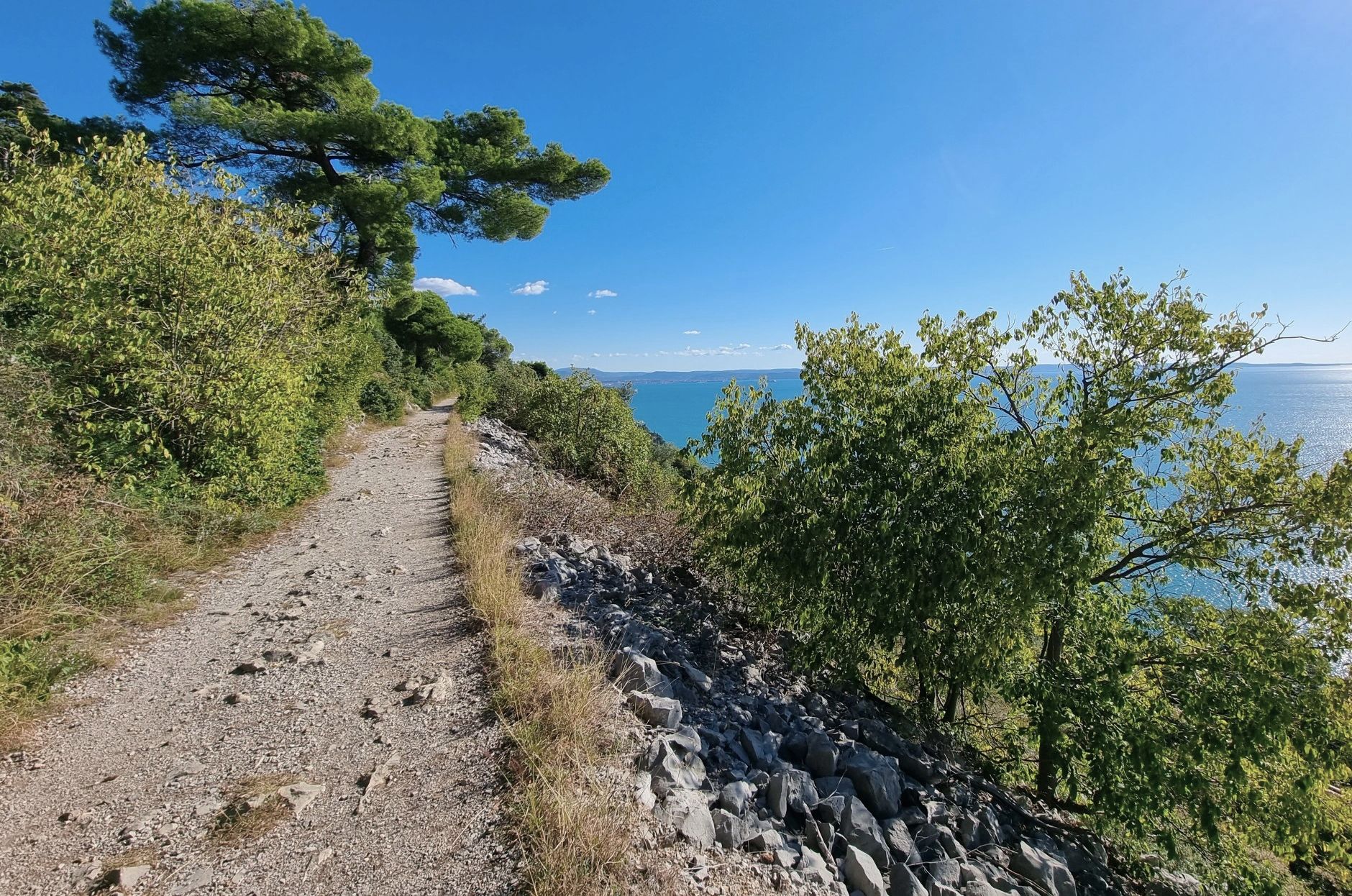
Ride to the sea – gravel bikepacking from Austria’s Vienna to Italy’s Grado
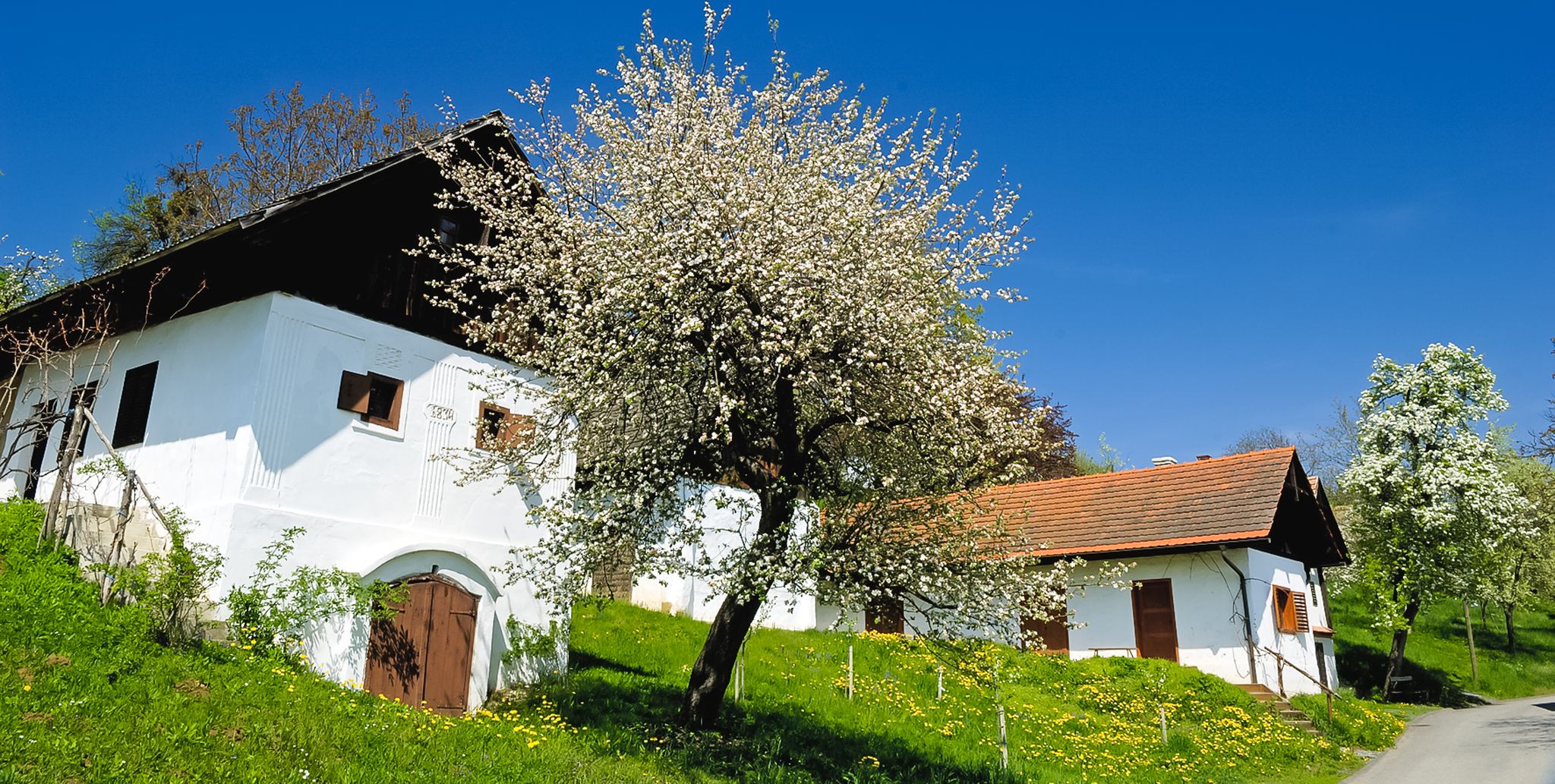
Roman paths in the Burgenland – Amber Trail East Route
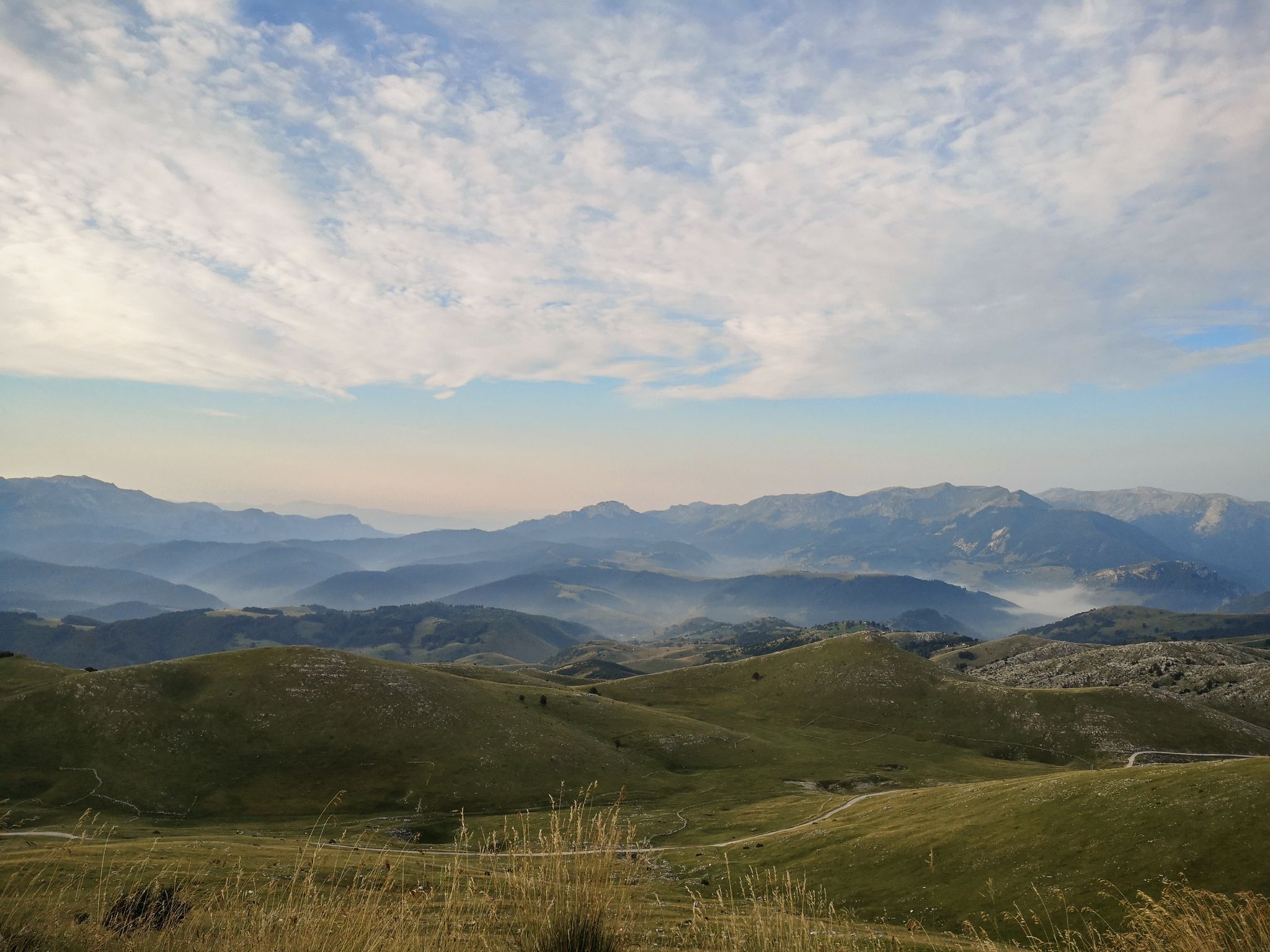
As we wrote history – the Transcontinental Race #TCRN06
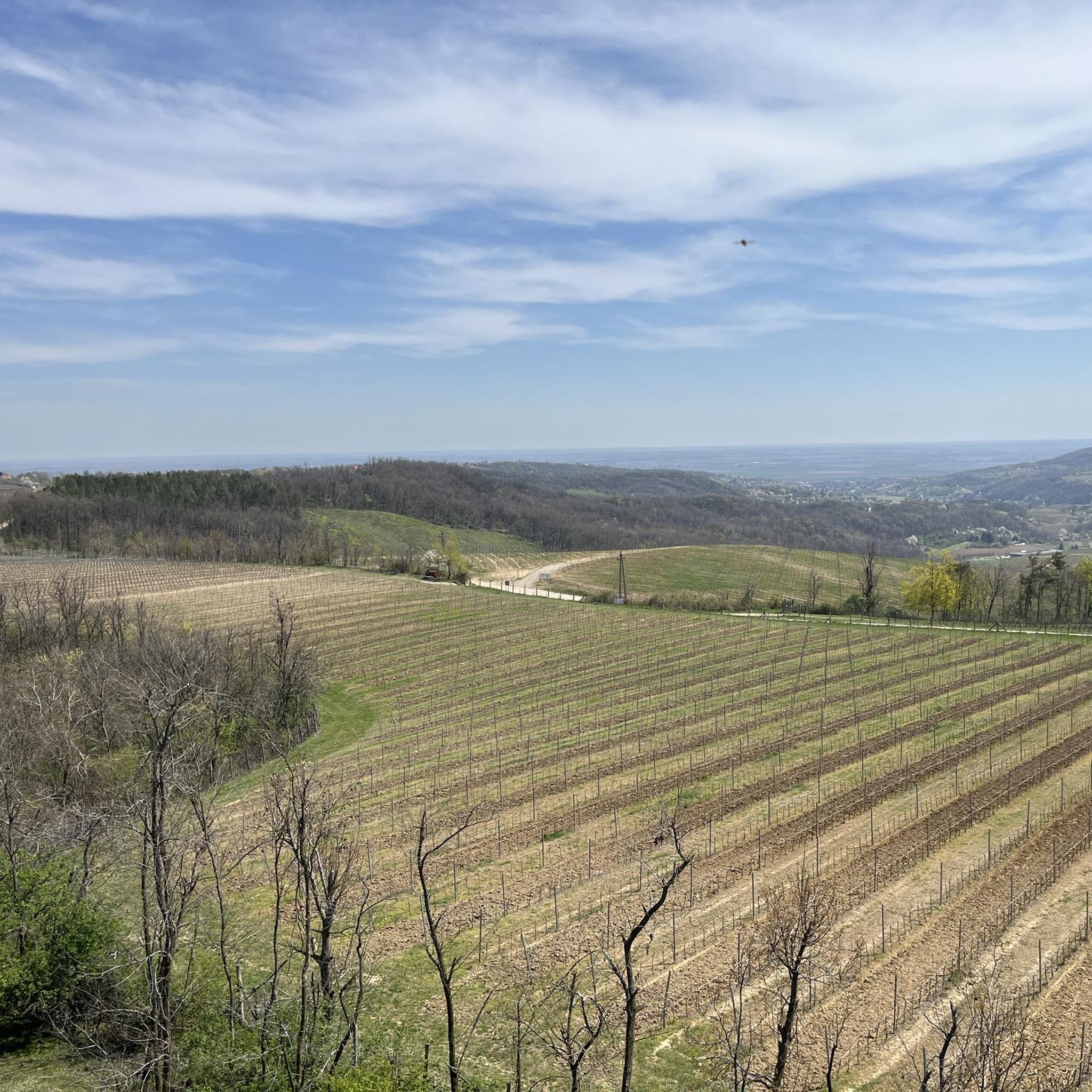
Cycling in Transdanubia
Road Cycling Routes in Transdanubia
Hiking in Transdanubia
Other adventures in Transdanubia


Tips from the Community

Our most powerful national symbol, the monumental Turul Monument - in Tatabánya, from where the view is also perfect.
0
0

Very nice view over the salt lakes
0
0

The "Lange Lacke Ost" observation tower. Towers like this can be found everywhere around Lake Neusiedl.
2
0

A unique landscape with impressive birdlife. The best months for hiking are March to June and autumn, as you can see lots of birds then.
2
0

The observation towers are great for observing nature. After all, you should observe and enjoy nature and not just drive past it. ;-)
0
0

Nice view of the water surfaces. Unfortunately I'm not an ornithologist 😏
1
0

It is the largest bird statue in Europe with a span of 15 m. https://de.m.wikipedia.org/wiki/Tatab%C3%A1nya
2
0

Nice that there are so many lookout towers.
0
0
Frequently Asked Questions
How many mountaineering routes are available in Transdanubia?
Our guide features 5 distinct mountaineering routes across Transdanubia, offering a range of experiences from easy to difficult. You'll find 1 easy route, 3 moderate routes, and 1 difficult route, ensuring options for various skill levels.
Are there any easy mountaineering routes suitable for beginners in Transdanubia?
Yes, Transdanubia offers routes suitable for beginners. For an accessible option, consider the Fokozottan védett terület loop from Csobánka. This easy 3.6-mile (5.8 km) trail leads through protected natural areas and is a great introduction to the region's landscapes.
What kind of landscapes can I expect to see on mountaineering routes in Transdanubia?
Transdanubia's mountaineering routes showcase a diverse landscape, including dolomite and limestone plateaus, dense woodlands, and varied hill ranges. You can explore areas like the Bakony Mountains with their extensive forests, the karst caves and beech forests of the Mecsek Mountains, or the scenic woodlands of the Pilis Mountains. Unique granite rock formations, such as the Pákozdi Ingókövek in the Velence Hills, also add to the visual variety.
Are there any circular mountaineering routes in Transdanubia?
Yes, several routes in Transdanubia are designed as loops, allowing you to start and finish in the same location. Examples include the challenging Mountaineering loop from Tatabánya, the moderate Nagybükk loop from Pilisszentlászló, and the easy Fokozottan védett terület loop from Csobánka. Another moderate option is the Nagy-Csikóvár – Kis-Csikóvár loop from Negyedhármas-barlang.
What are the best times of year for mountaineering in Transdanubia?
The region generally enjoys a Mediterranean-like climate, especially around Pécs and Lake Balaton, making spring and autumn ideal for mountaineering. These seasons offer pleasant temperatures and vibrant natural scenery. While summer can be warm, early mornings or higher elevations can still be enjoyable. Winter mountaineering is possible, but requires appropriate gear and attention to safety, especially on potentially icy or snowy sections.
What can I see along the mountaineering routes in Transdanubia?
Many routes offer opportunities to discover interesting sights. You might encounter various lookout towers providing panoramic views, such as the Kisfaludy Lookout Tower or the Geschriebenstein Observation Tower (Írottkő Lookout). Historical sites like the Csobánc Castle Ruins are also accessible from some trails, adding a cultural dimension to your outdoor adventure.
Are there any routes that offer views of Lake Balaton?
While our current selection of mountaineering routes doesn't directly feature Lake Balaton views, the Velence Hills, part of the Transdanubian Mountains, are known for offering panoramic views of Lake Velence. The broader Balaton Uplands also feature unique rock formations and caves, providing excellent hiking opportunities adjacent to Central Europe's largest freshwater lake.
What do other mountaineers enjoy most about Transdanubia?
The komoot community highly rates the mountaineering experiences in Transdanubia, with an average score of 5.0 stars. Reviewers often praise the region's diverse natural landscapes, the extensive network of well-marked trails, and the opportunities to explore distinct mountain ranges like the Bakony and Pilis. The varied terrain, from challenging ascents to peaceful forest paths, is frequently highlighted.
Are the mountaineering routes in Transdanubia suitable for families?
Transdanubia offers a range of trails, and some are suitable for families, especially those with some hiking experience. The easy routes, such as the Fokozottan védett terület loop from Csobánka, are generally good choices. When planning a family outing, it's always best to check the route's distance, elevation gain, and difficulty grade to ensure it matches your family's abilities.
Is public transport available to access mountaineering trails in Transdanubia?
Access to trails via public transport varies across Transdanubia. While some trailheads, especially near larger towns, might be reachable by bus or train, many routes in more remote mountain areas may require private vehicle access. It's advisable to research specific route starting points and local transport options before your trip.
What kind of wildlife might I encounter on the trails?
Transdanubia's diverse habitats, including dense forests and national parks like Duna-Dráva National Park, support a rich variety of flora and fauna. Depending on the season and location, you might spot various bird species, deer, wild boar, and smaller mammals. The region's Mediterranean-like climate also fosters diverse plant life, adding to the natural beauty.
Are there any unique natural features to look out for?
Absolutely! Transdanubia is home to several unique natural features. The Bakony Mountains feature dolomite and limestone plateaus and the scenic Cuha stream gorge. The Mecsek Mountains boast around 2,000 dolines and 100 caves, including the Abaliget Cave. In the Pilis Mountains, you can find the west-facing white cliffs of Kétágú Hill, and the Velence Hills are famous for their unique granite rock formations like the Pákozdi Ingókövek (movable stones).
Most popular routes in Transdanubia
Most popular attractions in Transdanubia

Get inspired with the komoot mobile app


Explore more
Browse the best Mountain Hikes & Routes in other regions.
