Top 20 Natural Monuments in Subcarpathian Voivodeship
Natural monuments in Subcarpathian Voivodeship feature diverse landscapes, including expansive mountain pastures and dense forests. The region is characterized by its commitment to preserving natural heritage, offering unique ecosystems and geological formations. Visitors can explore national parks, mountain peaks, and significant rock formations. These sites provide opportunities for outdoor recreation and experiencing the region's natural environment.
Best natural monuments in Subcarpathian Voivodeship
- The most popular natural monuments is Tarnica Peak, a summit that reaches 1446 meters above sea level.…
Last updated: September 29, 2026
Tarnica Peak
Highlight • Summit
Translated by Google •
Tip by

Orłowicz Pass
Highlight • Mountain Pass
Translated by Google •
Tip by
Sign up now to discover places like this
Get recommendations on the best single tracks, peaks, & plenty of other exciting outdoor places.
Krzemieniec Three Borders
Highlight • Monument
Translated by Google •
Tip by

Greater Jaslo
Highlight • Summit
Translated by Google •
Tip by

Mała Rawka
Highlight • Summit
Translated by Google •
Tip by
Dwernik Kamień
Highlight • Summit
Translated by Google •
Tip by

Łańcut Park
Highlight • Natural Monument
Tip by

Dział
Highlight • Trail
Translated by Google •
Tip by
Memorial to the Victims of the 1991 Helicopter Crash
Highlight • Monument
The three crew members and 7 accompanying police officers were killed in the crash.
pl.m.wikipedia.org/wiki/Katastrofa_lotnicza_w_okolicach_Cisnej
Translated by Google •
Tip by

Wyżna Pass
Highlight • Mountain Pass
Translated by Google •
Tip by

Sign up for free to discover even more natural monuments in Subcarpathian Voivodeship.
Already have an account?
Start today with a free account
Your next adventure awaits.
Popular around Subcarpathian Voivodeship
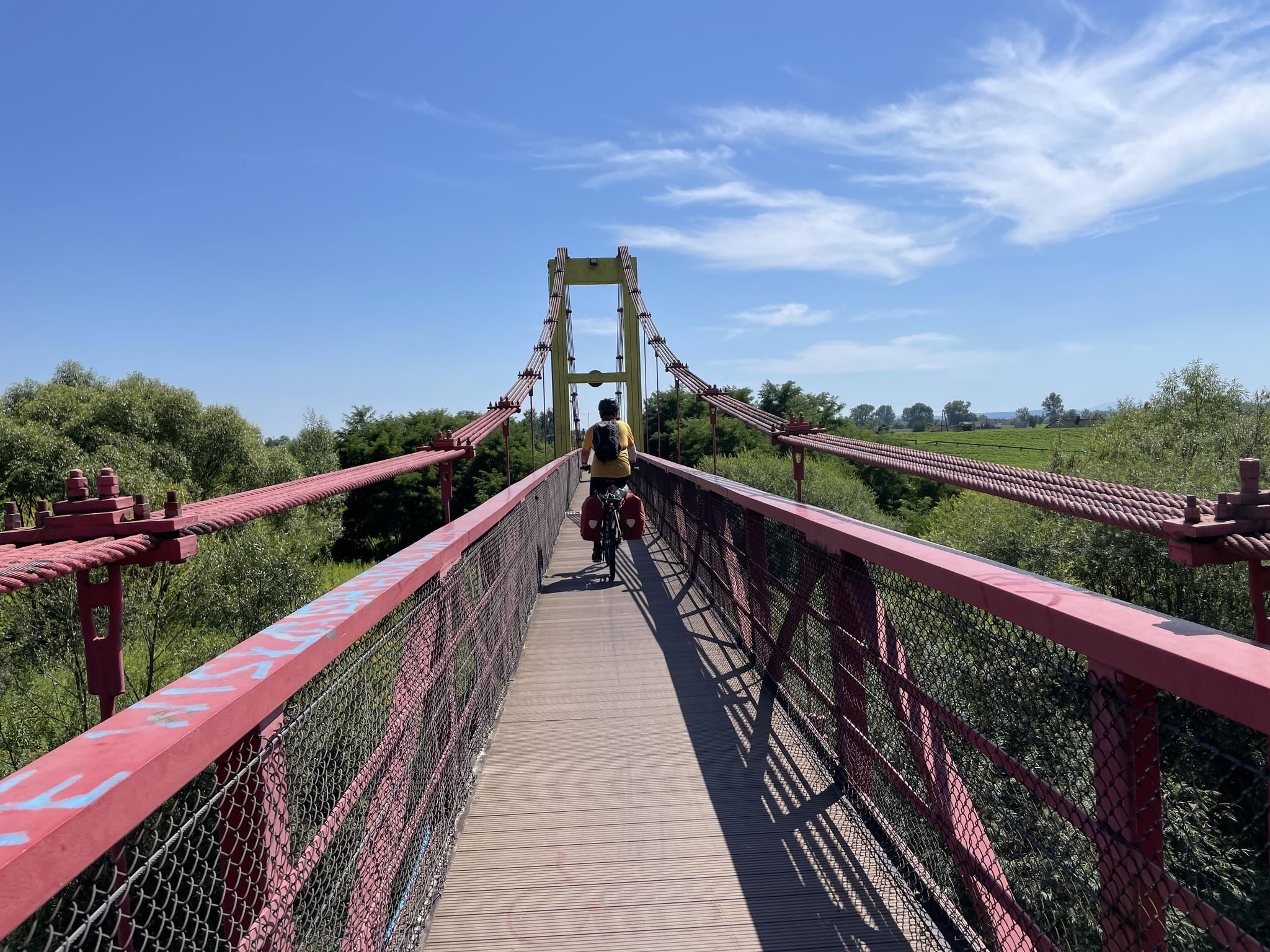
EuroVelo 4 (section in Poland) – Wonderful Vistula river vibes and historic Polish cities
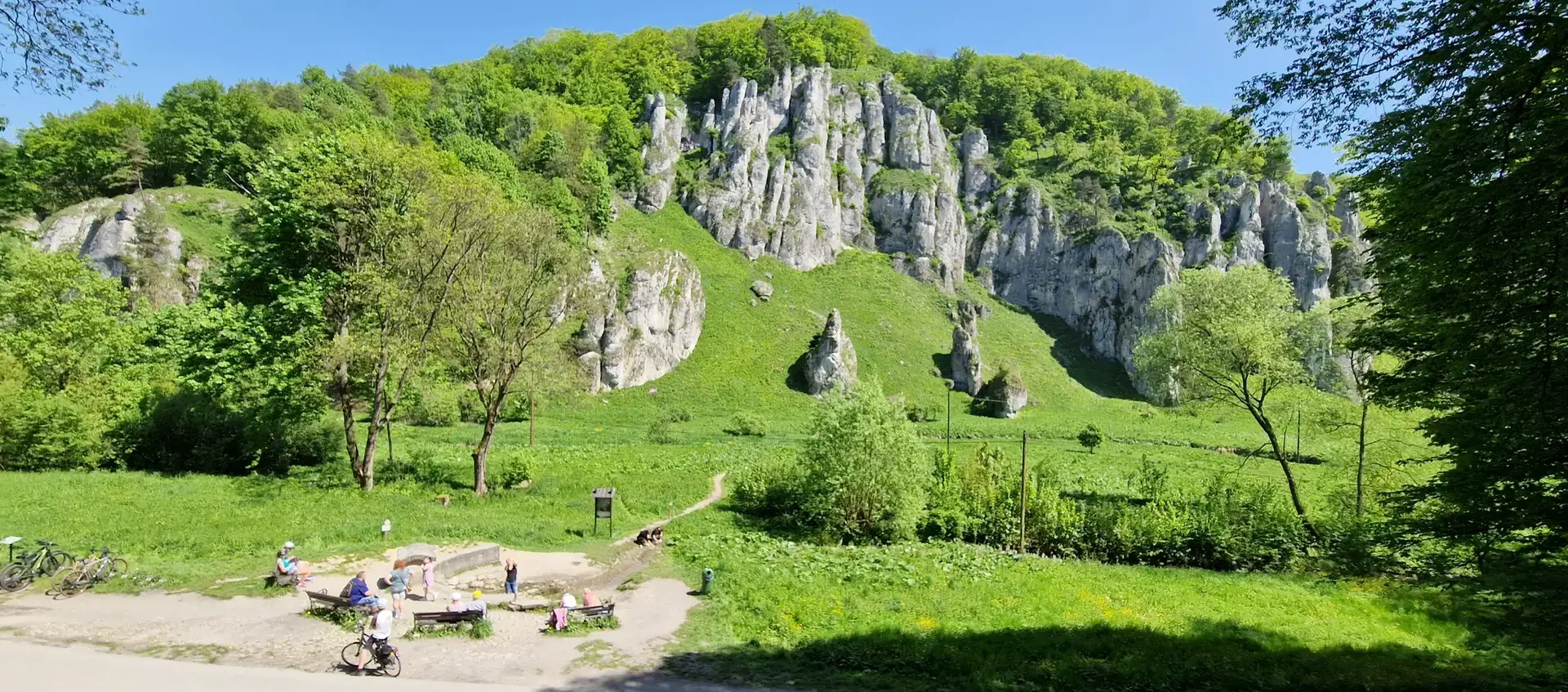
Bike Pilgrimage on the Royal Route – St. James' Way via Regia
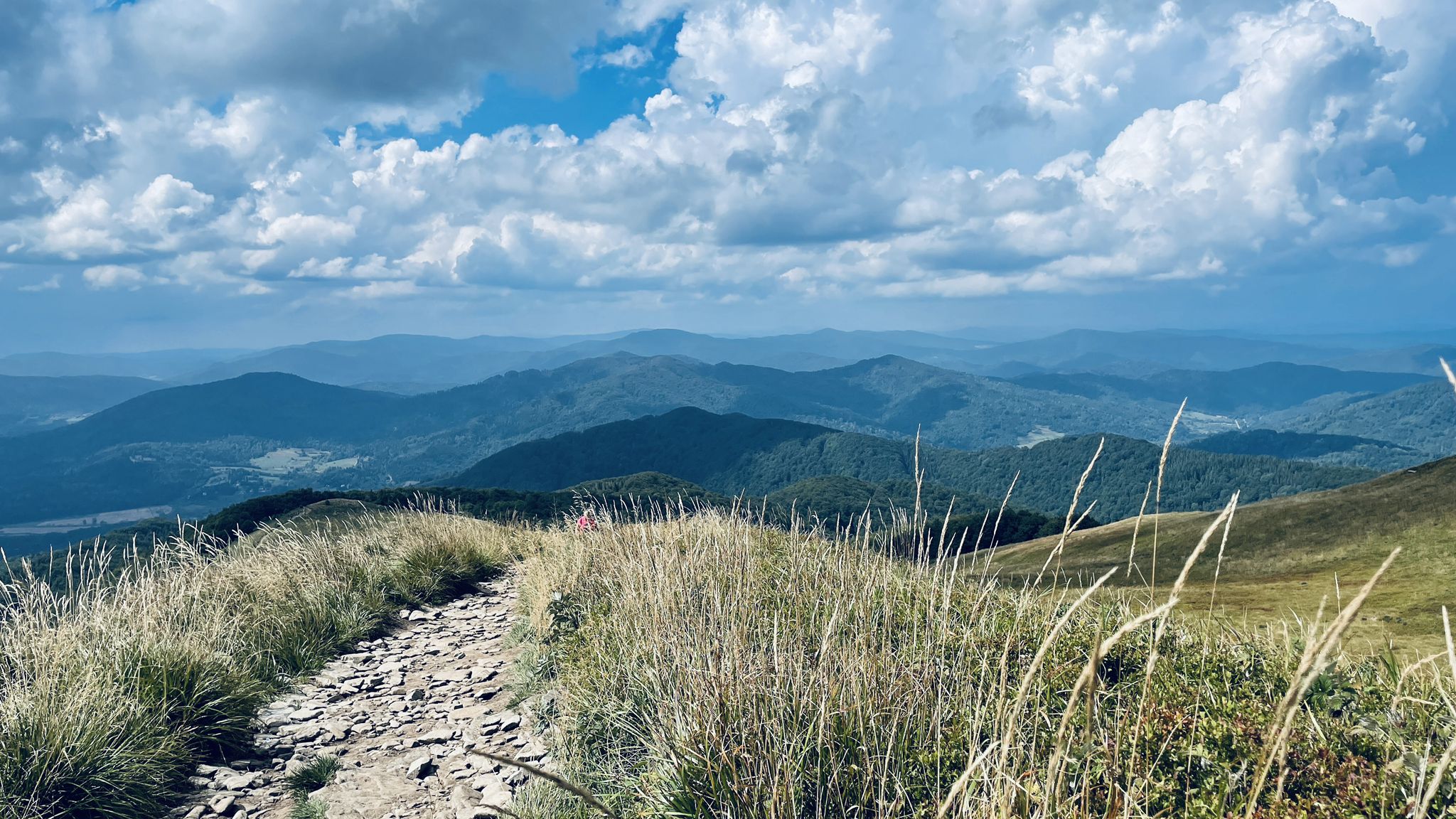
Main Beskids Trail — the longest Polish Mountain Trail
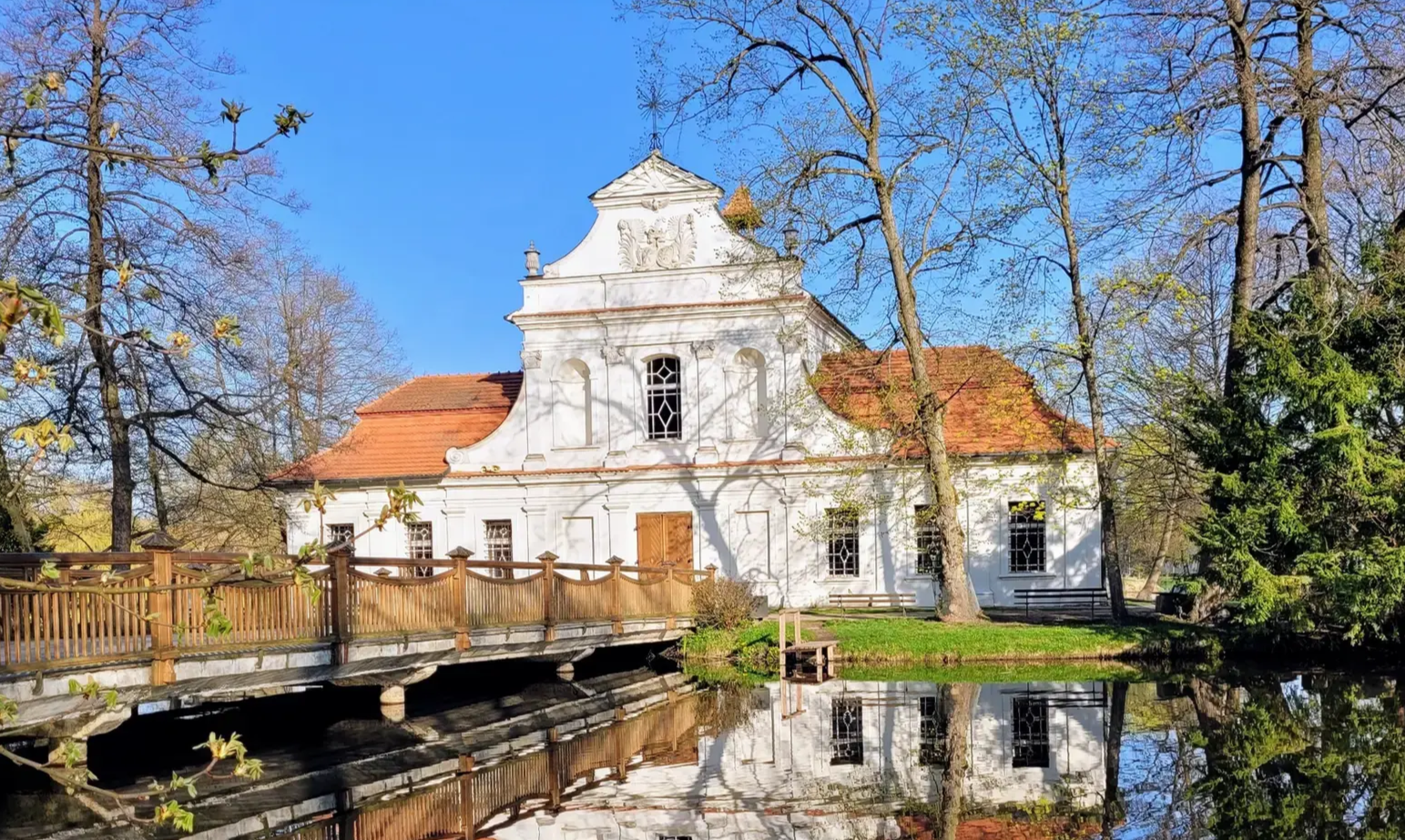
Central Roztocze Trail - beautiful forests and magnificent monuments
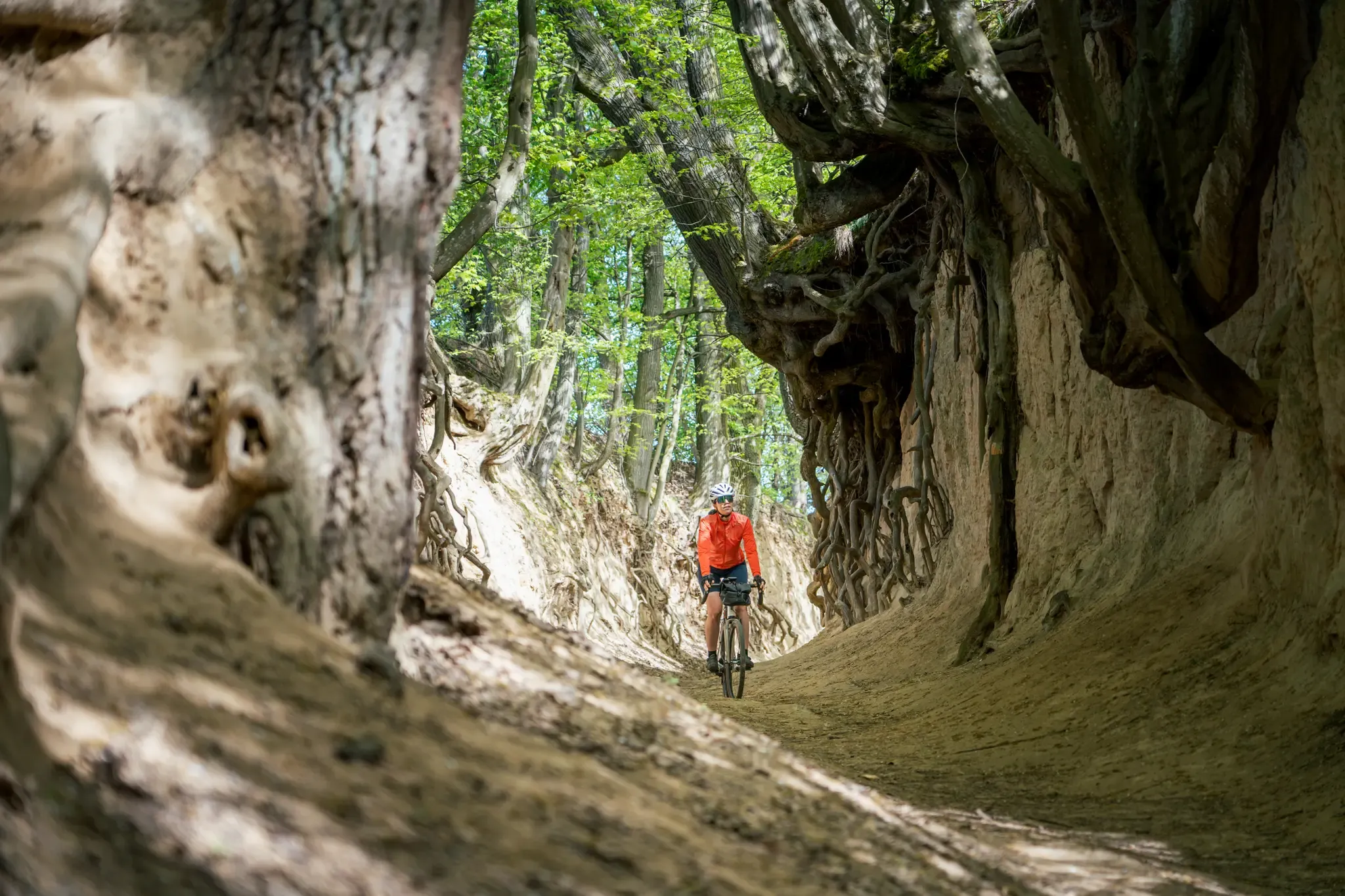
Ancient trees & historic cities – gravel biking in south-eastern Poland
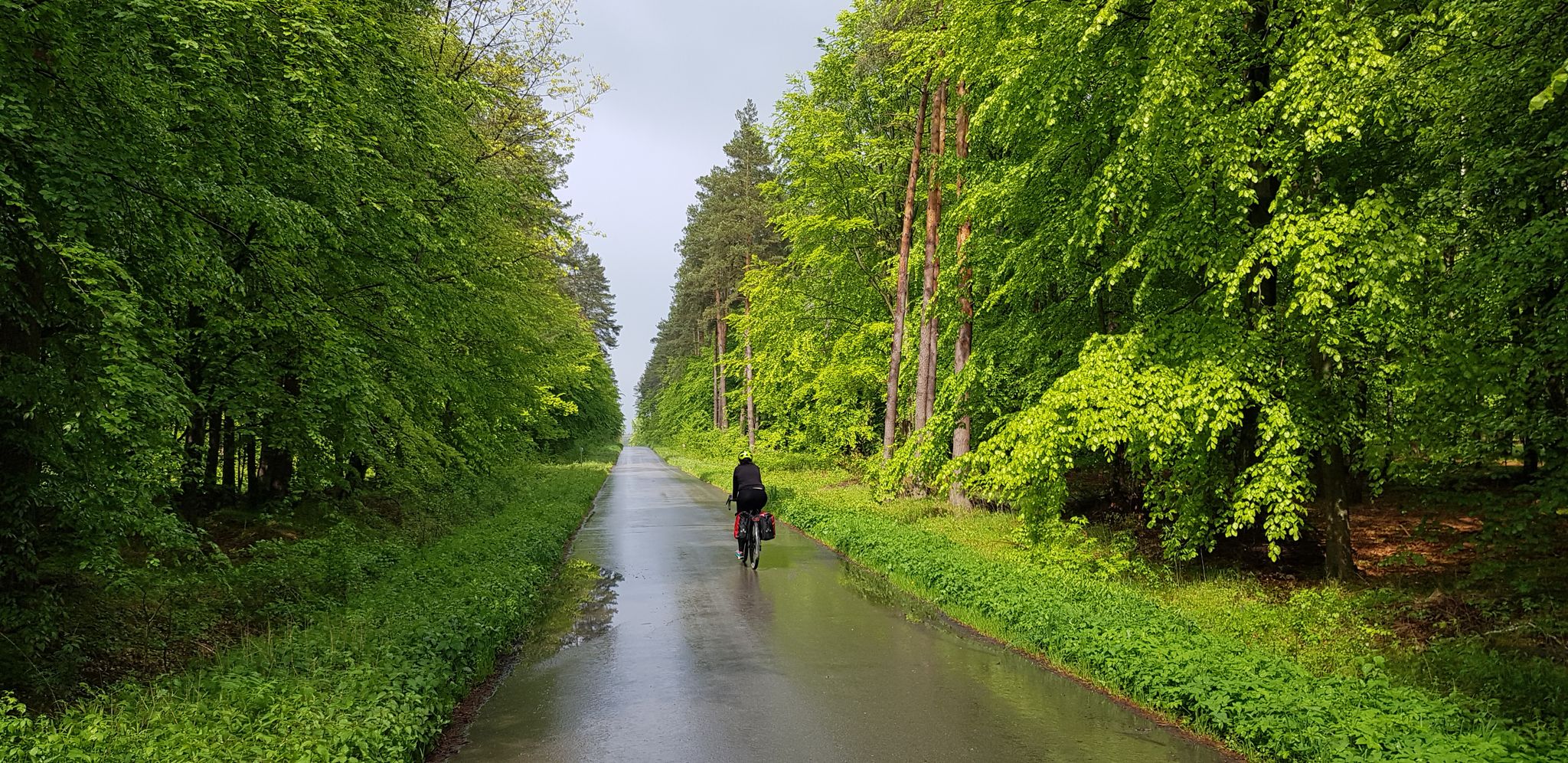
To the east, Eden – La Green Velo Szlak (part one)
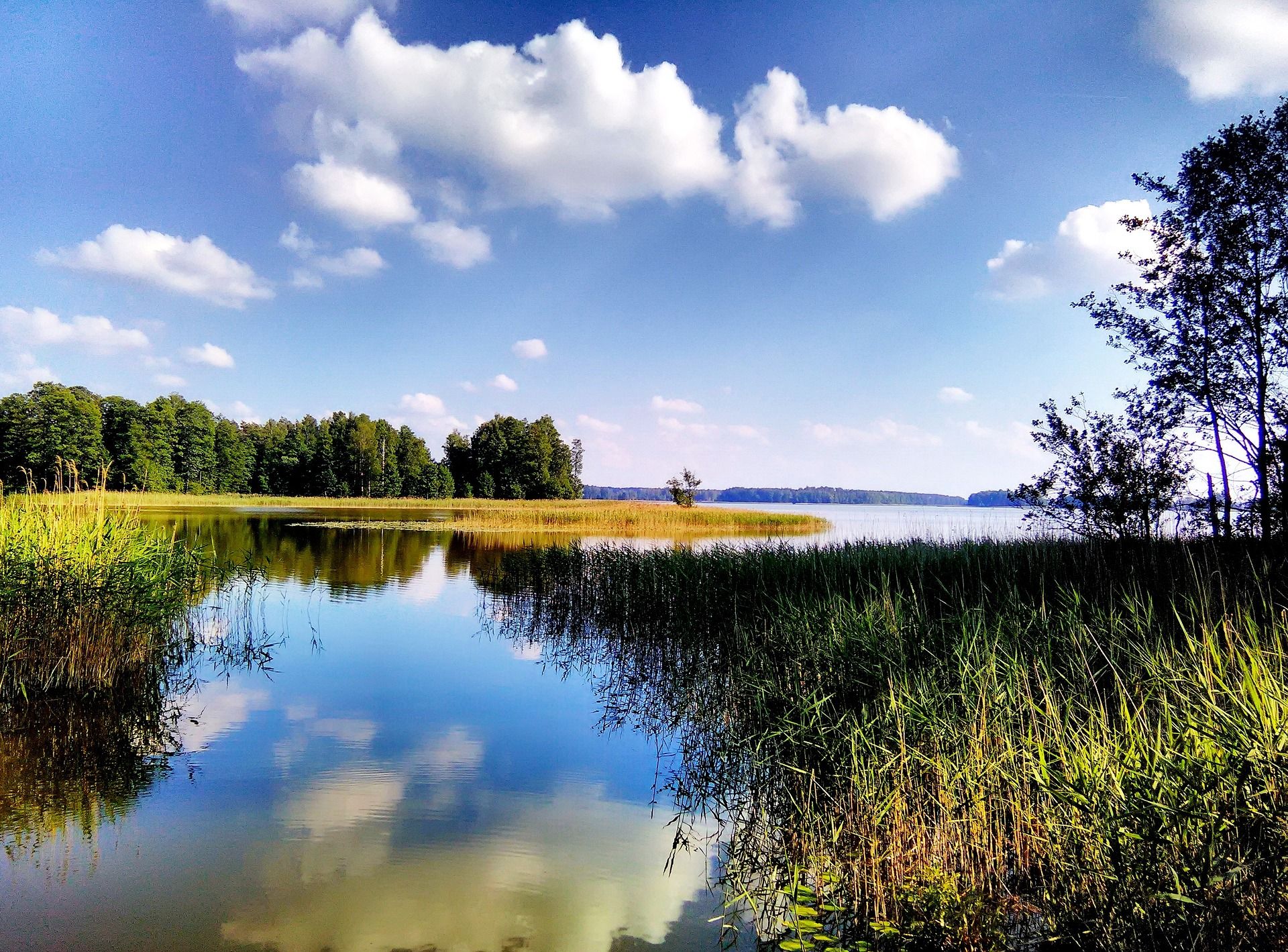
Where Poland's wild soul lives – explore five regions by bike
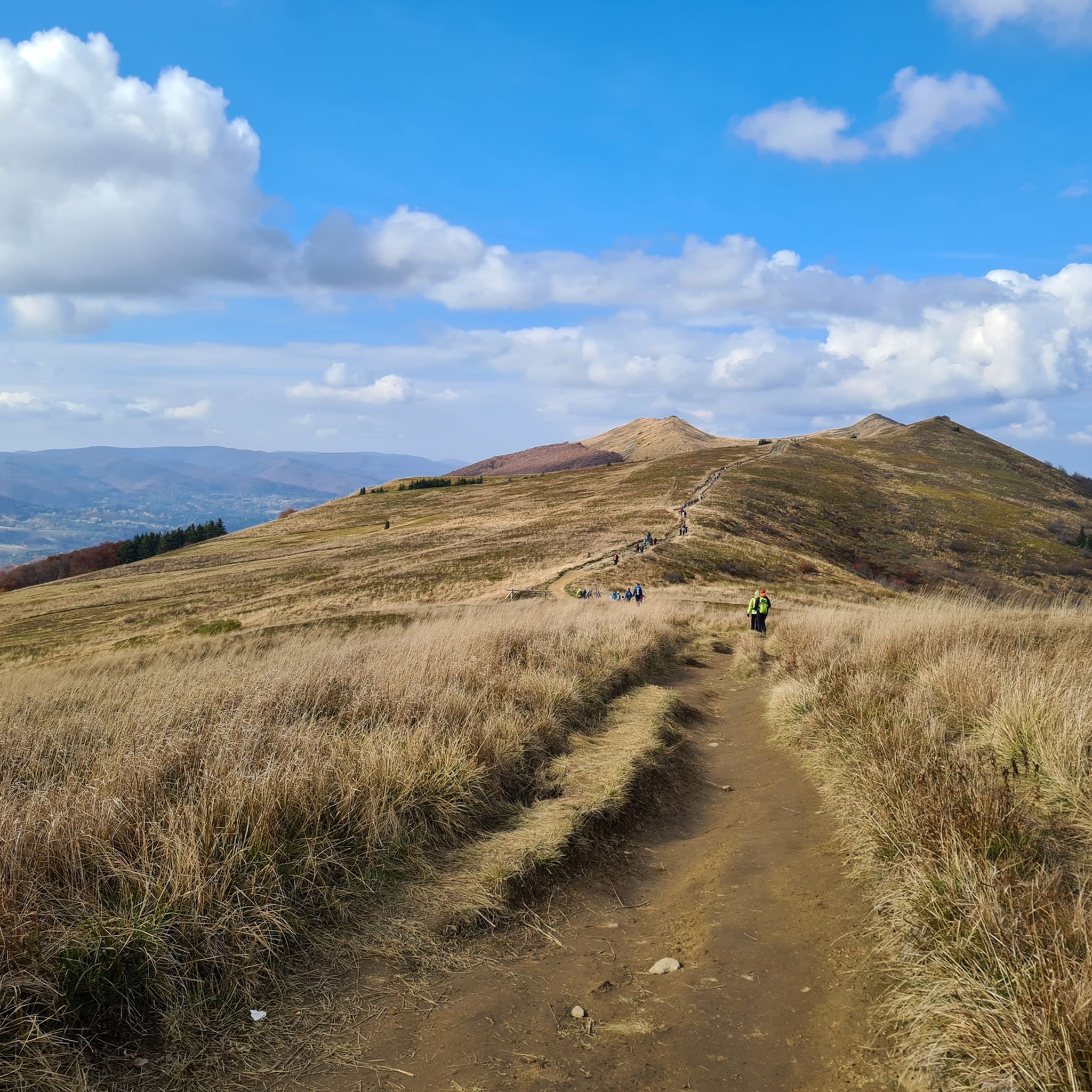
Hiking in Subcarpathian Voivodeship
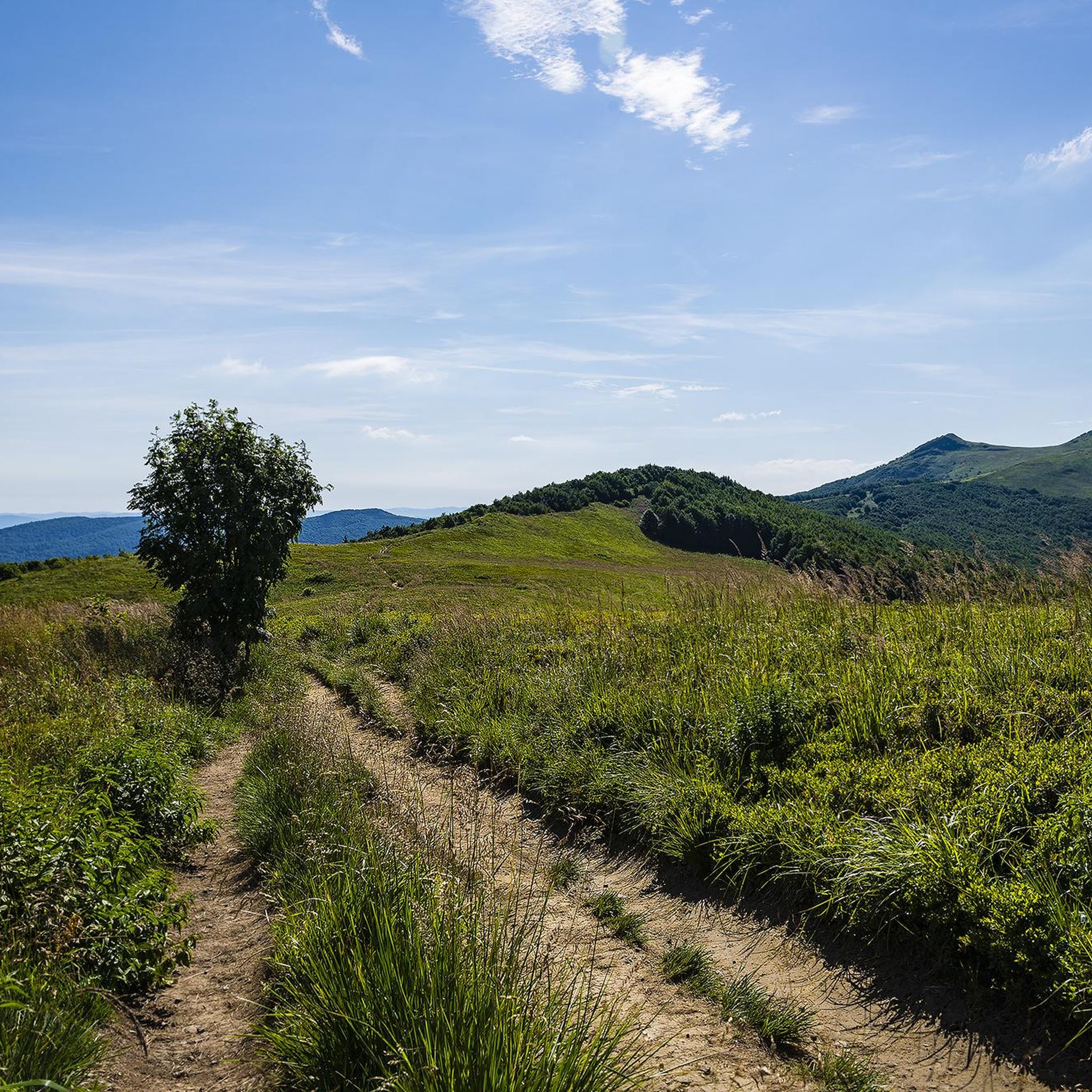
Running Trails in Subcarpathian Voivodeship
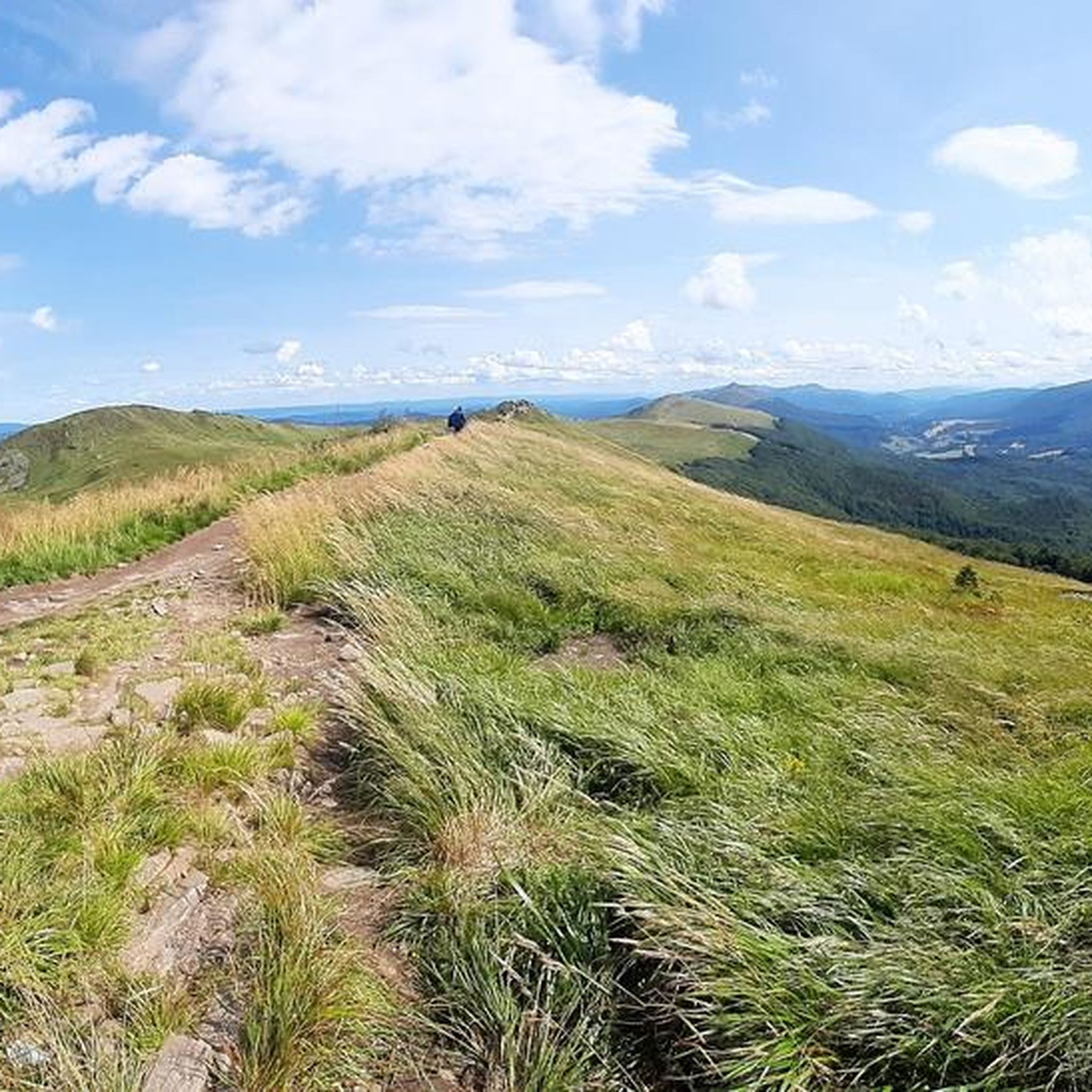
Cycling in Subcarpathian Voivodeship
Other adventures in Subcarpathian Voivodeship


Tips from the Community

More information and photos: https://pl.wikipedia.org/wiki/Dwernik_Kamie%C5%84 https://mapa-turystyczna.pl/node/dwernik-kamien#49.19163/22.58394/14 https://www.twojebieszczady.net/piesze/dwernik_kam.php https://gorydlaciebie.pl/wyprawy/dwernik-kamien-wychodnie-skalne-i-panoramy/ https://www.twojebieszczady.net/krywe.php https://www.twojebieszczady.net/krywe.php https://mapa-turystyczna.pl/trail/sciezka-przyrodniczo-dydaktyczna-dwernik-kamien-c9#49.18656/22.59313/15 https://mapa-turystyczna.pl/trail/sciezka-historyczno-przyrodnicza-przyslup-carynski-krywe-nad-sanem-t7#49.20296/22.57141/12
2
0
More information and photos: https://pl.wikipedia.org/wiki/Dwernik_Kamie%C5%84 https://mapa-turystyczna.pl/node/dwernik-kamien#49.19163/22.58394/14 https://www.twojebieszczady.net/piesze/dwernik_kam.php https://gorydlaciebie.pl/wyprawy/dwernik-kamien-wychodnie-skalne-i-panoramy/ https://www.twojebieszczady.net/krywe.php https://climb.pl/dwernik-kamien-trasa-dla-kazdego/ https://mapa-turystyczna.pl/trail/sciezka-przyrodniczo-dydaktyczna-dwernik-kamien-c9#49.18653/22.59313/15 https://mapa-turystyczna.pl/trail/sciezka-historyczno-przyrodnicza-przyslup-carynski-krywe-nad-sanem-t7#49.19448/22.56489/13
2
0
More information and photos: https://pl.wikipedia.org/wiki/Krzemieniec_(szczyt) https://goryaktywnie.pl/krzemieniec https://mapa-turystyczna.pl/node/krzemieniec#49.08803/22.56566/14 https://marcinkarpinski.pl/krzemieniec-mala-i-wielka-rawka/ https://www.info.bieszczady.pl/turystyka/szczyty/krzemieniec/
2
0
More information: https://gdziebytudalej.pl/na-widokowe-jaslo-i-graniczny-stryb/ https://www.twojebieszczady.net/piesze/przyslup_jaslo.php https://magazynnaszczycie.pl/artykul/skiturowa-klasyka-bieszczadow-n1510246
1
0
Jasło (1153 m a.s.l.[1]) – a mountain in the Western Bieszczady Mountains, also called Wielki Jasłem in contrast to the nearby Mały Jasłem. Located within the Cisna commune in the Lesko county. This mountain, formerly called Jasiel or Wasiel, constitutes the highest culmination of the ridge stretching from Okrąglik in the border range north-westwards, towards Cisna. At the summit, there is a geodetic tower, and below it, a plaque marking the peak. The mountain slopes are covered with Carpathian beech forest and beech-fir forests, a significant part of which are old-growth stands. The clearings occurring in the summit areas were likely formed as a result of human activity. This is evidenced by the lack of stunted beech growth at the forest edge, as well as individual trees growing among the alpine meadows. The presence of these clearings provides views in all directions, including towards Slovakia. Many rare animal species live in this area, including: wolves, bears, lynxes, capercaillies. This area is an important link in the "Carpathian" ecological corridor. The Jasło mountain area is protected as part of the Ciśniańsko-Wetliński Landscape Park, it lies in the buffer zone of the Bieszczady National Park, the International Biosphere Reserve "Eastern Carpathians" and is protected within the European network of protected areas Natura 2000 Bieszczady (PLC 180001). Since 1998, successive mayors of the Cisna commune have promoted the construction of ski lifts on the slopes of Jasło, seeing it as an opportunity for economic development of the commune and for generating additional income for its residents. The planned construction of a large winter sports center in the form of three lifts 2 km long, a half-pipe for snowboarders, a summer pedestrian lift and a mountain bike lift contradicts national and EU environmental protection law. In 1998, the Provincial Commission for Nature Protection and the Scientific-Social Council of the Carpathian Landscape Parks Complex in Krosno gave a negative opinion on the possibility of locating the investment on the slopes of the mountain, which lies in the II usage zone, where such investments are not permitted, in accordance with the protection plan of the Ciśniańsko-Wetliński Landscape Park. Furthermore, investments significantly impacting the environment are not permitted in Natura 2000 areas. Information source: https://pl.wikipedia.org/wiki/Jas%C5%82o_(g%C3%B3ra)
1
0
More information: https://www.podkarpackahistoria.pl/artykul/48,katastrofa-smiglowca-pod-cisna-tragiczne-kulisy-magazynu-kryminalnego-997 https://dziejesienapodkarpaciu.pl/katastrofa-smiglowca-w-cisnej-zgineli-policjanci-i-zolnierze-na-planie-997/ https://wbieszczady.pl/aktualnosci/katastrofa-lotnicza-w-bieszczadach-czyli-dramat-posrod-ciszy-lasu/tOgbSO1fDb3Bk1xABmML
1
0
An air disaster near Cisna took place on January 10, 1991. History A Mi-8T helicopter from the 103rd Aviation Regiment of the Internal Troops of the Ministry of Internal Affairs was transporting a film crew of the "Magazyn Kryminalny 997" television program to Cisna (it was supposed to cover the case of the discovery of the body of a woman involved in currency trading in Rzeszów in Dołżyca). During the accident, there was strong wind. The aircraft crashed to the ground between Cisna and Majdan, followed by a fire. During the accident, the television crew was on the ground. The disaster killed people from the Police (officers and one civilian employee; passengers) and the crew of soldiers of the aviation of the Internal Troops of the Ministry of Internal Affairs. According to the presenter of "Magazyn Kryminalny 997", Michał Fajbusiewicz, the flight that ended in disaster was intended to circle Cisna and serve the television crew to film the area with the helicopter's camera from the air, after which the television crew was supposed to fly to Rzeszów. After takeoff, the pilot mistakenly caused a helicopter malfunction and crashed onto a forested mountainside. During the disaster, snow lay in the area. The program's crew recorded the accident with a video camera. The video tapes with previously produced television material for the program were destroyed in the disaster. The recovery of bodies from the wreckage was completed on January 11, with the participation of GOPR rescuers and soldiers of the Armed Forces of the Republic of Poland. A monument was erected at the crash site in 1992. Causes of the disaster The helicopter was flying at an altitude of about 40 meters above the Solinka riverbed. The pilot initiated a climb too late and too energetically, which caused the helicopter to stall. The helicopter hit the treetops with its tail boom, lost controllability, and consequently crashed to the ground. source of information: https://pl.wikipedia.org/wiki/Katastrofa_lotnicza_w_okolicach_Cisnej
1
0

A mountain at an altitude of 1,153 meters above sea level in Lesko County. It's called Wielki Jasło (Great Jasło) to distinguish it from the nearby Mały Jasło. The mountain is cleared here and uncrowded, offering a beautiful panorama in every direction.
1
0
Frequently Asked Questions
What are some of the most popular natural monuments to visit in Subcarpathian Voivodeship?
The region offers a variety of stunning natural monuments. Among the most popular are Tarnica Peak, the highest point in the Polish Bieszczady with panoramic views, and Orłowicz Pass, a frequently visited junction of trails in the Bieszczady Mountains. Another favorite is Mała Rawka, a summit where green and yellow trails intersect, offering great views and benches for rest.
Are there natural monuments suitable for families in Subcarpathian Voivodeship?
Yes, several natural monuments are family-friendly. The Diabli Kamień Rock Formation, located on the edge of Magurski National Park, is a great option with its unique rock shapes and local legend. Łańcut Park, with its extensive grounds and historical castle, also provides a pleasant outing for families.
What kind of unique natural features can I expect to see in the region?
Subcarpathian Voivodeship is rich in diverse natural features. You can explore the expansive mountain pastures known as 'połoniny' in Bieszczady National Park, the unique geological formations like the sculpted sandstones in the Kornuty nature reserve within Magura National Park, or the gentle, green hills and small waterfalls of Eastern Roztocze. The Diabli Kamień Rock Formation is another example of unique rock structures.
What outdoor activities can I do near these natural monuments?
The region is ideal for various outdoor activities. You can enjoy extensive hiking, mountain biking, and cycling. For detailed routes, explore the guides for Mountain Hikes, MTB Trails, and Cycling in Subcarpathian Voivodeship.
Are there specific hiking trails near the natural monuments?
Yes, many natural monuments are integrated into hiking networks. For instance, trails lead to Tarnica Peak from Wołosate, and the Orłowicz Pass is a hub for multiple trails. You can find more options, including routes to Wielka Rawka and Mała Rawka, in the Mountain Hikes in Subcarpathian Voivodeship guide.
Where can I experience diverse wildlife and untouched nature?
For diverse wildlife and untouched nature, Bieszczady National Park is renowned for its European bison, lynxes, wildcats, and golden eagles. Magura National Park, with its dense forests, is a sanctuary for brown bears, wolves, and Ural owls. Eastern Roztocze, a UNESCO Biosphere Reserve, also hosts protected species like the European beaver and lesser spotted eagle.
What is the best time to visit the natural monuments for hiking?
The best time for hiking in the Subcarpathian Voivodeship's natural monuments is generally from late spring to early autumn (May to October), when the weather is mild and trails are most accessible. Summer offers lush greenery, while autumn brings vibrant foliage. Some trails, like those around Diabli Kamień Rock Formation, are accessible year-round.
Are there any natural monuments with historical or cultural significance?
Yes, some natural monuments intertwine with history. The Diabli Kamień Rock Formation has a local legend associated with it. The Golden Spring (Holy Spring of St. John of Dukla) holds religious significance. Additionally, the Old Railway Viaduct over the Osława Rapids is a historical structure set amidst natural beauty. Łańcut Park also features a historical castle.
What are some lesser-known natural monuments worth exploring?
Beyond the major parks, consider visiting the Lisia Góra Nature Reserve near Rzeszów, known for its loess rock hillsides and rich alpine flora, including magnificent pedunculate oaks. The Arboretum in Bolestraszyce offers a beautifully maintained collection of diverse plant species for a more tranquil experience.
Can I find viewpoints with panoramic scenery among the natural monuments?
Absolutely. Tarnica Peak is famous for its breathtaking panoramic views. Wielka Rawka also offers stunning vistas of the surrounding Bieszczady Mountains. Many other summits and mountain passes, such as Orłowicz Pass and Mała Rawka, provide excellent viewpoints.
Are there any water-based natural attractions in the Subcarpathian Voivodeship?
Yes, Lake Solina, often called the 'Bieszczady Sea,' is a large artificial reservoir nestled in the mountains, perfect for boating, fishing, and relaxation. Eastern Roztocze also features picturesque small waterfalls on its rivers and streams, adding to its natural charm.
Most popular routes in Subcarpathian Voivodeship
Most popular attractions in Subcarpathian Voivodeship

Get inspired with the komoot mobile app


Didn’t find what you were looking for?
Find even more amazing natural monuments in Subcarpathian Voivodeship by checking out the top Highlights region by region:
Explore more
Extend your search for the best caves by checking out these guides of the top ones in Subcarpathian Voivodeship:
