Top 20 Natural Monuments in Banská Bystrica
Best natural monuments in Banská Bystrica are situated in central Slovakia, surrounded by diverse landscapes and geological formations. The region features extensive karst landscapes, including limestone plateaus, deep gorges, and cave systems. It is also known for its well-preserved Carpathian forests and significant mountain ranges. These natural areas offer varied terrain and rich biodiversity.
Best natural monuments in Banská Bystrica
- The most popular natural monuments is Ďumbier Peak, a summit that is the tallest peak in the Low Tatras…
Last updated: May 13, 2026
Andrejcová Shelter
Highlight • Mountain Hut
We got a soup in the evening and scrambled eggs in the morning. The food and the …
Tip by

Vtáčnik Summit
Highlight • Summit
Translated by Google •
Tip by

Sign up now to discover places like this
Get recommendations on the best single tracks, peaks, & plenty of other exciting outdoor places.
Sign up for free
Ďumbier Peak
Highlight • Summit
Tip by

Gorge Trail with Metal Steps – Muránska Planina National Park
Highlight (Segment) • Gorge
Translated by Google •
Tip by

Kráľova Hoľa Summit
Highlight • Summit
Translated by Google •
Tip by

Chopok Peak
Highlight • Summit
Tip by
Panoramic Trail to the Valley, Low Tatras National Park
Highlight • Trail
Translated by Google •
Tip by

Hiadeľ Saddle
Highlight • Mountain Pass
Tip by

Veľká Chochuľa
Highlight • Summit
Tip by
Bystrý Potok Waterfall
Highlight • Waterfall
Translated by Google •
Tip by

Sign up for free to discover even more natural monuments in Banská Bystrica.
Sign up for free
Already have an account?
Start today with a free account
Your next adventure awaits.
Login or Signup
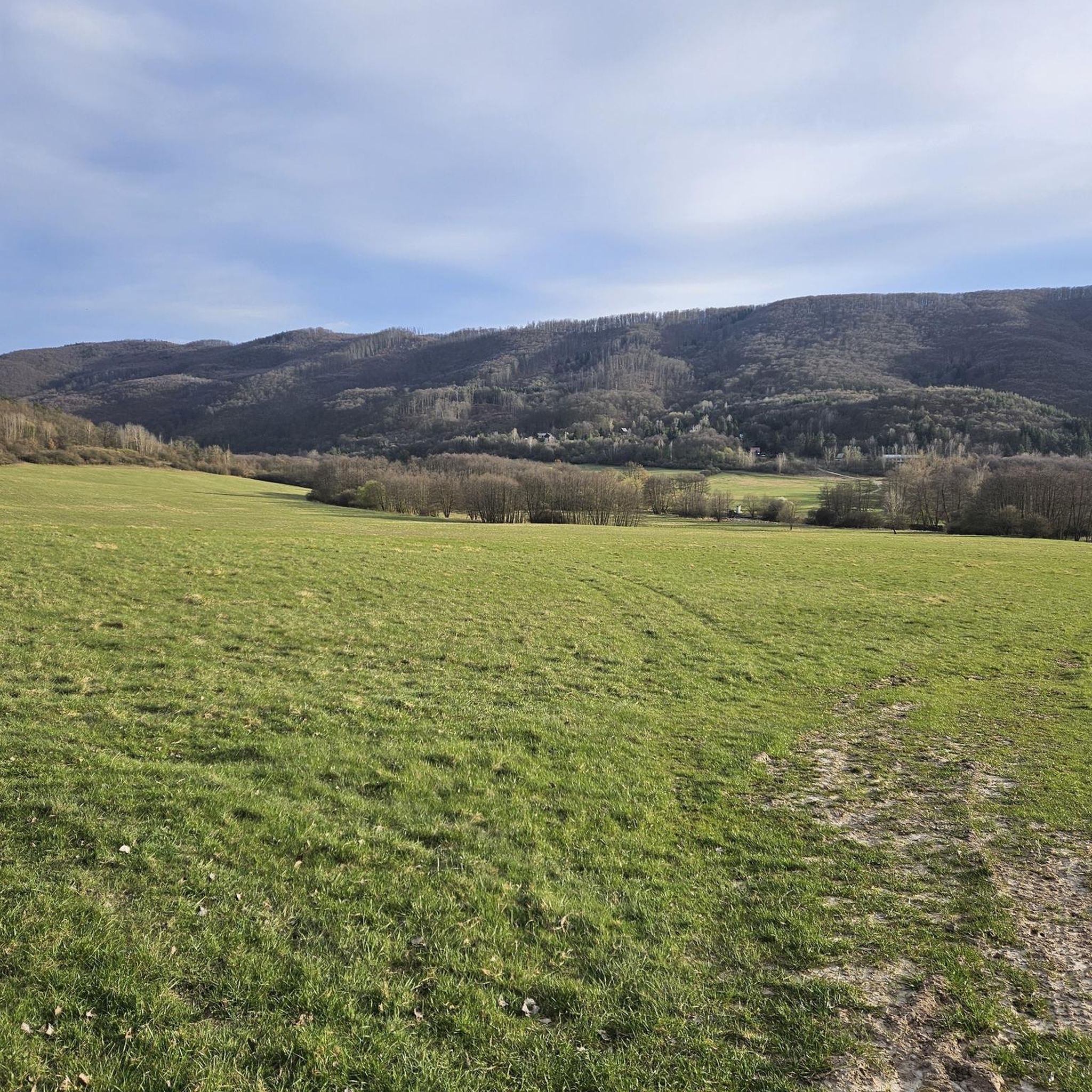
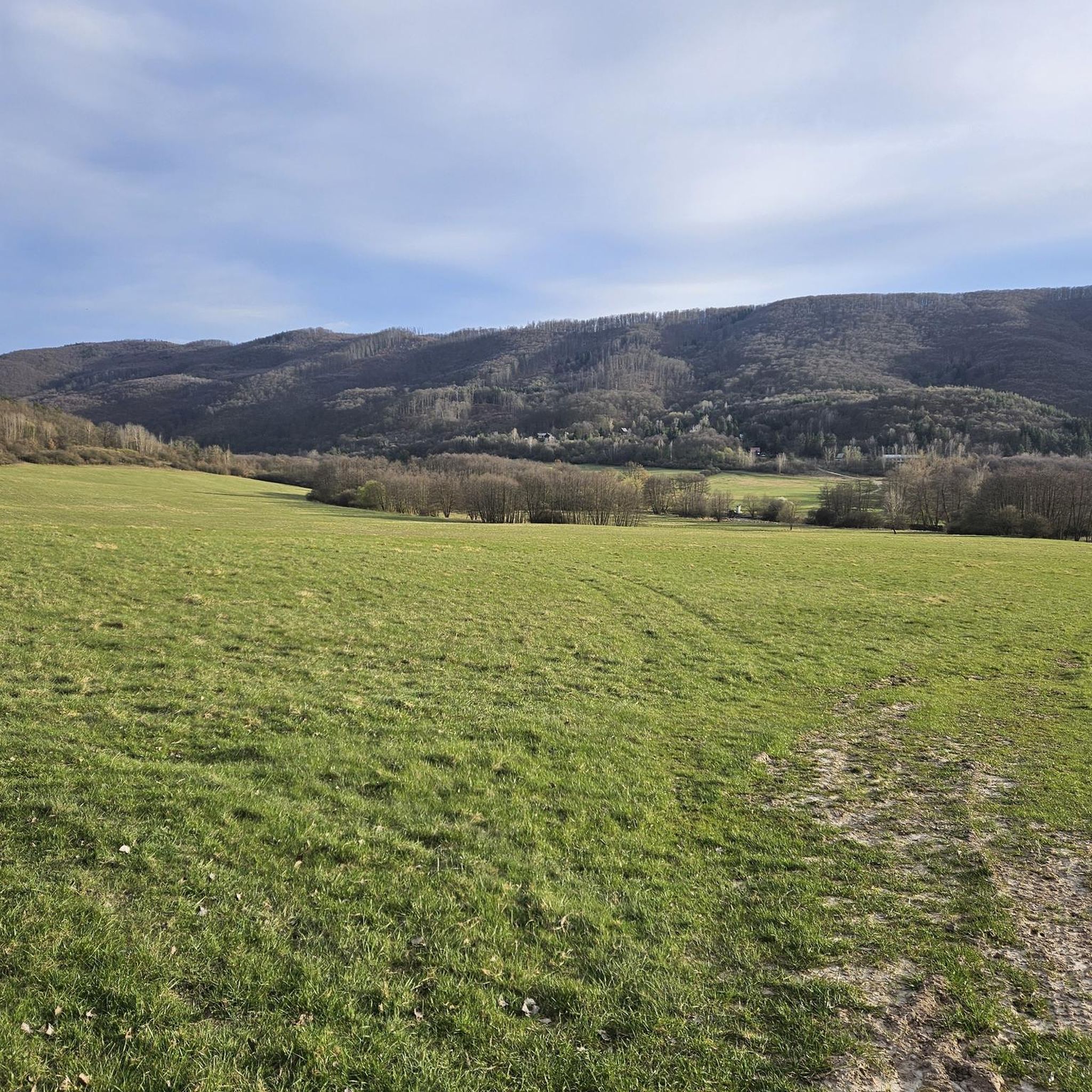
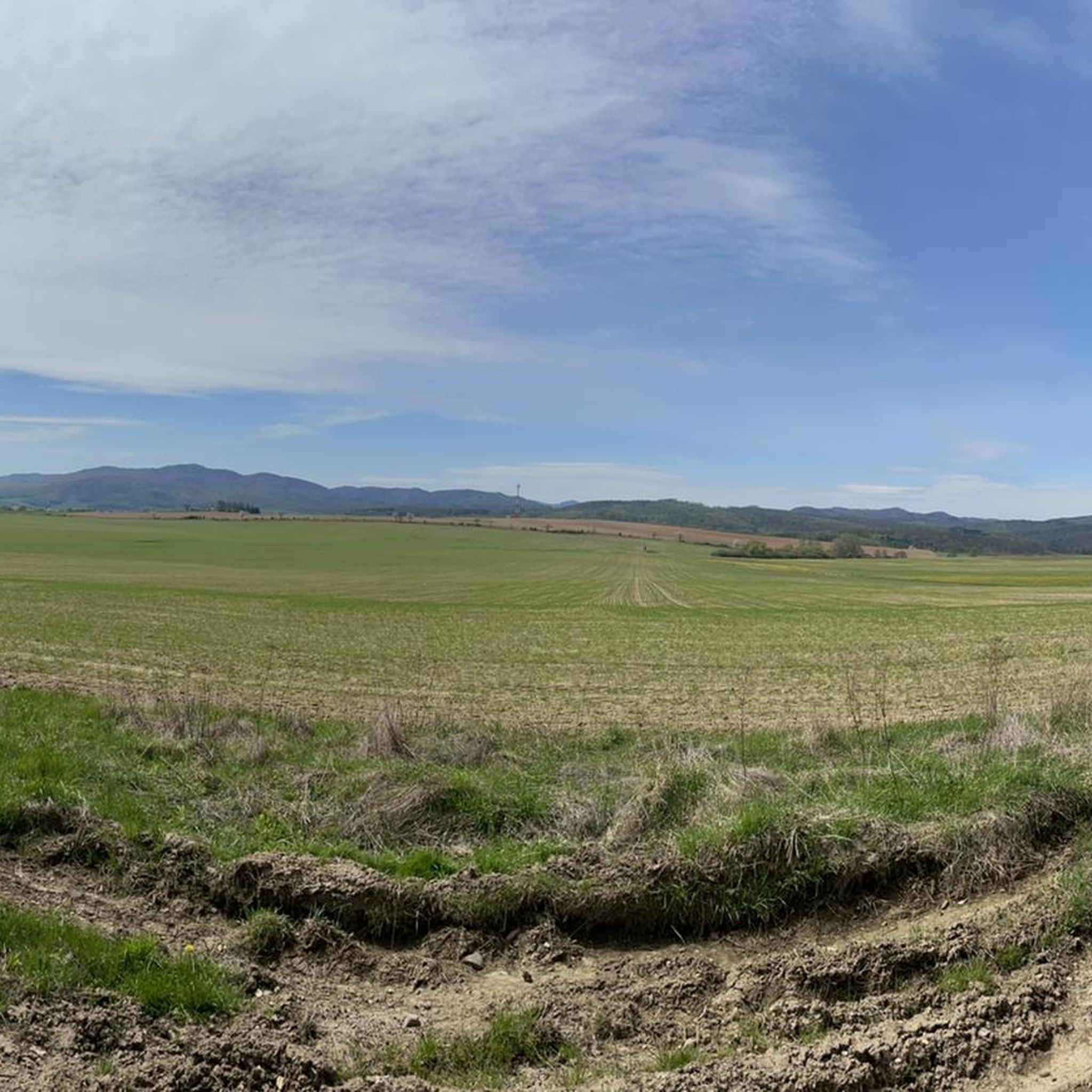
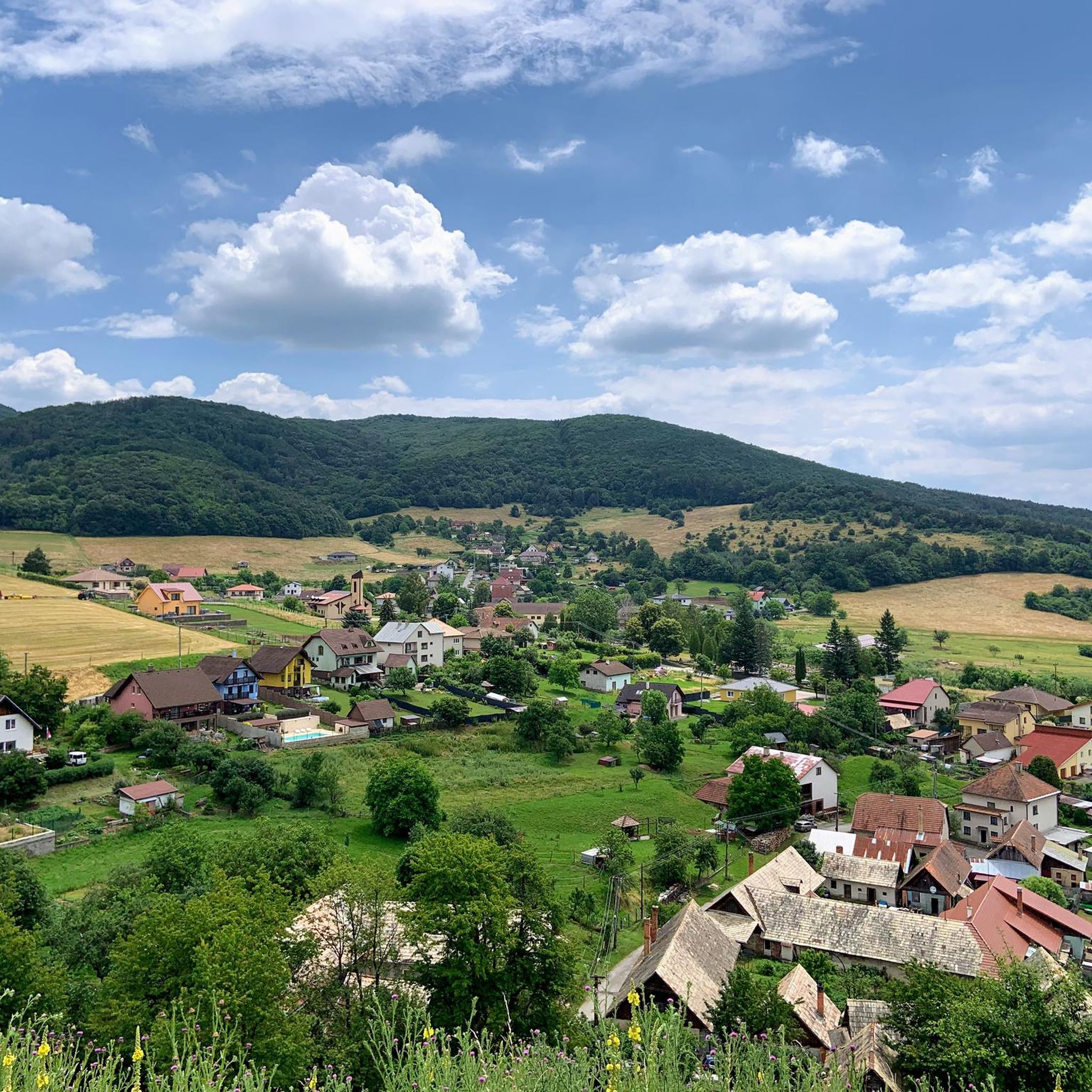

Tips from the Community

Rest area above and below the falls
0
0

Veľká Chochuľa (1753 m) Panoramic summit on the northern ridge of the Low Tatras. Wide views across Veľká Fatra, the High Tatras and the valley below.
0
0

A very nice route with no real difficulty but it is quite exposed in one section.
0
0

Certainly not with a dog and a small child!
0
0

Designated campsite in the Low Tatras National Park. For one-time overnight stay. https://www.napant.sk/pre-navstevnikov/turisticke-trasy/
0
0
We walked the route with a small dog (Schnautzer) but had to turn around halfway because it couldn't do a certain part that we did with climbing irons. A very beautiful but still not an easy route.
1
0

Very adventurous but not too strenuous. Good for a nice morning or afternoon. Great subjects for those who like to take photos.
0
0

Frequently Asked Questions
What are some of the most popular natural monuments to visit near Banská Bystrica?
The region around Banská Bystrica offers several highly-rated natural monuments. Among the most popular are Ďumbier Peak, the tallest peak in the Low Tatras with stunning views, and Kráľova Hoľa Summit, known for its panoramic vistas and a small emergency refuge. Another favorite is Chopok Peak, which is a major ski destination in winter and offers beautiful views year-round.
What kind of natural landscapes and geological formations can I expect to see?
The Banská Bystrica region is rich in diverse natural landscapes. You'll find extensive karst landscapes, including limestone plateaus, deep gorges, and numerous cave systems like the Harmanecká Cave. The area also features well-preserved Carpathian forests, rugged mountain ranges such as the Low Tatras and Veľká Fatra, and unique rock formations, for example, the andesite rock formations at Vtáčnik Summit.
Are there any family-friendly natural monuments in the Banská Bystrica region?
Yes, there are natural monuments suitable for families. For instance, the Stone Waterfall (Kamenný Vodopád) is categorized as family-friendly. Additionally, the educational trail leading to Harmanecká Cave, while involving an ascent, can be an engaging experience for families interested in geology and nature.
What outdoor activities can I do near these natural monuments?
The natural monuments near Banská Bystrica provide excellent opportunities for various outdoor activities. You can enjoy extensive hiking trails in national parks like Muránska planina, Veľká Fatra, and Nízke Tatry. Rock climbing, horseback riding, and cycling are also available in certain areas. In winter, the Low Tatras, particularly around Chopok Peak, are popular for alpine skiing. For more specific routes, you can explore running trails, gravel biking routes, and cycling tours in the Banská Bystrica region.
Which natural monuments are known for unique geological features or caves?
The Harmanecká Cave, located in the Veľká Fatra Mountains, is particularly renowned for its rare white soft sinter formations, towering pagodas, and sinter lakes. It's also significant for its abundance of 'moonmilk' and a large number of bats. Muránska planina National Park also features extensive karst landscapes with over 300 caves and 15 abysses.
What kind of wildlife can be observed in the natural monuments around Banská Bystrica?
The national parks surrounding Banská Bystrica are home to diverse wildlife. Muránska planina National Park is known for species like the Eurasian lynx, brown bear, and golden eagles. Veľká Fatra National Park is a vital habitat for all species of large Central European carnivores. Harmanecká Cave hosts a significant population of bats, with nine identified species wintering there.
Are there any challenging hikes or trails for experienced adventurers?
Yes, many of the natural monuments offer challenging routes. Peaks like Ďumbier Peak, Kráľova Hoľa Summit, and Veľká Chochuľa are categorized as challenging. The Nízke Tatry National Park, with its highest peak Ďumbier (2043 m a.s.l.), offers vast mountain landscapes and extensive trails suitable for experienced hikers.
What is the best time of year to visit the natural monuments in Banská Bystrica?
The best time to visit depends on your preferred activities. For hiking, cycling, and exploring the karst landscapes and forests, late spring to early autumn (May to October) offers pleasant weather. For winter sports like skiing, the colder months (December to March) are ideal, especially in areas like Chopok Peak in the Low Tatras. Harmanecká Cave maintains a consistent cool temperature year-round, making it a good option regardless of the season.
Are there any natural monuments that offer panoramic views?
Absolutely. Many summits in the region provide breathtaking panoramic views. Ďumbier Peak offers a beautiful view of the Tatra Mountains. Vtáčnik Summit provides great views of the Kremnické, Štiavnické, and Strážovské Hills, as well as Veľký and Malá Fatra. The route to Muráň Castle ruins in Muránska planina National Park also offers panoramic vistas.
What are some unique natural features found in Muránska planina National Park?
Muránska planina National Park is characterized by its extensive karst landscapes, including limestone plateaus, deep gorges, and over 300 caves. It features rugged and rocky terrain with sinkholes, canyons, rock towers, and rock windows. A notable highlight is the Gorge Trail with Metal Steps, which allows visitors to explore its unique geological formations up close.
What makes Veľká Fatra National Park a significant natural monument?
Veľká Fatra National Park is significant for its well-preserved Carpathian forests, predominantly European beech, covering 90% of its area. It also boasts the richest Irish yew tree location in Central Europe. The park's diverse terrain includes gently modeled ridges, sharp cliffs, deep valleys, and numerous karst features, making it a vital habitat for large Central European carnivores and a significant freshwater reservoir.
Can I find places to stay overnight or rest near these natural monuments?
Yes, some natural monuments have facilities for rest or overnight stays. For example, Andrejcová Shelter offers food and accommodation, and is a popular meeting point for hikers. At Kráľova Hoľa Summit, there's a small emergency refuge for tourists. Additionally, Hiadeľ Saddle also features a hut.
Most popular routes in Banská Bystrica
Most popular attractions in Banská Bystrica

Get inspired with the komoot mobile app


Didn’t find what you were looking for?
Find even more amazing natural monuments in Banská Bystrica by checking out the top Highlights region by region:
Explore more
Extend your search for the best caves by checking out these guides of the top ones in Banská Bystrica:
