Top 20 Natural Monuments in Burgenlandkreis
Best natural monuments in Burgenlandkreis are found within a diverse landscape shaped by rivers like the Saale and Unstrut, and historic vineyards. The region features a variety of natural monuments, primarily individual trees recognized for their unique characteristics, age, or aesthetic appeal. These sites offer opportunities to connect with the natural heritage and observe distinct features of different species. The area's cultural landscape, including the Saale river, contributes to its appeal for outdoor exploration.
Best natural monuments in Burgenlandkreis
- The…
Last updated: September 29, 2026
Ducal Vineyard below Neuenburg Castle
Highlight • Structure
High above the wine-growing town of Freyburg lies Neuenburg, the sister castle of Wartburg, founded around 1090 by the Thuringian Count Ludwig the Springer. The first mighty …
Translated by Google •
Tip by

Confluence of the Saale and Unstrut Rivers
Highlight • River
Translated by Google •
Tip by

Sign up now to discover places like this
Get recommendations on the best single tracks, peaks, & plenty of other exciting outdoor places.
Stone picture book Großjena
Highlight • Monument
Translated by Google •
Tip by

Saale-Unstrut vineyards
Highlight • Natural
Translated by Google •
Tip by

Konik horses in the Tote Täler Nature Reserve
Highlight • Natural
Translated by Google •
Tip by

Himmelreich rock outcrop on the Saale River
Highlight (Segment) • Natural Monument
Also, the ways to fall in love.
Translated by Google •
Tip by
Saale Rapids at Almrich
Highlight • River
Translated by Google •
Tip by
Orchid Trail — Tote Täler
Highlight • Trail
Translated by Google •
Tip by

Wild Horses of Rödel Nature Reserve
Highlight • Natural Monument
Translated by Google •
Tip by
Glockenseck
Highlight (Segment) • Natural Monument
Translated by Google •
Tip by

Sign up for free to discover even more natural monuments in Burgenlandkreis.
Already have an account?
Start today with a free account
Your next adventure awaits.
Popular around Burgenlandkreis
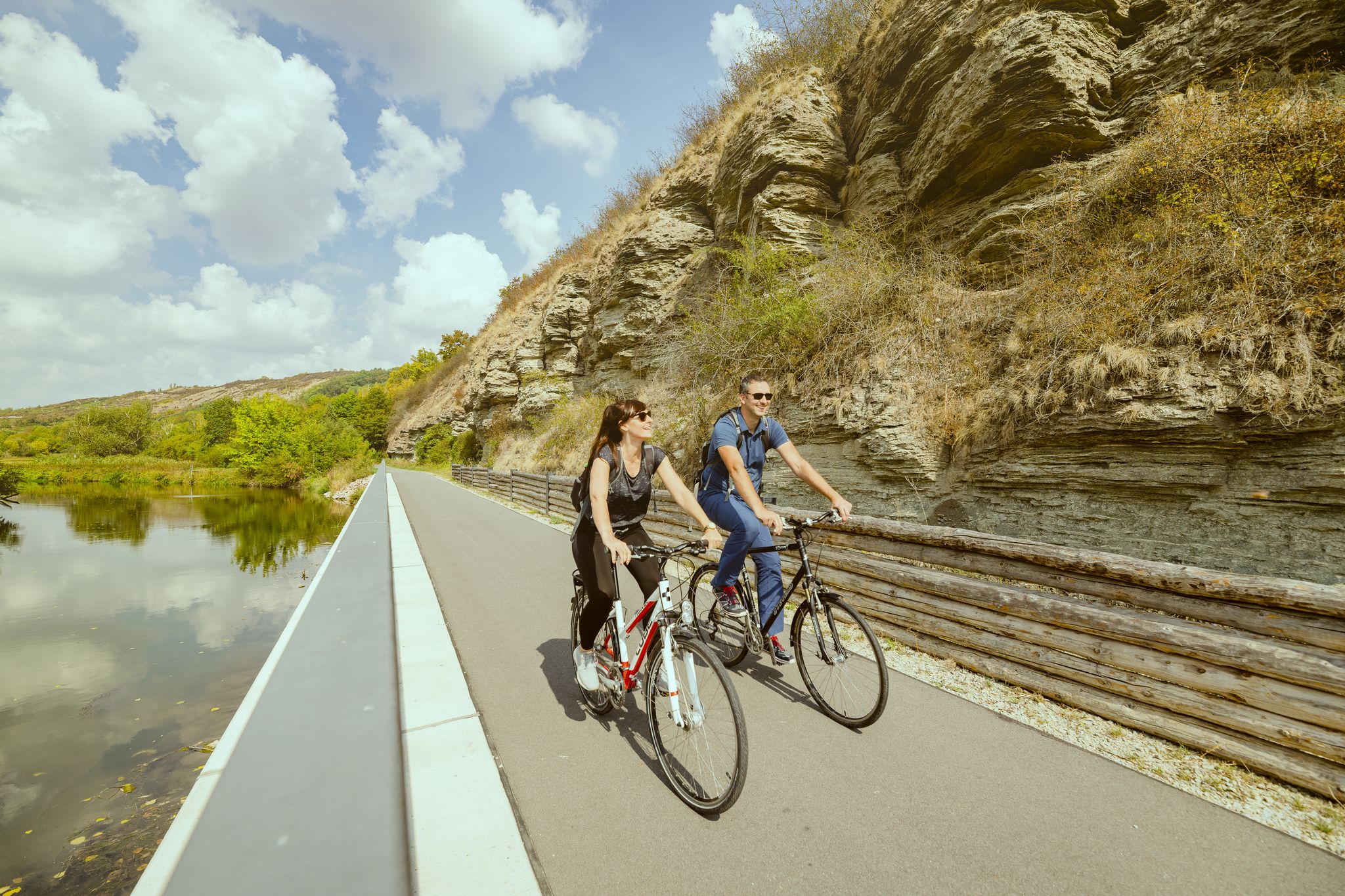
Unstrut Cycle Path – from the source in Eichsfeld to the River Saale
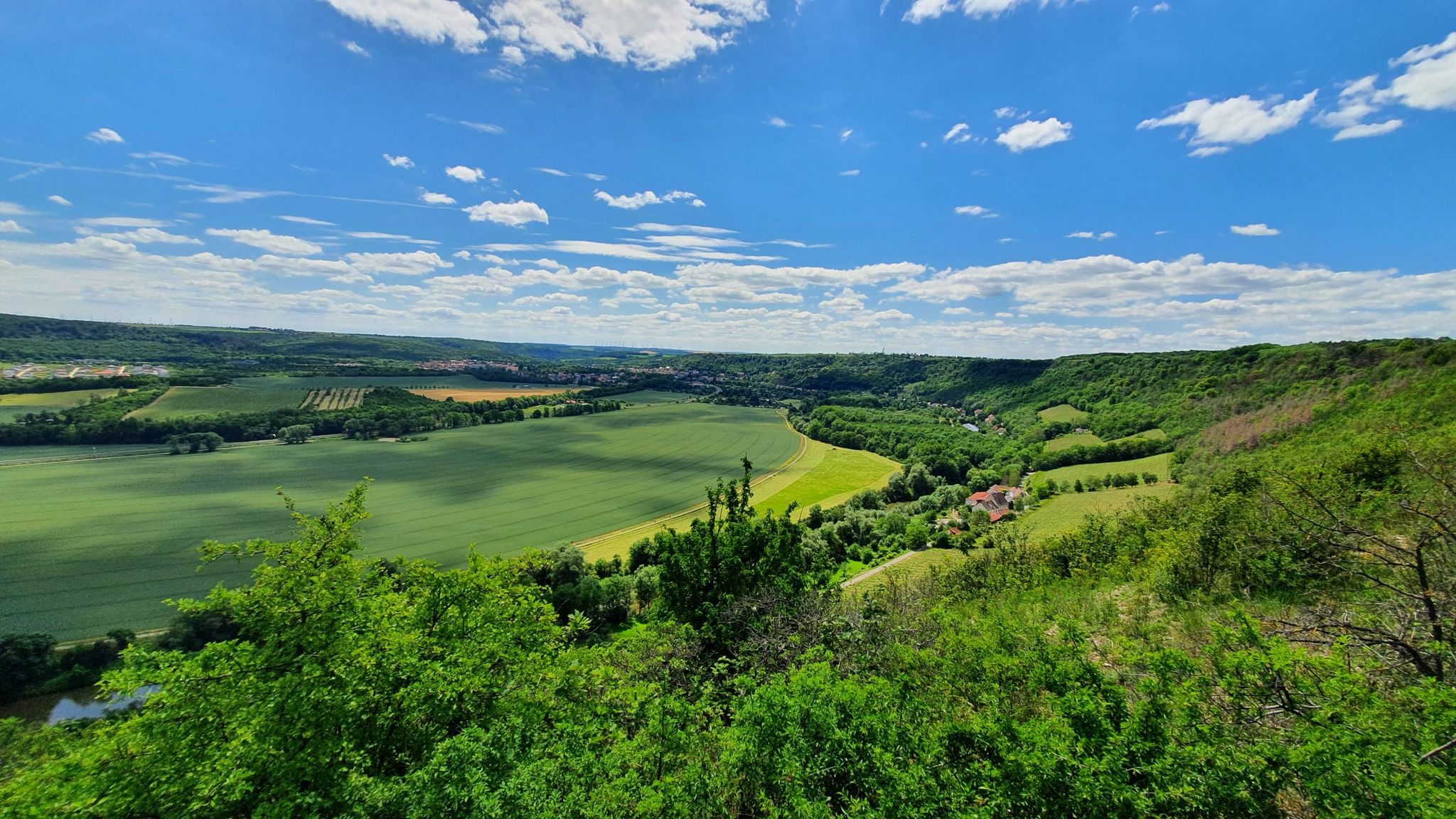
Feengrotten Kyffhäuserweg – Hike Germany's trail
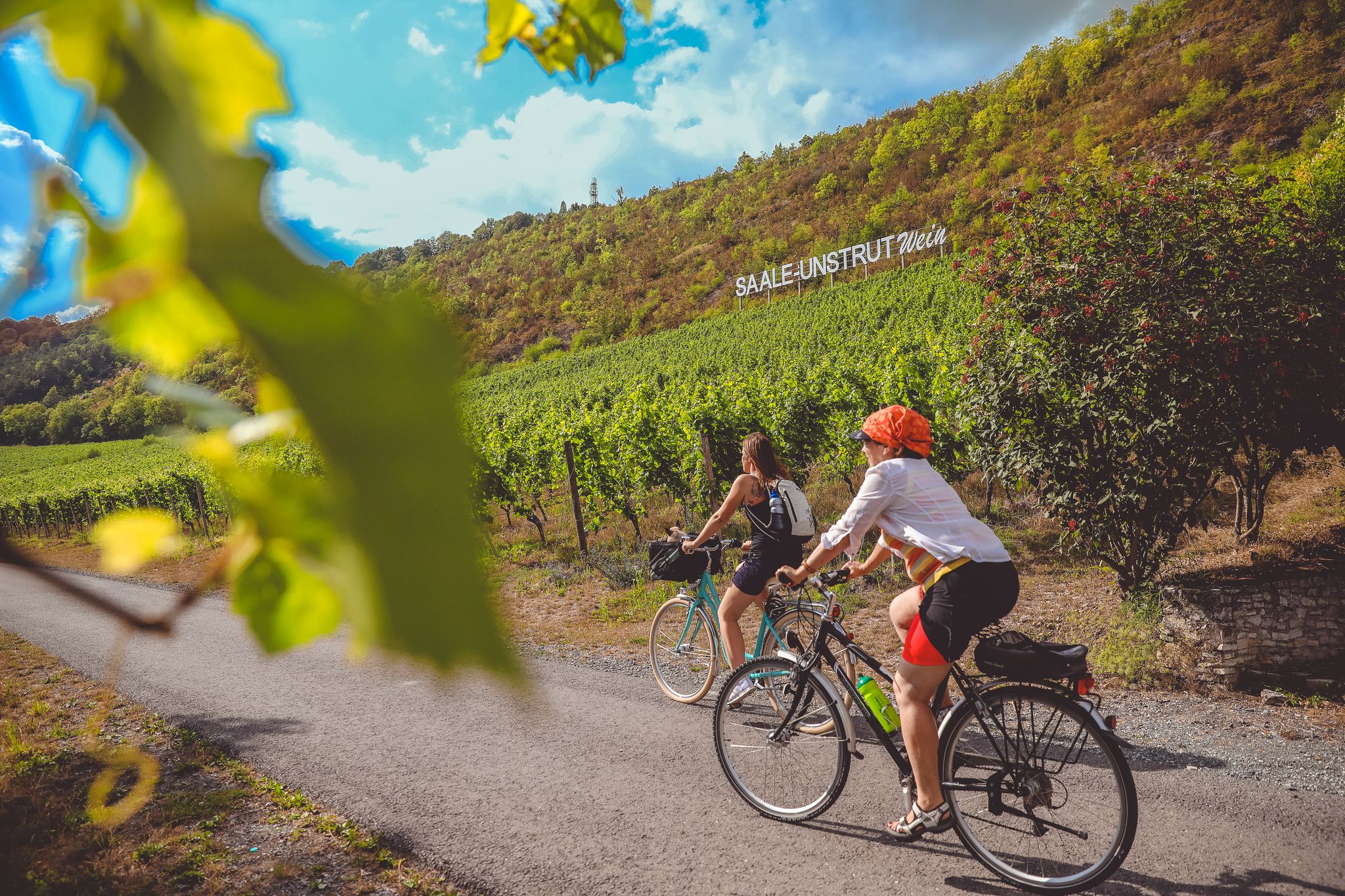
Saale Cycle Path part 2 – culture and nature along the river
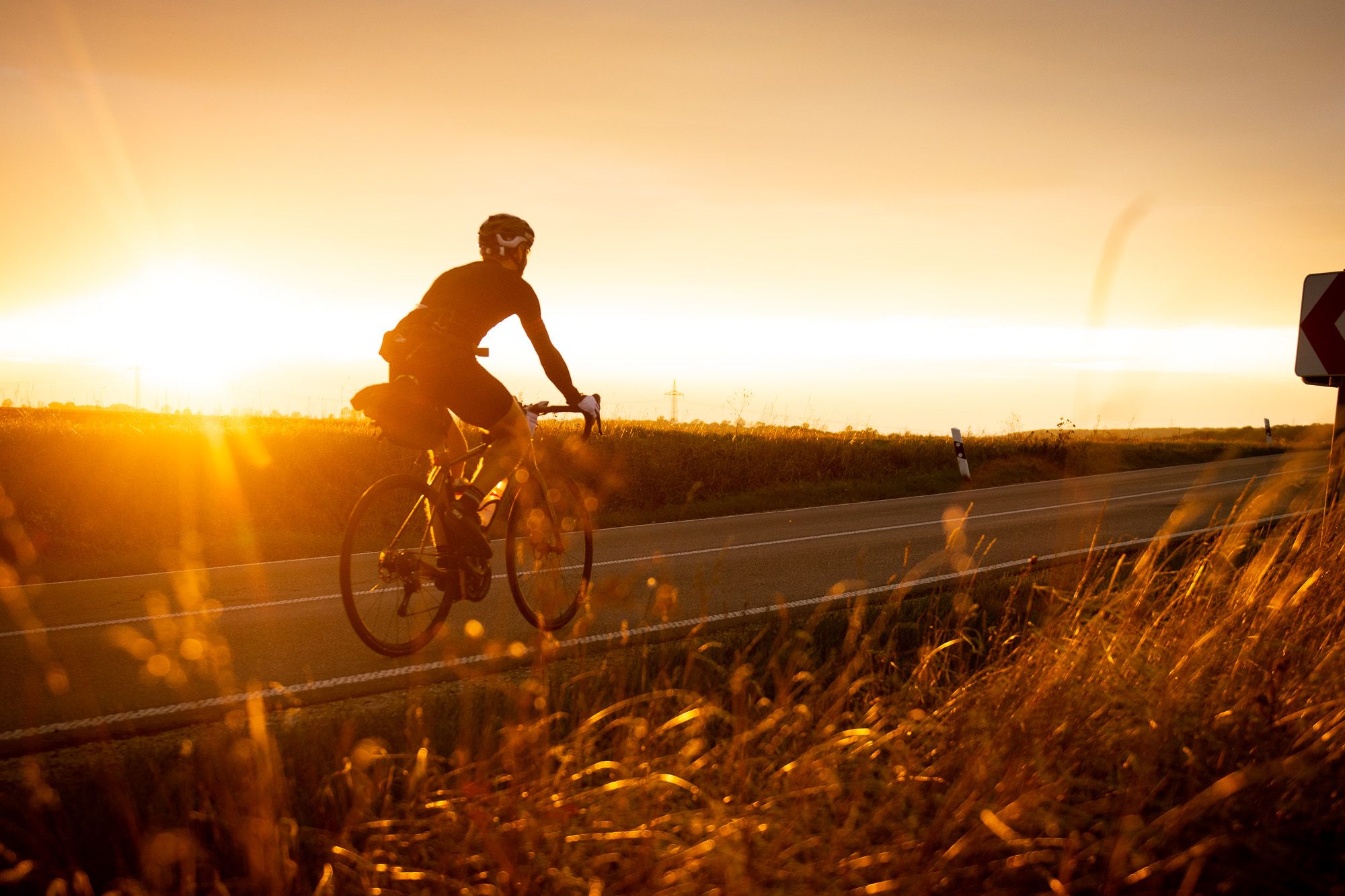
Around Thuringia — 7 stages through Germany's green heart
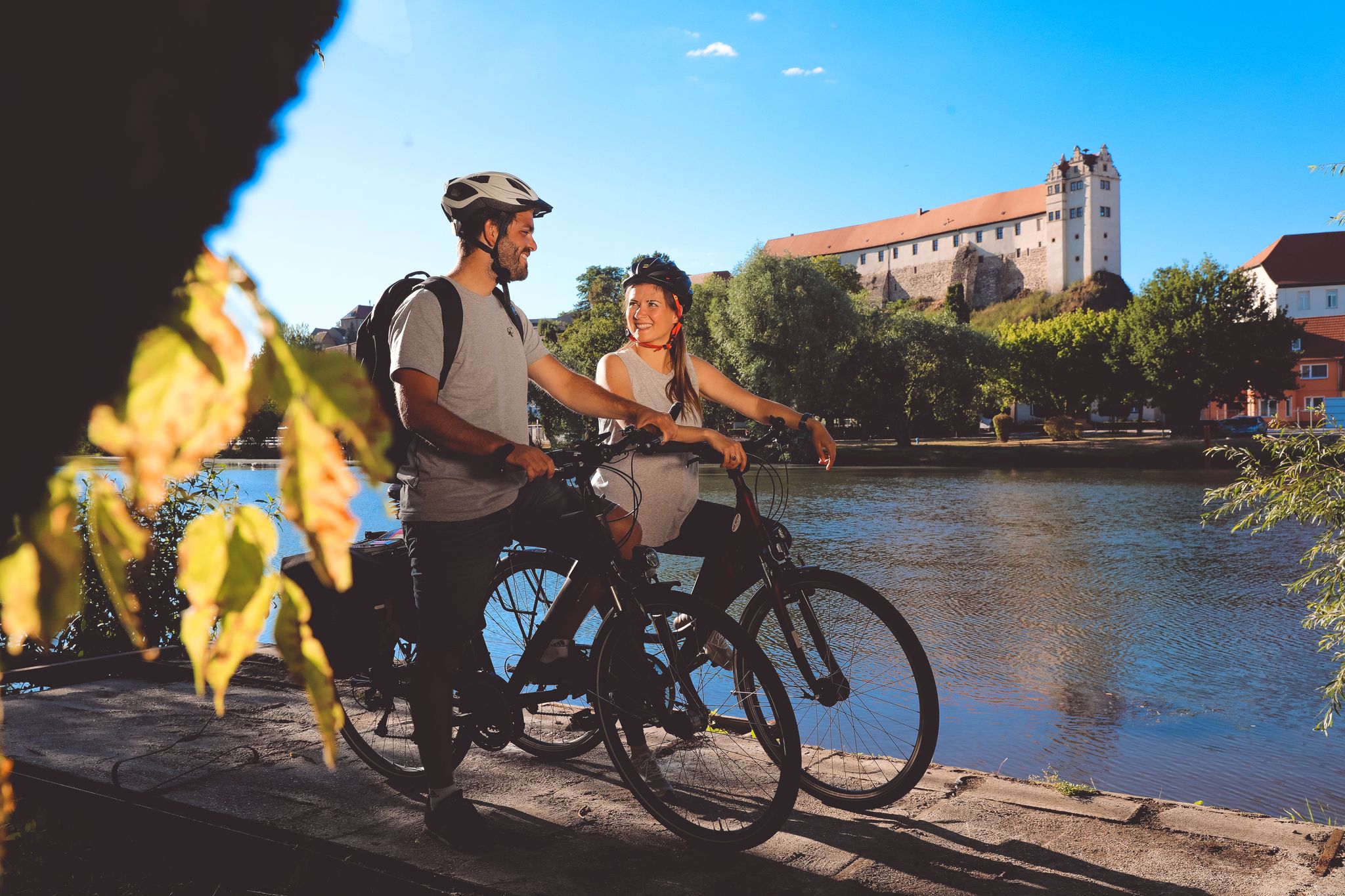
Saale Cycle Path — 9 stages from the source of the Saale to the Elbe
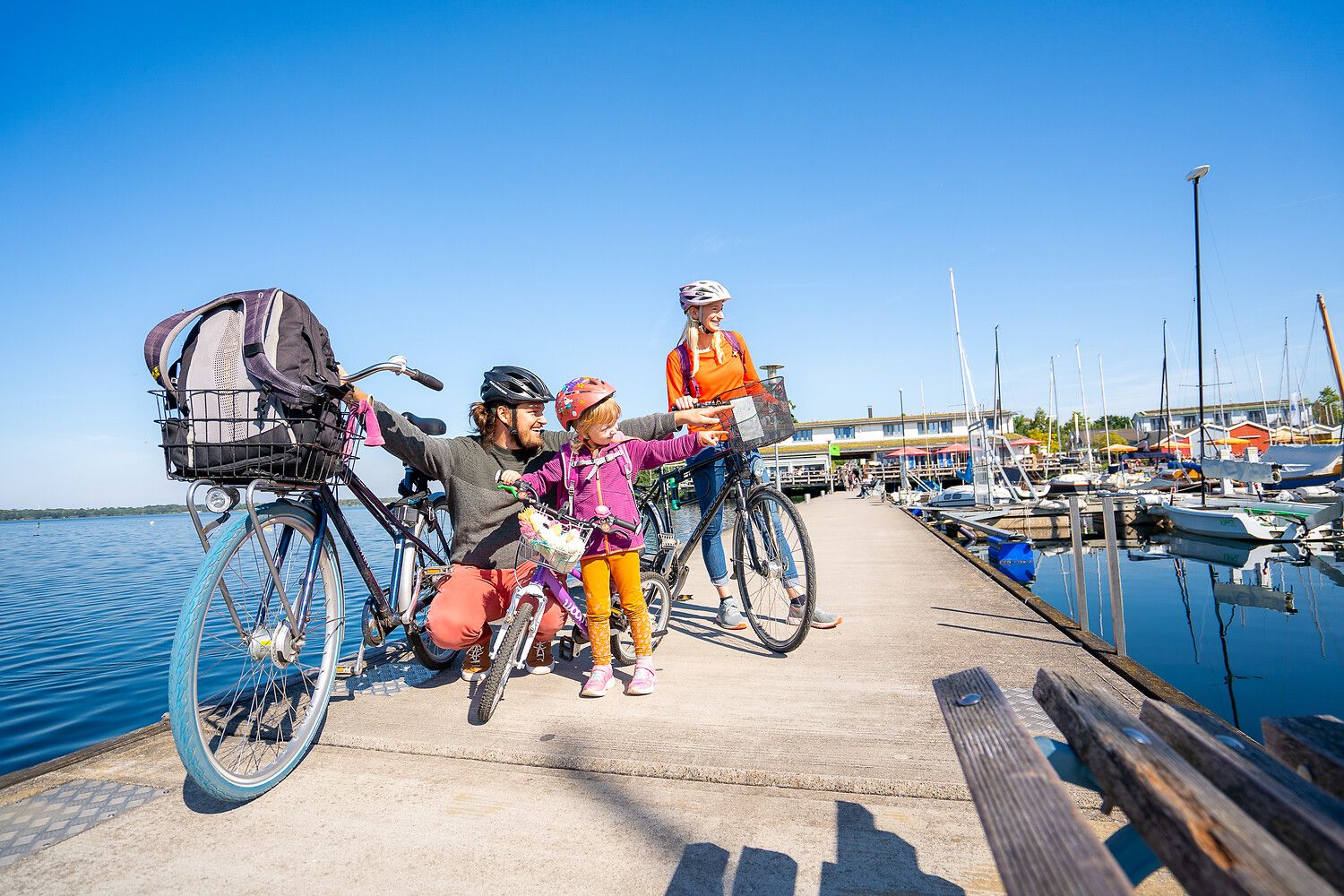
Lake views and fresh air – cycling by the water in the Leipzig region
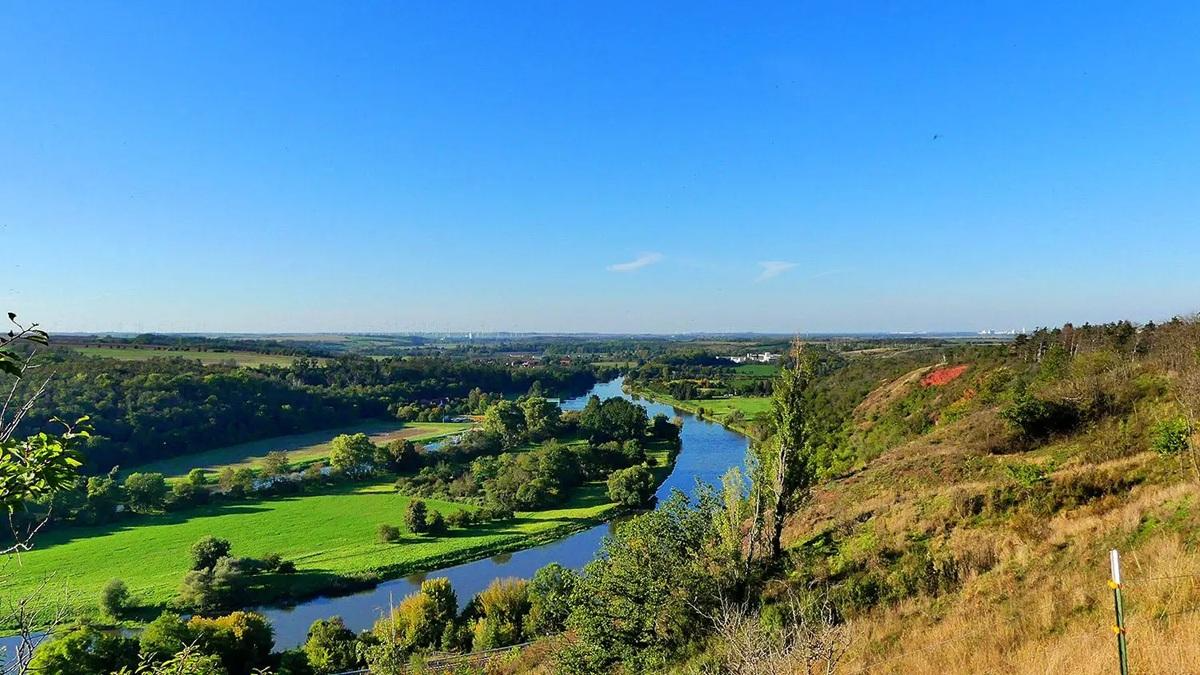
The National Natural Landscapes in Saxony-Anhalt
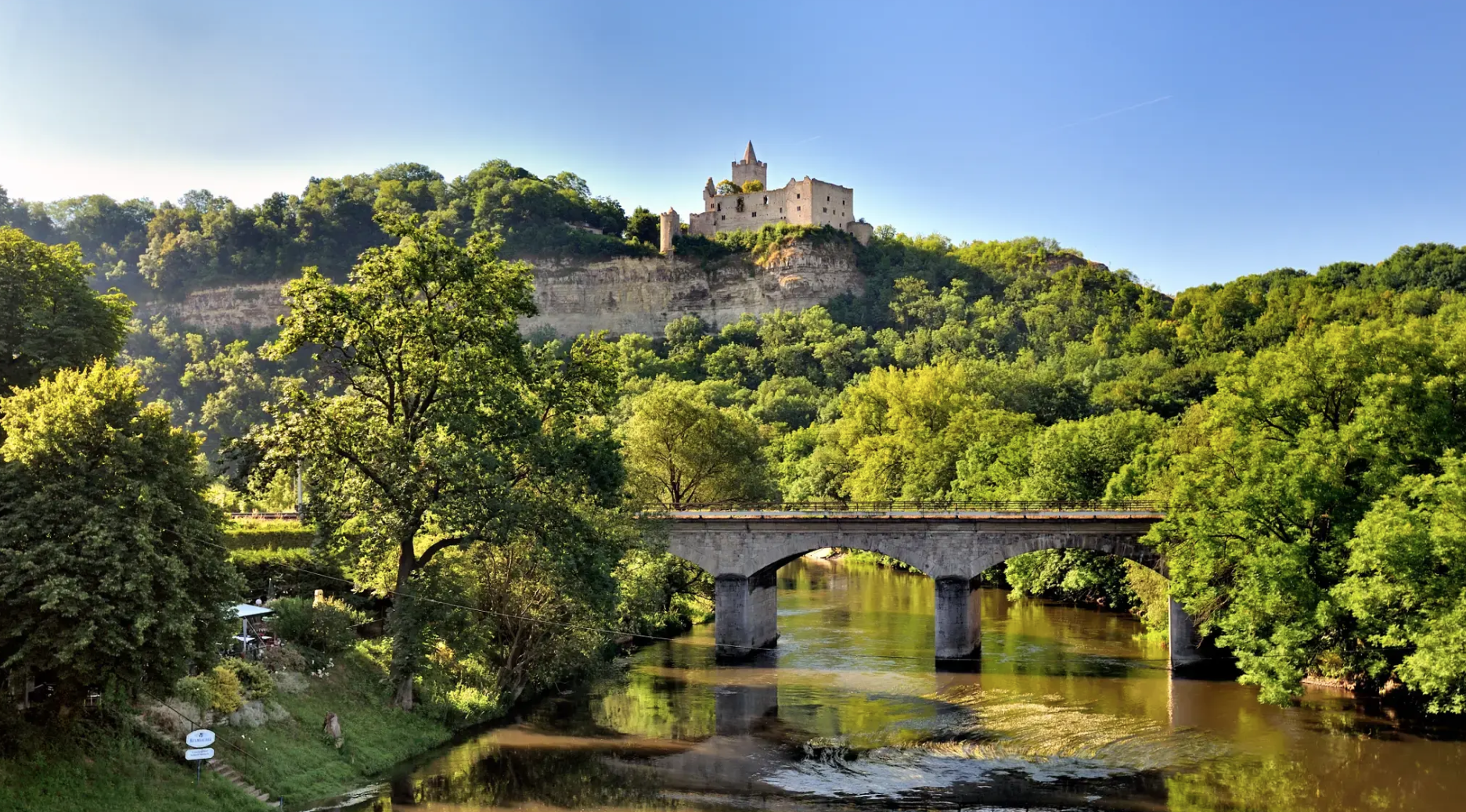
Walking and Wellness – spa towns in the Leipzig area
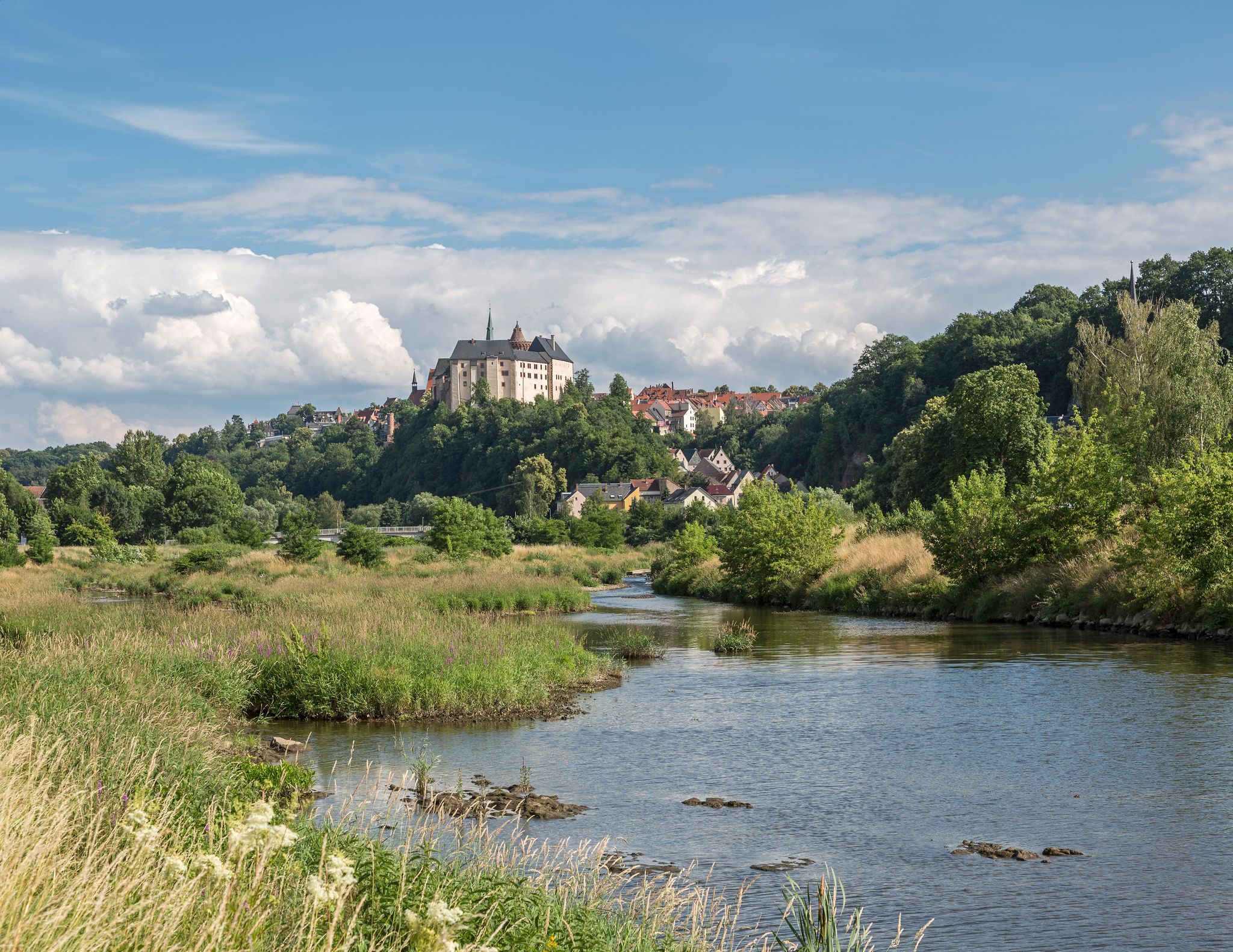
Lakes, castles and nature – discover the Leipzig region by bike
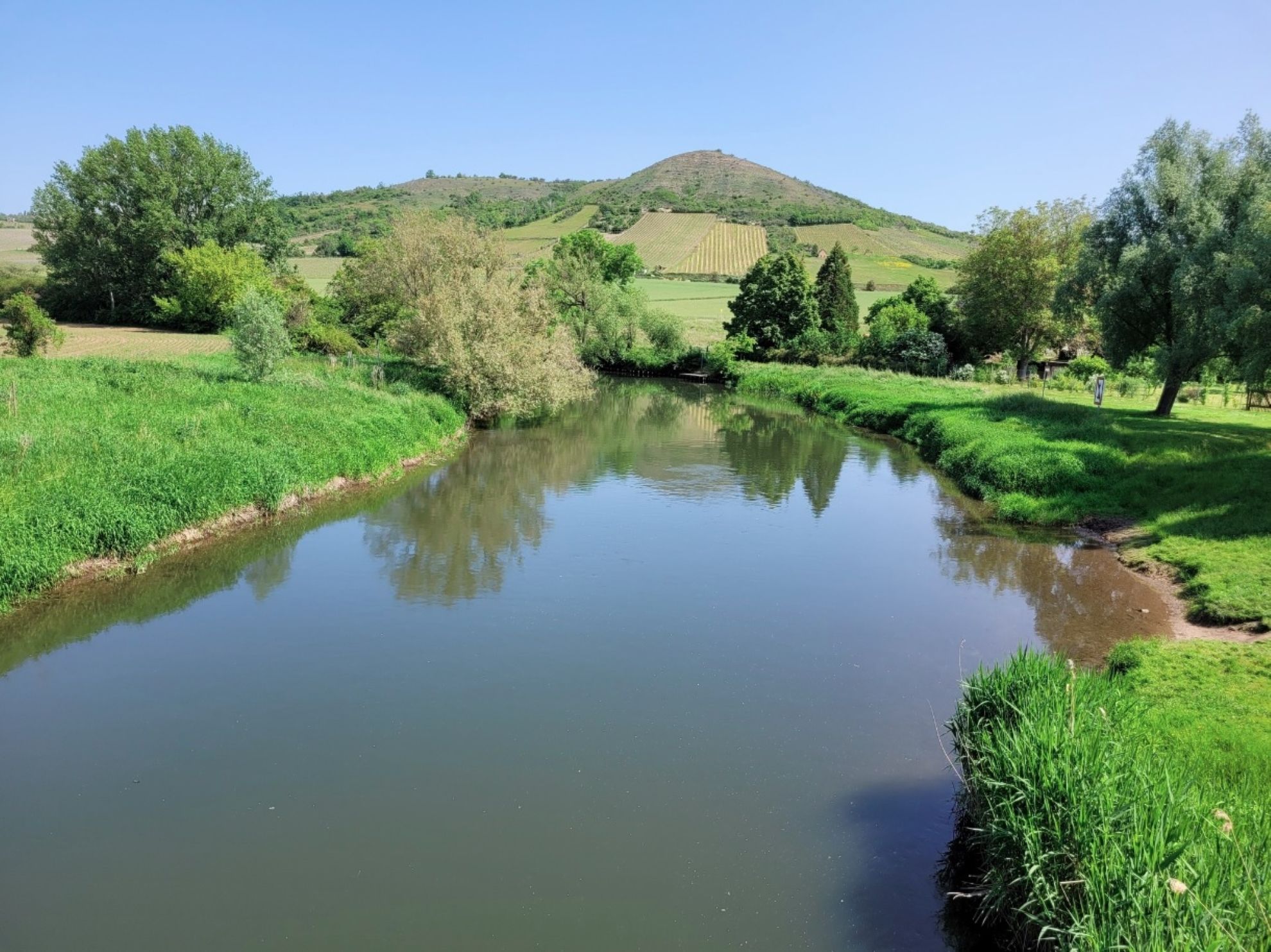
Weekend bike ride on Germany’s Saale and Unstrut cycle path
Other adventures in Burgenlandkreis


Tips from the Community

Especially in spring, a feast for the eyes
0
0

A relaxing stroll along the vineyards offers several places to sit.
0
0

A good road to cycle on (even if it's "only" gravel). The views of the vineyards and the places to stop for refreshments more than compensate for the elevation gain ;-) The latter was manageable, though.
0
0

On geo-trails you can explore the realm of shell limestone and enjoy beautiful views, a real experience.
1
0

Wonderful view of the vineyards, the Saale river and a great cycle path 🚴🏻♂️🚴🏻♀️
2
0


A very beautiful hiking trail with various orchid species. The name "Dead Valleys" comes from the fact that no river flows through it. This year, a particularly large number of orchids are blooming here in May. Nature still seems to be in good shape on the dry grassland meadows. A lot of maintenance work has been done, but more can always be done.
0
0
Frequently Asked Questions
What types of natural monuments can I expect to see in Burgenlandkreis?
Burgenlandkreis is known for its diverse natural monuments, primarily featuring significant individual trees such as ancient oaks, distinctive blood beeches, and ginkgo trees. You'll also find impressive rock formations like the Himmelreich rock outcrop on the Saale River, and natural landscapes like the dry grasslands of the Rödel Plateau in the Tote Täler Nature Reserve. River confluences, such as the Confluence of the Saale and Unstrut Rivers, are also notable natural features.
Are there any particularly unique or ancient natural monuments in the region?
Yes, the region boasts some unique and ancient natural monuments. For instance, you can find a rare Blood Beech in Nebra, known for its striking deep purple foliage. There's also a Ginkgo tree in Nebra, often called a 'living fossil' due to its ancient lineage and distinctive fan-shaped leaves that turn brilliant golden yellow in autumn. In Stößen, you might encounter a 'Schillerlinde,' a type of linden tree often planted with historical or cultural significance.
What are some of the most impressive rock formations to visit?
The Himmelreich rock outcrop on the Saale River is an imposing rock wall where you can observe fascinating layers of shell limestone. Another notable formation is the Glockenseck Sandstone Cliff on the Unstrut River, which offers a unique natural spectacle along the river.
What natural features are prominent along the Saale and Unstrut rivers?
The Saale and Unstrut rivers are central to the region's natural beauty. You can visit the Confluence of the Saale and Unstrut Rivers, a natural setting perfect for cycling. Further along, the Saale Rapids at Almrich offer a dynamic natural sight. The rivers also carve out landscapes featuring rock outcrops and provide habitats for diverse flora and fauna.
What is the best time of year to visit the natural monuments in Burgenlandkreis?
The natural monuments in Burgenlandkreis can be enjoyed throughout the year, each season offering a different charm. Spring brings fresh greenery and blooming wild plants, especially in areas like the Rödel Plateau. Summer is ideal for outdoor activities and enjoying the full foliage of the ancient trees. Autumn is particularly beautiful when the leaves of trees like the Ginkgo turn vibrant golden hues. Even winter offers a serene, quiet beauty, though some trails might be less accessible.
Are there family-friendly natural monuments or activities suitable for children?
Many natural monuments in Burgenlandkreis are suitable for families. The Confluence of the Saale and Unstrut Rivers is a great spot for a leisurely visit or a family bike ride. The Konik horses in the Tote Täler Nature Reserve offer an exciting opportunity for children to observe wildlife in a natural setting. Exploring the various tree monuments also provides an educational and engaging experience for all ages.
What outdoor activities can I do near these natural monuments?
The region offers a variety of outdoor activities. You can find numerous running trails, such as the 'Großkaynaer See Loop' or the 'Wangen Railway Station – Langen Gasse Rest Area loop.' For cyclists, there are road cycling routes like the 'Schönburg Castle – Saale Cycle Path loop.' Mountain biking enthusiasts can explore trails like the 'Geiseltal Lake Marina loop.' You can find more details on these activities and routes in the Running Trails in Burgenlandkreis, Road Cycling Routes in Burgenlandkreis, and MTB Trails in Burgenlandkreis guides.
Are there hiking trails near the natural monuments?
Yes, many natural monuments are integrated into or are close to hiking trails. For example, the Rödel Plateau in the Tote Täler Nature Reserve is a beautiful dry grassland landscape ideal for walks. While specific hiking trails directly to every individual tree monument might not be detailed, the general landscape of Burgenlandkreis, shaped by rivers and vineyards, offers ample opportunities for walking and exploring. You can find various routes in the Running Trails in Burgenlandkreis guide, which often include scenic walking paths.
What historical or cultural sites are located near the natural monuments?
The Burgenlandkreis region is rich in history and culture. Near the natural monuments, you can find sites like the Ducal Vineyard below Neuenburg Castle, offering a glimpse into the region's wine-growing heritage and a historic castle. The Stone picture book Großjena is another intriguing historical site. Additionally, the Goseck Solar Observatory, a Neolithic circular moat, is considered the oldest known solar observatory, blending ancient history with a natural setting.
What do visitors enjoy most about the natural monuments in Burgenlandkreis?
Visitors particularly appreciate the serene beauty and the opportunity to connect with the natural heritage of the region. The impressive size and age of the individual trees, the unique geological features of the rock formations, and the tranquil settings of the river confluences are frequently highlighted. The Rödel Plateau is loved for its beautiful dry grassland landscape and diverse insect and plant life. The layers of shell limestone at the Himmelreich rock outcrop are also a source of fascination.
Are there options for parking when visiting the natural monuments?
While specific parking details for every individual tree monument might vary, many popular natural sites and trailheads in Burgenlandkreis offer designated parking areas. For example, the Goseck Solar Observatory is easily accessible from a free car park just 500 meters away. It is advisable to check local signage or online maps for parking options when planning your visit to specific locations.
Can I reach the natural monuments using public transport?
Public transport options to reach all individual natural monuments in Burgenlandkreis can be limited, as many are in more rural settings. However, larger towns and central points within the region are typically served by buses or regional trains. From these points, you might need to walk or cycle to reach specific natural monuments. For detailed public transport information, it's best to consult local transport schedules for the Burgenlandkreis district.
Most popular routes in Burgenlandkreis
Most popular attractions in Burgenlandkreis

Get inspired with the komoot mobile app


Didn’t find what you were looking for?
Find even more amazing natural monuments in Burgenlandkreis by checking out the top Highlights region by region:
Explore more
Extend your search for the best caves by checking out these guides of the top ones in Burgenlandkreis:
