The 5 Most Amazing Peaks around Santiago De Compostela
Best mountain peaks around Santiago de Compostela offer diverse hiking experiences and panoramic views of the city and its surrounding landscapes. While not characterized by towering mountains, the region features notable hills and a distinctive "Sacred Peak." These elevated areas provide unique perspectives of the Galician countryside. The area is known for its natural beauty and cultural significance, particularly for pilgrims completing the Camino de Santiago.
Best mountain peaks around Santiago de Compostela
- The most popular mountain peaks is Pico…
Last updated: October 6, 2026
Monte Pedroso
Highlight • Summit
Translated by Google •
Tip by

Pico Sacro
Highlight • Summit
Translated by Google •
Tip by

Sign up now to discover places like this
Get recommendations on the best single tracks, peaks, & plenty of other exciting outdoor places.
Monte San Marcos
Highlight • Summit
Translated by Google •
Tip by

Start today with a free account
Your next adventure awaits.
Popular around Santiago De Compostela
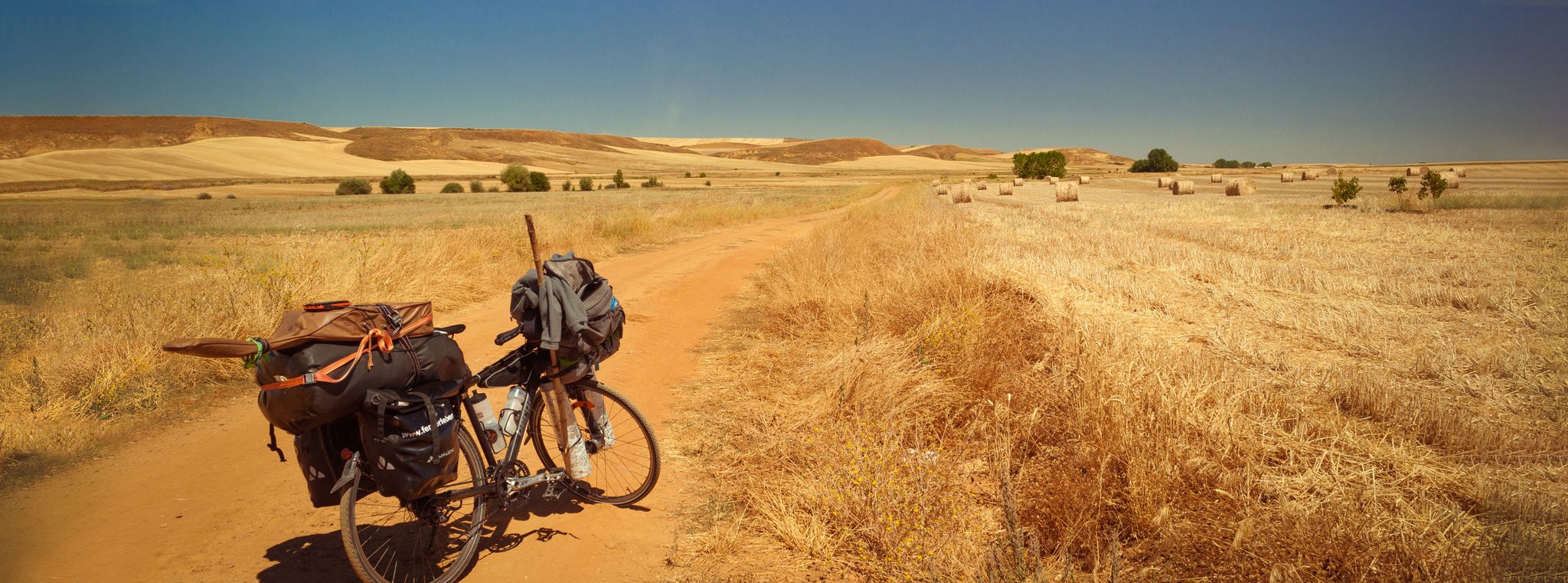
Camino Francés and Camino Finisterre – Cycling pilgrimages in Spain
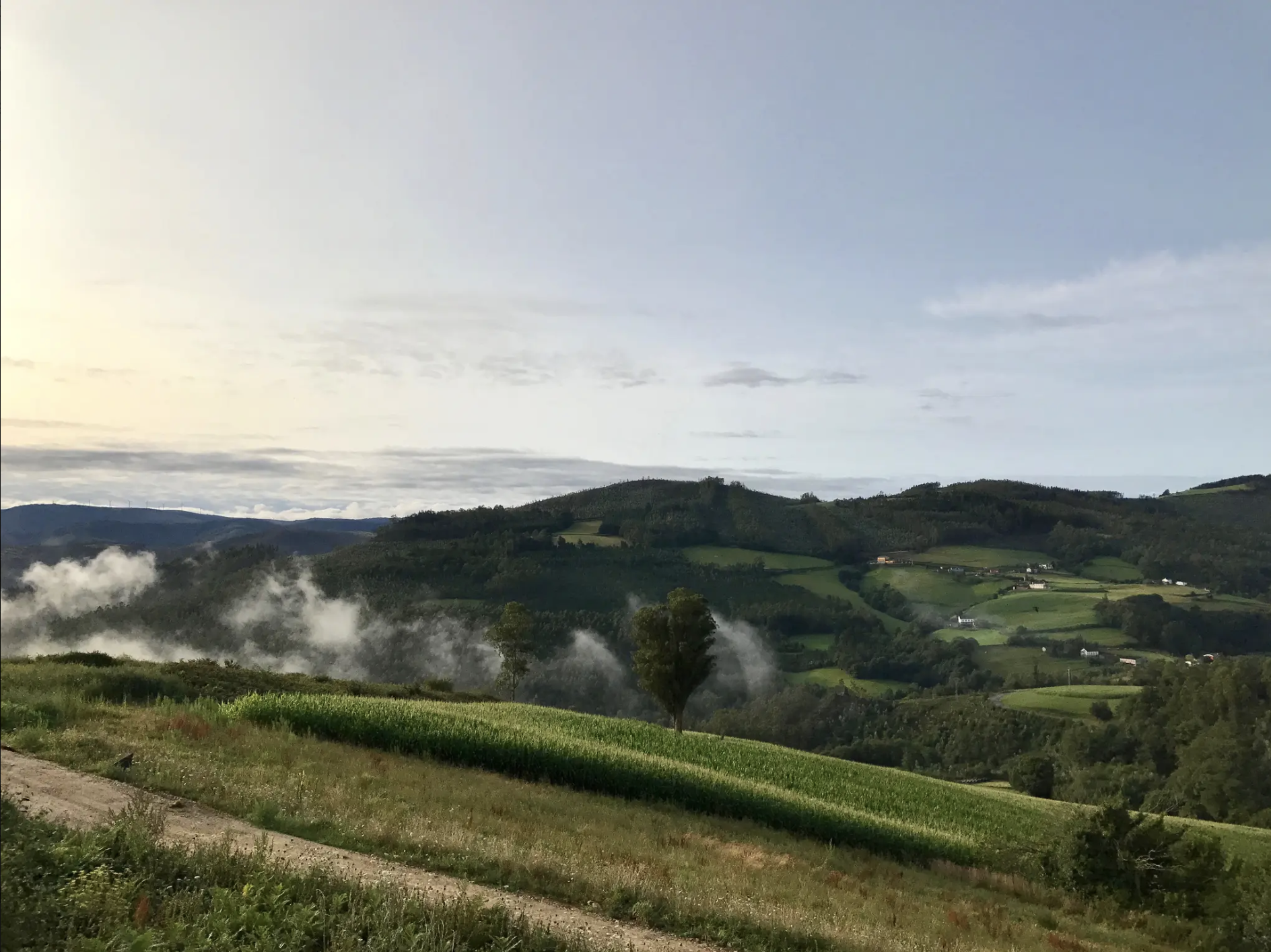
Camino del Norte (in reverse) – Discovering northern Spain's stunning coastline
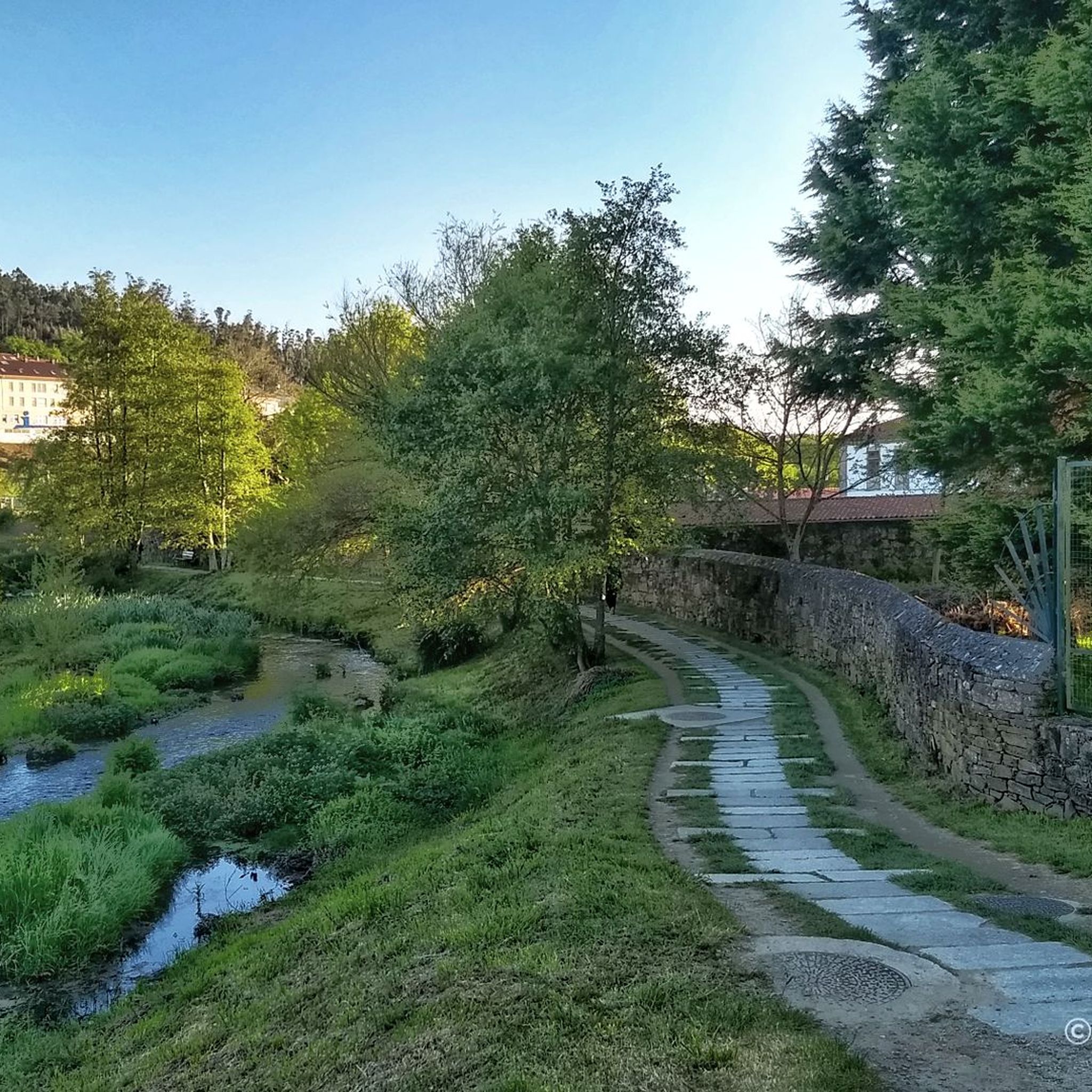
Hiking around Santiago De Compostela
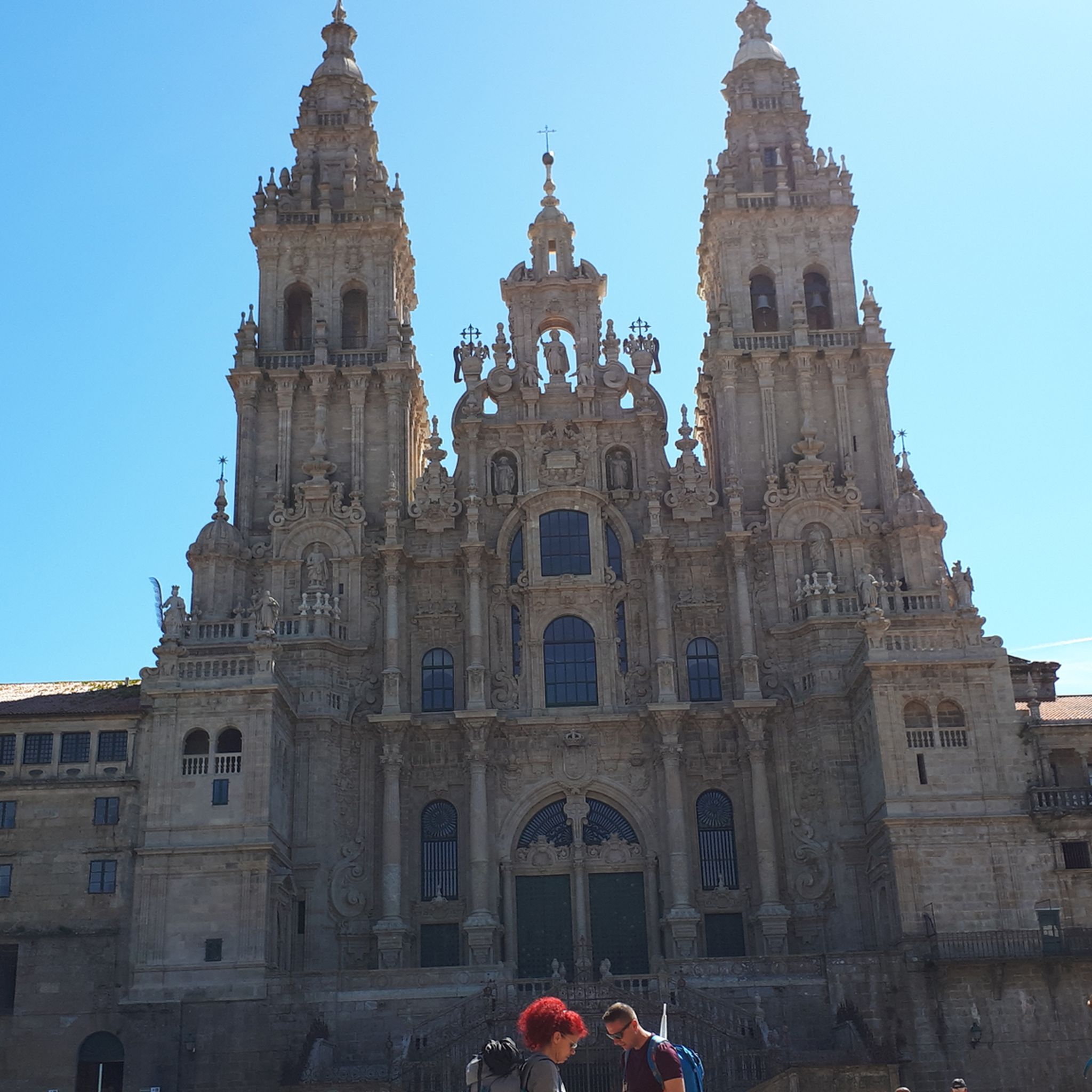
Cycling around Santiago De Compostela
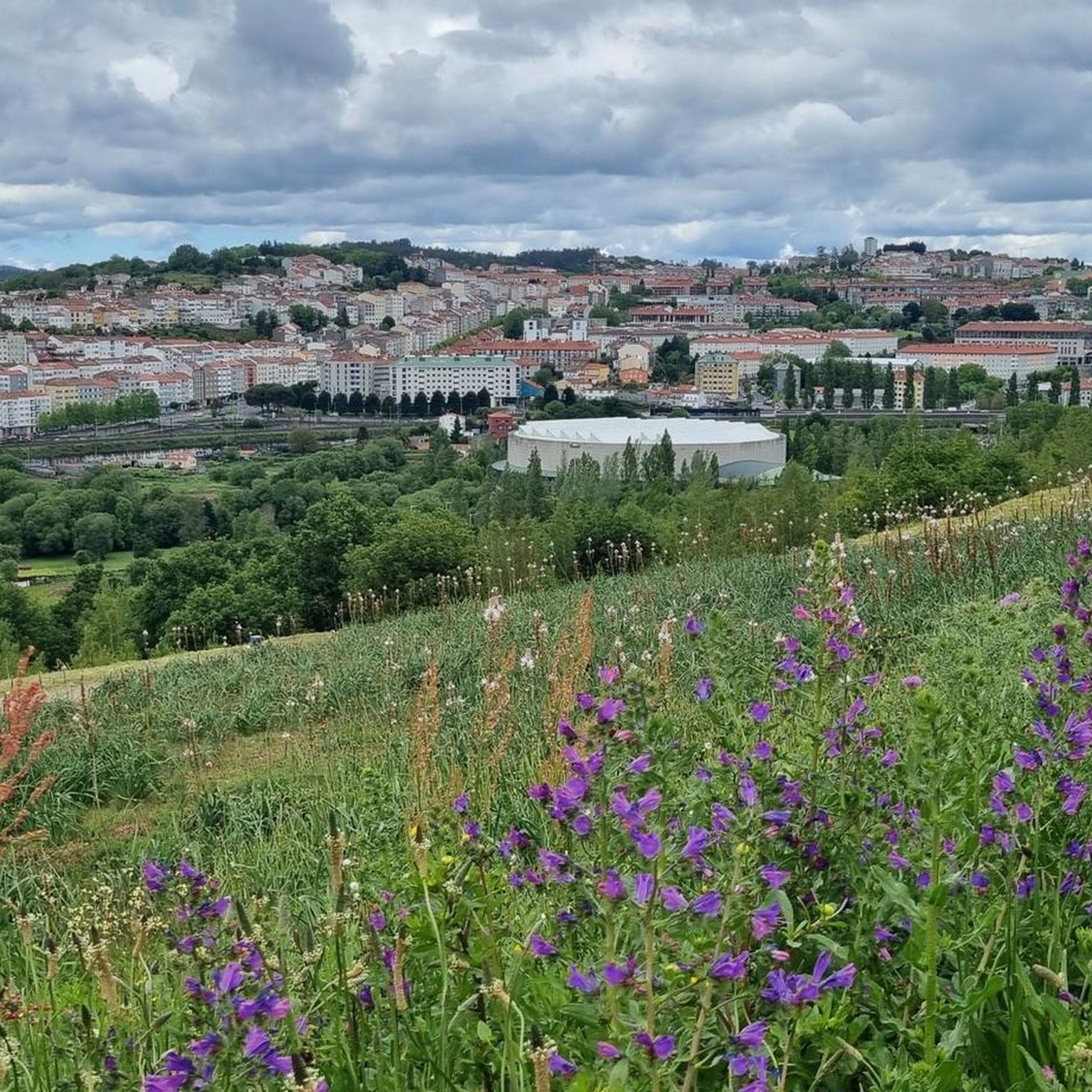
Road Cycling Routes around Santiago De Compostela
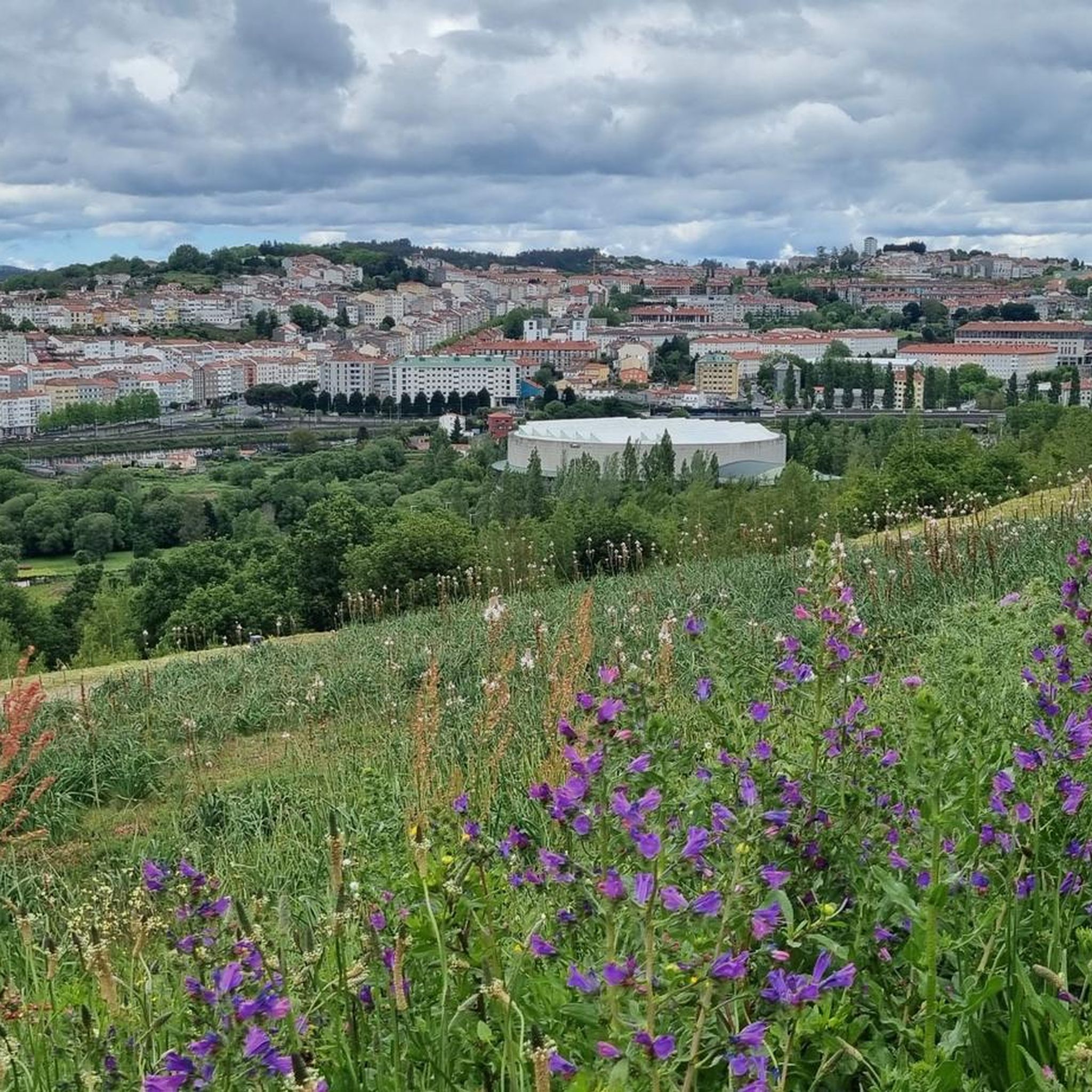
Running Trails around Santiago De Compostela
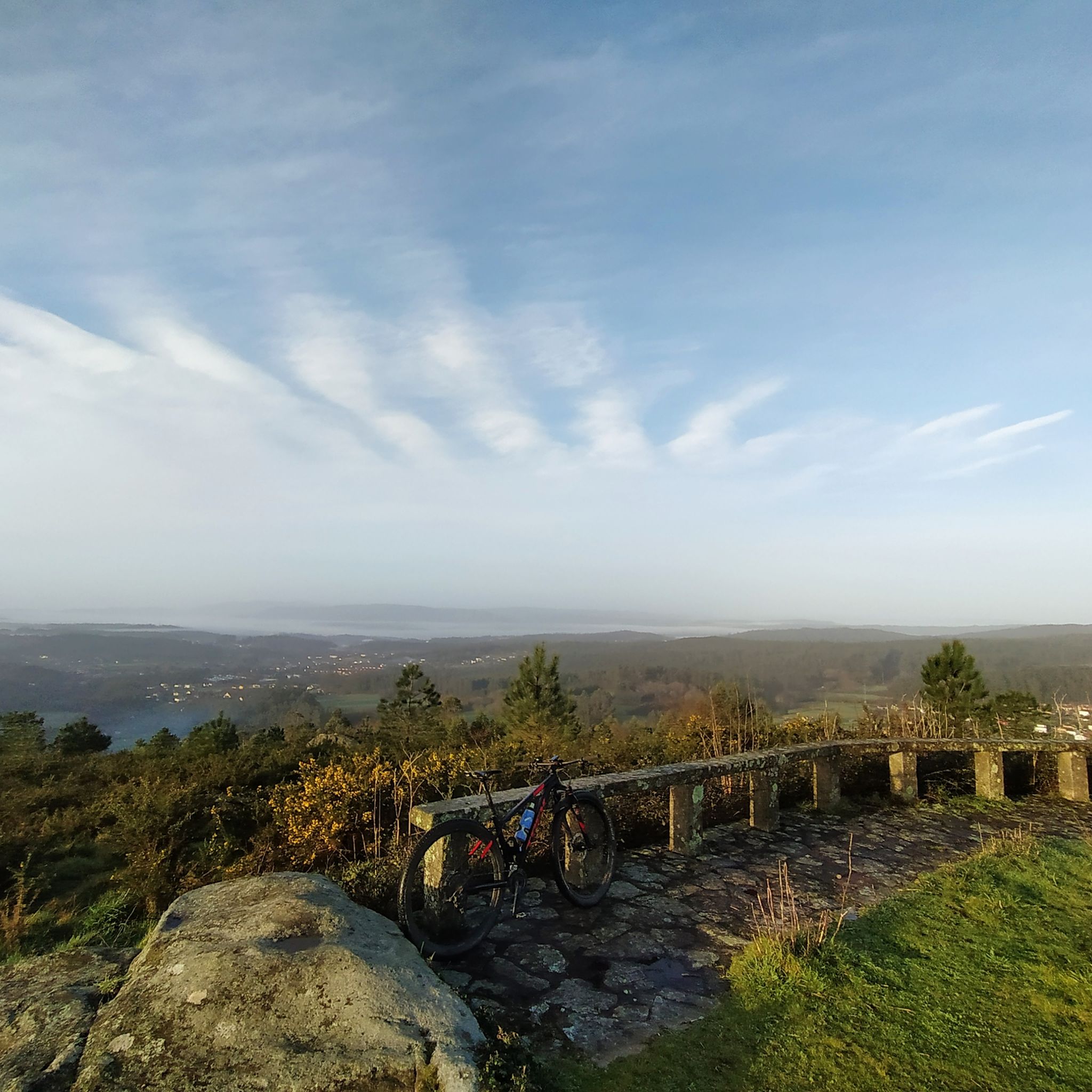
MTB Trails around Santiago De Compostela

Gravel biking around Santiago De Compostela


Tips from the Community

Rising 600m, Pico Sacro south of Santiago de Compostela has been guiding travelers since the beginning of time. The peak offers spectacular views of the surrounding valleys
1
0
An isolated mountain peak, giving it a unique point of reference in the surrounding landscape. The top of Pico Sacro is the first place from where you can see the towers of the church of Santiago de Compostela
2
1

Monte Pedroso is located on the right bank of the Sarela River. It is one of the highest points in... Nature Recreation areas and viewpoints Viewpoint.
6
0

climb by forest track that ends in one of the highest mountains in the area, beautiful views and multiple variants of descent
0
0

The Camino de France is well characterized over its entire length in Spain for the pilgrims who want to Santiago de Compostela. Along the way are the KM-stones and everywhere the famous shell can be seen, as well as yellow file. Also for the physical well-being is taken care of on the Camino! For 10 € already, there is the so-called pilgrims menu which consists of a starter, a main course and a dessert. A drink is also included. Also for sufficient accommodation possibilities is provided! Here the prices vary from a donation up to 15 € for simple hostels! These usually have dorms with multiple double beds! But also twin rooms can be found here and there! I personally recommend to get a pilgrim guide before the trip in which the accommodations are noted! "Buen Camino"
2
1
The Camino de France is a breathtaking path that will delight every hiker! Over the entire route there are small bars, seating and accommodation for a little money the pilgrim record a night! Santiago de Compostela is with your old town a beautiful city that should be worth a visit!
2
1

The path leads first along a river, then through bushes and along a eucalyptus forest, through a denser oak wall with ferns (beautiful light), until it opens and leads with views of Santiago to the top of Monte Pedroso. Beautiful also, when in the morning, first the clouds are above the valley and the sun slowly breaks through.
3
1

If you still have some time in Santiago, you should also take a walk on the Monte Pedruso. There you get a viewpoint on the other side of Santiago.
2
0
Frequently Asked Questions
What are some of the most popular mountain peaks and viewpoints around Santiago de Compostela?
The region around Santiago de Compostela features several notable hills and a distinctive "Sacred Peak" offering excellent panoramic views. Among the most popular are Pico Sacro, known for its unique conical shape and myths, and Monte Pedroso, which provides expansive views over the entire city. Monte San Marcos also offers beautiful views and multiple descent options.
What is the typical difficulty of hiking trails on the peaks near Santiago de Compostela?
The trails around Santiago de Compostela's peaks generally range from easy walks to intermediate climbs. For instance, the hike up Monte Pedroso is considered gentle, taking approximately an hour from the cathedral. Pico Sacro also offers a rewarding one-hour hike. Many routes involve forest tracks and varied terrain, suitable for those looking for moderate activity rather than strenuous climbs.
How long does it take to hike Monte Pedroso and what can I expect to see?
The hike up Monte Pedroso typically takes about an hour from Santiago's city center. From its summit, you can expect excellent panoramic views over the entire city of Santiago, making it an ideal spot for photography. The path often leads through bushes and eucalyptus forests, offering beautiful natural scenery. You might also find Stone or Bronze Age spiral-like engravings near the summit.
What makes Pico Sacro a significant peak to visit?
Pico Sacro, also known as the "Sacred Peak," is significant due to its unmistakable sharp, conical shape and rich local myths and legends, including connections to St. James and Queen Lupa. It features interesting rock formations and a hidden cave, once believed to be a dragon's lair. From its rocky summit, you can enjoy a grand panorama of the Galician countryside, and on a clear day, even glimpse the spires of Santiago's Cathedral.
Are there family-friendly mountain walks near Santiago de Compostela?
Yes, several areas offer family-friendly options. For example, beneath the summit of Monte Pedroso, you'll find the Parque da Granxa do Xesto, which is a suitable spot for a picnic. The gentle ascent of Monte Pedroso itself is manageable for families. Monte do Gozo also features a large park and facilities, making it a good spot for a leisurely walk with children.
Can I bring my dog on the trails around Santiago de Compostela's peaks?
Generally, the natural trails and paths around Santiago de Compostela's peaks are suitable for dogs, especially on hills like Monte Pedroso and Pico Sacro. It's always recommended to keep dogs on a leash, especially in areas with wildlife or near agricultural land, and to follow local regulations regarding pet waste.
What is the best time of year to visit the peaks around Santiago de Compostela for hiking?
The best time to visit the peaks around Santiago de Compostela for hiking is typically during the spring (April to June) and autumn (September to October). During these seasons, the weather is generally mild and pleasant, with less rain and comfortable temperatures for outdoor activities. Summer can be warm, and winter can bring colder, wetter conditions, though some trails remain accessible.
How can I access the mountain peaks near Santiago de Compostela, particularly regarding parking or public transport?
Many peaks, like Monte Pedroso, are accessible by walking directly from Santiago's city center. For others, like Pico Sacro, which is about 12 kilometers southeast, driving is often the most convenient option, with parking available near trailheads. Public transport options might be limited to the closest villages, requiring a walk to the peak.
What other outdoor activities can I do near the mountain peaks around Santiago de Compostela?
Beyond hiking, the region offers various outdoor activities. You can explore road cycling routes like the 'Santiago de Compostela - Padrón Loop' or 'Santiago de Compostela - A Santa Minia de Brión Return'. For touring cyclists, options include the 'Monte Pedroso and Camino de Fisterra Loop'. Mountain biking enthusiasts can enjoy trails such as the 'Xiro dos Montes de Compostela Loop' or 'Monte San Marcos – Between Houses loop'. You can find more details on these activities in the Road Cycling Routes, Cycling, and MTB Trails guides for the area.
Are there any historical or cultural sites associated with these peaks?
Yes, several peaks have significant historical and cultural ties. Monte Pedroso has ancient spiral-like engravings near its summit. Pico Sacro is steeped in local myths and legends, including a connection to St. James. Monte do Gozo, or the "Joy Mountain," is historically significant for pilgrims on the Camino de Santiago, as it was traditionally the first place they could glimpse the cathedral's towers.
What kind of views can I expect from Monte do Viso?
Monte do Viso, located on the eastern side of Santiago, offers a unique perspective compared to Monte Pedroso. Its name, meaning "height or elevation from which you can see a lot of terrain," accurately describes the experience. From Monte do Viso, you can expect an expansive view of the modern city of Santiago, providing a different vantage point of the urban landscape and surrounding countryside.
What is the significance of Monte do Gozo for pilgrims?
Monte do Gozo, or "Joy Mountain," holds immense significance for pilgrims completing the Camino de Santiago. Located approximately 5 kilometers from the Santiago de Compostela Cathedral, it was historically the first point where pilgrims could catch a glimpse of the cathedral's towers, symbolizing the nearing end of their long journey. Today, it remains a symbolic milestone, offering a place of rest and reflection before their final approach to Santiago.
Most popular routes around Santiago De Compostela
Most popular attractions around Santiago De Compostela

Get inspired with the komoot mobile app


Explore more
See even more amazing summits around Santiago De Compostela with these guides:
