The best walks and hikes around Santiago De Compostela
4.4
(2027)
16,114
hikers
187
hikes
Hiking around Santiago De Compostela offers diverse outdoor experiences within a region characterized by lush, green landscapes. The area features abundant forests of oaks, pines, and chestnuts, along with gently flowing streams and river valleys. Accessible hills like Monte Pedroso and Monte do Viso provide panoramic views of the city and surrounding countryside. The city's natural spaces blend urban history with preserved green fields and historical oakwoods.
Best hiking trails around Santiago De Compostela
- The most popular hiking route is Xiro dos Montes: Monte Gaiás and City Loop, a 5.5 miles (8.9 km) trail that takes 2 hours 55 minutes to complete. This moderate route combines urban history with natural landscapes.
- Another top favourite among local hikers is Cathedral – Raxoi Palace loop from Santiago de Compostela, a moderate 6.3 miles (10.1 km) path. This trail originates from the city center, offering views of historical landmarks.
- Local hikers also love the Santiago de Compostela loop from Santiago de Compostela - Daniel Castelao, a 6.9 miles (11.1 km) trail leading through a blend of urban and natural environments, often completed in about 2 hours 59 minutes.
- Hiking around Santiago De Compostela is defined by lush forests, river valleys, and accessible hills. The network offers options for different ability levels, from leisurely walks to more challenging routes.
- The routes in Santiago De Compostela are highly rated by the komoot community with an average score of 4.5 stars from over 1,000 reviews. More than 6,000 hikers have used komoot to explore Santiago De Compostela's varied terrain.
Last updated: November 21, 2026
4.6
(22)
79
hikers
8.86km
02:56
150m
150m
4.6
(109)
911
hikers
24.5km
06:43
390m
380m
Hard hike. Very good fitness required. Easily walkable paths.

4.6
(75)
479
hikers
Easy hike. Easily walkable paths.
4.6
(46)
123
hikers
Moderate hike. Good fitness required. Easily walkable paths.
4.5
(85)
657
hikers
Hard hike. Very good fitness required. Easily walkable paths.
Get access to more routes and recommendations from other explorers.
Already have an account?
Our route recommendations are based on thousands of hikes, rides, and runs completed by other people on komoot.
Start today with a free account
Your next adventure awaits.
Popular around Santiago De Compostela
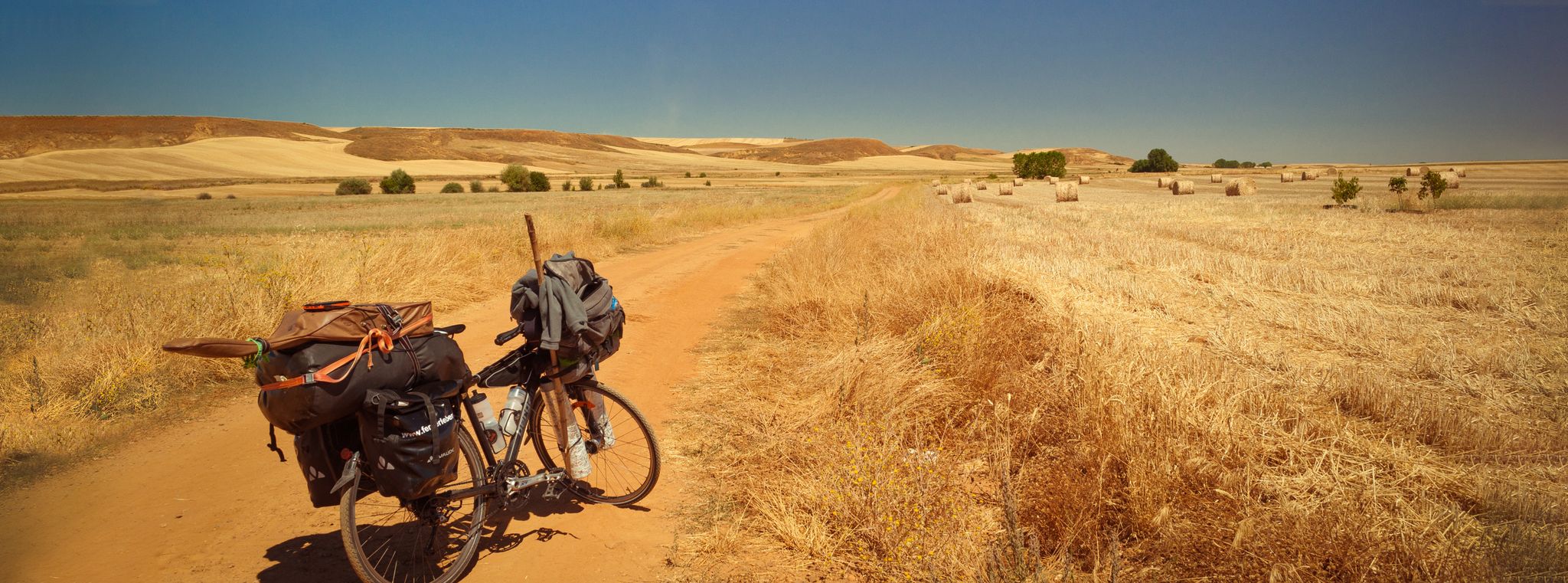
Camino Francés and Camino Finisterre – Cycling pilgrimages in Spain
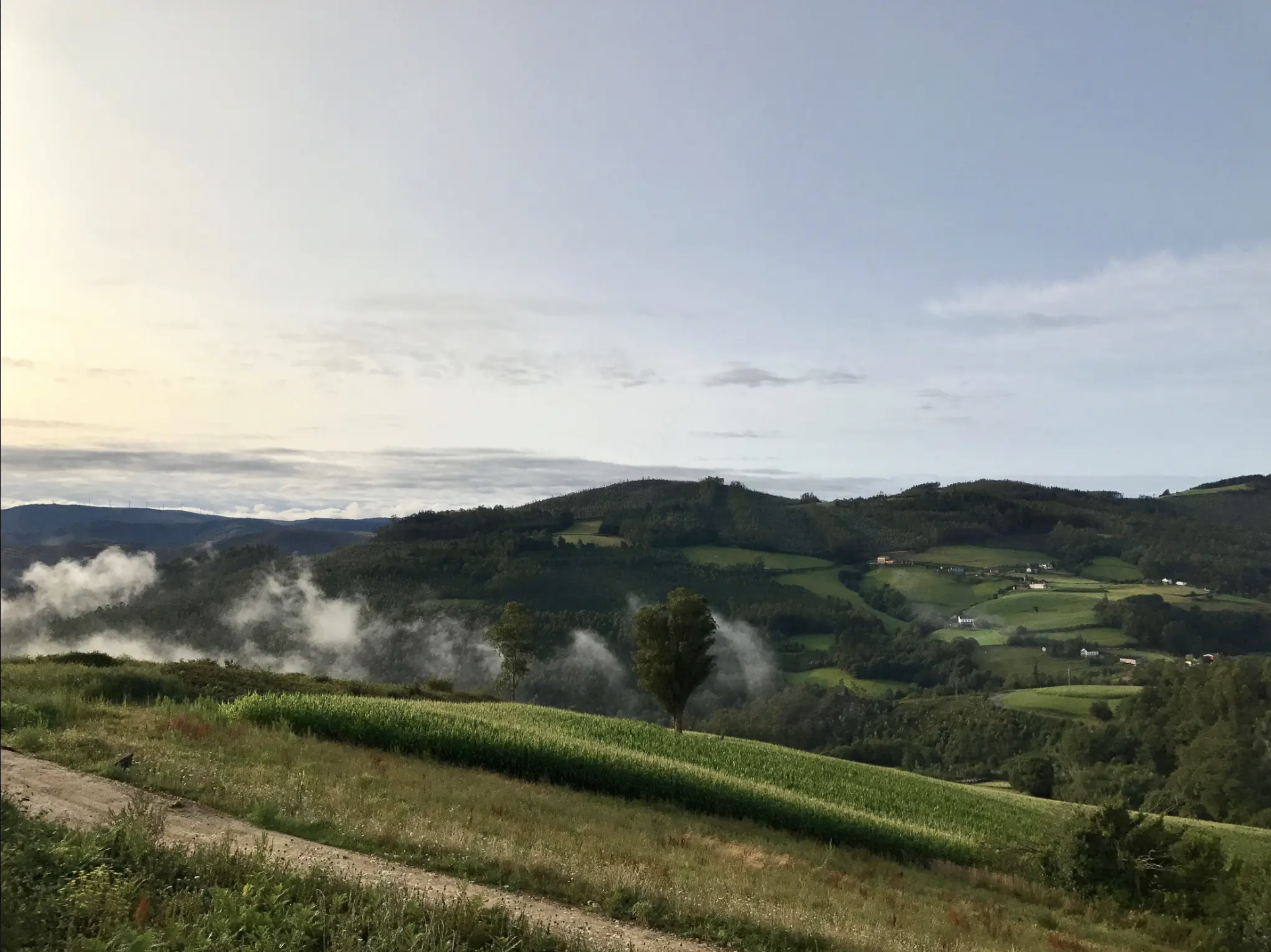
Camino del Norte (in reverse) – Discovering northern Spain's stunning coastline
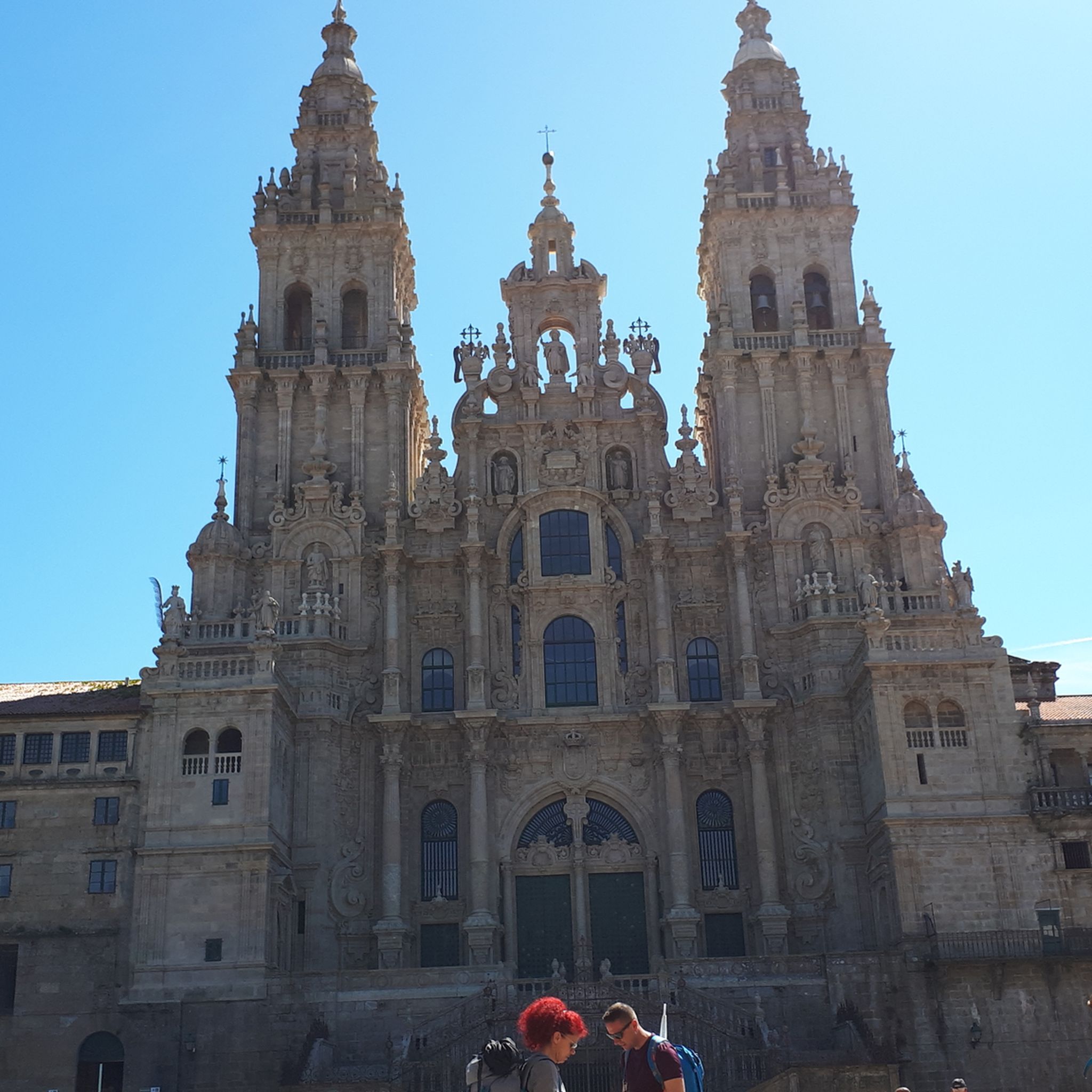
Cycling around Santiago De Compostela
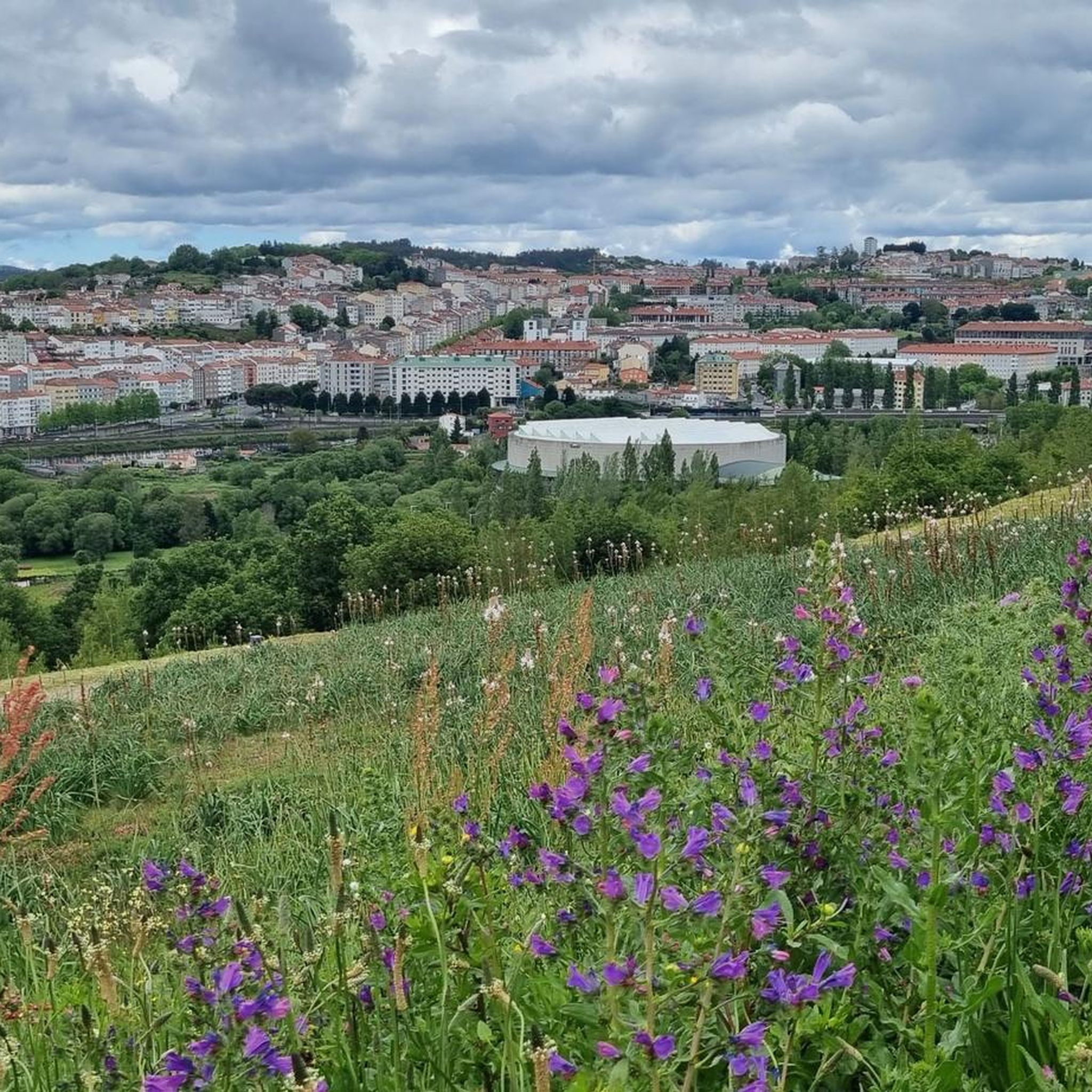
Road Cycling Routes around Santiago De Compostela
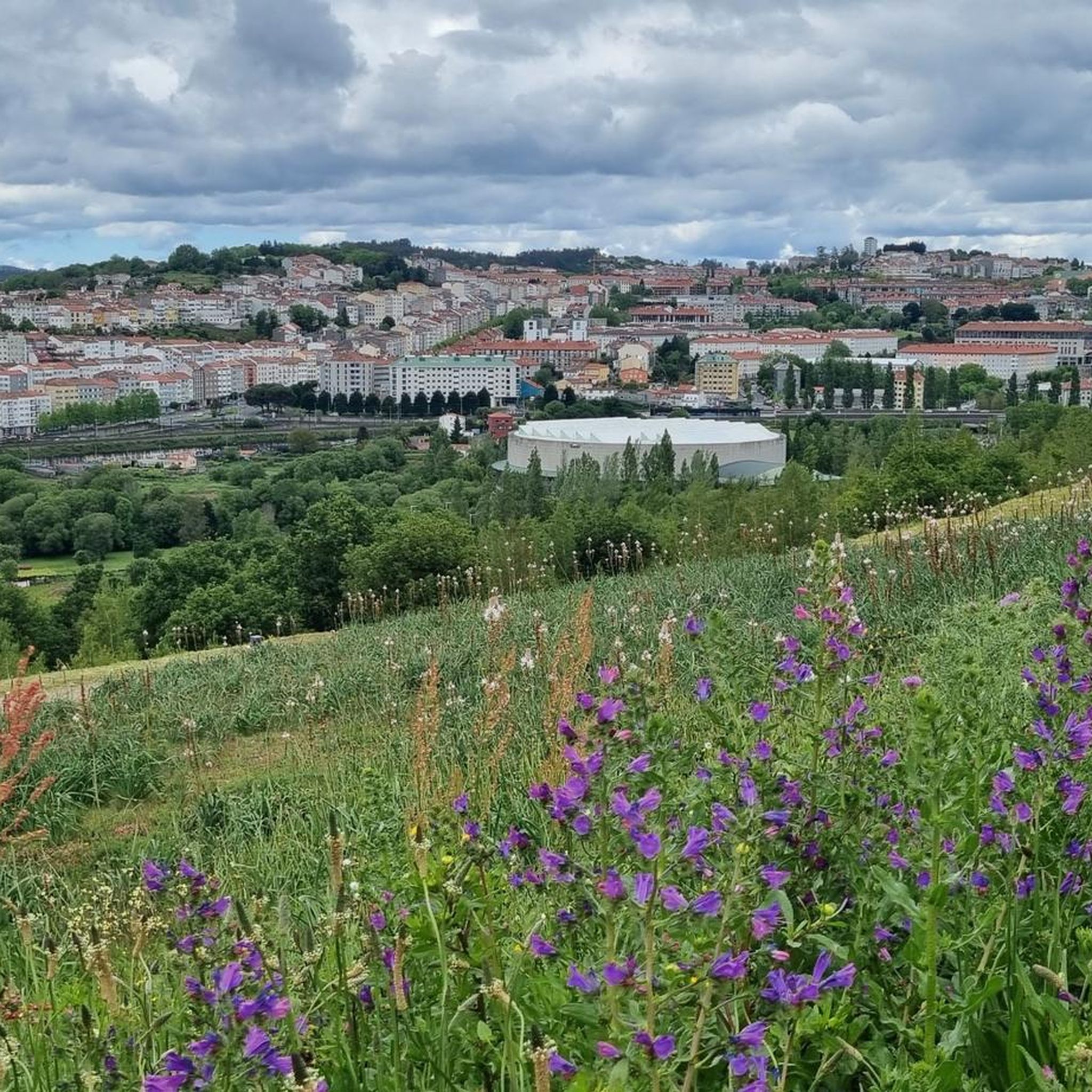
Running Trails around Santiago De Compostela
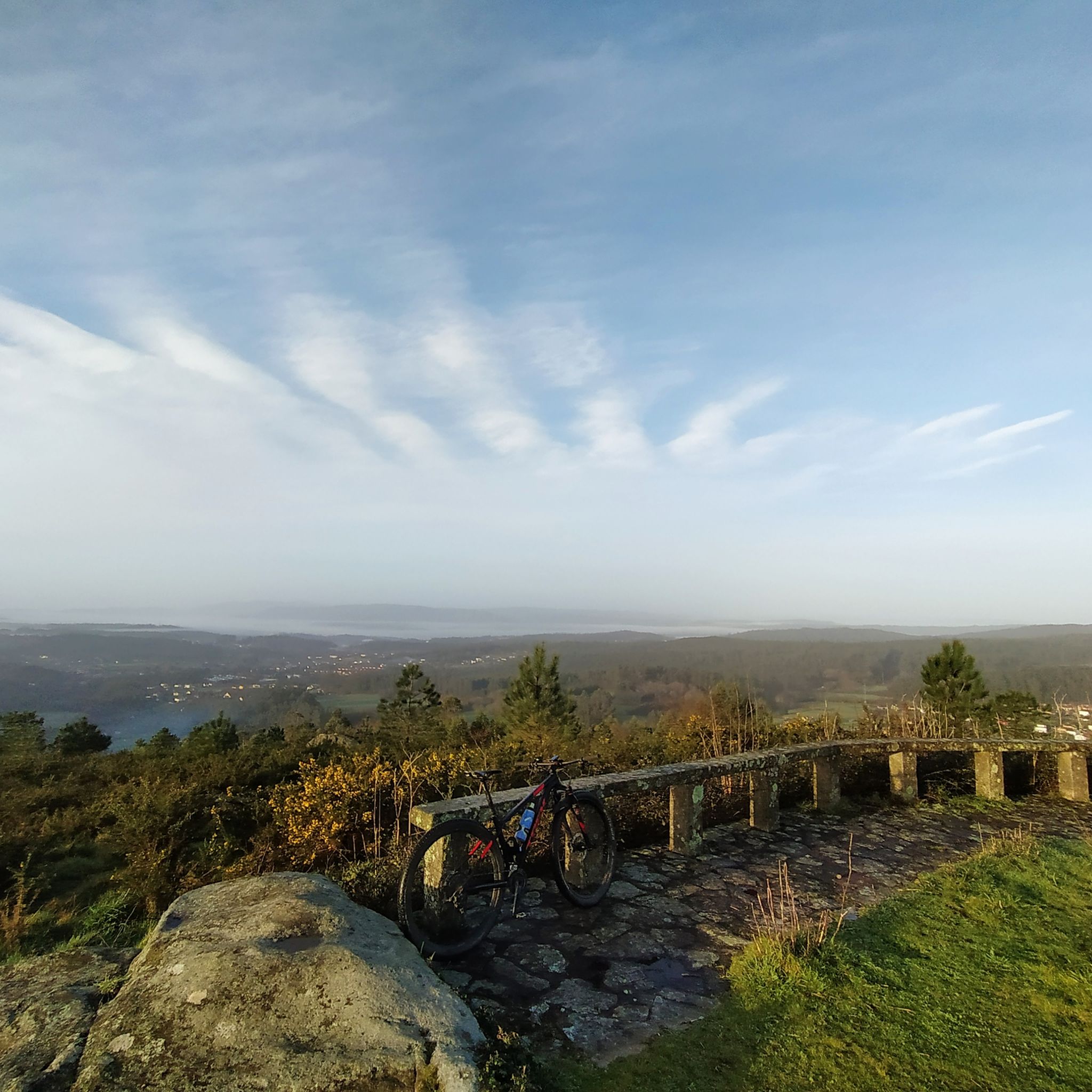
MTB Trails around Santiago De Compostela

Gravel biking around Santiago De Compostela


Tips from the Community

Work on the Romanesque Latin cross cathedral began in 1075 under the reign of Alfonso VI and the impetus of Bishop Diego Peláez, and officially concluded with its consecration in 1211. Its floor plan covers an area of approximately 8,300 square meters, making it the largest Romanesque church in Spain Over the centuries, the structure has absorbed Gothic, Plateresque, and especially Baroque influences. The most evident example is the iconic monumental facade of Plaza del Obradoiro (west side), designed in the 18th century by Fernando de Casas Novoa to protect the medieval portico from the elements, characterized by tall towers and dramatic staircases. On the south side, however, is the Platerías Facade, the only one that remains entirely Romanesque and intact.
2
0

The Cathedral of Santiago de Compostela is one of the most impressive church buildings in Spain. The sight of the massive Baroque facade with its two towers on the wide Praza do Obradoiro is overwhelming. Since the Middle Ages, the cathedral has been the destination of the famous Camino de Santiago. According to tradition, the tomb of the Apostle James is located here. Construction of the Romanesque church began in 1075, and its magnificent main facade was built in the 18th century. I am particularly fascinated by the different architectural styles, the elaborate Romanesque Pórtico de la Gloria, and the special atmosphere of this centuries-old pilgrimage site. When you watch the pilgrims arriving at the square after their long journey, full of joy and relief, you can feel the significance this place still holds today. For me, the cathedral impressively combines history, architecture, and living tradition.
8
0

The Cathedral of Santiago de Compostela is the spiritual heart of Galicia and one of the most important and visited Catholic shrines in the world. This monumental basilica represents the historic endpoint of the famous Camino de Santiago, the network of pilgrimage routes that attracts hundreds of thousands of travelers from every corner of the planet each year. Inside, according to tradition, the sacred relics of Saint James the Greater the Apostle are kept.
5
0

A beautiful place that invites you to linger, rest, and observe 🤙
0
0

The Cathedral of Santiago de Compostela stands majestically over the Plaza del Obradoiro as the goal for millions of pilgrims for centuries. Its imposing Baroque facade, its towers, and the symbolic presence of the apostle Saint James make it one of the most important and iconic monuments in Europe.
19
0

The Cathedral of Santiago de Compostela is an architectural marvel, richly decorated inside and out. At the same time, it is also the conclusion of the pilgrimage and a meeting place for many pilgrims who met on the Camino, lost each other, and now find each other again in great joy. Thus, the meaning of pilgrimage is integrated - Communitas - community with all the peoples of the world
1
0
Situada en el centro de la plaza de Platerías, fue esculpida por J. Pernas en 1825. Se trata de una fontana de estilo italiano, que inspiró a Federico García Lorca, quien la llamó "La Fuente del Sueño". Fuente de estilizada línea, cuenta con cuatro con caballos de bella factura. El escultor Juan Sanmartín, a mediados del s. XIX, le añadió la "Alegoría de la Ciudad de Santiago", una mujer sentada sobre el arca apostólica, sosteniendo la estrella que indicó al obispo Teodomiro el lugar del sepulcro.
17
0

Well-known plaza in the Old Town of Santiago
1
1
Frequently Asked Questions
How many hiking trails are available around Santiago de Compostela?
There are over 180 hiking routes around Santiago de Compostela, offering a wide range of experiences from easy strolls to more challenging treks. The komoot community has explored these trails over 6,000 times, with routes averaging a 4.5-star rating.
Are there easy or family-friendly hiking options in Santiago de Compostela?
Yes, Santiago de Compostela offers many easy and family-friendly options. Nearly half of the available routes are rated as easy. You can explore urban green spaces like Alameda Park or Belvis Park for leisurely walks, or consider the Xiro dos Montes: Monte Gaiás and City Loop, which is a moderate route combining urban history with natural landscapes, suitable for most fitness levels.
Can I bring my dog on the hiking trails near Santiago de Compostela?
Generally, dogs are welcome on many trails around Santiago de Compostela. However, it's always advisable to check specific regulations for individual parks or protected natural areas. Keeping your dog on a leash is recommended for their safety and to respect local wildlife and other hikers.
Are there circular hiking routes available around Santiago de Compostela?
Yes, many of the hiking routes around Santiago de Compostela are circular. For example, the Cathedral – Raxoi Palace loop from Santiago de Compostela offers a moderate 10.1 km path originating from the city center, providing views of historical landmarks. Another option is the Santiago de Compostela loop from Santiago de Compostela - Daniel Castelao, which blends urban and natural environments.
What kind of natural landscapes can I expect to see while hiking here?
The region around Santiago de Compostela is characterized by lush, green scenery. You'll find abundant forests of oaks, pines, and chestnuts, gently flowing streams, and river valleys. Accessible hills like Monte Pedroso and Monte do Viso offer panoramic views, while the Sarela River Route provides a blend of nature, history, and architecture.
Are there any trails with good viewpoints of Santiago de Compostela?
Absolutely. Both Monte Pedroso and Monte do Viso offer excellent panoramic views. Monte Pedroso, located northwest of the old town, is easily visible from Praza do Obradoiro and provides stunning vistas of the city after about an hour's hike. You can find a specific viewpoint highlight here: View of Santiago de Compostela from Monte Pedroso.
What are some notable landmarks or attractions I can see along the trails?
Many trails incorporate or pass by significant landmarks. Within the city, you can explore the Historic Centre of Santiago de Compostela, a UNESCO World Heritage site, and see the iconic Santiago de Compostela Cathedral. The Raxoi Palace and the Fountain of the Horses are also prominent. Further afield, Pico Sacro offers interesting rock formations and a hidden cave.
Is public transport available to reach hiking trailheads?
Yes, several trailheads are accessible via public transport from Santiago de Compostela. For instance, the Sarela River Route is just outside the old town, and local buses can take you towards areas like Monte Pedroso. For destinations further out, such as Pico Sacro, local bus services connect Santiago with surrounding towns, from which you can often start your hike.
Are there any challenging or difficult hiking routes in the area?
While many routes are easy to moderate, there are also more challenging options. For example, the Sculpture in Sigüeiro – English Way loop from Cemiterio Municipal de Boisaca is a difficult 27.9 km route. The wider region of Galicia also offers demanding trails in areas like the Ancares Mountain Range for experienced hikers.
What is the best season for hiking around Santiago de Compostela?
Galicia's lush green landscapes are beautiful year-round. Spring and autumn generally offer the most pleasant hiking conditions with mild temperatures and vibrant scenery. Summer can be warm but is also popular, while winter hiking is possible, though some trails might be muddy, and higher elevations could experience cooler, misty conditions typical of the region.
What do other hikers enjoy most about hiking in Santiago de Compostela?
The area is highly rated by the komoot community, with an average score of 4.5 stars. Hikers often praise the blend of natural beauty with historical and cultural sites, the well-maintained paths, and the diverse options available for all skill levels. The lush forests, river valleys, and panoramic views from the hills are frequently highlighted as favorite aspects.
Are there any trails that follow the Camino de Santiago pilgrimage route?
Yes, Santiago de Compostela is the culmination point of the Camino de Santiago. While many embark on multi-day journeys, sections of the Camino and routes around Santiago offer excellent day-hiking experiences. The final stretch of the Camino in Galicia is particularly known for its humid forests and a mysterious, misty atmosphere, providing a unique hiking experience.
Most popular routes around Santiago De Compostela
Most popular attractions around Santiago De Compostela

Get inspired with the komoot mobile app


Explore more
Browse the best Hikes in other regions.
