The best gravel rides around Sayago
5.0
(1)
18
riders
7
rides
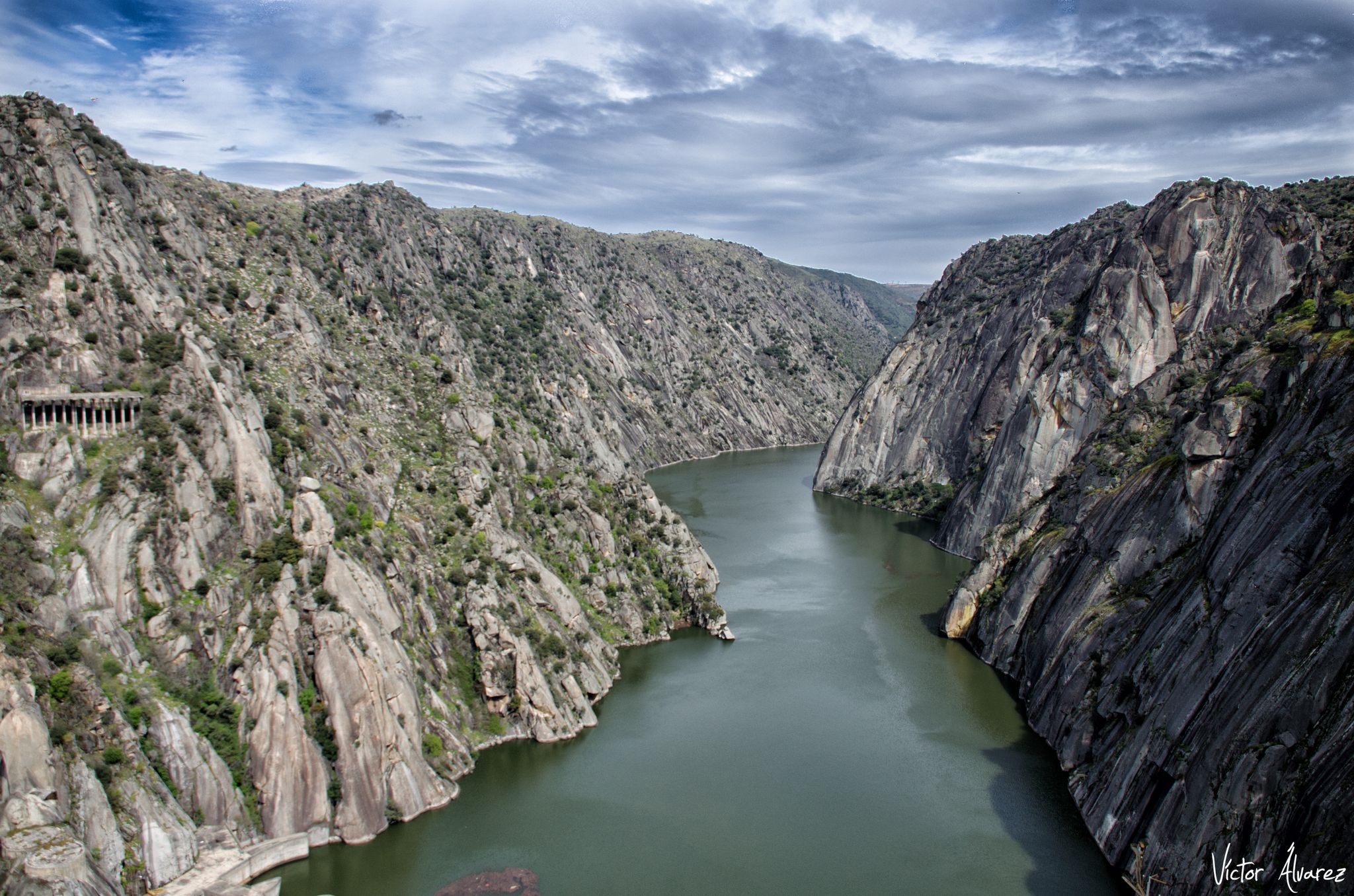
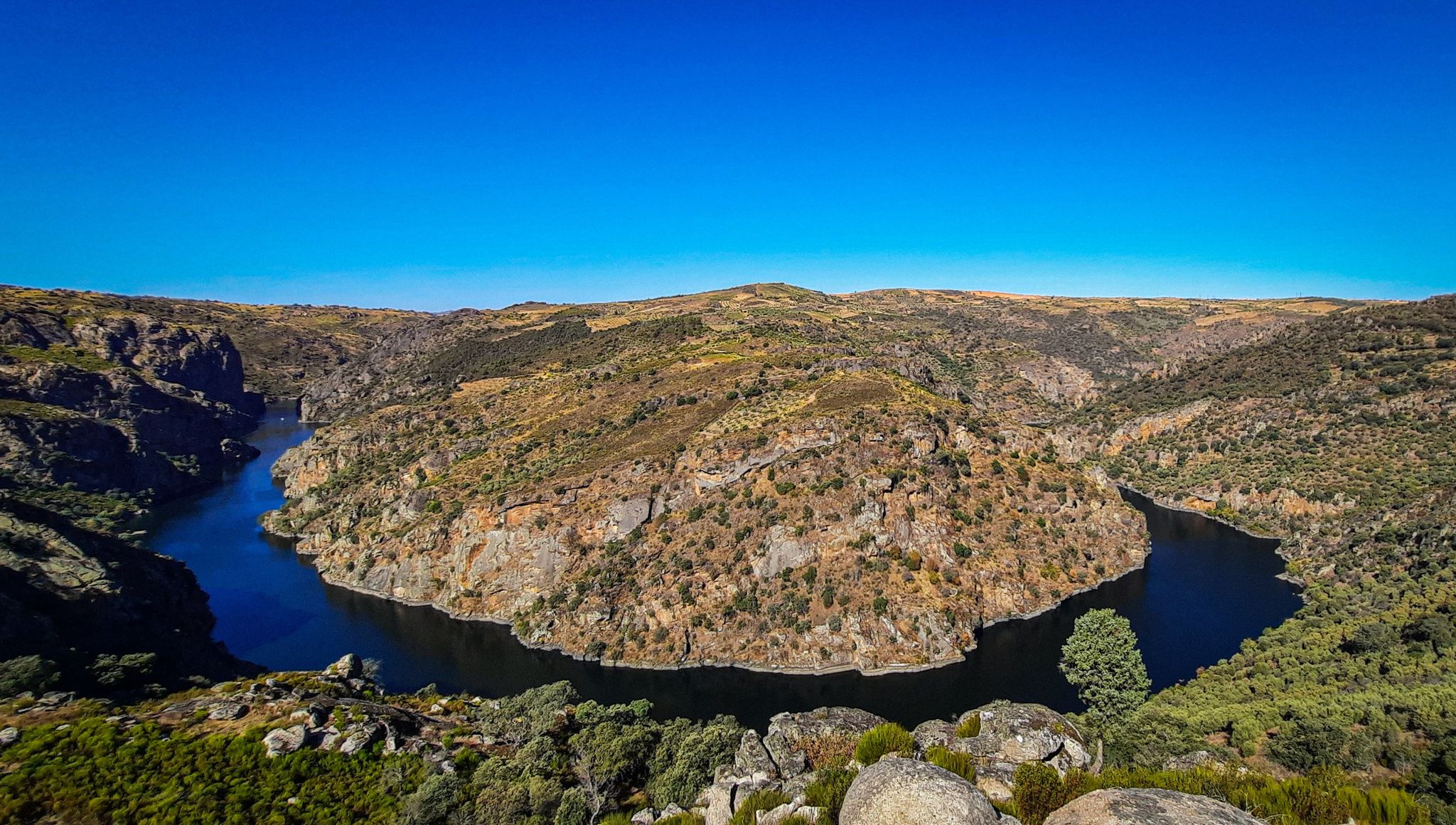
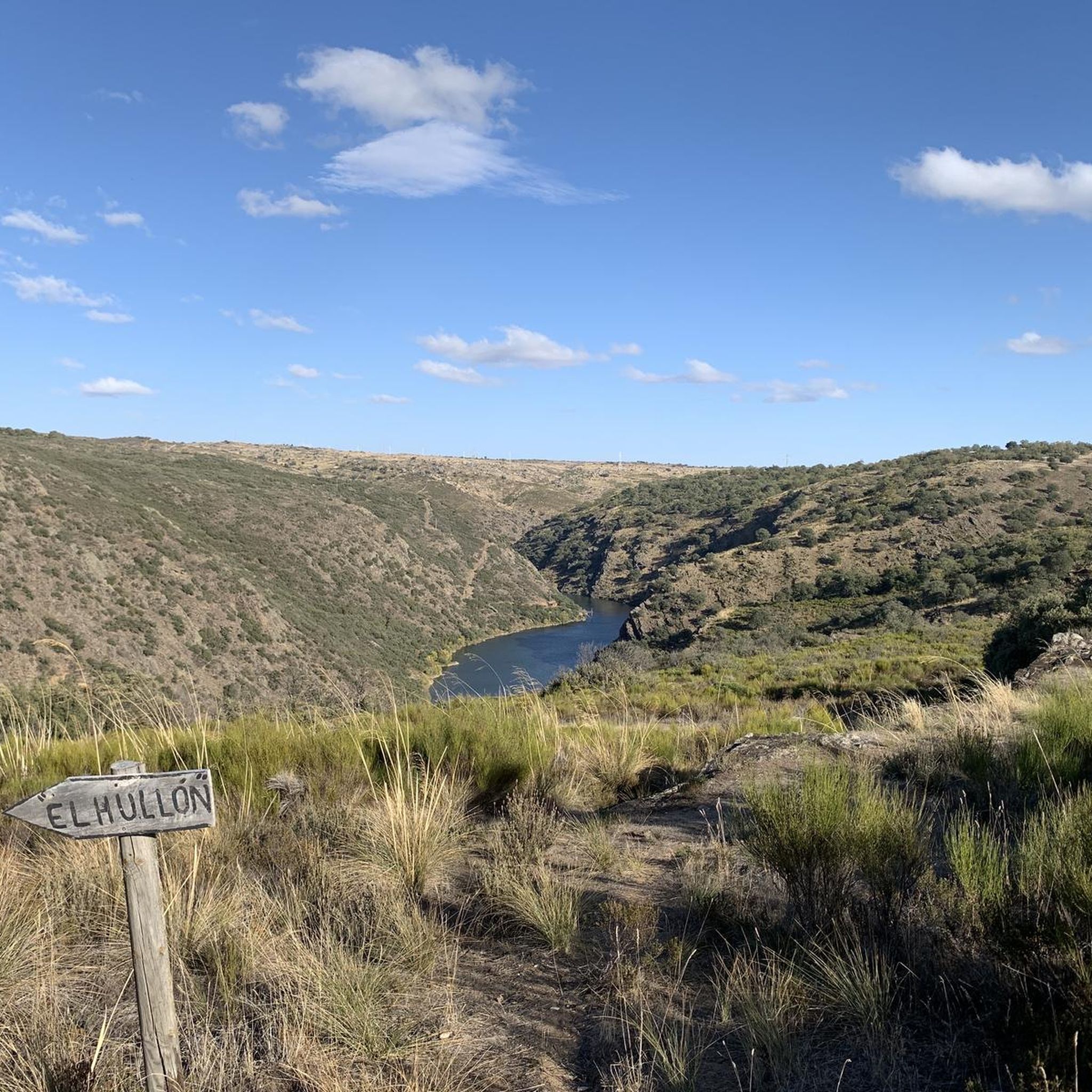
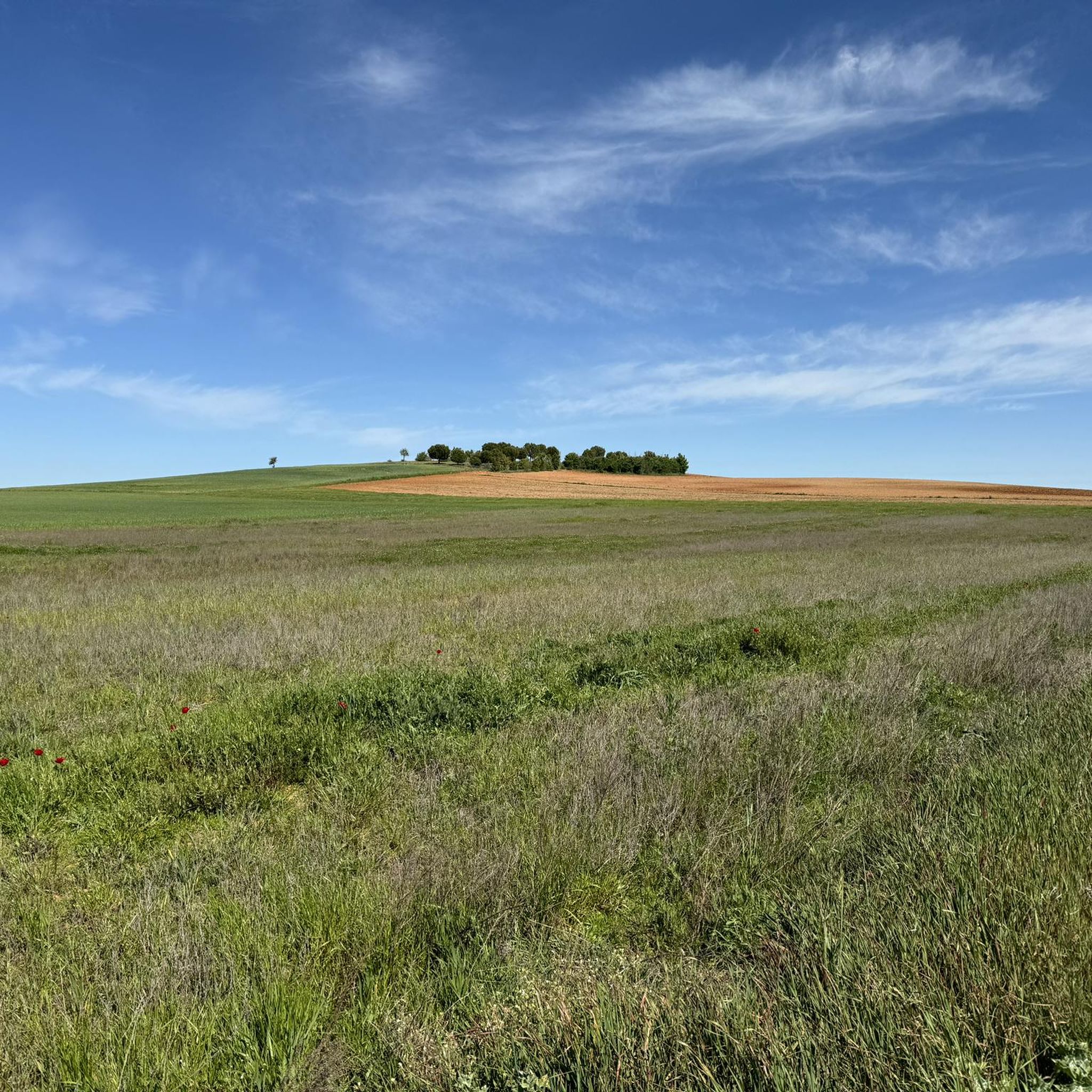
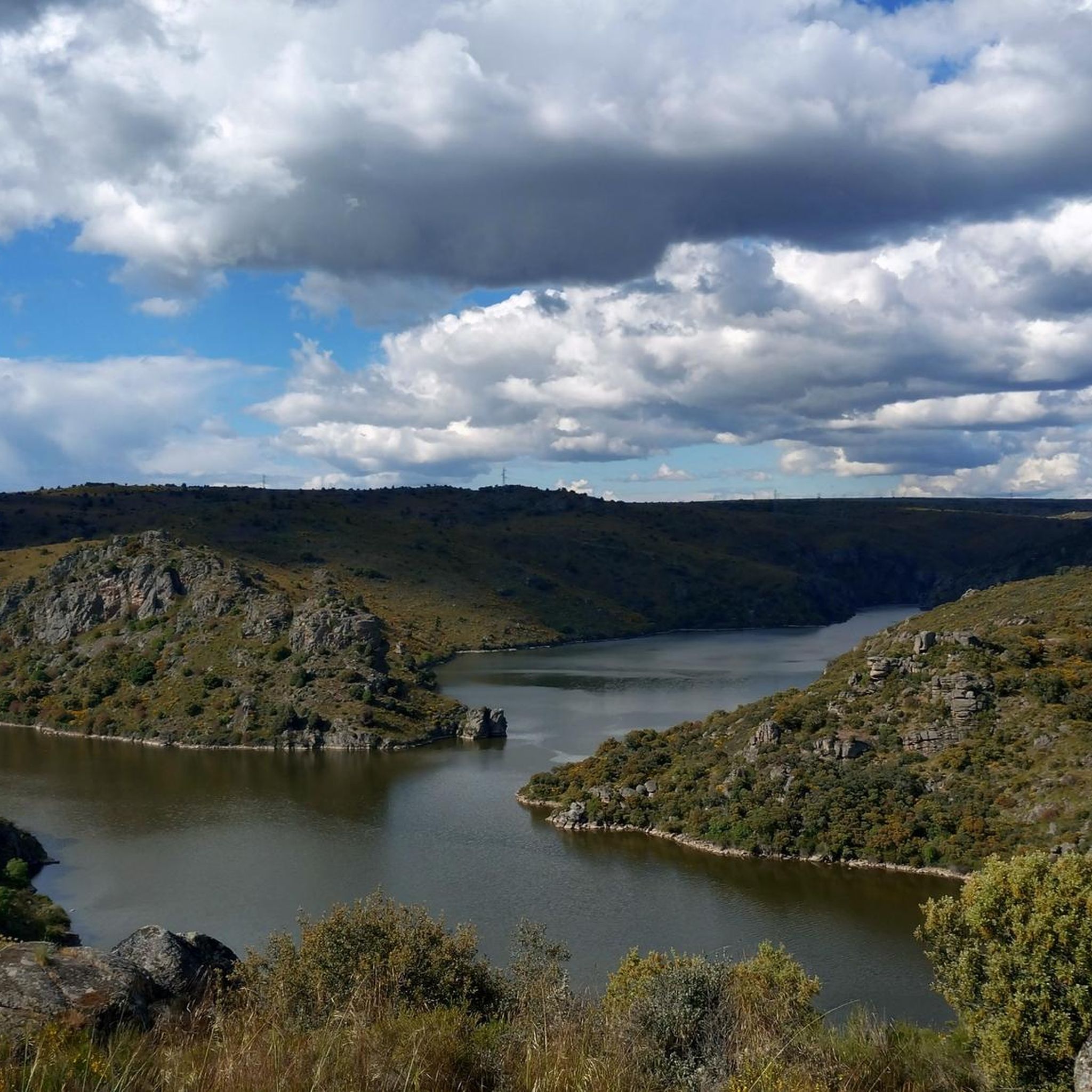
Gravel biking around Sayago, located in the province of Zamora, Spain, offers varied terrain within a distinctive landscape. The region borders the Arribes del Duero Natural Park, characterized by deep canyons carved by the Duero River. The Sayagués landscape features rolling hills, meadows dotted with cork oaks, and traditional stone walls. These natural and agricultural features provide a network of unpaved paths suitable for gravel cycling.
Best gravel bike trails around Sayago
- The most popular gravel bike trail is Puente…
Last updated: October 13, 2026
5.0
(1)
5
riders
47.1km
03:13
320m
320m
Moderate gravel ride. Good fitness required. Mostly paved surfaces. Suitable for all skill levels.
2
riders
Easy gravel ride. Great for any fitness level. Mostly paved surfaces. Suitable for all skill levels.

2
riders
Hard gravel ride. Very good fitness required. Mostly paved surfaces. Suitable for all skill levels.
3
riders
27.7km
01:37
180m
180m
Moderate gravel ride. Good fitness required. Mostly paved surfaces. Suitable for all skill levels.
1
riders
45.4km
03:13
510m
510m
Hard gravel ride. Very good fitness required. Mostly paved surfaces. Suitable for all skill levels.
1
riders
39.9km
02:26
270m
270m
Moderate gravel ride. Good fitness required. Mostly paved surfaces. Suitable for all skill levels.
3
riders
60.7km
03:55
570m
570m
Hard gravel ride. Very good fitness required. Mostly paved surfaces. Suitable for all skill levels.
1
riders
52.0km
03:26
870m
870m
Hard gravel ride. Very good fitness required. Mostly paved surfaces. Suitable for all skill levels.
Our route recommendations are based on thousands of hikes, rides, and runs completed by other people on komoot.
Start today with a free account
Your next adventure awaits.



Tips from the Community

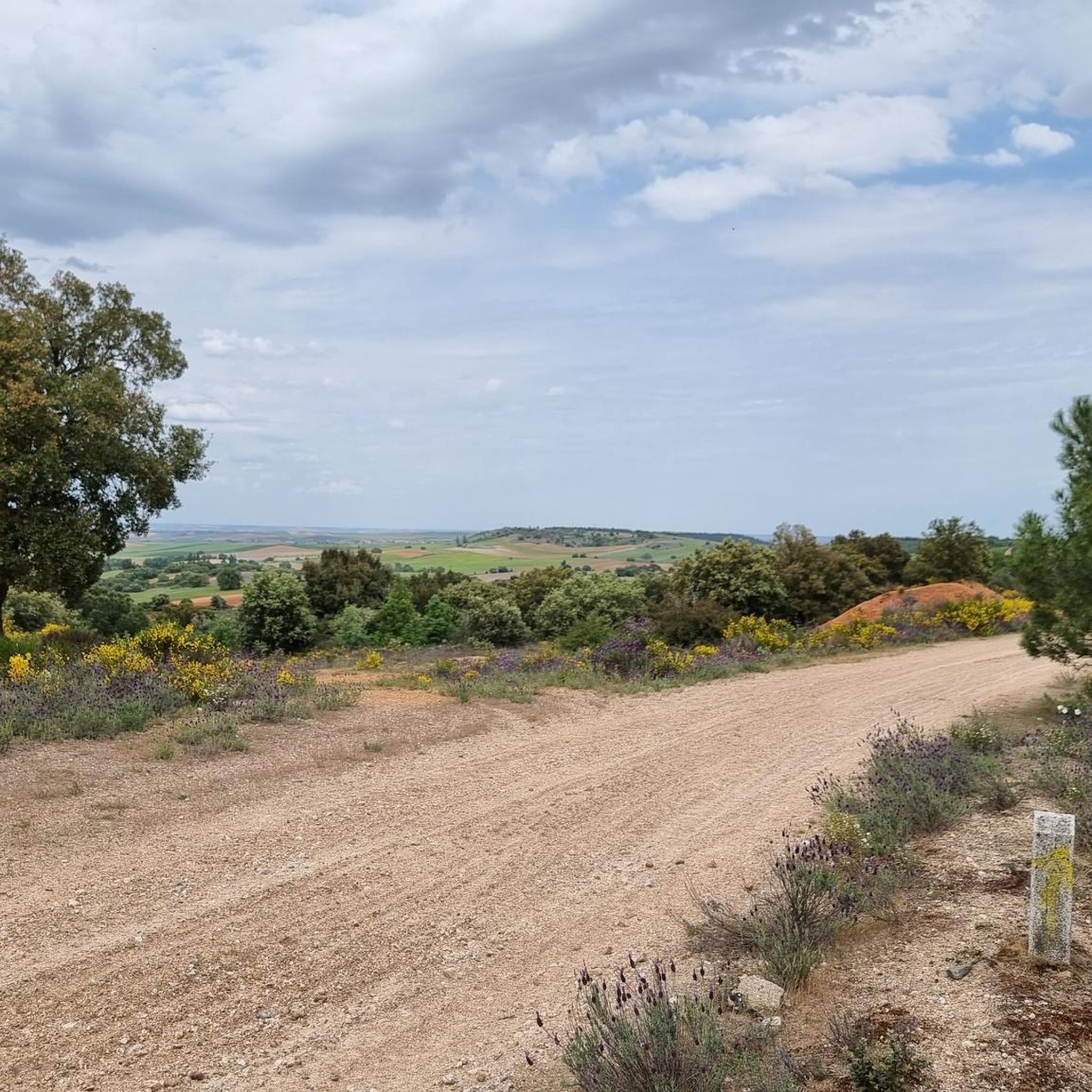
The Sofreral de Cerezal is a cork oak forest (called sofreros in the area), the largest in Castile and León. Leaving the village, you cross a wonderful path about 4 km long.
0
0

Mirador do Penedo Amarelo. It is located on Rua do Penedo Amarelo, in the urban area of Miranda do Douro. It offers wide panoramic views of the Douro River surrounded by green hills, the dam, the historic center and the co-cathedral of Miranda do Douro. It is one of the most outstanding urban viewpoints in the area.
3
0
The views from the Duero-Douro International Biological Station and its cruises are spectacular: Arribes del Duero / Douro International: river canyons with rock walls exceeding 200 meters, Mediterranean vegetation, and birds of prey such as griffon vultures and golden eagles. Lake Sanabria: crystal-clear waters surrounded by mountains and forests, with unique panoramic views from the solar-powered catamaran. Miranda do Douro: views of the river and the Portuguese historic center, especially at sunset.
2
0
It's located in the heart of the Arribes del Duero Natural Park, an area of great scenic beauty and biodiversity. Things to do nearby: Viewpoints: The viewpoint at the bridge itself and others nearby, such as the one in Villadepera. Hiking trails: Paths through the Arribes, ideal for photography and birdwatching. Charming villages: Villadepera, Pino del Oro, and other towns in the area. From the bridge, you can admire the granite cliffs of the Duero River and the deep riverbed that marks the natural border with Portugal.
2
0
The Requejo Bridge, also known as the Pino Bridge, is a jewel of historical engineering located in Villadepera (Zamora) over the Duero River, within the Arribes del Duero Natural Park. Year of inauguration: 1914. Designed by the engineer José Eugenio Ribera, a pioneer in the use of reinforced concrete in Spain. It was built to connect the Aliste and Sayago regions, facilitating communication between Zamora and Portugal.
2
0
It spans the Duero River in Zamora (Castilla y León), connecting Avenida de Portugal (Pinilla neighborhood) with Calle de Salamanca in the city. The project began in 1882, with construction starting in 1892, under the direction of engineer Prudencio Guadalajara, to alleviate the overloading of the old Stone Bridge. Inaugurated in 1900, it represented a significant improvement in handling the growing traffic in the city. It was designed in steel, using a metal lattice structure of the St. Andrew's Cross type, typical of the late 19th century.
3
0
This monument consists of three monoliths representing the three roads that converge at this location: the Via de la Plata, the Calzada Mirandesa, and the Via Dalmacia; and a curb where pilgrims can write a wish on a stone and throw it into the curb for it to come true.
1
0

Bar Peña Unai Simon A great place to stop and have a coffee.
0
0
Frequently Asked Questions
How many gravel bike trails are available in Sayago?
Sayago offers a selection of gravel bike trails, with over 4 routes documented on komoot. These routes cater to various skill levels, from moderate to difficult, allowing you to explore the region's diverse landscapes.
What kind of terrain can I expect on gravel bike trails in Sayago?
Gravel biking in Sayago features a mix of terrain. You'll encounter rolling hills, meadows dotted with cork oaks, and traditional stone-walled paths characteristic of the Sayagués landscape. The region also borders the Arribes del Duero Natural Park, which means some routes might offer dramatic vistas along deep river canyons.
Are there any challenging gravel routes in Sayago?
Yes, Sayago offers routes that provide a good challenge for experienced gravel bikers. For instance, the Pino de Oro Village loop from Poblado del Esla is a difficult 26.2-mile (42.2 km) trail with significant elevation changes, leading through rural landscapes. Another challenging option is the Olivares Watermills – Palomares loop from Zamora, which covers 37.6 miles (60.5 km) with substantial climbs.
Are there easy gravel bike trails suitable for beginners or families in Sayago?
While many routes in Sayago are moderate to difficult, some sections or shorter loops can be suitable for beginners or families looking for a less strenuous ride. The region's network of unpaved paths and agricultural trails often provides gentler gradients away from the more challenging river canyons. We recommend checking the route profiles on komoot for specific details on elevation and distance to find the best fit for your group.
What natural attractions can I see while gravel biking in Sayago?
Sayago's gravel trails often lead to stunning natural features. You can discover the beautiful Abelón Waterfall or enjoy panoramic views from the Staircase Viewpoint and Mirador de las Barrancas. These viewpoints offer spectacular overlooks of the Sayagués landscape and the Duero River canyons.
Are there any historical or cultural landmarks along the gravel trails in Sayago?
Yes, gravel biking in Sayago can take you past several historical and cultural points of interest. You might encounter traditional villages with unique architecture, ancient stone walls, and even religious buildings like the Hermitage of the Virgen del Castillo or the Hermitage of Santa Cruz. The region's 'Sayagués Agricultural Landscape Nature Trail' specifically highlights these traditional elements.
What is the best time of year to go gravel biking in Sayago?
The best time for gravel biking in Sayago is generally during the spring (April to June) and autumn (September to October). During these seasons, the weather is typically milder and more pleasant, avoiding the intense heat of summer and the colder, potentially wetter conditions of winter. This allows for more comfortable riding and better enjoyment of the natural scenery.
Is public transport available to reach gravel biking starting points in Sayago?
Public transport options to reach specific gravel biking starting points within Sayago can be limited, as it is a rural region. Zamora, the provincial capital, serves as a main hub with bus connections to some of the larger towns in Sayago. However, for direct access to trailheads, having a car is often more convenient. It's advisable to check local bus schedules in advance if you plan to rely on public transport.
Where can I find parking near gravel bike trails in Sayago?
Parking is generally available in the villages and towns that serve as common starting points for gravel bike trails in Sayago. Look for designated parking areas or public spaces within towns like Zamora, Corrales del Vino, or Poblado del Esla. When parking in smaller, more traditional villages, be mindful of local residents and ensure you are not obstructing narrow streets or private access.
Are there any circular gravel bike routes in Sayago?
Yes, many of the gravel bike routes in Sayago are designed as loops, allowing you to start and finish in the same location. Examples include the popular Puente de Hierro de Zamora – Castle of Zamora loop from Zamora and the Corrales del Vino – Villanueva de Campeán loop from Corrales del Vino. These circular routes are convenient for day trips, as they bring you back to your starting point.
What do other gravel bikers enjoy most about gravel biking in Sayago?
Gravel bikers often praise Sayago for its unique blend of natural beauty and cultural heritage. The region's distinctive 'Sayagués' landscape, with its cork oaks and traditional stone walls, provides a scenic backdrop. Riders appreciate the varied terrain, from rolling hills to river canyons, and the opportunity to explore charming traditional villages and historical landmarks along the way.
Can I bring my dog on gravel bike trails in Sayago?
Generally, dogs are welcome on most public trails in rural areas like Sayago, provided they are kept under control, especially when passing through agricultural land or near livestock. If you are riding within the Arribes del Duero Natural Park, it's always best to check specific park regulations regarding pets to ensure compliance and protect local wildlife.
Most popular routes around Sayago
Most popular attractions around Sayago

Get inspired with the komoot mobile app


Didn’t find what you were looking for?
Check out more Gravel rides throughout Sayago below and find the perfect route in your destination.
Explore more
Browse the best Gravel rides in other regions.
