The best gravel rides around Irles
4.5
(2)
12
riders
5
rides
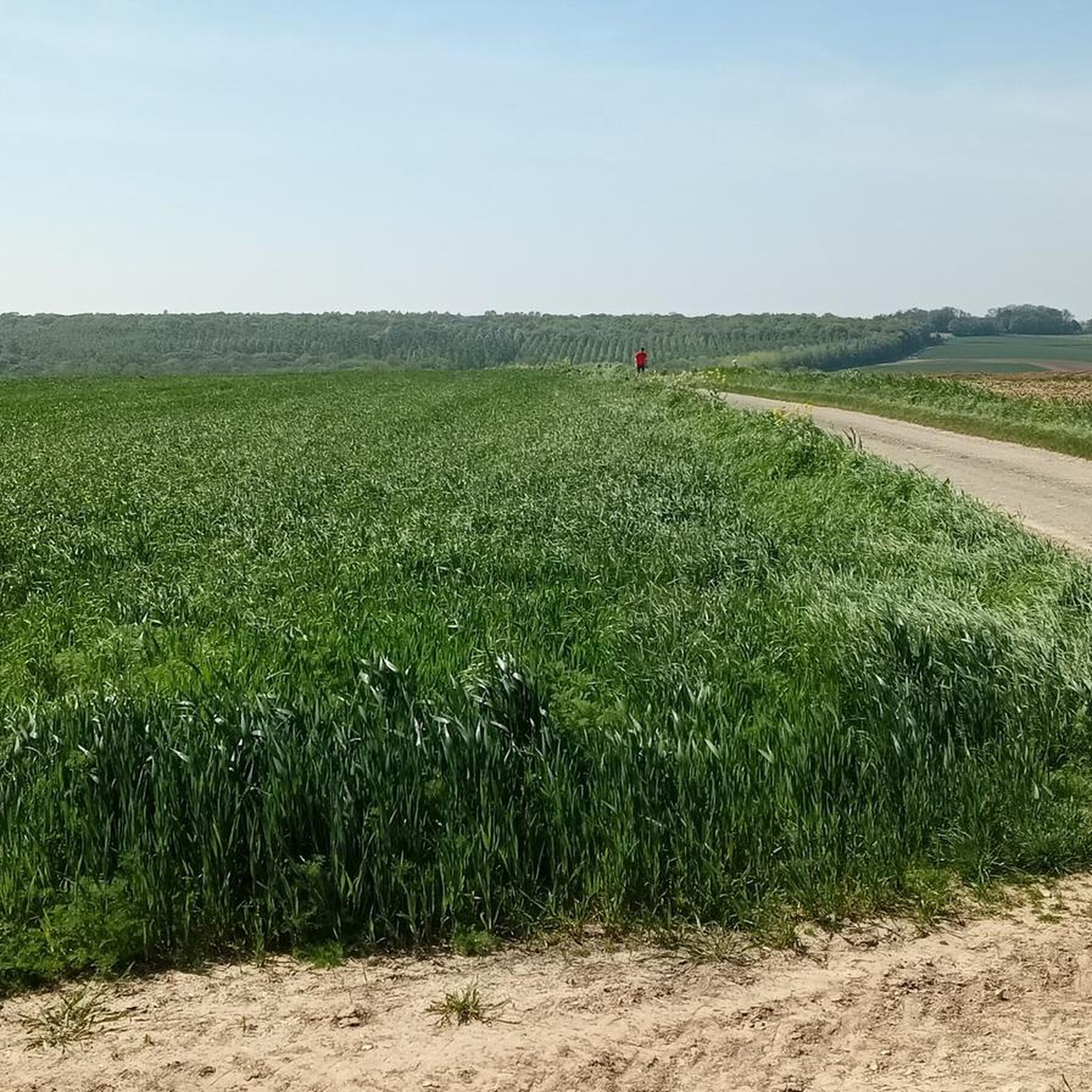
Gravel biking around Irles offers routes through the gently rolling countryside of the Somme region, characterized by open fields and historical landscapes. The terrain features moderate elevation changes, making it suitable for intermediate gravel bikers. Routes often traverse quiet country roads and unpaved tracks, connecting small villages and memorial sites. This area provides a blend of natural scenery and historical significance for gravel cycling.
Best gravel bike trails around Irles
- The most popular gravel bike trail is Newfoundland Memorial –…
Last updated: September 28, 2026
3
riders
40.7km
02:58
380m
380m
Moderate gravel ride. Good fitness required. Mostly paved surfaces. Suitable for all skill levels.
2
riders
40.9km
02:56
330m
330m
Moderate gravel ride. Good fitness required. Mostly paved surfaces. Suitable for all skill levels.

2
riders
34.0km
02:18
260m
260m
Moderate gravel ride. Good fitness required. Mostly paved surfaces. Suitable for all skill levels.
5.0
(1)
3
riders
31.9km
02:19
320m
320m
Moderate gravel ride. Good fitness required. Mostly paved surfaces. Suitable for all skill levels.
4.0
(1)
1
riders
22.9km
01:36
170m
170m
Moderate gravel ride. Good fitness required. Mostly paved surfaces. Suitable for all skill levels.
Our route recommendations are based on thousands of hikes, rides, and runs completed by other people on komoot.
Start today with a free account
Your next adventure awaits.



Tips from the Community

The Tour d'Ulster, also known as the Helen Tower or Tour de Belfast, is a British war memorial. It was built in 1921 to commemorate the soldiers of the 36th Ulster Division who died during the Battle of the Somme in World War I. The tower is a replica of a neo-Gothic tower in Clandeboye Park, near Belfast, where the 36th Division trained. An interesting anecdote is that the 36th Ulster Division was the first to attack during the Battle of the Somme on 1 July 1916, but suffered heavy losses from both German and British artillery fire. The division lost over 5,500 men in just a few hours. The Tour d'Ulster has a cafeteria where you can enjoy a cup of tea, scones or Tayto chips, a specialty from Northern Ireland. It is a nice place to relax.
6
0
An interesting anecdote is that the Royal Naval Division was originally formed from reservists of the British Navy who had no place on ships during the war. This unit was trained as infantry and played a crucial role in several battles, including the Battle of the Ancre.
6
0
The British Royal Naval Division Memorial in Beaucourt-sur-l'Ancre commemorates the officers and men of the Royal Naval Division who died during the Battle of the Ancre, part of the great Somme offensive. The memorial is located on Rue d'Hamel (Route D50) and Chemin de Serres les Pusieux.
6
0
Miraumont is a small village in the Somme department, in the Hauts-de-France region, which occupies a historically and geographically special place. It is situated in a narrow valley at the source of the Ancre River, a tributary of the Somme, and is surrounded by gently rolling hills that were once the scene of fierce fighting during the First World War. During the Battle of the Somme in 1916, Miraumont was close to the front line and was badly hit. Today it is a quiet rural commune of around 630 inhabitants, where the past is still palpable in the surroundings and in nearby military cemeteries. Its proximity to other historic sites such as Thiepval and Beaumont-Hamel makes it a worthwhile stop for those wishing to explore the region's wartime past.
7
0
The Nymphe d'Aveluy is a historical monument in Aveluy, France, commemorating the artwork created by French soldiers during World War I. During periods of rest between battles, soldiers created sculptures and engravings, including the famous "Nymphe d'Aveluy". These works were often photographed and sent to their families on postcards.
1
0
Connaught Cemetery commemorates British and Commonwealth soldiers who fought in the Battle of the Somme during the First World War. Connaught Cemetery mainly contains the graves of soldiers who died near the village of Thiepval from the autumn of 1916 until the end of the war in November 1918. An interesting anecdote is that the cemetery originally contained 517 graves, but after the German withdrawal to the Hindenburg Line in the spring of 1917, the bodies of soldiers from various temporary cemeteries were transferred to Connaught Cemetery.
7
0
Tour d'Ulster has a cafeteria where you can enjoy a cup of tea, scones or Tayto chips, a specialty from Northern Ireland. It is a nice place to relax for a while.
1
0
The Tour d'Ulster, also known as the Helen Tower or Tour de Belfast, is a British war memorial. It was built in 1921 to commemorate the soldiers of the 36th Ulster Division who died during the Battle of the Somme in World War I. The tower is a replica of a neo-Gothic tower in Clandeboye Park, near Belfast, where the 36th Division trained. An interesting anecdote is that the 36th Ulster Division was the first to attack during the Battle of the Somme on 1 July 1916, but suffered heavy casualties from both German and British artillery fire. The division lost over 5,500 men in just a few hours.
1
0
Frequently Asked Questions
What is the difficulty level of gravel bike trails around Irles?
The gravel bike trails around Irles are generally considered moderate in difficulty. They offer a good balance of challenge and accessibility, suitable for riders with some experience. You can expect varied terrain, including rolling hills and some climbs, typical of the French countryside.
What are the typical distances for gravel bike routes in the Irles area?
The routes in the Irles area typically range from approximately 23 km to 41 km. For example, the Miraumont loop from Bucquoy is about 23 km, while the Newfoundland Memorial – Beaumont-Hamel trails loop from Bucquoy extends to around 41 km.
Are there circular gravel bike routes available in the Irles area?
Yes, all the gravel bike routes listed for the Irles area are circular. This means you will start and finish at the same point, making logistics easier. Examples include the Newfoundland Memorial – Englebelmer War Memorial loop from Beaumont-Hamel and the Miraumont – Lavoir de St Pierre Divio loop from Miraumont.
What historical sites or viewpoints can I see along the gravel bike trails near Irles?
The Irles region is rich in historical significance, particularly related to World War I. Many gravel routes pass by or near important memorials and sites. You can visit the Newfoundland Memorial, the Thiepval Memorial, or the Lochnagar Crater. The Ulster Tower – Newfoundland Memorial loop from Miraumont is a great route to explore some of these landmarks.
When is the best time of year to go gravel biking in Irles?
The best time for gravel biking in the Irles region, like much of northern France, is typically from spring to autumn (April to October). During these months, the weather is generally milder and drier, making for more pleasant riding conditions. Spring offers blooming landscapes, while autumn provides beautiful foliage.
What are the typical trail conditions for gravel biking in the Irles region?
The trails in the Irles region often consist of well-maintained gravel paths, farm tracks, and quiet country roads. Given the historical context of the area, some routes may incorporate paths through former battlefields, which are now peaceful and often unpaved. Expect a mix of surfaces, from compact gravel to potentially muddier sections after rain, especially in more rural areas.
Are there family-friendly gravel biking options around Irles?
While all routes are rated moderate, the shorter, less hilly options could be suitable for families with older children or those accustomed to longer rides. The Miraumont loop from Bucquoy, at approximately 23 km, might be a good starting point for a family looking for a moderate challenge.
Is parking available near the gravel bike trails in Irles?
Yes, parking is generally available in the villages and towns that serve as starting points for these routes, such as Bucquoy, Beaumont-Hamel, or Miraumont. These locations often have public parking areas, making it convenient to access the trails.
Can I access gravel bike routes in Irles using public transport?
Accessing specific trailheads directly by public transport in rural areas like Irles can be challenging. While regional train services might connect to larger towns nearby, reaching the exact starting points of gravel routes often requires a car or a short taxi ride from the nearest station. It's advisable to check local bus schedules if relying on public transport.
Are the gravel bike trails around Irles dog-friendly?
Many of the gravel paths and country roads in the Irles region are suitable for dogs, provided they are well-behaved and kept under control, especially when passing through agricultural land or near livestock. Always ensure your dog is on a leash where required and be mindful of local regulations and other trail users. Remember to carry water for your dog, particularly on longer rides.
What do other gravel bikers enjoy the most about gravel biking in Irles?
The Irles area is highly rated by the komoot community, with an average score of 4.0 stars. Reviewers often praise the peaceful, rolling countryside, the well-maintained gravel paths, and the unique opportunity to combine outdoor activity with exploring significant historical sites, particularly those related to World War I.
Most popular attractions around Irles

Get inspired with the komoot mobile app


Explore more
Browse the best Gravel rides in other regions.
