Top 6 Castles around Riparbella
Best castles around Riparbella are found in a region characterized by its medieval origins and rolling Tuscan hills. Riparbella's historic center reflects its past, with narrow streets and ancient buildings. The area offers a blend of historical sites and natural landscapes, including olive groves and vineyards. Visitors can explore remnants of ancient fortifications and well-preserved castle environments.
Best castles around Riparbella
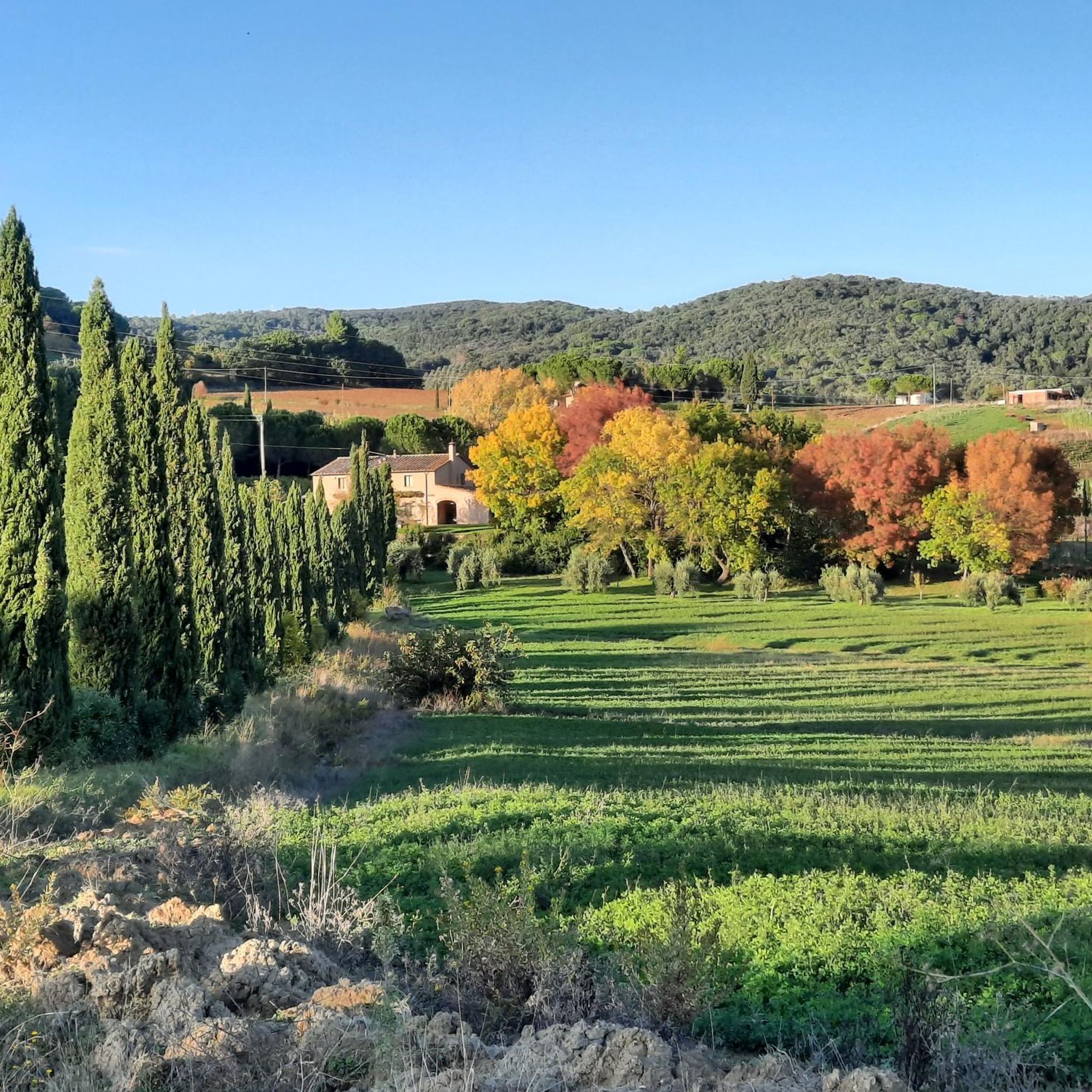
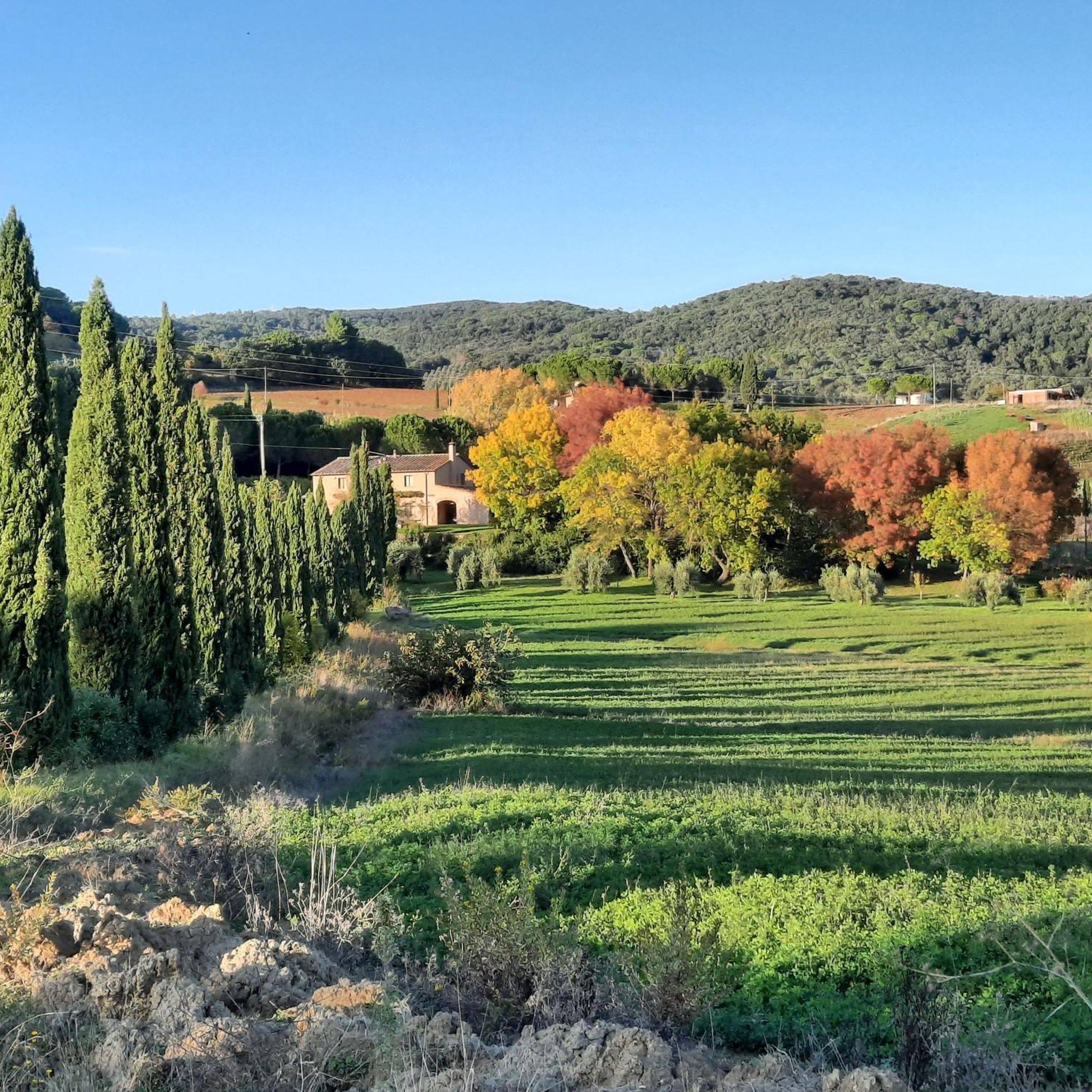
- The most popular castles is Castello di Querceto, a castle located in a delightful hamlet. Built in the 16th century, this castle offers an authentic historical experience within a charming village.
- Another must-see spot is Rocca di Pietracassia, a castle that is only reachable on foot or by bike. The view from this historical site is very beautiful.
- Visitors also love Castello Rosignano Marittimo, an ancient castle with Etruscan, Roman, and medieval origins. It houses the Rosignano Archaeological Museum, offering insights into the region's history.
- Riparbella is known for its historic centers reflecting medieval layouts, castle ruins, and preserved castles. The area offers a variety of castles to see and explore, from ancient fortresses to well-maintained historical sites.
- The castles around Riparbella are appreciated by the komoot community, with over 80 upvotes and 90 photos shared.
Last updated: June 4, 2026
Castello di Querceto
Highlight • Castle
Translated by Google •
Tip by

Castello Rosignano Marittimo
Highlight • Castle
The castle was not only a fortress, but also encompassed several other buildings: a church, a building of the Archbishopric of Pisa, the seat of the municipal authorities, homes and shops, and noble palaces belonging to the Vestrini, Marini, and Bombardieri families. The latter currently houses the Rosignano Archaeological Museum; Opened in 1996 and spread over three floors, it houses architectural elements and furnishings from Roman villas, underwater finds from Roman shipwrecks along the coast, and various funerary objects discovered in the Etruscan necropolises of Castiglioncello and Vada.
Particularly interesting is the reconstruction of a Roman-era domus, complete with furnishings and everyday objects.
The museum has an educational approach, accessible each year to thousands of teachers and students of all ages, thanks to guides, multimedia, models, panels, and captions.
From Piazzale Vestrini, especially at sunset and on clear days, you can enjoy a magnificent view of Rosignano Marittimo, the coast, and the islands.
Ample parking is available in the area adjacent to the tower.
Closed on Mondays, open Tuesday through Sunday (9:00-13:00 in the winter and 17:00-20:00 in the summer).
Tel. 0586 724288
Email: palazzobombardieri@comune.rosignano.livorno.it
Tickets:
* €5.00 adults;
* €3.00 reduced (students, families, groups of more than 9 people);
* free for children (under 10), seniors (over 65), and disabled visitors
Translated by Google •
Tip by

Sign up now to discover places like this
Get recommendations on the best single tracks, peaks, & plenty of other exciting outdoor places.
Sign up for free
Rosignano Marittimo: Between Nature and Culture
Highlight • Settlement
From Rosignano Marittimo, then, you can descend towards the S.R. 206 and go up towards the villages of the "Colline Pisane", or go down to Rosignano Solvay and take the beautiful coastal cycle path that leads to Vada, Mazzanta, Marina di Cecina and, through the pine forest of the "Tomboli di Cecina" nature reserve, reach Marina di Bibbona
In Rosignano M. it is worth tackling the climb that leads to the highest point, from which it is possible to take beautiful photos towards the coast (on clear and clear days,beyond the islands of the Tuscan Archipelago, it is possible to see Corsica).
Rosignano, in its whole municipality organizes gastronomic festivals, cultural and folkloristic events throughout the year.
In addition, the Museum housed in the rooms of Palazzo Bombardieri (in the Castle on the top of the hill), displays interesting archaeological finds.
visitrosignano.it/en/eventi.php?id=922
Museum opening (closed on Mondays):
Summer (from 1st July to 3rd September)
10:00 - 13:00; 17:00 - 20:00
Winter: Tuesday to Saturday: 9:00 - 13:00
Sundays and holidays: 10:00 - 13:00
Tickets: € 10; € 5 reduced; free for over 65 and under 10
Tel: 0586724288
mail: museo@comune.rosignano.livorno.it
Tip by
Rosignano Marittimo
Highlight • Settlement
Translated by Google •
Tip by
Rocca di Pietracassia
Highlight • Castle
Translated by Google •
Tip by

Sign up for free to discover even more castles around Riparbella.
Sign up for free
Already have an account?
Start today with a free account
Your next adventure awaits.
Login or Signup
Other adventures around Riparbella

Tips from the Community

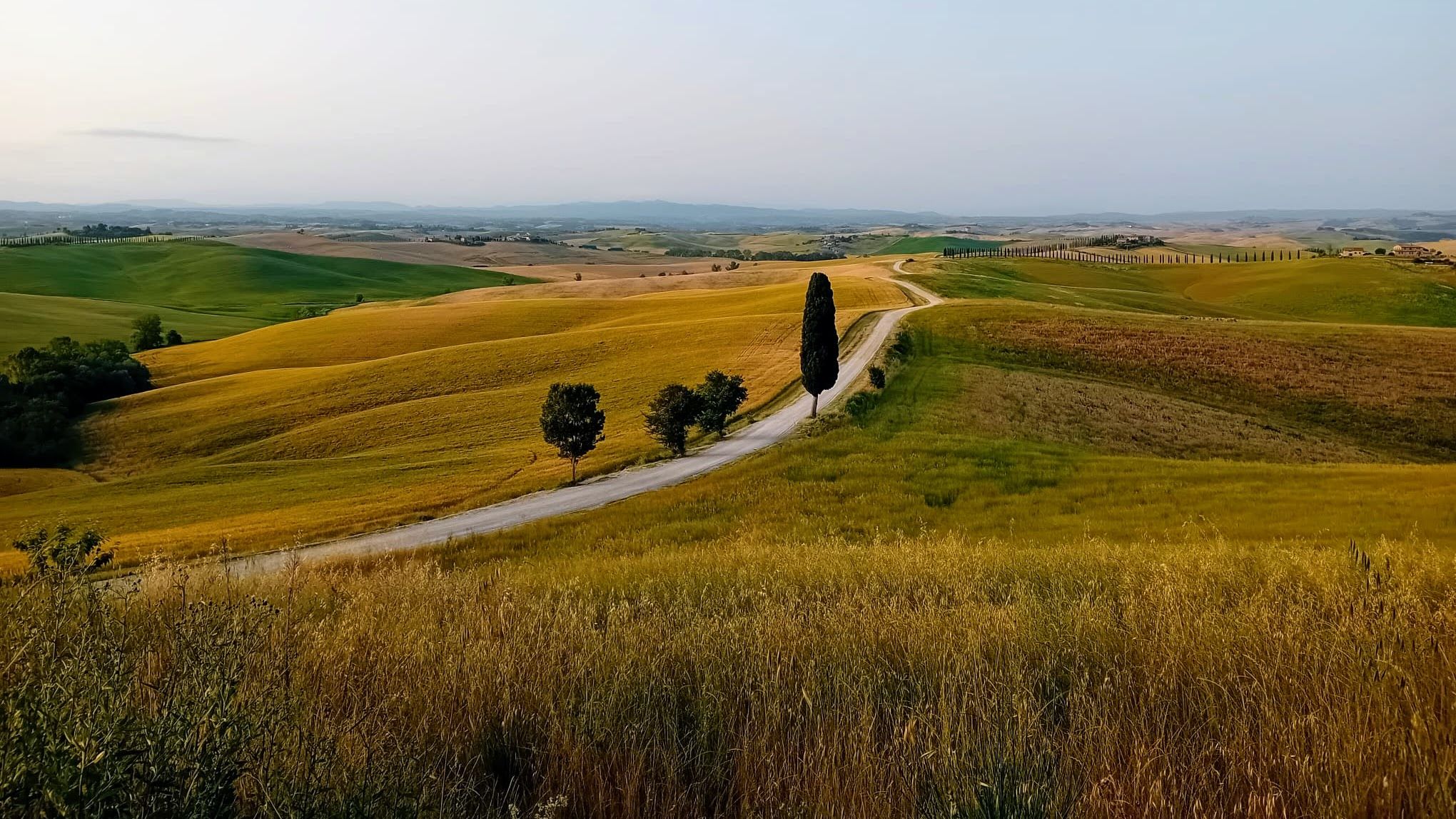
A jewel nestled among the hills of Val di Cecina, Castello di Querceto dominates the landscape with its discreet and timeless elegance. 🚴♂️✨ 🌾 Surrounded by vineyards and white roads, it represents one of the most evocative points of passage in the area of Montecatini Val di Cecina. 📸 The contrast between the historic architecture of the castle and the Tuscan rural landscape makes it a perfect spot for a photo stop.
0
0

The descent Ri to the North via Aquabona is not very rewarding, road is bad
0
0

Photo #5 is taken from the MTA website (Tuscan Museums for Alzheimer's)
2
0
Rosignano Castle sits atop the hill overlooking the town center. Its origins are ancient: it was first an Etruscan fortress, then a Roman castrum, and finally a medieval fortress, important for its position, which allowed it to control both the hills behind it and the sea. It was also the residence of the Medici family, who strengthened its fortifications with two towers. The castle was not only a fortress, but also encompassed several other buildings: a church, a building of the Archbishopric of Pisa, the seat of the municipal authorities, homes and shops, and noble palaces belonging to the Vestrini, Marini, and Bombardieri families. The latter currently houses the Rosignano Archaeological Museum; Opened in 1996 and spread over three floors, it houses architectural elements and furnishings from Roman villas, underwater finds from Roman shipwrecks along the coast, and various funerary objects discovered in the Etruscan necropolises of Castiglioncello and Vada. Particularly interesting is the reconstruction of a Roman-era domus, complete with furnishings and everyday objects. The museum has an educational approach, accessible each year to thousands of teachers and students of all ages, thanks to guides, multimedia, models, panels, and captions. From Piazzale Vestrini, especially at sunset and on clear days, you can enjoy a magnificent view of Rosignano Marittimo, the coast, and the islands. Ample parking is available in the area adjacent to the tower. Closed on Mondays, open Tuesday through Sunday (9:00-13:00 in the winter and 17:00-20:00 in the summer). Tel. 0586 724288 Email: palazzobombardieri@comune.rosignano.livorno.it Tickets: * €5.00 adults; * €3.00 reduced (students, families, groups of more than 9 people); * free for children (under 10), seniors (over 65), and disabled visitors
2
0

The small, medieval hamlet of Querceto, dating back to 1082, is located on Monte Aneo at an altitude of 260 m above the Cecina River. Querceto means "oak forest" and can only be reached via a narrow, winding path. The ascent and descent are challenging and are a great destination for racing cyclists who love altitude.
0
0
Worth a visit at any time of year.
0
0

Querceto, a delightful hamlet in the municipality of Montecatini Val di Cecina (province of Pisa), boasts an ancient castle in the center of the village. Built in the 16th century, the current building has been owned by the François family, originally from Haute-Savoie, for over 120 years. The castle can still be visited today: wine tourism tours are often organized.
0
0

Frequently Asked Questions
What is the historical significance of Riparbella's castles and its historic center?
Riparbella's historic center itself reflects its medieval origins, built around an ancient castle that was destroyed in the 15th century. You can explore charming medieval streets and historical buildings like the Church of San Giovanni Evangelista and the Oratory of Madonna delle Grazie. For more ancient history, the Castello Rosignano Marittimo has Etruscan, Roman, and medieval origins, housing the Rosignano Archaeological Museum.
Are there any castle ruins to explore near Riparbella?
Yes, the Ruins of Strido Castle, dating back to the 12th century, offer a tangible link to Riparbella's ancient past. Though in ruins, its remnants evoke a sense of history and provide a reflective experience in a natural landscape. Another notable ruin is the Rocca di Pietracassia, which is only reachable on foot or by bike and offers beautiful views from its historical site.
Which castles offer the best views of the Tuscan landscape?
Many castles in the area provide stunning vistas. Castello di Querceto, located in a delightful hamlet, offers breathtaking views of the rolling Tuscan hills. Similarly, the Rocca di Pietracassia is known for its very beautiful views, accessible after a hike or bike ride. From Castello Rosignano Marittimo, especially from Piazzale Vestrini, you can enjoy magnificent views of the coast and islands on clear days.
What outdoor activities can I do near these castles?
The region around Riparbella is excellent for outdoor activities. You can find numerous routes for hiking, cycling, and gravel biking. For example, there are several hiking trails around Riparbella, including moderate loops like the 'View of Riparbella – Concrete Pipe Bridge loop'. Cyclists can explore cycling routes around Riparbella, such as the 'Val di Cecina Vineyard Loop'. Gravel biking enthusiasts can also find challenging routes like the 'Marina di Bibbona Beach – Tree Tunnel loop' from the Gravel biking around Riparbella guide.
Are there family-friendly castles or historical sites to visit?
Yes, several sites are suitable for families. The historic center of Riparbella itself is family-friendly for strolling. Castello Rosignano Marittimo, which houses the Rosignano Archaeological Museum, is particularly family-friendly. The museum has an educational approach with guides, multimedia, and models, making history engaging for all ages. The highlight Rosignano Marittimo: Between Nature and Culture is also categorized as family-friendly.
What is the best time of year to visit the castles around Riparbella?
The spring (April-May) and autumn (September-October) months are generally ideal for visiting the castles and exploring the region. During these seasons, the weather is pleasant for outdoor activities like hiking and cycling, and the landscapes are particularly beautiful with blooming flowers or autumn colors. Summer can be hot, especially for longer walks, but offers longer daylight hours.
Are there any hidden gem castles or less-known historical sites worth visiting?
While not strictly a 'hidden gem' in the sense of being unknown, Castello di Querceto is described as a stunning castle within a charming village, offering an authentic historical experience and breathtaking views. It's a place where you can truly immerse yourself in Tuscan history and culture beyond Riparbella's immediate vicinity, often hosting wine tourism tours.
What do visitors enjoy most about the castles and area around Riparbella?
Visitors appreciate the blend of historical exploration and natural beauty. The authentic Italian lifestyle found in hamlets like Querceto, the challenging climbs to reach viewpoints, and the sense of history evoked by ancient ruins are frequently mentioned. The community has shared over 90 photos and given more than 80 upvotes, highlighting the picturesque scenery and historical depth of the region.
Can I visit the castles with my dog?
While specific dog policies for individual castle interiors may vary, the surrounding areas and many outdoor trails are generally dog-friendly. For instance, the hiking routes around Riparbella offer opportunities for walks with your dog in the natural landscape near historical sites. Always check local signage or contact specific sites for their pet policies before entering buildings.
How long should I plan for a visit to the castles in the Riparbella area?
The duration of your visit depends on how many sites you wish to explore and your interest in outdoor activities. You could spend a few hours exploring Riparbella's historic center and nearby ruins. For a more comprehensive experience, including a visit to Castello di Querceto or Castello Rosignano Marittimo and some hiking or cycling, a full day or even multiple days would allow for a more relaxed and immersive experience.
Are there any specific climbs or challenging routes to reach castles?
Yes, some castles are situated on elevated terrain, offering rewarding climbs. For example, the Rocca di Pietracassia is only reachable on foot or by bike, indicating a more challenging approach. Similarly, the Climbs to Castello di Querceto are described as very beautiful with little traffic, with the one from the SP18 being more demanding. These routes are appreciated by those looking for an active way to reach historical sites.
Most popular routes around Riparbella
Most popular attractions around Riparbella

Get inspired with the komoot mobile app


Explore more
Looking for the best castles somewhere else? Discover other guides around Riparbella:
