Top 5 Castles around Mergoscia
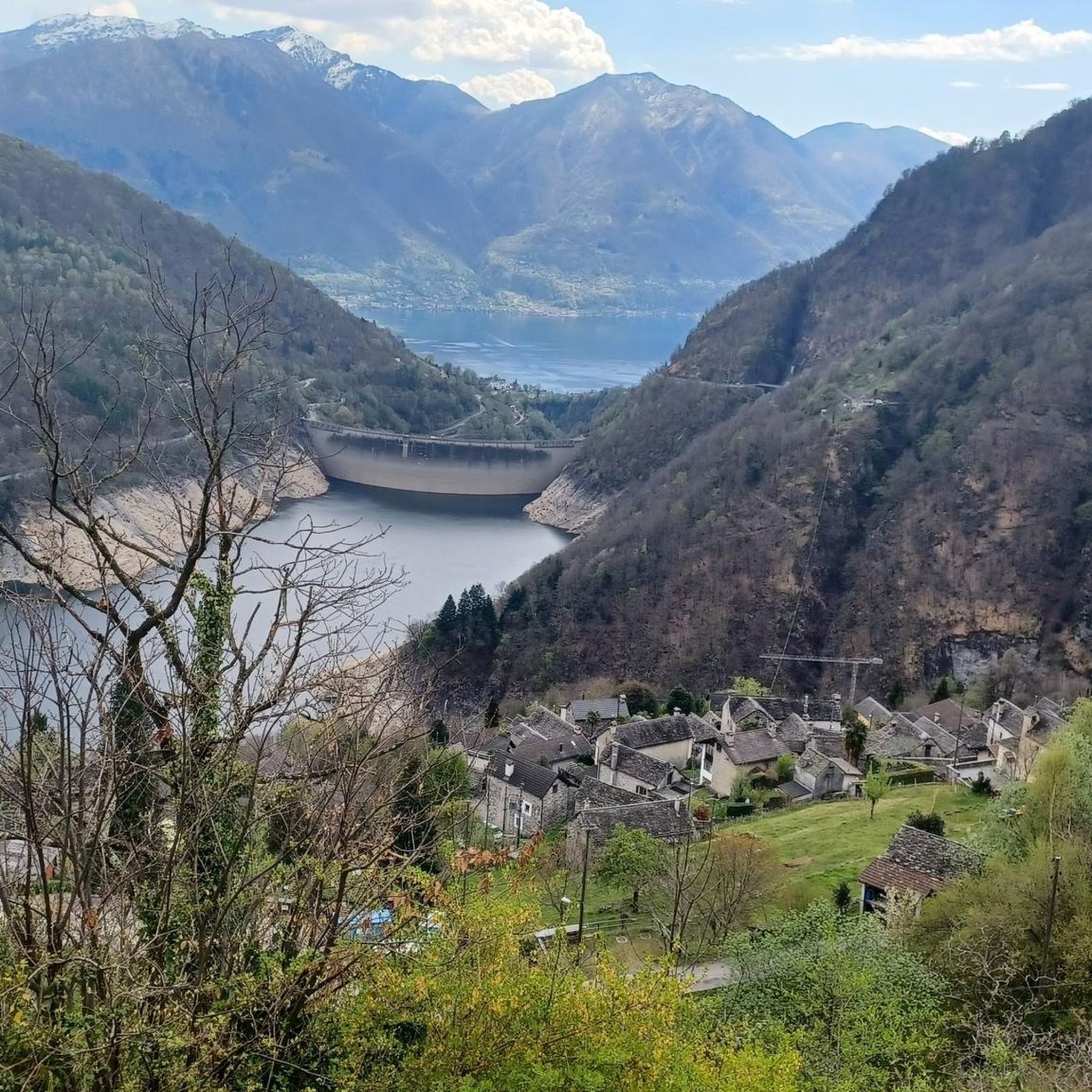
Best castles around Mergoscia are found in the broader region of Ticino, as Mergoscia itself is a small village known for its preserved historical and natural landscape. Situated on a sunny southern slope overlooking Lake Vogorno and the northern end of Lake Maggiore, Mergoscia maintains its characteristic mountain village charm. The area features chestnut groves and dry stone walls, reflecting its cultural and natural heritage. While Mergoscia offers historical points like a house from 1424 and the Parish Church of San Gottardo, significant fortifications are located nearby.
Best castles around Mergoscia
- The most popular castles is Visconti Castle, a castle of ancient origin. It was conquered in 1342 by the Milanese Visconti family and now houses the Archaeological Museum, featuring Roman glasses from regional excavations.
- Another must-see spot is Iron House, a historical site. Built in the 16th century as a fort for Swiss mercenaries, this massive square-plan building with iron gratings offers a glimpse into military history, though it is not open to the public.
- Visitors also love Fortezza di Pro, a historical site. This historic fortress was constructed in 1558 as a barracks and warehouse for mercenaries and is recognized as a cultural asset of the Canton of Ticino.
- The region around Mergoscia features historical forts, medieval structures, and renovated castles. These sites offer insights into the area's past, from military strongholds to cultural museums.
- The castles around Mergoscia are appreciated by the komoot community, with more than 100 upvotes and 40 photos.
Last updated: July 27, 2026
Iron House
Highlight • Historical Site
Translated by Google •
Tip by

Visconti Castle
Highlight • Castle
Translated by Google •
Tip by

Sign up now to discover places like this
Get recommendations on the best single tracks, peaks, & plenty of other exciting outdoor places.
Sign up for free
San Materno Castle Museum
Highlight • Castle
Translated by Google •
Tip by
Fortezza di Pro
Highlight • Historical Site
Translated by Google •
Tip by

Start today with a free account
Your next adventure awaits.
Login or Signup
Tips from the Community

The historic fortress was built in 1558 by Peter von Pro of Uri as a barracks for his mercenaries and as a warehouse. The building was added to the inventory of cultural assets of the Canton of Ticino in 1997.
0
0

The castle houses two museums and is very close to the city centre. From there it is just a few minutes' walk to Piazza Grande
0
0

Medieval structure in good condition and well integrated into the urban context
0
0

Built in 1560 according to the wishes of the Uri mercenary leader Peter A Pro, as a military base for the recruitment of mercenaries. The complex includes one massive square-plan building with a projecting top part, with walkway and machicolations. Adjacent is a rectangular two-floor building, with iron gratings on the ground floor windows. Inside are corridors and hiding places. It’s also known as “La Vignaccia”. Close to Minusio are also the ruins of the “Fraccia”, a wall with towers built during the Fourteenth Century. Unfortunately, it's not open to the public.
0
0

The historic San Materno Castle revives, after careful restoration, as a modern space for exhibitions of the municipality of Ascona in all its splendor. Thanks to a happy agreement between the community and the Kulturstiftung Kurt and Barbara Alten, the castle houses a permanent collection of more than forty works by German artists, the most important from the end of the nineteenth century until after the First World War.
1
0
Of ancient origin, it was conquered in 1342 by the Milanese Visconti family and subsequently expanded. In 1532, after the victory of the Confederates over the Milanese, it was largely demolished and of the five towers only one remained. The castle currently houses the Archaeological Museum, which houses a considerable collection of Roman glasses from archaeological excavations in the region, including the famous "Bird's Chalice".
3
0

Built as a recruiting ground for Swiss mercenaries in the 16th century, this fort is now privately owned and one of the most interesting monuments in the area.
2
0
Frequently Asked Questions
Are there castles directly in Mergoscia?
Mergoscia itself is a small village known for its preserved historical and natural landscape, rather than large fortifications. While it features historical points like a house from 1424 and the Parish Church of San Gottardo, significant castles are located in the broader Ticino region.
What are some notable castles near Mergoscia?
While Mergoscia doesn't have castles, the broader region of Ticino offers several. For example, the Visconti Castle, of ancient origin, now houses an Archaeological Museum. Another historical site is the Iron House, a 16th-century fort for Swiss mercenaries. The Fortezza di Pro is another historic fortress from 1558, recognized as a cultural asset.
Are there any UNESCO World Heritage castles in the region?
Yes, the broader region of Ticino is home to the Castles of Bellinzona, which are a UNESCO World Heritage site. You can find more information about them on the UNESCO website.
Which castles near Mergoscia are family-friendly?
The Visconti Castle is considered family-friendly, offering an Archaeological Museum with Roman glasses. Additionally, the Hotel Castello Seeschloss, a former castle, is also noted as family-friendly, though it now operates as a hotel.
What kind of historical artifacts can I see at the castles?
At the Visconti Castle, you can explore the Archaeological Museum, which features a considerable collection of Roman glasses from regional excavations, including the famous 'Bird's Chalice'.
Can I visit the Iron House near Mergoscia?
The Iron House, a 16th-century fort built for Swiss mercenaries, is a significant historical monument. However, it is privately owned and unfortunately not open to the public.
What is the best time to visit castles in the Mergoscia area?
The region around Mergoscia is known for its sunny southern slopes. While specific castle opening times vary, visiting during spring, summer, or early autumn generally offers pleasant weather for exploring historical sites and enjoying the surrounding natural landscape. Some sites might have reduced hours or closures in winter.
Are there hiking opportunities near the castles around Mergoscia?
Yes, the Mergoscia area is a popular starting point for numerous mountain hikes. You can combine castle visits with outdoor activities. For hiking routes, explore the Hiking around Mergoscia guide, which includes routes like 'To Monte Madone from Mergoscia' or 'Monti di Lego Viewpoint loop'.
What other outdoor activities can I do near these historical sites?
Beyond hiking, the region offers excellent cycling opportunities. You can find various routes in the Cycling around Mergoscia guide or the Road Cycling Routes around Mergoscia guide, with options ranging from easy lakeside rides to more challenging ascents.
What is the San Materno Castle Museum?
The historic San Materno Castle Museum in Ascona has been carefully restored and now serves as a modern exhibition space. It houses a permanent collection of over forty works by German artists, primarily from the late 19th century until after the First World War.
Can I stay in a castle near Mergoscia?
Yes, the Hotel Castello Seeschloss, originally built in the 13th century as a residence for the Milanese noble family de'Ghiriglioni, now operates as a hotel. You can even stay in its south-eastern tower, offering a unique historical experience.
What do visitors appreciate most about the castles in this region?
Visitors appreciate the insights into the area's rich past, from military strongholds like the Fortezza di Pro to cultural museums housed within renovated castles such as the Visconti Castle. The well-preserved medieval structures and their integration into the urban context are also highly valued.
Most popular routes around Mergoscia
Most popular attractions around Mergoscia

Get inspired with the komoot mobile app


Explore more
Looking for the best castles somewhere else? Discover other guides around Mergoscia:
