Top 3 Caves in Hildburghausen
Best caves in Hildburghausen are primarily found within the broader Thuringian region, which is known for its scenic landscapes including the Thuringian Forest. While Hildburghausen itself may not feature prominent natural show caves, the area offers a variety of underground attractions, including historical rock cellars and unique geological formations. These sites provide insight into local history and natural processes. The region's geology contributes to diverse underground structures, ranging from natural ice holes to man-made storage cellars.
Best caves in Hildburghausen
…Last updated: October 2, 2026
Grave of the Dark Countess
Highlight • Historical Site
Translated by Google •
Tip by

Eisloch Cave
Highlight • Cave
Translated by Google •
Tip by

Sign up now to discover places like this
Get recommendations on the best single tracks, peaks, & plenty of other exciting outdoor places.
Rock Cellar at Kirchberg Brünn
Highlight • Cave
Translated by Google •
Tip by
Rock Cellar at Pfadelsberg
Highlight • Structure
Translated by Google •
Tip by
Historic Cellars on Weitramsdorfer Straße
Highlight • Cave
Translated by Google •
Tip by
Start today with a free account
Your next adventure awaits.
Popular around Hildburghausen
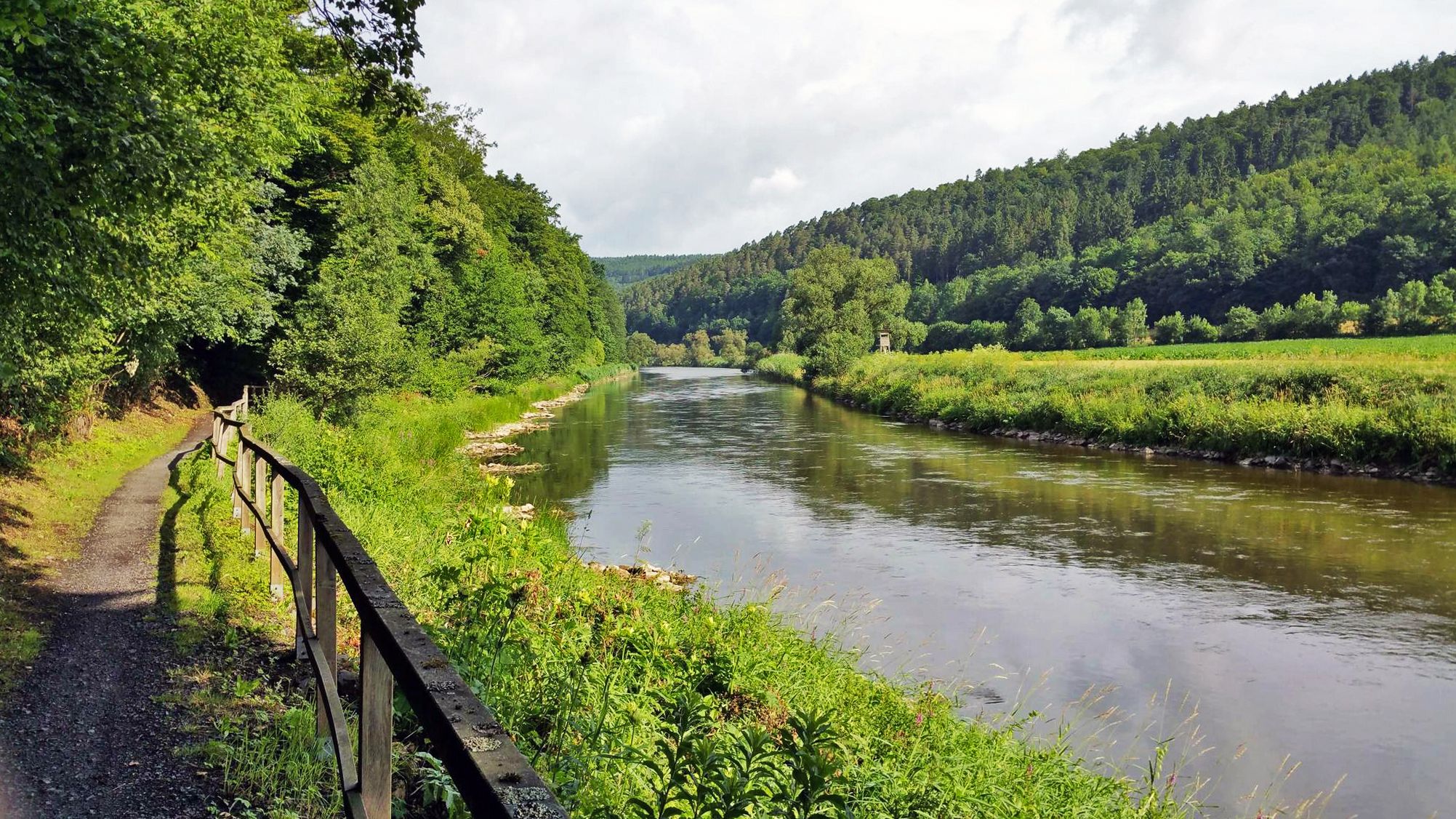
Werratal cycle path — 6 stages along the Werra to the Fulda
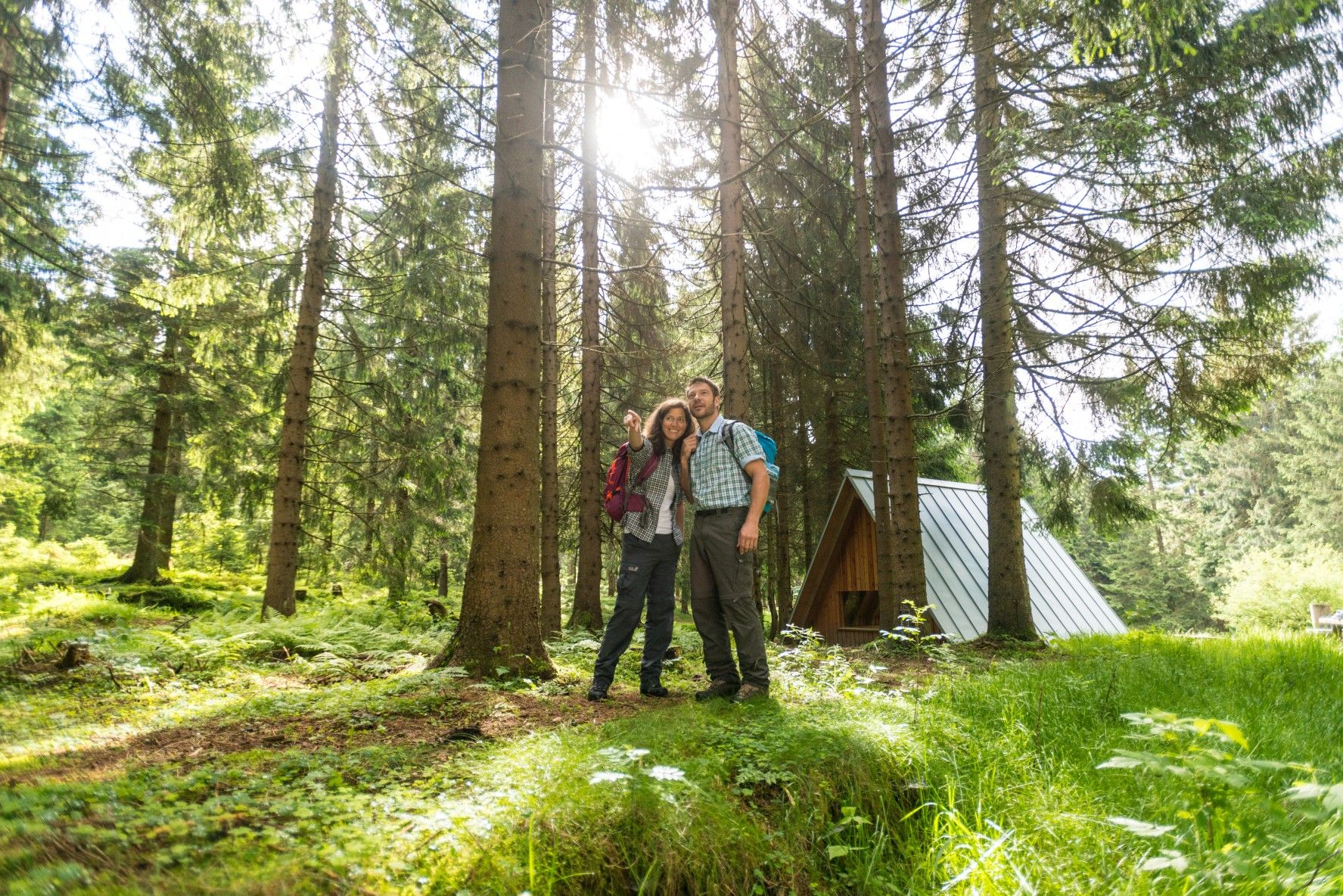
The Rennsteig — Thuringia's most beautiful hiking route
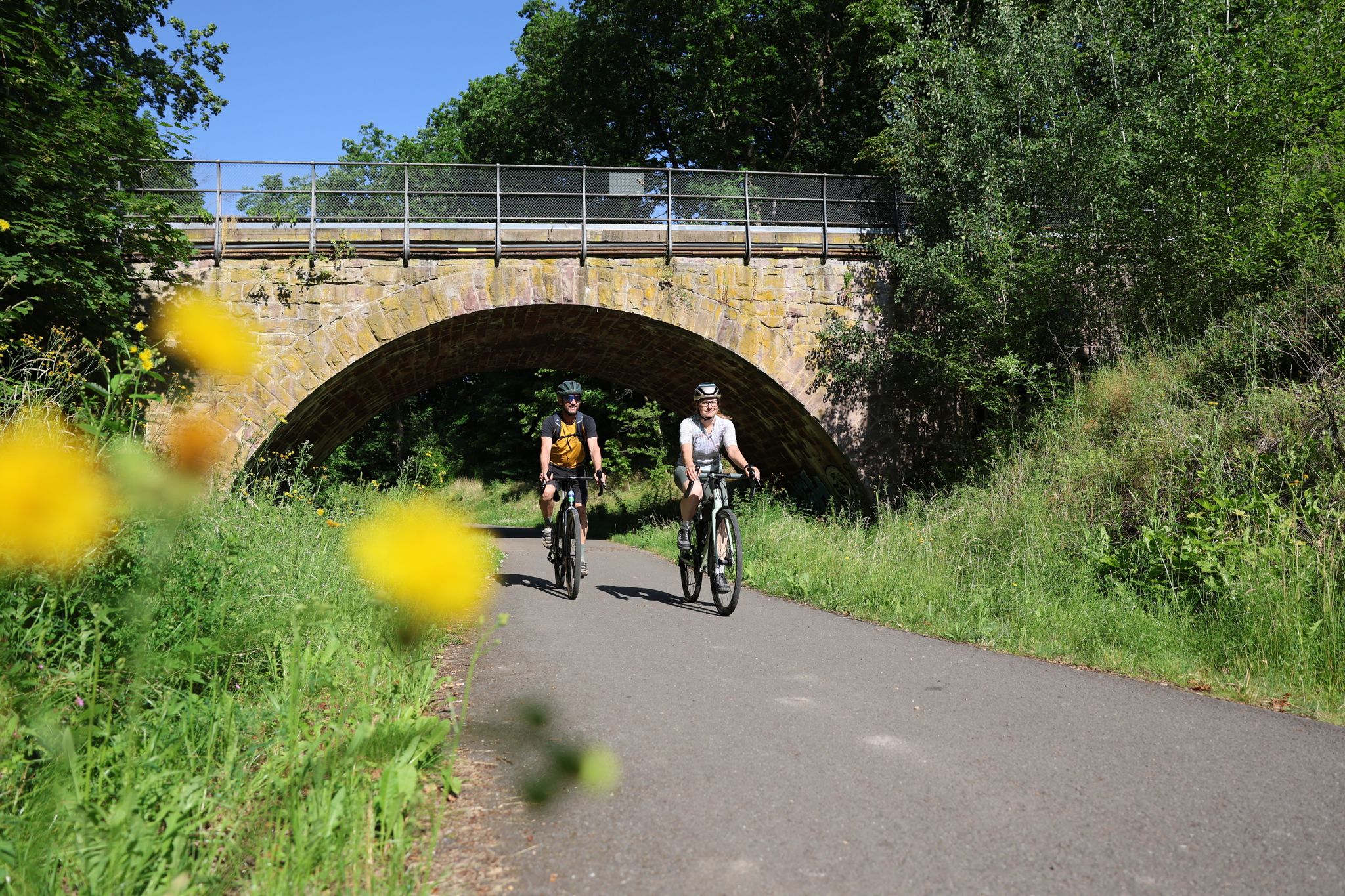
Gravel adventures in the Thuringian Forest
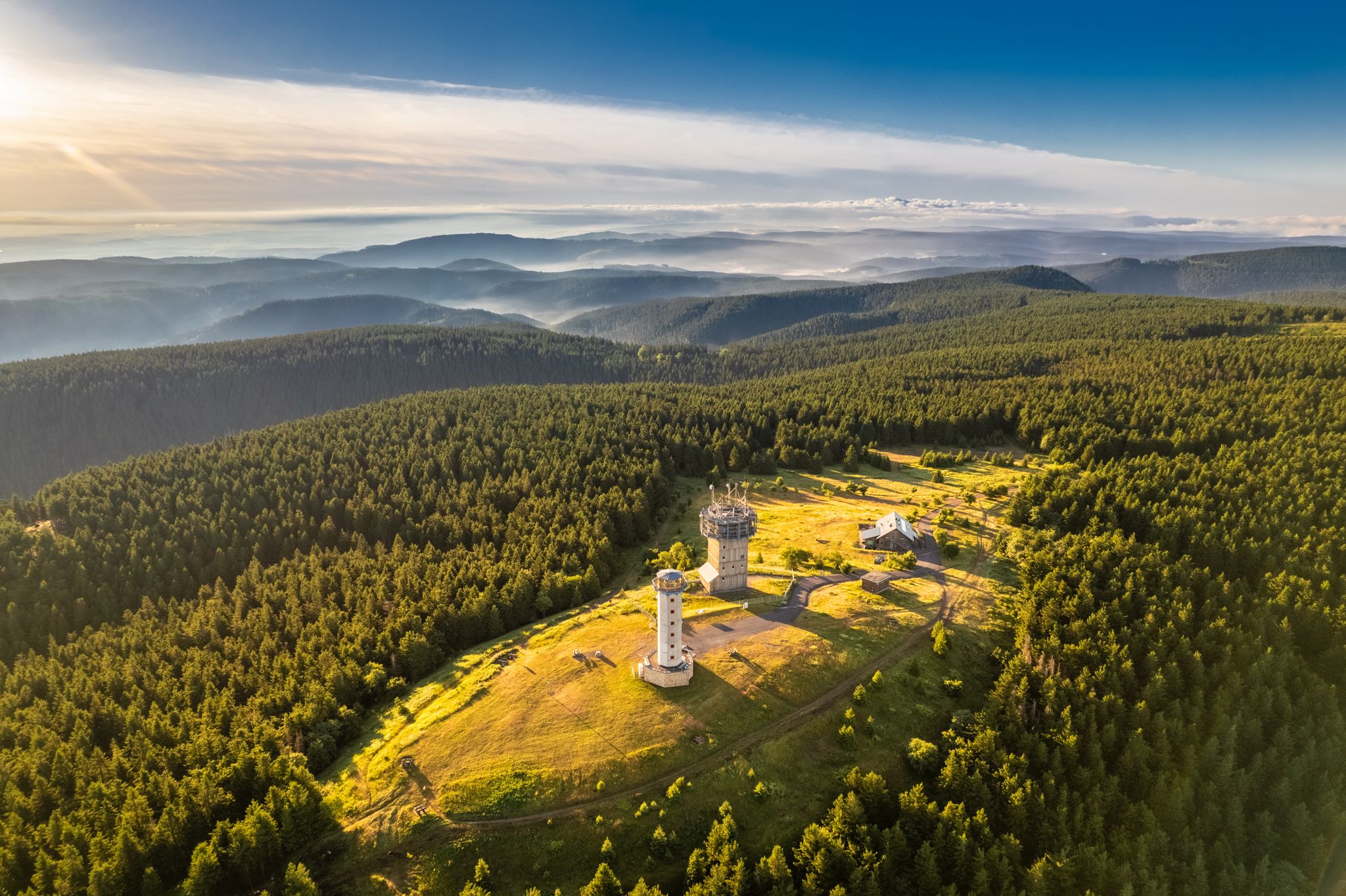
Forest, vastness and water – day trips in the Thuringian Forest
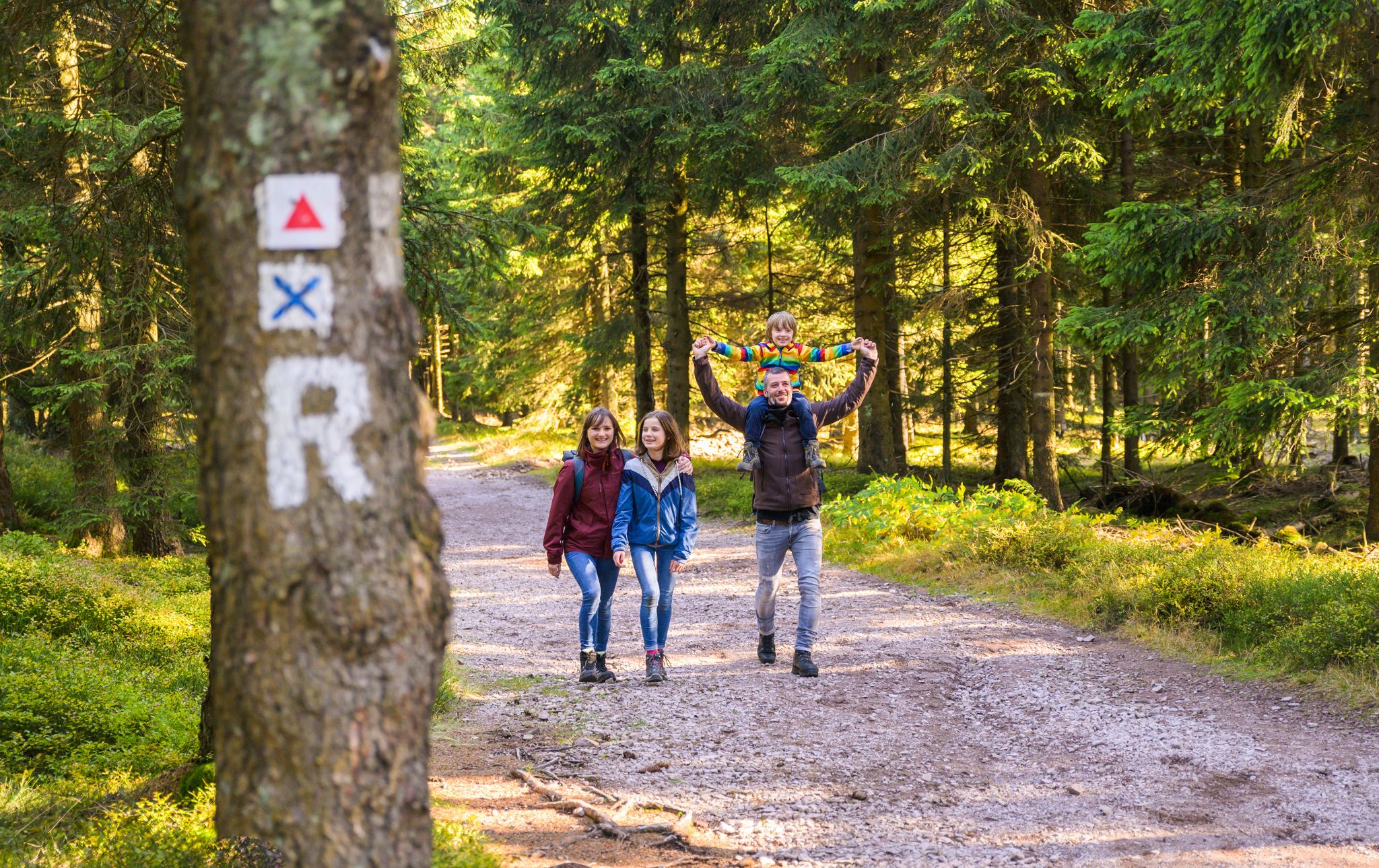
Play, nature and good fun – family hikes in the Thuringian Forest
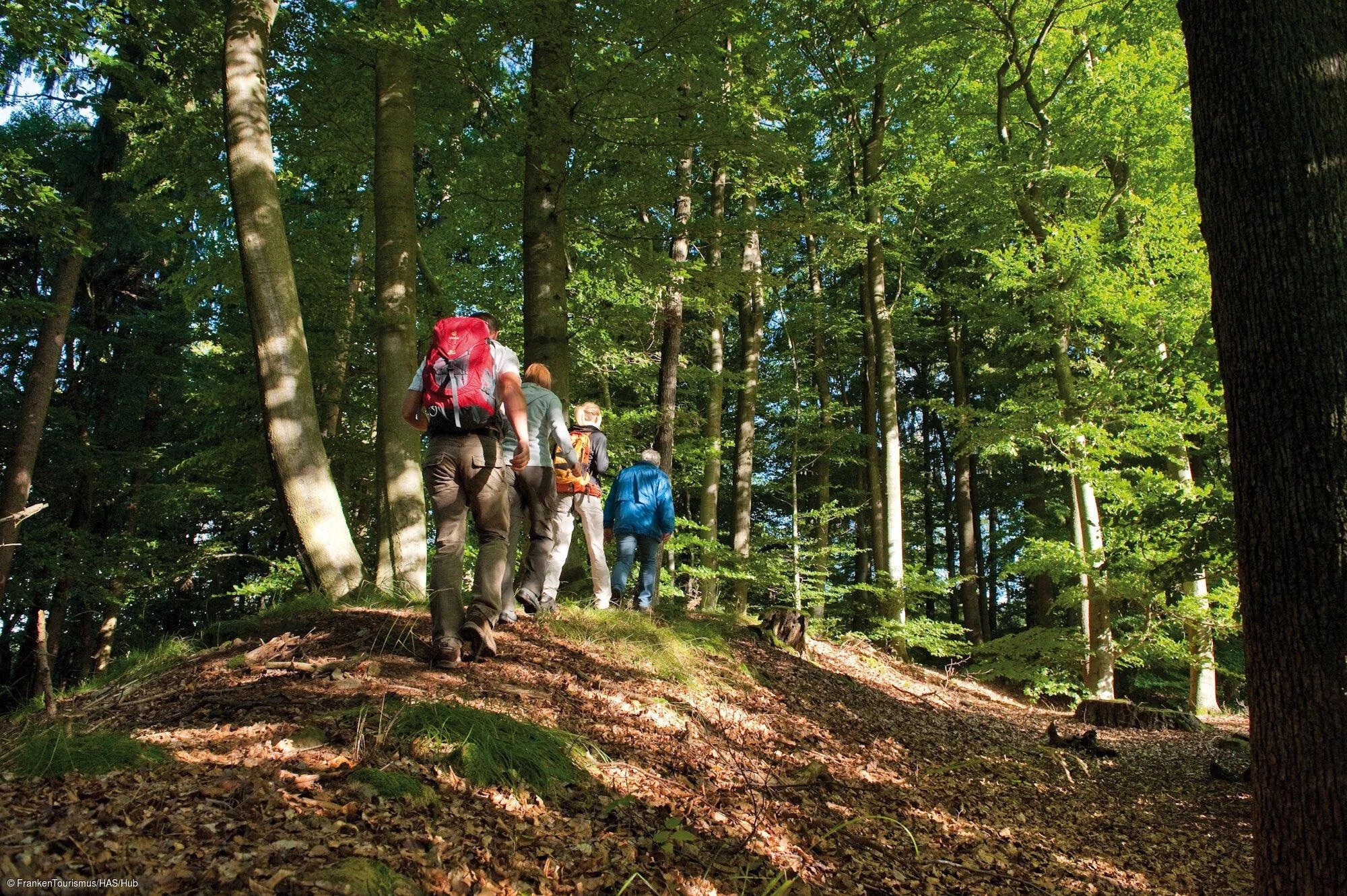
From the Celts to the modern world – Celtic Experience Trail
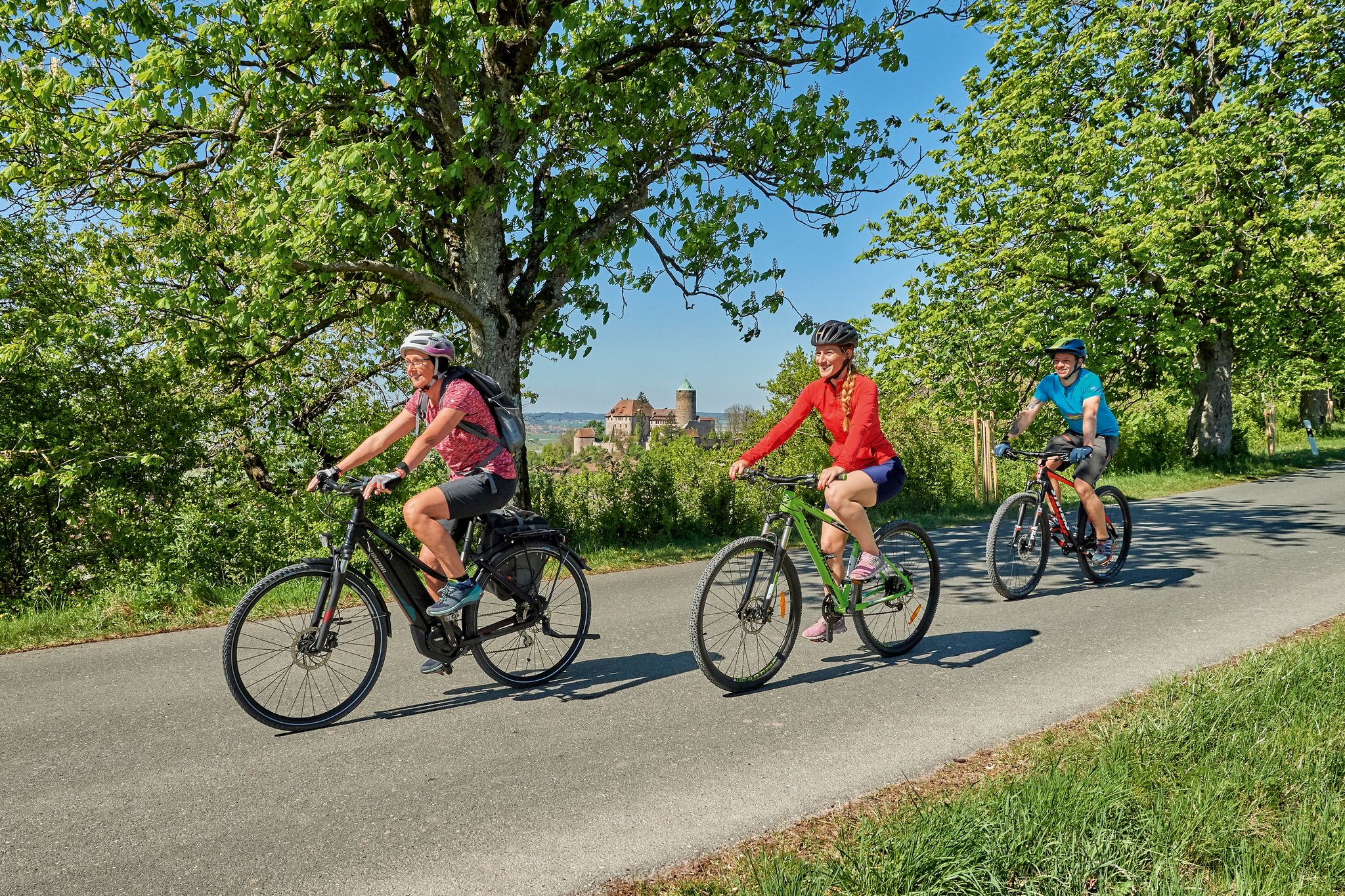
Magnificent cycling holidays — e-bike Tours through Franconia
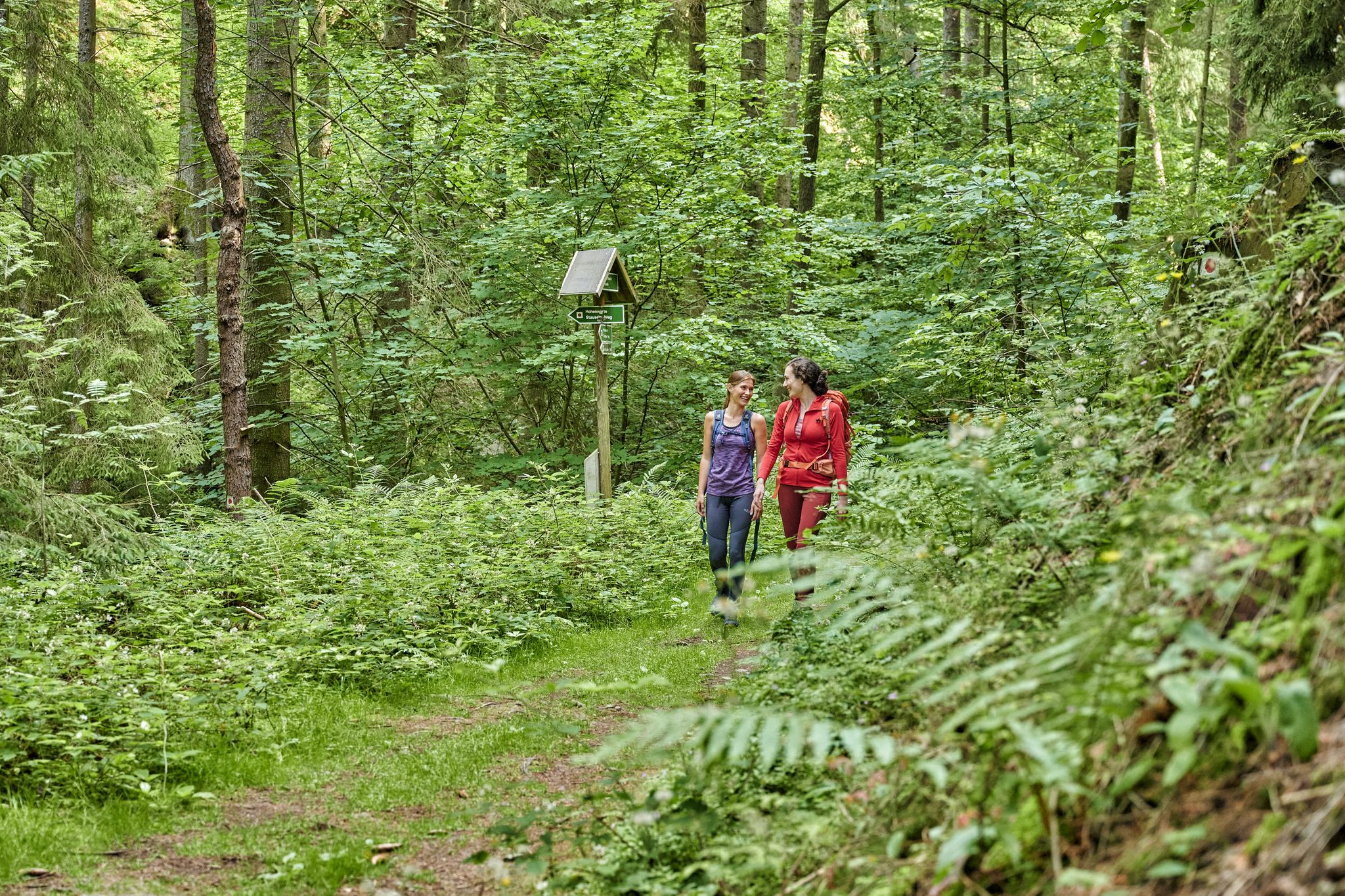
Long distance hiking trails in the Thuringian Forest
Hike the Coburg.Rennsteig Trail in Germany – Thuringia and Franconia
Werra-Burgen-Steig trail – castles and forests in 3 states
Other adventures in Hildburghausen


Tips from the Community

Will it still open?
0
1

Surely not even the two mysterious gentlemen themselves would have ever suspected that their stay here would last more than thirty years when they arrived in Hildburghausen on February 7, 1807. That evening, an elegantly dressed couple checked into the English Court Hotel and, from then on, attracted attention with their strange hermit lifestyle. This very conspicuously secluded lifestyle intensified after they moved to the castle in the neighboring village of Einhausen. Above all, no one saw the always-veiled lady. She died in the solitude of Einhausen Castle on November 25, 1837, and was buried—according to her wishes—on Hildburghausen's town hill. Source: https://www.thueringen.info/grab-der-dunkelgraefin.htm If you follow the link, you will see that incorrect images are mistakenly declared as graves. The actual grave (not a cellar hole) is further up and you have to follow the path for another 100 meters.
10
0
Very beautiful and beautifully decorated shelter in the immediate vicinity of the Dark Countess's grave.
13
0
Surely not even the two mysterious gentlemen themselves would have ever suspected that their stay here would last more than thirty years when they arrived in Hildburghausen on February 7, 1807. That evening, an elegantly dressed couple checked into the English Court Hotel and, from then on, attracted attention with their strangely reclusive lifestyle. This very conspicuously secluded lifestyle intensified after they moved to the castle in the neighboring village of Einhausen. In particular, no one ever saw the always-veiled lady. She died in the solitude of Einhausen Castle on November 25, 1837, and was buried—according to her wishes—on Hildburghausen's town hill. Source: https://www.thueringen.info/grab-der-dunkelgraefin.html
10
0

Located on the cycle path towards Eisfeld 👍
0
0
Above Brno on the old railway line, hidden in a beech and elm forest, is the Brno Rock Cellar. This was used to store potatoes and beer from what was then the Volk brewery. During the Second World War it served as an air raid shelter.
19
1

Dark Count and Dark Countess is the name for a mysterious couple who lived at Eishausen Castle near Hildburghausen from 1810 to 1837 and rarely appeared in public. Because of their reclusive life and their unclear identity, they were known in literature as “the Dark Counts” (Comte et Comtesse des Ténèbres). For a long time she was considered Marie Thérèse Charlotte of France, daughter of the executed French King Louis XVI. and his wife Marie-Antoinette, which has now been refuted through anthropological and molecular genetic analyses. (Source: Wikipedia)
2
0

Built in 1859 by Johann Sonnefeld. 1945 shelter for residents of Brno during Allied shelling. 2020 Repair of the cellar portal by the company Otto Hauch, Coburg On behalf of the municipality of Brno, BGM Andreas Brandt with the support of the poultry breeding association and the Brno volunteer fire brigade Brno, August 29, 2021
1
1
Frequently Asked Questions
What types of caves can I explore in Hildburghausen?
In Hildburghausen, you'll find a mix of natural and historical underground sites. These include natural formations like the Eisloch Cave, which formed from landslides, and historical rock cellars such as the Rock Cellar at Kirchberg Brünn and the Rock Cellar at Pfadelsberg, which were used for storage or as shelters.
Are there any natural show caves near Hildburghausen?
While Hildburghausen itself does not feature large, developed show caves, the broader Thuringian region offers several remarkable options. These include the Saalfeld Fairy Grottoes (Feengrotten), known for their vibrant formations and healing gallery, and the Marienglashöhle Friedrichroda, famous for its gypsum crystals and historical mining significance. The Altenstein Cave is also a notable natural cave in the region.
What are the difficulty levels for exploring caves in Hildburghausen?
The difficulty varies. For instance, the Eisloch Cave is considered challenging, requiring surefootedness and sturdy shoes due to its steep, potentially slippery descent. Other sites like the Rock Cellar at Kirchberg Brünn are generally intermediate, offering easier access to historical structures.
Are there any family-friendly cave experiences in Hildburghausen?
Many of the historical sites, such as the Grave of the Dark Countess, which includes a cave-like shelter, are suitable for families. These locations often combine historical interest with accessible paths, making them a good choice for visitors of all ages.
Can I visit caves with my dog in Hildburghausen?
While specific cave access for dogs can vary, many outdoor areas around Hildburghausen are dog-friendly. For hiking opportunities near these sites, you can explore various routes listed in the Dog-friendly hikes in Hildburghausen guide.
What historical significance do the caves and cellars in Hildburghausen hold?
Many underground structures in Hildburghausen have rich histories. The Rock Cellar at Kirchberg Brünn, for example, was built in 1859 for storing potatoes and beer, later serving as an air raid shelter during WWII. The Rock Cellar at Pfadelsberg, built in 1866, now functions as a bat sanctuary, highlighting its long-standing use and adaptation.
What should I wear for cave exploration in Hildburghausen?
For exploring natural caves like the Eisloch Cave, sturdy, non-slip shoes are essential due to steep and potentially slippery terrain. A flashlight is also recommended to navigate darker sections. For historical cellars, comfortable walking shoes are generally sufficient.
Are there hiking trails near the caves in Hildburghausen?
Yes, the Hildburghausen region offers numerous hiking trails that can be combined with cave visits. You can find various options, including routes with waterfalls or general hiking paths, in guides such as Waterfall hikes in Hildburghausen and Hiking in Hildburghausen.
What are some unique natural features to look for in Hildburghausen's caves?
The Eisloch Cave is a notable natural feature, formed by landslides and offering a unique underground adventure. While not a cave, the nearby Grave of the Dark Countess is set in a natural monument area with a beautifully decorated shelter.
What do visitors enjoy most about the caves and underground sites in Hildburghausen?
Visitors often appreciate the blend of natural adventure and historical intrigue. The mysterious story surrounding the Grave of the Dark Countess captivates many, while the challenging descent into the Eisloch Cave provides a thrilling experience. The historical rock cellars offer a glimpse into the region's past uses and adaptations of underground spaces.
Are there any caves in Hildburghausen that serve as wildlife habitats?
Yes, the Rock Cellar at Pfadelsberg, originally built in 1866, has been renovated and now serves as a dedicated bat sanctuary. This highlights the region's efforts to preserve local wildlife within these historical structures.
Most popular routes in Hildburghausen
Most popular attractions in Hildburghausen

Get inspired with the komoot mobile app


Didn’t find what you were looking for?
Discover more caves in Hildburghausen region by region:
Explore more
Extend your search for the best caves by checking out these guides of the top ones in Hildburghausen:
