Top 8 Castles around Segovia
Best castles around Segovia are found in a region known for its historical significance and diverse landscapes. Segovia and its surrounding province feature magnificent castles, many perched on rocky outcrops or strategically located. The area showcases a blend of architectural styles, reflecting centuries of history.
Best castles around Segovia
- The most popular castles is Alcázar of Segovia, a castle that served as a Roman fort, a military fortress, and a royal palace. Its distinctive appearance and rich history make…
Last updated: September 29, 2026
Palacio de Riofrío
Highlight • Historical Site
Translated by Google •
Tip by

Pedraza
Highlight • Settlement
Translated by Google •
Tip by

Sign up now to discover places like this
Get recommendations on the best single tracks, peaks, & plenty of other exciting outdoor places.
View of the Alcázar of Segovia from the Paseo de San Marcos
Highlight • Viewpoint
Translated by Google •
Tip by

Royal Palace of Riofrío
Highlight • Historical Site
Translated by Google •
Tip by

View of Segovia Old Town and Cathedral
Highlight • Viewpoint
Translated by Google •
Tip by

Church of Saint Eulalia of Mérida and Sanguino Castle, Valdeprados
Highlight • Religious Site
Translated by Google •
Tip by

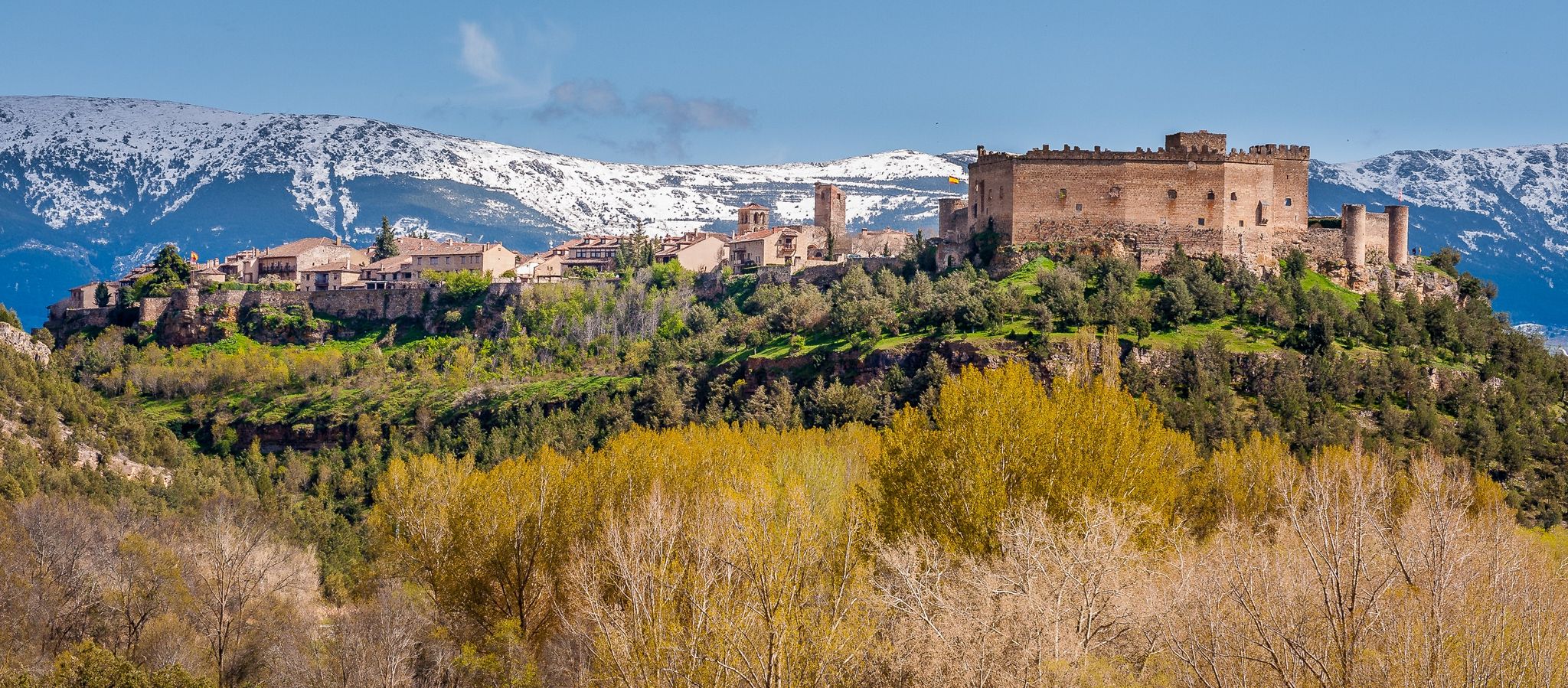
Pedraza and the Castle of Pedraza
Highlight • Castle
Translated by Google •
Tip by
View of the Alcázar of Segovia
Highlight • Viewpoint
Translated by Google •
Tip by
View of the Alcázar of Segovia
Highlight • Viewpoint
Translated by Google •
Tip by
Start today with a free account
Your next adventure awaits.
Popular around Segovia
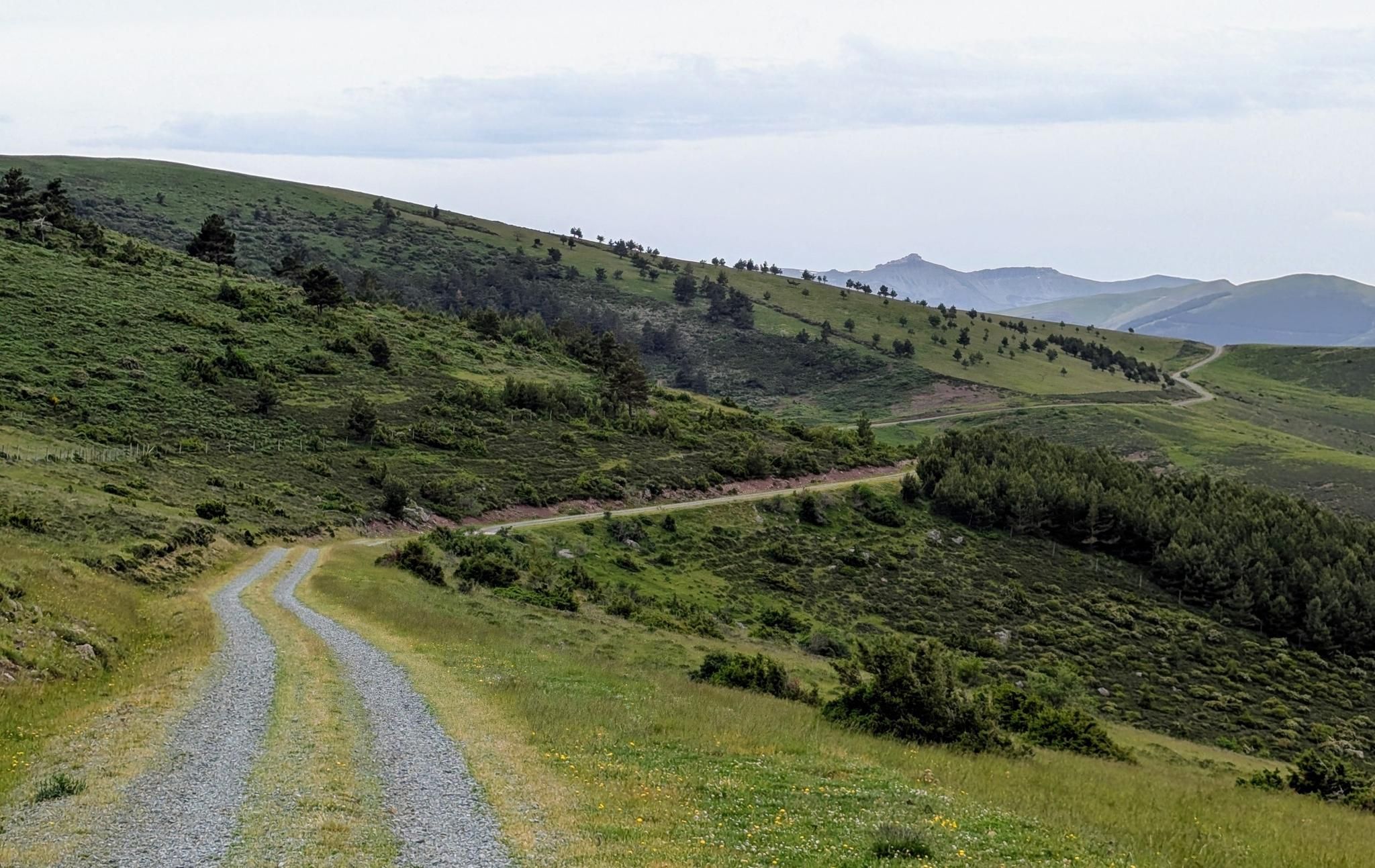
MTB Transhumance — Cañada Real Soriana Occidental
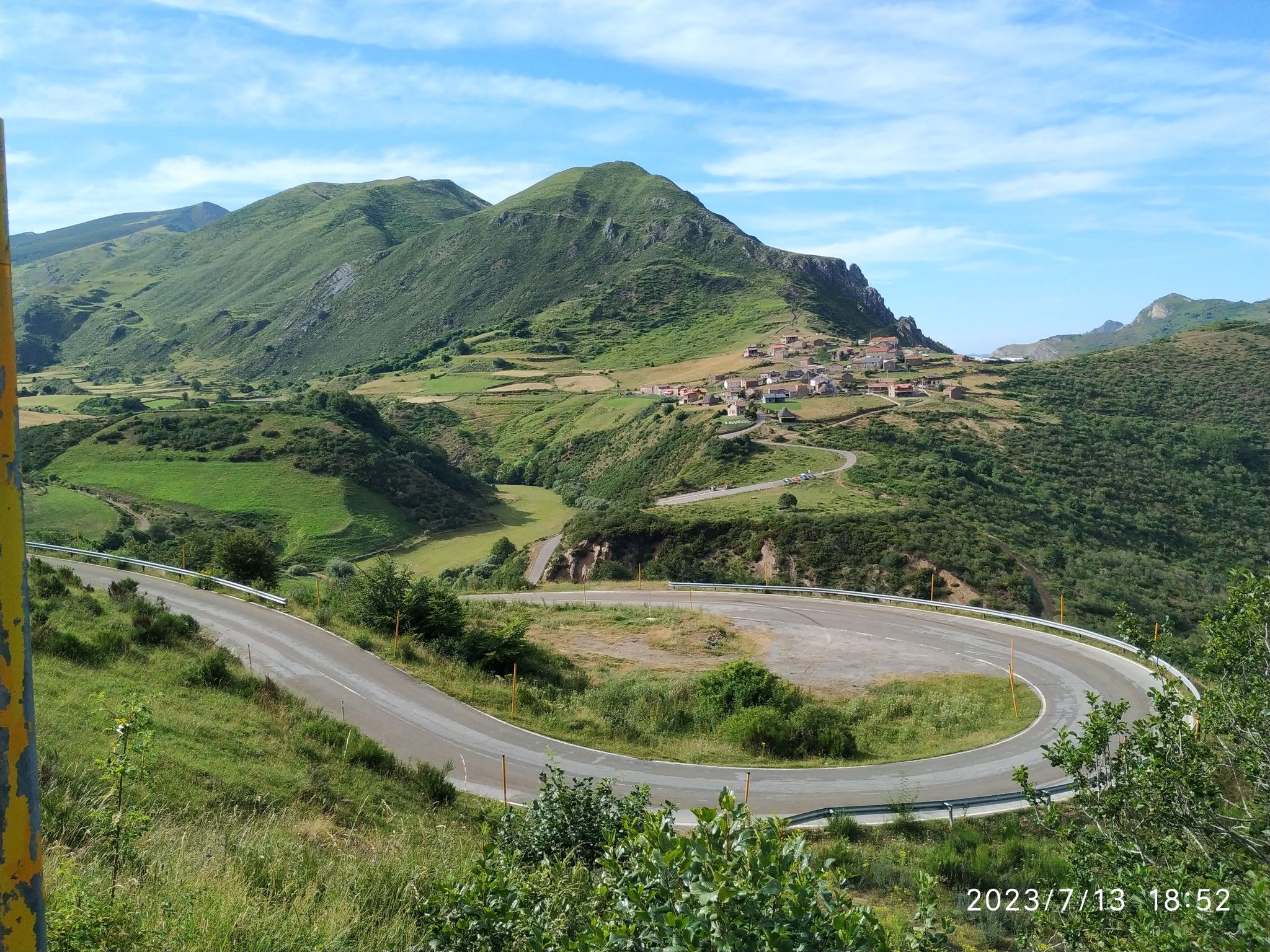
Height Challenges — Ports in Castilla y León
Nature, history and tradition – Segovia Trail (GR 88)
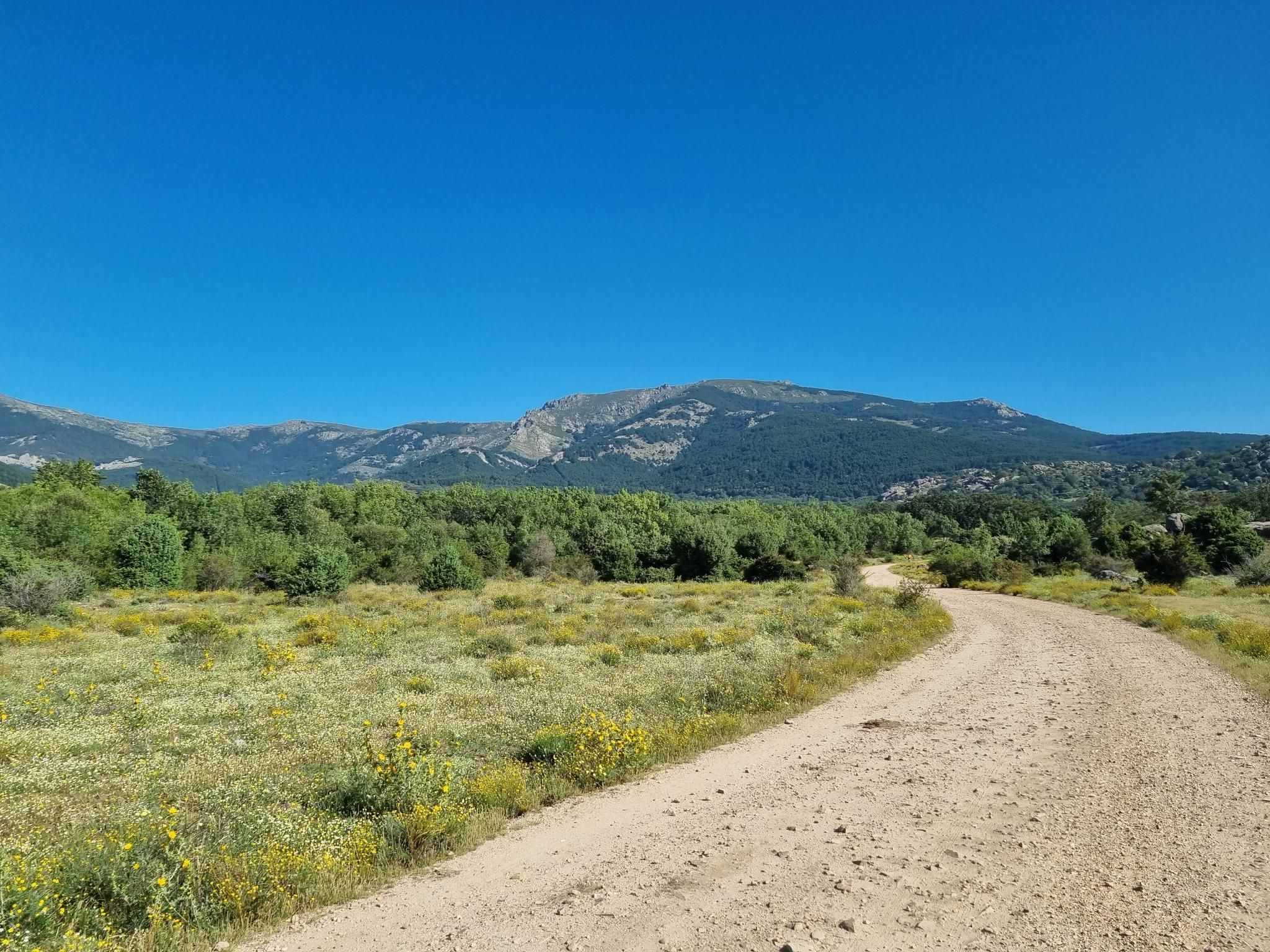
The treasures of Guadarrama – on foot along the GR 10 in Madrid
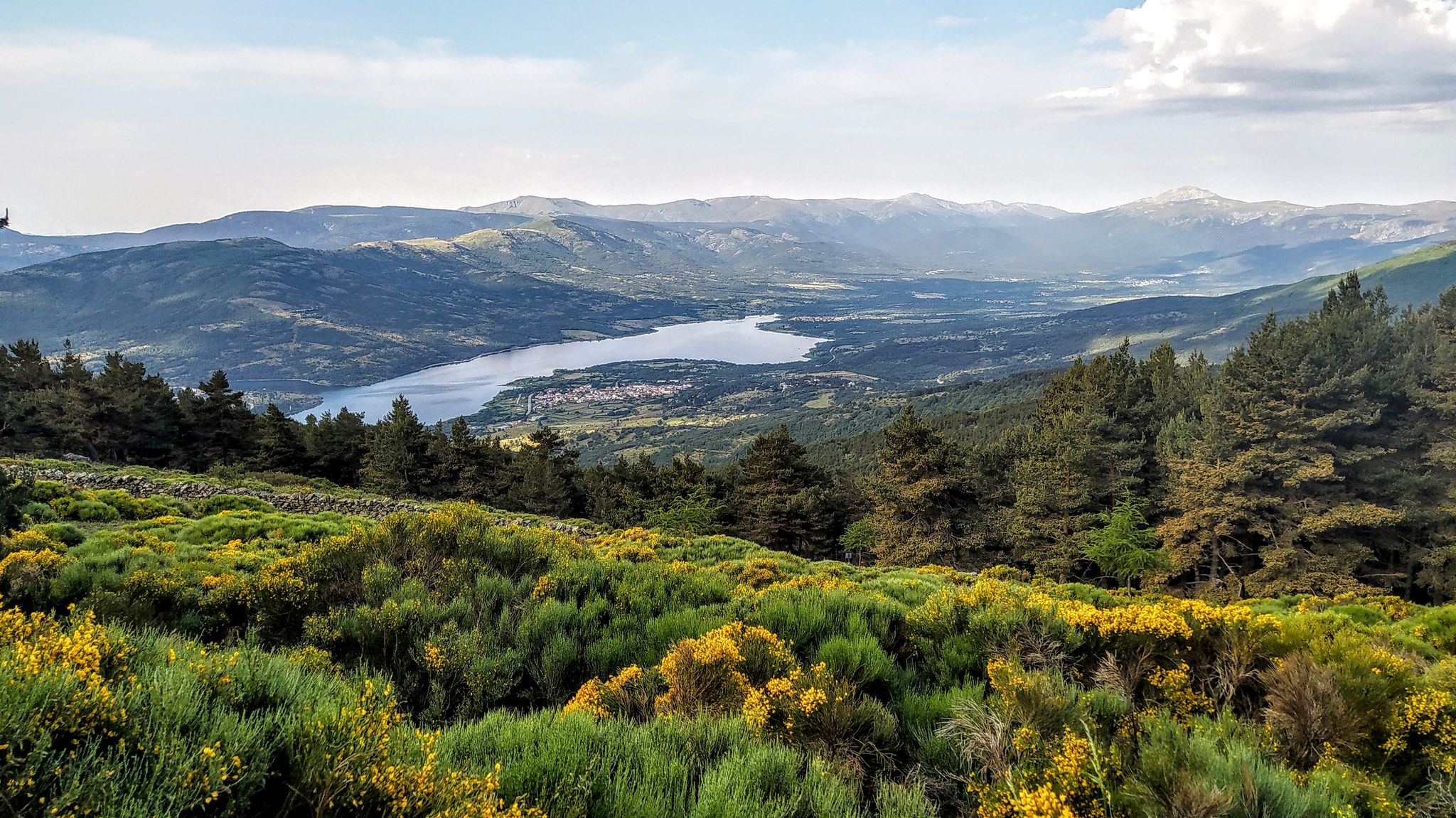
Forests and palaces – Tour of the Sierra de Guadarrama Mountain Range on MTB
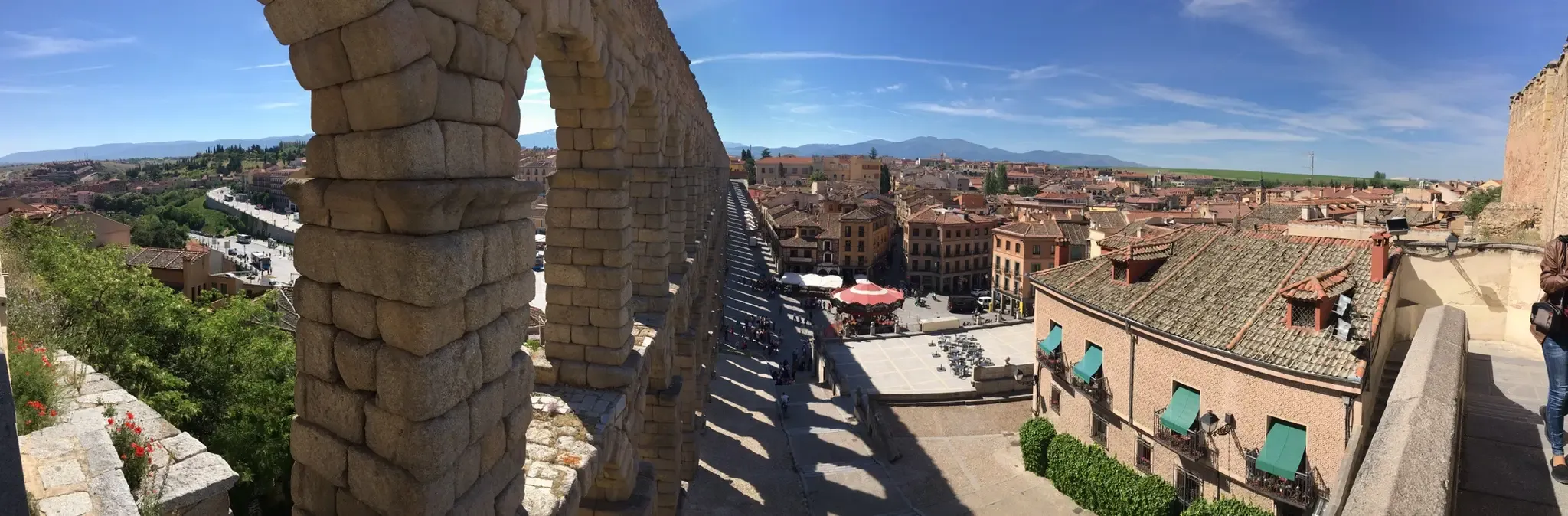
Riding through Spain’s Segovian countryside — Eresma Valley Greenway
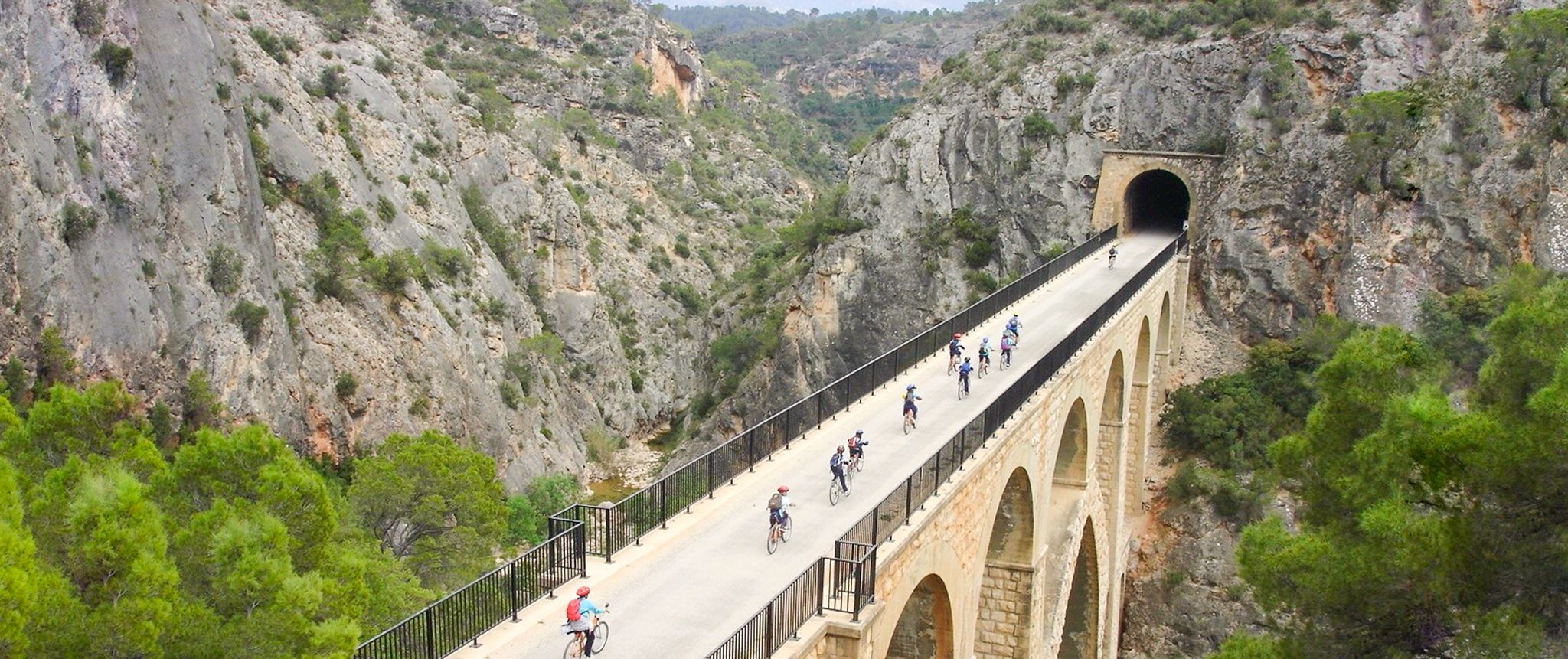
Vías Verdes – traffic-free cycling along railway history in Spain
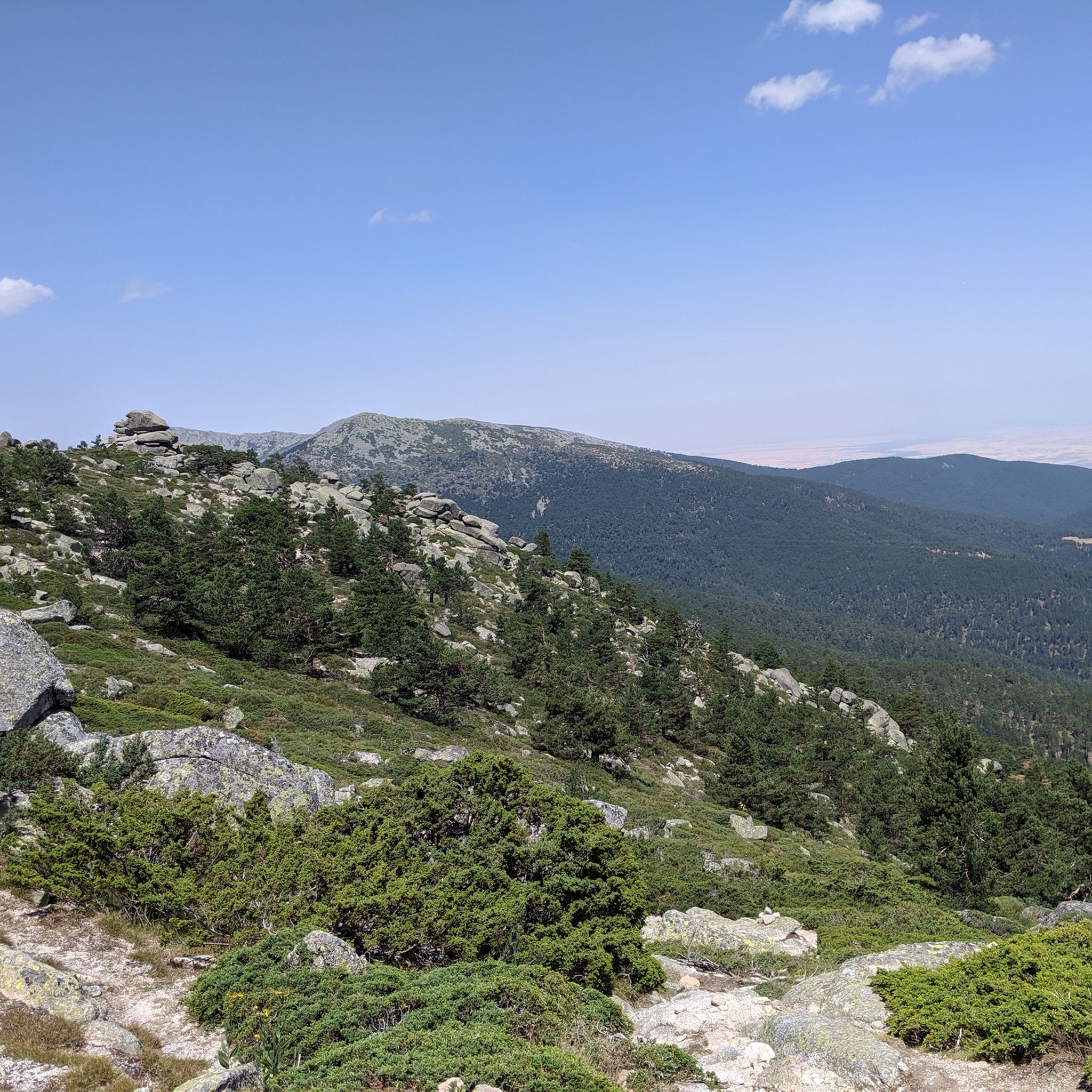
Hiking around Segovia
MTB Trails around Segovia
Running Trails around Segovia
Other adventures around Segovia


Tips from the Community

Indeed, following the advice of the komootero/a who made this favorite, I think it is worth the small detour.
3
0

Along the old city wall towards the southeast there is a beautiful view of the old town.
2
0

It is an extraordinary and beautiful medieval Castilian town. But it has all its structures adapted to the modern age. Establishments and businesses abound everywhere. It is very well prepared for tourism.
0
0

A medieval village with cobbled streets whose mansions take you back to the 16th and 17th centuries. The Plaza Mayor with its characteristic colonnade and terraces is particularly worth seeing. The castle is privately owned and can only be visited with a guided tour at certain times. Since the village is so worth seeing, this can be overcome.
0
0

The Paseo de San Marcos in Segovia is a charming corner that is worth exploring. Although it is not as well known as the historic center, it offers a unique experience and impressive views.
3
0

A natural path through the Eresma Valley. Walking through Alameda del Parral You can walk past many of the city's monuments, such as the Torre de Juan II of the Alcázar of Segovia that rises above the river valley.
1
0
From this elevated position on the north bank of the Eresma River, you will get an incredible view of the Alcázar.
1
0
Valdeprados is a small, charming traditional Segovian town near the Moros River. You should look for the heritage buildings of the Iglesia Eulalia de Mérida and the Castillo De Sanguino on your visit.
1
0
Frequently Asked Questions
What are some of the most historically significant castles around Segovia?
The region boasts several castles with rich histories. The Alcázar of Segovia is renowned for its role as a Roman fort, a military fortress, and a royal palace for Castilian monarchs. The Castillo de Pedraza, located in the charming medieval town of Pedraza, dates back to the 13th century. Further afield, the Castillo de Coca stands out for its unique Mudéjar brick architecture from the 15th century.
Which castles are known for their unique architecture?
The Alcázar of Segovia features a captivating blend of Christian and Mudéjar styles, with ornate ceilings and lavishly decorated rooms. The Castillo de Coca is a superb example of Gothic-Mudéjar architecture, uniquely constructed almost entirely from brick, showcasing intricate brickwork and geometric patterns. The Royal Palace of Riofrío, on the other hand, presents a distinct Italian-style rectangular plan.
Are there family-friendly castles to visit near Segovia?
Yes, several castles are suitable for families. The Alcázar of Segovia is a popular choice, often described as a 'fairy tale' castle, which can captivate children. The village of Pedraza, with its medieval fortress, also offers an engaging experience for all ages. The Royal Palace of Riofrío, with its hunting museum, can also be an interesting visit for families.
What kind of views can I expect from these castles?
Many castles offer stunning panoramic views. From the 152 steps of the Torre de Juan II at the Alcázar of Segovia, you can enjoy breathtaking vistas of the city and the surrounding valley. The Castillo de Pedraza provides beautiful views of the picturesque village and the countryside. The impressive keep of the Castillo de Coca also offers expansive views of the surrounding landscape.
What outdoor activities can I do near these castles?
The region around Segovia offers various outdoor activities. You can find numerous hiking and cycling routes. For instance, there are several waterfall hikes and gravel biking trails. You can also explore cycling routes that pass by historical sites like the Aqueduct, Alcázar, and the Royal Palace of Riofrío.
Are there specific hiking trails near the castles?
While direct trails from every castle might vary, the general area around Segovia is rich with options. For example, you can find routes like 'Acueducto, Alcázar y Palacio de Riofrío' which is a moderate cycling route, or explore the 'Vía Verde del Eresma'. For more challenging hikes, consider routes in the Sierra de Guadarrama, which are accessible from towns near some castles. You can find more details on waterfall hikes and cycling routes in the area.
What is the best time of year to visit the castles around Segovia?
The best time to visit is generally during spring (April-May) and autumn (September-October) when the weather is mild and pleasant for exploring both the castles and the surrounding areas. Summer can be hot, but cultural events like night tours at the Castillo de Pedraza make it appealing. Winter offers a unique, often snow-dusted, landscape, though some facilities might have reduced hours.
Can I find cafes or restaurants near the castles?
Yes, especially in the more populated areas. The village of Pedraza, for instance, is well-known for its charming cobbled streets and numerous establishments, including cafes and restaurants, making it very well prepared for tourism. Segovia city itself, home to the Alcázar, offers a wide array of dining options.
Is public transport available to reach castles outside Segovia city?
While the Alcázar of Segovia is easily accessible within the city, reaching castles like Castillo de Coca or Castillo de Pedraza often requires a combination of public transport (buses from Segovia) and sometimes a short taxi ride or personal vehicle. It's advisable to check local bus schedules in advance, as services to smaller towns may be less frequent.
What makes the Alcázar of Segovia a UNESCO World Heritage site?
The Alcázar of Segovia is part of the Old Town of Segovia and its Aqueduct, which together form a UNESCO World Heritage site. Its iconic silhouette, rich history spanning Roman times to royal palace, and stunning architectural blend of Christian and Mudéjar styles contribute to its outstanding universal value. Queen Isabella I was notably crowned here in 1474.
Are there any lesser-known or 'hidden gem' castles in the Segovia region?
While the Alcázar is very famous, the Castillo de Coca, with its distinctive brick construction, is a masterpiece of Mudéjar architecture that offers a unique experience away from the main tourist crowds. The Castillo de Pedraza, nestled within its medieval village, also provides a charming, less overwhelming visit compared to the Alcázar, allowing for a deeper immersion into medieval life.
How long should I allocate for visiting a castle?
For a major site like the Alcázar of Segovia, you should plan at least 2-3 hours to explore its interiors, climb the tower, and appreciate the views. For castles like Castillo de Coca or Castillo de Pedraza, 1-2 hours for the castle itself, plus additional time to explore the surrounding town, would be appropriate for a comprehensive visit.
Most popular routes around Segovia
Most popular attractions around Segovia

Get inspired with the komoot mobile app


Didn’t find what you were looking for?
Explore Segovia’s best castles region by region:
Explore more
Looking for the best castles somewhere else? Discover other guides around Segovia:
