Top 13 Lakes around Mireval
Best lakes around Mireval are situated within a natural environment featuring lagoons and former salt pans. This region is recognized for its ecological significance, offering opportunities for nature exploration. The area includes protected natural sites, such as those classified under Natura 2000 and Ramsar conventions. These water bodies support diverse flora and fauna, including various bird species.
Best lakes around Mireval
- The most popular lakes is Between the Étang du Méjean and the Étang de l'Arnel, a cycle way…
Last updated: November 20, 2026
Between the Étang du Méjean and the Étang de l'Arnel
Highlight • Cycleway
Translated by Google •
Tip by

Submersible Road Between the Étang de l'Arnel and the Étang des Moures
Highlight (Segment) • Cycleway
Showing Translation
Tip by

Sign up now to discover places like this
Get recommendations on the best single tracks, peaks, & plenty of other exciting outdoor places.
Vic Pond
Highlight • Lake
Showing Translation
Tip by

Salines de Villeneuve Nature Reserve
Highlight (Segment) • Natural Monument
Translated by Google •
Tip by

Salines de Villeneuve-lès-Maguelone
Highlight (Segment) • Natural Monument
cenlr.org/salines
Translated by Google •
Tip by

Sign up for free to discover even more lakes around Mireval.
Already have an account?
Start today with a free account
Your next adventure awaits.
Tips from the Community

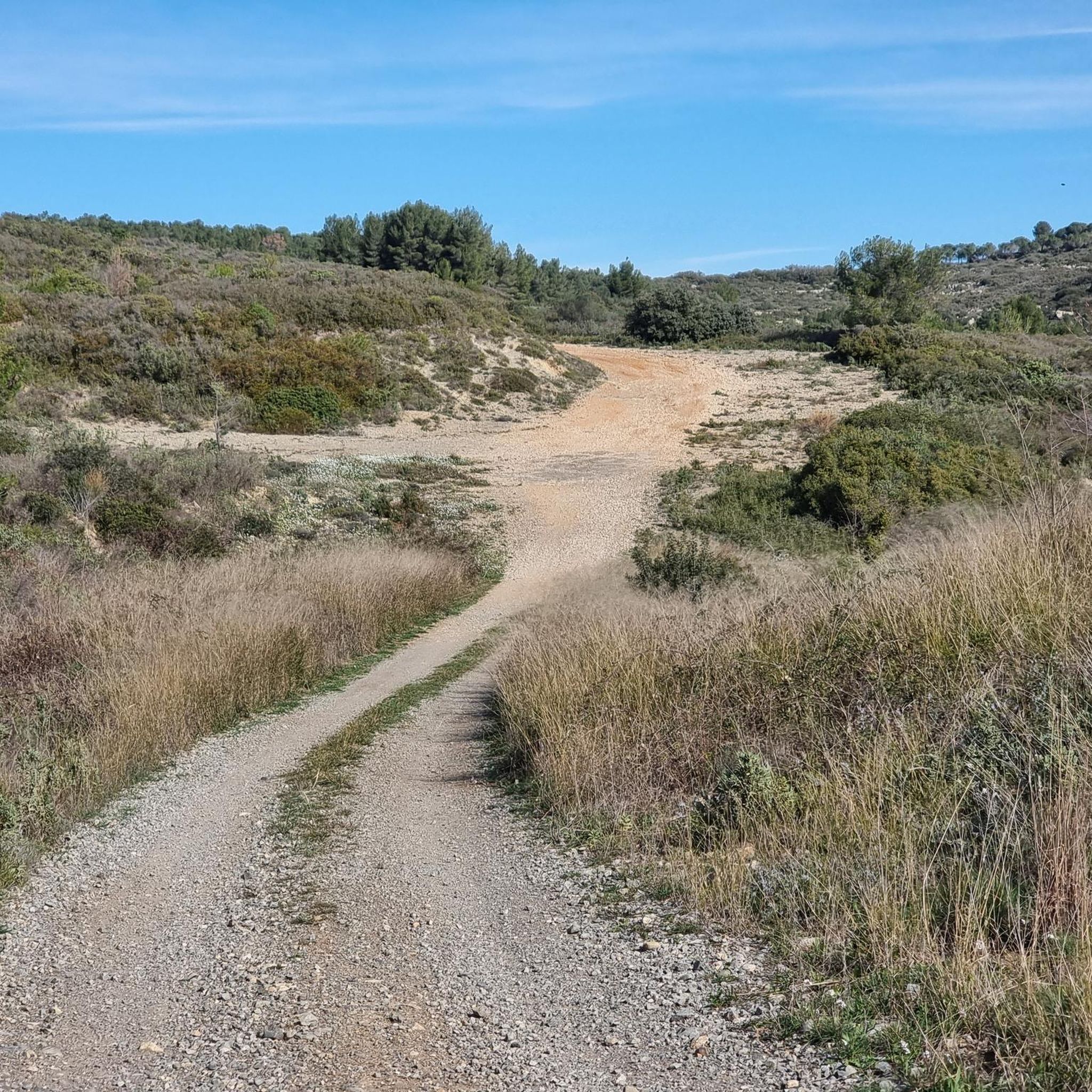
From the greenway, the panorama opens onto the Étang de Vic. This vast coastal lagoon of over 1,000 hectares stretches between the Gardiole massif and the Aresquiers lido. Protected within the Natura 2000 site of the Palavasian ponds and recognized as a wetland of international importance under the Ramsar convention, the pond forms a vast landscape of lagoon, salt marshes, and wetlands here. This opening allows its full extent to be appreciated from the surroundings of Vic-la-Gardiole.
3
0
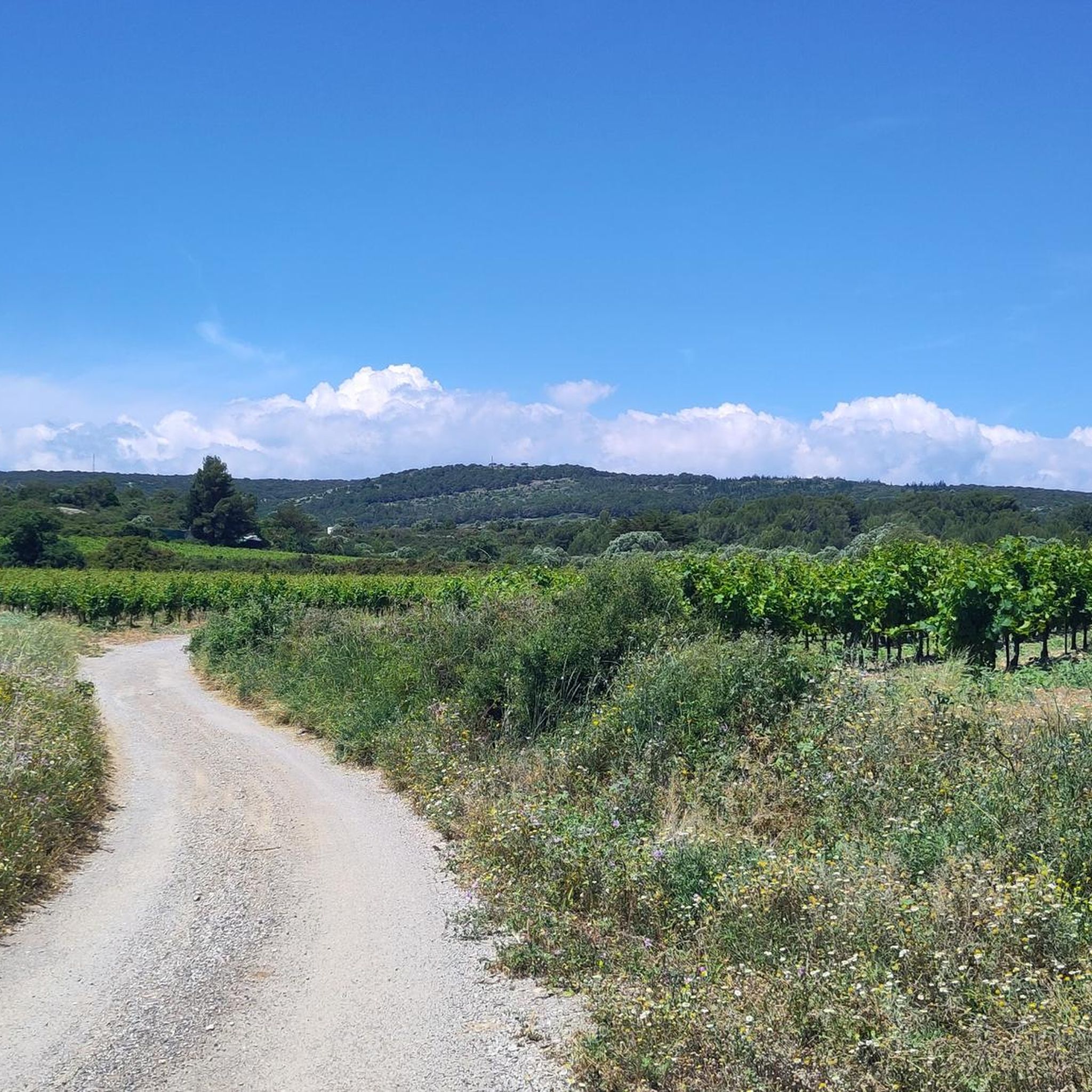
Here, the Bouffie canal crosses the old Villeneuve Salt Marshes. Near the old pumping station, several structures control the water flow and levels in this vast hydraulic network. Fed in particular by the waters of the Gardiole and the overflow from the Étang de l’Estagnol, the Salt Marshes still depend on this hydraulic management today to maintain their various wetland environments. From this point, the view opens widely onto the old salt pans, the Étang de Vic, and the reliefs of the Gardiole. The shallow waters and halophytic vegetation also offer a privileged habitat for a significant birdlife (Little Egret, Greater Flamingo, Terns...) of the Mediterranean lagoons.
3
0
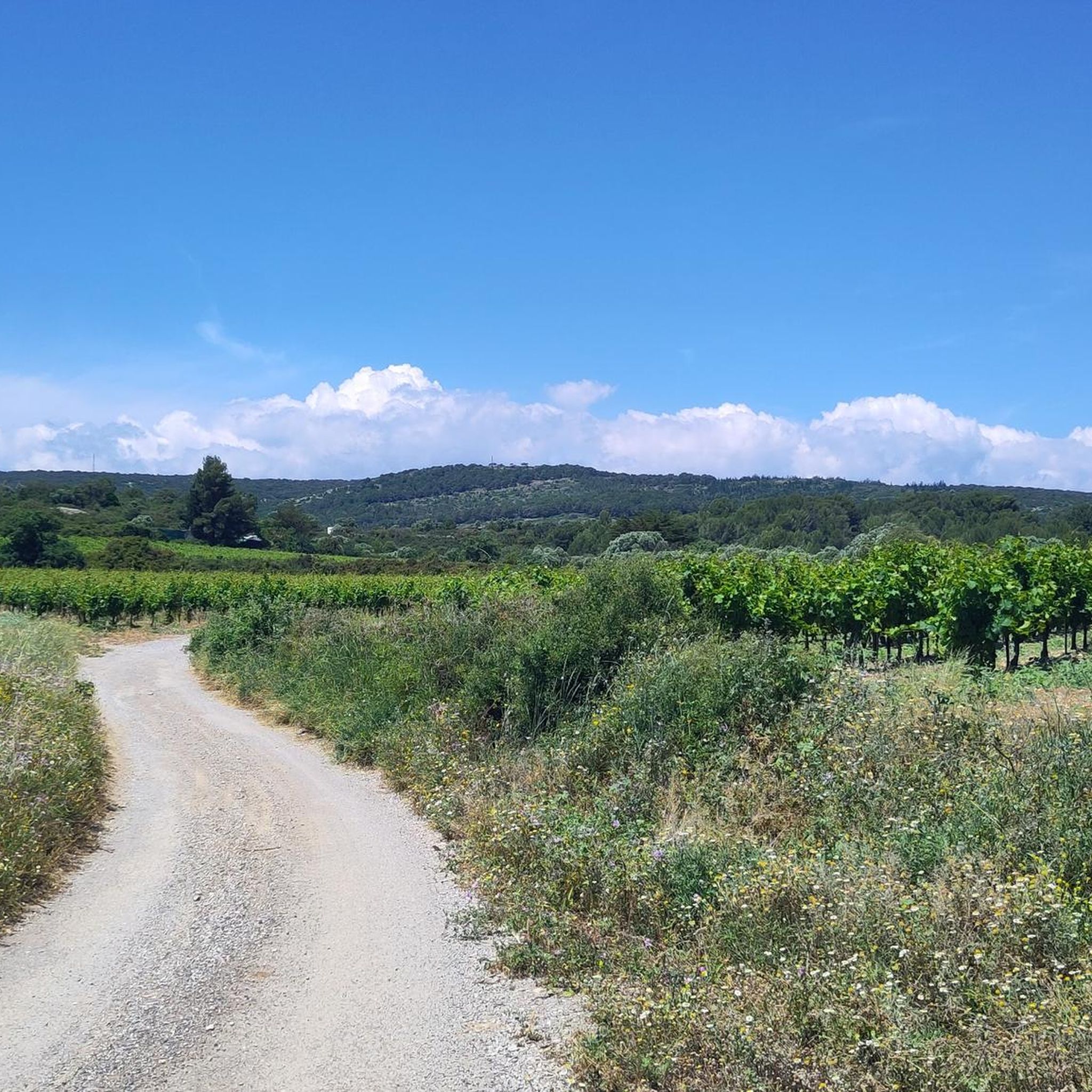
From the place called Le Pilou to the eponymous footbridge, this path takes us to the heart of the lagoon landscape of the Arnel pond. A space where human developments rub shoulders with the characteristic environments of the Palavas ponds: lagoon, sansouire and halophytic vegetation. Arnel is today a protected natural area, integrated into the Natura 2000 network and the classified site of the Palavas ponds. But the lagoon also bears the traces of a long history of exploitation: fishing, old salt pans and hydraulic structures have shaped this amphibious territory for several centuries.
3
0

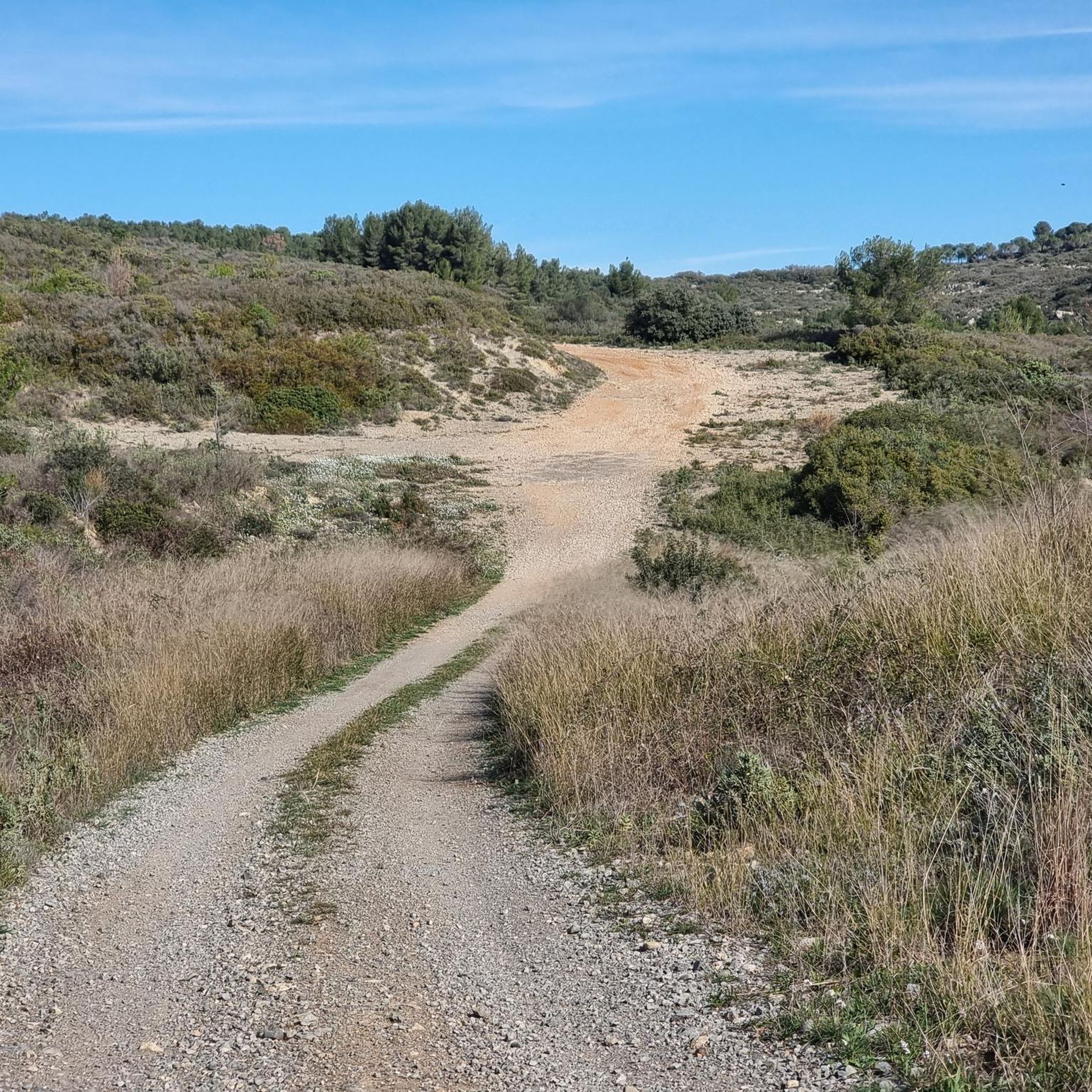
The étang du Méjean (also called étang de Pérols) is a protected natural site of over 600 hectares located in Lattes, just 8 kilometers south of Montpellier. Managed by the Conservatoire du littoral, this exceptional lagoon space offers a mosaic of preserved landscapes (marshes, reed beds, sansouïres) where you can easily observe pink flamingos, white storks, bulls, and Camargue horses.
0
0
L'étang de l'Arnel is a vast coastal lagoon located in the municipality of Villeneuve-lès-Maguelone, in the Hérault department, less than 20 km south of Montpellier.
0
0

A beautiful natural space
0
0

🌅 It's true that Les Salines de Villeneuve, near Montpellier, is a little natural gem. Between the pink hues of its salty waters and the flights of pink flamingos, it's a spectacle that borders on magical!
0
0

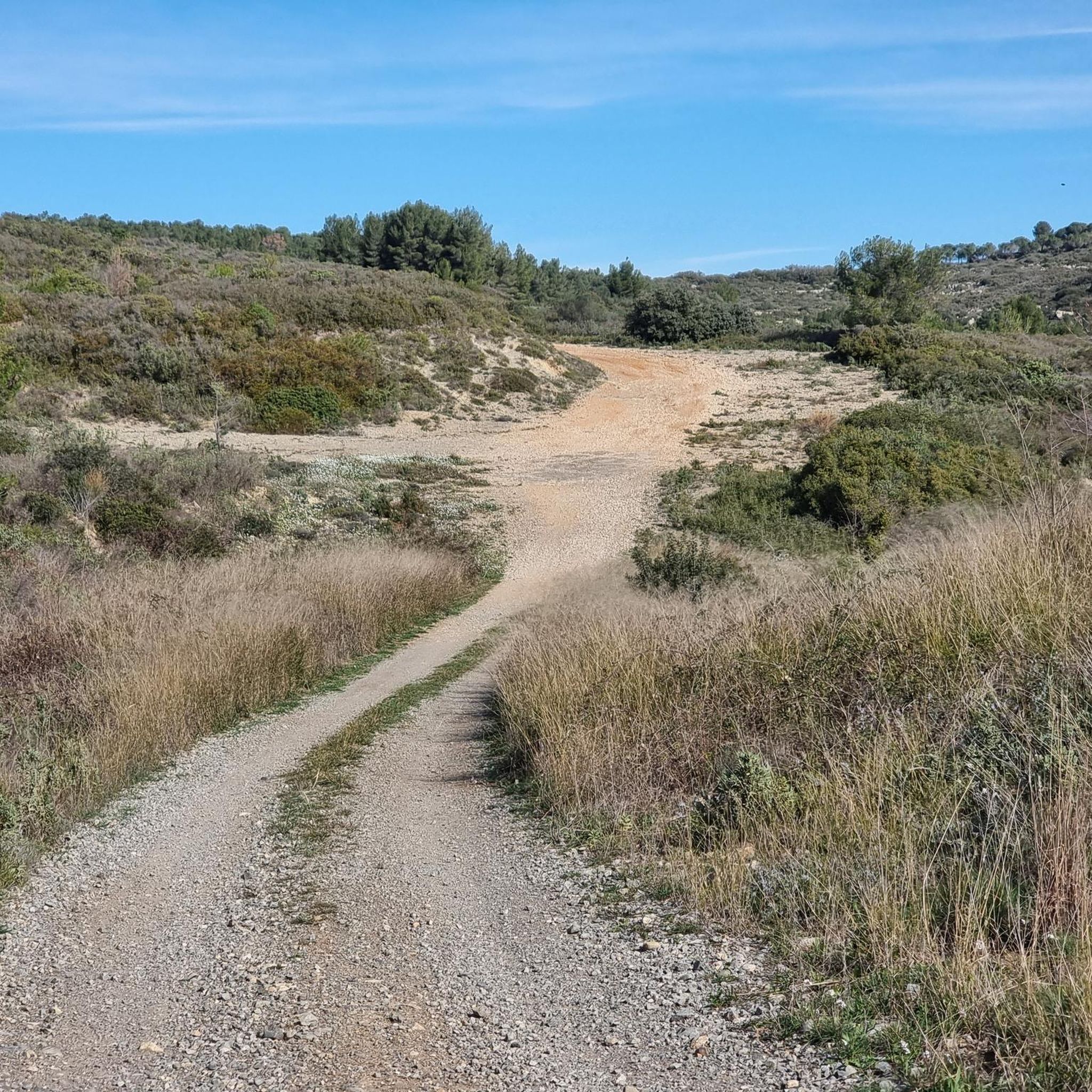
Very pretty cycle path recently redone along the pond.
0
0
Frequently Asked Questions
What kind of wildlife can I expect to see around the lakes near Mireval?
The lakes and lagoons near Mireval are rich in biodiversity, especially for birdwatching. You can frequently spot pink flamingos, egrets, avocets, various ducks, and even storks. The Salines de Villeneuve Nature Reserve and Vic Pond are particularly known for their abundant birdlife. European pond turtles and wild horses can also be observed in certain areas.
Are there accessible trails for people with disabilities around the lakes?
Yes, the Étang du Méjean offers marked hiking trails, including a 2.5 km loop specifically accessible to people with disabilities. The "Maison de la Nature" serves as an ideal starting point for exploring this reserve. More information can be found on the Hérault Tourisme website: La Maison de la Nature et son sentier du Méjean.
What activities can I do at Étang de l'Arnel?
The Étang de l'Arnel is perfect for leisurely walks, jogs, and cycling. It features a 1.2 km flat, car-free path and a longer 13 km cycling route around the étang. It's an exceptional spot for birdwatching, especially for pink flamingos. Its proximity to the historic Maguelone Abbey also allows for a combination of nature and cultural exploration.
Can I cycle around the lakes near Mireval?
Yes, cycling is a popular activity. There's a dedicated cycle path connecting the Étang du Méjean and the Étang de l'Arnel, offering views of the Languedoc lagoon ecosystem and opportunities to spot flamingos. The Vic Pond also has a recently redeveloped cycle path along its edge. For more cycling routes, you can explore the Cycling around Mireval guide.
When is the best time to visit the lakes for birdwatching, especially flamingos?
The lakes are a biodiversity hotspot year-round, but for optimal birdwatching, including flamingos, spring and autumn are generally excellent. These periods coincide with migration, increasing the variety and number of species present. The Salines de Villeneuve Nature Reserve is particularly crucial as a breeding and feeding ground for numerous bird species.
What is the historical significance of the Salines de Villeneuve Nature Reserve?
The Salines de Villeneuve Nature Reserve has a rich history of salt extraction dating back to the 12th century. In the 15th century, citizens of Villeneuve-lès-Maguelone were granted the privilege of salt trade by the king. Salt mining continued until 1969, when it was stopped. Today, the former salt pans are protected as a nature reserve, preserving both its natural and historical heritage.
Are there hiking opportunities around the lakes?
Absolutely. The region offers numerous trails. The Étang du Méjean, for example, has marked hiking trails through marshes, ponds, and meadows. The Salines de Villeneuve Nature Reserve provides magnificent trails through former salt pans, canals, and lakes. For more options, check out the Hiking around Mireval guide.
Are the lakes near Mireval suitable for family visits?
Yes, many areas are family-friendly. The Étang de l'Arnel features a flat, car-free path ideal for leisurely walks with children. The Étang du Méjean has accessible trails and offers a chance to see various wildlife. The Salines de Villeneuve Nature Reserve is also a great place for families to explore nature and learn about the area's history.
How can I access the lakes and are there parking options?
Access to the lakes is generally good, with parking available at key entry points. For instance, the "Maison de la Nature" serves as a starting point for the Étang du Méjean. Specific parking details can vary by location, so it's advisable to check local signage upon arrival. Public transport options might be limited, so driving is often the most convenient way to reach these natural sites.
What makes the Étang du Méjean a unique place to visit?
The Étang du Méjean is a protected natural site, classified under Natura 2000 and Ramsar, known for its preserved nature and diverse ecosystems. It offers a mix of woods, marshes, ponds, and meadows, providing a habitat for a rich array of wildlife including pink flamingos, egrets, and European pond turtles. It's an excellent place for walking and exploring, with the "Maison de la Nature" acting as a discovery hub.
Are there any cultural or historical sites near the lakes?
Yes, the historic Maguelone Abbey is located near the Étang de l'Arnel, allowing visitors to combine nature exploration with cultural discovery. Additionally, the Salines de Villeneuve Nature Reserve itself is a historical site, showcasing the legacy of salt extraction dating back to the 12th century.
What do visitors enjoy most about the lakes around Mireval?
Visitors particularly enjoy the peaceful and wild atmosphere, the exceptional birdwatching opportunities (especially spotting flamingos), and the beautiful scenic routes for walking and cycling. The vastness of the former salt pans and the unique Languedoc lagoon ecosystem are frequently highlighted as major attractions, offering a serene escape into nature.
Most popular routes around Mireval
Most popular attractions around Mireval

Get inspired with the komoot mobile app


Explore more
Still not found your perfect lake around Mireval? Check out the guides of these regions to see even more beautiful places.
