The best road cycling routes around Mireval
4.3
(574)
11,157
riders
128
rides
Road cycling routes around Mireval offer diverse terrain, situated between the Massif de la Gardiole and the Mediterranean coast. The region features varied landscapes including the garrigues of the Gardiole massif, coastal lagoons like the Étang de Vic, and extensive vineyards. Cyclists can navigate routes that range from flat coastal paths to those with moderate elevation gains through the surrounding hills.
Best road cycling routes around Mireval
- The most popular road cycling route is Nice little old town! – Historic…
Last updated: October 28, 2026
3.8
(6)
104
riders
55.6km
02:22
140m
140m
Moderate road ride. Good fitness required. Some segments of this route may be unpaved and difficult to ride.
4.5
(17)
83
riders
46.2km
01:49
110m
110m
Easy road ride. Mostly well-paved surfaces and easy to ride.

3.0
(1)
39
riders
59.9km
02:36
340m
340m
Moderate road ride. Good fitness required. Some segments of this route may be unpaved and difficult to ride.
5.0
(1)
28
riders
Moderate road ride. Good fitness required. Some segments of this route may be unpaved and difficult to ride.
9
riders
116km
04:53
830m
830m
Moderate road ride. Good fitness required. Mostly well-paved surfaces and easy to ride.
Get access to more routes and recommendations from other explorers.
Already have an account?
Our route recommendations are based on thousands of hikes, rides, and runs completed by other people on komoot.
Start today with a free account
Your next adventure awaits.
Tips from the Community

From the greenway, your gaze plunges onto the Thau pond and its immense checkerboard of shellfish farming tables. These regular alignments are the farming facilities where the lagoon's oysters and mussels are produced. Bouzigues holds a special place in this story: in 1925, Antoine Louis Tudesq and other Bouzigues oyster farmers developed the "Pyramid" technique, which contributed to the development of shellfish farming in the pond.
2
0
The greenway runs here on a narrow strip of land between the Étang de la Moulière to the north and the Crique de l’Angle to the south. The latter is a natural cove located at the eastern end of the Étang de Thau, where the fresh waters of the Vène meet the brackish waters of the lagoon. This wetland, classified Natura 2000, hosts numerous water birds in particular.
2
0
From La Catonnière, the view plunges over the étang de Thau and its immense checkerboard of shellfish tables. These regular alignments are the breeding facilities where the lagoon's oysters and mussels are produced. Bouzigues holds a special place in this history: in 1925, Antoine Louis Tudesq and other Bouzigues oyster farmers developed the "Pyramid" technique, which contributed to the development of shellfish farming in the étang. The panorama thus allows us to read the landscape differently: behind this vast expanse of water lies a true production space, shaped for over a century by the work of the "sea peasants".
2
0
The greenway runs here on a narrow strip of land between the Étang de la Moulière and the Crique de l’Angle. To the south, the view opens up beyond the Crique de l’Angle over the Étang de Thau, then over Sète, dominated by the silhouette of Mont Saint-Clair (183 m).
3
0
Between the ponds of Vic and Ingril, the Bois des Aresquiers forms an astonishing coastal pine forest of nearly 97 hectares. Its peculiarity lies in the immediate proximity between the forest and the lagoon environments: the pine forest succeeds the sansouires and salt marshes before reaching the banks of the ponds. Protected by the Conservatoire du littoral since 1980, the site also has an agricultural history. After belonging to a religious community, the estate was exploited for various agricultural activities, then for vines until the 1970s. Pine plantations and a period of non-management then contributed to forming the current woodland. This history has not prevented a remarkable plant diversity: about fifteen rare or threatened species have been recorded there, including Bupleurum glauccum, a protected species discovered on the site, and Ophrys cumbulifera, an endemic Mediterranean orchid.
3
0
Going up Grand Rue towards the church of Sainte-Léocadie, several old houses bear witness to the traditional architecture of old Vic. Stone surrounds, cornices, openings, and facade details make up old buildings that still contribute to the identity of the village center. The municipality ensures the preservation of the style of these facades.
2
0
The view extends over the étang de l'Armel to the southwest and the étang du Méjean to the northeast. Here too, the Lez river crosses the Canal du Rhône à Sète in the heart of the Palavasian lagoon system. This place called "Quatre Canaux" is not just a hydraulic crossroads: the area constitutes one of the historical cradles of Palavas, where fishing families had settled on the banks of the Lez and the étangs.
2
0

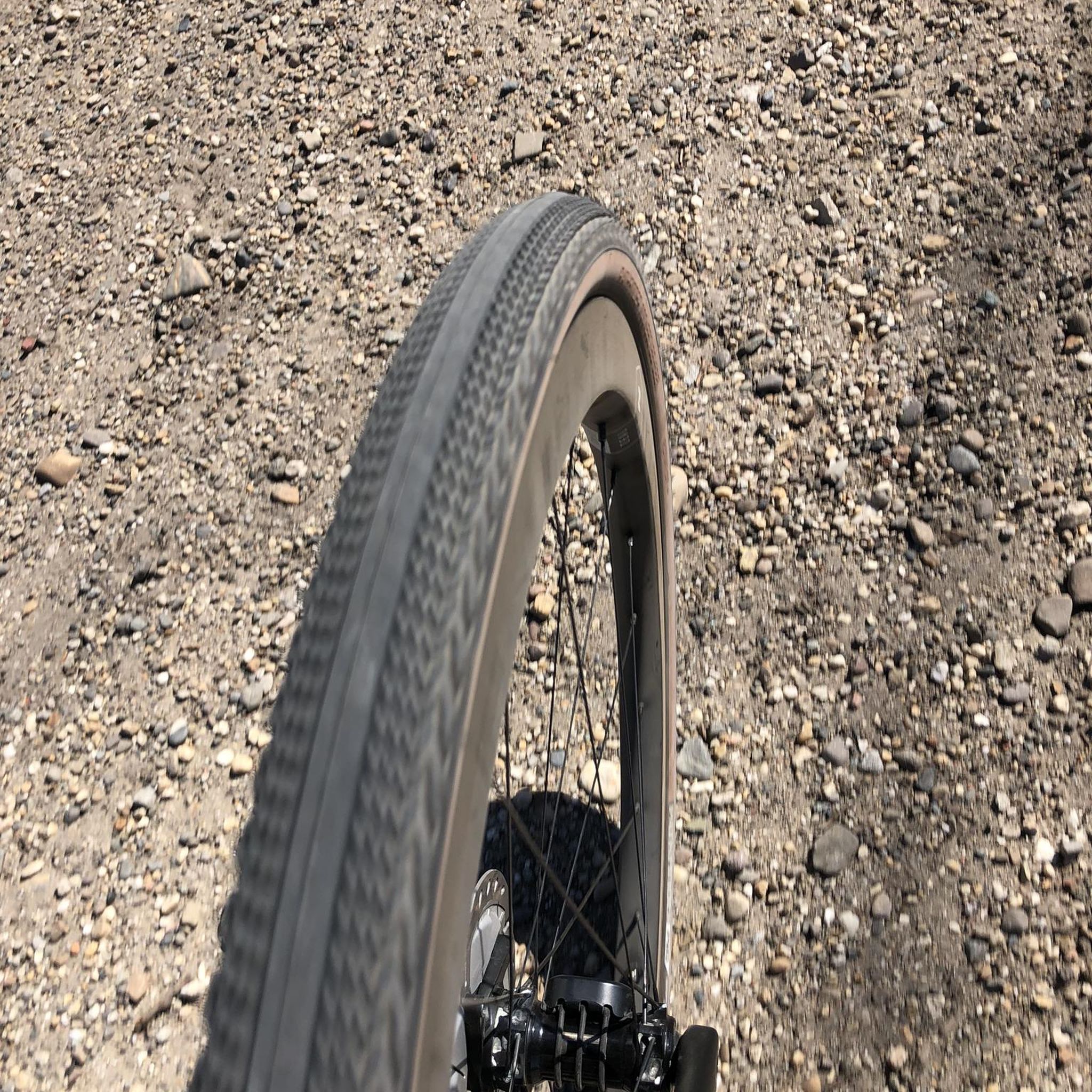
A VTC, Gravel classic of the region
0
0
Frequently Asked Questions
What kind of terrain can I expect on road cycling routes around Mireval?
Road cycling around Mireval offers a diverse range of terrain. You can expect routes that traverse the Mediterranean garrigues of the Massif de la Gardiole, flat paths along coastal lagoons like the Étang de Vic, and scenic rides through extensive vineyards. The area provides a mix of landscapes, from the dramatic backdrop of the massif to the tranquil shores of the lagoons.
Are there easy road cycling routes suitable for beginners in Mireval?
Yes, Mireval offers several easy road cycling routes perfect for beginners or those seeking a relaxed ride. For instance, the Nice little old town! – Vic Pond loop from Villeneuve-lès-Maguelone is a 20-mile (32.2 km) trail that leads through the coastal lagoon area with minimal elevation gain. Another accessible option is the Méjean Pond – Mejean Lagoon loop from Villeneuve-lès-Maguelone, covering about 25 miles (40.1 km) with gentle ascents.
Are there challenging road cycling routes for experienced cyclists in Mireval?
Experienced cyclists will find challenging routes around Mireval, particularly those venturing into the Massif de la Gardiole. Routes like the Roadbike loop from Villeneuve-lès-Maguelone, a 49-mile (78.9 km) path, feature significant elevation changes, offering a more demanding ride through varied terrain.
What natural features or landmarks can I see while road cycling in Mireval?
Mireval's road cycling routes are rich with natural beauty and landmarks. You can cycle past the preserved Salines de Villeneuve Nature Reserve, offering opportunities to observe diverse birdlife. Many routes provide stunning views of the Étangs and Coastline from La Gardiole. You might also encounter the Rhone Kanal and the Canal du Rhône à Sète, which offer picturesque cycling paths.
Are there circular road cycling routes available in Mireval?
Yes, the majority of road cycling routes around Mireval are designed as loops, allowing you to start and finish at the same point. This makes planning your ride convenient, whether you're exploring the historic village center, coastal lagoons, or vineyard-covered hills.
What is the best time of year for road cycling in Mireval?
The Mediterranean climate makes Mireval suitable for road cycling for much of the year. Spring (April-May) and autumn (September-October) are particularly ideal, offering pleasant temperatures and less crowded routes. Summers can be hot, so early morning or late afternoon rides are recommended during peak season.
Are there family-friendly road cycling routes in Mireval?
For families, the flatter routes along the coastal lagoons and through the Aresquiers wood are excellent choices. These paths are generally paved and offer a safe, enjoyable experience for all ages, often with opportunities to spot flamingos and other regional birds.
Where can I find parking for road cycling routes in Mireval?
While specific parking areas for each route vary, many routes around Mireval, particularly those starting from larger towns like Villeneuve-lès-Maguelone, offer accessible parking options. It's advisable to check the starting point details of your chosen route on komoot for precise parking information.
Can I access road cycling routes in Mireval using public transport?
Mireval and its surrounding areas are connected by local public transport, which can help you reach starting points for various road cycling routes. For detailed information on bus routes and schedules, it's best to consult local transport services in the Montpellier-Sète region.
Are there opportunities for cafe stops or refreshments along the routes?
Yes, many road cycling routes in Mireval pass through or near charming villages and towns where you can find cafes, bakeries, and restaurants. Cycling through the vineyards also offers the chance to visit local cellars for Muscat wine tastings, providing delightful refreshment stops.
What do other road cyclists enjoy the most about road cycling in Mireval?
The road cycling experience in Mireval is highly rated by the komoot community, with an average score of 4.3 stars from over 400 reviews. Cyclists frequently praise the region's diverse landscapes, from the tranquil lagoons to the challenging climbs of the Massif de la Gardiole, and the well-maintained paths that offer both scenic beauty and a good workout.
What are some unique natural sites to explore by road bike in Mireval?
Beyond the lagoons, Mireval offers unique natural sites like the Aresquiers wood, which features 9 km of paths ideal for cycling, leading to the wild Aresquiers beach. The preserved Villeneuve Saltworks is another remarkable natural site, providing opportunities to discover diverse species during your ride. Additionally, the impressive rocky cirque of Creux de Miège is a protected geological curiosity with rich fauna and flora.
Most popular attractions around Mireval

Get inspired with the komoot mobile app


Explore more
Browse the best Road cycling routes in other regions.
