Top 8 Castles around Calonge i Sant Antoni
Best castles around Calonge i Sant Antoni offer a journey through the region's medieval past, set against the backdrop of the Costa Brava. This area features historical fortifications and ancient villages that showcase centuries of architectural evolution and defensive strategies. The landscape combines coastal views with inland historical centers, providing diverse settings for exploration. Visitors can discover structures ranging from fortified castles to defensive towers, reflecting the area's rich heritage.
Best castles around Calonge i Sant Antoni
- The most popular…
Last updated: May 7, 2026
Peratallada — Historic Village
Highlight • Historical Site
The original constructions of Peratallada …
Translated by Google •
Tip by

Castell de Sant Esteve de Mar
Highlight • Castle
During the Middle Ages it was owned by …
Translated by Google •
Tip by

Sign up now to discover places like this
Get recommendations on the best single tracks, peaks, & plenty of other exciting outdoor places.
Sign up for free
Vulpellac Historic Centre
Highlight • Historical Site
Translated by Google •
Tip by
Sant Sebastià Lighthouse and Viewpoint
Highlight • Viewpoint
Translated by Google •
Tip by

Cruïlles Medieval Village and Towers
Highlight • Historical Site
Translated by Google •
Tip by
Sign up for free to discover even more castles around Calonge i Sant Antoni.
Sign up for free
Already have an account?
Start today with a free account
Your next adventure awaits.
Login or Signup
Popular around Calonge i Sant Antoni
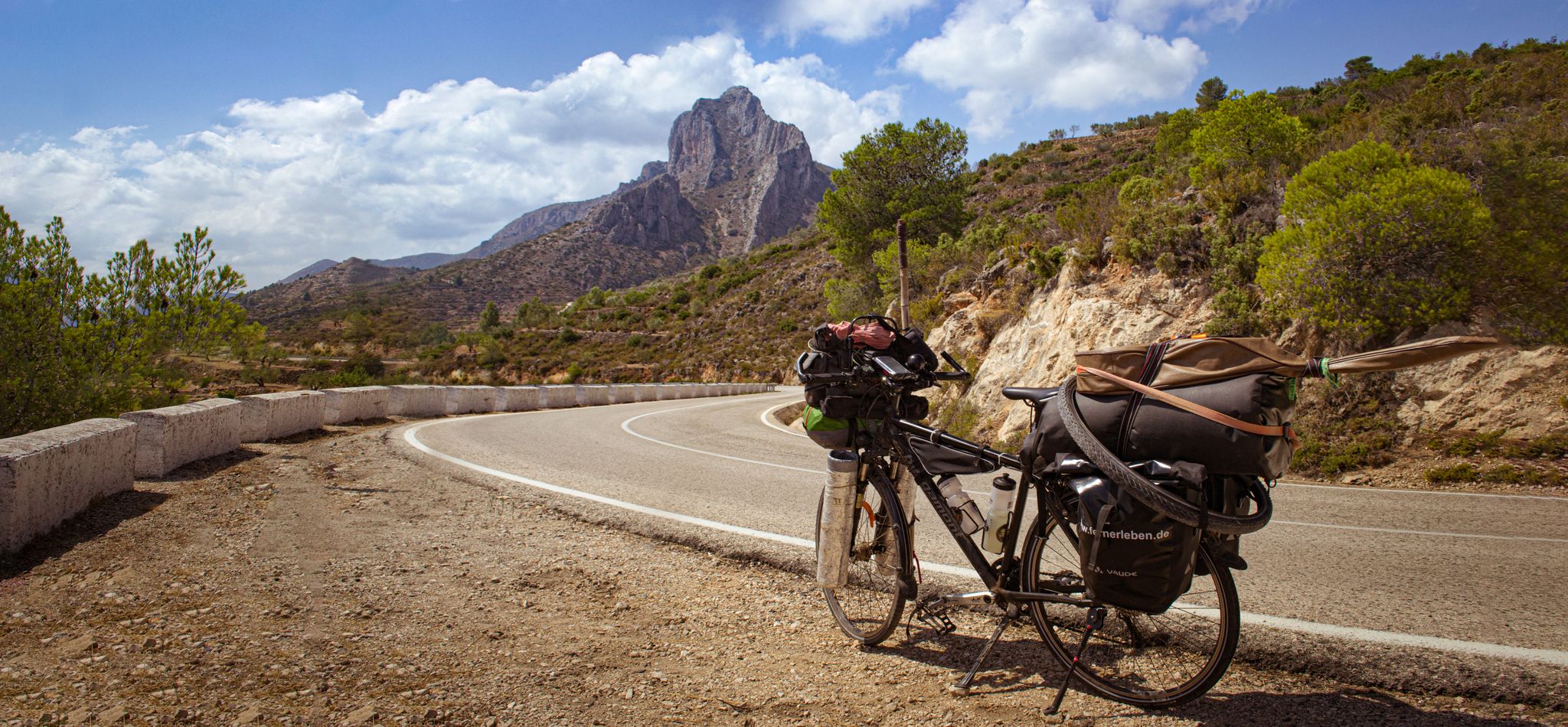
On the road to the sun — bikepacking to southeast Spain
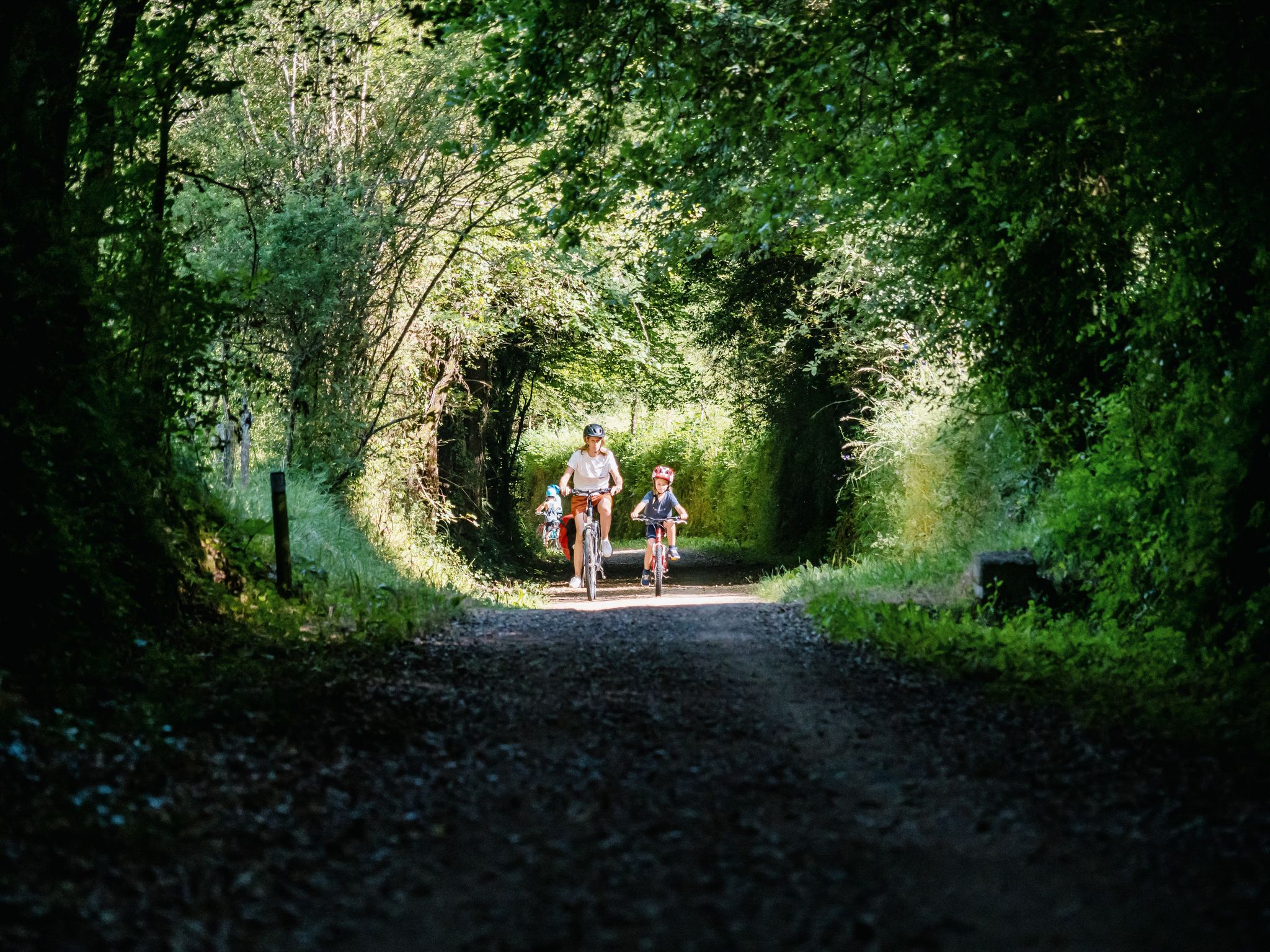
Vías verdes de Girona — an adventure for the whole family
Cycling around Calonge i Sant Antoni
MTB Trails around Calonge i Sant Antoni
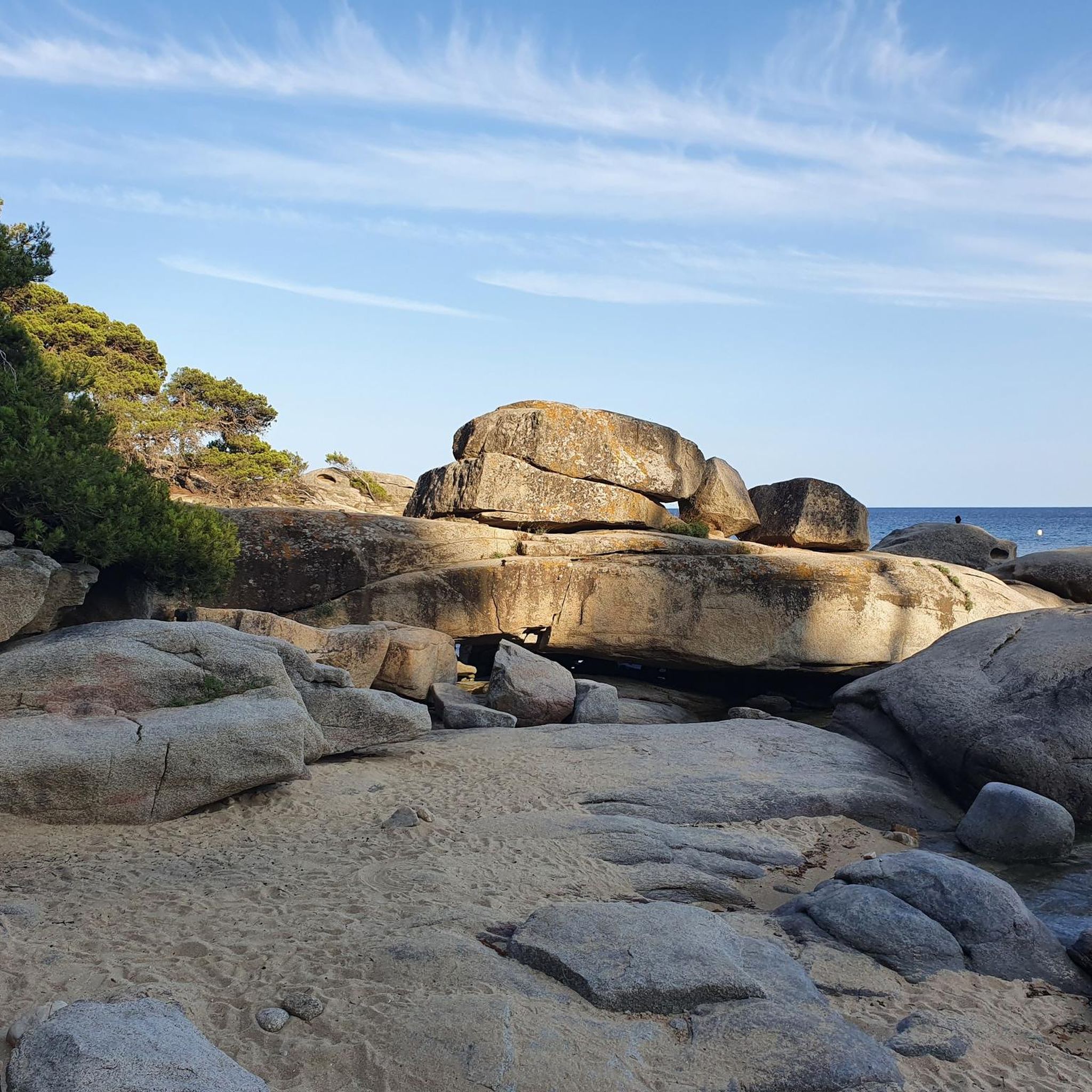
Running Trails around Calonge i Sant Antoni
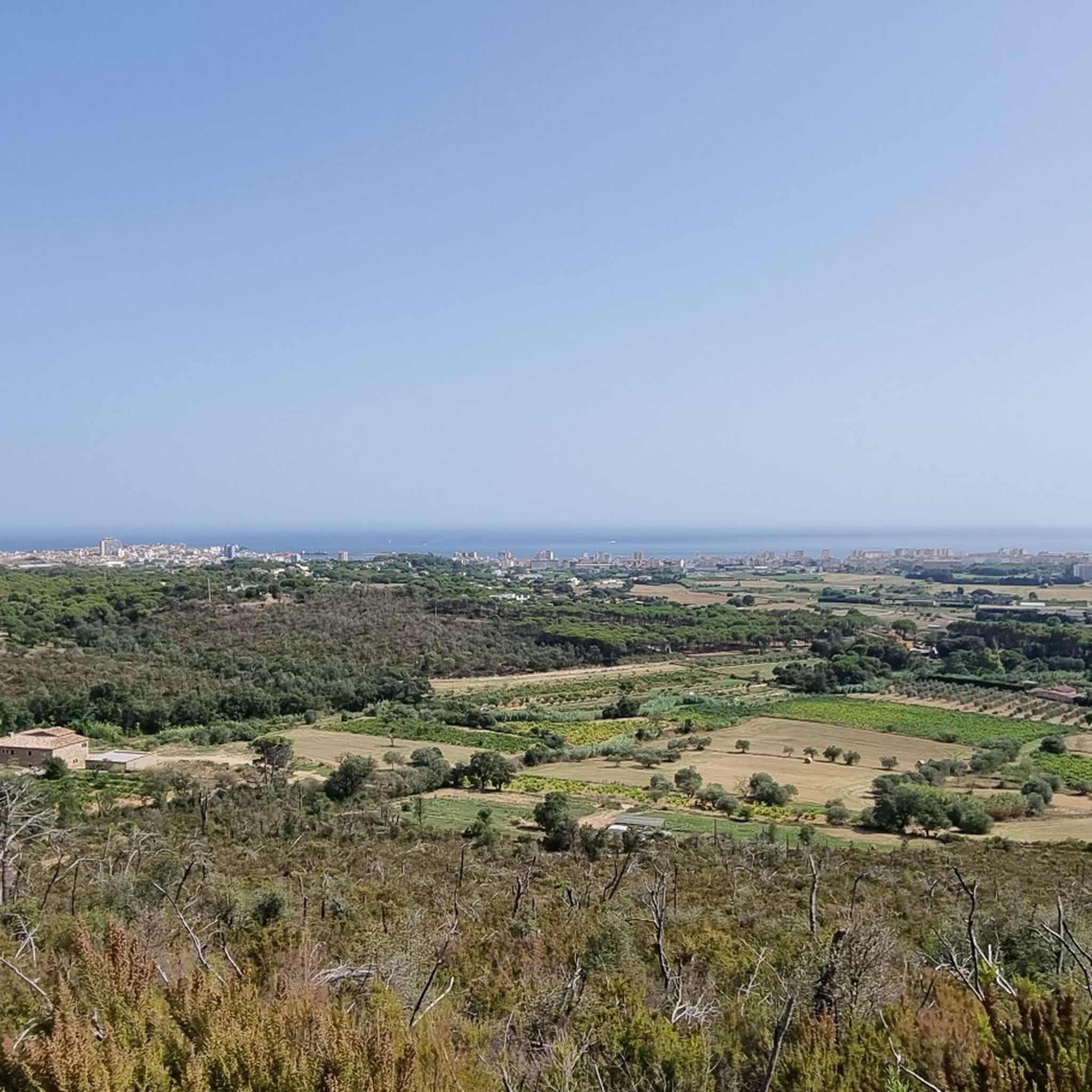
Hiking around Calonge i Sant Antoni
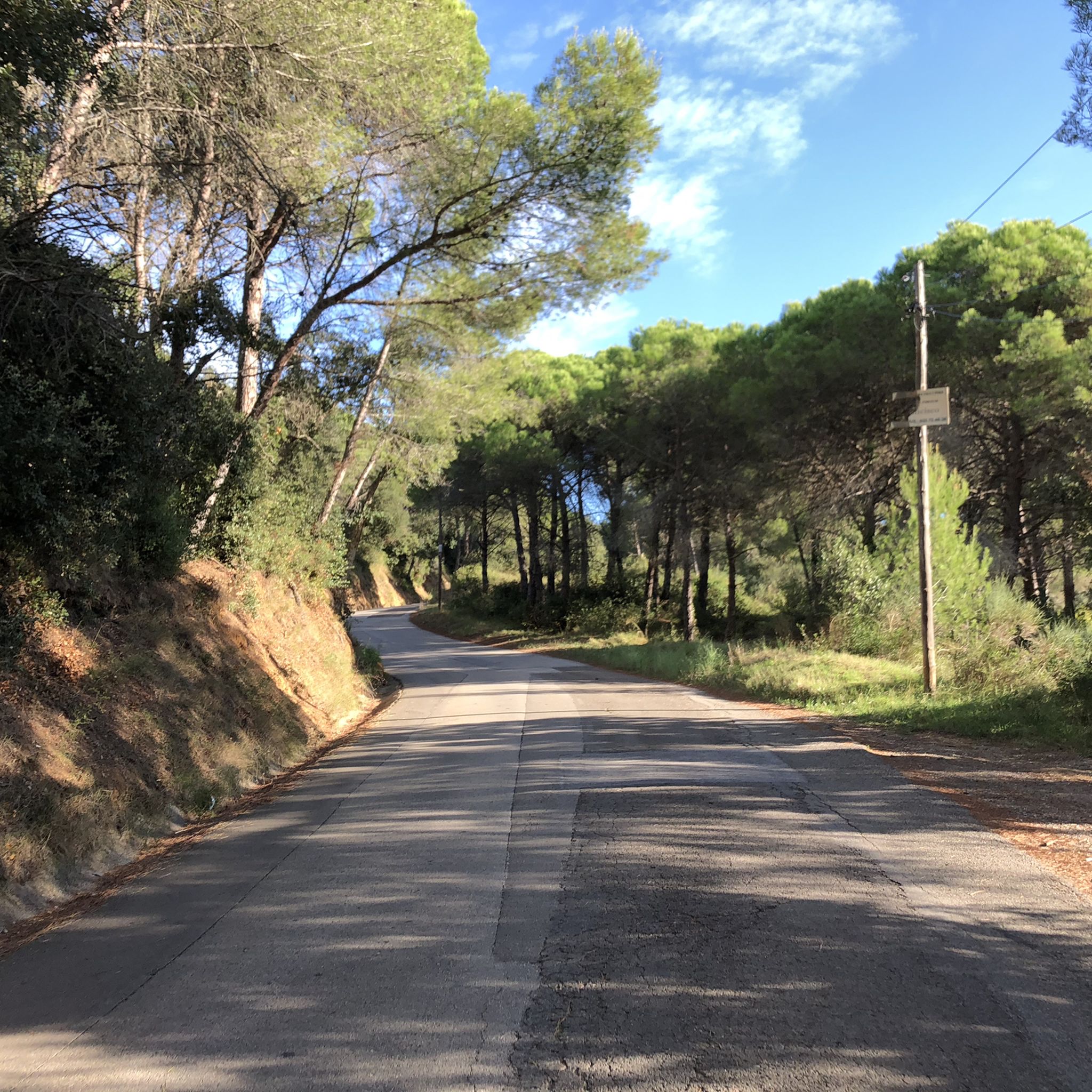
Road Cycling Routes around Calonge i Sant Antoni
Gravel biking around Calonge i Sant Antoni
Other adventures around Calonge i Sant Antoni


Tips from the Community

With nice restaurants and bars
1
1

The lighthouse was built in 1857 on a small hill at Punta del Bou, on the coast of Calella de Palafrugell, with the aim of guiding ships that sailed through the Gulf of Lion. The original tower had a height of 12 meters, but in 1867 a lantern was added and its height was increased to 18 meters.
2
0
We made a route through this area, Peratallada is a picturesque medieval town located in the Bajo Ampurdán region, in the province of Girona, Catalonia. Its name means "carved stone", referring to the stone used in its construction. Without a doubt, it is the one we liked the most with the permission of the others The town is completely surrounded by walls and defense towers, and its historic core is made up of a set of cobbled streets and stone buildings dating from the 10th century. The church of Sant Esteve, built in the 13th century, is one of the most outstanding monuments of Peratallada. There you will find a terrace where they make good sandwiches. In addition, Peratallada has a wide gastronomic offer, with restaurants that offer typical dishes of the region, in our case it was only a breakfast.
2
0

At Cape Sant Sebastià is the lighthouse of the same name, famous for being the most powerful on the entire peninsula. In addition to this particularity, the views from the lighthouse are spectacular.
1
1

The name of Vulpellac appears for the first time in the records in the year 894, although its importance would be given centuries later (13th and 14th centuries), thanks to the importance of the lord of Vulpellac, Guillem Sarriera. It is during this period that the castle is reformed, turning it into a luxurious palace. The castle and the church of Sant Julià i Santa Basilissa constitute the original nucleus of the town, and houses were added around it, surrounded by a fortified wall. The streets outside the walls were built in the 17th and 18th centuries, and have a good number of unique buildings in the late Gothic and Renaissance styles.
0
0
This small town in the Baix Empordà has been declared a Historic-Artistic Site and Cultural Asset of National Interest, due to its well-preserved medieval architecture. The original constructions of Peratallada are strongly marked by their fortified character. It had three wall enclosures (12th to 13th centuries), the main one being the one with the castle in its center. In addition, the outer enclosure was protected by a moat dug into the rock, with a depth of eight meters. Of the castle, the keep and the palace (11th to 14th centuries) stand out, with another important building being the church of Sant Esteve (13th century).
3
0
Cruïlles is a small town in Baix Empordà that is part of the municipal area of Cruïlles, Monells and Sant Sadurní de l'Heura. It was an independent municipality until 1973, the year it merged with neighboring towns. Historically the town belonged to the barony of Cruïlles. Places of interest include the castle tower, the monastery of San Miguel de Cruïlles, the parish church of Santa Eulalia de Cruïlles and the hermitage of the Virgen de la Esperanza.
0
0

The municipality of Cruïlles, Monells and Sant Sadurní de l'Heura maintains a close relationship with the Gavarres massif, through which most of the area runs, which gives it a privileged landscape. It preserves a good medieval legacy, which includes buildings such as the monastery of Sant Miquel de Cruïlles or the Tower. For its part, Monells is a living example of a rural town that keeps its charm intact, with welcoming architecture and an urban layout of great beauty. In Sant Sadurní de l'Heura, the lush forest surrounding the resort invites you to relax and enjoy the tranquility of the Empordà region. https://www.catalunya.com/cruilles-monells-i-sant-sadurni-de-lheura-2-1-179011?language=ca
0
0
Frequently Asked Questions
What historical sites and castles can I explore in Calonge i Sant Antoni?
The region offers a rich medieval past. You can visit the impressive Peratallada — Historic Village, known for its well-preserved medieval architecture and castle. Another significant site is the Vulpellac Historic Centre, featuring a castle-palace complex. Additionally, the Calonge Castle, a large fortress with origins dating back to the 8th century, showcases a blend of Gothic and Romanesque styles and hosts cultural events. Don't miss the Castell de Sant Esteve de Mar, a castle overlooking the sea with a history spanning from Roman times to a strategic coastal surveillance point.
Are there any defensive towers or unique fortifications to see?
Yes, beyond the traditional castles, you can explore the Sant Sebastià de la Guarda Archaeological Site and Tower, which offers insights into an early Iberian village. Also, the Torre Valentina, a 16th-century circular defensive tower located on the seafront of Sant Antoni de Calonge, was built to protect against pirate raids and provides a glimpse into the region's maritime defense history.
What kind of architecture can I expect to see in the castles of this region?
The castles in Calonge i Sant Antoni display a fascinating mix of architectural styles. For instance, Calonge Castle blends Gothic and Romanesque elements, featuring an 11th-century tower and a 16th-century Renaissance palace. Peratallada — Historic Village is renowned for its medieval architecture, including three wall enclosures, a keep, and a palace from the 11th to 14th centuries. Vulpellac Historic Centre also features late Gothic and Renaissance styles in its unique buildings.
Are there cultural events or festivals held at any of the castles?
Yes, Calonge Castle is a vibrant cultural hub. Its garrison courtyard, known for excellent acoustics, hosts music festivals like the Interludi de Calonge Music Festival, concerts, conferences, and exhibitions. It's also the backdrop for the New Wine Festival in November and an annual Medieval Market during Holy Week, bringing the past to life with fairs and workshops.
What are some viewpoints near the castles where I can enjoy scenic views?
For breathtaking views, visit the Sant Sebastià Lighthouse and Viewpoint. Located 169 meters above sea level, it offers iconic vistas of the Costa Brava. Additionally, the Torre Valentina, situated on the beachfront, provides a historical point of interest within a scenic coastal setting. The Castell de Sant Esteve de Mar also offers great views overlooking the sea.
What outdoor activities can I do near these castles?
The area around Calonge i Sant Antoni is excellent for outdoor enthusiasts. You can find various running trails, including moderate loops like 'Cap Roig Cove – Pine Cove' or 'View of Calonge Beach – Palamós Main Beach'. For cyclists, there are challenging road cycling routes such as 'Tossa de Mar Beach and Castle' or 'La Ganga Pass from Calonge'. Mountain biking is also popular, with MTB trails like 'Iglesia de Santa Coloma de Fitor' offering challenging rides through the Massís de les Gavarres.
Are there family-friendly options among the castles or nearby attractions?
While specific family-friendly activities within each castle may vary by event, the historical villages themselves, like Peratallada — Historic Village, offer charming cobbled streets and a medieval atmosphere that can be engaging for families. The cultural events at Calonge Castle, such as the Medieval Market, are also designed to be family-friendly. The Sant Sebastià Lighthouse and Viewpoint is also categorized as family-friendly, offering great views.
What is the best time to visit the castles in Calonge i Sant Antoni?
The region is enjoyable year-round, but visiting during spring or autumn offers pleasant weather for exploring. If you're interested in cultural events, consider visiting in November for the New Wine Festival or during Holy Week for the Medieval Market at Calonge Castle. The summer months are also popular, especially for combining castle visits with time at the nearby beaches.
What do visitors enjoy most about the castles and historical sites in Calonge i Sant Antoni?
Visitors frequently praise the well-preserved medieval architecture and the charming atmosphere of villages like Peratallada — Historic Village, often noting the picturesque streets and unique shops. The historical significance and the blend of architectural styles, particularly at Calonge Castle, are also highly appreciated. Many enjoy the scenic locations, such as the sea views from Castell de Sant Esteve de Mar and the Sant Sebastià Lighthouse.
Is there parking available near the main castles?
For Calonge Castle, located in the heart of the old town of Calonge, parking is typically available in designated areas within walking distance of the historic center. For sites like Peratallada — Historic Village and Vulpellac Historic Centre, parking is usually found on the outskirts of the medieval villages, allowing for pedestrian exploration of the car-free historic cores.
Can I combine a castle visit with a trip to the beach?
Absolutely! The region's unique location on the Costa Brava makes it ideal for combining historical exploration with coastal relaxation. The Torre Valentina is directly on the seafront of Sant Antoni de Calonge, and Castell de Sant Esteve de Mar overlooks the sea, making it easy to visit and then head to nearby beaches like La Fosca. The Sant Sebastià Lighthouse and Viewpoint is also close to beaches and offers stunning coastal views.
Most popular routes around Calonge i Sant Antoni
Most popular attractions around Calonge i Sant Antoni

Get inspired with the komoot mobile app


Explore more
Looking for the best castles somewhere else? Discover other guides around Calonge i Sant Antoni:
