Top 4 Caves around Camargo
Best caves around Camargo are found in a region characterized by its coastal geology and diverse natural landscapes. The area features a mix of beaches, rivers, and unique rock formations. These geological features contribute to the formation of various cave types, including sea caves and river-fed caverns. The Camargo region offers opportunities to explore natural monuments and historical sites associated with these underground formations.
Best caves around Camargo
- The most popular caves is Somocuevas Beach, a beach and natural…
Last updated: July 31, 2026
Somocuevas Beach
Highlight • Beach
Translated by Google •
Tip by

Liencres Blowhole
Highlight • Natural Monument
Translated by Google •
Tip by

Sign up now to discover places like this
Get recommendations on the best single tracks, peaks, & plenty of other exciting outdoor places.
Sign up for free
Aguanaz River and Frenchman’s Cave
Highlight (Segment) • River
Translated by Google •
Tip by

La Covachona Cave and Source of the Cubón River
Highlight • Cave
Translated by Google •
Tip by

Juyo Cave
Highlight • Cave
Translated by Google •
Tip by
Sign up for free to discover even more caves around Camargo.
Sign up for free
Already have an account?
Start today with a free account
Your next adventure awaits.
Login or Signup
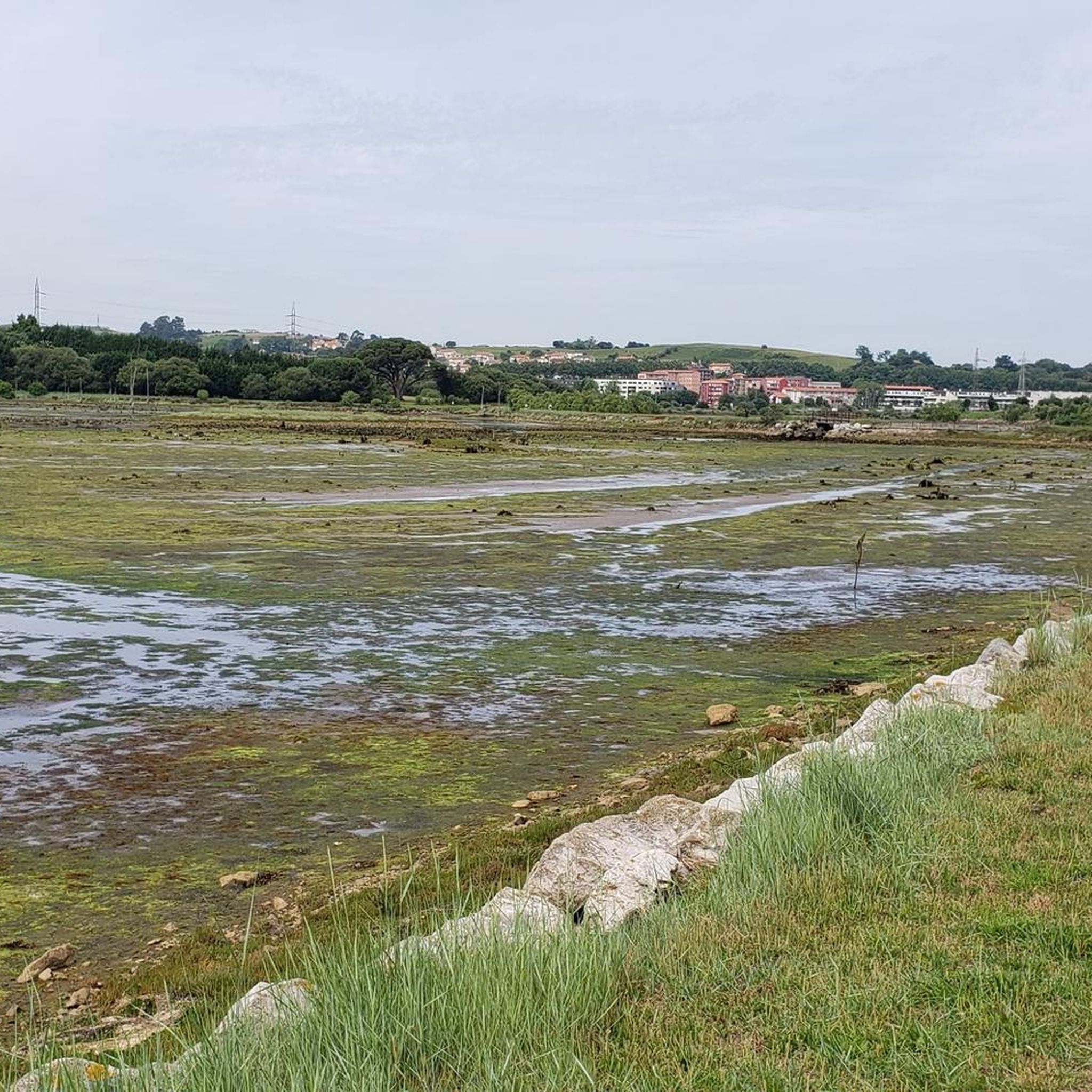
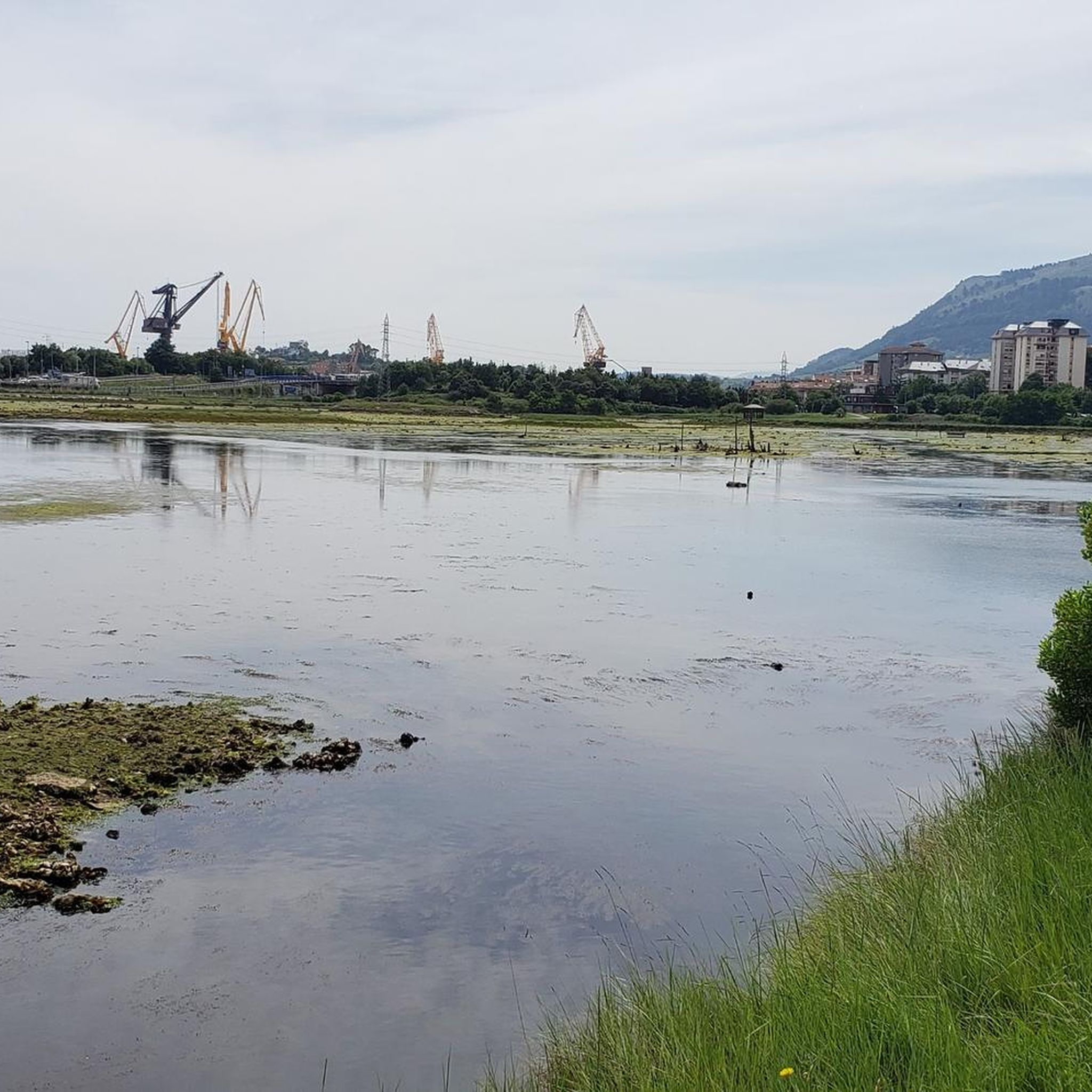
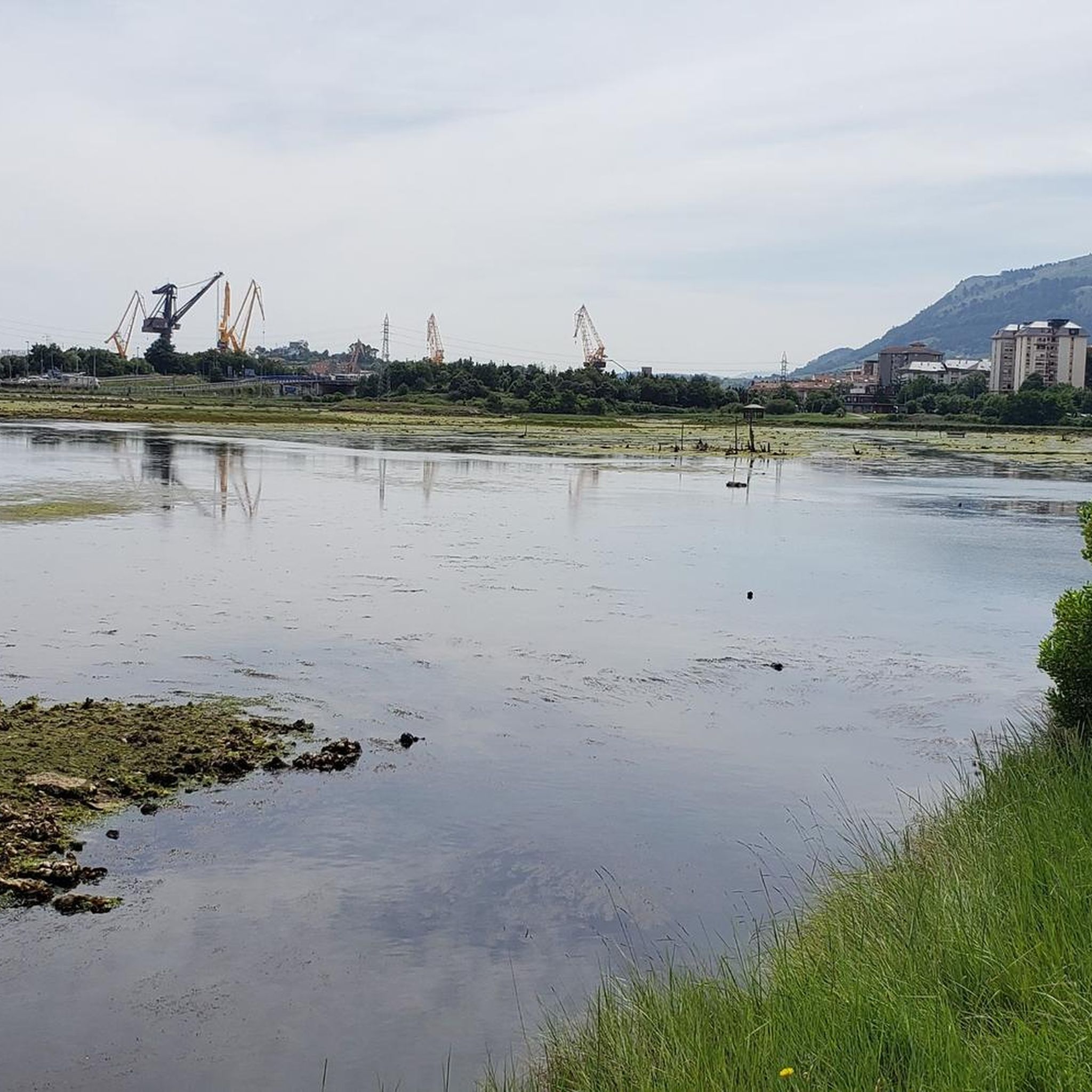
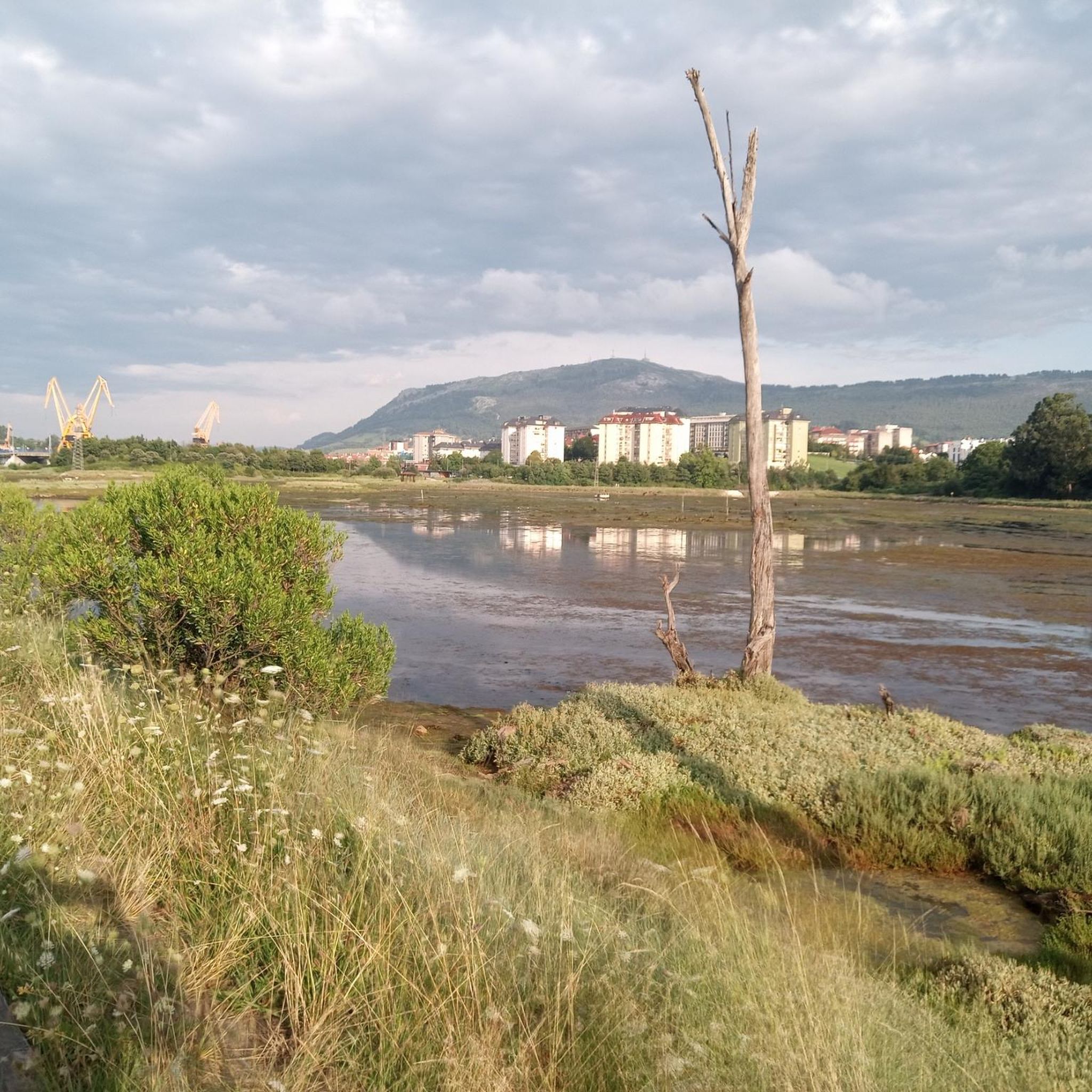
Tips from the Community

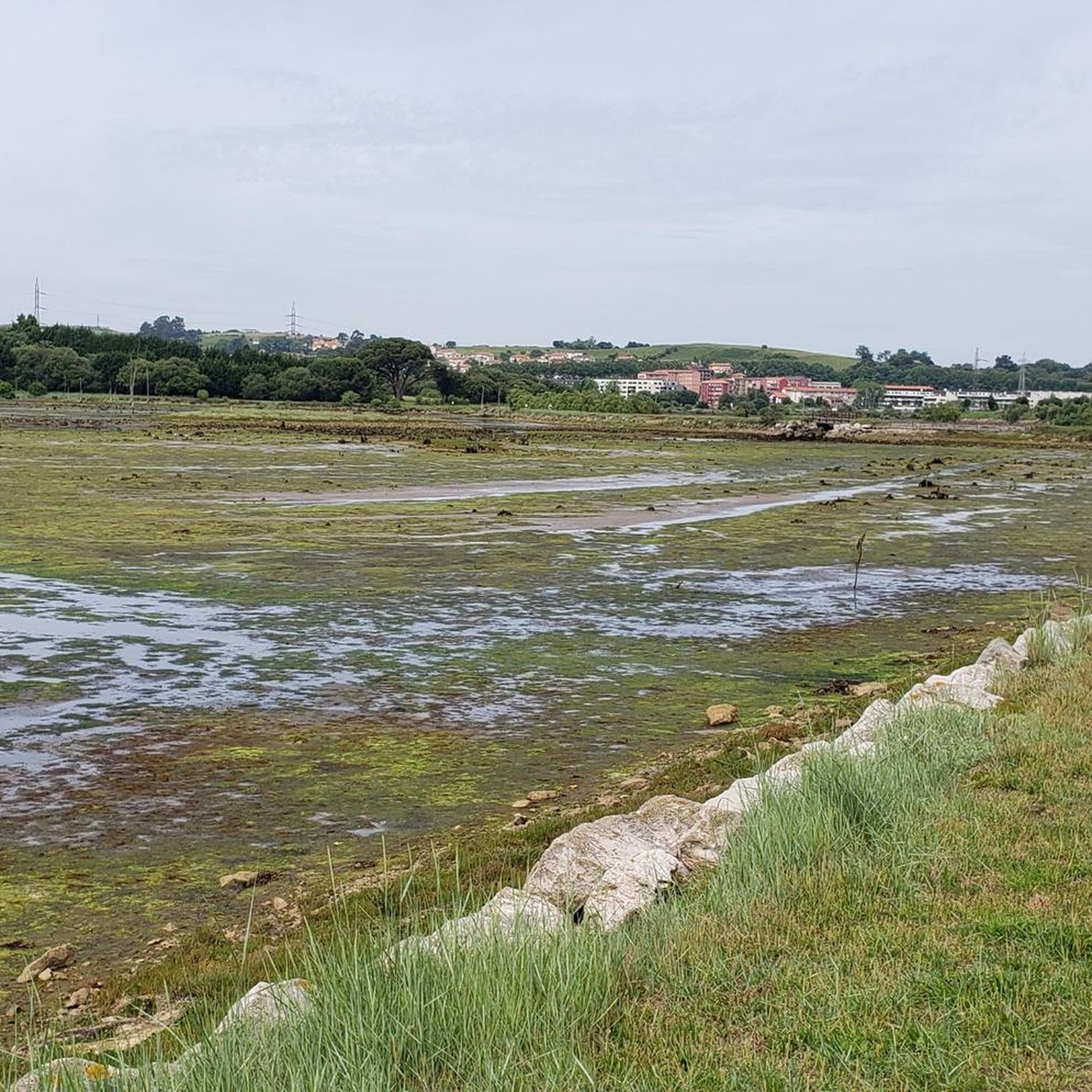
The Costa Quebrada is a magnificent coast for hiking. The access to the bay is currently closed (13.4.26).
1
0

Magnificent beach that you pass by if you are doing a tour of the Costa Quebrada. You can come perfectly from Arnía beach.
0
0
Do not stop visiting it.
0
1

Legend has it that a French abbot, fleeing the Revolution, came to these places, hiding in the cave. And they say that, from so much crying, his eyes became irritated in such a way that they caused him bad eyesight. But, on one occasion he noticed that by washing them with the waters of the fountain, his eyes healed. Hence the discovery of the virtues of the waters and the name of the place.
1
0

Divided into the west and east beaches, their name comes from the caves found on the islet that divides them. A very popular beach in summer although it offers an ideal escape at any time of the year.
1
0

Bufones (blowholes) are "coastal geysers" that are predominantly seen in eastern Asturias. These are narrow openings at the end of a cave directly on the coast, which extends above the cave ceiling into the open air. If a strong wave hits the opening to the sea, it is guided through the cave walls like a funnel to the upper opening. When the surf is strong, spectacular water fountains are created, similar to those of a geyser. When the sea is calm, all you can see are the huge holes at the top of the coast and, with a bit of luck, like at Bufon de Liencres, the opening to the sea.
0
1

Nice and quiet path that runs along the river through the foliage of the forest.
0
0

The Cueva de El Juyo is located in a sinkhole developed in the upper part of Igollo (Camargo), which is accessed by a small track that ends in the cavity. The cave contains an impressive Lower Magdalenian site (between 16,500 and 14,000 years old) -one of the most outstanding in the Iberian Peninsula-, and was the scene of the excavations and research carried out by Joaquín González Echegaray together with Leslie Gordon Freeman -prehistorian and professor from the University of Chicago
2
0
Frequently Asked Questions
What types of caves can I explore around Camargo?
The Camargo region is known for its diverse geological features, offering a variety of cave types. You can find sea caves, river-fed caverns, and natural blowholes. These formations are often associated with beaches, rivers, and unique rock structures.
Are there any sea caves accessible to visitors?
Yes, Somocuevas Beach is a popular natural monument known for its sea caves nestled between rock formations. Access to the beach and its caves is via a 139-step staircase descending from a cliff.
Where can I see natural blowholes near Camargo?
You can observe spectacular coastal geysers at Liencres Blowhole. These natural monuments create water fountains when strong waves hit narrow openings in coastal caves, forcing water upwards.
Are there any caves with historical or legendary significance?
The Aguanaz River and Frenchman’s Cave is associated with a local legend. It's said that a French abbot, fleeing the Revolution, found refuge here and discovered the healing properties of the cave's spring water for his eyes.
Are there family-friendly caves or natural sites to visit?
Yes, several spots are suitable for families. Somocuevas Beach, with its sea caves, is considered family-friendly. Additionally, the Aguanaz River and Frenchman’s Cave offers a quiet river walk, and La Covachona Cave and Source of the Cubón River features a small park with wooden tables and a recreational area for children.
What kind of geological features can I expect to see in the caves?
The caves around Camargo showcase various geological formations. You'll encounter sea caves carved by the ocean, river-fed caverns, and unique rock structures at places like Somocuevas Beach. The Liencres Blowhole demonstrates the power of coastal erosion creating natural geysers.
Are there caves that require climbing skills to access?
Yes, the Cave of the Virgen del Mar is noted for its challenging access, requiring climbing skills to reach. Despite the difficulty, visitors find the views from this location rewarding.
What outdoor activities can I do near the caves around Camargo?
Beyond exploring caves, the Camargo area offers various outdoor activities. You can find numerous cycling routes, including road cycling, mountain biking, and touring bicycle routes. These routes often pass through scenic landscapes near the coast and rivers.
What do visitors enjoy most about the caves and natural sites in Camargo?
Visitors frequently appreciate the impressive landscapes and unique natural formations. Many highlight the beauty of the stone slabs at Somocuevas Beach and the spectacular water displays at Liencres Blowhole. The quiet river walks and peaceful forest settings, such as those near the Aguanaz River and Frenchman’s Cave, are also highly valued.
Is there a cave associated with a river source?
Yes, La Covachona Cave and Source of the Cubón River is where the Cubón River is dated to originate. Clear, crystalline water emerges from this small cave, which is surrounded by a small park.
Most popular attractions around Camargo

Get inspired with the komoot mobile app


Explore more
Extend your search for the best caves by checking out these guides of the top ones around Camargo:
