Top 11 Castles around Sant Julià De Ramis
Castles around Sant Julià De Ramis, a municipality in the Gironès region, offer a rich historical landscape. The area features several notable fortified structures from different eras, including medieval castles and ancient Roman forts. Its strategic location provides commanding views over the surrounding landscape, including the Ter river and the Gavarres. The region is characterized by its historical significance and diverse architectural heritage.
Best castles around Sant Julià De Ramis
- The most popular castles is Sant Miquel Castle, a…
Last updated: June 7, 2026
Sant Miquel Castle
Highlight • Castle
Translated by Google •
Tip by

Castell de Palagret
Highlight • Castle
Translated by Google •
Tip by

Sign up now to discover places like this
Get recommendations on the best single tracks, peaks, & plenty of other exciting outdoor places.
Sign up for free
Palol de Revardit Castle and Church
Highlight • Castle
Translated by Google •
Tip by

Juià Castle
Highlight • Castle
The castle, of which only a few walls remain, was part of a series of fortresses …
Translated by Google •
Tip by
Sant Grau Hermitage
Highlight • Religious Site
Translated by Google •
Tip by
Sign up for free to discover even more castles around Sant Julià De Ramis.
Sign up for free
Already have an account?
Start today with a free account
Your next adventure awaits.
Login or Signup
Popular around Sant Julià De Ramis

Other adventures around Sant Julià De Ramis

Tips from the Community

The castle in the small town of Palol de Revardit was built in the 15th/16th century, but a castle existed on this site as early as 1074. After 2005, it was extensively renovated. Unfortunately, we could only view it from the outside (on a Saturday afternoon), as all the doors were locked. We would also have liked to visit the interior and the exhibition. We were not able to find out when the castle is open.
0
1

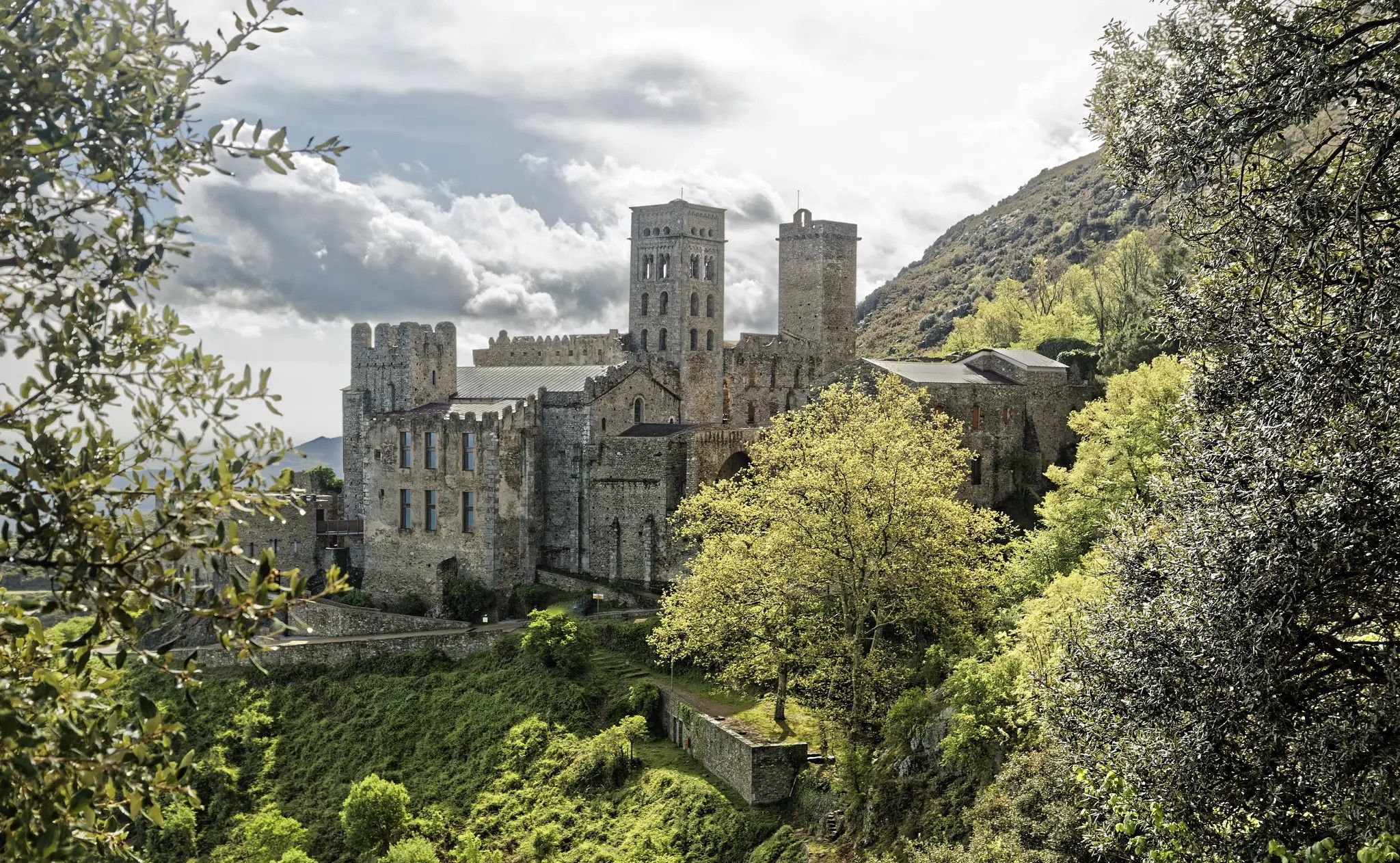
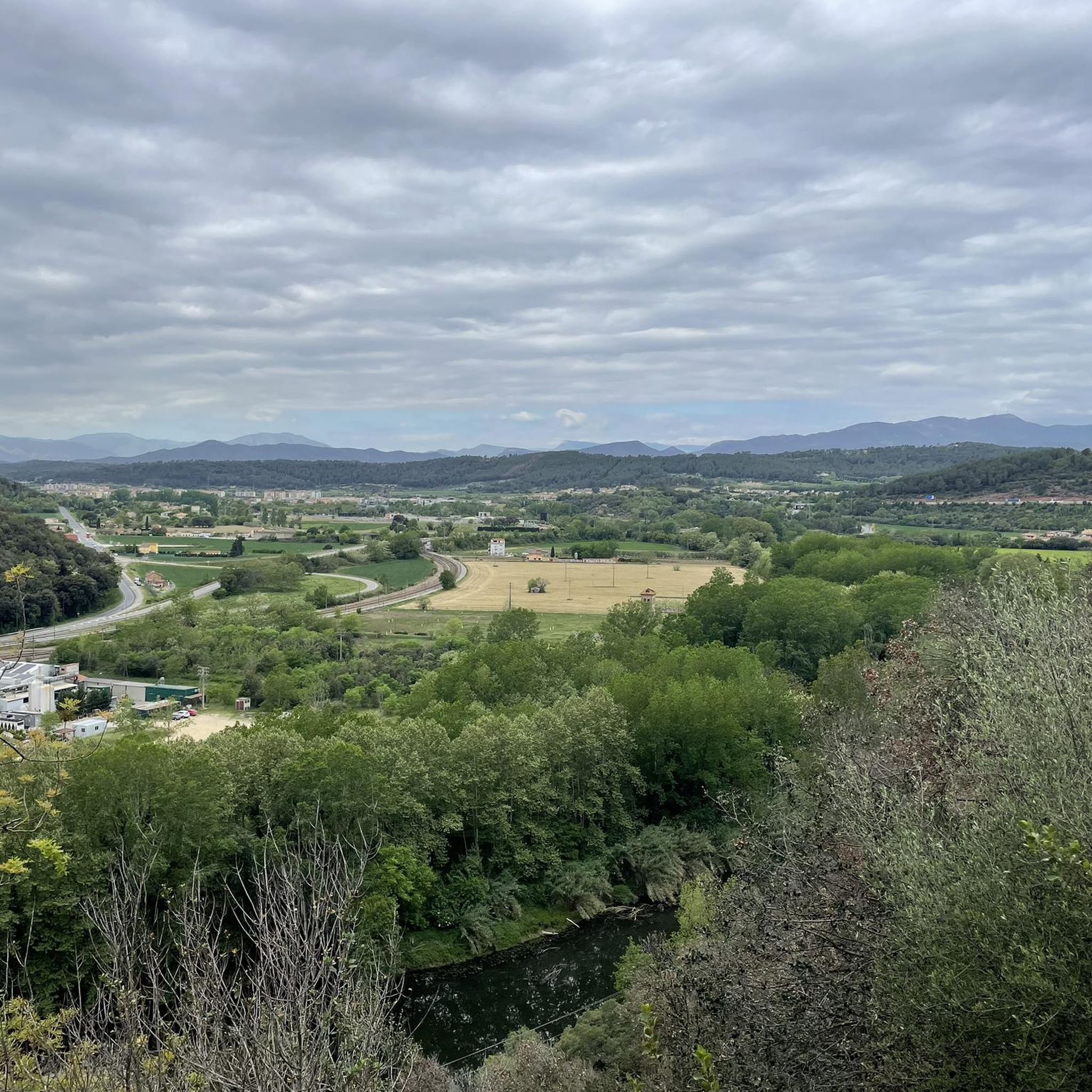
History of Sant Miquel Castle Currently, Sant Miquel Castle belongs to the municipality of Girona, but until 1974 it belonged to the municipality of Celrà. The architectural complex is located on the top of Puig del Castellar, at 394 meters above sea level. From its strategic location you can see the Valley of Sant Daniel, the town of Celrà, the plain of Empordà and the city of Girona. The complex, made up of a section of wall, a watchtower and a hermitage, dates back to medieval times.
0
1

The castle of Palagret or Mabarrera is in the middle of the Palagret valley, at the top of a small hill, 178 m high, in the northernmost foothills of the Gavarres massif to the south-east of the Celrà center and to the south- west of Juià. Strategically located to control the Roman-era road that allowed access to Girona from the Baix Empordà through the Gavarres. Important medieval vestiges of the licorella walls of a rectangular construction as well as pre-Romanesque elements are preserved from the castle. The preserved remains could be dated to the 10th and 11th centuries,[1] and its last occupants left the premises between the end of the 15th century and the beginning of the 16th.[2] It is a building in Celrà (Gironès) declared a cultural asset of national interest.
0
0

The climb is demanding, but once at the top the views compensate for the effort.
2
2

It is possibly the best known and practiced route in Girona. I recommend it to everyone. Doing this route at night is also spectacular.
2
2
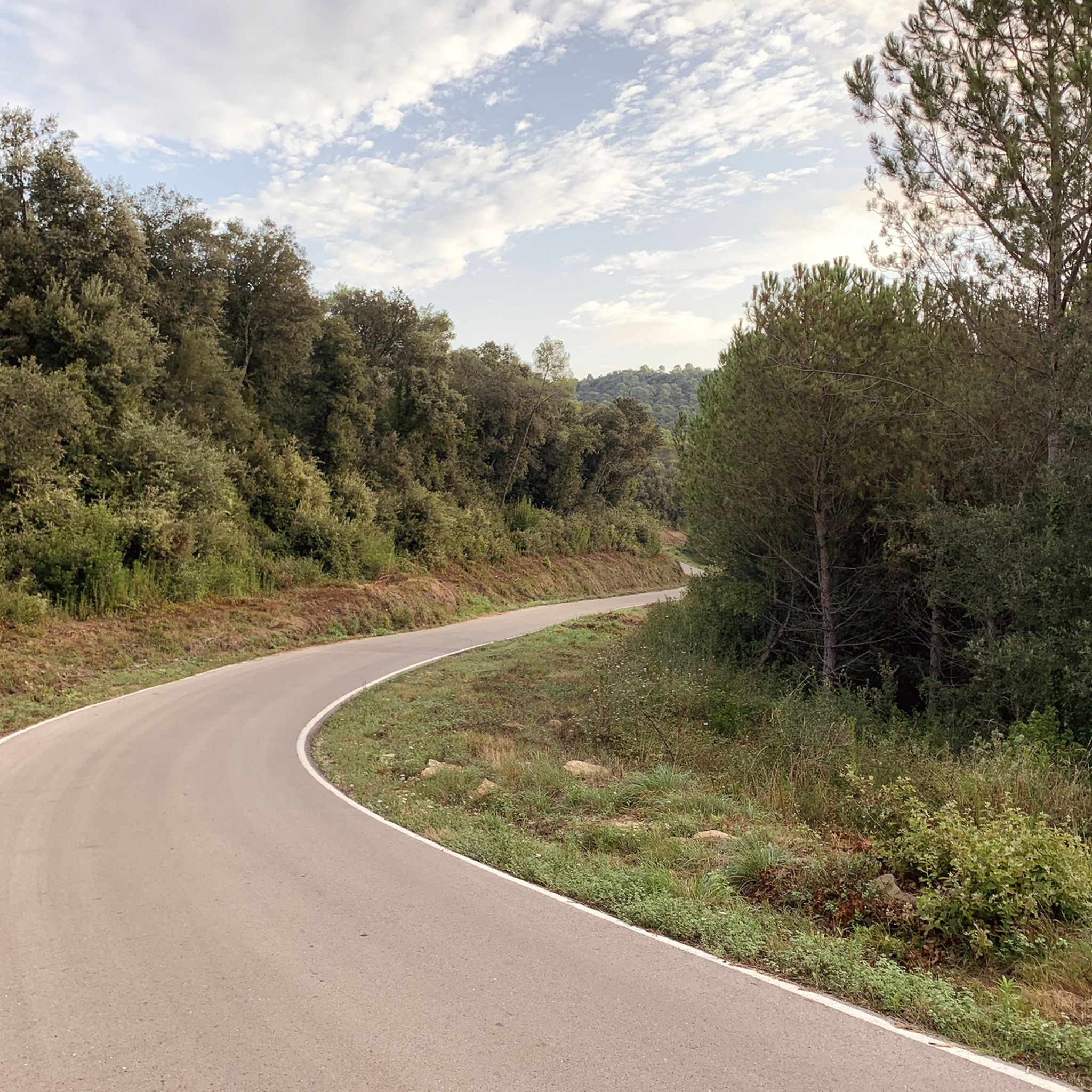
Ascent with steep gradients, especially when passing the Girona variant until connecting with the path that goes up to Sant Miquel through the Vall de Sant Daniel.
3
0

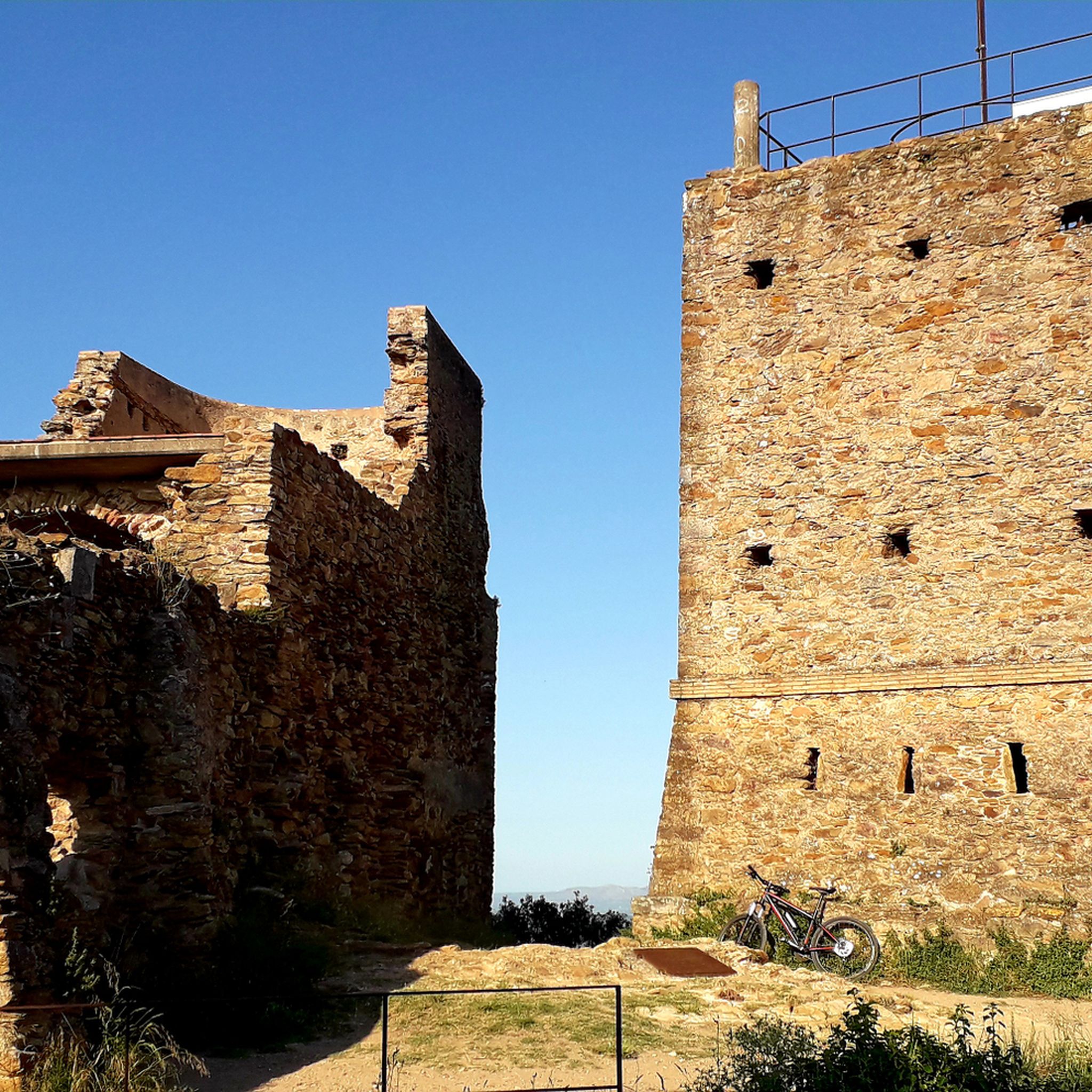
The architectural complex is made up of the old hermitage dedicated to Santa Maria and Sant Miquel, built on top of the previous medieval fortification, from which the bases of a circular tower through the apse are used. It seems that the hermitage was occupied by hermits between the s. XVI and XVIII, although the documentation records the start of construction in the s. XV The location took on military importance during the French war (1808-1814), especially due to the sieges of Girona (1808-1809), where the domain of the castle alternated several times between the Napoleonic army and the Miquelets. After the war, the hermitage was already demolished. The other architectural element is the telegraph tower, erected during the second Carline war (1846-1849) to house the civil optical telegraph line, while the military line was located in the hermitage tower.
2
1

Architectural complex formed by a hermitage practically in ruins and an optical telegraphy tower. It is located at the top of Mount Sant Miquel at the foot of the municipalities of Girona and Celrà (the Gironès). Its 395 meters above sea level allows control over large areas of the territory.
1
1
Frequently Asked Questions
What are the most historically significant castles in Sant Julià de Ramis?
The region boasts a rich history. The Castell de Sant Julià de Ramis, also known as La Fortaleza, is a late 19th-century military fortification with deep historical roots, built on an ancient Iberian settlement. The Castell de Montagut is an authentic medieval castle from the 13th century, recognized as a national cultural asset. Additionally, the Roman remains of Castellum Fractum on the Sants Metges mountain offer a glimpse into the area's even older past.
Are there any castles that offer panoramic views?
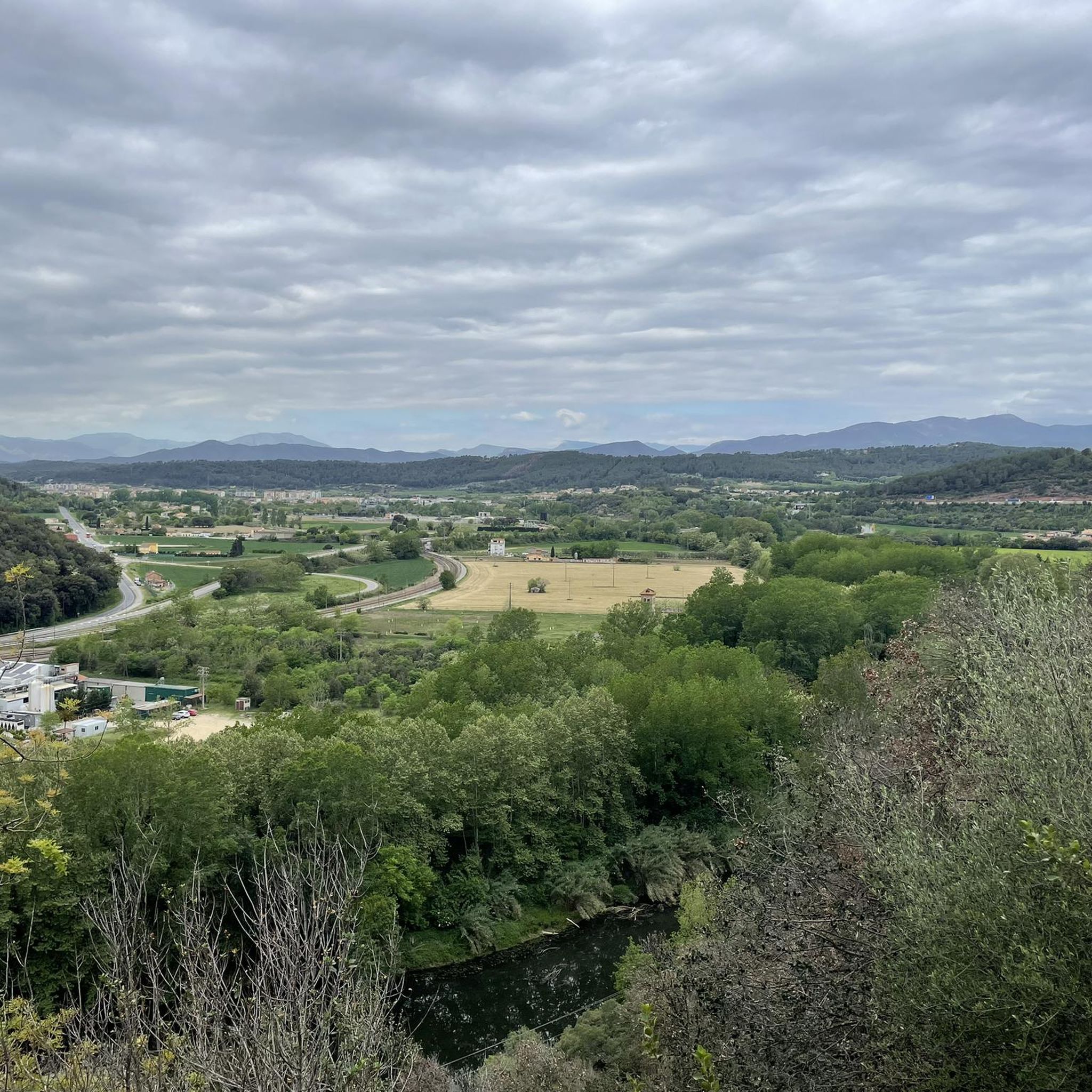
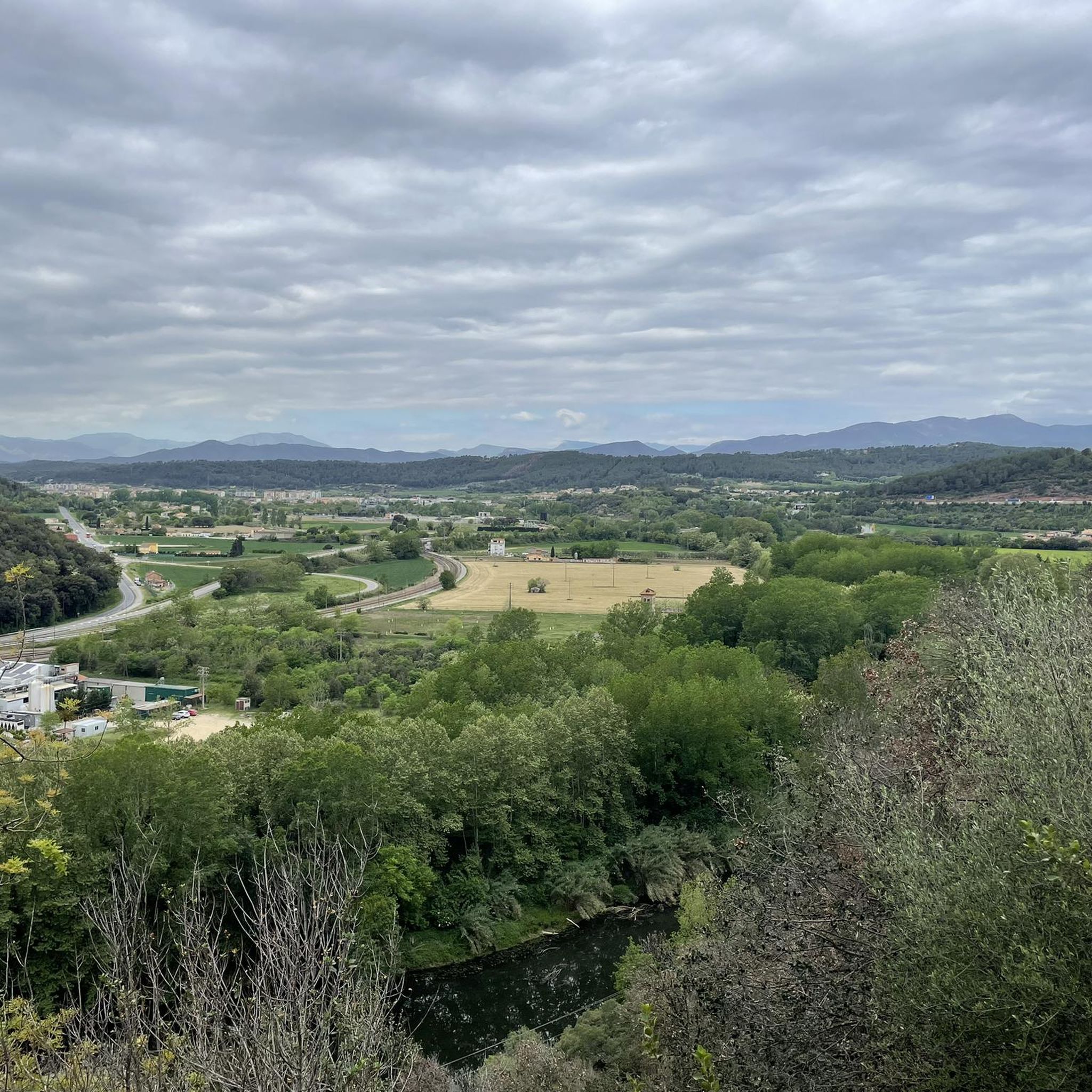
Yes, several castles provide excellent viewpoints. Sant Miquel Castle offers privileged views of Girona, the Empordà plain, and the Pyrenees. The Castell de Sant Julià de Ramis (La Fortaleza) also provides panoramic views stretching from the Pyrenees to the Costa Brava due to its strategic location. Castell de Palagret, though in ruins, offers views of the entire Palagret stream valley, and Juià Castle provides wonderful views of the Pyrenees.
What kind of activities can I do at the Castell de Sant Julià de Ramis (La Fortaleza)?
The Castell de Sant Julià de Ramis has been transformed into a cultural and gastronomic hub. You can visit the Esperit Roca Restaurant, which reinterprets iconic dishes, explore the Esperit Roca Distillery, or stay at the Esperit Roca Hotel. It also houses the D'Or Museum, a jewelry and art center with permanent collections, temporary exhibitions, and artist workshops, including an impressive underground auditorium.
Are there hiking trails to reach these castles?
Yes, the area around Sant Julià de Ramis is excellent for hiking. For example, there are routes like the "Sant Miquel Picnic Area – Sant Miquel Castle loop from Celrà" which is a moderate hike. You can find more hiking options and detailed routes on the Hiking around Sant Julià De Ramis guide.
What are some of the most popular castles according to komoot users?
Komoot users highly appreciate Sant Miquel Castle for its privileged views. Palol de Revardit Castle and Church, with its Gothic square tower, is also a popular spot. Castell de Palagret is noted as a spectacular place in a hidden environment.
Can I visit medieval castle ruins in the area?
Absolutely. The Castell de Montagut, a 13th-century medieval castle, is largely in ruins but still features some original walls and a rectangular tower. Castell de Palagret is another castle in ruins, offering a unique historical experience in a scenic setting. Juià Castle also has only a few walls remaining, providing a glimpse into its past.
What is the best time to visit the castles around Sant Julià de Ramis?
The region's castles can be enjoyed throughout the year. Spring and autumn offer pleasant temperatures for exploring the outdoor sites and trails. Summer provides longer daylight hours, while winter can offer a quieter experience, though some facilities might have reduced hours. The strategic locations of many castles mean they offer impressive views regardless of the season.
Are there cycling routes that pass by these castles?
Yes, the area is popular for cycling. You can find gravel biking routes like the "Palol de Revardit Castle – Basilica of Sant Feliu loop from Sarrià de Ter" or MTB trails such as the "Sant Miquel Castle and Els Àngels Sanctuary Loop." Explore more options on the Gravel biking around Sant Julià De Ramis guide and the MTB Trails around Sant Julià De Ramis guide.
What makes the Castell de Sant Julià de Ramis (La Fortaleza) architecturally significant?
La Fortaleza is a late 19th-century military fortification, notable for its trapezoidal layout and a perimeter of 660 meters, encircled by a moat. Its design follows General Séré de Rivières' principles, featuring a raised artillery battery, caponiers, and embrasured galleries. It includes over forty underground rooms, such as barracks, stables, and an infirmary, all connected by a labyrinth of passages.
What can I expect when visiting Palol de Revardit Castle and Church?
The Palol de Revardit Castle and Church has origins dating back to 1075. While the main building is now a farmhouse, you can still see remnants of the wall and a striking Gothic, square tower. It's a significant historical site, though access to the interior may be limited, so checking opening hours in advance is recommended.
Are there any Roman remains to explore near the castles?
Yes, on the mountain of Sants Metges, alongside the medieval and modern fortifications, you can find the Roman remains of Castellum Fractum. This site is part of a larger archaeological complex that also includes an Iberian settlement and a paleochristian hermitage, highlighting the continuous strategic importance of the area through different eras.
Most popular routes around Sant Julià De Ramis
Most popular attractions around Sant Julià De Ramis

Get inspired with the komoot mobile app


Explore more
Looking for the best castles somewhere else? Discover other guides around Sant Julià De Ramis:
