Top 4 Caves around Begur
Caves around Begur offer a blend of natural beauty and historical intrigue along Spain's Costa Brava. This picturesque town features a coastline with various natural rock formations and underground cavities. The Begur area natural features include both coastal caves and historical sites, providing diverse exploration opportunities. Visitors can discover geological formations caves Begur and learn about the region's past.
Best caves around Begur
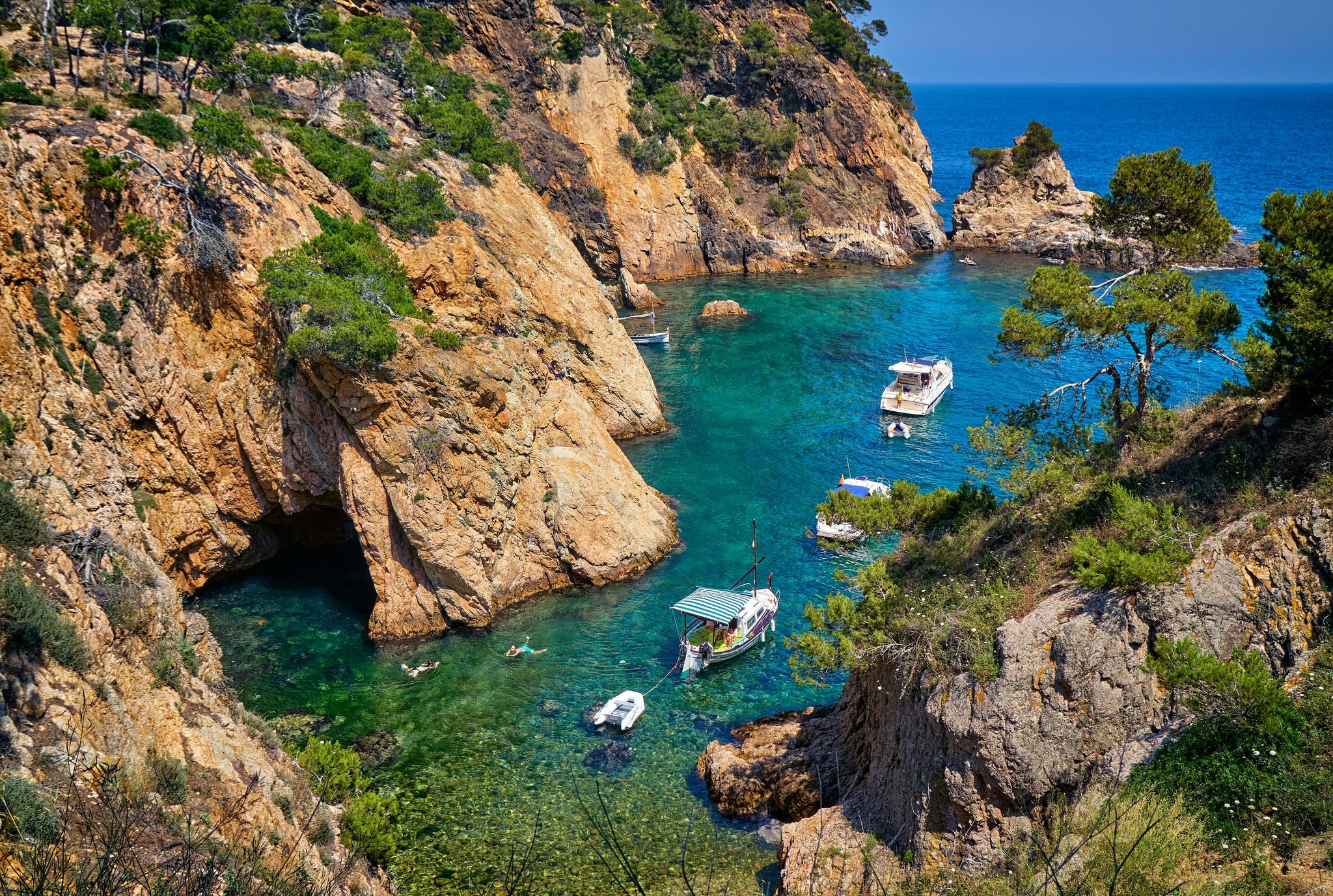
- The most popular caves is Els Clots de Sant Julià, a cave that features old quarries. This complex of cavities is excavated in the rock, showcasing shapes drawn by nature.
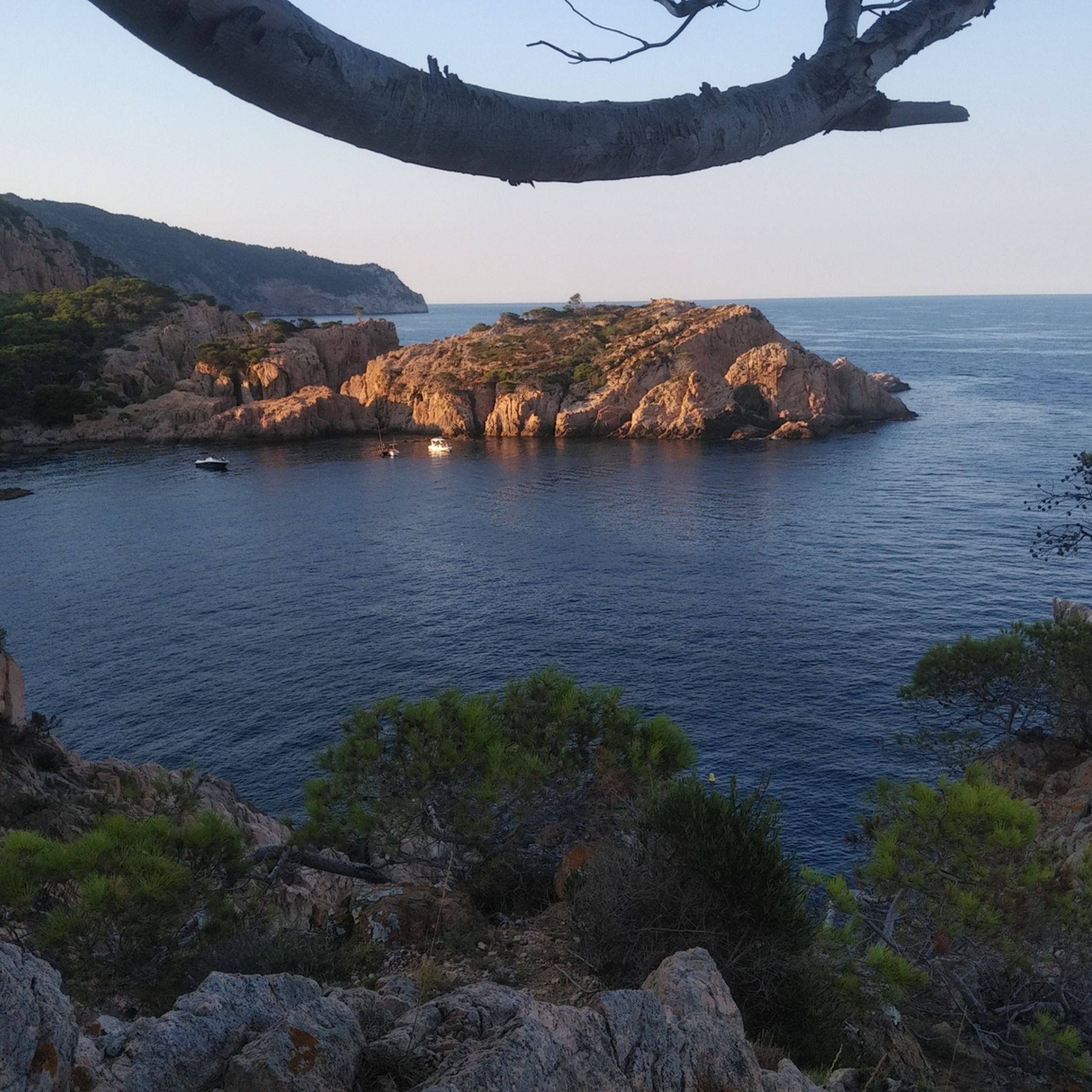
- Another must-see spot is Shelter, a cave. Located on a coastal hill, this small cave offers a natural refuge.
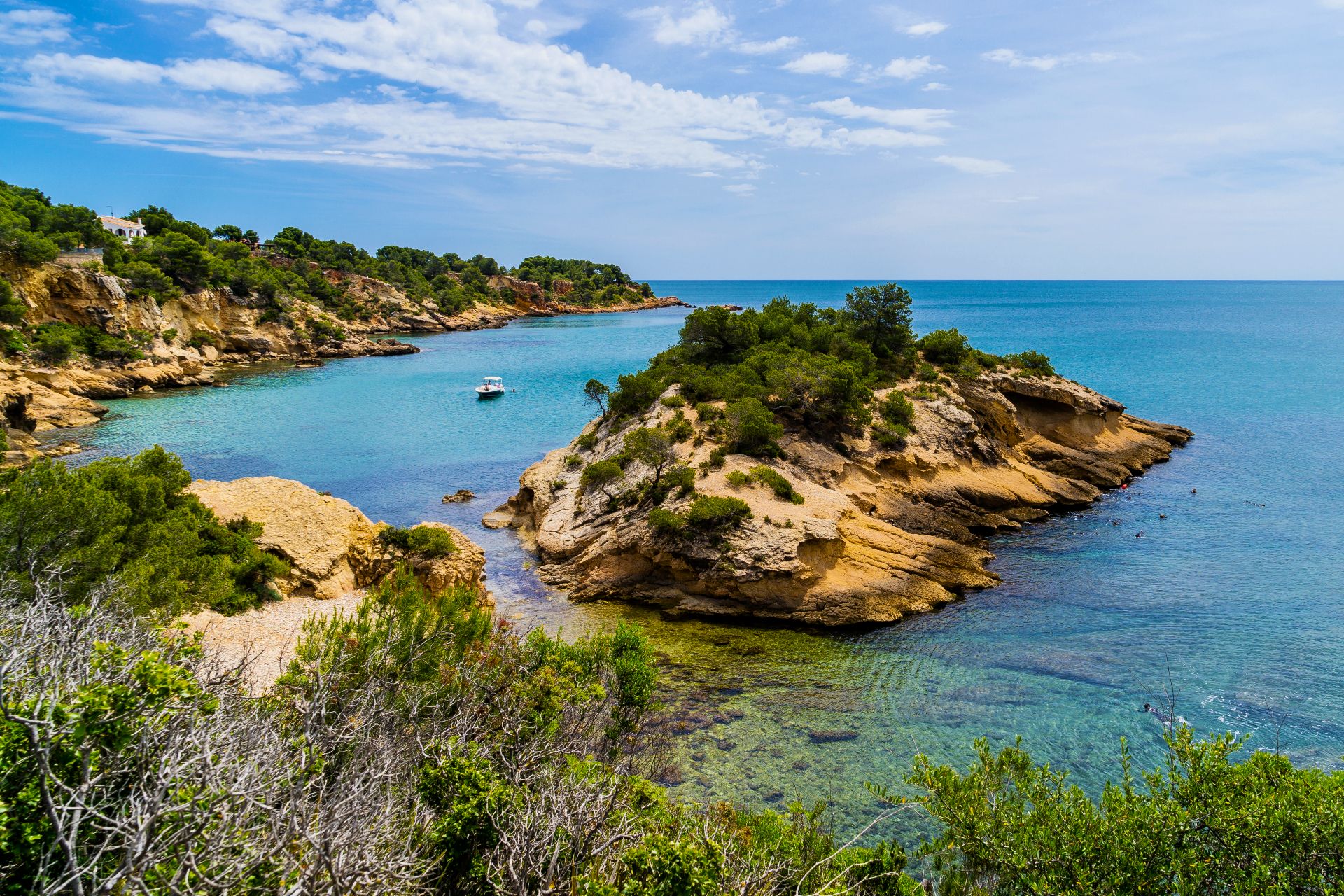
- Visitors also love La Foradada and the Iberian settlement, a beach with a cave. This spot combines a rocky bay with historical significance, including an Iberian settlement.
- Begur is known for natural rock formations, coastal caves, and historical quarries. The area offers a variety of caves to see and explore, from those accessible by boat to those found along hiking trails.
- The caves around Begur are appreciated by the komoot community. Users have contributed 3 photos and provided 17 upvotes for these highlights.
Last updated: May 23, 2026
Mines of Bofill
Highlight • Cave
Translated by Google •
Tip by

La Foradada and the Iberian settlement
Highlight • Beach
The romantic "fishing village" and the magnificent view from the nearby hills left a really lasting impression on me,
Voy a volver, and here ;-)
Translated by Google •
Tip by

Sign up now to discover places like this
Get recommendations on the best single tracks, peaks, & plenty of other exciting outdoor places.
Sign up for free
Els Clots de Sant Julià
Highlight • Cave
Translated by Google •
Tip by

Shelter
Highlight • Cave
Translated by Google •
Tip by

View of La Roca Foradada del Castell
Highlight • Viewpoint
Translated by Google •
Tip by
Start today with a free account
Your next adventure awaits.
Login or Signup
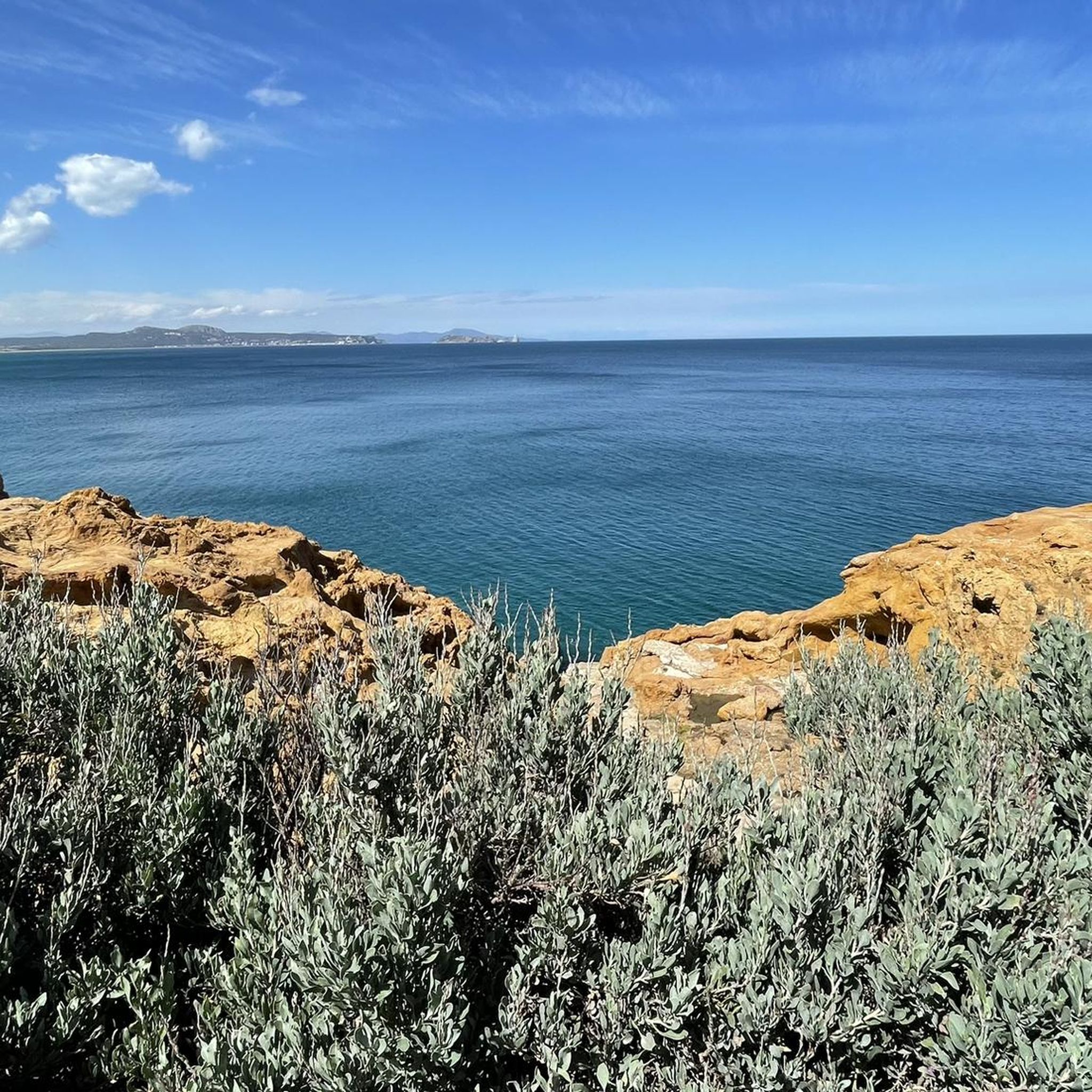
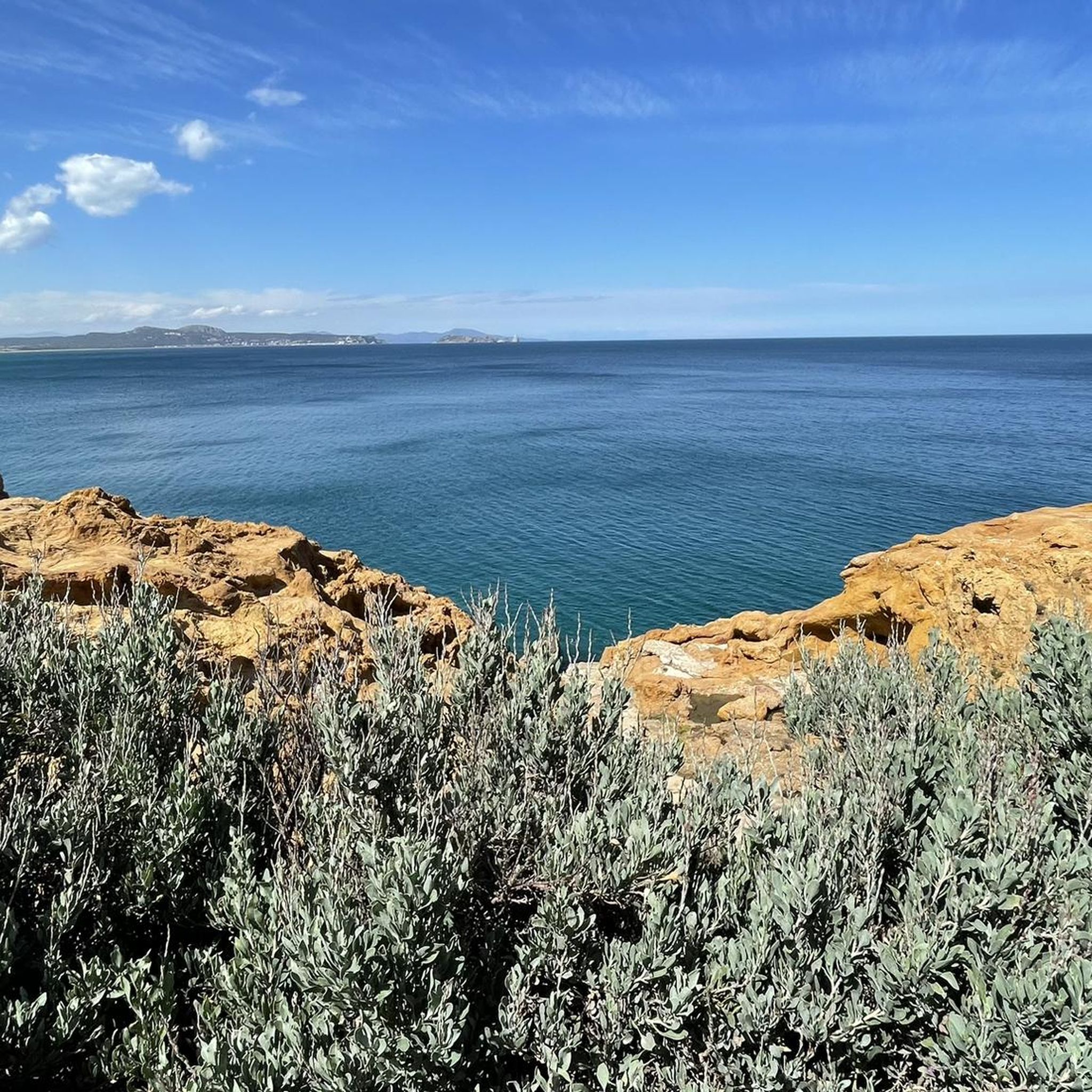
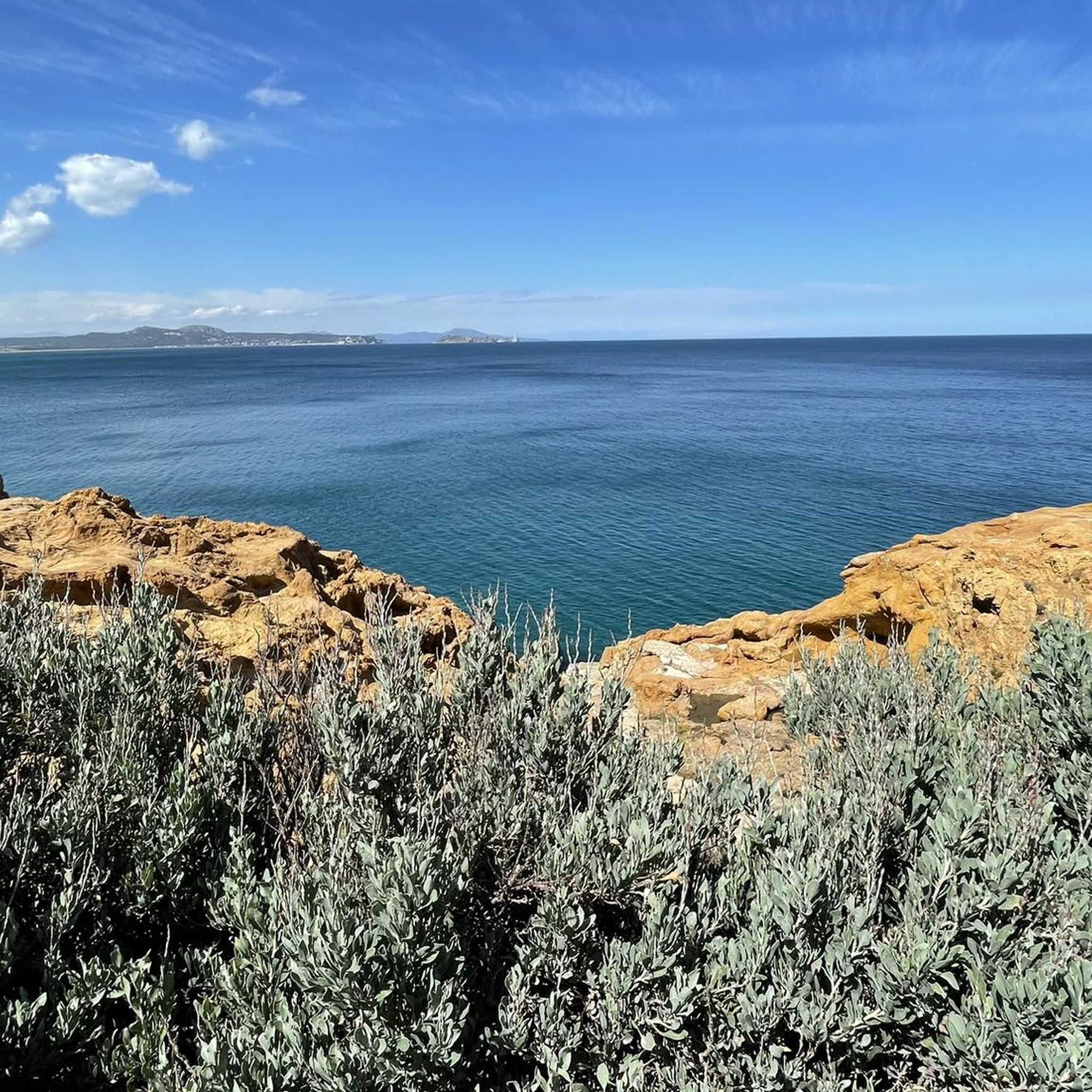


Tips from the Community


Beautiful if somewhat rocky bay. The romantic "fishing village" and the magnificent view from the nearby hills left a really lasting impression on me, Voy a volver, and here ;-)
0
1

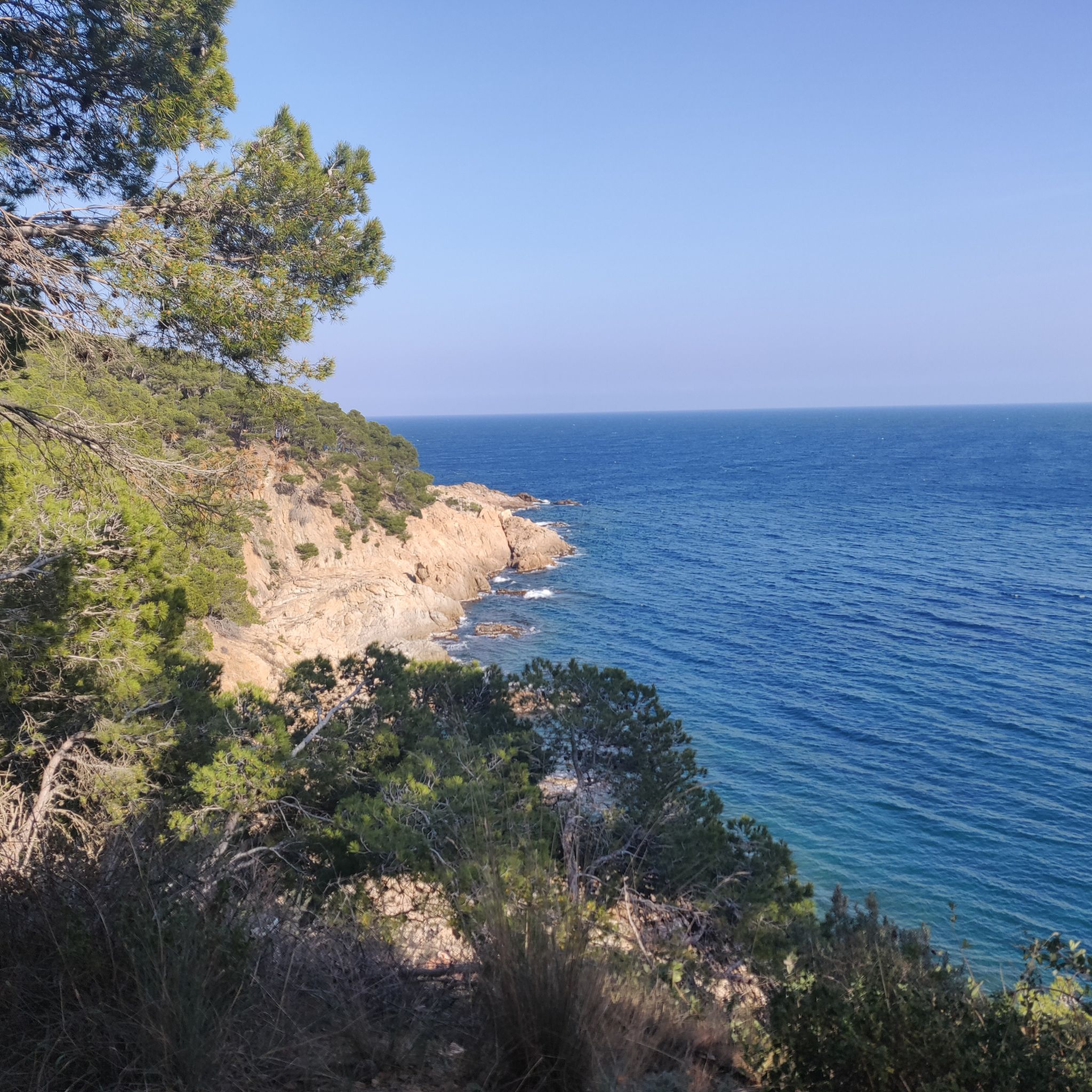
Good viewpoint to observe the Roca Foradada, an aerial cave through which you can go by kayak or in a small boat.
0
0
Dark red clay mines, also known as Black mines. Its name is given because the person in charge of exploiting them was Josep Bofill Pericay, a resident of Pals. The extracted product was used to make clothing for domestic use and jugs.
1
0

A place that exudes mystery and magic, with shapes that nature has drawn spectacularly
0
0

A must to visit the Clots, old quarries. Magnificent complex of cavities, excavated in the rock.
3
0
Frequently Asked Questions
What types of caves can I explore in Begur?
Begur offers a diverse range of cave experiences, from spectacular sea caves along its coastline to historical sites and recently discovered underground geological formations. You can find natural sea caves, ancient megalithic burial sites, and old quarries.
How can I visit the famous Cova d'en Gispert?
The Cova d'en Gispert, known for being the longest sea cave on the Costa Brava, is best explored by kayak or small boat. Kayaks are often available for rent at nearby Cala Aiguablava or Tamariu. Swimming into the cave is also an option, as the entrance remains visible from inside.
Are there historical caves or sites in Begur?
Yes, Begur has several sites with historical significance. You can explore the Els Clots de Sant Julià, an impressive complex of old quarries excavated in the rock. Another historical site is Mines of Bofill, known for its dark red clay. Additionally, Les Coves de Ses Falugues are megalithic artificial caves dating back to the Chalcolithic period, offering a glimpse into ancient burial practices.
What unique natural features can I find in Begur's caves?
Begur's caves showcase remarkable natural features. The sea caves, like Cova d'en Gispert and Cova del Bisbe, are characterized by impressive granite walls with pink and green hues. Cova d'en Gispert is also famous for the 'Awakening of the Sun' phenomenon around August 21st-26th, when the rising sun's rays illuminate the entire cave in purple and pink. The recently discovered Cueva del Ángel features impressive calcite formations, including a 'white room' known for its pure white calcite.
Can I go kayaking or snorkeling in the caves around Begur?
Absolutely! Many of Begur's sea caves, such as Cova d'en Gispert and Cova del Bisbe, are ideal for kayaking and snorkeling. The calm, clear waters of coves like Cala d'Aiguafreda and Cala Sa Tuna also offer excellent opportunities for snorkeling, where you can spot marine life in the rocky areas and small grottoes.
Are there family-friendly caves to visit in Begur?
While some sea caves require kayaking or swimming, which might be more suitable for older children, many of Begur's coves offer accessible rocky formations and small grottoes that families can explore. The historical sites like Els Clots de Sant Julià can also be an engaging experience for families interested in history and geology.
What is the best time to visit the caves in Begur?
The best time to visit the sea caves is generally during the warmer months, from late spring to early autumn (May to October), when the sea is calmer and temperatures are pleasant for water activities like kayaking and swimming. For the unique 'Awakening of the Sun' phenomenon in Cova d'en Gispert, aim for August 21st-26th. Inland historical sites can be visited year-round, though spring and autumn offer milder weather for exploration.
Are there any hidden or less-known caves in the Begur region?
Beyond the well-known sea caves, Begur's coastline features numerous smaller, less-explored grottoes and rocky formations within its coves. For instance, Shelter is a small cave on a coastal hill, offering a natural refuge. Exploring the coastal paths (Camí de Ronda) can often lead to discovering these more secluded spots.
What do visitors enjoy most about the caves and coves in Begur?
Visitors frequently praise the stunning natural beauty and unique experiences offered by Begur's caves and coves. They appreciate the crystal-clear waters, dramatic cliffs, and the opportunity for adventure through kayaking or snorkeling. The historical intrigue of sites like Els Clots de Sant Julià and the picturesque settings of coves like La Foradada and the Iberian settlement also receive high acclaim.
Are there any caves in Begur that are accessible by hiking trails?
Yes, some caves and cave-like features are accessible via hiking trails. The coastal paths (Camí de Ronda) often lead to coves with rocky formations and small grottoes. For example, La Foradada and the Iberian settlement is a beach with a cave that can be reached, combining a rocky bay with historical significance. The Els Clots de Sant Julià quarries are also accessible by land.
What should I wear when exploring caves in Begur?
For sea cave exploration by kayak or swimming, wear swimwear, water shoes, and bring sun protection. If you plan to hike to coastal caves or explore inland historical sites, comfortable walking shoes are essential. For deeper or less accessible caves, consider bringing a headlamp or flashlight, and appropriate gear for potentially damp or uneven terrain.
Most popular attractions around Begur

Get inspired with the komoot mobile app


Explore more
Extend your search for the best caves by checking out these guides of the top ones around Begur:
