Top 9 Castles around Palafrugell
Best castles around Palafrugell are found in the surrounding Costa Brava region, known for its rugged coastline, charming towns, and rich history. This area offers a blend of architectural heritage and natural beauty, with many sites easily accessible from Palafrugell. The region features medieval fortresses, historic residences, and ancient ruins, often perched on hills or along the scenic coast. Visitors can explore these historical landmarks while experiencing the unique cultural landscape of the Baix Empordà.
Best castles around Palafrugell
- The…
Last updated: October 7, 2026
Begur — Old Town and Castle
Highlight • Settlement
Translated by Google •
Tip by

Peratallada — Historic Village
Highlight • Historical Site
The original constructions of Peratallada …
Translated by Google •
Tip by

Sign up now to discover places like this
Get recommendations on the best single tracks, peaks, & plenty of other exciting outdoor places.
Castell de Sant Esteve de Mar
Highlight • Castle
During the Middle Ages it was owned by …
Translated by Google •
Tip by

Medieval Village of Ullastret
Highlight • Historical Site
Translated by Google •
Tip by
Vulpellac Historic Centre
Highlight • Historical Site
Translated by Google •
Tip by
Sign up for free to discover even more castles around Palafrugell.
Already have an account?
Start today with a free account
Your next adventure awaits.
Popular around Palafrugell
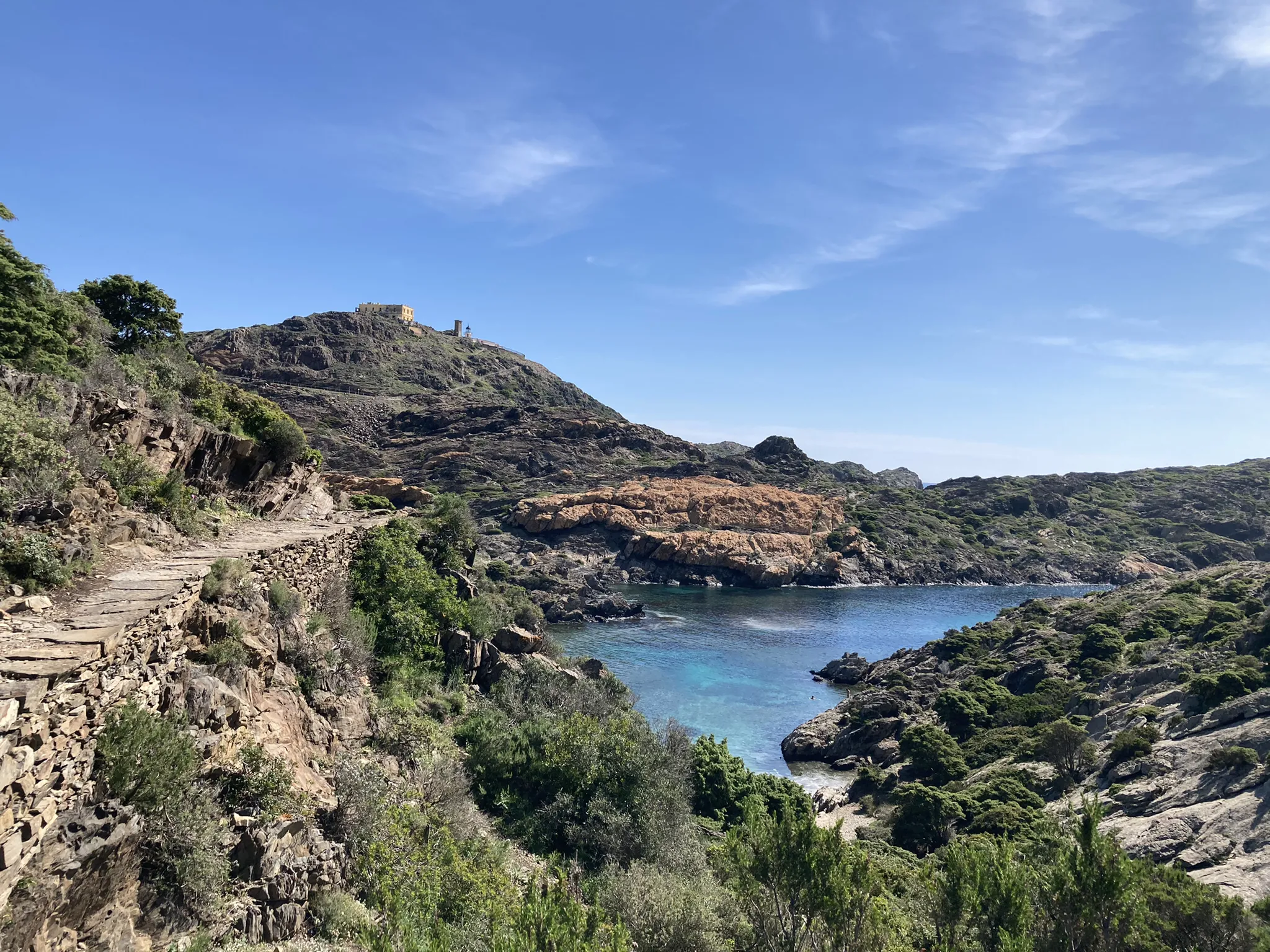
The paradise of the Costa Brava — Trail Running from Girona to Llançà
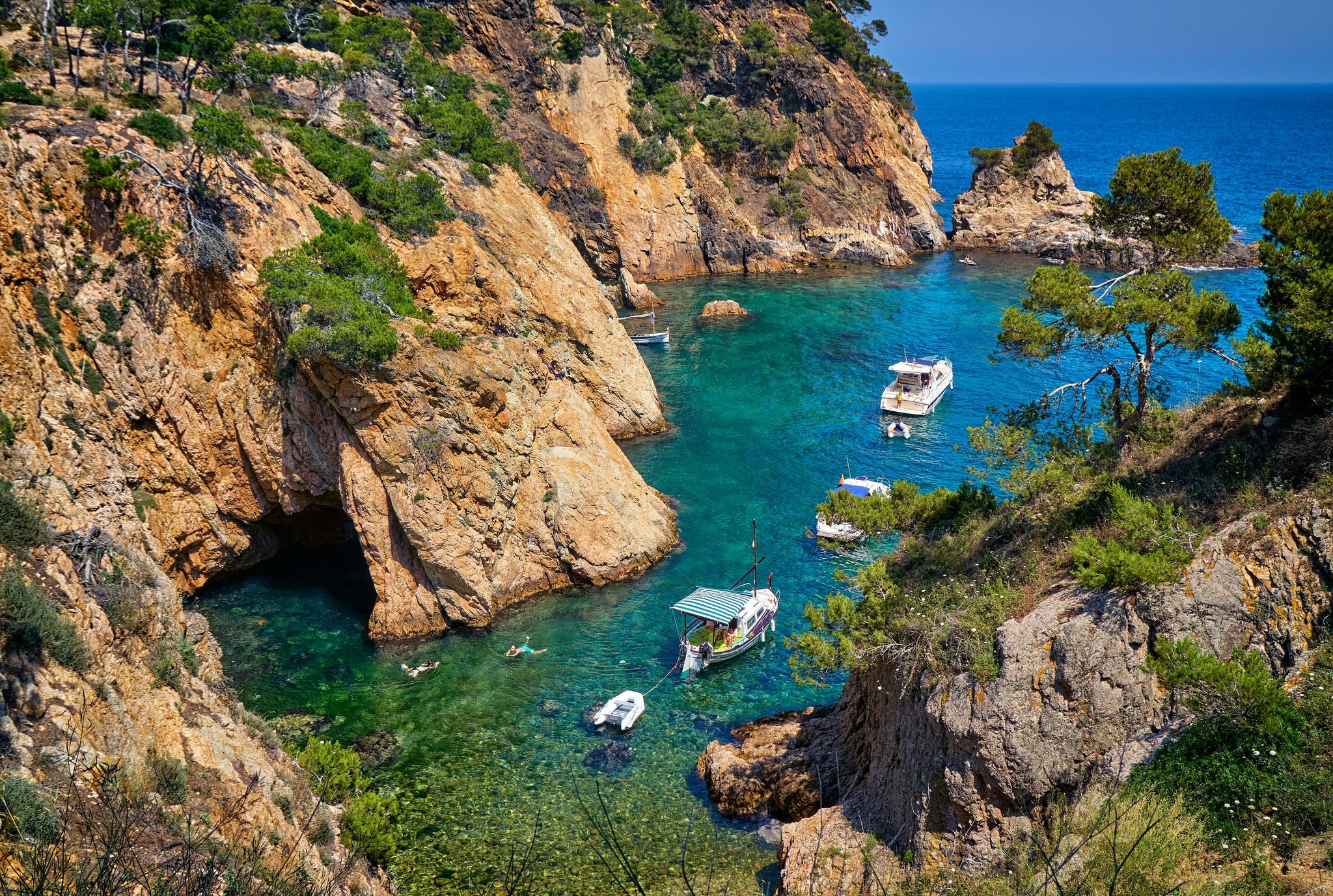
Costa Brava on foot from Girona – Camí de Ronda
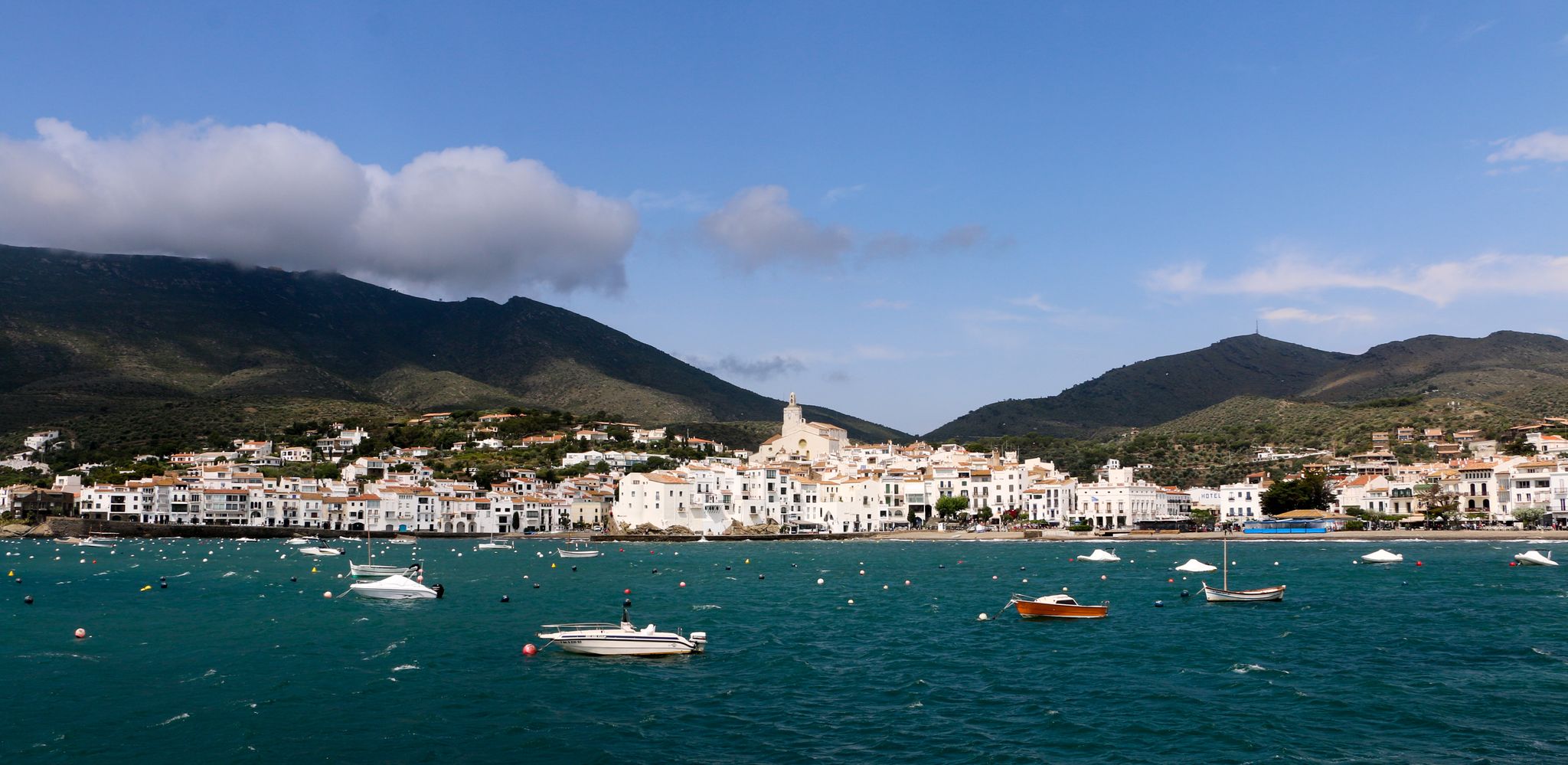
A journey through the Catalan Mediterranean – Tour of the Costa Brava
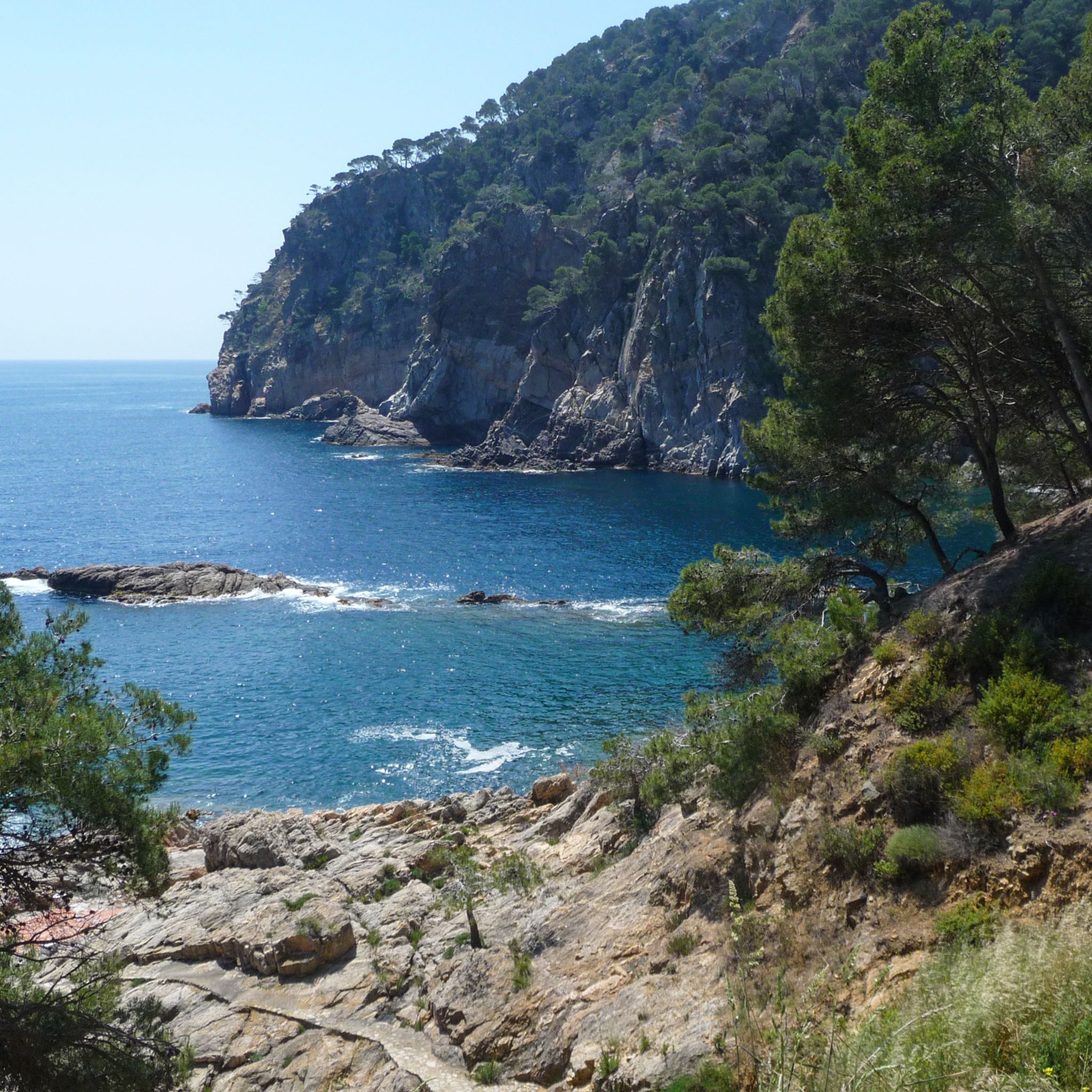
Hiking around Palafrugell
Road Cycling Routes around Palafrugell
Running Trails around Palafrugell
Cycling around Palafrugell
MTB Trails around Palafrugell
Gravel biking around Palafrugell
Other adventures around Palafrugell


Tips from the Community

Either road from the direction of Calonge or really off-road, good fitness required without electric assistance
0
0

Beautiful old town to walk and look around
0
0

Another lovely small village. A good stop for a nice coffee @ la fusteria ullastret
0
0

With nice restaurants and bars
1
1

It is a diverse excursion with great natural and cultural charm. We will pass through places such as the Ses Negres Marine Reserve and we will enter the water path where we will discover the culture that is hidden there. We will also enjoy a magnificent view of the Costa Brava from the Mirador de la Creu. Peace of mind is guaranteed.
0
1

We made a route through this area, Peratallada is a picturesque medieval town located in the Bajo Ampurdán region, in the province of Girona, Catalonia. Its name means "carved stone", referring to the stone used in its construction. Without a doubt, it is the one we liked the most with the permission of the others The town is completely surrounded by walls and defense towers, and its historic core is made up of a set of cobbled streets and stone buildings dating from the 10th century. The church of Sant Esteve, built in the 13th century, is one of the most outstanding monuments of Peratallada. There you will find a terrace where they make good sandwiches. In addition, Peratallada has a wide gastronomic offer, with restaurants that offer typical dishes of the region, in our case it was only a breakfast.
2
0

The name of Vulpellac appears for the first time in the records in the year 894, although its importance would be given centuries later (13th and 14th centuries), thanks to the importance of the lord of Vulpellac, Guillem Sarriera. It is during this period that the castle is reformed, turning it into a luxurious palace. The castle and the church of Sant Julià i Santa Basilissa constitute the original nucleus of the town, and houses were added around it, surrounded by a fortified wall. The streets outside the walls were built in the 17th and 18th centuries, and have a good number of unique buildings in the late Gothic and Renaissance styles.
0
0
This small town in the Baix Empordà has been declared a Historic-Artistic Site and Cultural Asset of National Interest, due to its well-preserved medieval architecture. The original constructions of Peratallada are strongly marked by their fortified character. It had three wall enclosures (12th to 13th centuries), the main one being the one with the castle in its center. In addition, the outer enclosure was protected by a moat dug into the rock, with a depth of eight meters. Of the castle, the keep and the palace (11th to 14th centuries) stand out, with another important building being the church of Sant Esteve (13th century).
3
0
Frequently Asked Questions
What types of historical sites and castles can I explore around Palafrugell?
The area around Palafrugell offers a diverse range of historical sites, from well-preserved medieval villages to coastal castle ruins and unique historicist residences. You can explore fortified settlements like Peratallada — Historic Village, known for its medieval architecture and moat, or the ancient remains of Castell de Sant Esteve de Mar overlooking the sea. There are also charming old towns like Begur — Old Town and Castle, perched on a hill with panoramic views.
Are there any castles directly in or very close to Palafrugell?
While many impressive castles are in the wider Costa Brava region, the most notable example directly within Palafrugell's vicinity, specifically in Calella de Palafrugell, is the Castell de Cap Roig. This historicist residence, built from 1931, is known for its unique blend of medieval-style architecture and its integration with the renowned Cap Roig Botanical Garden. You can find more information about it on Visit A City or Visit Costa Brava.
Which castles are recommended for families with children?
Several sites around Palafrugell are considered family-friendly. Begur — Old Town and Castle offers an engaging exploration of an old town and castle remains. The Medieval Village of Ullastret, with its well-preserved walls and Romanesque church, also provides an interesting historical experience for all ages.
Can I find castles with scenic viewpoints or natural surroundings?
Absolutely. Begur — Old Town and Castle is situated on a hill, offering panoramic views of the Mediterranean Sea and the Costa Brava coastline. Similarly, the ruins of Castell de Sant Esteve de Mar provide stunning sea views, making it a great spot to combine history with coastal scenery.
What is the best time of year to visit the castles around Palafrugell?
The Costa Brava region generally enjoys pleasant weather for exploring historical sites. Spring (April-May) and autumn (September-October) offer mild temperatures and fewer crowds, ideal for walking around the villages and castle ruins. Summer can be warm, but coastal sites benefit from sea breezes. Winter visits are also possible, with a quieter atmosphere, though some facilities might have reduced hours.
Are there any hidden gem castles or lesser-known historical sites in the region?
Yes, the Vulpellac Historic Centre is a notable hidden gem. Its castle and church form the original nucleus of the town, surrounded by a fortified wall. The castle was reformed into a luxurious palace in the 13th and 14th centuries, and the town boasts unique buildings in late Gothic and Renaissance styles, making it a culturally rich, less-trafficked destination.
What outdoor activities or routes can I combine with a castle visit?
The region around Palafrugell is excellent for outdoor activities. You can find numerous routes for gravel biking, road cycling, and mountain biking. For example, consider a gravel biking route that passes by historical sites, or explore MTB trails that lead to scenic viewpoints near castles. There are also road cycling routes that connect various villages and historical centers, allowing you to experience both the natural beauty and architectural heritage of the area.
Are there any circular walks or trails that include castles?
While specific circular walks directly linking multiple castles aren't explicitly detailed, many of the historical villages and castle sites are integrated into the local trail network. You can plan routes that incorporate visits to places like Peratallada — Historic Village or the Medieval Village of Ullastret. For example, the 'Tren Petit Greenway' is a popular route for cycling and walking that connects several towns and can be integrated into a longer exploration of the area's heritage.
What kind of historical context do these castles offer?
The castles and historical sites around Palafrugell provide a rich tapestry of regional history. Many, like Peratallada and Ullastret, date back to medieval times, showcasing well-preserved architecture, fortified walls, and Romanesque churches. Sites like Castell de Sant Esteve de Mar have even deeper roots, built on Roman villas and Iberian settlements, reflecting centuries of strategic importance and changing ownership by feudal lords.
Can I find cafes or places to eat near the castles?
Yes, many of the historical villages and towns surrounding Palafrugell offer cafes and restaurants. For instance, Peratallada — Historic Village is known for its wide gastronomic offer, with restaurants serving typical regional dishes. The Medieval Village of Ullastret also has cafes, making it a convenient stop for refreshments during your visit.
Most popular routes around Palafrugell
Most popular attractions around Palafrugell

Get inspired with the komoot mobile app


Explore more
Looking for the best castles somewhere else? Discover other guides around Palafrugell:
