Top 11 Caves around Cabrales
Best caves around Cabrales are found within a region known for its diverse subterranean landscapes. This area features a variety of caves, from those with historical and cultural significance to natural formations. The Picos de Europa, which encompasses Cabrales, contributes to the presence of extensive karstic systems and unique geological features. These caves offer insights into local traditions, historical events, and natural processes.
Best caves around Cabrales
- The most popular caves is Covadonga Sanctuary, a religious building that is a Catholic religious complex and an important pilgrimage site. It includes the Santa Cueva, believed to be the site of a miraculous appearance and the burial place of King Pelayo.
- Another must-see spot is Buferrera Mine, an other man-made site where intensive mining of iron and manganese minerals occurred for 130 years. Visitors can see the ruins of an old mine, including a small recreation of the tunnel and tracks.
- Visitors also love Cueva del Dragón, a cave where seawater splashes high like a geyser during high tide. It is known for the sound of the 'dragon' hissing with every wave.
- Cabrales is known for caves used for cheese production, historical sites, and natural formations. The region offers a variety of caves to see and explore, including those with religious significance and former mining operations.
- The caves around Cabrales are appreciated by the komoot community, with more than 90 upvotes and 88 photos shared by users.
Last updated: October 7, 2026
Covadonga Sanctuary
Highlight • Religious Site
There is also a smaller church, the Santa Cueva, which is believed to be the site of the miraculous appearance of the Virgin Mary to the Christian army during the Battle of Covadonga in AD 722. The cave is also the burial place of King Pelayo, who led the Christian army to victory in that battle. The complex attracts thousands of visitors each year, who come to admire the impressive views and learn about the history and culture of Asturias.
Translated by Google •
Tip by

Buferrera Mine
Highlight • Structure
Translated by Google •
Tip by

Sign up now to discover places like this
Get recommendations on the best single tracks, peaks, & plenty of other exciting outdoor places.
Cueva del Dragón
Highlight • Cave
But the dragon in the cave hissed and hissed with every wave.
Very impressive 👍🤗🤩
Translated by Google •
Tip by

Cabrales Cheese Cave Museum
Highlight • Cave
Translated by Google •
Tip by

Cave and Mountain Path in the Spanish Hills
Highlight (Segment) • Cave
Translated by Google •
Tip by

Sign up for free to discover even more caves around Cabrales.
Already have an account?
Start today with a free account
Your next adventure awaits.
Popular around Cabrales
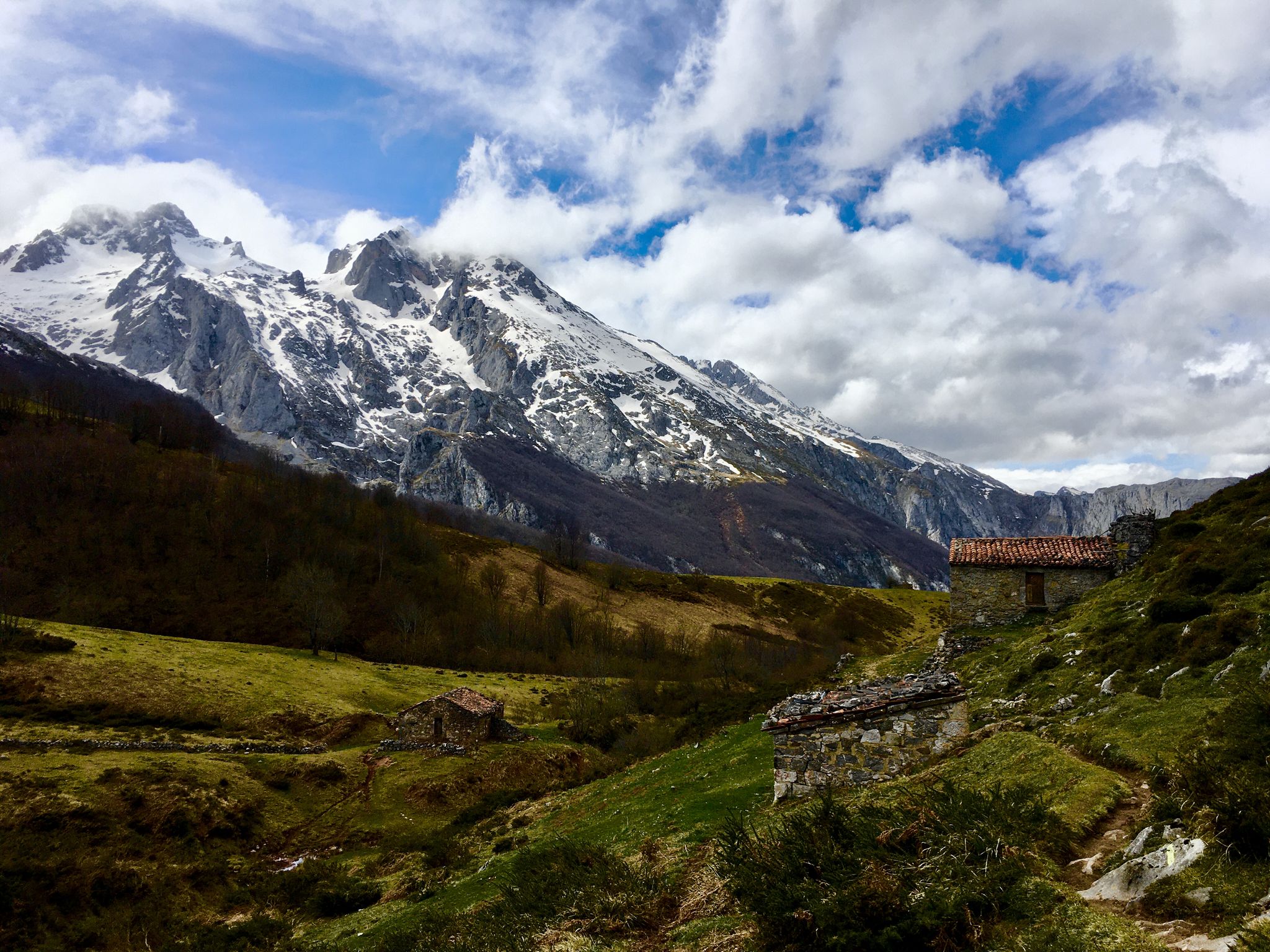
Route of the Reconquest (GR 202) – In the footsteps of an army
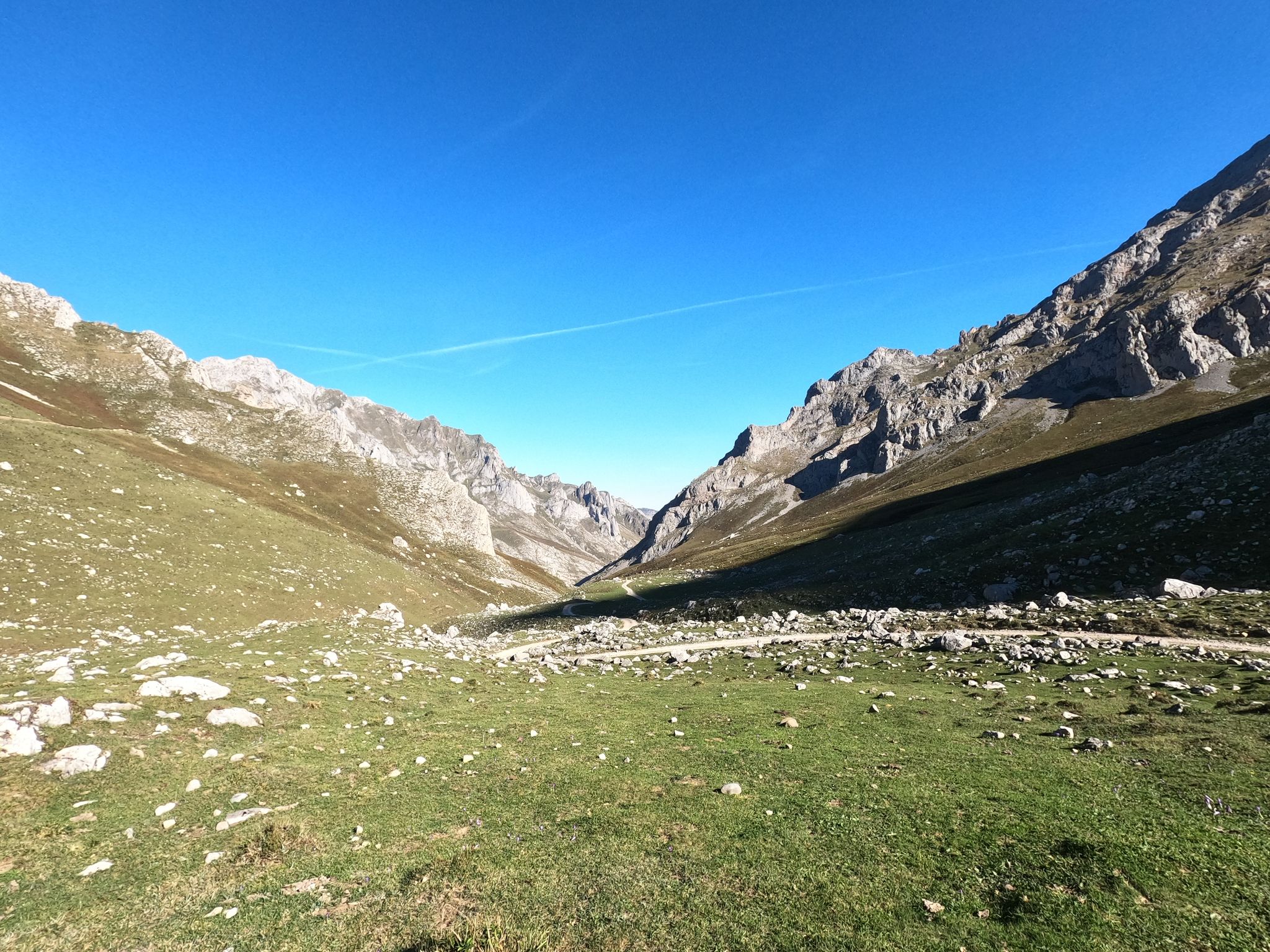
From statue to statue – Reconquista Challenge
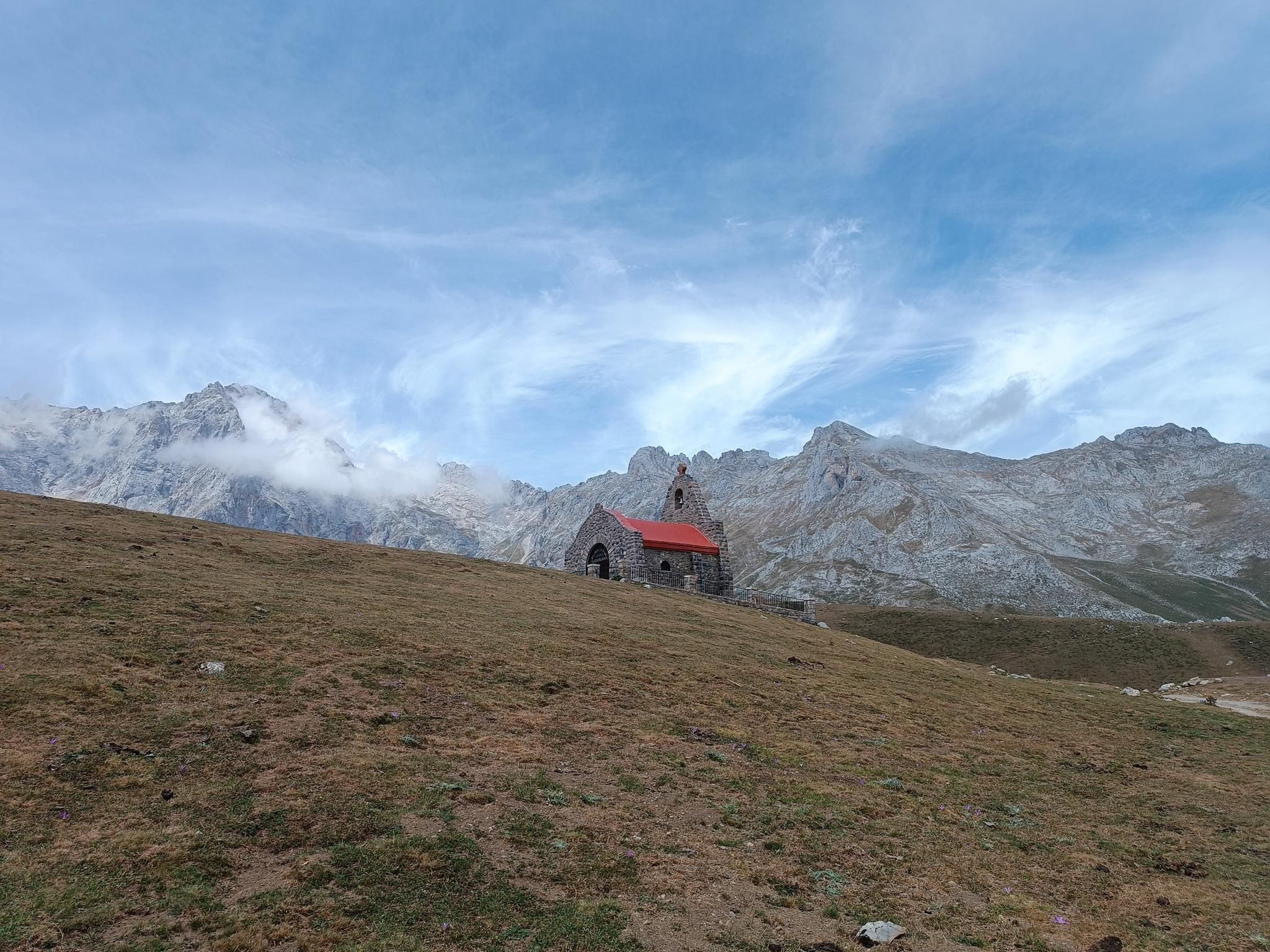
A pilgrimage to the peaks – Camino de los Santuarios
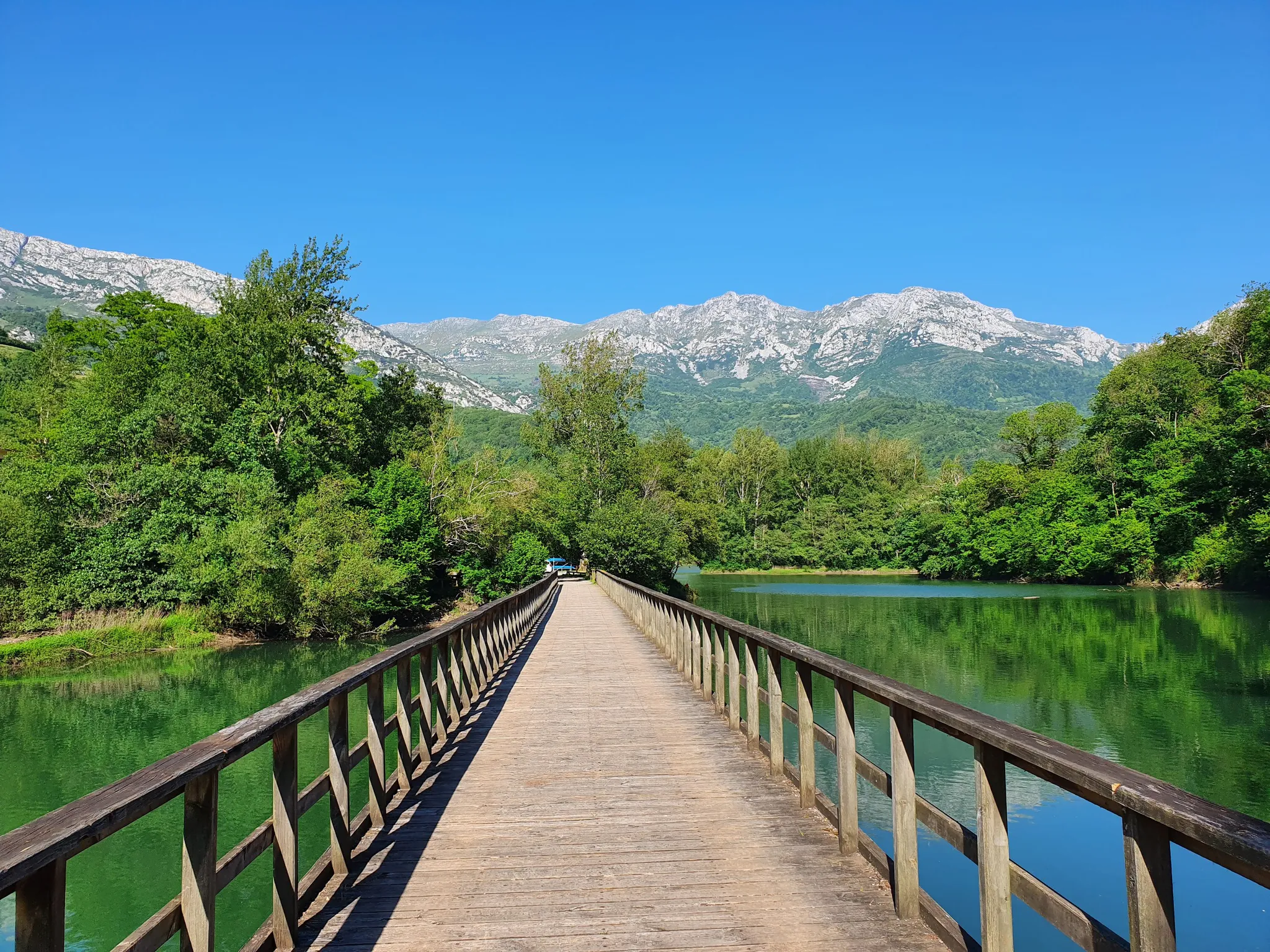
The secrets of the Cantabrian Mountains – GR 109 Asturias Interior
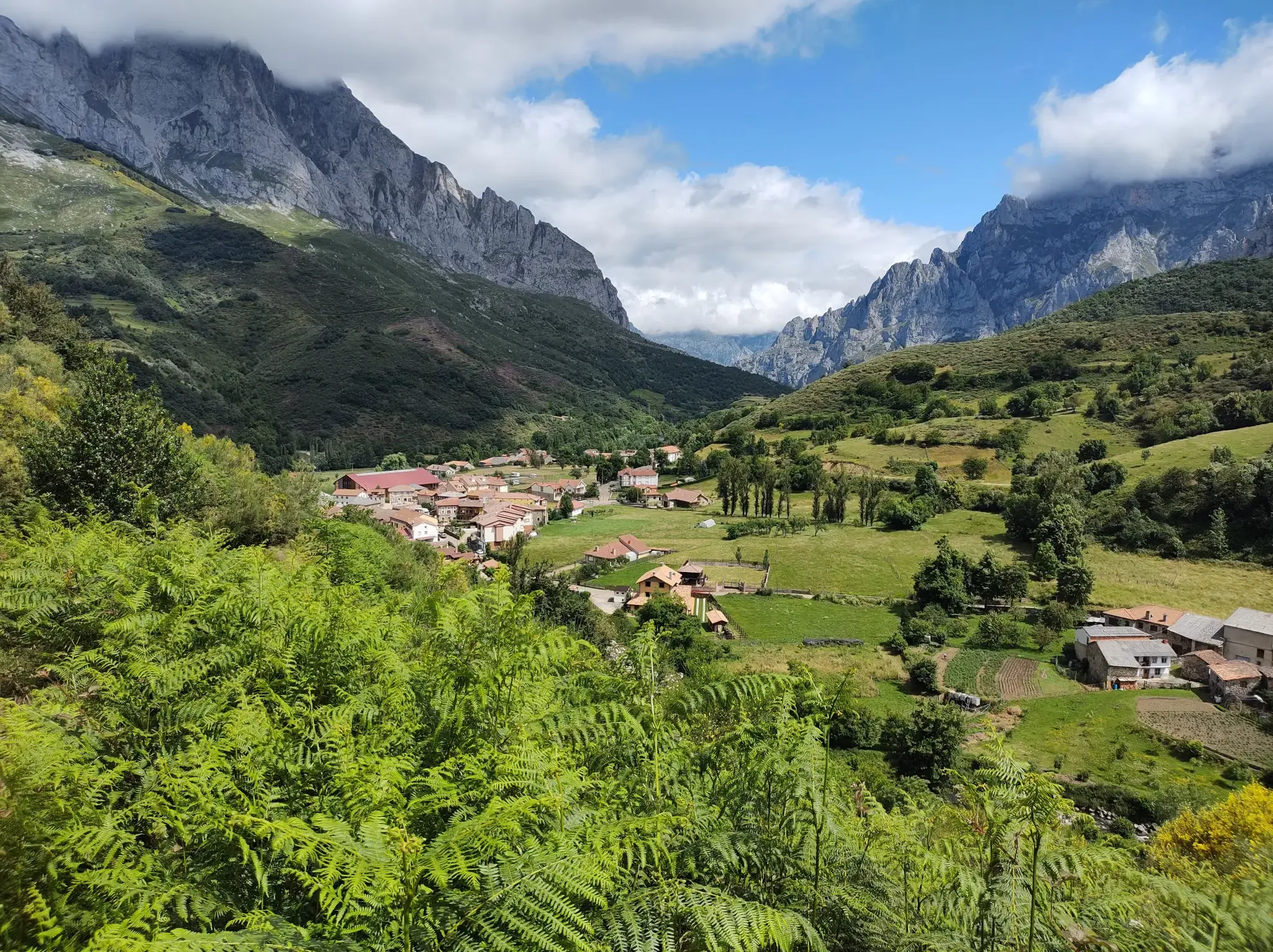
Hike Spain’s Picos de Europa – Ring of Peaks, Three Massifs
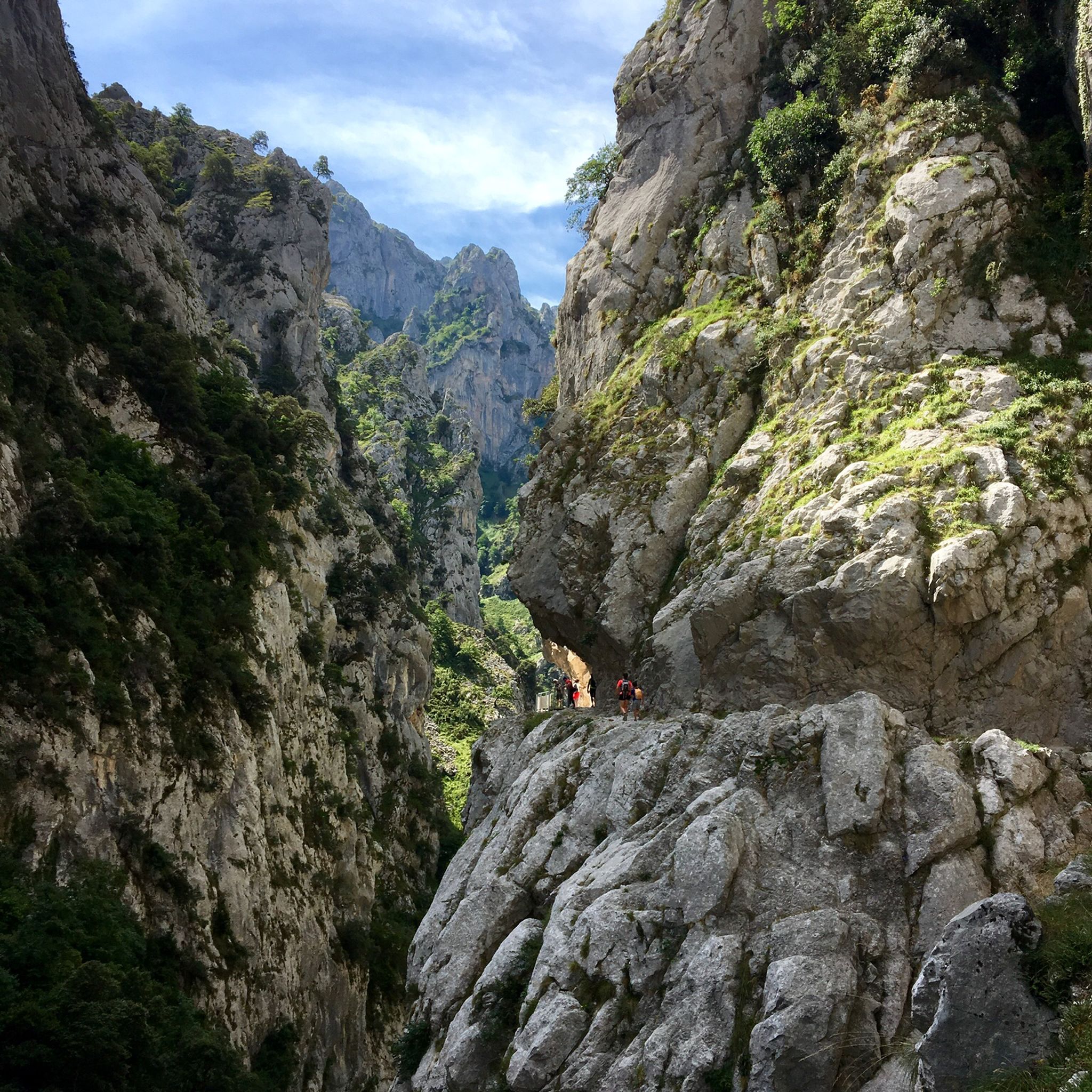
Hiking around Cabrales
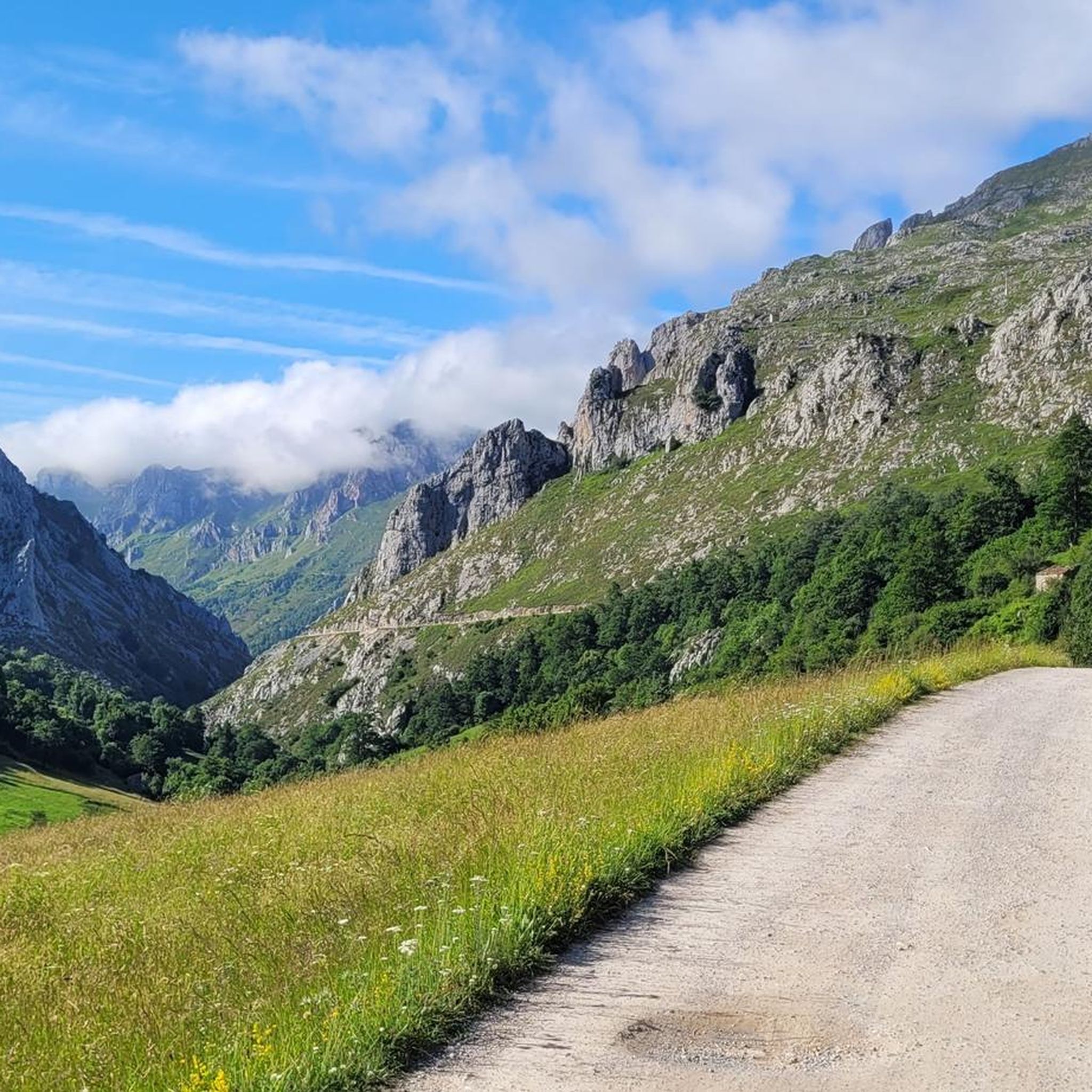
Running Trails around Cabrales
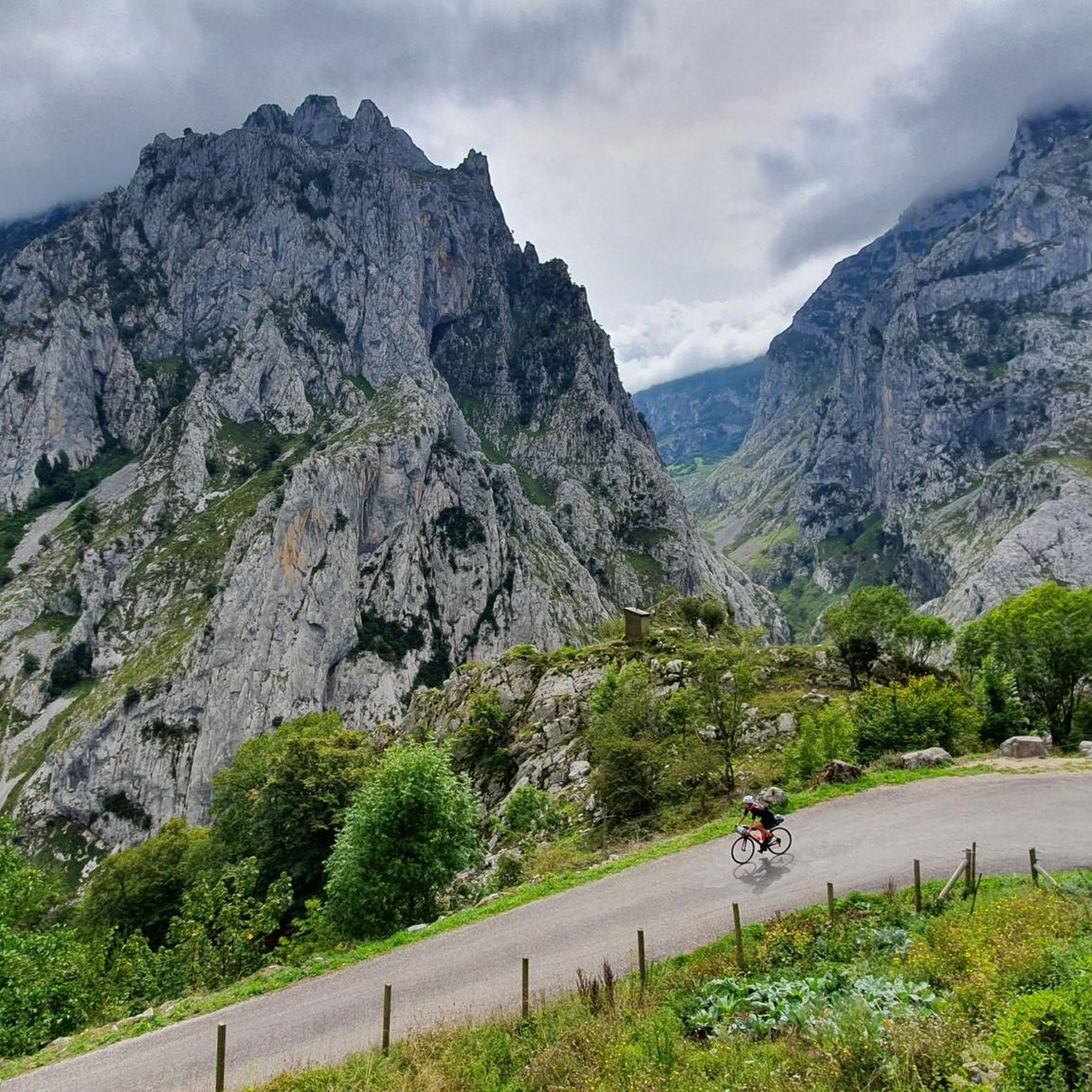
Road Cycling Routes around Cabrales
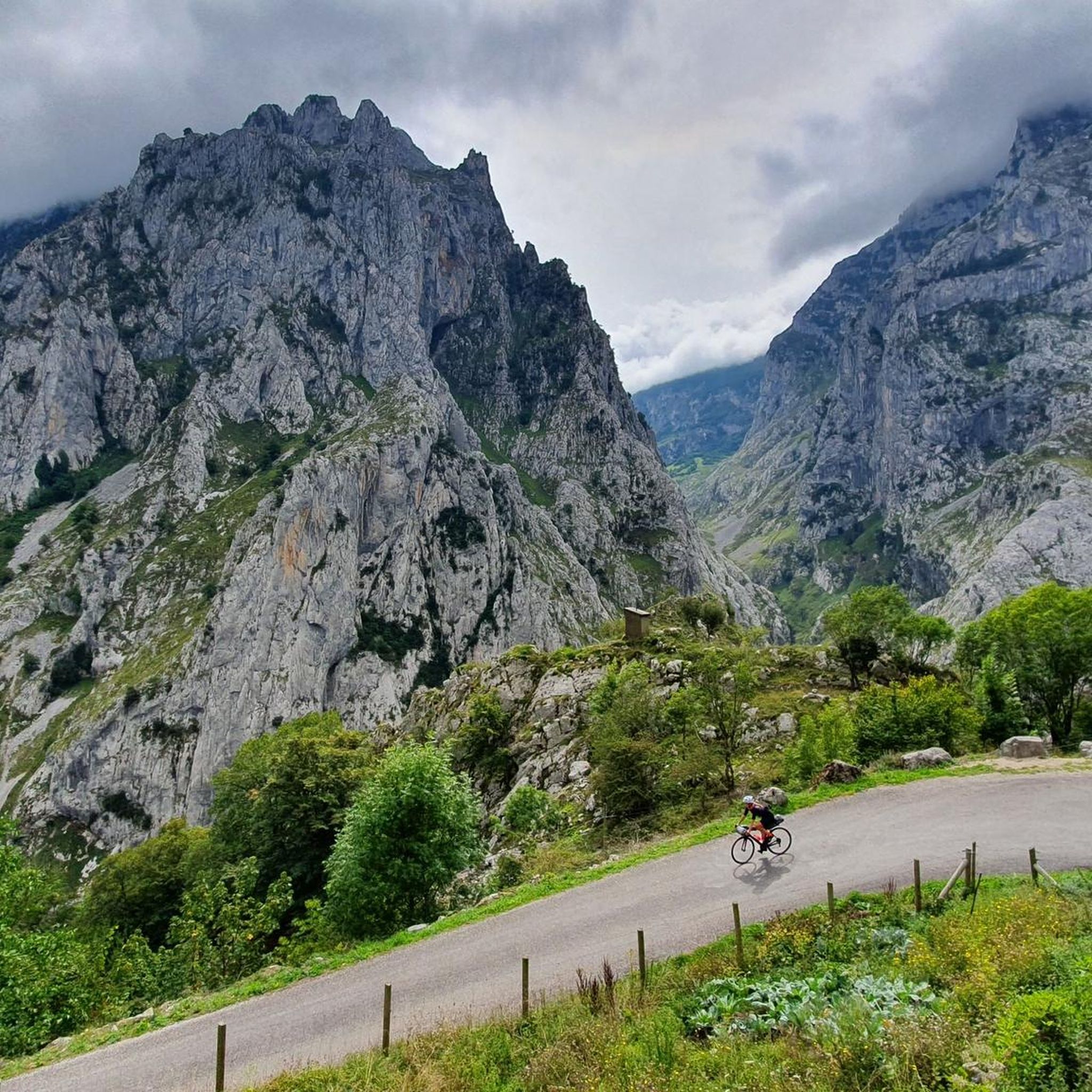
MTB Trails around Cabrales
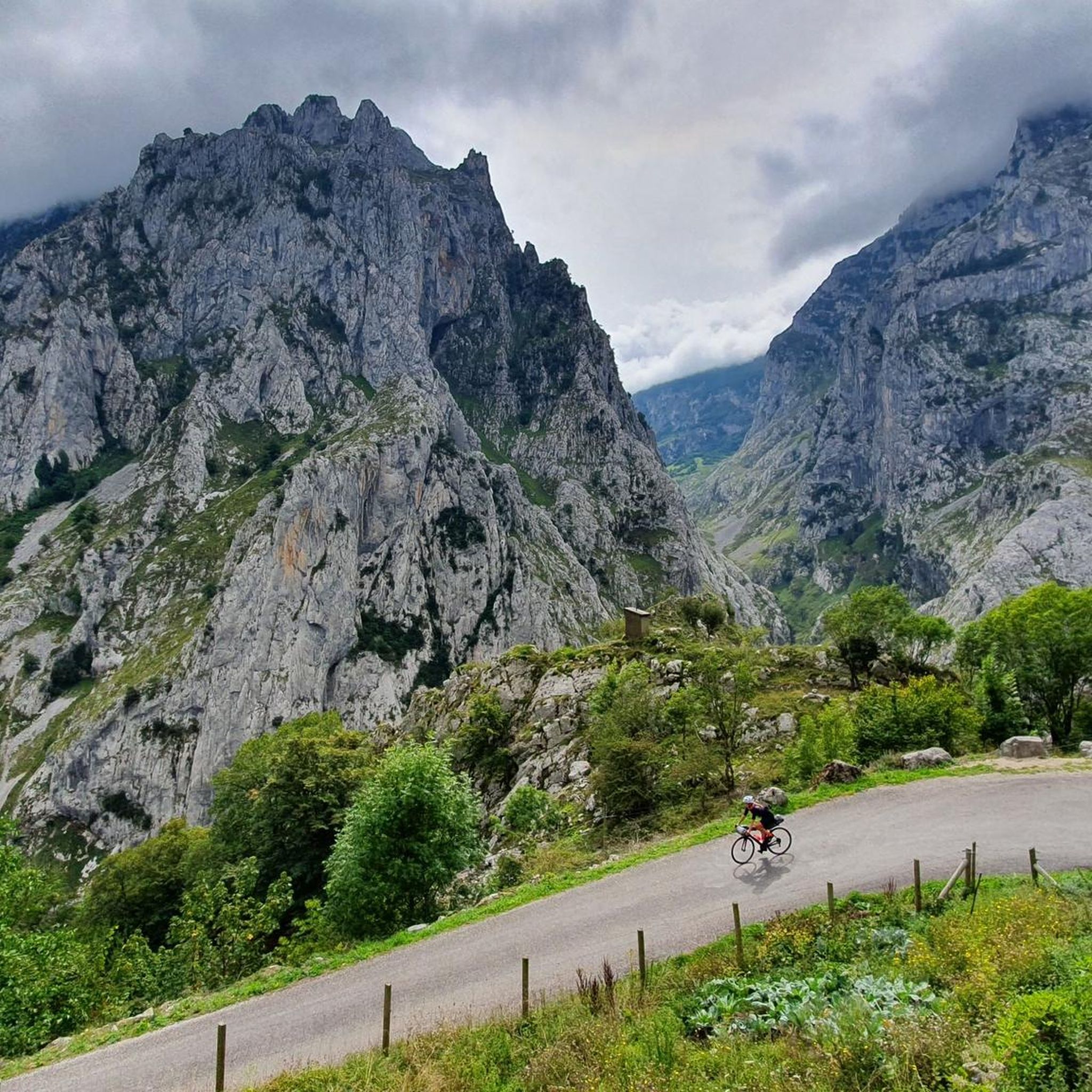
Cycling around Cabrales
Other adventures around Cabrales


Tips from the Community


The Cheese Museum is located in rock caves that have long been used for cheese production. The traditional and typical production of the local blue cheese is explained on illustrated panels. After a guided tour through the rock tunnels, there will be a film screening and a cheese tasting with apple cider in one of the houses.
1
0

In the first part of this section, the trail was occupied by cows with very impressive horns, which required a few detours through the thicket. It was also very muddy, but it had also rained the day before. After that, however, a beautiful mountain hike with spectacular views is required. Surefootedness and sturdy footwear are necessary. The trail is rarely used, so it's densely overgrown, but marked with red arrows, albeit sparsely. Wear long clothing; there are ticks!
0
0


Beautiful. Don't forget to visit the caves, very impressive
0
0

Caves have formed in the karst landscape, through which the seawater splashes 12 to 15 meters high like a geyser when the tide is high. Wasn't the case today, as it was rather low tide and calm sea. But the dragon in the cave hissed and hissed with every wave. Very impressive 👍🤗🤩
1
0

The Covadonga Sanctuary is a Catholic religious complex and an important pilgrimage site. It is dedicated to the Virgin of Covadonga, revered as the patron saint of Asturias. The complex includes several buildings, including the Basilica of Santa María la Real de Covadonga, which was built in the 19th century and houses the statue of the Virgin Mary. There is also a smaller church, the Santa Cueva, which is believed to be the site of the miraculous appearance of the Virgin Mary to the Christian army during the Battle of Covadonga in AD 722. The cave is also the burial place of King Pelayo, who led the Christian army to victory in that battle. The complex attracts thousands of visitors each year, who come to admire the impressive views and learn about the history and culture of Asturias.
4
0

On the way from the bus stop to the Lagos, you pass the remains of an old mine - recognizable by the rails that are still in place and an old lorry. The rock face into which the mine shaft disappears is very photogenic.
3
0
Frequently Asked Questions
What are the most popular caves and subterranean sites to visit in the Cabrales region?
Visitors to the Cabrales area frequently enjoy the Covadonga Sanctuary, a significant religious complex with a cave housing the Virgin of Covadonga. Another popular site is the Buferrera Mine, an old iron and manganese mine where you can see remnants of its 130-year operation. For a unique natural phenomenon, the Cueva del Dragón is known for seawater splashing high like a geyser during high tide.
Are there any caves in Cabrales that offer a cultural or gastronomic experience?
Yes, the Cabrales Cheese Cave Museum provides a unique cultural and gastronomic experience. Here, you can explore a natural cave environment where the famous Cabrales cheese traditionally ages. It offers insights into the artisanal production process and often includes tastings paired with local cider.
Are there family-friendly caves or activities suitable for children in the Cabrales area?
The Cabrales Cheese Cave Museum is considered family-friendly, offering an engaging and educational experience for all ages about local traditions and cheese making. While not a traditional cave, the Covadonga Sanctuary complex is also a popular destination for families, combining history, nature, and cultural significance.
What historical or archaeological caves can be found in or near Cabrales?
The region is rich in historical sites. The Buferrera Mine offers a glimpse into the area's industrial past. For ancient history, the Cueva de los Canes in Arangas provides insights into prehistoric human presence. Additionally, La Cueva de Cabrales (Canal de Las Bobias) showcases ancient pastoral settlements, with remnants of structures used by shepherds.
Are there any caves in the Cabrales region known for prehistoric art?
Yes, the Covaciella Cave, discovered in 1994, contains some of the best-preserved representations of bison in Asturias, dating back over 14,000 years. It is a UNESCO World Heritage site. However, to ensure the preservation of its delicate artworks, Covaciella Cave is closed to the public. For an accessible experience of significant Paleolithic art, the Tito Bustillo Cave in nearby Ribadesella is a must-see, renowned for its polychrome paintings and engravings.
What kind of geological formations can I expect to see in the caves around Cabrales?
The Picos de Europa, encompassing Cabrales, is known for its extensive karstic systems. While specific formations vary, you can expect to see typical cave features like stalactites and stalagmites. For extraordinary geological formations such as helictites, draperies, and aragonite crystals, the Cueva de El Soplao in neighboring Cantabria is internationally recognized and offers both tourist and adventure speleology visits.
What outdoor activities can I do near the caves in Cabrales?
The Cabrales region offers a variety of outdoor activities. You can find numerous cycling routes, including challenging ones like the 'Arenas de Cabrales, Cares River, and Alles Loop' or 'Casaño River Valley to Carreña' for touring bicycles. For mountain biking, trails like the 'Ándara Massif Trail' or 'Reconquista Trail: Sotres to Áliva Refuge' are popular. Explore more options on the Cycling around Cabrales or MTB Trails around Cabrales guides.
Are there any caves that are easily accessible or unique in their accessibility?
While many caves require specific access, La Cuevona de Cuevas del Agua, though not specifically in Cabrales, is a unique natural cave that serves as the sole road and pedestrian access to the village of Cuevas. It's remarkable for its accessibility by vehicle, allowing visitors to drive through and observe impressive stalactites and stalagmites from the road.
What is the best time of year to visit caves in the Cabrales region?
The Picos de Europa region, including Cabrales, experiences varying weather. Generally, late spring to early autumn (May to October) offers the most favorable conditions for visiting caves and engaging in outdoor activities, with milder temperatures and less precipitation. However, some indoor cave attractions like the Cabrales Cheese Cave Museum are accessible year-round.
What should I wear or bring when visiting caves in Cabrales?
Cave environments typically maintain a cool, constant temperature regardless of the outside weather. It's advisable to wear layers, including a light jacket or sweater, and comfortable, sturdy shoes with good grip. For some natural caves, a headlamp or flashlight might be useful, though guided tours often provide necessary lighting.
Are there any caves in Cabrales that are part of hiking trails?
Yes, the Cares Trail Tunnel is a notable feature along the famous Cares Route. These tunnels are carved into the rock face and are part of the hiking experience from Poncebos to Cain, offering a unique blend of natural and man-made elements within a stunning gorge.
Most popular routes around Cabrales
Most popular attractions around Cabrales

Get inspired with the komoot mobile app


Explore more
Extend your search for the best caves by checking out these guides of the top ones around Cabrales:
