Top 8 Caves around Piélagos
Best caves around Piélagos are found within this municipality in Cantabria, Spain, a region renowned for its significant prehistoric heritage. The area offers insights into ancient human activity, with sites like El Portillo del Arenal showcasing rock art and archaeological discoveries. Cantabria as a whole is home to thousands of documented caves, many of which contain evidence of early human settlements and artistic expressions. Piélagos contributes to this rich geological and historical landscape, providing diverse natural features for exploration.
Best…
Last updated: July 18, 2026
Somocuevas Beach
Highlight • Beach
Translated by Google •
Tip by

Altamira Cave
Highlight • Cave
Translated by Google •
Tip by

Sign up now to discover places like this
Get recommendations on the best single tracks, peaks, & plenty of other exciting outdoor places.
Sign up for free
Liencres Blowhole
Highlight • Natural Monument
Translated by Google •
Tip by

La Covachona Cave and Source of the Cubón River
Highlight • Cave
Translated by Google •
Tip by

Fuente de las Palomas Recreation Area
Highlight • Rest Area
Translated by Google •
Tip by

Sign up for free to discover even more caves around Piélagos.
Sign up for free
Already have an account?
Start today with a free account
Your next adventure awaits.
Login or Signup
Popular around Piélagos
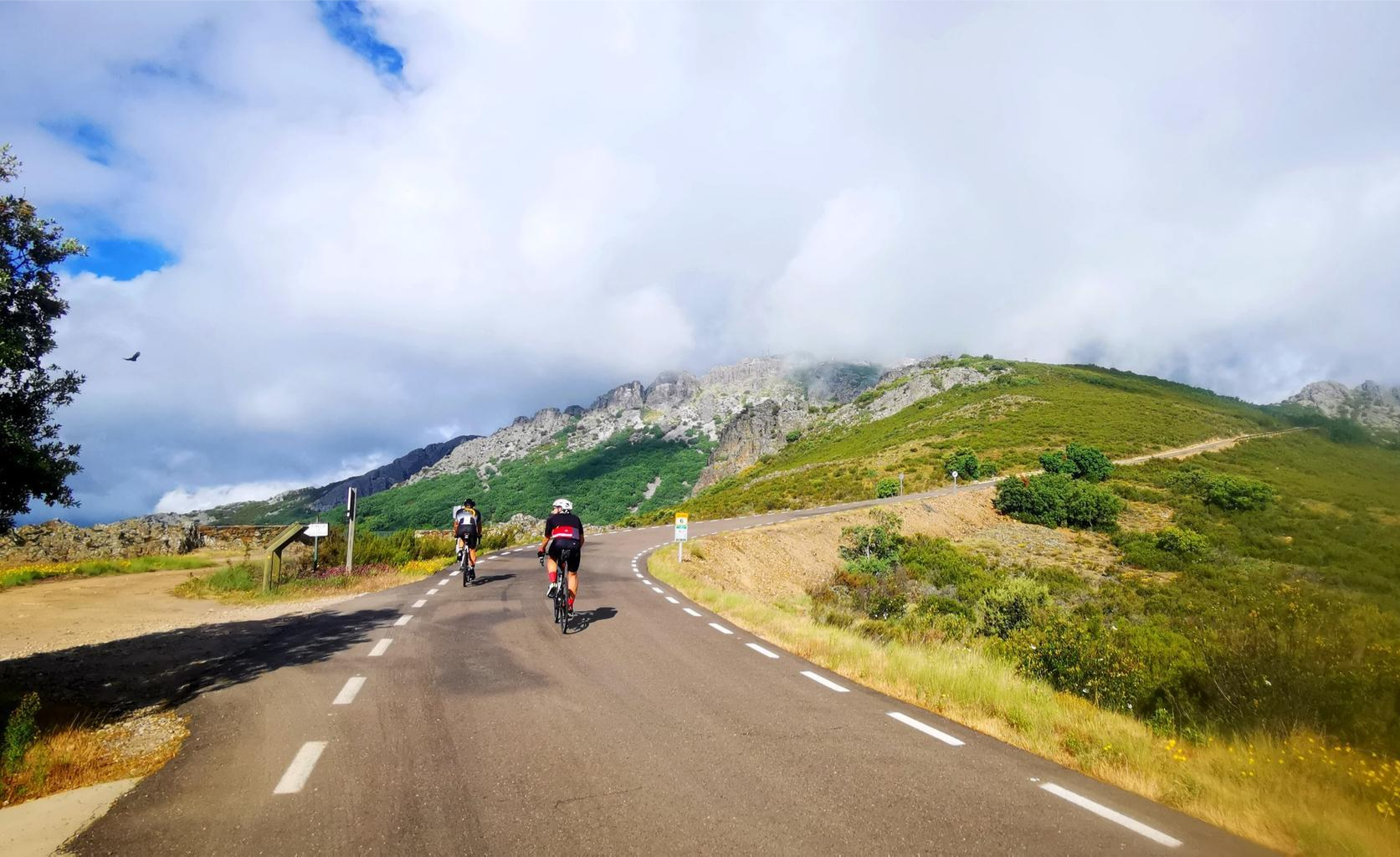
Legendary climbs - Ports of La Vuelta a España
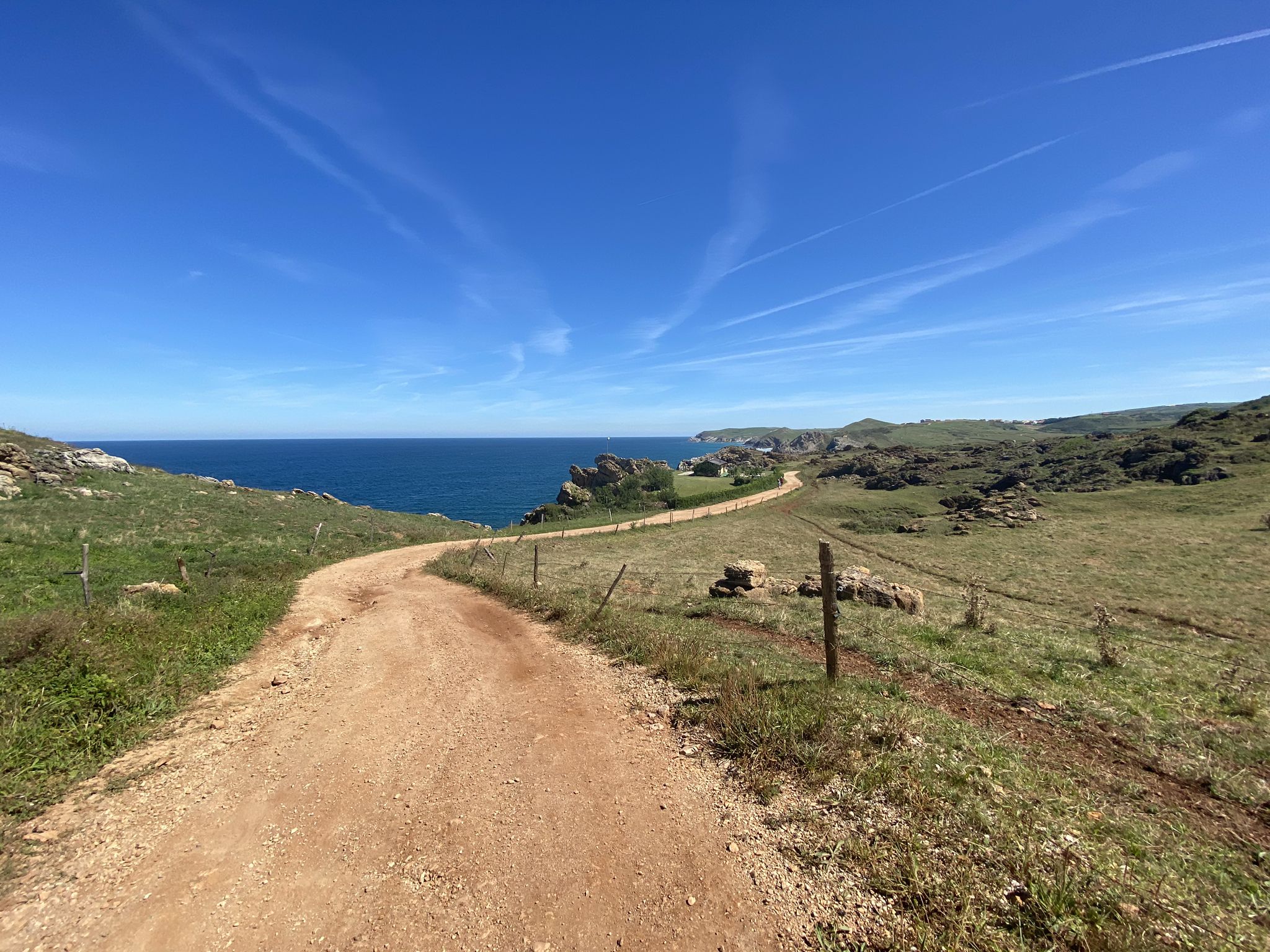
Paths and waves – surf trip by bike in Cantabria
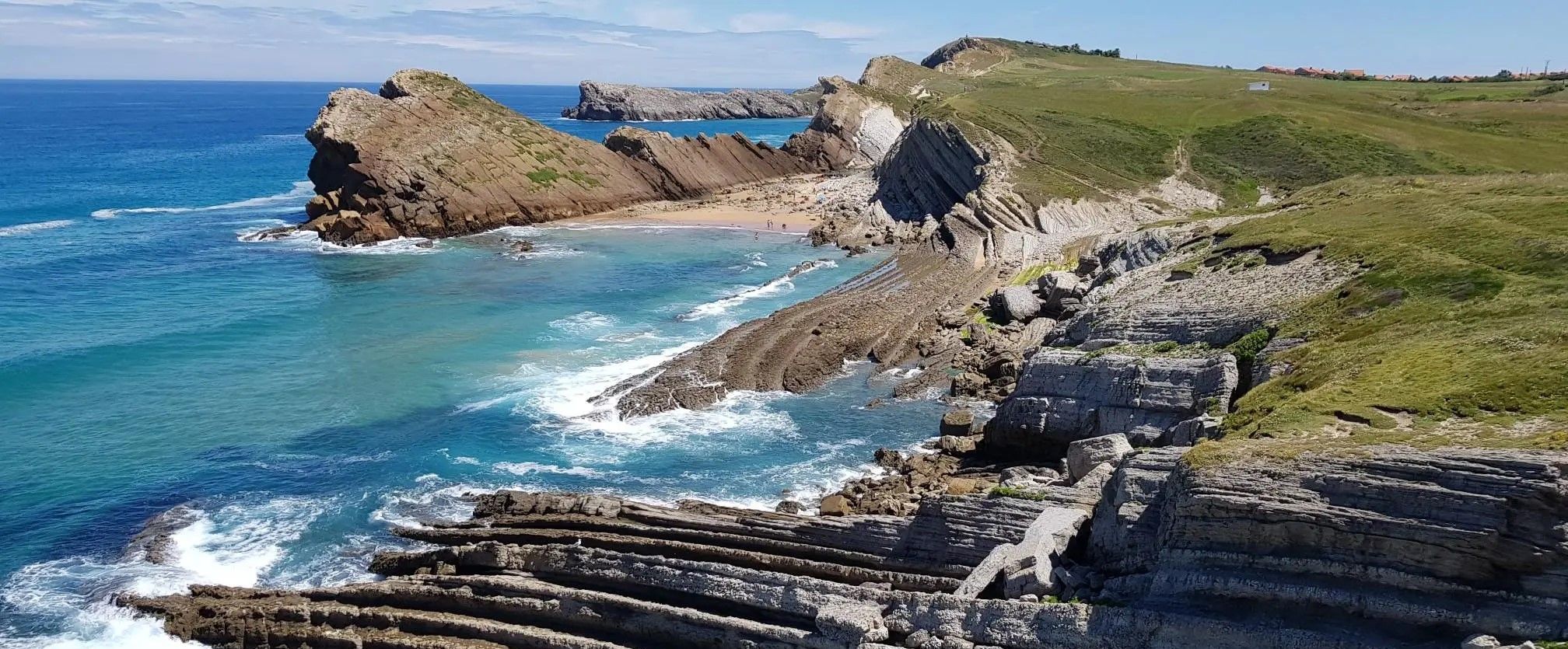
Water everywhere — Amazing routes near Santander
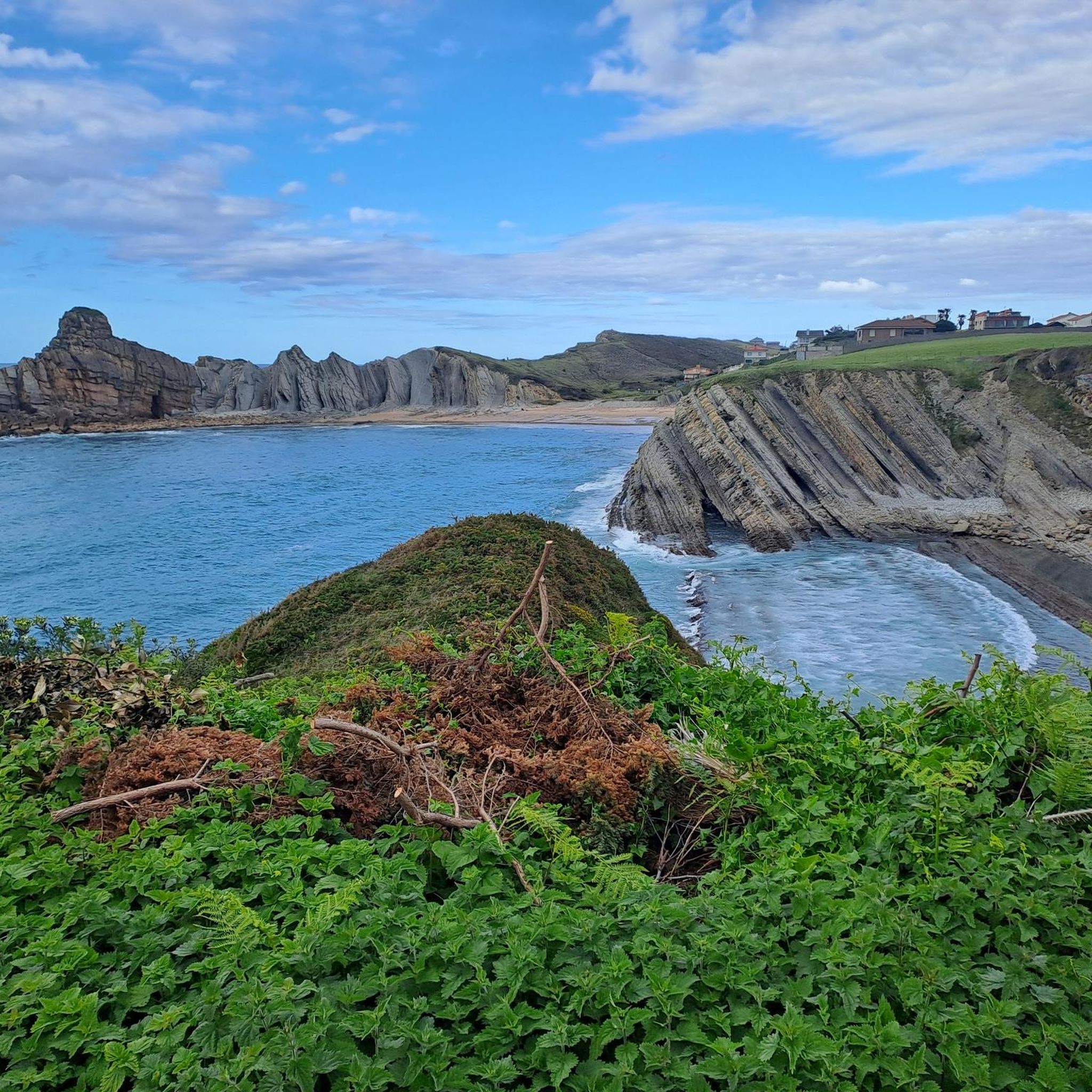
Hiking around Piélagos
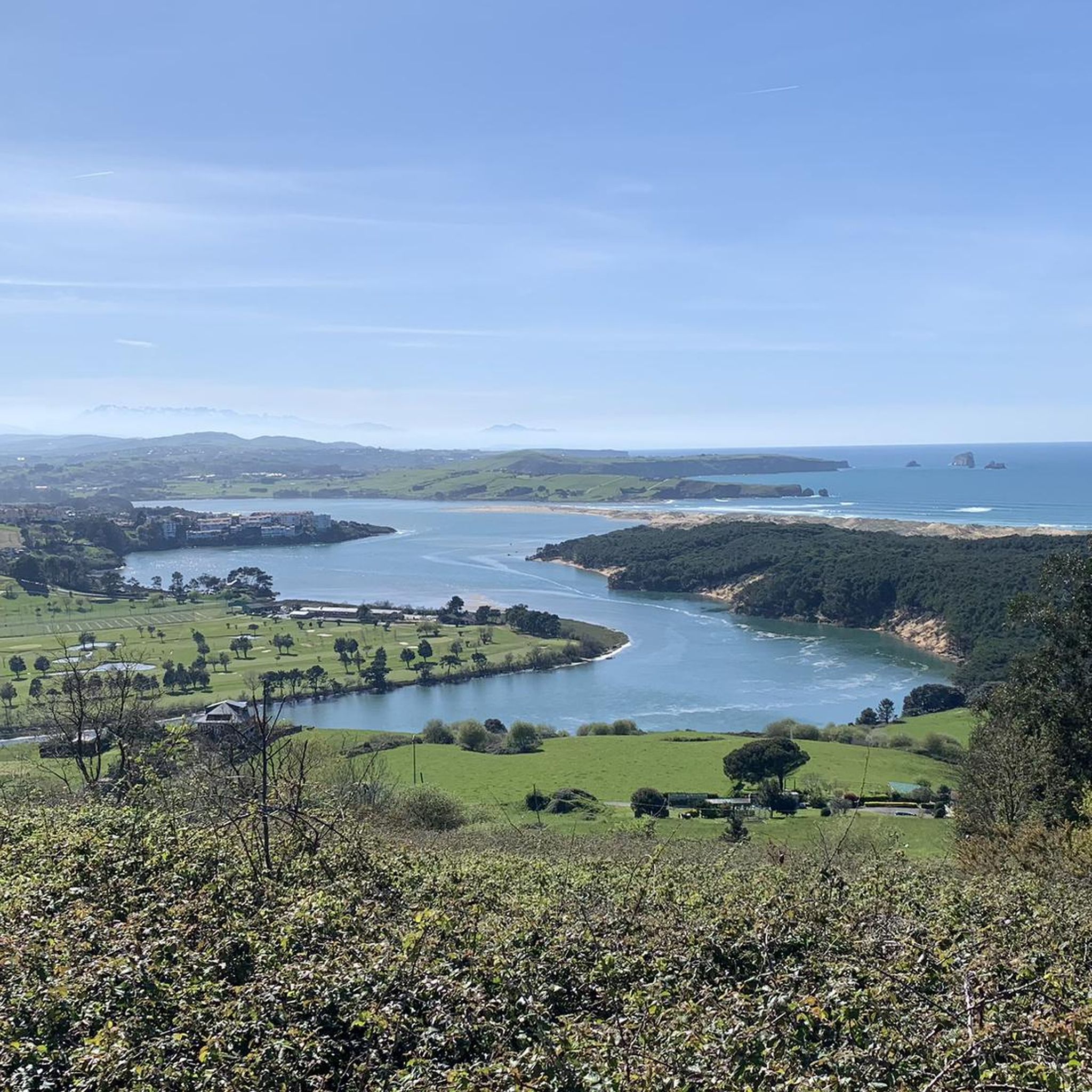
Road Cycling Routes around Piélagos
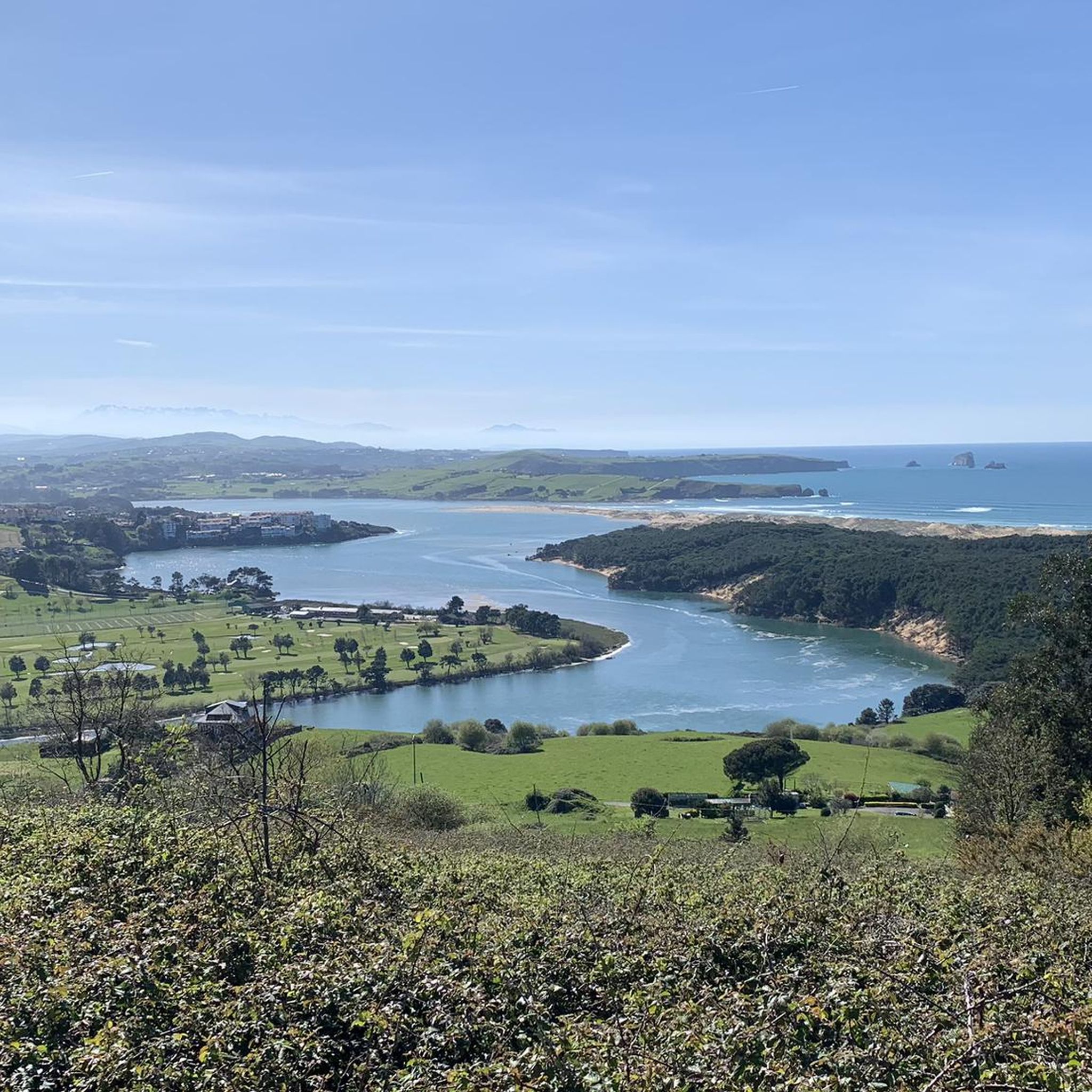
Running Trails around Piélagos
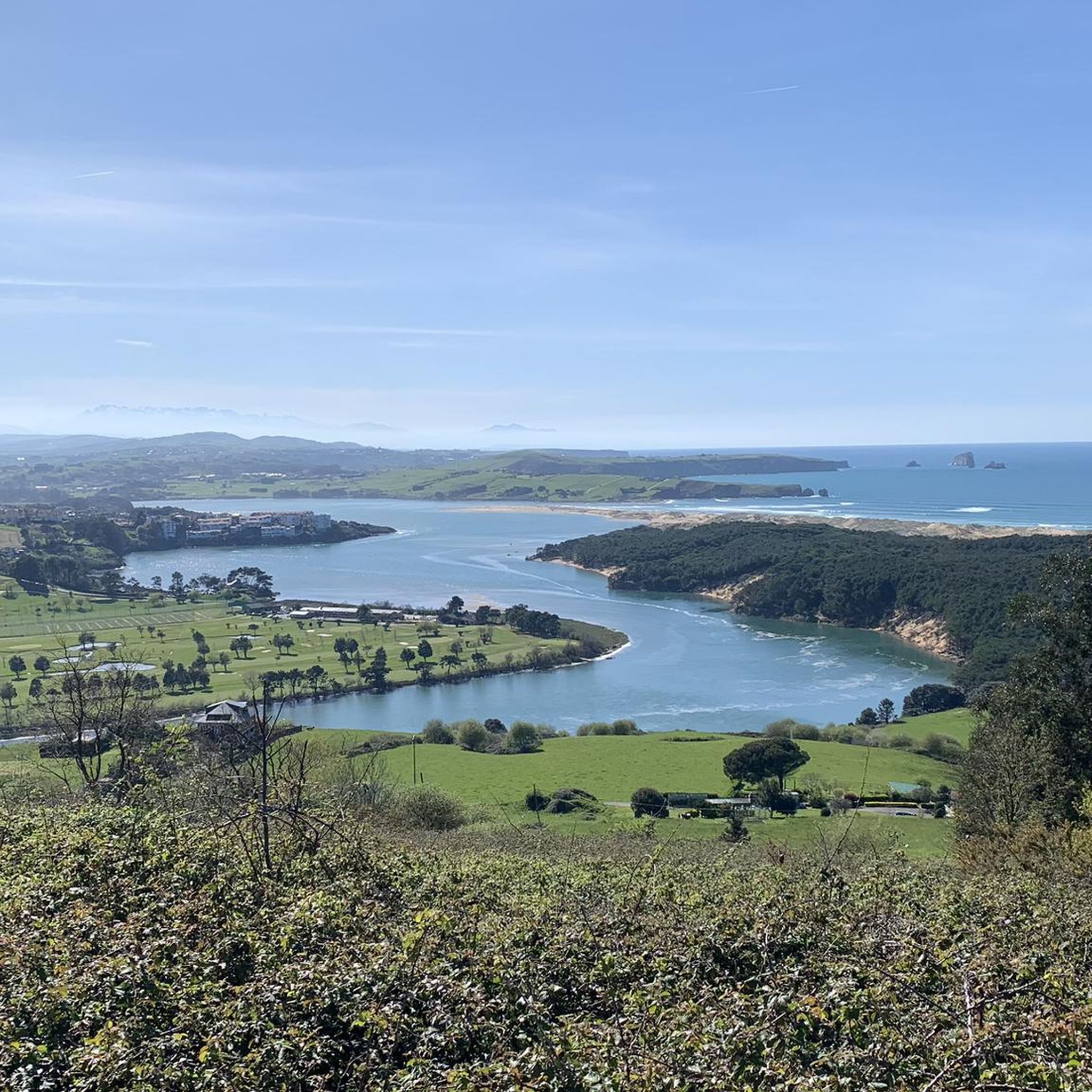
Cycling around Piélagos
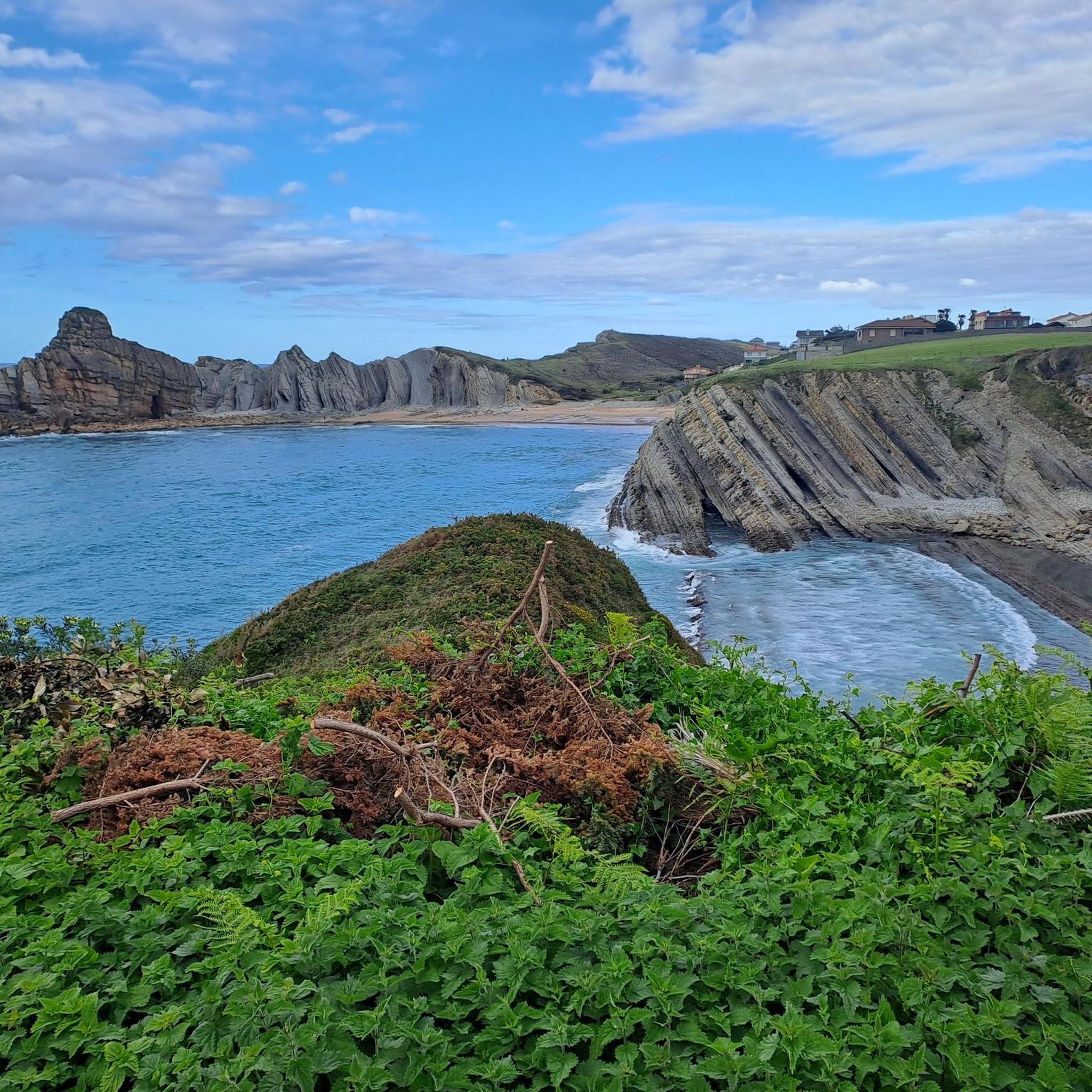
MTB Trails around Piélagos

Gravel biking around Piélagos


Tips from the Community

The Costa Quebrada is a magnificent coast for hiking. The access to the bay is currently closed (13.4.26).
1
0

The Altamira Cave covers an area of more than 5500 m². It was used from 33,600 BC until the entrance collapsed in 11,000 BC. The particularly impressive ceiling paintings are dated to the period 16,500 to 13,000 BC.[3] The cave was discovered in 1868 by a hunter due to the disappearance of a hunting dog, who immediately reported the discovery to the lord of Santillana,[2] the naturalist Marcelino Sanz de Sautuola (1831–1888). The paintings were discovered by Sautuola's five-year-old daughter Maria, who was able to walk upright through the cave and made out images of "cattle" on the ceiling.[2] Marcelino began systematically digging in the cave in 1879[2] and published a short description of the "prehistoric objects in the province of Santander". Even the Spanish King Alfonso XII was invited into the cave. However, the academic world doubted the authenticity of the cave paintings.[2] The French prehistorian Émile Cartailhac described the paintings as a "vulgar prank by a scribbler" that he and his contemporaries did not even want to look at. The discovery had to wait almost 23 years for recognition. It was only when similar paintings were discovered in the Font-de-Gaume cave near Les Eyzies-de-Tayac-Sireuil in the Dordogne department (France) in 1901 that the attitude of French researchers and Cartailhac, who became the symbol of archaeological ignorance, changed. Cartailhac apologized posthumously to the Marquis de Sautuola in an essay in 1902 ("Mea culpa" d'un sceptique[4]).
0
0
The Altamira Cave covers an area of more than 5500 m². It was used from 33,600 BC until the entrance collapsed in 11,000 BC. The particularly impressive ceiling paintings are dated to the period 16,500 to 13,000 BC.[3] The cave was discovered in 1868 by a hunter due to the disappearance of a hunting dog, who immediately reported the discovery to the lord of Santillana,[2] the naturalist Marcelino Sanz de Sautuola (1831–1888). The paintings were discovered by Sautuola's five-year-old daughter Maria, who was able to walk upright through the cave and made out images of "cattle" on the ceiling.[2] Marcelino began systematically digging in the cave in 1879[2] and published a short description of the "prehistoric objects in the province of Santander". Even the Spanish King Alfonso XII was invited into the cave. However, the academic world doubted the authenticity of the cave paintings.
2
0


A very interesting and familiar place. I tried to get to the Sumidero de las Palomas, but it was impossible for me to get there, I would have needed not some walking sticks, but a machete!
3
0

Magnificent beach that you pass by if you are doing a tour of the Costa Quebrada. You can come perfectly from Arnía beach.
0
0
Do not stop visiting it.
0
1

Divided into the west and east beaches, their name comes from the caves found on the islet that divides them. A very popular beach in summer although it offers an ideal escape at any time of the year.
1
0
Frequently Asked Questions
What types of caves can I explore around Piélagos?
The Piélagos region offers a diverse range of caves, from archaeological sites with prehistoric art to unique geological formations. You can find coastal grottoes like those at Somocuevas Beach, natural blowholes such as the Liencres Blowhole, and even challenging spots requiring climbing skills like the Cave of the Virgen del Mar. The area is also rich in prehistoric caves, some of which are UNESCO World Heritage sites.
Are there family-friendly caves or activities near Piélagos?
Yes, there are family-friendly options. The National Museum and Research Center of Altamira, located nearby, offers an educational experience with a faithful replica of the original Altamira cave, perfect for all ages. Additionally, La Covachona Cave and Source of the Cubón River features a small park with tables and a recreational area for children, making it suitable for families.
What historical or archaeological sites related to caves are in the region?
The Cantabria region, including areas near Piélagos, is renowned for its prehistoric heritage. Notable sites include the National Museum and Research Center of Altamira, which explores the lives of early inhabitants and showcases cave art. Other significant prehistoric caves in the broader area, such as Cueva de Hornos de la Peña and El Pendo Cave, offer insights into Paleolithic rock art and human occupation spanning tens of thousands of years.
What natural features can I see around the caves in Piélagos?
Beyond the caves themselves, the region boasts impressive natural features. At Somocuevas Beach, you'll find beautiful stone slabs and a gentle beach protected by an inlet. The Liencres Blowhole offers spectacular 'coastal geysers' where strong waves create water fountains. The natural environment surrounding the Altamira Museum is also enchanting, and La Covachona Cave is the source of the clear Cubón River.
Are there hiking trails near the caves in Piélagos?
Yes, the area around Piélagos offers various hiking opportunities. You can explore coastal paths like the Senda del Litoral: Costa Quebrada or the Liencres Dunes Coastal Trail. For more options, check out the Hiking around Piélagos guide, which features routes of varying difficulty.
What outdoor activities can I do near these caves?
Besides exploring caves, the Piélagos region is excellent for various outdoor activities. You can enjoy hiking on coastal trails or through natural parks. There are also options for gravel biking and road cycling, with numerous routes available. For detailed routes, refer to the Gravel biking around Piélagos, Hiking around Piélagos, and Road Cycling Routes around Piélagos guides.
What do visitors enjoy most about the caves and natural sites in Piélagos?
Visitors frequently praise the impressive landscapes and unique geological formations. The 'coastal geysers' at Liencres Blowhole are a particular highlight, as are the beautiful stone slabs and tranquil atmosphere of Somocuevas Beach. The educational experience at the Altamira Museum is also highly valued, especially the detailed guided tours.
Are there any challenging caves for experienced explorers?
Yes, for those with climbing skills, the Cave of the Virgen del Mar offers a challenging and rewarding exploration. Its unique location and access require a higher level of physical ability.
Is there parking available near the caves?
For sites like Somocuevas Beach, there is a parking area located a few hundred meters from the access stairs. For other caves and natural monuments, parking availability can vary, so it's advisable to check specific location details before your visit.
What is the best time to visit the caves and natural attractions in Piélagos?
The best time to visit depends on the specific attraction. For coastal features like the Liencres Blowhole, a strong surf is needed to see the spectacular water fountains, which often occurs during rougher sea conditions. For archaeological sites like the Altamira Museum, any time of year is suitable, though arriving early on free Sundays is recommended due to potential queues.
Are there any caves in Piélagos that are directly within the municipality?
Yes, the municipality of Piélagos is home to caves such as Cueva de Santián in Velo, known for its early parietal art, and El Portillo del Arenal, also in Velo, recognized for its rock art and archaeological finds. These offer a direct glimpse into the region's rich prehistoric past.
Most popular routes around Piélagos
Most popular attractions around Piélagos

Get inspired with the komoot mobile app


Explore more
Extend your search for the best caves by checking out these guides of the top ones around Piélagos:
