Top 20 Lakes around San Bartolomé De Tirajana
Best lakes around San Bartolomé De Tirajana offers a diverse landscape, featuring both artificial reservoirs and a significant coastal lagoon. This region is known for its water bodies that serve as vital habitats and provide opportunities for nature observation. The area's dams are integral for water management and offer scenic natural features for visitors to explore.
Best lakes around San Bartolomé De Tirajana
- The most popular lakes is Ayagaures Dam, a lake that offers tranquil serenity. This reservoir is noted as being worth a detour for its beauty.
- Another must-see spot is Pool with view of the Azulejos, a natural monument. Depending on the time of year and recent rains, a pool forms here with views of the Los Azulejos spectacle.
- Visitors also love Los Hornos Dam, a lake. This old dam wall serves as a water reservoir for the region and is wonderfully located.
- San Bartolomé De Tirajana is known for its artificial reservoirs, coastal lagoons, and natural pools. These water bodies offer a variety of experiences, from birdwatching to tranquil relaxation.
- The lakes around San Bartolomé De Tirajana are appreciated by the komoot community, with over 330 upvotes and more than 110 photos shared.
Last updated: October 7, 2026
Ayagaures Dam
Highlight • Lake
Showing Translation
Tip by

Los Hornos Dam
Highlight • Lake
Presa de Los Hornos viewpoint
The reservoir is located on a strange volcanic rock called "Roque Nublo Breccie". The surrounding vegetation consists of a recently reforested pine grove, as well as various types of broom and sage, which are very common in the high mountains.
Source: grancanaria.com/turismo/en/natur/network-of-viewpoints-of-gran-canaria/mirador-presa-de-los-hornos
Translated by Google •
Tip by

Sign up now to discover places like this
Get recommendations on the best single tracks, peaks, & plenty of other exciting outdoor places.
Ayagaures Dam
Highlight • Lake
Translated by Google •
Tip by

Pool with view of the Azulejos
Highlight • Natural Monument
Translated by Google •
Tip by

Chira Dam
Highlight (Segment) • Lake
There is also construction work going on at the moment, we actually wanted to go back up to the reservoir.
But still a nice round.
Translated by Google •
Tip by

Sign up for free to discover even more lakes around San Bartolomé De Tirajana.
Already have an account?
Start today with a free account
Your next adventure awaits.
Popular around San Bartolomé De Tirajana
Canary Islands at a slow pace – six hikes immersed in nature
The challenge of the year — Transgrancanaria Classic
An island of contrasts – crossing Gran Canaria
Escape to the south — road cycling in Gran Canaria
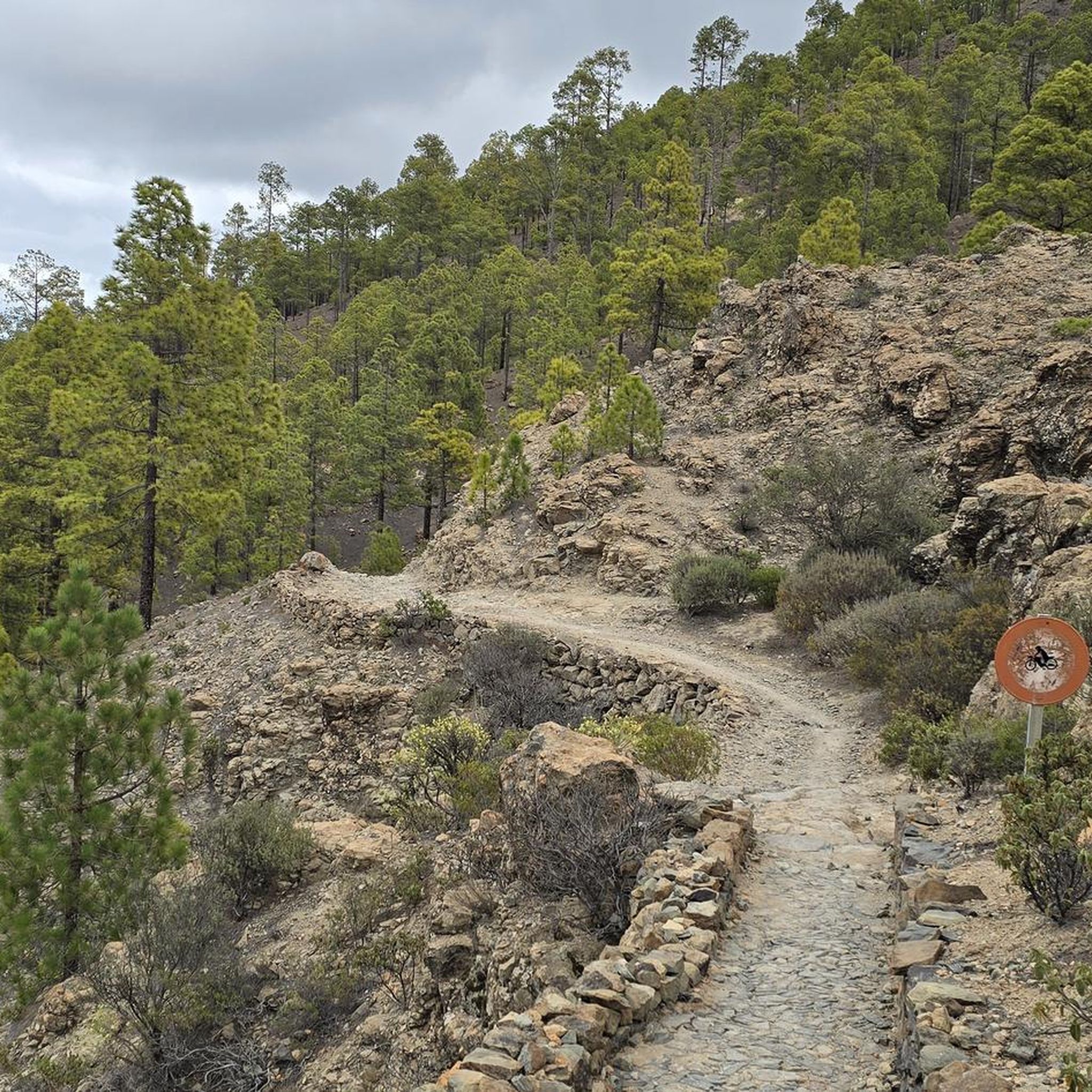
Road Cycling Routes around San Bartolomé De Tirajana
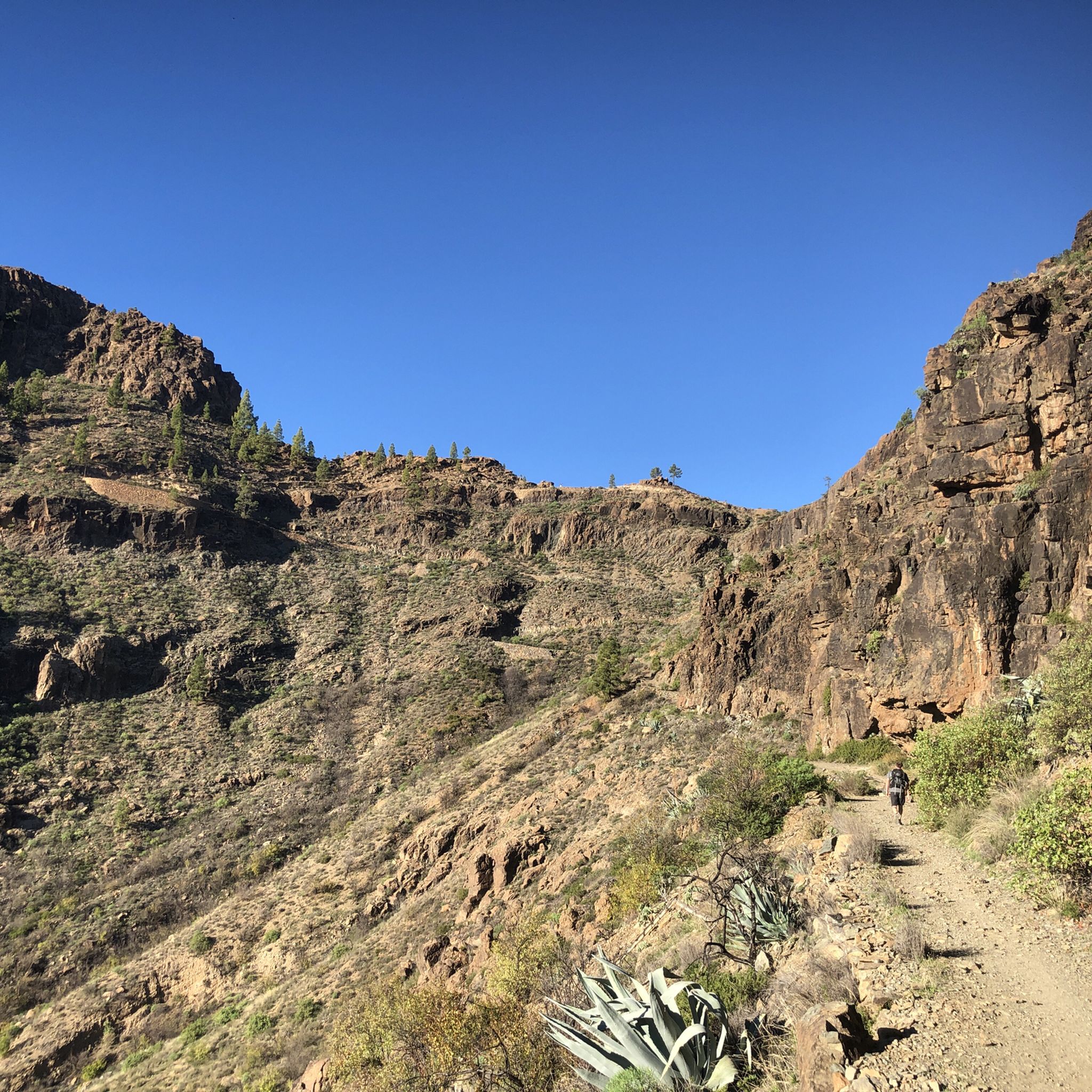
Hiking around San Bartolomé De Tirajana
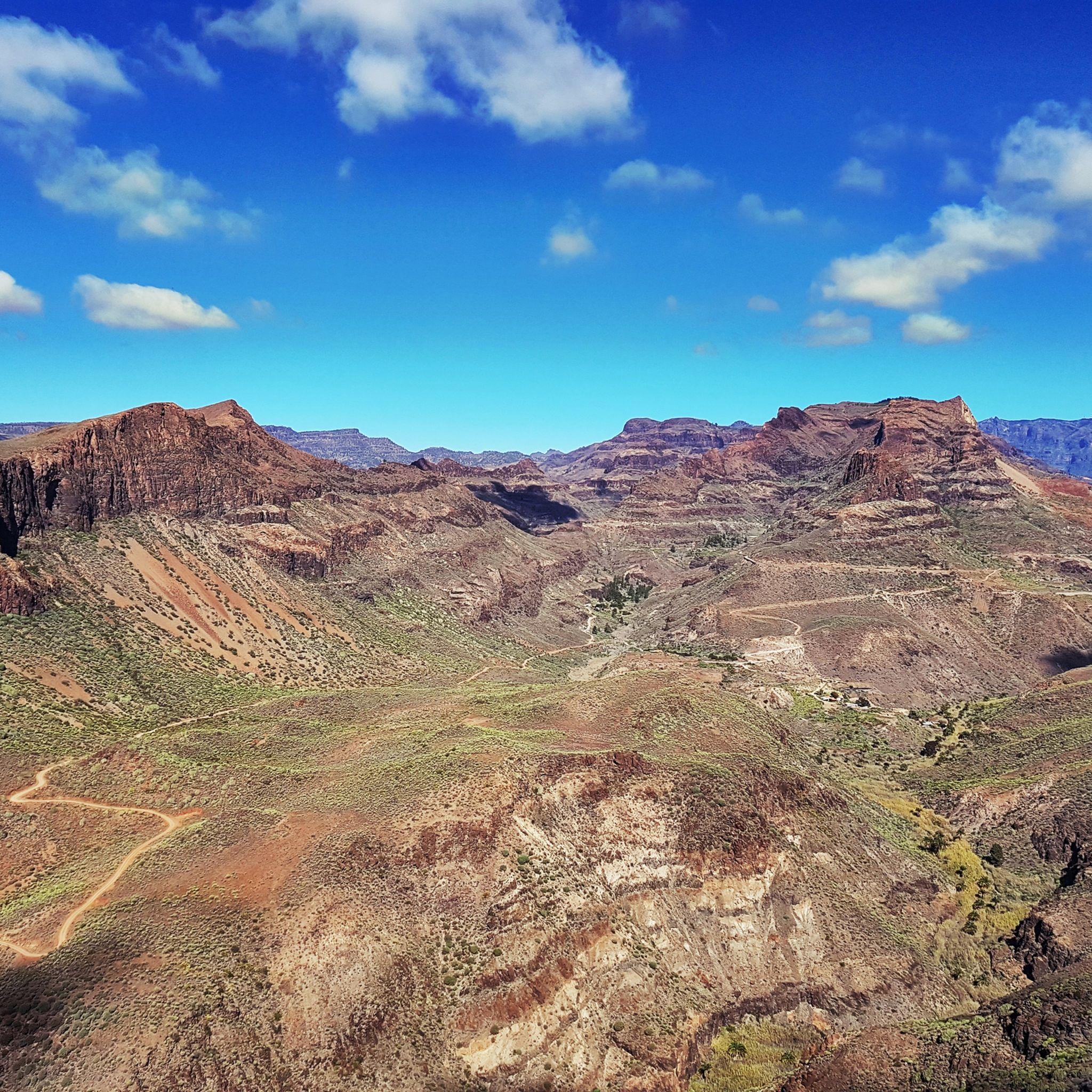
Cycling around San Bartolomé De Tirajana
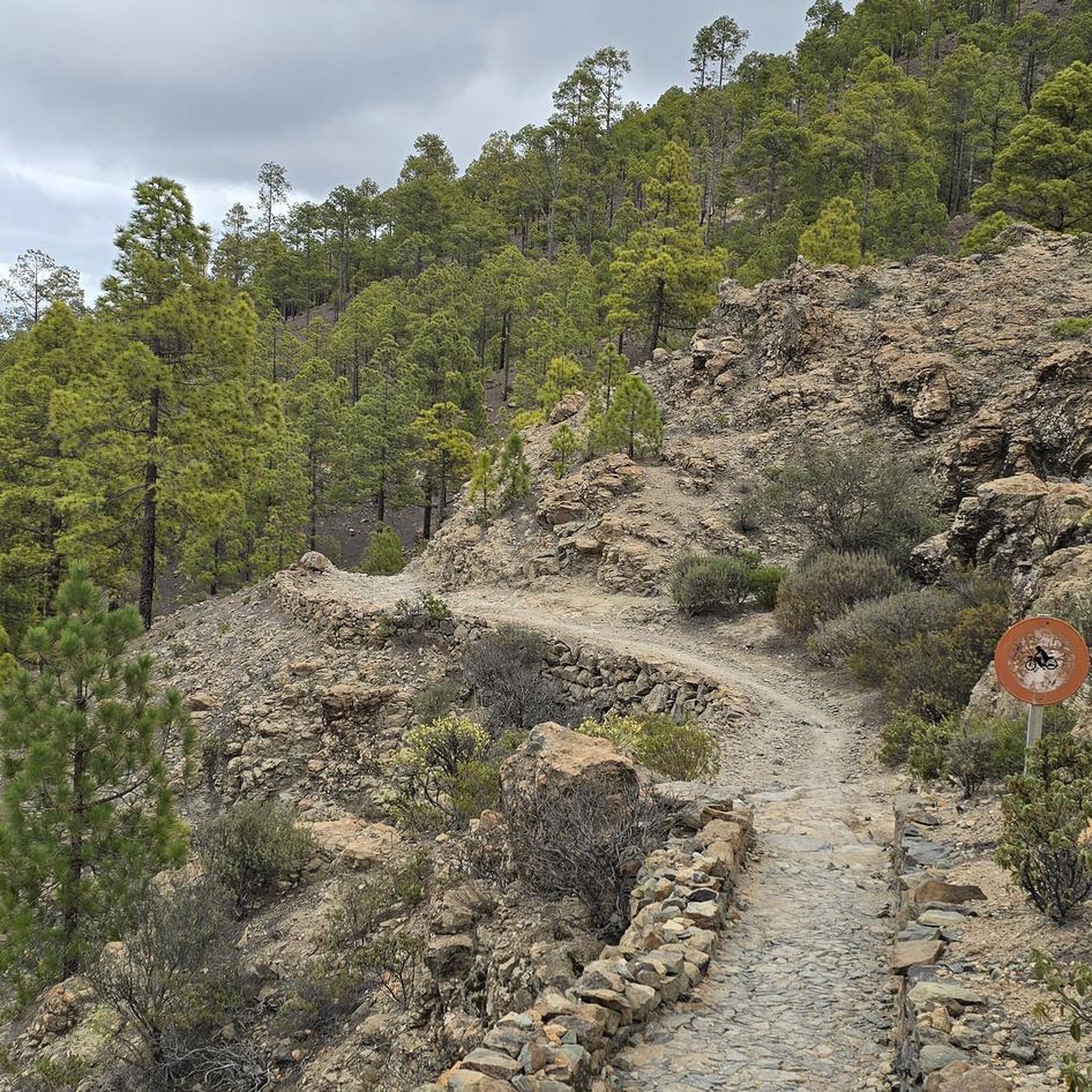
Running Trails around San Bartolomé De Tirajana
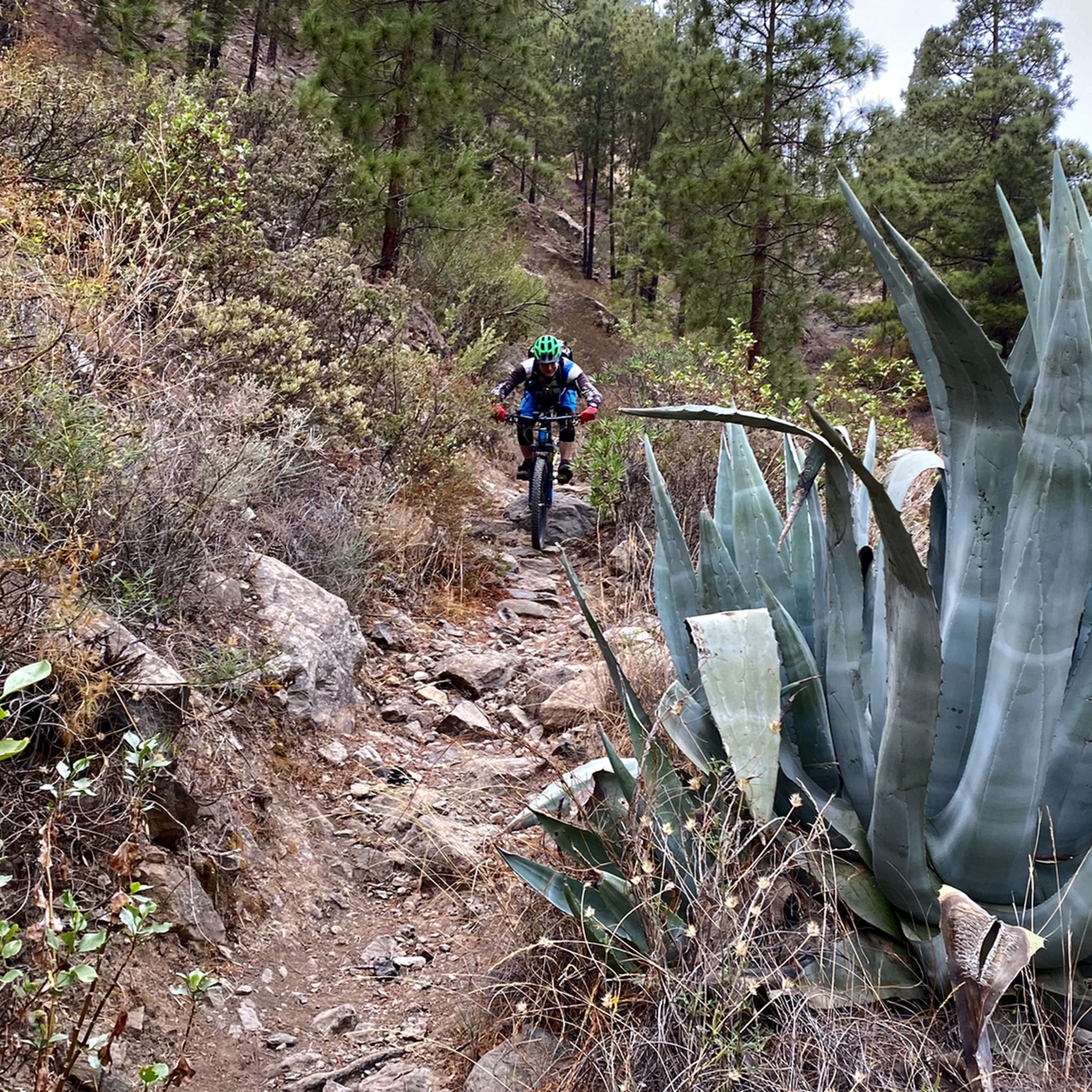
MTB Trails around San Bartolomé De Tirajana

Gravel biking around San Bartolomé De Tirajana
Other adventures around San Bartolomé De Tirajana


Tips from the Community

These "pools" are small holes that sometimes contain a little water. There are also frogs here, so these pools are probably not intended for swimming or suitable if you respect nature - even if the name "pool" used here suggests that.
0
1

The Charcos Azules of Los Azulejos in Veneguera should not be confused with El Charco Azul de Agaete near El Risco. The water has become rare here due to the dry years. The best chance is in spring. If it has rained for a long time, you can enjoy beautiful scenery here, such as water reflections or a refreshing swim. https://saldelatlantico.com/de/excursiones-en-las-islas-canarias/charcos-azules-azulejos-venegueras
1
0

At the very end of the Barranco de la Data gorge lies the small town of Ayagaures and the two reservoirs Presa de Ayagaures
2
0

Almost no water available
1
0

Be sure to wear hiking boots, it's steep and there are lots of loose rocks along the way. But it's worth the climb.
5
1

In August there is no water to be seen anywhere. Just a few dried edges in the pools. Not recommended at this time of year...
3
0

Los Hornos Dam Viewpoint The Los Hornos Dam or Cumbre Dam has a height of 1,565 meters above sea level. It dates from 1933, but was later enlarged. Made of ordinary masonry, it reached a height of 27 m and had a capacity of 697,000 m3 of water, which flows between ditches and tunnels towards the municipalities of Arucas and San Mateo.
3
1
Los Hornos Dam Viewpoint The Los Hornos Dam or Cumbre Dam has a height of 1,565 meters above sea level. It dates from 1933, but was later enlarged. Made of ordinary masonry, it reached a height of 27 m and had a capacity of 697,000 m3 of water, which flows between ditches and tunnels towards the municipalities of Arucas and San Mateo.
6
0
Frequently Asked Questions
What types of water bodies can I expect to find around San Bartolomé de Tirajana?
San Bartolomé de Tirajana is characterized by impressive artificial reservoirs (dams), coastal lagoons, and natural pools, rather than large natural lakes. These diverse water bodies offer unique natural beauty and recreational opportunities.
What are some of the most scenic reservoirs to visit?
The Ayagaures Dam is highly regarded for its tranquil serenity and scenic beauty, making it well worth a detour. Another beautiful spot is the Chira Dam, surrounded by pine trees and endemic species. The Los Hornos Dam also offers a wonderfully located, picturesque setting.
Are there any natural pools or places for swimming around San Bartolomé de Tirajana?
While swimming is generally prohibited in the dams, San Bartolomé de Tirajana is home to various natural pools along its coastline. These formations provide safe and enjoyable swimming opportunities, allowing visitors to experience the ocean and marine life in a protected setting. Additionally, the Pool with view of the Azulejos forms seasonally, offering a unique natural pool experience with stunning geological views.
What natural features and wildlife can I observe near these water bodies?
The region offers rich natural observations. The Chira Dam is surrounded by pine trees and various endemic species. The Tirajana Dam and its surrounding palm grove are known for their rich local avifauna, making it an excellent wildlife observatory. The Maspalomas Lagoon, part of a Special Natural Reserve, is a vital habitat for birdwatching and observing diverse flora and fauna, alongside the famous Maspalomas Dunes.
Are there hiking opportunities around the lakes and reservoirs?
Yes, the area offers numerous hiking opportunities. You can find trails like the 'Ascent to the Pass – View of Morro de la Conjera loop' or the 'View of Maspalomas – Wonderful view across reservoirs loop from Ayagaures'. For more detailed routes and options, explore the Hiking around San Bartolomé De Tirajana guide.
Can I go cycling near these water bodies?
Absolutely. The region is popular for cycling, with routes such as 'Maspalomas, Presa de la Gambuesa, Ayaguares — ride around the Pilancones Natural Park'. Whether you prefer touring or road cycling, you can find suitable routes. Check out the Cycling around San Bartolomé De Tirajana guide and the Road Cycling Routes around San Bartolomé De Tirajana guide for more options.
Are there family-friendly options for visiting the lakes?
Many of the reservoirs and lagoons offer accessible areas suitable for families. The Ayagaures Dam is noted as family-friendly. The Maspalomas Lagoon, with its birdwatching opportunities and proximity to the dunes, is also a great option for families.
What is the best time of year to visit the lakes and reservoirs?
The best time to visit is generally during the cooler, drier months, typically from autumn to spring (October to May). During these periods, the weather is more pleasant for outdoor activities like hiking and cycling. Summer months can be very hot, and some seasonal pools, like the Pool with view of the Azulejos, may dry up.
Are there any historically significant dams or engineering marvels to see?
Yes, the region boasts impressive engineering. The Chira Dam has a rich history dating back to 1932. The Soria Dam, a majestic construction from the 1960s and 70s, is the highest and most voluminous dam in Gran Canaria, making it an impressive hydraulic monument. The Tirajana Dam, built between 1966 and 1974, is also a significant engineering feat.
How accessible are the lakes and reservoirs by public transport or car?
Access varies by location. Many dams and reservoirs are reachable by car, often involving scenic drives on winding roads. Public transport options might be limited for some of the more remote dam locations, so checking local bus schedules or considering car rental is advisable for greater flexibility. The Maspalomas Lagoon is easily accessible given its proximity to the popular Maspalomas area.
What should I wear for hiking around the lakes?
Given the varied terrain, it's recommended to wear sturdy hiking boots, especially for trails with loose rocks or steep sections, such as those leading to the Pool with view of the Azulejos. Layered clothing is also advisable to adapt to changing temperatures, particularly at higher elevations or during different times of the day.
Most popular routes around San Bartolomé De Tirajana
Most popular attractions around San Bartolomé De Tirajana

Get inspired with the komoot mobile app


Explore more
Still not found your perfect lake around San Bartolomé De Tirajana? Check out the guides of these regions to see even more beautiful places.
