Top 4 Caves around Villaescusa
Best caves around Villaescusa are found within the municipality of Villaescusa in Cantabria, a region known for its rich geological formations. The area features a mix of archaeological sites and natural cave systems. These caves offer insights into prehistoric human occupation and unique geological phenomena. Villaescusa provides opportunities to explore both significant historical sites and natural river sources within its cave environments.
Best caves around Villaescusa
- The most popular caves is Aguanaz River and Frenchman’s Cave, a river and…
Last updated: November 17, 2026
Aguanaz River and Frenchman’s Cave
Highlight (Segment) • River
Translated by Google •
Tip by

La Covachona Cave and Source of the Cubón River
Highlight • Cave
Translated by Google •
Tip by

Sign up now to discover places like this
Get recommendations on the best single tracks, peaks, & plenty of other exciting outdoor places.
Cave of the Chimneys
Highlight • Cave
Showing Translation
Tip by

Cueva La Rasiega
Highlight • Cave
Translated by Google •
Tip by
Juyo Cave
Highlight • Cave
Translated by Google •
Tip by
Start today with a free account
Your next adventure awaits.
Tips from the Community

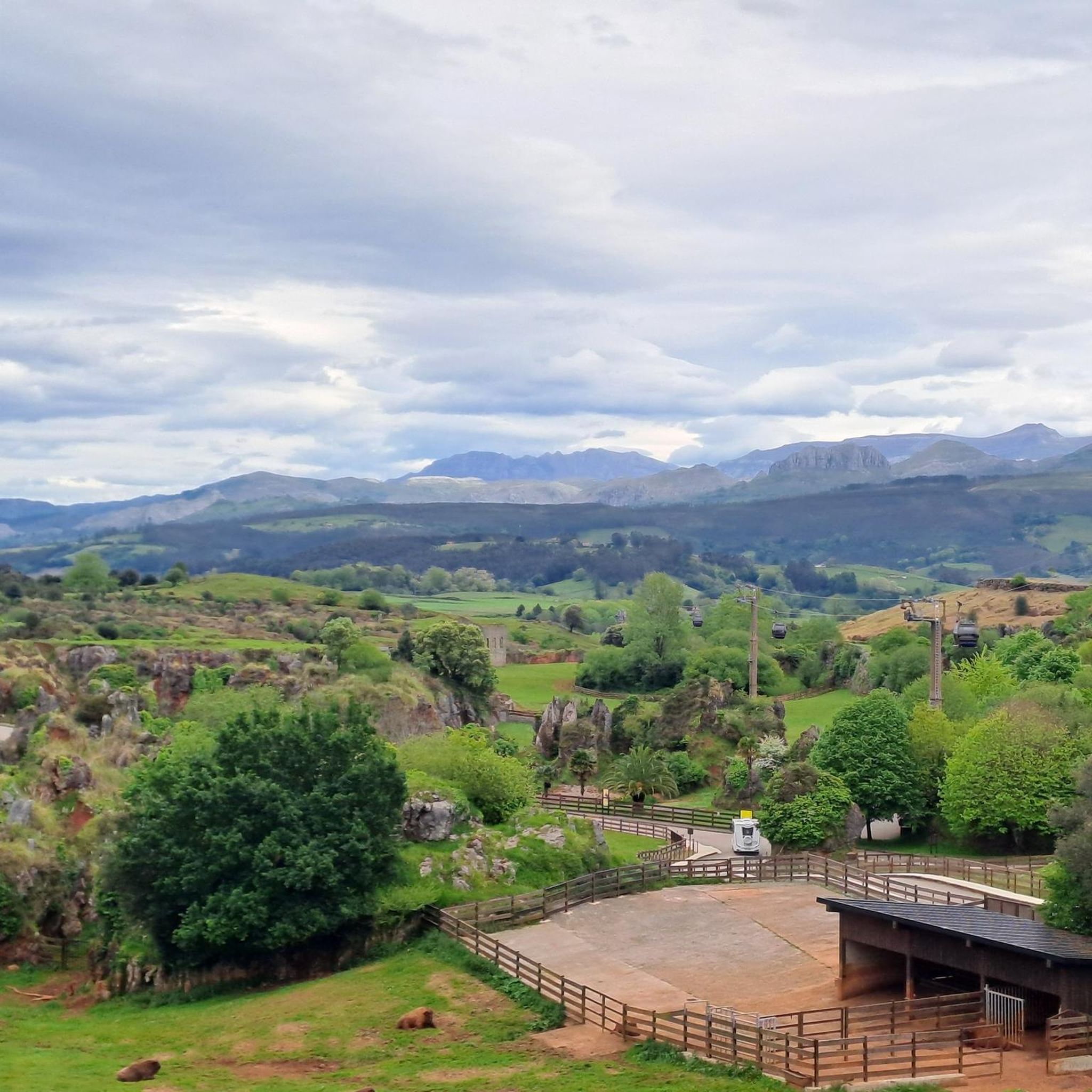
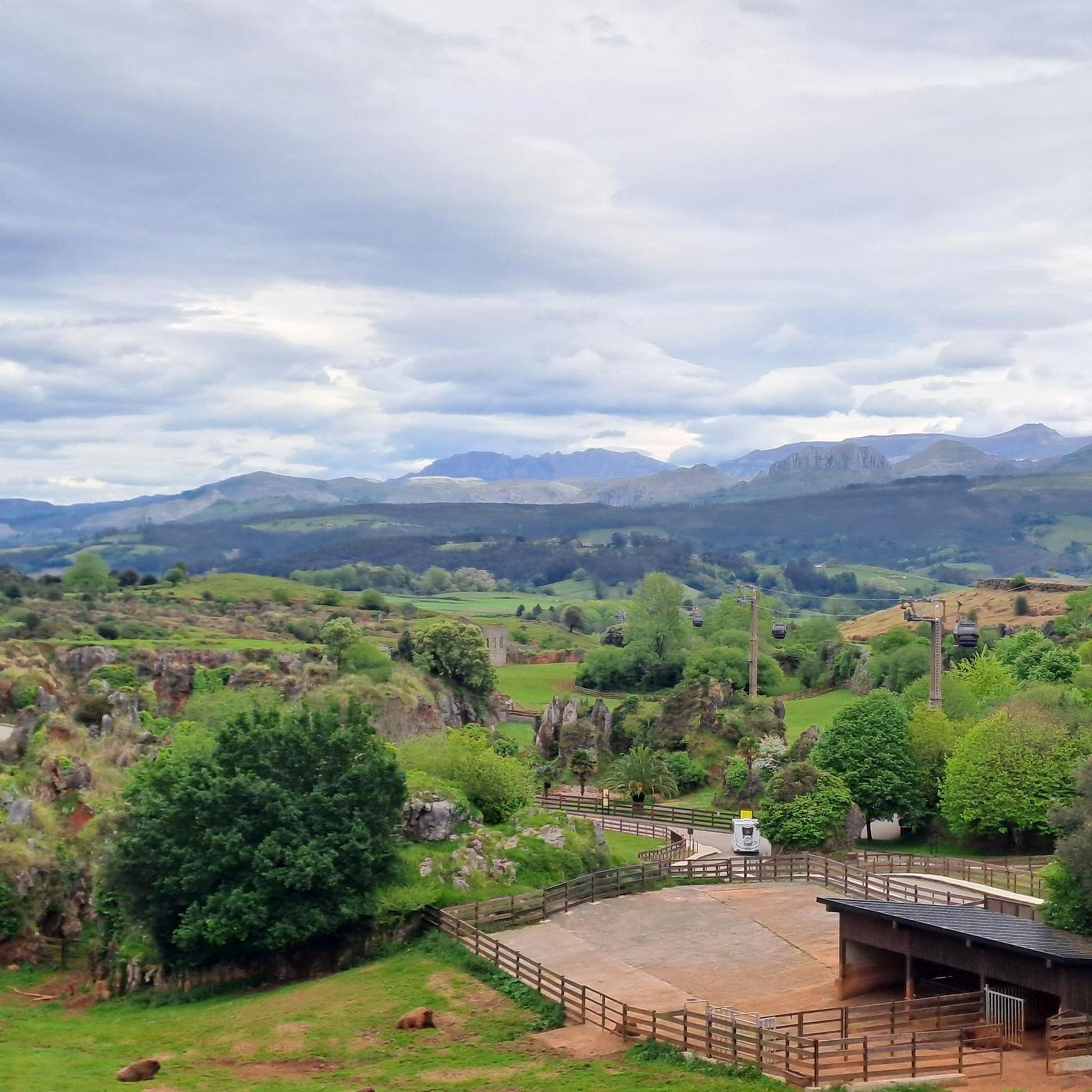
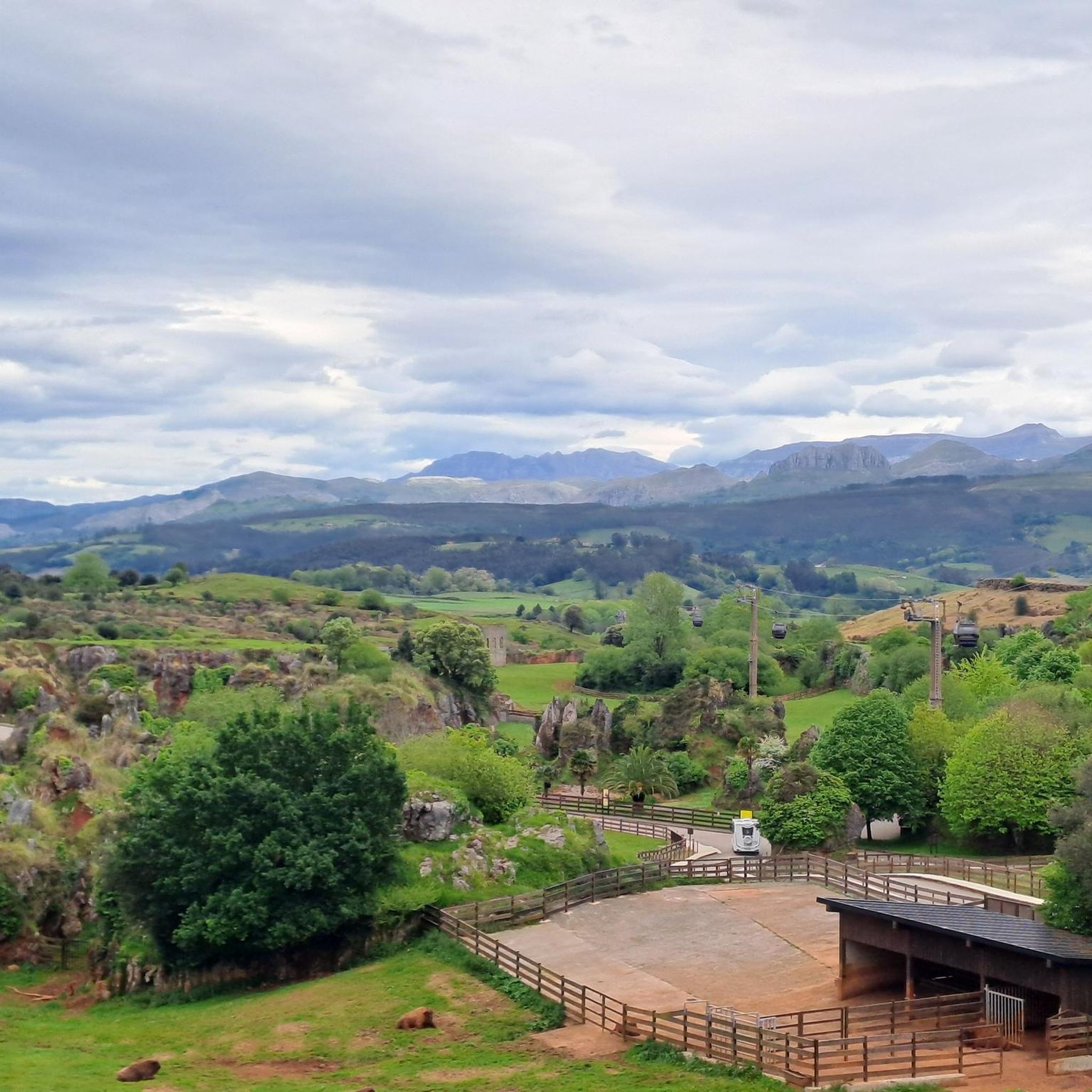
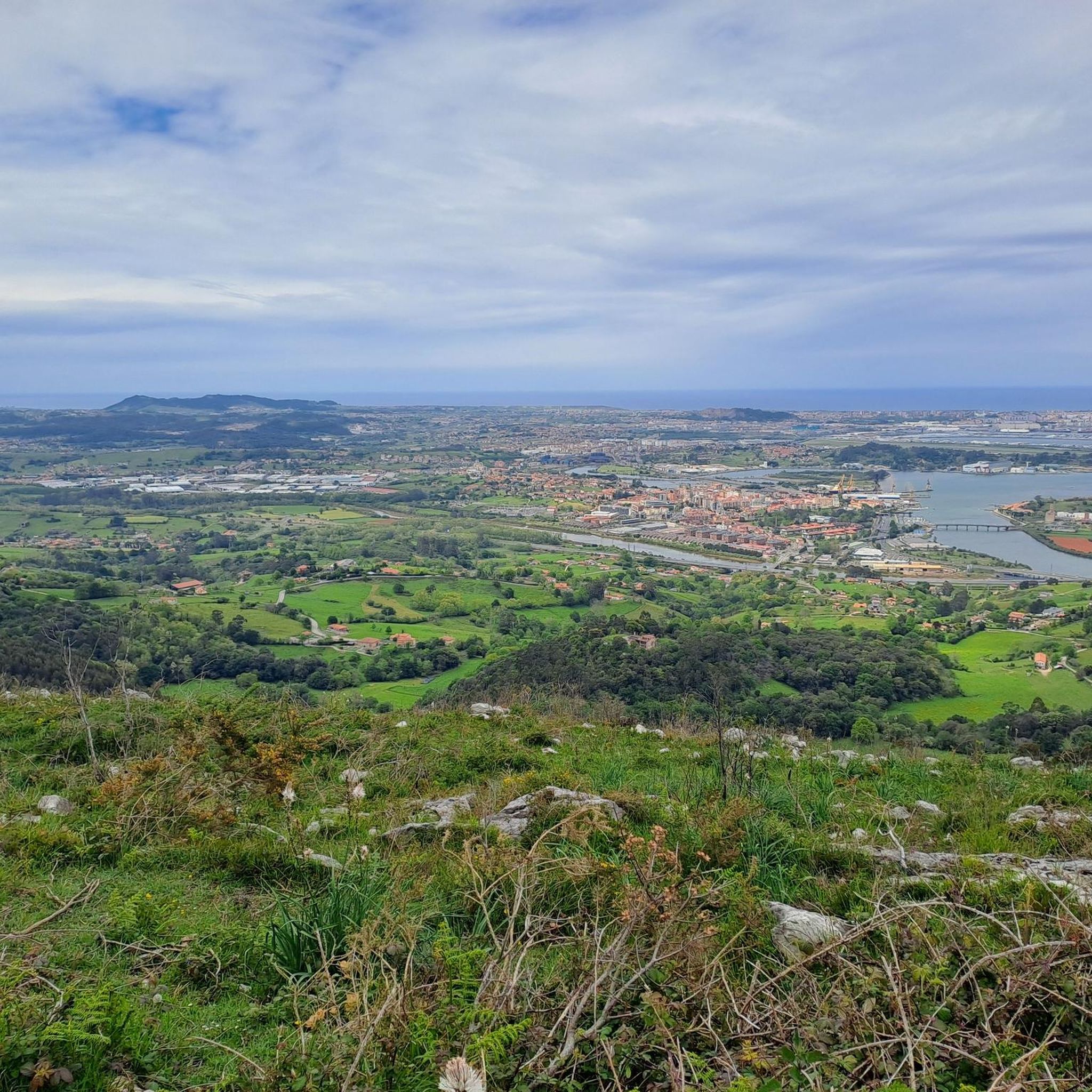
We were very surprised at how affordable the guided tours are in the caves, where you can also see some cave paintings by our ancestors. The surroundings are dreamlike with the meadows and valleys. A huge plus for the region!
0
0

The set of the Cuevas del Monte Castillo in Puente Viesgo is undoubtedly one of the greatest exponents of Rock Art in Spain. It is a set of four cavities with Paleolithic rock art, declared a World Heritage Site by UNESCO in 2008. Of the four, two are open to the public: El Castillo and Las Monedas. You can buy tickets at cuevas.culturadecantabria.com
2
0
Legend has it that a French abbot, fleeing the Revolution, came to these places, hiding in the cave. And they say that, from so much crying, his eyes became irritated in such a way that they caused him bad eyesight. But, on one occasion he noticed that by washing them with the waters of the fountain, his eyes healed. Hence the discovery of the virtues of the waters and the name of the place.
1
0

Nice and quiet path that runs along the river through the foliage of the forest.
0
0

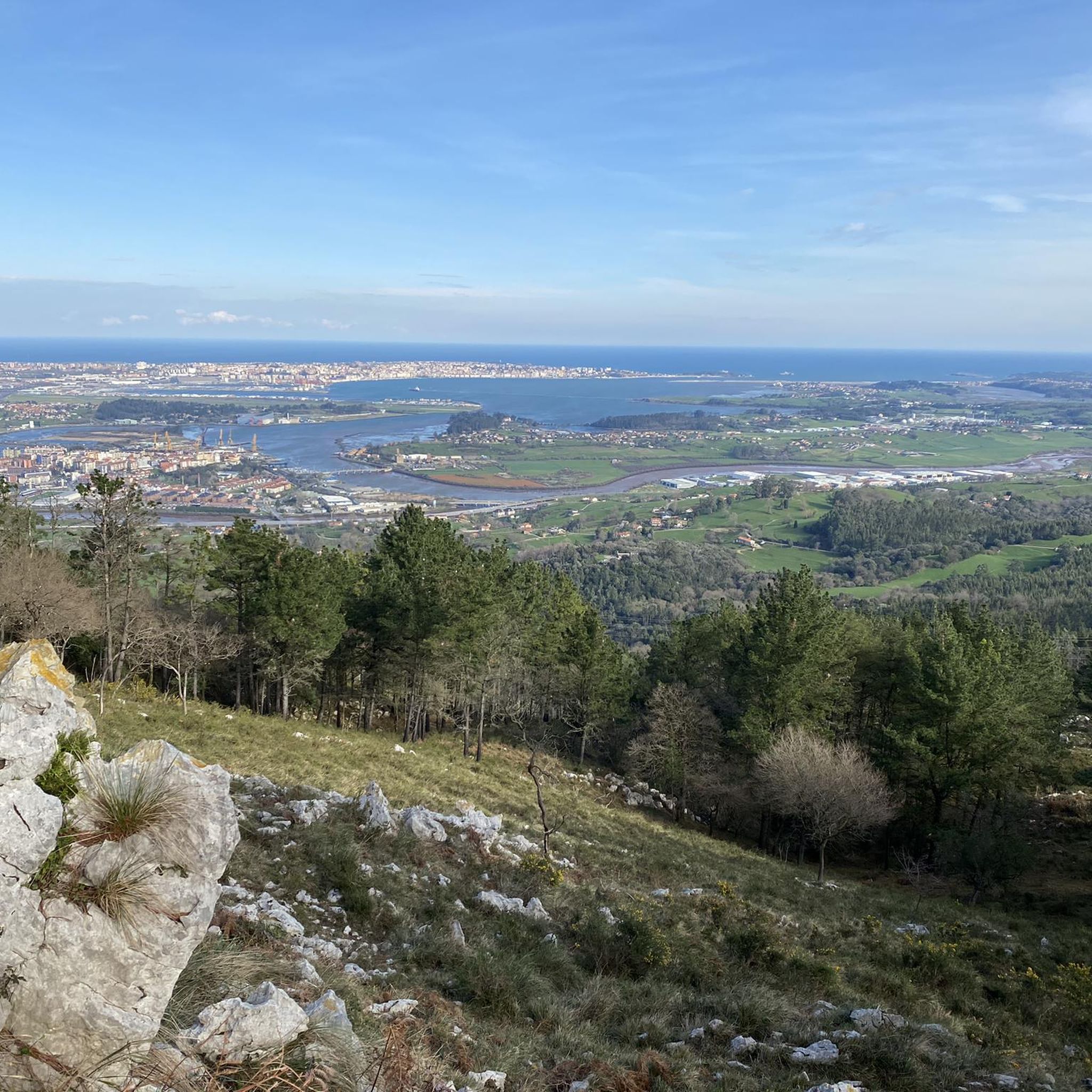
The Cueva de El Juyo is located in a sinkhole developed in the upper part of Igollo (Camargo), which is accessed by a small track that ends in the cavity. The cave contains an impressive Lower Magdalenian site (between 16,500 and 14,000 years old) -one of the most outstanding in the Iberian Peninsula-, and was the scene of the excavations and research carried out by Joaquín González Echegaray together with Leslie Gordon Freeman -prehistorian and professor from the University of Chicago
2
0
In the Bº de Rioz, in Sobremazas (Medio Cudeyo), behind the public washhouse, at the bottom in the rocks is a small cave where clear and crystalline water emerges and is where the source of the Cubón river is dated. The cave also gives the name to the small park that surrounds it, which has 3 wooden tables, a fountain and a small recreational park for young children and one of the Singular Trees of Cantabria: El Castaño de Rioz.
5
0

Frequently Asked Questions
What kind of caves can I explore around Villaescusa?
The caves around Villaescusa offer a mix of natural beauty and historical significance. You can find caves with underground rivers, like the Aguanaz River and Frenchman’s Cave, or those that are sources of rivers, such as La Covachona Cave and Source of the Cubón River. Many also hold significant archaeological value, showcasing prehistoric rock art and occupation.
Are there any caves with prehistoric art or archaeological importance in the area?
Yes, the region is rich in prehistoric sites. The Cave of the Chimneys offers guided tours where you can see ancient cave paintings. Additionally, the Cueva La Rasiega is part of the Cuevas del Monte Castillo complex, a UNESCO World Heritage site renowned for its Paleolithic rock art. While not directly in Villaescusa, the Cueva de Morín, located in the Villaescusa valley, is famous for its rare human pseudomorph and extensive prehistoric occupation from the Mousterian to Magdalenian periods.
Are there family-friendly caves or activities suitable for children?
Absolutely. The Aguanaz River and Frenchman’s Cave offers a quiet river walk through the forest, which is pleasant for families. La Covachona Cave and Source of the Cubón River is surrounded by a small park with wooden tables, a fountain, and a recreational area for young children, making it ideal for a family outing.
What kind of natural features can I expect to see in these caves?
Beyond the caves themselves, you can encounter diverse natural elements. The Aguanaz River and Frenchman’s Cave is nestled along a tranquil river with a waterfall and lush forest. La Covachona Cave is the source of the Cubón River, with clear, crystalline water emerging from the rocks, and is part of a small park featuring a Singular Tree of Cantabria.
What do visitors enjoy most about exploring the caves around Villaescusa?
Visitors often highlight the affordability of guided tours, especially in caves like the Cave of the Chimneys, where you can see ancient cave paintings. The serene surroundings, with meadows and valleys, are also frequently praised. The quiet river walks and the unique blend of natural beauty and historical significance make for a memorable experience.
What outdoor activities can I do near the caves in Villaescusa?
Beyond cave exploration, Villaescusa offers various outdoor activities. You can find numerous routes for cycling, including traffic-free bike rides and gravel biking. These routes often take you through scenic landscapes, past natural parks, and along rivers. For more details on routes, check out the guides for Traffic-free bike rides around Villaescusa and Gravel biking around Villaescusa.
Are there hiking trails near these caves?
Yes, many of the caves are situated in areas with accessible trails. For instance, the Aguanaz River and Frenchman’s Cave is part of a quiet river walk through a forest. While specific hiking guides directly linked to individual caves aren't listed, the general area around Villaescusa provides opportunities for walks and exploring the natural surroundings, often connecting to the broader network of cycling and walking paths.
How can I access caves like Cueva La Rasiega?
The Cueva La Rasiega is part of the Cuevas del Monte Castillo complex in Puente Viesgo. Of the four cavities there, two are open to the public: El Castillo and Las Monedas. You can purchase tickets and find visitor information on the official website: cuevas.culturadecantabria.com.
Is the Juyo Cave open to the public?
The Juyo Cave is a significant archaeological site known for its Lower Magdalenian findings. While it is a natural monument, information regarding public access and guided tours is not readily available in the provided data. It's advisable to check with local tourism offices for current visitor policies.
What is the best time to visit the caves around Villaescusa?
Caves generally maintain a consistent temperature year-round, making them suitable for visits in most seasons. However, for the most comfortable experience exploring the surrounding natural areas and trails, spring and autumn typically offer pleasant weather. Summer can also be a good time, providing a cool escape from the heat, while winter visits might be quieter.
Are there any cafes or accommodation options near the caves?
While specific cafes directly adjacent to each cave are not detailed, the municipalities surrounding Villaescusa, such as Obregón and Liaño, offer various amenities including cafes, pubs, and accommodation options. These villages are typically a short drive from the cave sites, providing convenient places to refresh and stay.
Most popular routes around Villaescusa
Most popular attractions around Villaescusa

Get inspired with the komoot mobile app


Explore more
Extend your search for the best caves by checking out these guides of the top ones around Villaescusa:
