Top 7 Lakes around El Far D'Empordà
Best lakes around El Far D'Empordà are found within a municipality known for its agricultural landscapes and proximity to significant natural water bodies. The area features important lagoons and wetlands, notably within the Aiguamolls de l'Empordà Natural Park. These water bodies are rich in biodiversity and offer unique natural experiences. El Far D'Empordà provides access to diverse aquatic environments, from extensive marshlands to smaller, localized ponds.
Best lakes around El Far D'Empordà
- The most popular lakes is Matà Lakes (Matar…
Last updated: May 23, 2026
Aiguamolls de l'Empordà Natural Park
Highlight • Natural
Translated by Google •
Tip by

Cortalet Pond
Highlight • Lake
Translated by Google •
Tip by

Sign up now to discover places like this
Get recommendations on the best single tracks, peaks, & plenty of other exciting outdoor places.
Sign up for free
Matà Lakes (Matar Rice Fields)
Highlight • Lake
Translated by Google •
Tip by

Vilaüt Pond bird hide
Highlight • Structure
Translated by Google •
Tip by

Can Comas Wetlands
Highlight • Natural
Translated by Google •
Tip by

Sign up for free to discover even more lakes around El Far D'Empordà.
Sign up for free
Already have an account?
Start today with a free account
Your next adventure awaits.
Login or Signup
Tips from the Community

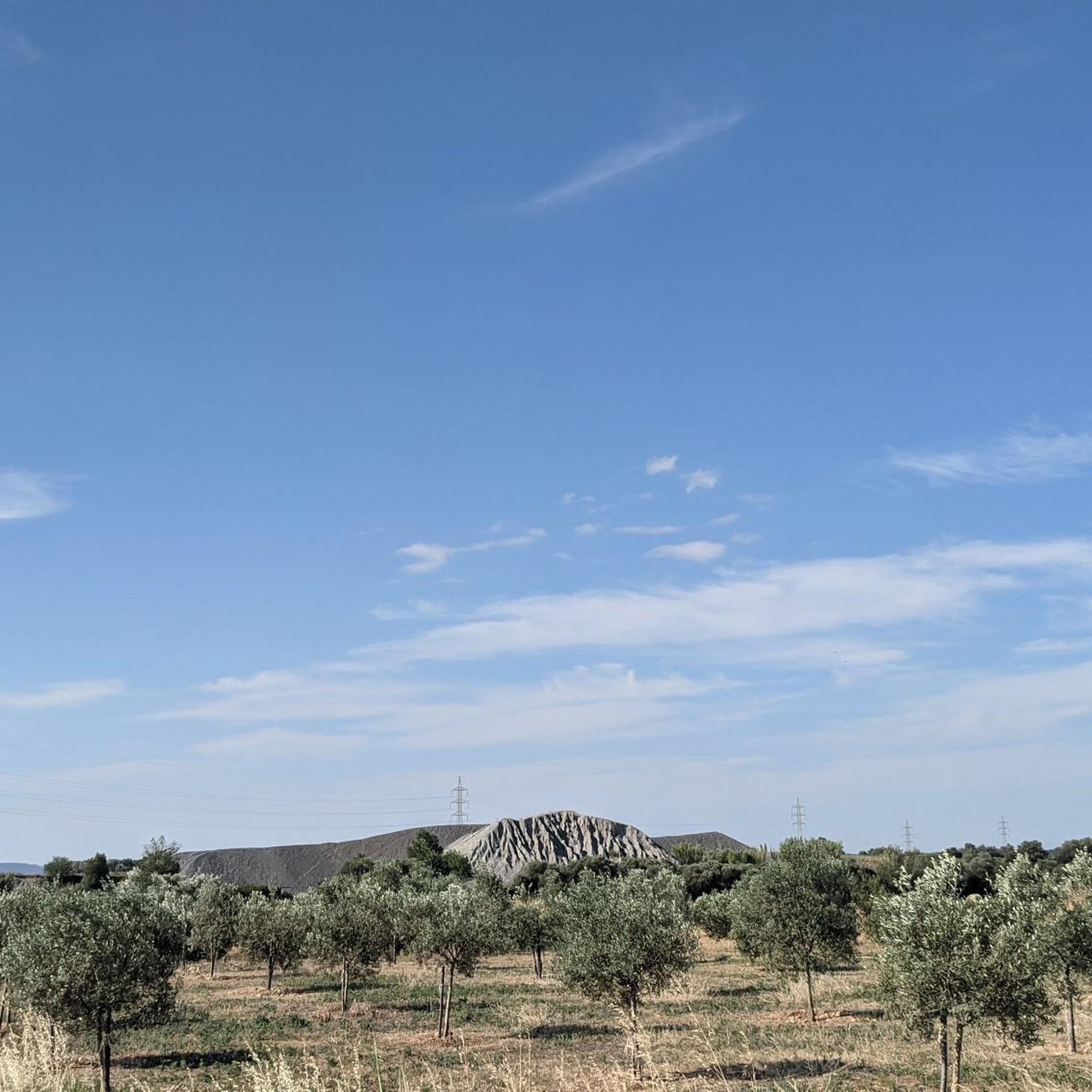
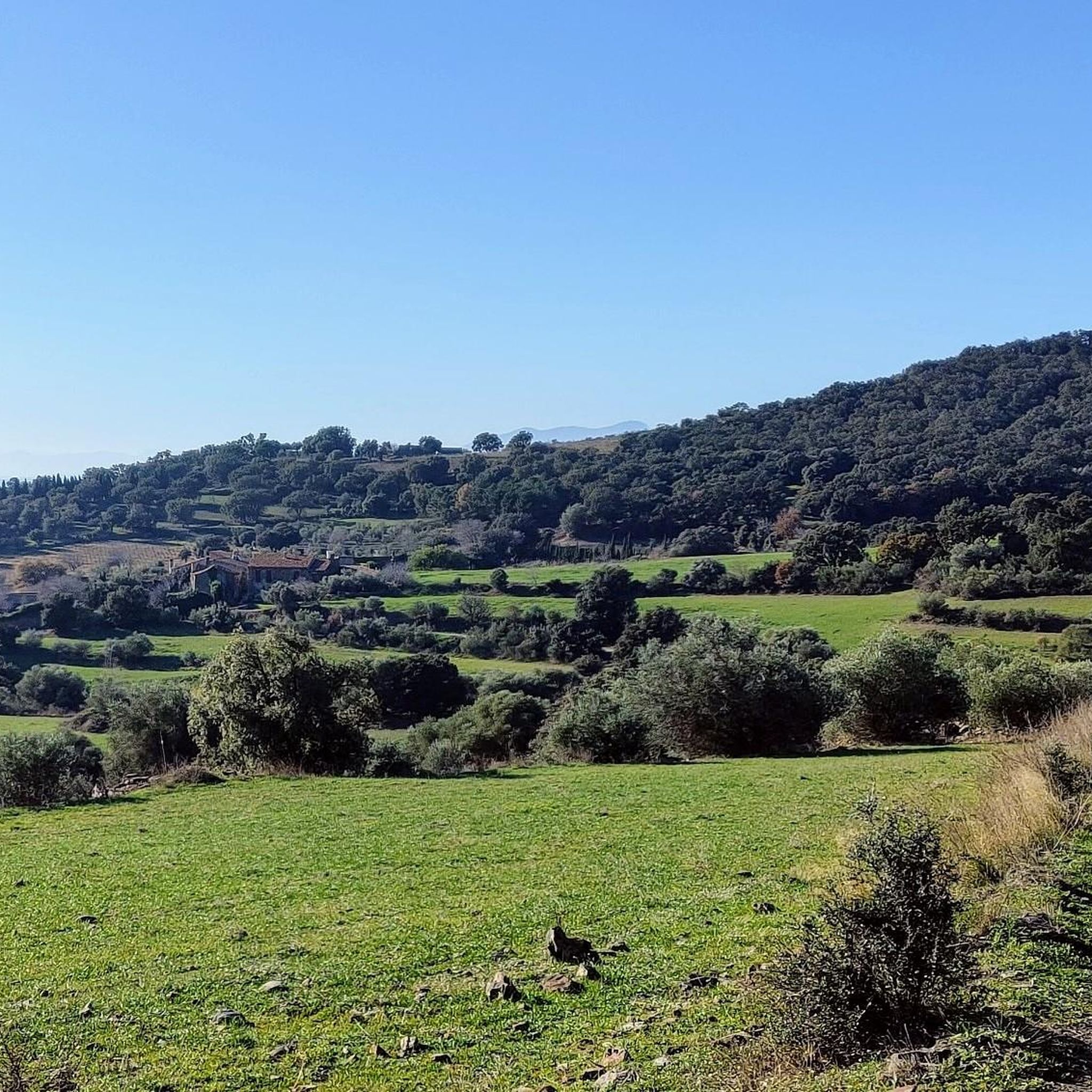
It’s a beautiful open area in the Parc. Grazing cattle and a few ruins give the plain character. The gravelroad is super smooth and accessible for all kind of bikes.
0
0
A beautiful small gravel path perfect for gravelbiking. This gravel is super smooth. This path takes you away from the main road so you can enjoy the beauty of the natural park.
0
0

Before you start a walk in this beautiful nature park, it is interesting to visit the information center. You will find more information about the park and the routes you can follow. There are also brochures available of the routes you can follow. ---------- Parking and toilet nearby. There are many lookouts and rest benches in the park.
1
0
The Parc Natural dels Aiguamolls de l'Empordà is a 5,000-hectare wetland area where many bird species occur. The natural park is located south of Empúriabrava between the mouths of the Riú Muga and the Riú Fluviá. It is a swamp area that also includes a beach and dune area. You will find salt pans and freshwater lagoons in the area. In the 1970s, there were plans to build a holiday resort in the area, but after fierce protests among the population, these plans were not implemented and the area was declared a protected natural landscape in the 1980s. Today, part of the area is open to the public. The El Cortalet information center offers you information about the area and leaflets of various walks you can take through the area. You will find this center when you turn right on the road to Castelló d'Empúries about 3 km after Sant Pere-Pescador. There is a parking lot at the center and you can then explore the area on foot. Along the various hiking trails you will find observation huts that offer you the opportunity to spot birds. 323 different bird species have been observed in the area, including flamingos, storks and bearded birds. You will see many birds, especially in spring and autumn, because this is the time when migratory birds visit the area.
2
0

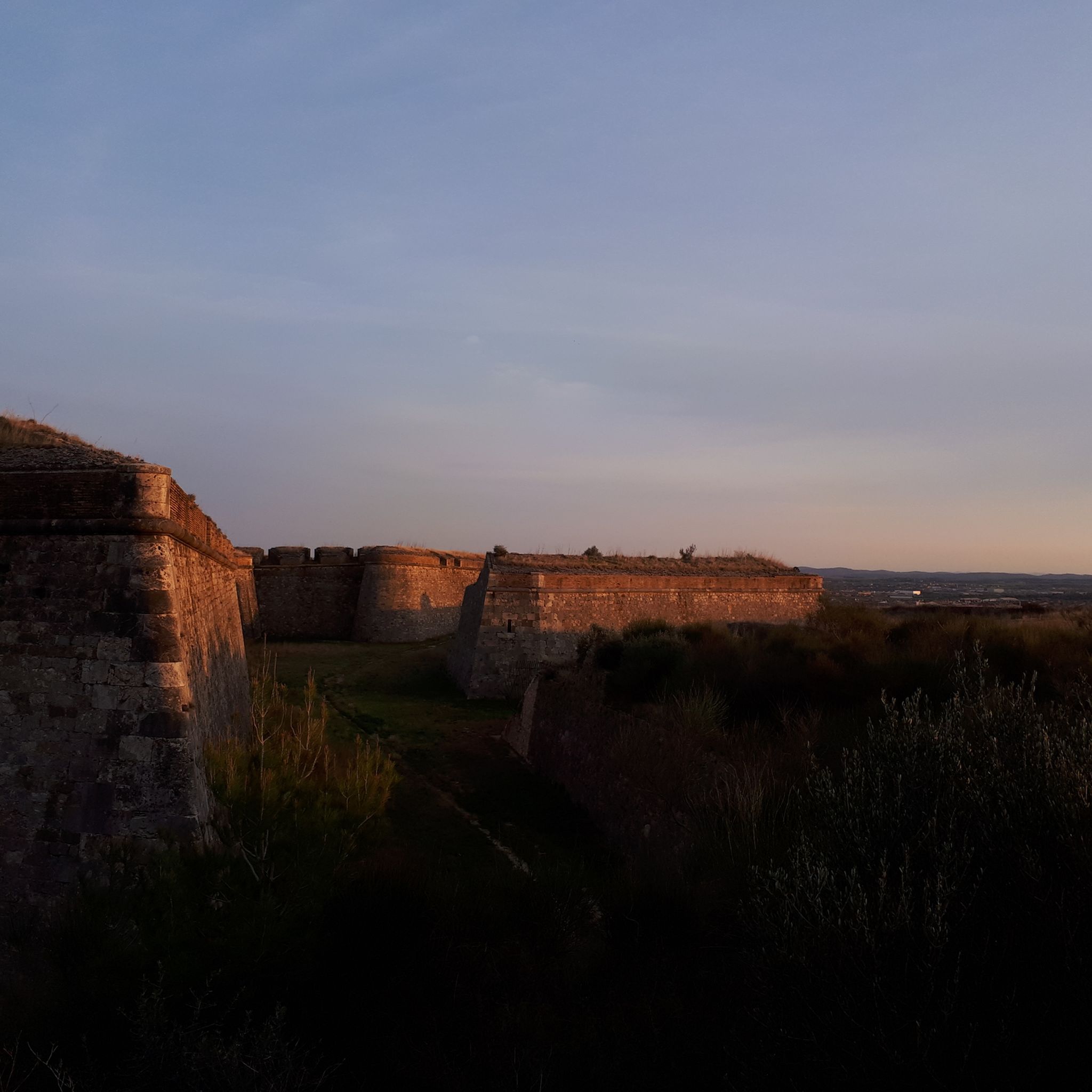
Aiguamolls and ruins
0
0

Please note, within the Parc Natural dels Aiguamolls de l'Empordà, bicycles are not allowed. However, it seems that the practice is tolerated out of season and outside busy periods. While respecting the calm of the reserve.
1
0

"Slow down and quietly approach the pond at the end of the trail. It won't be long before you start seeing birds you've never seen before, and hopefully, maybe some more surprises. In my case, the surprise was a beautiful one example of a feral cat. Due to the strong north wind, the cat had not seen me when I approached. However, when it noticed my presence, it chose to crouch down and blend in with its surroundings. I knew I had seen it, and the distance between us was of only 5 meters. The cat used a surprising tactic by moving its eyes in the direction I had come as if something was going to happen. When I turned my head in that direction, I gained a few precious seconds to disappear among the weeds. It was a memorable encounter with nature and a lesson on the cunning and adaptability of feral cats in their natural environment. Feral cats are domestic cats that return to a wild state due to the lack of interaction with humans. They often originate from abandoned or lost cats. They have a similar appearance to domestic cats and are good hunters. In some areas, they form feral colonies. Overpopulation can be a problem, and it is controlled by sterilization. The presence of feral cats raises public health concerns and can have a negative impact on the local fauna. Animal welfare organizations often work in programs for their management and care. The lake of Cortalet is a wetland with a surface area of about 146 hectares. It consists of the Cortalet lake itself and an additional plot located to the north, called Les Mollerusses, made up of some closes and also managed as a wetland, with a sheet of water during most of the year. Estany del Cortalet is a large artificial pond designed and built in old meadows adjacent to the Information Center of the Natural Park. Its main purpose is to facilitate the observation of birds for many of the Park's visitors, its ecological interest being basically ornithological. The most abundant community in the space is the reedbed.
3
0
Don't miss Bassa de l'Enric and its educational activities. Starting point of several routes, most walking and in silence. You have a bar in summer and WC all year round. https://castelloempuriabrava.com/que-visitar/parc-natural-dels-iguamolls-de-lemporda/ Contact: El Cortalet GIV-6216 (ctra. Sant Pere Pescador-Castelló d'Empúries) km 4.2 17486-Castelló d'Empúries Tel. 972 45 42 22 Fax 972 45 44 74 pnaiguamolls@gencat.cathttps://parcsnaturals.gencat.cat/ca/xarxa-de-parcs/iguamolls-emporda/inici/
4
0
Frequently Asked Questions
What kind of natural water bodies can I expect to find around El Far D'Empordà?
The region around El Far D'Empordà is characterized by important lagoons and wetlands, primarily within the Aiguamolls de l'Empordà Natural Park. You'll find a complex ecosystem of brackish water wetlands, freshwater ponds, and reed beds. Within the municipality itself, the Far Lagoon offers a more localized natural attraction.
Where are the best places for birdwatching near El Far D'Empordà?
The Aiguamolls de l'Empordà Natural Park is an exceptional destination for birdwatching. Key spots include Cortalet Pond, located near the park's information center, and the Vilaüt Pond bird hide. Migratory periods (March-May and August-October) are particularly active for observing over 320 different bird species.
Are there family-friendly lakes or wetlands to visit?
Yes, many areas within the Aiguamolls de l'Empordà Natural Park are suitable for families. The park offers well-signposted, accessible routes for walking and cycling. Highlights like Cortalet Pond, Matà Lakes (Matar Rice Fields), and Can Comas Wetlands are noted as family-friendly and offer opportunities for nature observation.
What is the best time to visit the lakes and wetlands in the region?
While interesting specimens can be seen year-round, the migratory periods from March to May and August to October are particularly active for bird observation in the Aiguamolls de l'Empordà Natural Park. These times offer the best chance to see a wide array of bird species.
Can I cycle around the lakes and wetlands?
Yes, the Aiguamolls de l'Empordà Natural Park offers well-signposted routes suitable for cycling. For example, the gravel road at Can Comas Wetlands is smooth and accessible for various bikes. While bicycles are generally not allowed within the integral reserve areas, their practice is often tolerated out of season and outside busy periods. You can find more cycling options in the Cycling around El Far D'Empordà guide.
Are there walking trails near the lakes?
Absolutely. The Aiguamolls de l'Empordà Natural Park provides a serene environment for walking with well-signposted accessible routes. You can explore diverse landscapes, from reed beds to meadows. The path around Valveralla Pools is also described as green and natural, perfect for a stroll.
What kind of wildlife can I expect to see?
The wetlands are a biodiversity hotspot. You can expect to see a wide variety of bird species, including storks, flamingos, herons, and mallards. Beyond birds, the park is home to mammals like otters and polecats, and fish species such as carp, eel, and mullet. Visitors have even reported encounters with feral cats near Cortalet Pond.
Are there any historical aspects related to the lakes in El Far D'Empordà?
The Far Lagoon (Estany del Far) within the municipality serves as a reminder of the area's historical susceptibility to flooding. It offers insight into the natural history and geographical evolution of El Far D'Empordà, connecting the present landscape to past water management and natural processes.
What are the Matà Lakes and what is their significance?
The Matà Lakes (Matar Rice Fields) are an artificial wet area covering approximately 91 hectares. Historically used for rice cultivation, this space is now intentionally flooded by pumping to maintain optimal water levels, primarily to support waterfowl populations, making it an important habitat for birds.
Can I bring my dog to the lake areas?
While specific regulations can vary, generally, dogs are permitted on trails in natural areas, but often require leashes, especially during certain seasons or near sensitive wildlife habitats. For instance, near the Vilaüt Pond bird hide, dogs must be leashed in summer.
What other outdoor activities can I do near these lakes?
Beyond walking and cycling, the region offers various outdoor activities. You can explore running trails, with options ranging from easy city runs to more challenging loops, as detailed in the Running Trails around El Far D'Empordà guide. Gravel biking is also popular, with routes like 'Gravel between the Fluvià and the Muga' available in the Gravel biking around El Far D'Empordà guide.
Is there an information center for the Aiguamolls de l'Empordà Natural Park?
Yes, the El Cortalet information center serves as a key point for visitors to the Aiguamolls de l'Empordà Natural Park. It provides wildlife information, maps, and acts as a trailhead for various walking and biking paths. Binoculars are also available for rent there to enhance your birdwatching experience. For more information, you can visit spain.info.
Most popular routes around El Far D'Empordà
Most popular attractions around El Far D'Empordà

Get inspired with the komoot mobile app


Explore more
Still not found your perfect lake around El Far D'Empordà? Check out the guides of these regions to see even more beautiful places.
