Top 3 Castles around Sant Bartomeu Del Grau
A visit to a castle — whether you stumble over one during a hike outdoors or walk your way around the grounds with a guide — is always something special, and you’ve got 3
beautiful castles to choose from around Sant Bartomeu Del Grau. Just browse our list to find your top castle , and add some history to your next adventure!
Last updated: July 31, 2026
Castell d'Olost
Highlight • Castle
Translated by Google •
Tip by

Castle of Tona
Highlight • Castle
Translated by Google •
Tip by

Sign up now to discover places like this
Get recommendations on the best single tracks, peaks, & plenty of other exciting outdoor places.
Sign up for free
Sant Salvador de Bellver Hermitage
Highlight • Religious Site
Sant Salvador de Bellver is a Romanesque church located at the north-eastern end of the municipality of Sant Boi de Lluçanès at the tip of …
Translated by Google •
Tip by
Orís Castle
Highlight • Castle
Translated by Google •
Tip by

Castle Route
Highlight (Segment) • Trail
Translated by Google •
Tip by

Start today with a free account
Your next adventure awaits.
Login or Signup
Tips from the Community

Very nice route with walkways, to go up to the castle...highly recommended
0
0

nice castle, with very good nature, it is not technical at all and it is easy to go down, but there are quite a few paths and you have to be careful and have it planned
1
0

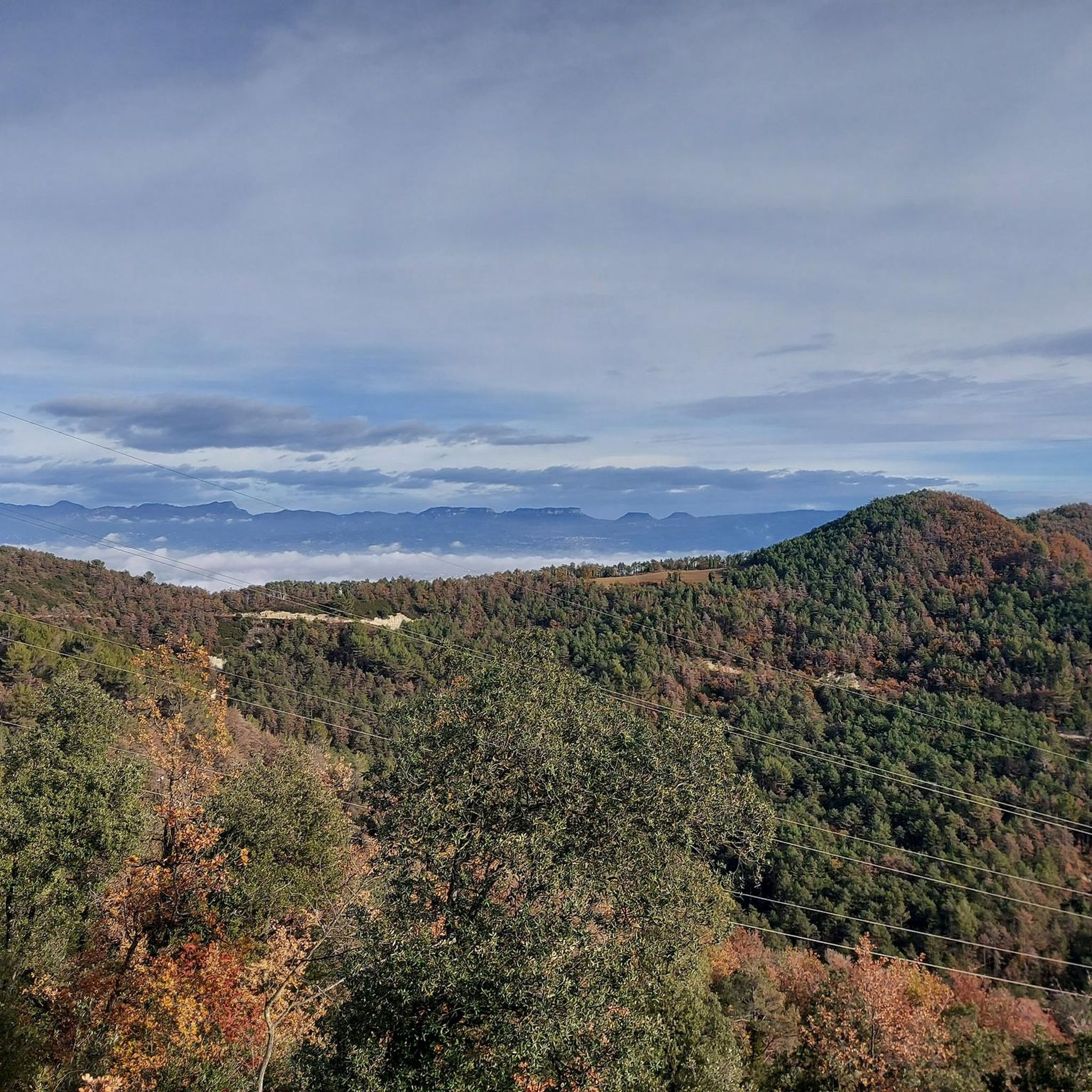
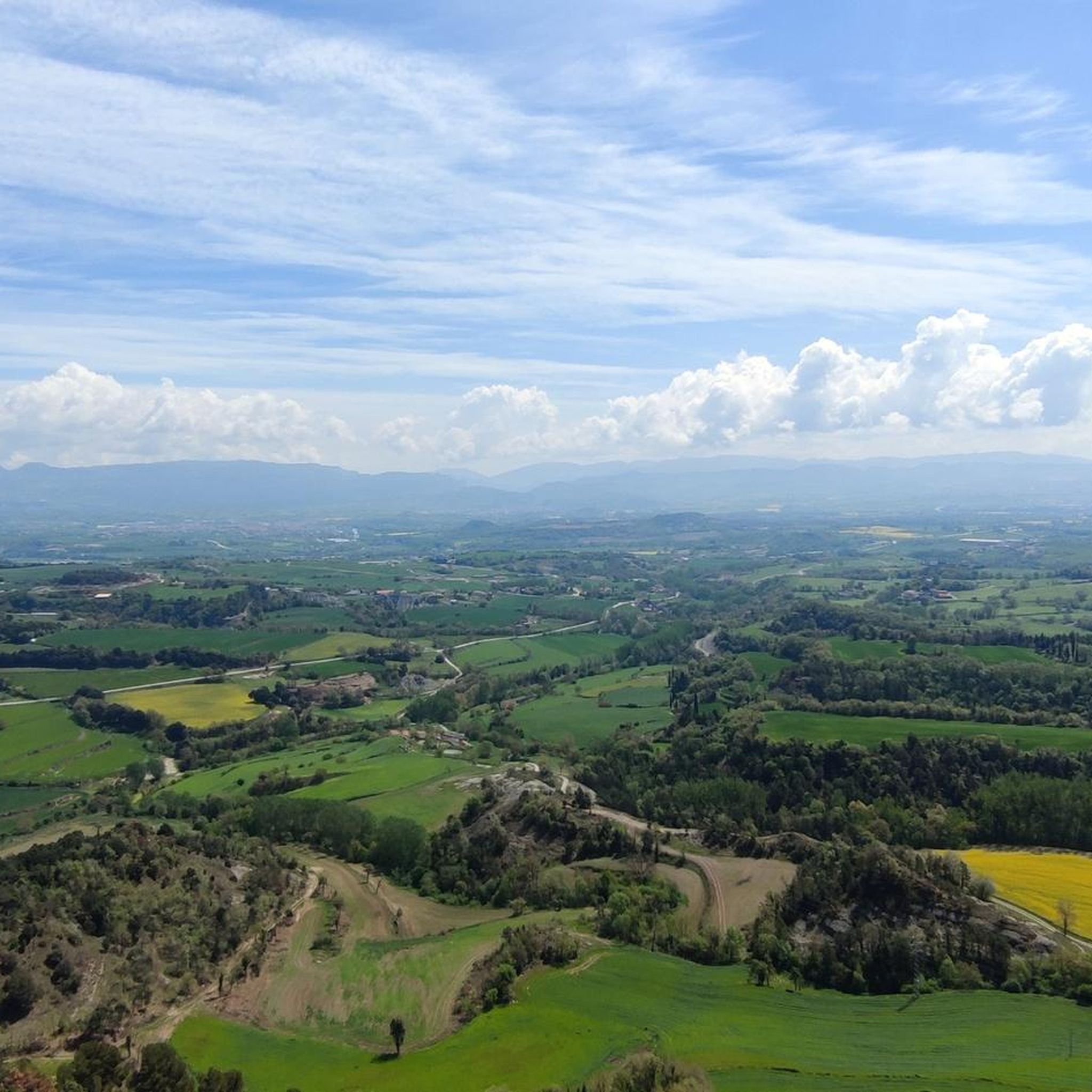
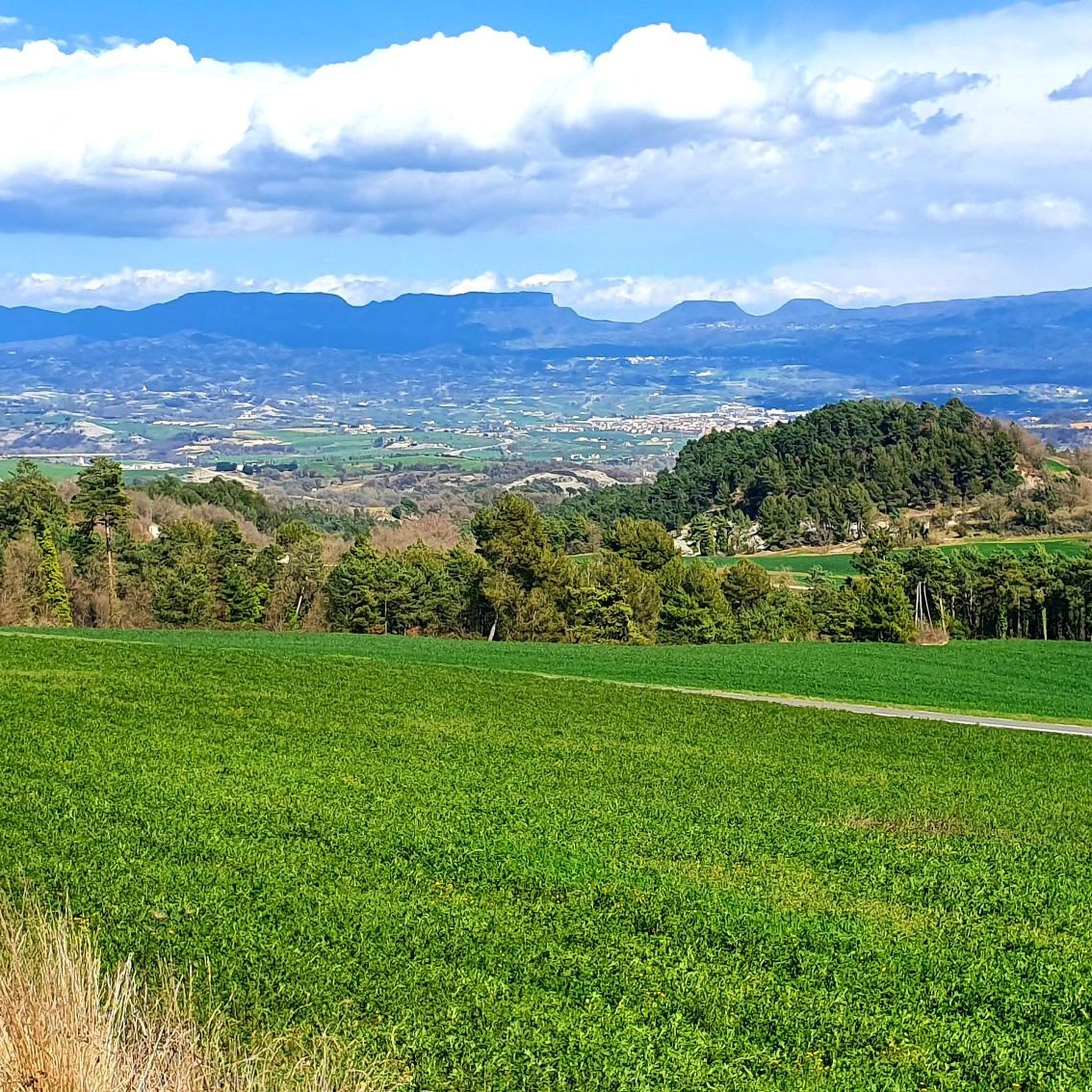
It is located on a hill with a flat and extensive top, next to the urban area of the town of Tona in the Osona region. The castle is located in the northeast corner. There is an extraordinary panoramic view towards the Massif del Montseny, Collsuspina and Montanyola. Of the old Tona castle, all that remains today is a defense tower set directly on the rock. It has a square base, covered with a barrel vault, measuring 4.85 x 5.10 m. Average external height of 7.5 m. and wall thickness of 2.30 m. It has been said that it was perhaps a tower of Roman origin since a Roman road passed very close to this place, connecting the plain of Vich with Barcelona.
22
0

SANT SALVADOR CHURCH OF BELLVER Sant Salvador de Bellver is a Romanesque church located at the north-eastern end of the municipality of Sant Boi de Lluçanès at the tip of a ridge that dominates the northern part of the Plana de Vic. It is a church of large proportions, divided by two lateral arches and covered with a slightly pointed vault, which ends with a semicircular apse, covered with a quarter-sphere vault. The sobriety of the architectural lines and the volume of the construction, resolved with large blocks, in a homogeneous structure and without interruptions of any kind, lacking additions from later periods, make the beauty of the style stand out even more, which is shown in the exterior ornamentation of the apse, under the line of the cornice and in its windows. A sawtooth frieze is preserved in the apse and presents three series of nine blind arches separated by Lombard bands. Two windows also open, one in the east sector and the other in the south sector, both formed by arches in degradation. These windows form slits on the inside and folds outwards. https://turisme.llucanes.cat/visiteu/esglesia-de-sant-salvador-de-bellver/ https://ca.wikipedia.org/wiki/Sant_Salvador_de_Bellver
2
0
The castle of Olost is located in a hollow – therefore in a not very strategic situation – next to the stream of Olost and to the south of the town of Olost and very close to its main nucleus, although it belongs to the municipality of Oristà. The castle arose in the 11th century after the disappearance of the castle of Oristà. It started as just a watchtower with a rectangular plan. Later on, it became a castle, although it was never a defense fortress but rather a stately residence bringing together feudal possessions. Of the old building, the tower and the Gothic chapel are currently preserved. https://ca.wikipedia.org/wiki/Castell_d%27Olost
2
0

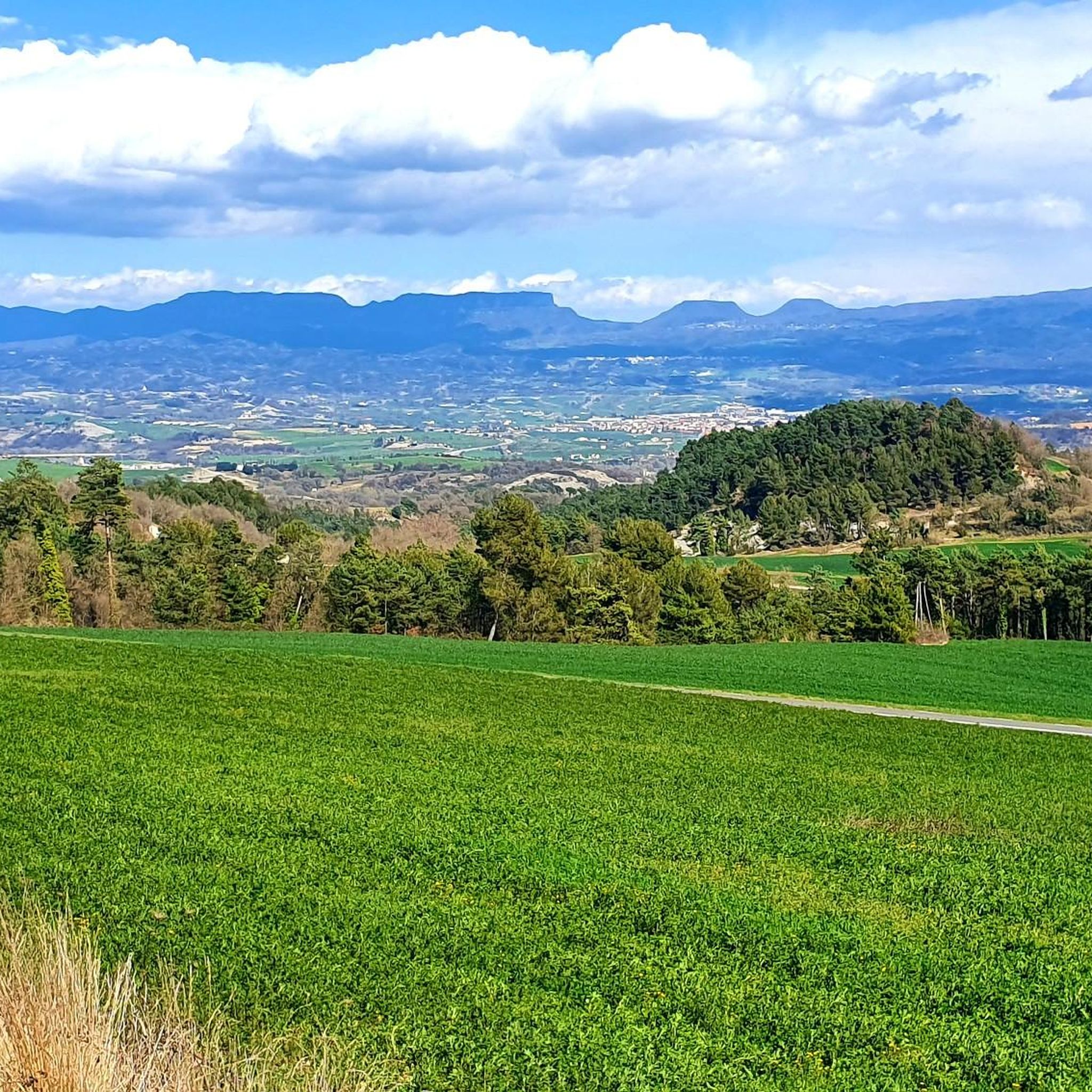
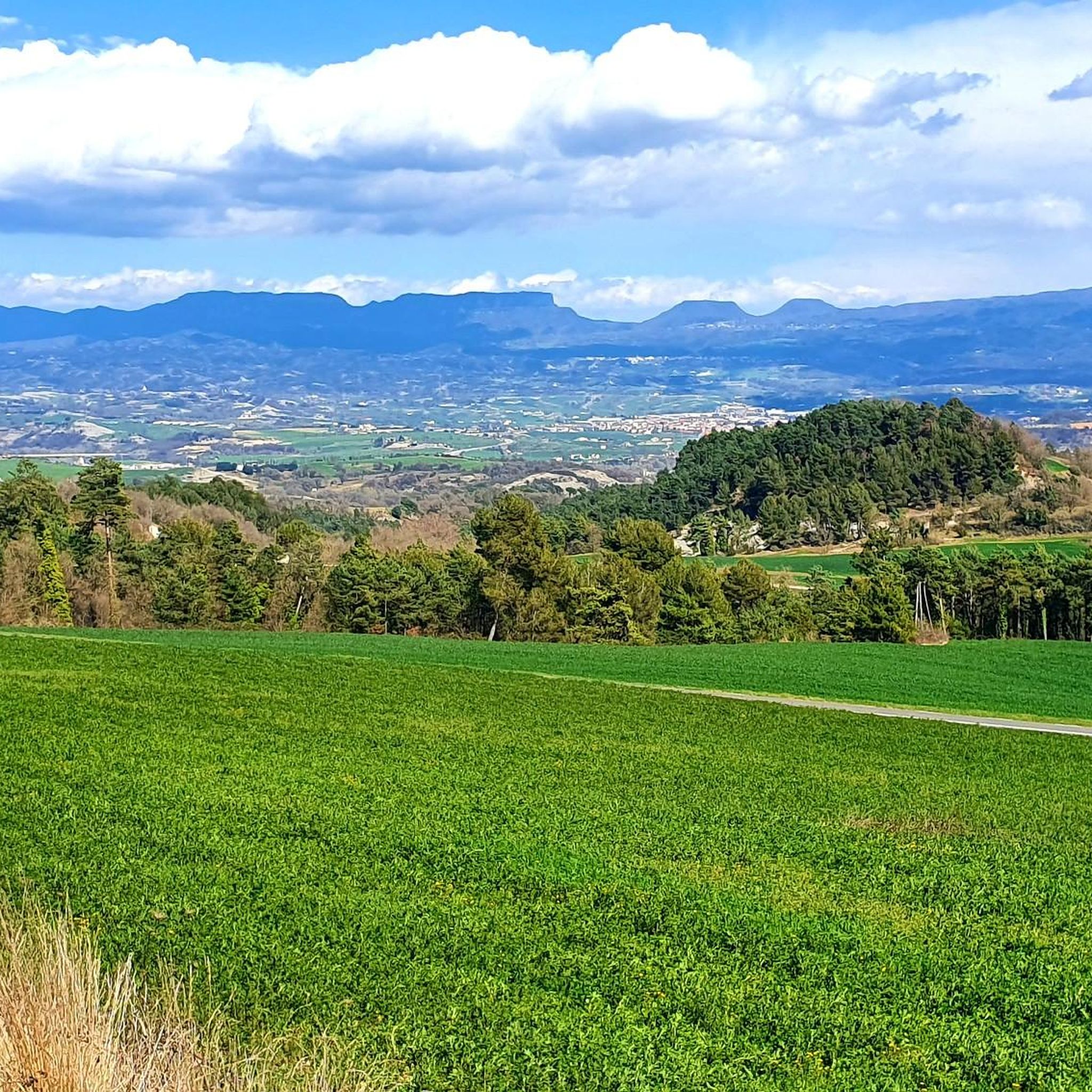
The castle of Orís is of all the peaks in the area the most original and unmistakably shaped. The panorama seen from the castle justifies the small effort of the ascent. In spite of being so broken up and damaged, the ruins of Orís Castle, strategically located close to the cliff of its cut cliff, still allow us to read old structures and are a wide field for the imagination. In its remains, at least four well-differentiated periods of construction stand out. In the west-southern corner you can see the remains of walls and the floor plan of the chapel of Sant Pere, from the Romanesque period, probably from the s. XII; towards the east, protected by a late Gothic wall, there is a large chamber, half buried, with a pointed vault of primitive Gothic type; and the highest and well-preserved wall, on the tramuntana side, shows several periods of construction that extend from the 15th to the 17th century. The ensemble of the ruins shows a grandeur that is still present in the midst of the present prostration; on the other hand, you can enjoy a superb view of a large part of the region. Currently the remains are protected with fences which gives you an unpleasant feeling of being caged.
1
1
I was hoping to find the friar Marcel Capellades who, as I understand it, lives and shares his life with other people who seek God in the sources of the gospel, prayer and silence. As a young man, he was a disciple of Father Estanislau Maria Llopart, a hermit from Montserrat, whom he accompanied to Japan in 1974 to begin a hermit experience in the Nagasaki Islands. Unfortunately I didn't find anyone there.
0
1
Sant Salvador de Bellver was on the edge of the old town of Lluçà castle, in the place of Bellver or Orís, because it was touching the boundaries of the castle of Orís, in the parish of Sant Boi de Lluçanès. Its old name, recorded as early as 1110, at the beginning of its foundation, was that of Sant Salvador de Bellver, due to its fact that it is located on the hill of Belvidere or Bellver. Undoubtedly, the long horizon towards the Plana de Vic and the Ter valley, which could be admired from this point, must have given it this name. From the beginning of the twelfth century there was a community of priests and clergy, ruled by a prior. This community was governed by the rule of Sant Agustí, as was the monastery of Lluçà or the lake. The church became more important when a brotherhood was created in its temple in 1210, of which several nobles and peasants of the region were part. Upon entering, they made various donations of land in exchange for being included in the prayers and suffrages of the confreres. This brotherhood managed to be as important or more important than the community of canons, which, towards the end of the 13th century, in 1278, had already been reduced to a priest, who had the title of rector, and two other chaplains, beneficiaries. , one of which was from the brotherhood. The Black Death caused the disappearance of the community, while the brotherhood mourned the death of the institution.
0
1
Most popular routes around Sant Bartomeu Del Grau
Most popular attractions around Sant Bartomeu Del Grau

Get inspired with the komoot mobile app


Explore more
Looking for the best castles somewhere else? Discover other guides around Sant Bartomeu Del Grau:
