The best cycling routes around Sant Bartomeu Del Grau
4.6
(140)
5,282
riders
235
rides
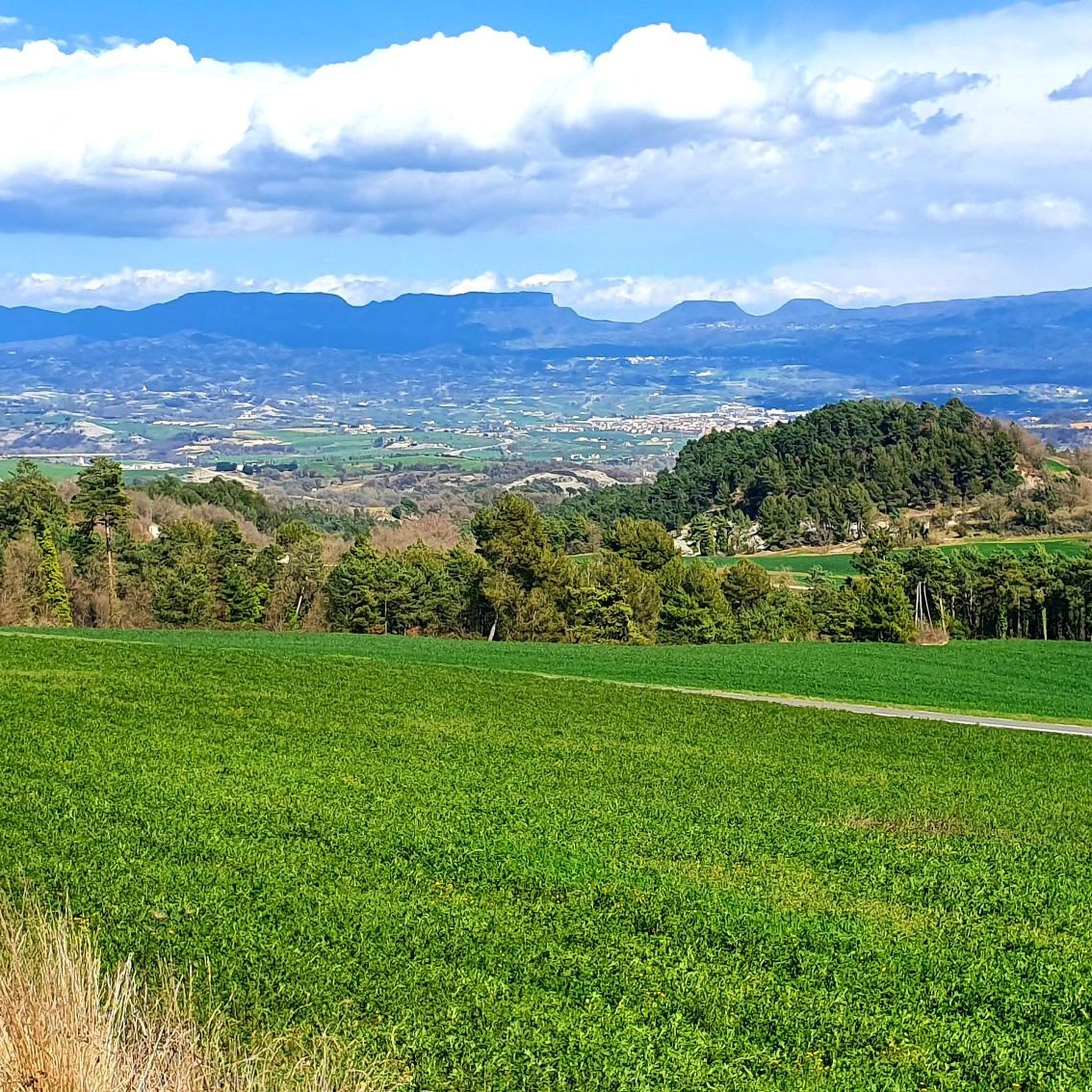
Touring cycling routes around Sant Bartomeu Del Grau traverse a landscape characterized by rolling hills, rural fields, and scattered woodlands. The region features varied terrain with notable elevation changes, often including climbs and descents. Routes frequently pass by local landmarks such as churches and reservoirs, offering views of the surrounding countryside.
Best touring cycling routes around Sant Bartomeu Del Grau
- The most popular touring cycling route is Sant Bartomeu del Grau Church – Road to Sant Bartomeu del Grau loop…
Last updated: August 1, 2026
28
riders
35.3km
02:32
660m
660m
Hard bike ride. Very good fitness required. Mostly paved surfaces. Suitable for all skill levels.
5.0
(1)
23
riders
46.7km
03:14
790m
780m
Hard bike ride. Very good fitness required. Mostly paved surfaces. Suitable for all skill levels.

Sign up for free
15
riders
68.6km
04:53
1,200m
1,200m
Hard bike ride. Very good fitness required. Mostly paved surfaces. Suitable for all skill levels.
18
riders
44.5km
04:29
1,050m
1,050m
Hard bike ride. Very good fitness required. Mostly paved surfaces. Suitable for all skill levels.
11
riders
Hard bike ride. Very good fitness required. Mostly paved surfaces. Suitable for all skill levels.
Get access to more routes and recommendations from other explorers.
Sign up for free
Already have an account?
Our route recommendations are based on thousands of hikes, rides, and runs completed by other people on komoot.
Start today with a free account
Your next adventure awaits.
Login or Signup
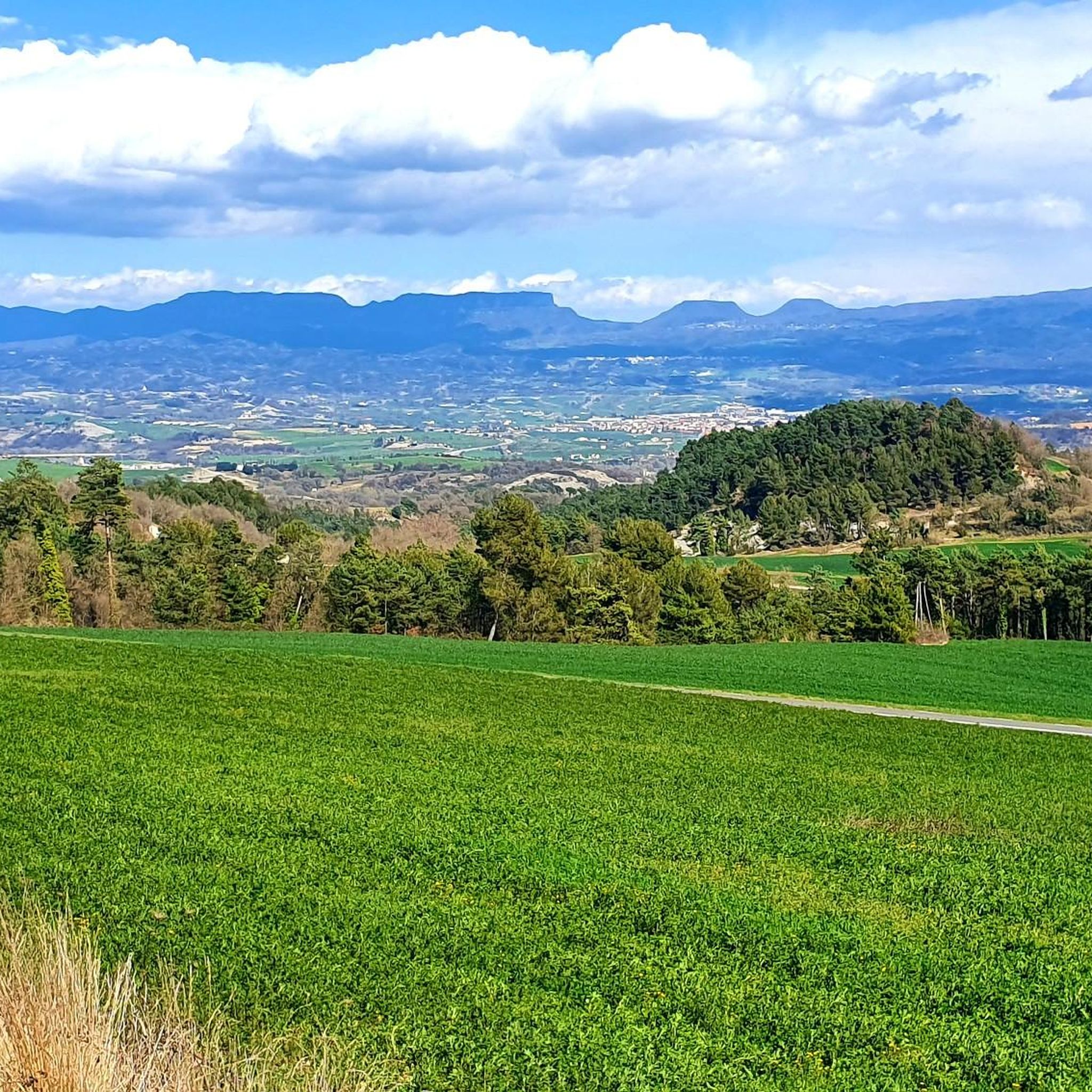
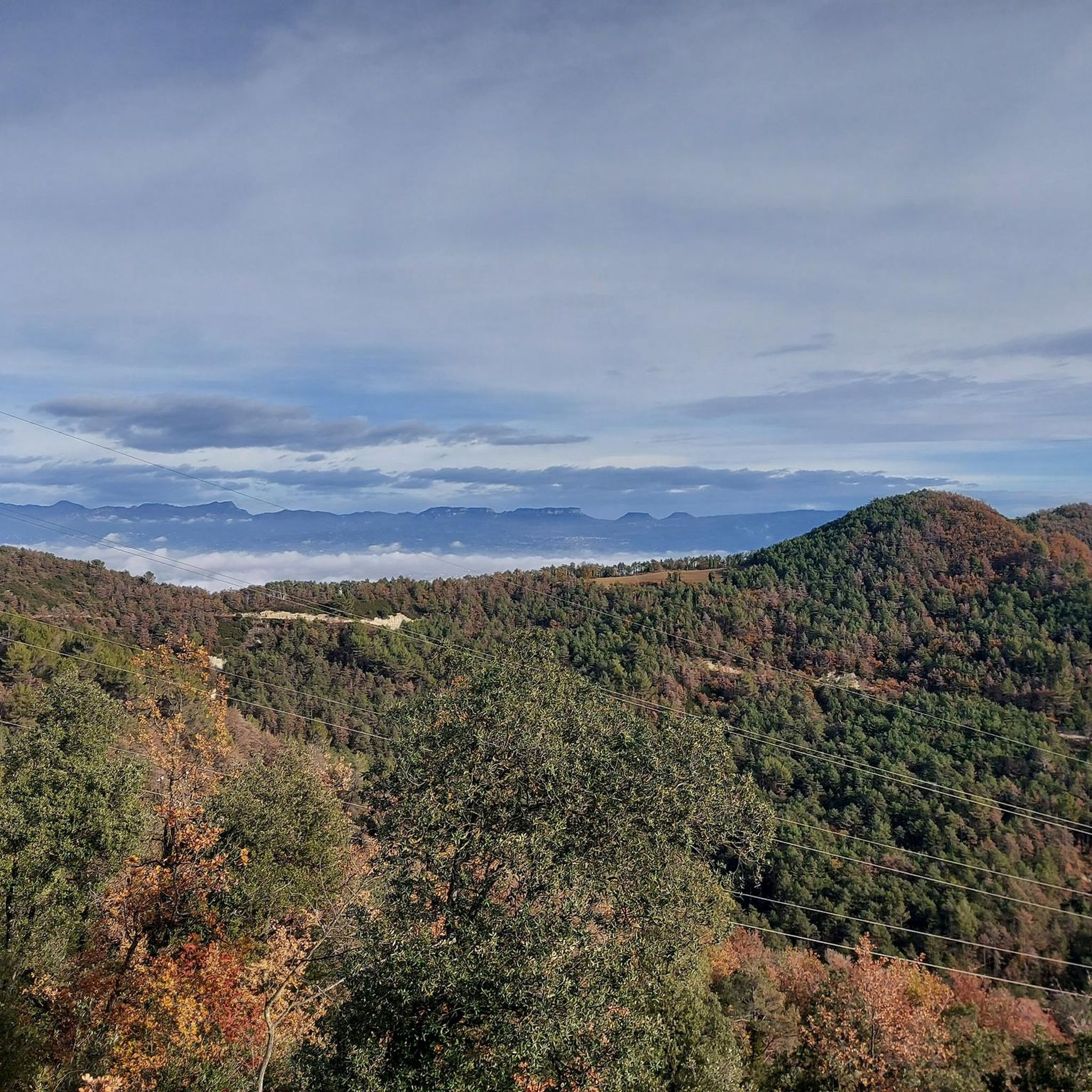
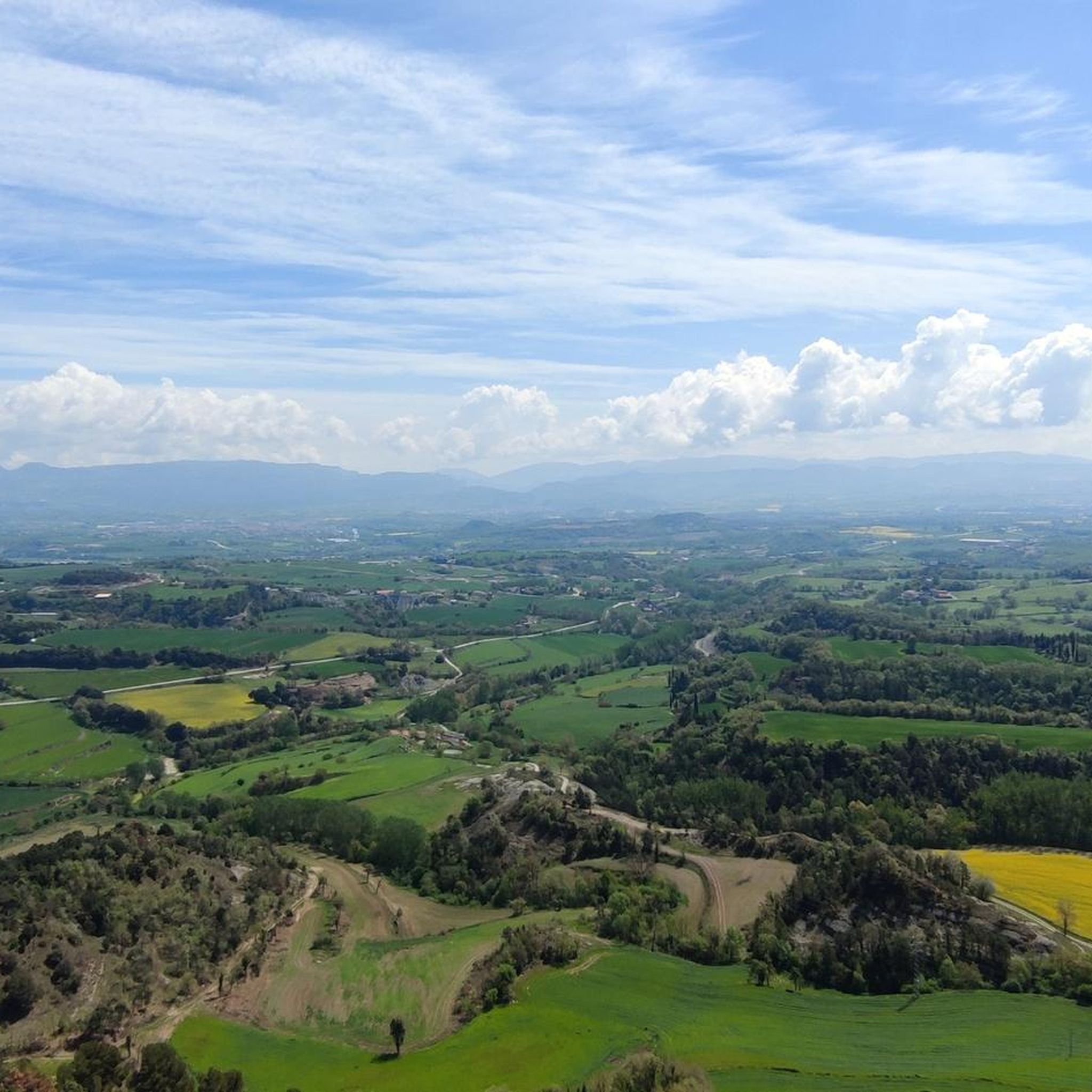
Tips from the Community

Sanctuary of the Munts, viewpoint of Osona and Lluçanés, spectacular views.
0
0

The center of Santa Eulàlia de Puig-Oriol belongs to the municipality of Lluçà and is located on the ridge that separates the valley of the Gavarresa river from the valley of the Lluçanès river. The town grew from the first constructions in the 18th century, due to the importance of the transhumance route that connected Sant Feliu Sasserra with Alpens. In many of its houses built between the 18th and 19th centuries you can still read the inscriptions and dates engraved in the stone. At the northern end of the town there is a small parish church in the popular baroque style.
0
0

The church of Santa María de Merlès, in the Berguedà region, is a 17th century construction in the Baroque style. The bell tower of the church is visible from afar and seems to welcome the walkers passing through the village.
0
0

Olost is a municipality in the province of Barcelona, in the county of Osona, in the sub-county of Lluçanés. It also includes the town of Santa Creu de Jutglar. The parish of Santa María de Olost has been documented since 908 and that of Santa Creu de Jotglar since 984. From 1966 to 1991 Mosén Ramon Vila i Pujol was rector of the church of Santa María de Olost.
14
0

This doesn't look much like a castle even though that's what it's called. It looks more like a country house and is probably used that way today. It's a wonderful area and this is an interesting building.
2
0

Municipality belonging to the province of Barcelona located in the northern area of Llusanés, within the region of Osona. It is also known as the town of forgers due to the forger artist, Joan Prat. He dedicated a large part of his work to the people who saw him born. The entire town is decorated with wrought iron, from the school fence to the rubbish in the streets.
0
0
Municipality of the region of Bergadá, in the province of Barcelona, located east of Gironella and on the border with the region of Osona. Its main economic sector is rainfed agriculture, cattle and pig farming.
0
0

Olost is a beautiful town that can be recognized from afar by the two bell towers of the Santa Maria church. Olost is a beautiful town, located in a small valley cut by the stream of Olost, with small shops that can be recognized from afar by the two bell towers of the church of Santa Maria. According to the legend, a couple promised a new bell tower if the virgin gave them a child; and they had a twin! It is a large nucleus, in relation to those surrounding it in the Lluçanès area, which already extended from the Sant Adjutori mountain range to the Olost stream already in modern times (17th and 18th centuries). The nerve center of Olost is Plaça Major, where the parish church and the town house are located. From this point the core is structured, both old and now. Among the streets built over the course of the 17th and 18th centuries, to the west of Plaça Major, you can count Carrer Berga, one of the longest in the town, Carrer Gelada, Carrer Nou and Carrer de Sant Adjutori, located in the ridge It also has the Raval del d'Olost, with preserved houses in Raval del Mig and Raval de Baix streets. In these older streets you can see houses framed with stone masonry walls that retain dated lintels indicating construction dates of the 17th and 18th centuries. We recommend going up to the viewpoint of Sant Adjutori, where there is the hermitage and hill from where you can observe beautiful panoramic views of the town and the mountains on the horizon that enclose the Lluçanès plateau: from the agricultural and forest landscape from Lluçanès to Montserrat, passing through the eastern Pyrenees in the north. https://turisme.llucanes.cat/municipi/olost/ https://turisme.llucanes.cat/visiteu/esglesia-santa-maria-olost/
4
0
Frequently Asked Questions
How many touring cycling routes are available in Sant Bartomeu Del Grau?
There are over 220 touring cycling routes around Sant Bartomeu Del Grau, offering a wide range of options for different skill levels and preferences.
What is the general difficulty level of touring cycling routes in Sant Bartomeu Del Grau?
The routes in Sant Bartomeu Del Grau feature varied terrain with notable elevation changes, characterized by rolling hills. While there are 16 easy and 66 moderate routes, the majority (140) are classified as difficult, catering to experienced touring cyclists.
Are there any circular touring cycling routes in the area?
Yes, many touring cycling routes in Sant Bartomeu Del Grau are circular. For example, the Sant Bartomeu del Grau Church – Riera de Sorreigs Reservoir loop from Sant Bartomeu del Grau offers a challenging 32.6 km circular journey.
What kind of landscapes and landmarks can I expect to see on these routes?
Touring cycling routes in Sant Bartomeu Del Grau traverse rural fields, scattered woodlands, and rolling hills. You'll often pass by local landmarks such as churches and reservoirs, offering scenic views of the countryside. Notable religious buildings include the Sanctuary of Mare de Déu dels Munts and Santa Llúcia Hermitage.
Are there any natural monuments or unique natural features to explore?
Yes, the region boasts several natural monuments. You might encounter ancient trees like The Lady's Oak or the Ancient Olive Tree at Casanova de Viladecans. There's also the Mig Prat Spring and the scenic View of the Gorg Negre near Santa Cecília de Voltregà.
What do other touring cyclists say about the routes in Sant Bartomeu Del Grau?
The touring cycling routes in Sant Bartomeu Del Grau are highly rated by the komoot community, with an average score of 4.6 stars from over 100 reviews. Reviewers often praise the diverse scenery, the challenge of the rolling hills, and the opportunity to explore historical sites.
Are there any shorter, less strenuous touring cycling options for beginners?
While many routes are challenging, there are 16 easy routes available. For a relatively shorter option, consider the Mare de Déu de Palau Chapel – Ermita de Palau loop from Santa Cecília de Voltregà, which is 17.4 km long, though still classified as difficult due to elevation.
What is the best season for touring cycling in Sant Bartomeu Del Grau?
The region's climate generally allows for touring cycling throughout much of the year. Spring and autumn typically offer the most pleasant temperatures and vibrant landscapes, making them ideal for exploring the rolling hills and rural fields.
Are there good viewpoints along the touring cycling routes?
Yes, the routes often provide panoramic views of the surrounding countryside, especially from higher elevations. The varied terrain and scattered woodlands offer numerous scenic spots. For a specific natural viewpoint, consider the View of the Gorg Negre.
What kind of flora and fauna can I observe while cycling?
The rural landscapes and woodlands of Sant Bartomeu Del Grau are home to diverse flora, including ancient oaks and olive trees. Cyclists may also spot various local bird species and other small wildlife typical of the Catalan countryside.
Are there options for advanced touring cyclists looking for a challenge?
Absolutely. The majority of routes (140 out of 222) are classified as difficult, featuring significant elevation changes and longer distances. These routes are perfect for experienced touring cyclists seeking a demanding ride through the region's hilly terrain.
Most popular routes around Sant Bartomeu Del Grau
Most popular attractions around Sant Bartomeu Del Grau

Get inspired with the komoot mobile app


Explore more
Browse the best Cycling routes in other regions.
