Top 12 Castles around Torroella De Fluvià
Best castles around Torroella de Fluvià are found in an area rich with medieval history, featuring remnants of old walls and towers. The municipality itself contains historical landmarks, including the fortified enclosure and the Tower of Ca l'Albanyà, which offers insight into defensive architecture. While Torroella de Fluvià does not feature a large, standalone castle, the surrounding region provides opportunities to explore historical structures and their settings. This area is characterized by its historical layout and medieval heritage.
Best castles…
Last updated: July 31, 2026
Cinc Claus Village and Castle
Highlight • Castle
Translated by Google •
Tip by

Sant Ferran Castle
Highlight • Castle
Translated by Google •
Tip by
Sign up now to discover places like this
Get recommendations on the best single tracks, peaks, & plenty of other exciting outdoor places.
Sign up for free
Sant Martí del Far Church and Castle
Highlight • Historical Site
Translated by Google •
Tip by
Sant Morí Castle
Highlight • Castle
Translated by Google •
Tip by
Monastery of Sant Miquel de Fluvià
Highlight • Religious Site
Translated by Google •
Tip by

Sign up for free to discover even more castles around Torroella De Fluvià.
Sign up for free
Already have an account?
Start today with a free account
Your next adventure awaits.
Login or Signup

Tips from the Community

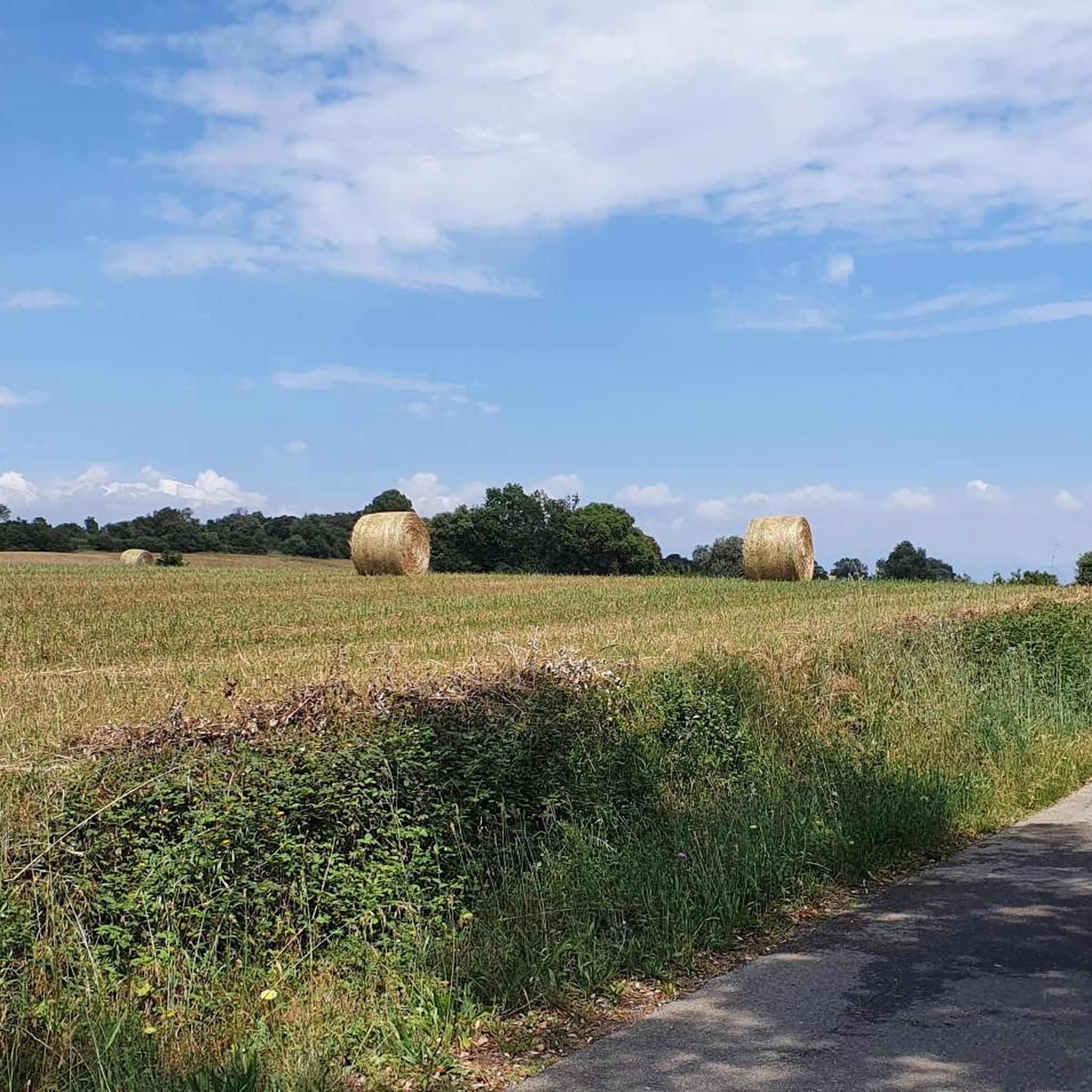
This village could be the set of a nice western movie. It is super small but has a lot of character. It’s all gravel you’ll find here.
0
0

Beautiful church and bell tower of Romanesque origin that has been transformed over time and the uses that have been given to it.
1
0

Small but beautiful municipality
0
0

Got a tour of the beautiful old church.
1
0

The octagonal fortress Castell de Sant Ferran, covering 32 hectares, was built to accommodate 6,000 people and 500 horses. It is the largest bulwark fortress built in Europe in the 18th century.
1
0

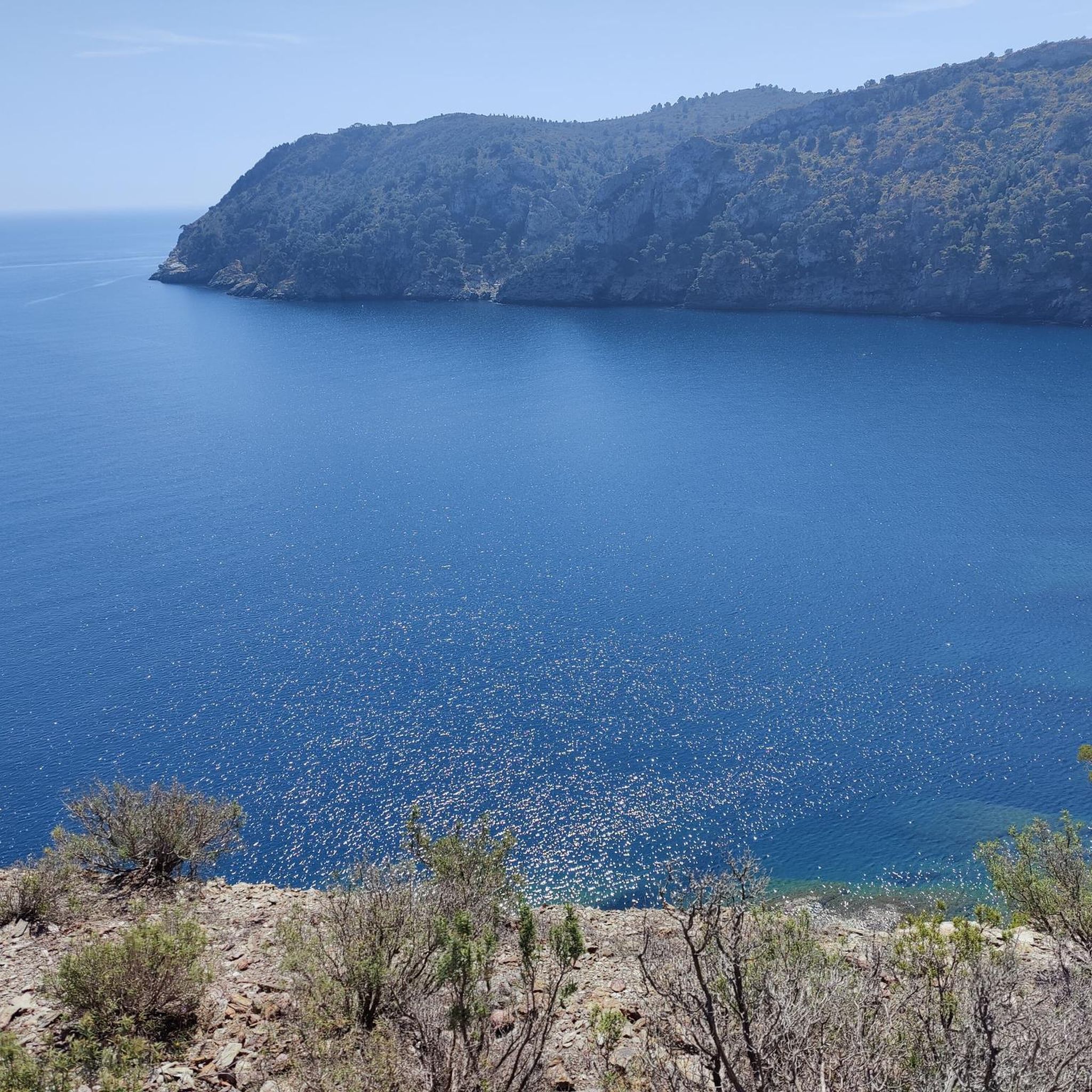
Panoramic views of the Alt Empordar maritime mountains. You have two benches and a picnic area next to the motorhome and parking area. The neighborhood just below the castle is a bit problematic, so don't leave your bike behind because it can be stolen by the group of young people who come up to smoke boil and...
3
0
https://castellsantferran.com/es/horarios https://castellsantferran.com/es/horarios https://www.youtube.com/watch?v=uB1WPtwXzCo The Castle of San Fernando in Figueres, known as Castell de Sant Ferran, is the largest bastioned fortress in Europe, its construction beginning in 1753 under the reign of Ferdinand VI of Bourbon. It was designed by military engineer Juan Martín Zermeño and could house a garrison of 4,000 men. During the War of Independence, it was occupied by Napoleonic troops and later recovered by the Catalan migueletes. In the Spanish Civil War, it served as a concentration point for the International Brigades and a refuge for the Spanish Artistic Treasure, and in 1939 it hosted the last meeting of the Republican Cortes in national territory. It was subsequently used as a barracks until the 1960s and was opened to the public in 1996. The fortress has suffered significant damage throughout its history, including the destruction of part of its walls and structures during explosions in the Civil War. .
3
0
Located on a hill, at the end of the Castell pujada, it is a large bastioned fortification built in the 18th century following the project of the commander of the Corps of Engineers Juan Martín Zermeño. It occupies an area of 32 hectares with a perimeter of 3,120 meters, and the cisterns, located under the parade ground, hold 9 million liters of water. The castle of San Ferran, which had a capacity for 4,000 men, currently constitutes a heritage legacy of the first order, the largest monument in Catalonia and the largest modern fortress in Europe. Due to its enormous dimensions, the sophisticated construction techniques applied in the military engineering of the time, and its excellent state of conservation, a visit to the Sant Ferran castle constitutes a unique experience.
3
0
Frequently Asked Questions
What types of historical sites can I explore around Torroella De Fluvià?
The region offers a variety of historical structures, from ancient ruins to well-preserved buildings. You'll find medieval castles, fortified manor houses, and historical sites integrated into village centers. Examples include Cinc Claus Village and Castle, Castell d'Albons, and Sant Morí Castle.
Are there any castles with significant historical importance nearby?
Yes, Sant Morí Castle is a notable example, built in the 15th century on the remains of a medieval castle documented since 1149. Another is Castell d'Albons, documented since 1170, which stood on a strategic hill between the River Ter and the Fluvià.
Which castles offer the best panoramic views in the region?
For breathtaking panoramic views, consider visiting Montgrí Castle in Torroella de Montgrí. Perched atop the Montgrí Massif, it offers 360-degree vistas of the Empordà region, including the Costa Brava, the Bay of Roses, and the Pyrenees. The climb itself is part of the experience.
Are there family-friendly castles or historical sites to visit?
Yes, several sites are suitable for families. Cinc Claus Village and Castle is listed as family-friendly, offering a pleasant environment to explore. Sant Morí Castle is also categorized as family-friendly.
What kind of outdoor activities can I combine with visiting castles?
The area around Torroella De Fluvià is excellent for outdoor activities. You can find numerous routes for gravel biking, mountain biking, and running. For example, there are many gravel biking routes like the 'Sant Pere Pescador – Verges — Medieval Village loop' or MTB trails such as 'Parc Natural dels Aiguamolls de l’Empordà – circular from Sant Pere Pescador'. You can explore these options further in the Gravel biking around Torroella De Fluvià or MTB Trails around Torroella De Fluvià guides.
Are there hiking opportunities to reach castles?
Yes, Montgrí Castle in Torroella de Montgrí is a popular destination accessible by an approximately one-hour hike from the town. The path winds through olive groves, offering a scenic journey to the castle ruins and its impressive views.
What is the best time of year to visit the castles and historical sites?
While specific opening times vary, the region generally enjoys pleasant weather for exploration during spring and autumn. These seasons offer comfortable temperatures for hiking to castles like Montgrí and exploring medieval villages without the peak summer heat.
Can I visit castles that are still inhabited or well-preserved?
Yes, Sant Morí Castle, for instance, has been rebuilt and is currently rented out for events and accommodation, maintaining an excellent state of conservation. Castell d'Albons is also well-preserved, though divided into private homes, presenting as a large fortified manor house.
What are some lesser-known historical gems in the area?
Beyond the prominent castles, the Historic centre of Vilaür is a hidden gem. It preserves parts of its original medieval wall, integrated into the town's buildings, and features a portal covered with a barrel vault that crosses one of the wall's towers. The 11th-century Church of Sant Tomàs de Fluvià in Torroella de Fluvià also offers a glimpse into the region's medieval past.
What do visitors enjoy most about the castles and historical sites in this region?
Visitors appreciate the rich medieval history, the integration of historical sites within charming village settings, and the opportunities for scenic walks. The komoot community has shared 29 photos and given 151 upvotes, highlighting the visual appeal and historical significance of places like Cinc Claus Village and Castle for its pleasant environment and great views.
Are there any castles that are part of a church or religious complex?
Yes, Sant Martí del Far Church and Castle is a notable example. The temple of Sant Martí del Far, located at the highest part of the town, was part of a castle built at the end of the 13th century. It's a Romanesque temple showing a transition to the Gothic style, with fortified elements like battlements and loopholes.
How can I learn more about the history of the Torroella de Fluvià area?
The municipality of Torroella de Fluvià has a rich medieval past, characterized by remnants of old walls and towers within its 'Força' neighborhood. For more general information about the town's history, you can refer to resources like Wikipedia's page on Torroella de Fluvià.
Most popular routes around Torroella De Fluvià
Most popular attractions around Torroella De Fluvià

Get inspired with the komoot mobile app


Explore more
Looking for the best castles somewhere else? Discover other guides around Torroella De Fluvià:
