Top 4 Caves around Grau/Grado
Best caves around Grau/Grado are found in a region characterized by its diverse natural landscape and significant karst formations. This area features a variety of underground environments, from river-carved tunnels to historical sites. The geological activity has created numerous caves, some of which are accessible for exploration. Visitors can discover both natural wonders and sites of archaeological importance within this region.
Best caves around Grau/Grado
- The most popular caves is Covarones of the Tuernes River, a cave that features…
Last updated: June 6, 2026
Covarones of the Tuernes River
Highlight • Cave
Translated by Google •
Tip by

Cuevallagar Cave
Highlight • Cave
Translated by Google •
Tip by

Sign up now to discover places like this
Get recommendations on the best single tracks, peaks, & plenty of other exciting outdoor places.
Sign up for free
Los Covarones
Highlight • Natural Monument
Translated by Google •
Tip by

Cueva Llagar
Highlight • Cave
Tip by

View from Cuevas de la Lluera
Highlight • Viewpoint
Translated by Google •
Tip by
Start today with a free account
Your next adventure awaits.
Login or Signup

Other adventures around Grau/Grado

Tips from the Community

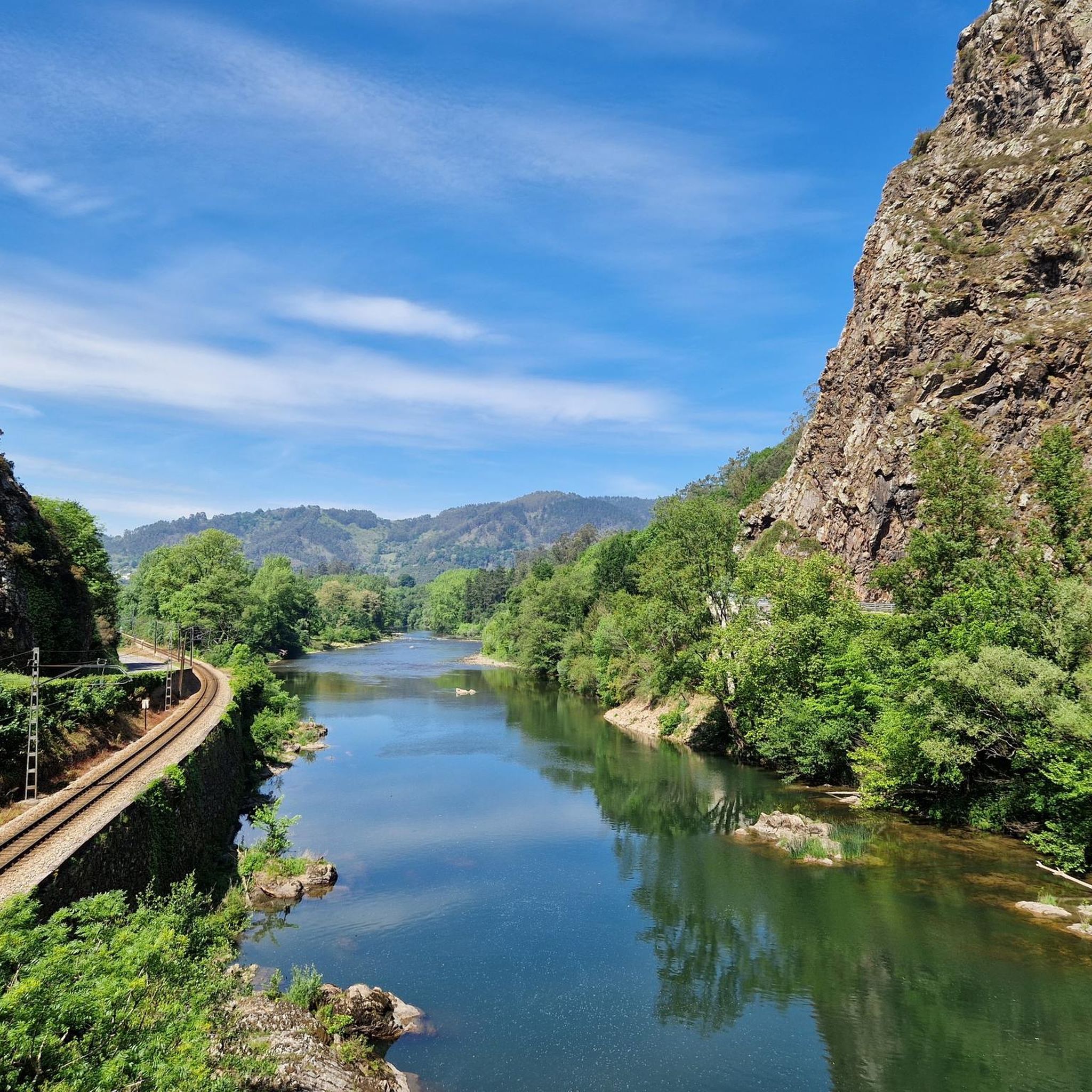
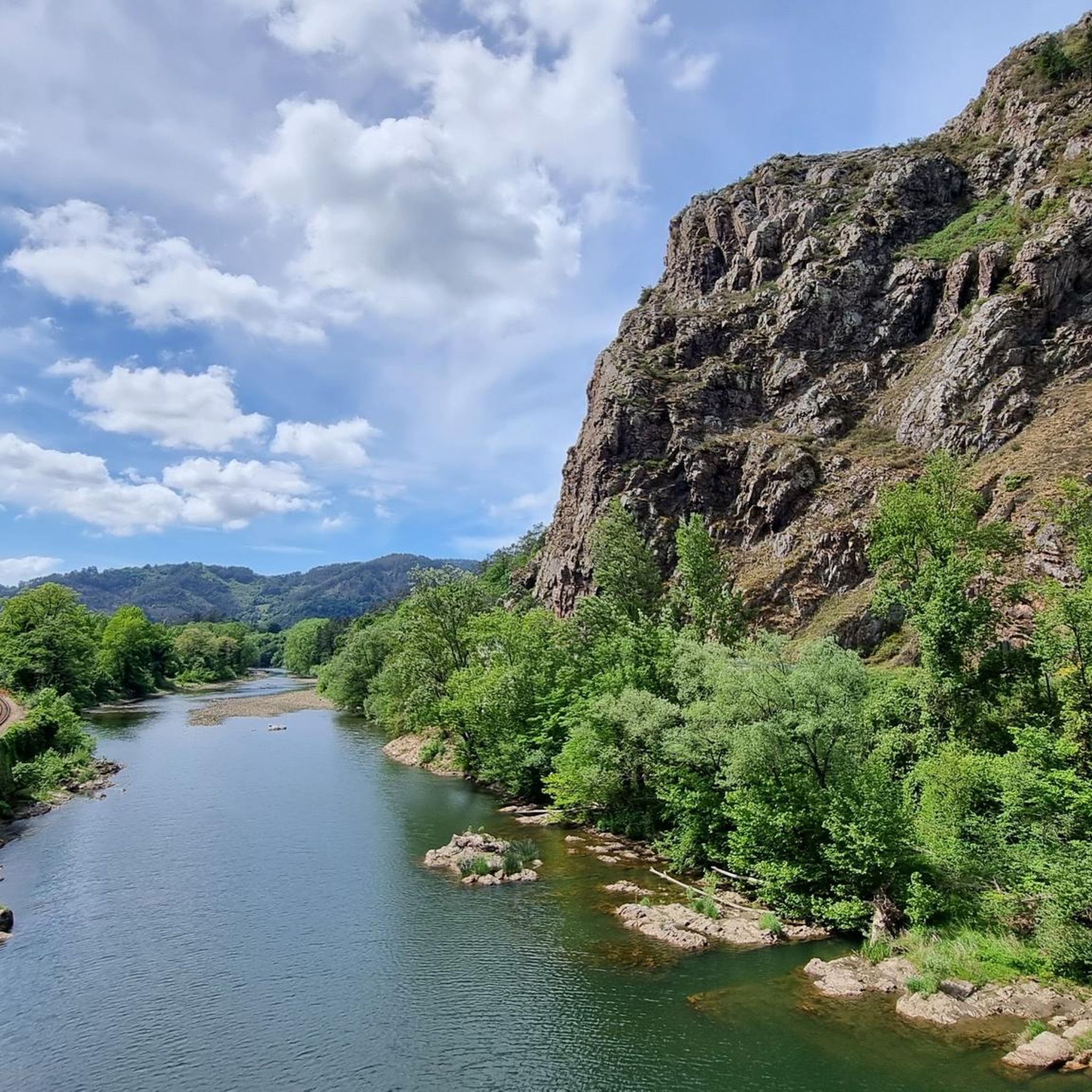
The Covarones of the Tuernes River are a whimsical karst landscape formed by the natural erosion of the limestone by the river's action over centuries. At the end of its course, for almost half a kilometer, the river submerges three times, alternating between underground sections and open-air stretches surrounded by a riverside forest. Within this forest lie the remains of two old mills and even a Paleolithic cave, the Nora refuge. This geological phenomenon is a karst formation in the Carboniferous mountain limestone, which has given rise to an underground river with characteristic limestone formations such as caves, arches, stalactites, whimsically shaped stones, and windows in the ceiling resulting from the collapse of the vaults and the action of the water.
0
0
A must-see and possible route with children
0
0

At this time the cave has a stream and access is simple, there is a fence to prevent cattle from passing through but you can easily pass through.
0
0

ideal route to carry a tent or spend the night
1
0

A karstic environment in which you can see the erosion that the passage of the river has made over the years in the limestone rock, forming all kinds of caves, stalactites, arches and natural tunnels that invite you to be explored. Although to enjoy these caves in depth and above all safely, you will have to have the appropriate knowledge and material to enter them, since some areas can be quite deep.
0
0

Check the opening hours before going. Normally they are open during special holidays and the summer from Wed-Sun.
0
0
The Lluera caves are two small natural cavities (sometimes the denomination Cueva de la Lluera is used for the main one, ignoring the small one, and from the archaeological point of view Cueva de la Lluera I and Cueva de la Lluera II) . They contain prehistoric representations of the Paleolithic, which are found in the parish of San Juan de Priorio, in the municipality of Oviedo, Asturias (Spain). Archaeological remains from the Solutrean period (21,000 to 17,000 BP) and the final Upper Magdalenian have also been found. The first associated with part of the engravings. https://es.wikipedia.org/wiki/Cuevas_de_la_Lluera
0
0
Frequently Asked Questions
What types of caves can I explore around Grau/Grado?
The Grau/Grado region offers a variety of caves, including karstic environments shaped by river erosion, featuring stalactites, arches, and natural tunnels like the Covarones of the Tuernes River. You can also find historical sites with prehistoric representations, such as the Cuevas de la Lluera, and caves with streams suitable for bivouacking like Cuevallagar Cave.
Are there family-friendly caves in the Grau/Grado area?
Yes, the Covarones of the Tuernes River are suitable for families and offer a unique geological experience. While some areas may require appropriate knowledge and material for deep exploration, the general environment is accessible for children.
Can I see prehistoric art or historical sites in the caves near Grau/Grado?
Yes, the Cuevas de la Lluera are a significant historical site where visitors can observe prehistoric representations from the Paleolithic period. Archaeological remains from the Solutrean and Upper Magdalenian periods have also been found there. It's advisable to check opening hours before visiting.
What are the geological features of the caves in Grau/Grado?
The caves in Grau/Grado are primarily karstic formations, resulting from the erosion of limestone rock by rivers over centuries. This process has created diverse features such as stalactites, arches, natural tunnels, and underground river sections, as seen in the Covarones of the Tuernes River.
Are there any caves suitable for overnight stays or bivouacking?
The Cuevallagar Cave is noted as an ideal place for bivouacking or spending the night. It has a stream and simple access, making it suitable for those looking for an overnight adventure.
What outdoor activities can I do near the caves in Grau/Grado?
The area around Grau/Grado offers various outdoor activities. You can find numerous hiking trails, including routes like 'Peñaflor to Grado on the Camino Primitivo'. There are also running trails and gravel biking routes, such as a tour to the Natural Park of Las Ubiñas-La Mesa.
Are there any caves that require special equipment or knowledge to explore?
For a deep and safe exploration of some areas within the Covarones of the Tuernes River, appropriate knowledge and material are recommended, as some sections can be quite deep. Similarly, navigating Cueva Llagar, especially if paddling, involves some serious descending parts.
What is unique about the <a href="https://www.komoot.com/highlight/3671383" target="_blank" rel="noopener">Cueva Llagar</a>?
The Cueva Llagar features a stream and offers connections to other locations like Yermes, Grado, or Sama. It's known for having some challenging descending parts, particularly if you are paddling through it.
What do visitors appreciate most about the caves around Grau/Grado?
Visitors frequently appreciate the diverse natural landscape and significant karst formations. The unique geological experiences, the opportunity to explore historical sites with prehistoric art, and the chance to discover river-carved tunnels are highly valued by the komoot community.
Are there any other notable caves in Asturias beyond Grau/Grado?
While focusing on Grau/Grado, the broader Asturias region is home to other impressive caves. These include the sacred Holy Cave of Covadonga, La Cuevona de Cueves which serves as a unique road tunnel, the extensive Cueva Huerta, and the Cabrales Cheese Caves used for traditional cheese maturation.
What should I know about visiting the <a href="https://www.komoot.com/highlight/4328428" target="_blank" rel="noopener">Cuevas de la Lluera</a>?
The Cuevas de la Lluera are two small natural cavities known for their Paleolithic prehistoric representations. They are typically open during special holidays and in the summer from Wednesday to Sunday, so it's important to check current opening hours before planning your visit.
Most popular routes around Grau/Grado
Most popular attractions around Grau/Grado

Get inspired with the komoot mobile app


