Top 4 Caves around Campelles
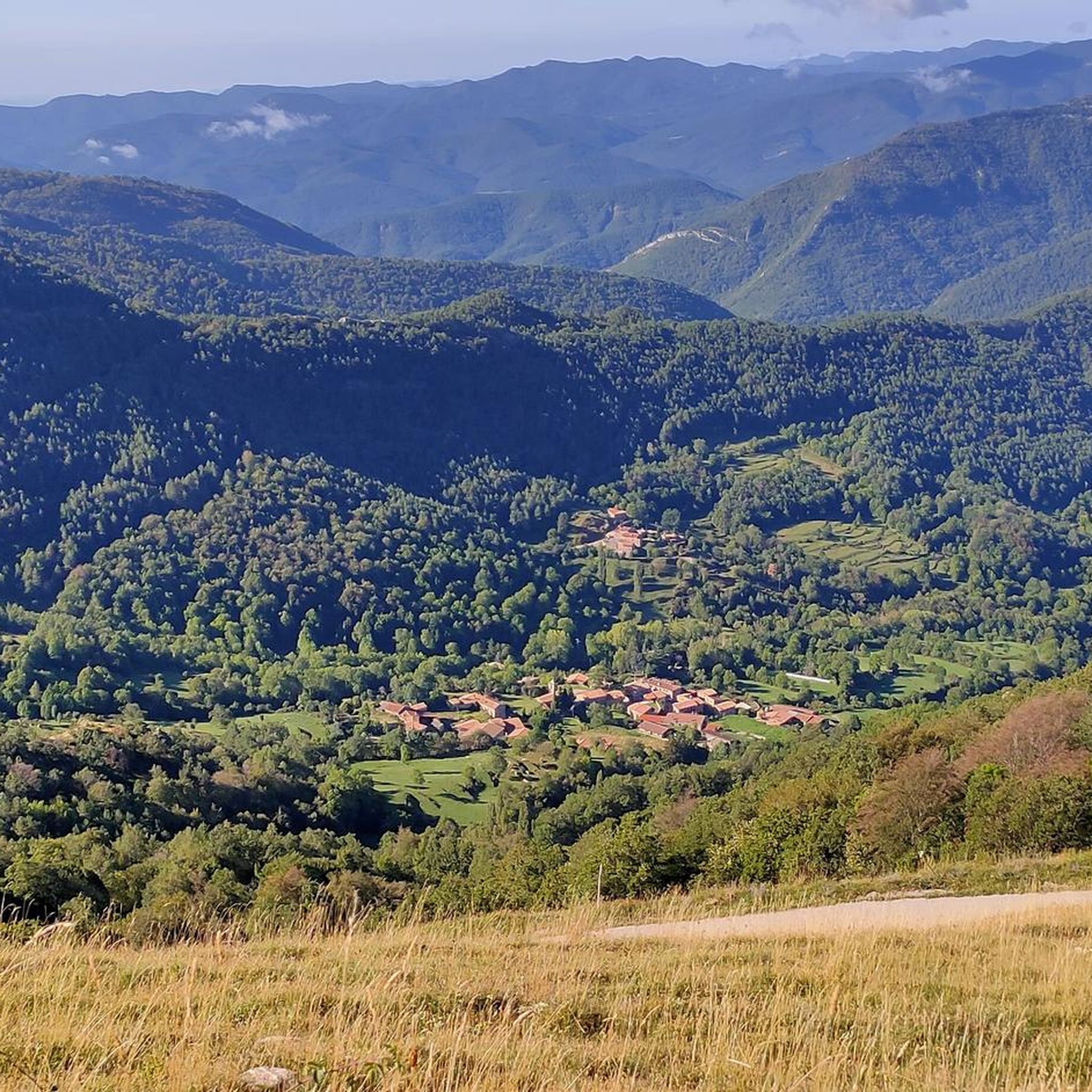
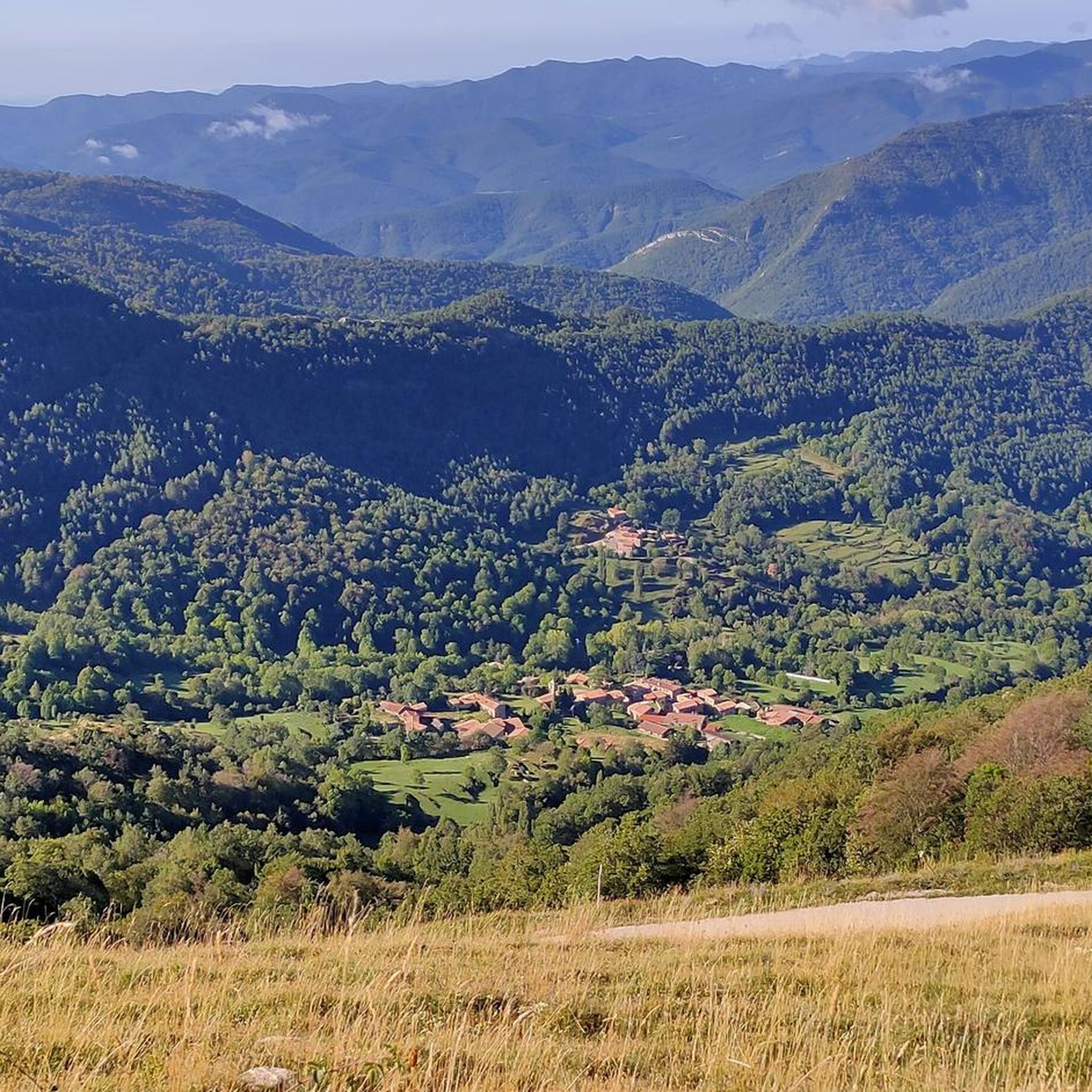
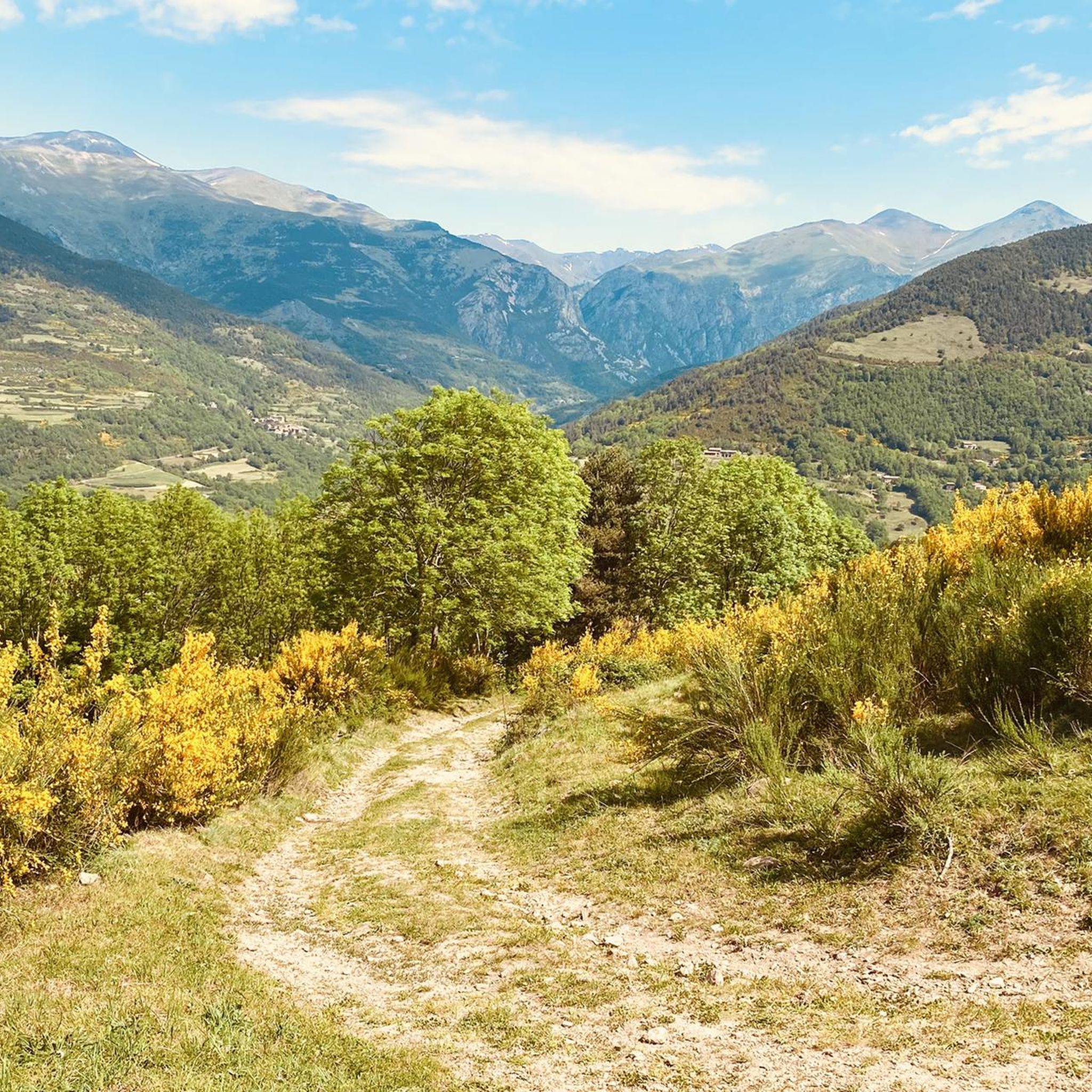
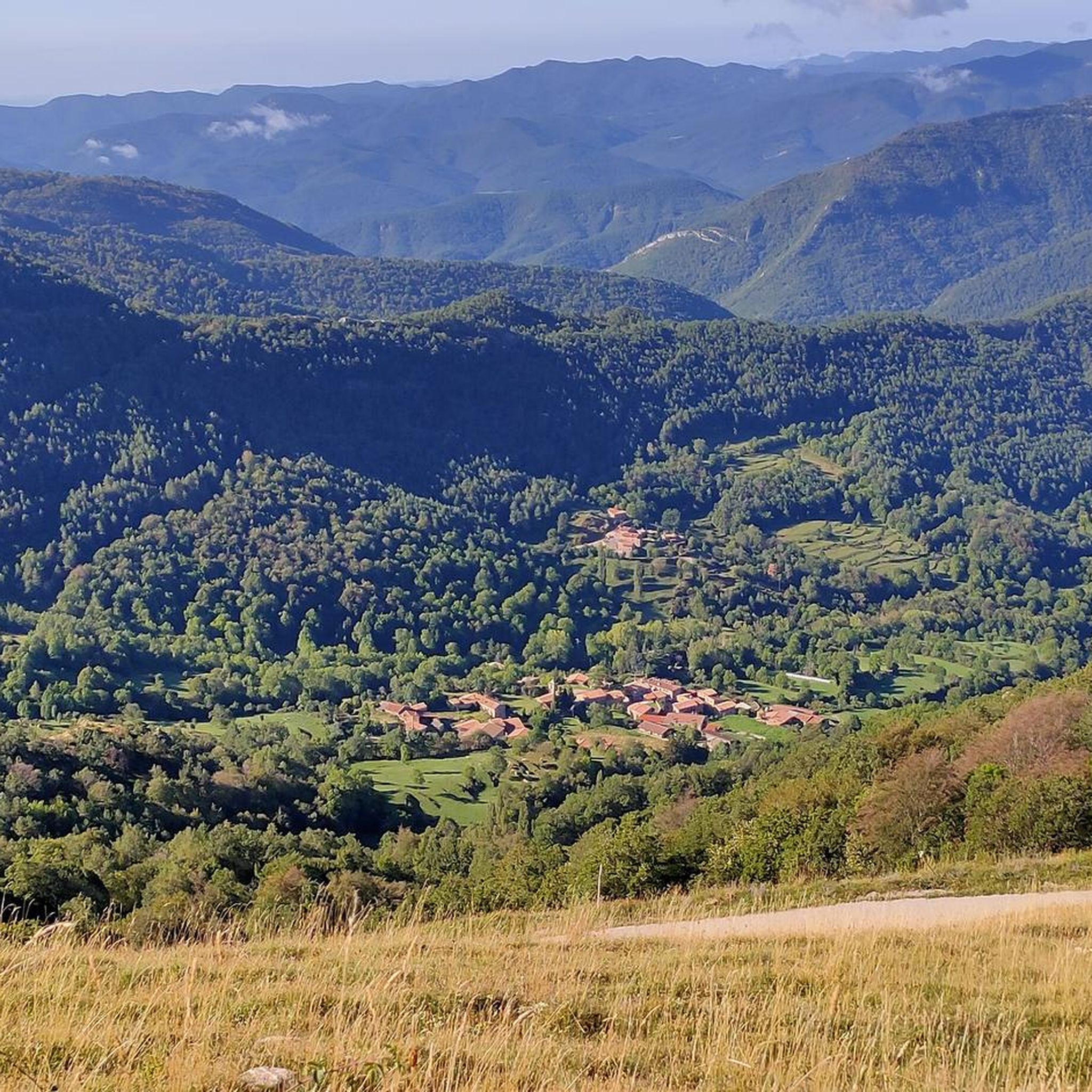
Best caves around Campelles are found in this serene, mountainous village located in the Ripollès region of Spain. The area offers a selection of intriguing caves, ranging from natural shelters to former mining sites. Each site presents unique features and historical contexts, reflecting the region's diverse geology and human interaction with the landscape. These natural features provide opportunities for exploration and insight into the local environment.
Best caves around Campelles
- The most popular caves is Mina Dolça, a historical site that is an old coal mine built in the 19th century. Access to this mine is currently impracticable due to weeds and water seepage.
- Another must-see spot is Cova de la Tuta, a large cave. Visitors will find a descending ramp leading to a larger hall, with smaller transverse galleries showcasing clastic formations.
- Visitors also love Cova de Sant Rafael, a small cave. This site provides shelter from storms and rain, making it a convenient spot during inclement weather.
- Campelles is known for natural caves, former mining sites, and historical sites. The variety of caves to see and explore includes natural shelters and locations with industrial pasts.
- The caves around Campelles are appreciated by the komoot community, with 15 upvotes and 8 photos shared by visitors.
Last updated: August 13, 2026
Catau de l'Ós Cave
Highlight • Cave
The other cave is a short duct only 8 meters long and with a roof that descends until it becomes impenetrable.
Translated by Google •
Tip by

Mina Dolça
Highlight • Historical Site
Translated by Google •
Tip by

Sign up now to discover places like this
Get recommendations on the best single tracks, peaks, & plenty of other exciting outdoor places.
Sign up for free
Cova de Sant Rafael
Highlight • Cave
Translated by Google •
Tip by

La Rèplica Mine
Highlight • Structure
Passing through here, now on a bicycle, makes you reflect on the long occupation and the different uses that have been made —and that we continue to make— of this curious territory.
Translated by Google •
Tip by

Cova de la Tuta
Highlight • Cave
good shelter
Translated by Google •
Tip by

Start today with a free account
Your next adventure awaits.
Login or Signup

Tips from the Community

nice cave to visit. it is not very deep, but you definitely need a flashlight
0
0


It is not a Shelter Shelter, but a small cave that in a storm takes you out of danger and somewhat saves you from getting wet.
1
0

It is the entrance to a small mine from which chalcopyrite, malachite and other minerals were extracted. Passing through here, now on a bicycle, makes you reflect on the long occupation and the different uses that have been made —and that we continue to make— of this curious territory.
1
0

These are two small caves separated by 6 meters. The largest has a slightly ascending gallery and is largely covered by clastic products. In the first few meters it has a width of about 5 meters which gradually decreases until the final section where it remains closed. A few meters from the mouth, on the left, there is a small side channel which soon becomes impenetrable. In total it has a route of 28 meters. The other cave is a short duct only 8 meters long and with a roof that descends until it becomes impenetrable.
1
0

Mina Dolça is an old coal mine in the municipality of Ogassa built in the 19th century. Currently access to the mine is impracticable due to weeds at the entrance and water seepage.
2
0

We found a coal mine in the municipality of Ogassa (Ripollès) included in the Inventory of the Architectural Heritage of Catalonia.
1
0

Small mine on the road that goes up to Vilamanya
0
0
Frequently Asked Questions
What types of caves can I explore near Campelles?
The Campelles area offers a variety of underground sites, from natural shelters to former mining operations. You can find natural caves like Cova de la Tuta, which features geological formations, or historical sites such as La Rèplica Mine, offering a glimpse into the region's industrial past.
Are there any caves with historical or archaeological significance in the Campelles area?
Yes, the Catau de l'Ós Cave is particularly notable for its archaeological importance. Recent work has uncovered evidence of prehistoric human activity, including combustion pits used for malachite exploitation. Additionally, La Rèplica Mine and Mina Dolça offer insights into the region's mining history.
Which caves are suitable for beginners or those looking for an easier exploration?
For a relatively accessible experience, Cova de la Tuta is a good option. It has a large entrance and a spacious vestibule, though a flashlight is recommended for deeper exploration. Cova de Sant Rafael is also a small, natural refuge that is easy to access.
Do I need any special equipment to visit the caves around Campelles?
For caves like Cova de la Tuta, a flashlight is highly recommended to explore beyond the initial well-lit areas and appreciate the geological formations. Sturdy footwear is always advisable for uneven terrain.
Are there any caves that are currently inaccessible or require special permission?
Yes, the Catau de l'Ós Cave is currently closed with a grate due to ongoing archaeological preservation efforts. Additionally, Mina Dolça, an old coal mine, is currently impracticable due to weeds at the entrance and water seepage.
What is the best time of year to visit the caves near Campelles?
The Campelles region, being mountainous, can experience varied weather. Generally, spring and autumn offer pleasant temperatures for exploring. During summer, caves provide a cool escape from the heat, while winter visits might require more preparation due to colder conditions, especially inside the caves.
What other outdoor activities can I do near the caves in Campelles?
The Campelles area is excellent for various outdoor pursuits. You can find numerous hiking trails, ranging from easy to moderate, such as the 'Sant Antoni Hermitage – Roca del Duc loop from Campelles'. There are also options for traffic-free bike rides and mountain biking. For more details, explore the Hiking around Campelles guide or the Traffic-free bike rides around Campelles guide.
Are there any natural shelters among the caves that can be used during bad weather?
Yes, Cova de Sant Rafael is primarily known for its practical use as a natural refuge. It's a small cave that can provide shelter from storms and rain, making it a convenient spot if you're caught in inclement weather while exploring the area.
Can I find any caves that are part of a larger natural park?
Yes, Cova de la Tuta is located near Castellar de n'Hug, within the scenic Cadí-Moixeró Natural Park. This offers the opportunity to combine your cave exploration with enjoying the beautiful natural environment of the park.
What kind of geological features can be observed in the caves around Campelles?
In caves like Cova de la Tuta, you can observe interesting clastic formations and geological structures formed by intersecting rock layers. The former mines, such as La Rèplica Mine, also showcase mineral deposits like chalcopyrite and malachite, reflecting the region's geological richness.
Most popular routes around Campelles
Most popular attractions around Campelles

Get inspired with the komoot mobile app


Explore more
Extend your search for the best caves by checking out these guides of the top ones around Campelles:
