Top 10 Caves around Quatretonda
Best caves around Quatretonda are found within a region characterized by diverse natural formations and historical significance. The area features karstic landscapes and ancient archaeological sites, offering insights into both geological processes and prehistoric human activity. These natural features contribute to a varied terrain suitable for exploration.
Best caves around Quatretonda
- The most popular caves is Cova Negra, a natural monument and historical site that was declared a Municipal Natural Area in 2006. It is an important archaeological site,…
Last updated: October 7, 2026
Cova Negra
Highlight • Cave
Translated by Google •
Tip by

Parpalló-Borrell Interpretation Centre
Highlight • Rest Area
Translated by Google •
Tip by

Sign up now to discover places like this
Get recommendations on the best single tracks, peaks, & plenty of other exciting outdoor places.
Cavern of Quatretonda
Highlight • Cave
Translated by Google •
Tip by

Trail from Xàtiva to the Albaida River and the Cova Negra
Highlight • Trail
Translated by Google •
Tip by
Cave of les Maledetes
Highlight • Cave
Translated by Google •
Tip by

Sign up for free to discover even more caves around Quatretonda.
Already have an account?
Start today with a free account
Your next adventure awaits.

Tips from the Community

There are few options to achieve TOP of the Maneuver mauntain. The easiest one is just follow road for the special vehicles. Even if you have selected this option - you will have many challenging alternatives sections during hiking up. Better to make a hike by the good weather (no clouds). 360 degree view from the top is spectacular and one is able to see Ibiza/Formentera islands.
1
0

The La Cova Negra municipal natural area is located in the municipality of Játiva, province of Valencia. In the Cova Negra is the Middle Paleolithic site in which remains of Homo Neanderthal have appeared. This natural area is located in the narrow valley formed by the Albaida River, as it crosses the reliefs of the Sierra Grossa, at the exit of the so-called Estret de les Aigües. In the widest meander formed by the Albaida River, at the height of Pico del Paller, you can see the Cova Negra, named for the blackish appearance of its walls.
2
1

Beautiful cave that is located at the foot of Pic de les Aguilas and where this set of limestone stones form these caves and balmas on the steepest walls of the mountain!
0
0

An ecological centre with a car park and visitor amenities. Also a good spot to start a hike from
0
0

La Cova Negra is a cavity that is located in a gorge called the Strait of Waters. Its black color is mainly due to the smoke from the bonfires made by its former inhabitants, the Neanderthals who occupied it for a few months of the year. An important amount of flint tools and other archaeological remains have been found here.
3
0

La Cova Negra is an important archaeological site, located in the widest meander of the Albaida river. It was home to Neanderthal man in the Paleolithic. The cave gets its name from the dark color of the walls. Human remains and paintings have been found inside.
2
0
La Cova Negra is an important archaeological site, located in the widest meander of the Albaida river. It was home to Neanderthal man in the Paleolithic. The cave gets its name from the dark color of the walls. Human remains and paintings have been found inside. It is a space of fundamental importance for understanding the culture of the Mosterian and the reality of the Neanderthals. The Almodí Museum exhibits an exact reproduction of a parietal bone from the period, discovered in the cave.
2
0
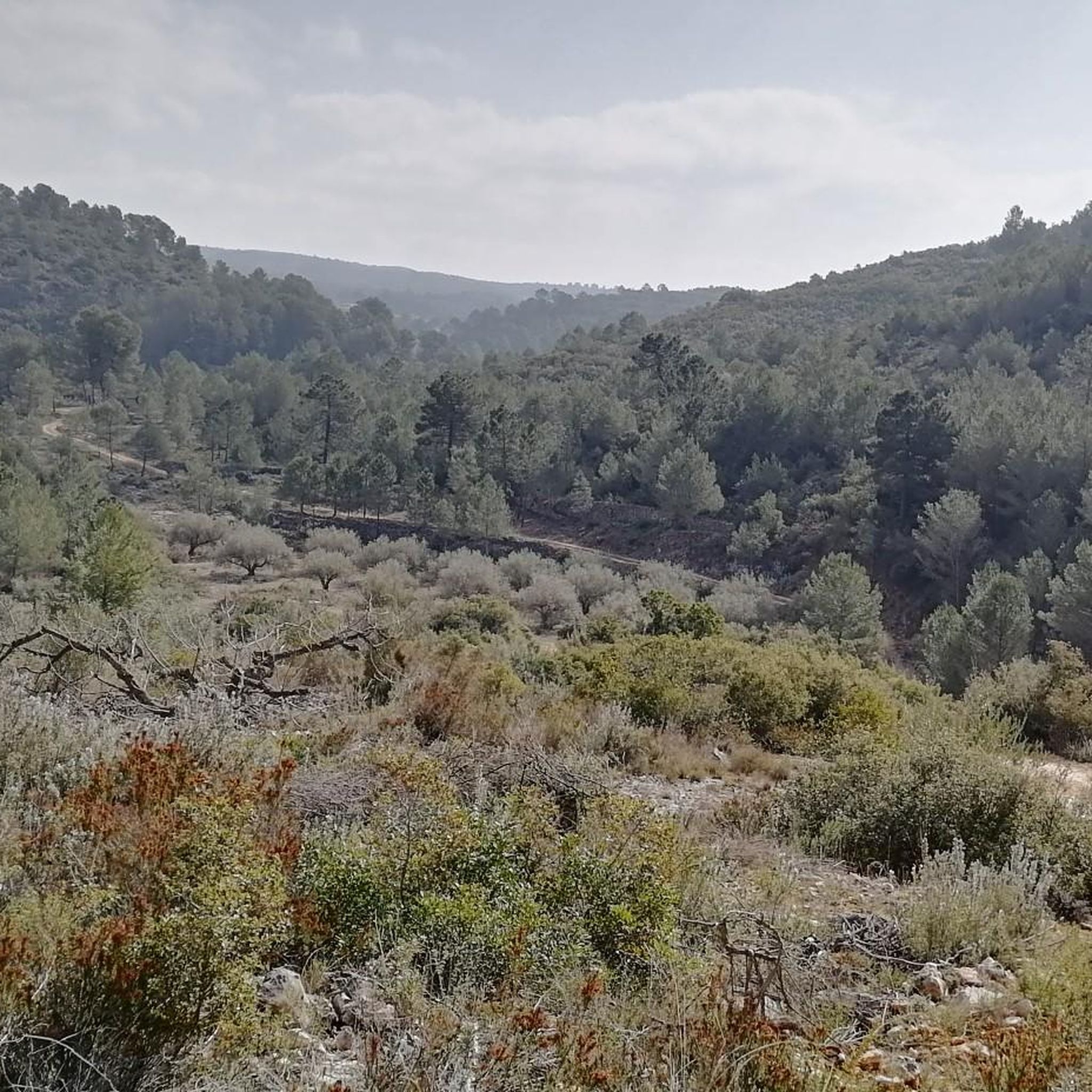
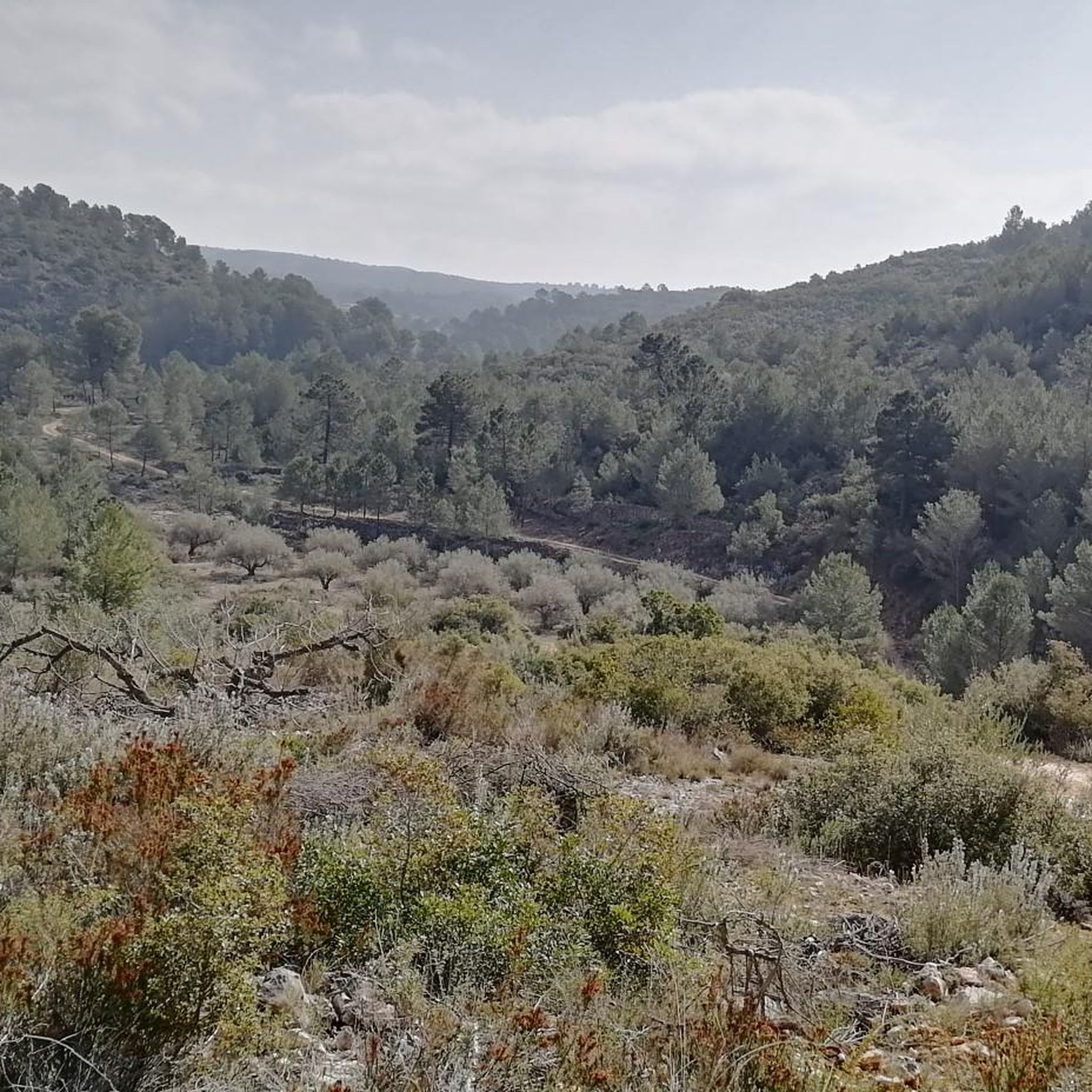
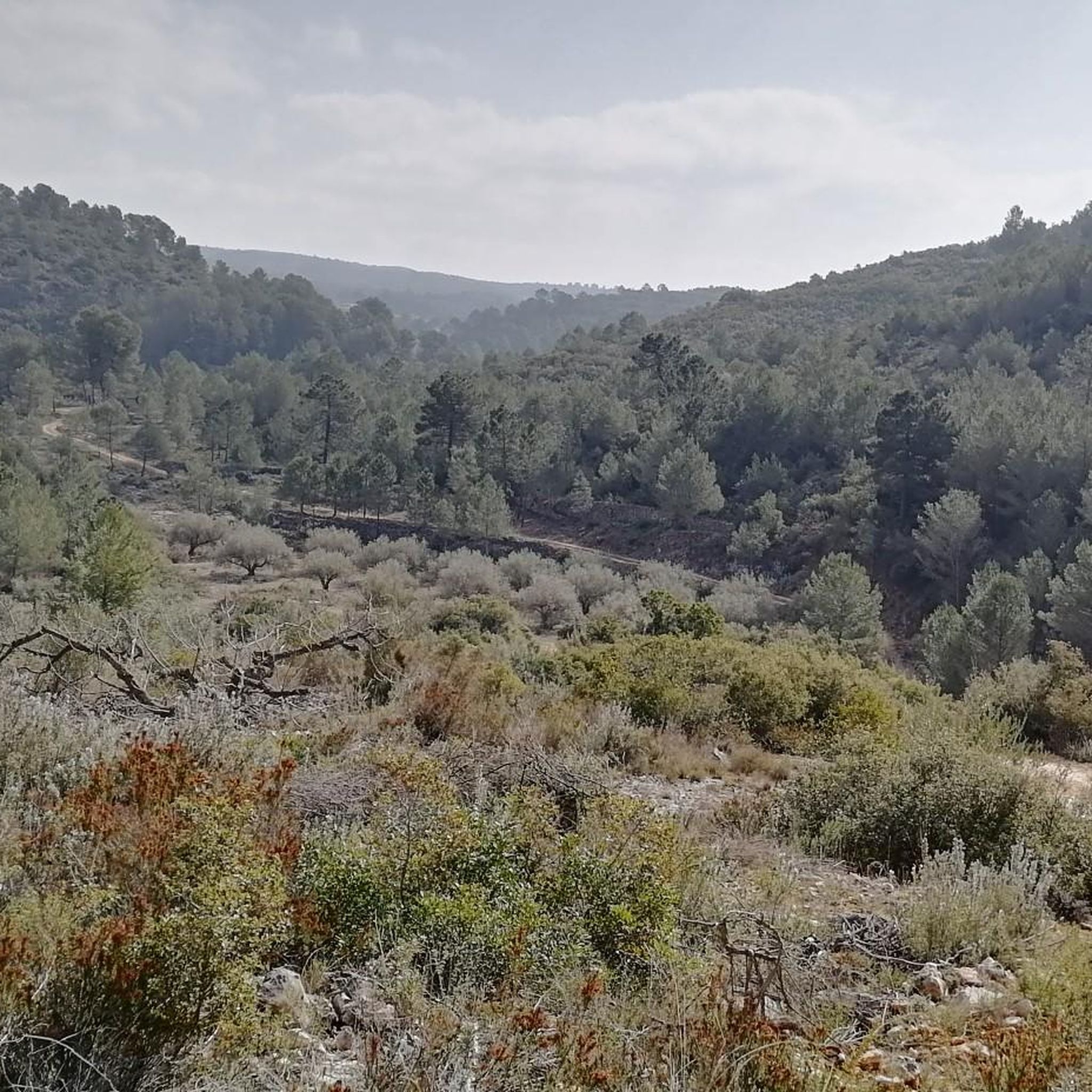
Mountain path that allows you to approach the banks of the Albaida river and also to the Cova Negra by a path. It runs through beautiful pine forests.
1
0
Frequently Asked Questions
What is the historical significance of the caves around Quatretonda?
The region's caves hold significant historical and archaeological importance. Cova Negra, for instance, is a renowned Paleolithic settlement where Neanderthal remains and ancient paintings have been discovered, offering insights into Mousterian culture. The Parpalló-Borrell Interpretation Centre relates to the Parpalló cave, which was intensely inhabited during the Upper Paleolithic period by Homo sapiens.
Are there opportunities for speleology or caving in the area?
Yes, the region offers challenging opportunities for speleology. The Cavern of Quatretonda is a notable karstic formation, at least 200 meters deep with several vertical shafts, making it particularly appealing for experienced speleology enthusiasts.
Are there any natural parks or protected areas associated with the caves?
Yes, Cova Negra, located near Xàtiva, was declared a Municipal Natural Area in 2006. This designation highlights its importance as both a natural monument and a historical site, with trails running along the Albaida River leading to the cave.
What kind of geological features can I expect to see in the caves?
The caves around Quatretonda feature diverse geological formations. The Cavern of Quatretonda is a deep karstic formation with vertical shafts. Cova Negra is known for its distinctive dark walls, a result of smoke from ancient bonfires. The Cave of les Maledetes showcases beautiful limestone formations at the foot of Pic de les Aguilas.
Are there hiking trails that lead to or near the caves?
Yes, there are several trails. For example, the Trail from Xàtiva to the Albaida River and the Cova Negra is a mountain path that allows you to approach the Albaida River and Cova Negra through beautiful pine forests.
What other outdoor activities can I do near the caves around Quatretonda?
Beyond exploring caves, the area offers various outdoor activities. You can find numerous routes for gravel biking, mountain biking, and running. Many of these routes pass through scenic landscapes and natural areas surrounding the caves.
Are the caves around Quatretonda suitable for families?
While some caves are challenging, the Parpalló-Borrell Interpretation Centre is family-friendly. It offers visitor amenities and provides an ecological center experience related to the nearby Parpalló cave, making it an accessible way to learn about the region's prehistoric past.
What is the best time of year to visit the caves in this region?
The best time to visit the caves and enjoy outdoor activities in the Quatretonda region is typically during spring (April-May) and autumn (September-October). The weather during these seasons is generally milder, making hiking and exploration more comfortable than in the hotter summer months or potentially cooler, wetter winter.
What should I wear when exploring caves in the Quatretonda area?
When exploring caves, it's advisable to wear sturdy, closed-toe shoes with good grip, as surfaces can be uneven and slippery. Layers of clothing are recommended, as cave temperatures can be cooler than outside, and a headlamp or flashlight is essential for visibility, even in areas with some natural light.
Are there any viewpoints or scenic spots near the caves?
Yes, the Cave of les Maledetes is located at the foot of Pic de les Aguilas, offering scenic views. Additionally, the Parpalló-Borrell Interpretation Centre is also listed as a viewpoint, providing a good spot to start a hike and enjoy the surrounding natural landscape.
Can I find accommodation or restaurants near the caves in Quatretonda?
Quatretonda and its surrounding towns offer various options for accommodation and dining. While specific establishments aren't detailed here, you can find local restaurants, cafes, and pubs in Quatretonda itself, as well as accommodation options, especially if you look in the main town or nearby villages.
Most popular routes around Quatretonda
Most popular attractions around Quatretonda

Get inspired with the komoot mobile app


Explore more
Extend your search for the best caves by checking out these guides of the top ones around Quatretonda:
