Top 9 Castles around Santa Maria De Miralles
Best castles around Santa Maria de Miralles are situated in a region known for its historical significance and varied landscape. The area features medieval fortifications, often positioned on hills, providing strategic views over valleys and natural paths. This location offers insights into its past as a frontier defense. The natural surroundings also provide opportunities for hiking and exploring historical sites.
Best castles around Santa Maria De Miralles
- The most popular castles is Sanctuary of Foix and Castle Ruins, a…
Last updated: October 7, 2026
Castell de Mediona
Highlight • Castle
Translated by Google •
Tip by

Sanctuary of Foix and Castle Ruins
Highlight • Religious Site
Translated by Google •
Tip by

Sign up now to discover places like this
Get recommendations on the best single tracks, peaks, & plenty of other exciting outdoor places.
Mas de Pontons
Highlight • Historical Site
Translated by Google •
Tip by
Miralles Castle
Highlight • Castle
Tip by

Vilademàger Castle
Highlight • Castle
Showing Translation
Tip by

Sign up for free to discover even more castles around Santa Maria De Miralles.
Already have an account?
Start today with a free account
Your next adventure awaits.

Tips from the Community

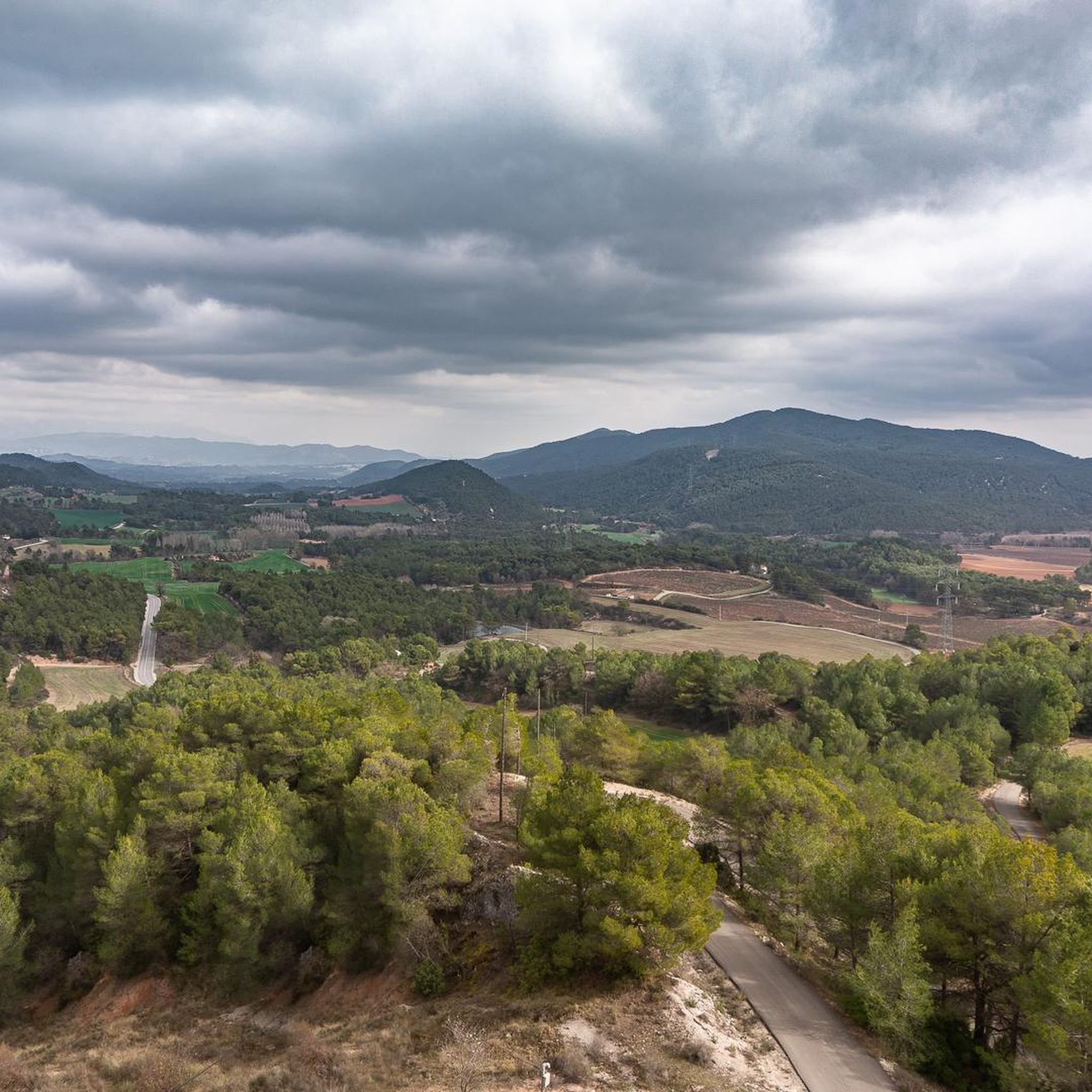
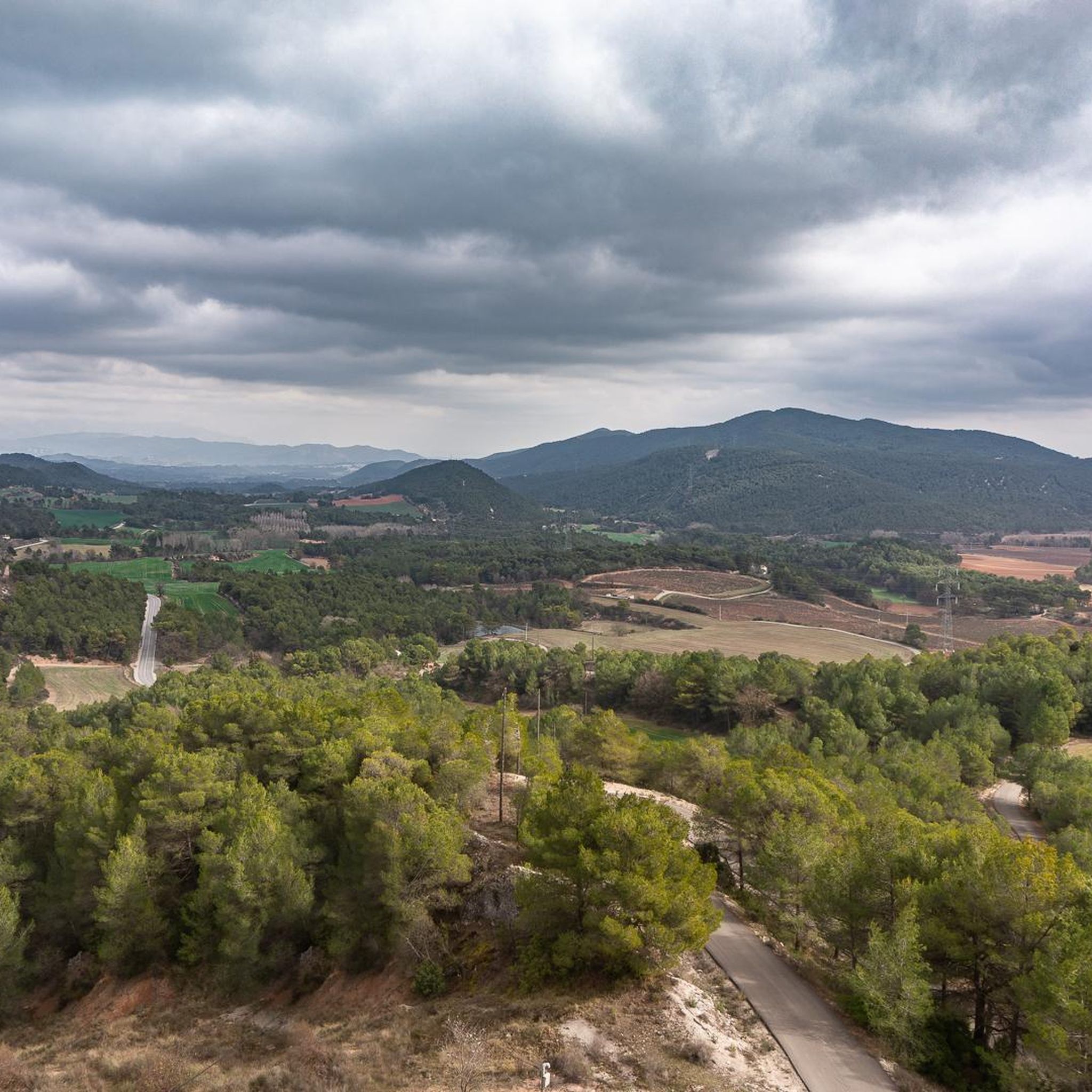
El Castillo de Vilademàger is an ancient medieval fortress located on a rocky promontory that dominates a large part of the Anoia region's landscape. Although it is now preserved in ruins, remains of its walls, the tower, and the small Romanesque chapel of Sant Pere can still be appreciated.
0
0

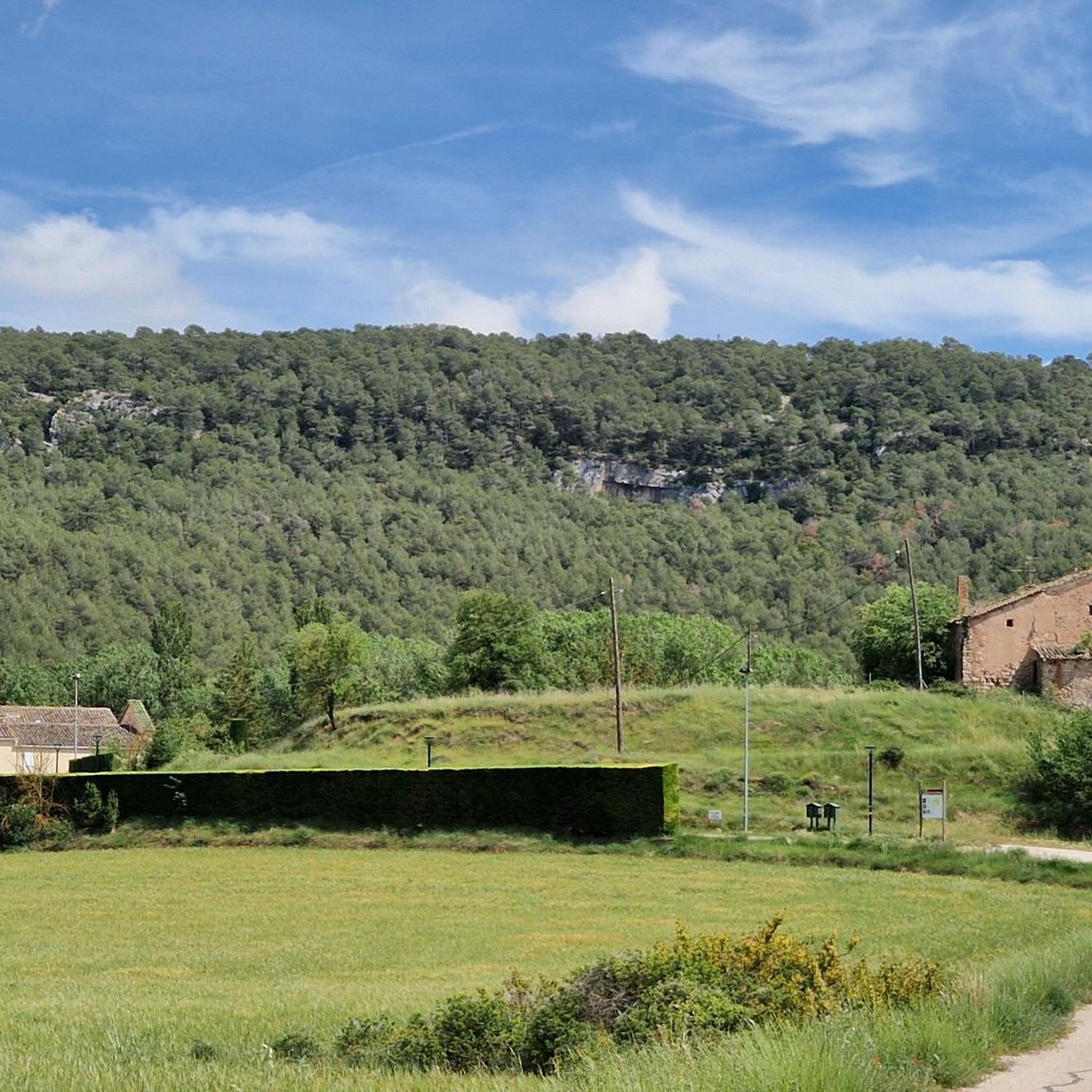
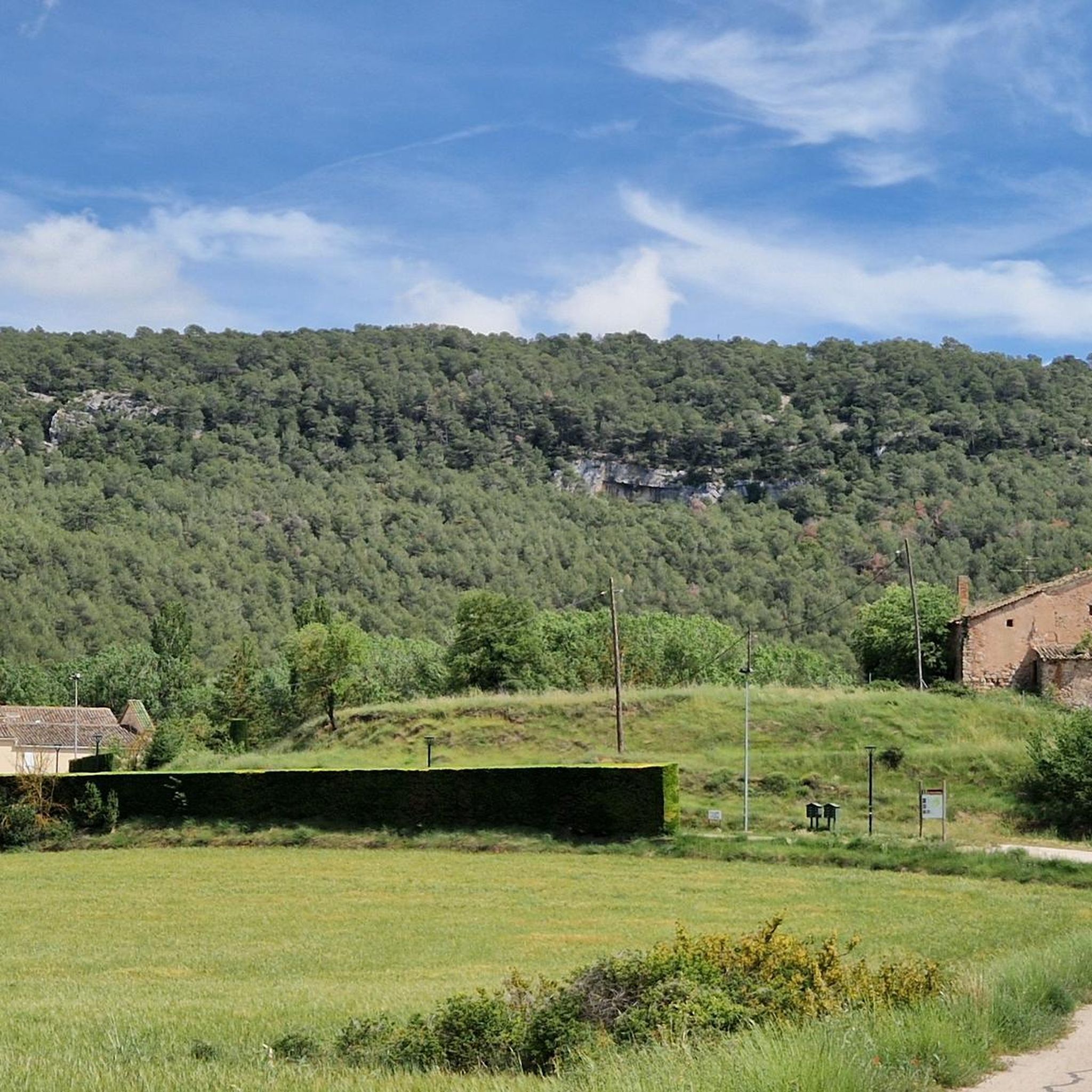
Miralles Castle is located at the top of the municipality of Santa Maria de Miralles. Its remains are on a hill in the Queralt and Miralles mountain ranges that dominate the upper valley of the Miralles stream. These ranges connect the towns of Santa Coloma de Queralt to La Poble de Claramunt.
1
0

Fortified farmhouse from the 16th century that currently functions as a wine and food tasting venue. It has a rectangular floor plan and is covered on all four sides, at the top of which there are four protruding sentry boxes, as well as burlap in different parts of its walls and a machicolation. Its portal has a voussoired semicircular arch and the windows are framed with worked and molded stone. It had a chapel, dedicated to Sant Miquel, consecrated in 1668 and later converted into a stable. Its origin seems to be in the disappeared old castle of Pontons, already in 1358 it was owned by Jaume d'Avinyò, known as "Cuadra del Mas de Pontons", being reformed in the 17th-18th centuries with its current appearance.
1
0

This sanctuary is Romanesque in style and around it are preserved the remains of the castle of Foix. They have built a viewpoint to be able to see the entire Penedés, which reaches the sea. Nearby there is a water source.
2
0
The Castell de Mediona has been documented since 954, having passed through different owners throughout history, something that can be seen in the different architectural forms that can be seen in its remains. The oldest construction is a semicircular tower of which only the first floor and an adjoining enclosure remain. A second construction phase provided new fortifications, such as a bastion and a rectangular Gothic room (SXIV). A third construction phase raised two new square towers (SXV). Inside the fortification there is a church dedicated to Santa María (SXIV).
0
0
The Castell de Mediona has been documented since 954, having passed through different owners throughout history, something that can be seen in the different architectural forms that can be seen in its remains. The oldest construction is a semicircular tower of which only the first floor and an adjoining enclosure remain. A second construction phase provided new fortifications, such as a bastion and a rectangular Gothic room (14th century). A third construction phase raised two new square towers (15th century). Inside the fortification there is a church dedicated to Santa María (14th century).
0
0

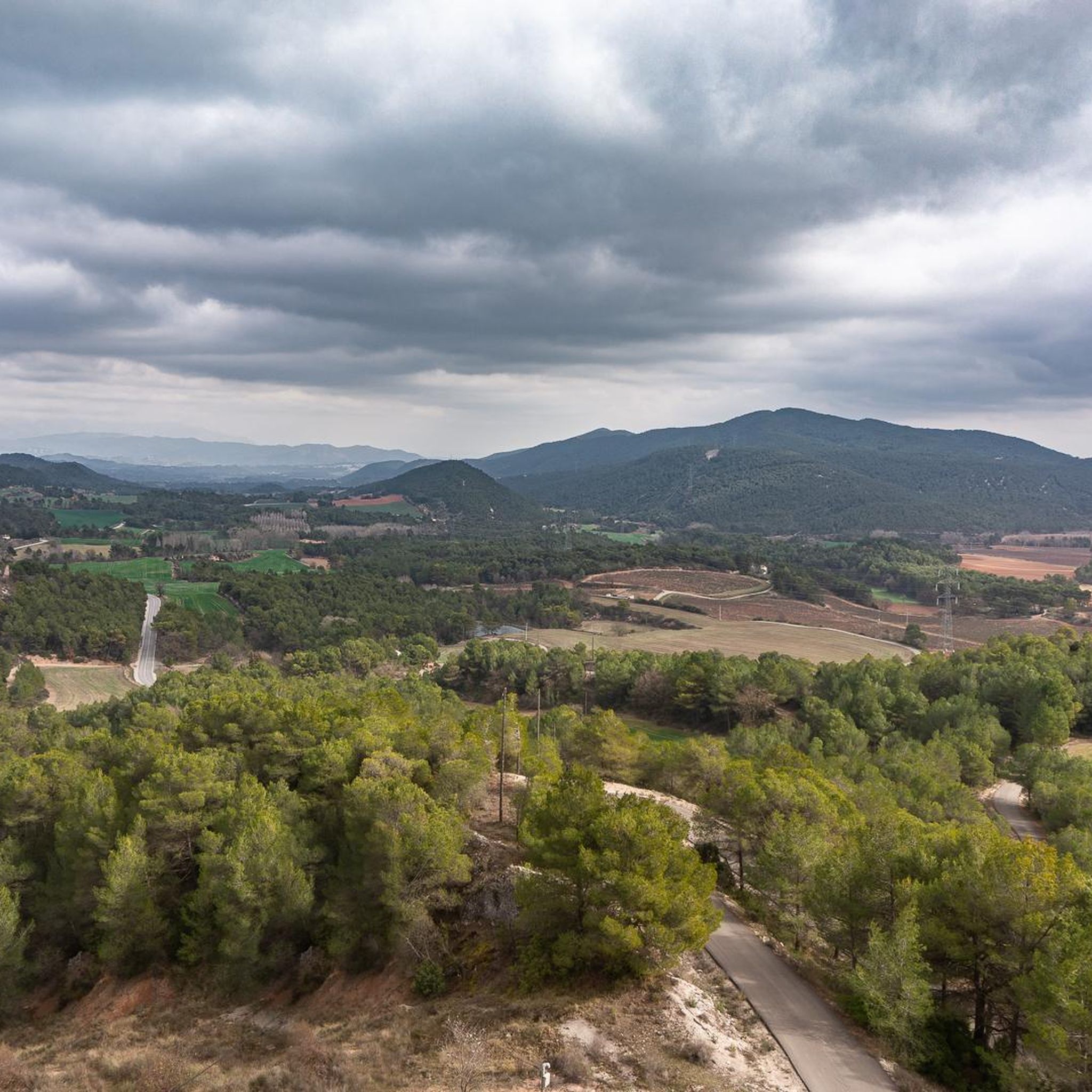
The ruins of the castle, the first time mentioned in the year 960. Except for the ruins, there is also a roman capel. A tower, part of the castle, has been converted into a viewpoint. The place is accessible from route C-37, Santa Maria de Miralles by car or road bike, also accessible from the side of the mountains by feet or MTB.
2
0
Frequently Asked Questions
What historical significance do the castles around Santa Maria De Miralles hold?
The castles in this region, such as the Castle of Miralles, played a crucial role as defensive bastions on the Christian frontier, particularly during the repopulation of the area. They were strategically located on hills to protect natural paths leading to Camp de Tarragona and Penedès, offering a tangible connection to medieval history and the region's past as a frontier defense.
Which castles offer the best panoramic views?
For impressive panoramic views, consider visiting the Sanctuary of Foix and Castle Ruins, which features a viewpoint overlooking the entire Penedés region. The Miralles Castle ruins also include a tower converted into a viewpoint, offering vistas over the Anoia valley and the Miralles valley. Additionally, Tossa and Montbui Castle provides impressive views of the Conca d'Òdena and Montserrat.
Can I combine a castle visit with outdoor activities like hiking or cycling?
Yes, the area around Santa Maria De Miralles is ideal for combining castle visits with outdoor activities. You can explore hiking trails that lead to castles, such as the 'Queralt Castle Ruins – Miralles Castle loop' or the 'Miralles Castle loop'. For cycling enthusiasts, there are numerous routes available, including 'Sant Martí de Tous Castle – L'Aubereda loop' for touring bicycles or various gravel biking routes. You can find more details on these activities in the hiking, cycling, and gravel biking guides for the region.
Are there family-friendly castles or activities near Santa Maria De Miralles?
While specific family activities vary by site, many castles, like the Castle of La Torre de Claramunt, are accessible and offer historical exploration suitable for families. The ruins of Miralles Castle, with its viewpoint, can also be an engaging visit for children interested in history and scenic views. Exploring the ruins and nearby Romanesque church can be combined with hiking through surrounding forests, making it suitable for active families.
What is the best time of year to visit the castles in this region?
The region's climate generally makes spring and autumn ideal for visiting the castles. The weather is typically milder, which is perfect for exploring ruins, enjoying panoramic views, and undertaking outdoor activities like hiking or cycling without the intense heat of summer or the chill of winter. This allows for comfortable exploration of both the historical sites and the surrounding natural landscapes.
Are there any unique or less-known historical sites besides traditional castles?
Yes, beyond traditional castles, you can discover unique historical sites like Mas de Pontons. This is a fortified farmhouse from the 16th century, which originated from the old castle of Pontons. It features a rectangular floor plan with sentry boxes and machicolation, and today functions as a wine and food tasting venue, offering a different kind of historical experience.
How accessible are the castles around Santa Maria De Miralles for walking?
Many castles, including the Miralles Castle, are located on hills and can involve some walking to reach. The ruins of Miralles Castle are accessible by car or road bike from route C-37, Santa Maria de Miralles, and also by foot or mountain bike from the mountainside. Some nearby hiking routes, like the 'Roca del Frare – Vilademàger Castle loop', are rated as 'easy', suggesting options for various walking abilities.
Is public transport available to reach the castles?
Information regarding direct public transport to the specific castle sites is limited. Many castles, especially those in more rural or elevated locations like the Miralles Castle, are often best accessed by private vehicle, road bike, or by hiking trails. It is advisable to check local transport options to nearby towns and then plan for the final leg of the journey to the castle.
Are dogs allowed at the castles or on nearby trails?
While specific regulations for each castle may vary, generally, dogs are often permitted on outdoor trails and in the open areas around castle ruins, especially if kept on a leash. For example, the surrounding forests and hills near Miralles Castle are suitable for walks with dogs. It's always recommended to check individual site rules or local signage for the most accurate information regarding pet access.
What kind of historical architecture can I expect to see?
The region showcases a range of historical architecture, primarily medieval. You'll find Romanesque styles, as seen in the Sanctuary of Foix and Castle Ruins and the nearby Romanesque Church of Santa Maria. The Castle of La Torre de Claramunt is a well-preserved Gothic Romanesque structure. The Castle of Miralles, though in ruins, displays construction adapting to topography with irregular ashlar stones and a Gothic tower. Fortified farmhouses like Mas de Pontons also feature unique defensive elements like sentry boxes and machicolation.
Where can I find parking when visiting the castles?
Parking availability varies by location. For castles situated within towns, such as the Castle of La Torre de Claramunt, you may find public parking within the town center. For more remote sites like Miralles Castle, access is possible by car from route C-37, Santa Maria de Miralles, suggesting roadside or designated parking areas might be available near the access points. It is advisable to look for local signage upon arrival.
Are there any places to eat or drink near the castles?
While direct cafes at every castle ruin are uncommon, some historical sites offer amenities. For instance, Mas de Pontons, a fortified farmhouse, now functions as a wine and food tasting venue. For other castles, you would typically find cafes and restaurants in the nearest towns or villages. The Sanctuary of Foix and Castle Ruins has a water source nearby, which is useful for visitors.
Most popular routes around Santa Maria De Miralles
Most popular attractions around Santa Maria De Miralles

Get inspired with the komoot mobile app


Explore more
Looking for the best castles somewhere else? Discover other guides around Santa Maria De Miralles:
