The best road cycling routes around Santa Maria De Miralles
4.9
(17)
1,033
riders
27
rides
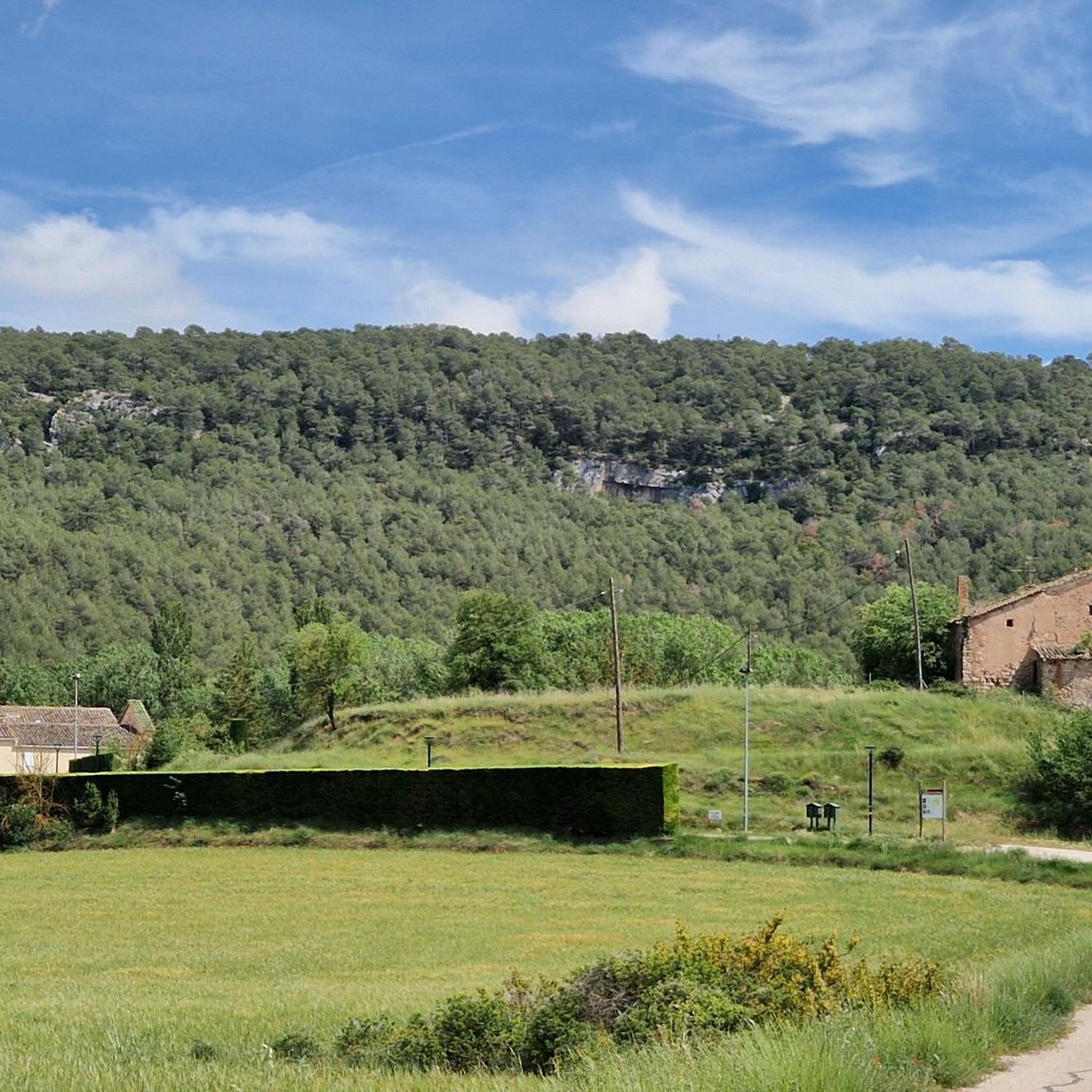
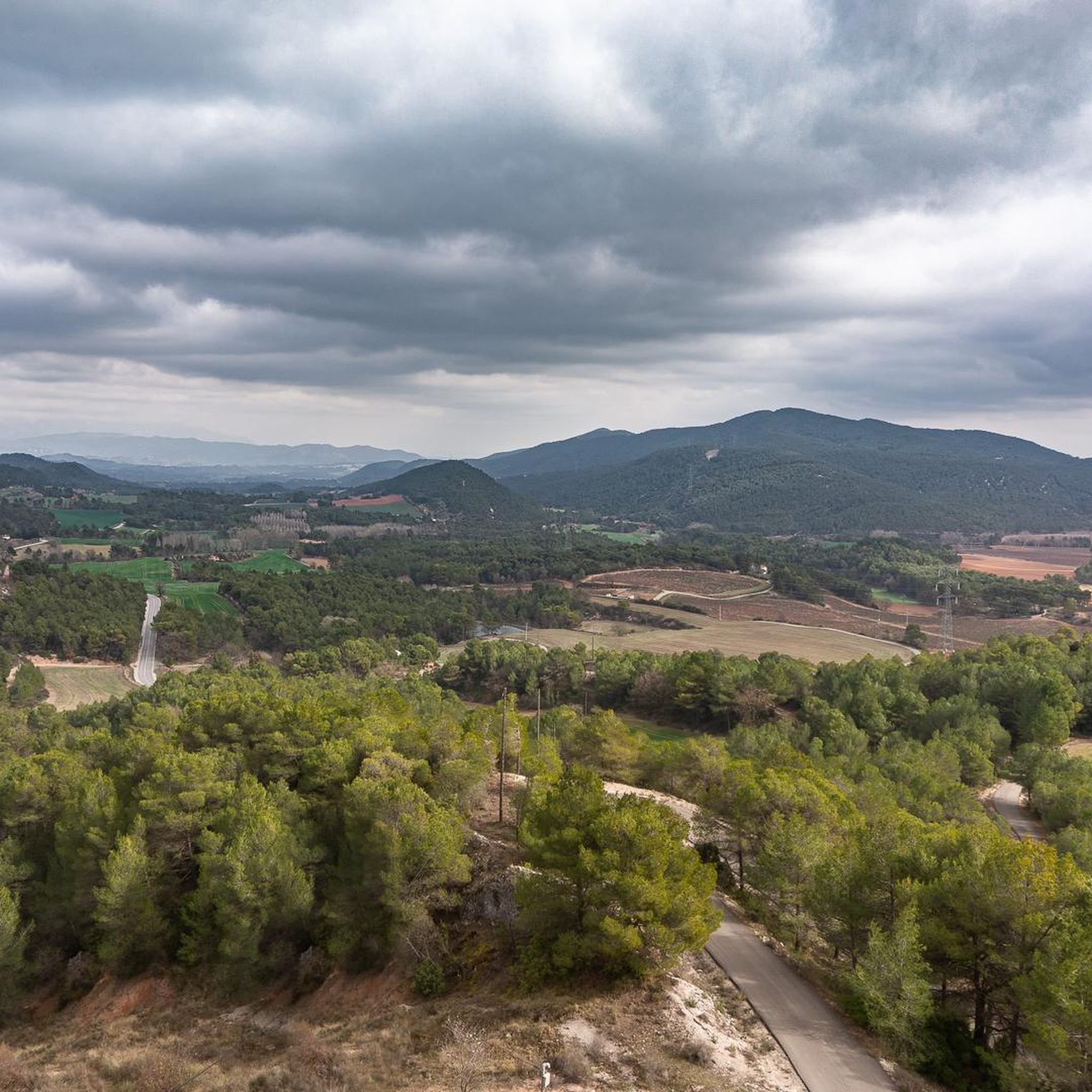
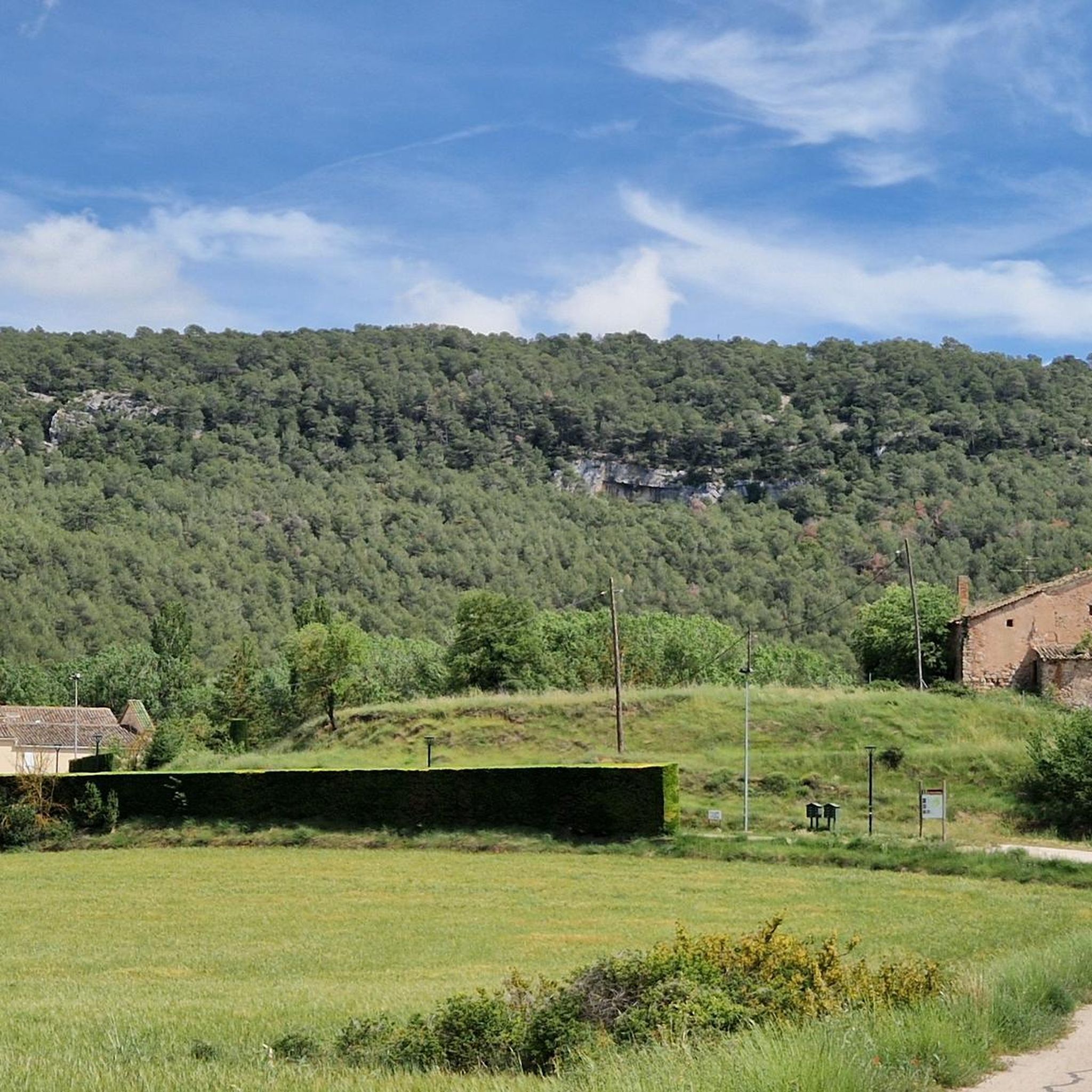
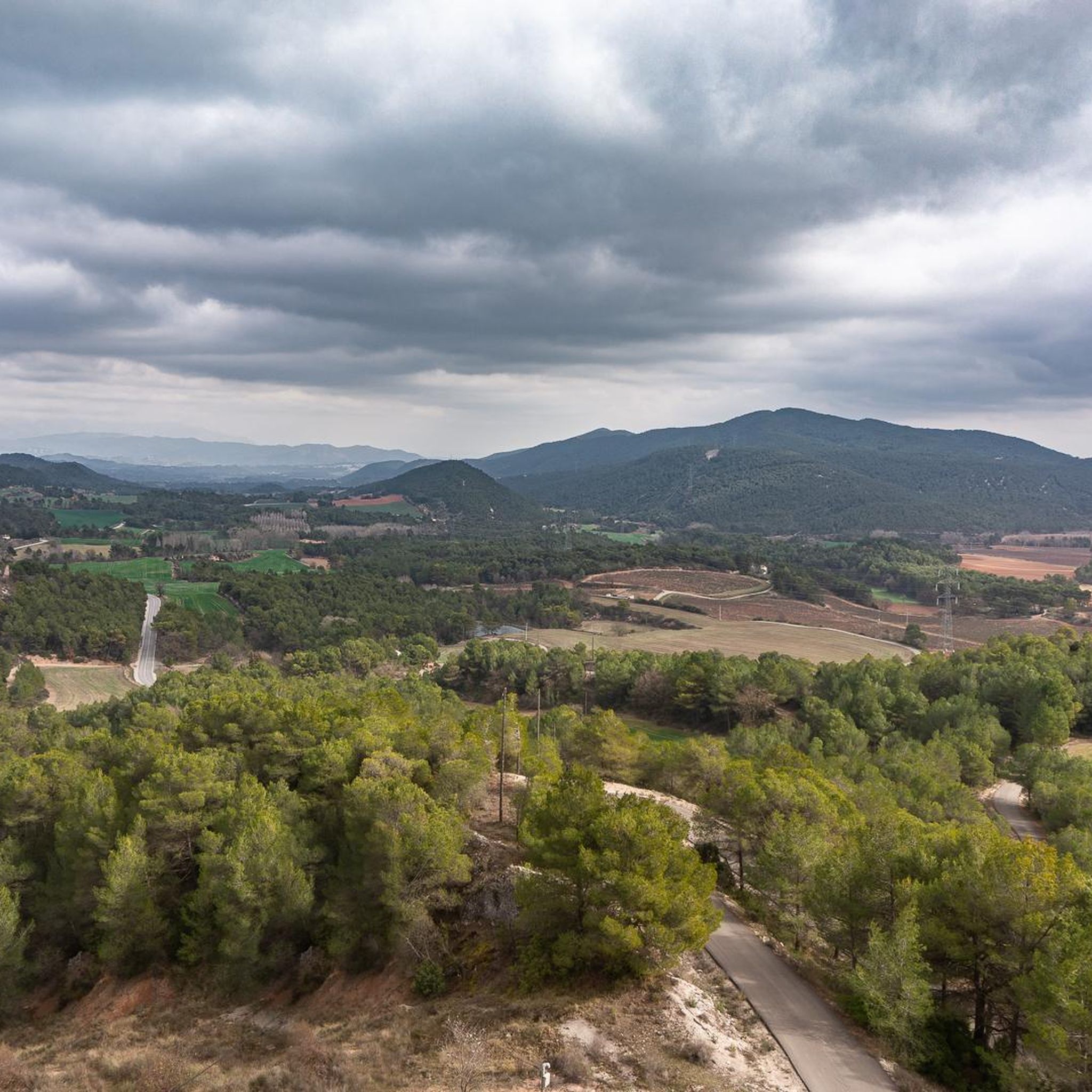
Road cycling routes around Santa Maria de Miralles traverse the diverse terrain of the Anoia region in Catalonia, characterized by the Pre-Coastal Range and the Serra de Miralles. The landscape features a mix of pine forests, vineyards, and dry-farmed crops, with the Riera de Miralles valley shaping much of the area. Cyclists encounter varied relief, from tranquil winding roads to challenging ascents, offering a range of elevations. The region's quiet routes provide an environment for road cycling.
Best road cycling…
Last updated: May 15, 2026
5.0
(1)
316
riders
84.8km
04:24
1,340m
1,340m
Hard road ride. Very good fitness required. Mostly well-paved surfaces and easy to ride.
4.9
(15)
185
riders
47.8km
02:30
680m
680m
Moderate road ride. Good fitness required. Mostly well-paved surfaces and easy to ride.

Sign up for free
5.0
(1)
102
riders
54.1km
02:49
930m
930m
Hard road ride. Very good fitness required. Mostly well-paved surfaces and easy to ride.
4.0
(1)
19
riders
Moderate road ride. Good fitness required. Mostly well-paved surfaces and easy to ride.
19
riders
50.5km
02:27
690m
690m
Moderate road ride. Good fitness required. Mostly well-paved surfaces and easy to ride.
Get access to more routes and recommendations from other explorers.
Sign up for free
Already have an account?
Our route recommendations are based on thousands of hikes, rides, and runs completed by other people on komoot.
Start today with a free account
Your next adventure awaits.
Login or Signup

Tips from the Community

It is a beautiful town in a very pleasant and quiet place, with very beautiful landscapes and views. You have to enjoy these places to practice cycling.
0
0

On clear days, spectacular views of the Penedès.
1
0

The Museu Molí Paperer de Capellades is a museum dedicated to the paper industry, located in the town of Capellades, in the Catalan region of l'Anoia. The museum occupies the old premises of a paper mill, called Molí de la Vila, which preserves the structure of the paper mills of the 18th century. Next to the building there is an artificial lake fed by a water source, known as the "bassa" and which is fed by the Carme - Capellades aquifer. The museum explains the history of papermaking, and preserves original tools for manual papermaking. In fact, in its underground premises paper is still made with these artisanal techniques.
0
0
The Capellades prehistoric park is a cultural facility located in the Cinglera del Capelló, the cliff on which the town of Capellades sits, in the Catalan region of l'Anoia. This area, in addition to its geological and landscape value, has great archaeological value, due to the presence of around twenty sites from various periods. The cliff itself is one of the park's attractions. Its origin is in the action of carbonated waters that, by fossilizing plant colonies, form fall travertines, a type of fossil waterfall that is locally called "capellons". Its growth formed cornices, grottoes and caves that were used as shelter by groups of prehistoric settlers. One of these caves constitutes the best preserved Paleolithic archaeological site in the complex, known as "l'Abric Romaní", used as a refuge by groups of Neanderthals and which has been excavated since 1983.
0
0
This fountain is located on a road very frequented by road cyclists, since it is located in a section whose passage is mandatory if you go to or come from Sant Quintí de Mediona, Canaletes, Sant Joan de Mediona or Capellades. The water that flows from the pipe is very fresh and tastes good, and it is not uncommon to find people filling jugs. If you politely ask to be able to fill your drum, you can skip the "turn" and thus continue your route well supplied with water.
0
0

Santa Coloma de Queralt is a medieval town in the Barberá Basin, in Tarragona. The entrance portals to the urban nucleus stand out, which was surrounded by a stone wall, and the set of arcades of the Plaza Mayor. It has several springs that supply water to the town.
1
0
This church, built in 1945 and also known as "la Mercè de Pontons", is a construction with a single nave, with two side chapels, in neo-modernist style and with a flat brick vault roof supported by parabolic arches.
2
0

Church in the municipality of Torrelles de Foix, with Baroque architecture. Find a public fountain where you can fill up water.
1
0
Frequently Asked Questions
How many road cycling routes are available around Santa Maria De Miralles?
There are over 25 road cycling routes around Santa Maria De Miralles, offering a variety of distances and difficulty levels for cyclists to explore.
What kind of terrain can I expect on road cycling routes in Santa Maria De Miralles?
The region offers diverse terrain, from the transition slopes of the Pre-Coastal Range and Serra de Miralles to the picturesque Riera de Miralles valley. You'll encounter a mix of pine forests, vineyards, and dry-farmed crops, with tranquil winding roads and challenging ascents, particularly in areas like L'Avellà.
Are there routes suitable for beginners or those looking for an easier ride?
Yes, while the area is known for challenging climbs, there are also moderate options. For instance, the La Llacuna loop from la Llacuna is a moderate 31.9-mile path that offers scenic views through agricultural areas and forests without extreme difficulty.
What are some notable landmarks or viewpoints I can see while cycling?
Cyclists can enjoy historical sites and panoramic views. The medieval Miralles Castle offers extensive views over the valley. Other points of interest include Miravinya Balcó del Penedès, known for its vistas, and the Romanesque church of Santa Maria del Castell near the castle.
Are there any circular road cycling routes in the area?
Yes, many routes in Santa Maria De Miralles are designed as loops, allowing you to start and end in the same location. An example is the challenging Collet de la Serra – View of La Creu de Lavit loop from la Llacuna, which covers 39.2 miles.
What is the best time of year for road cycling in Santa Maria De Miralles?
The region's routes allow visitors to appreciate seasonal changes. Generally, spring and autumn offer pleasant temperatures for cycling. Summers can be warm, while winters are typically mild, making it possible to cycle year-round, though checking local weather is always recommended.
What do other road cyclists enjoy most about cycling in Santa Maria De Miralles?
The area is highly rated by the komoot community, with an average score of 4.9 stars. Reviewers often praise the region's varied terrain, quiet winding roads with very little traffic, and the challenging climbs that appeal to those testing their endurance.
Are there any family-friendly road cycling routes?
While many routes feature significant elevation gain, some moderate paths can be suitable for families with older children or those comfortable with longer distances. It's best to check the specific route details for elevation and distance to ensure it matches your family's ability.
Is it possible to bring my dog on road cycling routes?
Road cycling routes are generally not suitable for dogs due to the distances, speeds, and potential traffic, even on quiet roads. For safety, it's recommended to leave your dog at home or explore other dog-friendly activities in the region.
Where can I find parking for road cycling routes in Santa Maria De Miralles?
Many routes start from towns or villages like La Llacuna or Sant Martí de Tous, where public parking is typically available. It's advisable to check the starting point of your chosen route for specific parking information.
Are there cafes or places to stop for refreshments along the routes?
Yes, the routes often pass through or near small villages and agricultural areas where you can find local cafes or establishments. Planning your route with potential stops in mind is recommended, especially for longer rides.
What is the most challenging road cycling route in the area?
For those seeking a significant challenge, the Collet de la Serra – View of La Creu de Lavit loop from la Llacuna is a difficult 39.2-mile route with nearly 1000 meters of elevation gain, making it a popular choice for experienced cyclists.
Most popular routes around Santa Maria De Miralles
Most popular attractions around Santa Maria De Miralles

Get inspired with the komoot mobile app


Explore more
Browse the best Road cycling routes in other regions.
