Top 7 Castles around Constantí
Best castles around Constantí are primarily found in the wider Tarragona province, as Constantí's own historic castle was largely destroyed in the 17th and 19th centuries. The medieval village of Constantí, established in 1153, once featured a castle that served as the summer residence for the Archbishops of Tarragona. Today, the surrounding area offers a rich collection of historical sites, including Roman structures and medieval fortresses. These notable landmarks provide a comprehensive look into the region's diverse past and architectural…
Last updated: October 6, 2026
Castillo del Paborde
Highlight • Castle
Translated by Google •
Tip by

La Mora Tower
Highlight • Historical Site
Translated by Google •
Tip by

Sign up now to discover places like this
Get recommendations on the best single tracks, peaks, & plenty of other exciting outdoor places.
Roman Walls of Tarragona
Highlight • Historical Site
Tip by

Torre del Pretorio of Tarragona
Highlight • Historical Site
Translated by Google •
Tip by

Amphitheatre and Wall of Tarragona
Highlight • Historical Site
Translated by Google •
Tip by

Sign up for free to discover even more castles around Constantí.
Already have an account?
Start today with a free account
Your next adventure awaits.
Tips from the Community

The city was founded by the Romans in 218 BC as Tarraco. During the Roman Empire, it was one of the most important centres of the Iberian Peninsula and the capital of one of the largest Roman provinces, Hispania Tarraconensis, which was named after it. Some Roman ruins can still be seen.
0
0

Great campsite with a gigantic view. Very well-stocked supermarket on the campsite. We bought a small picnic here and fortified ourselves for the journey home.
0
0
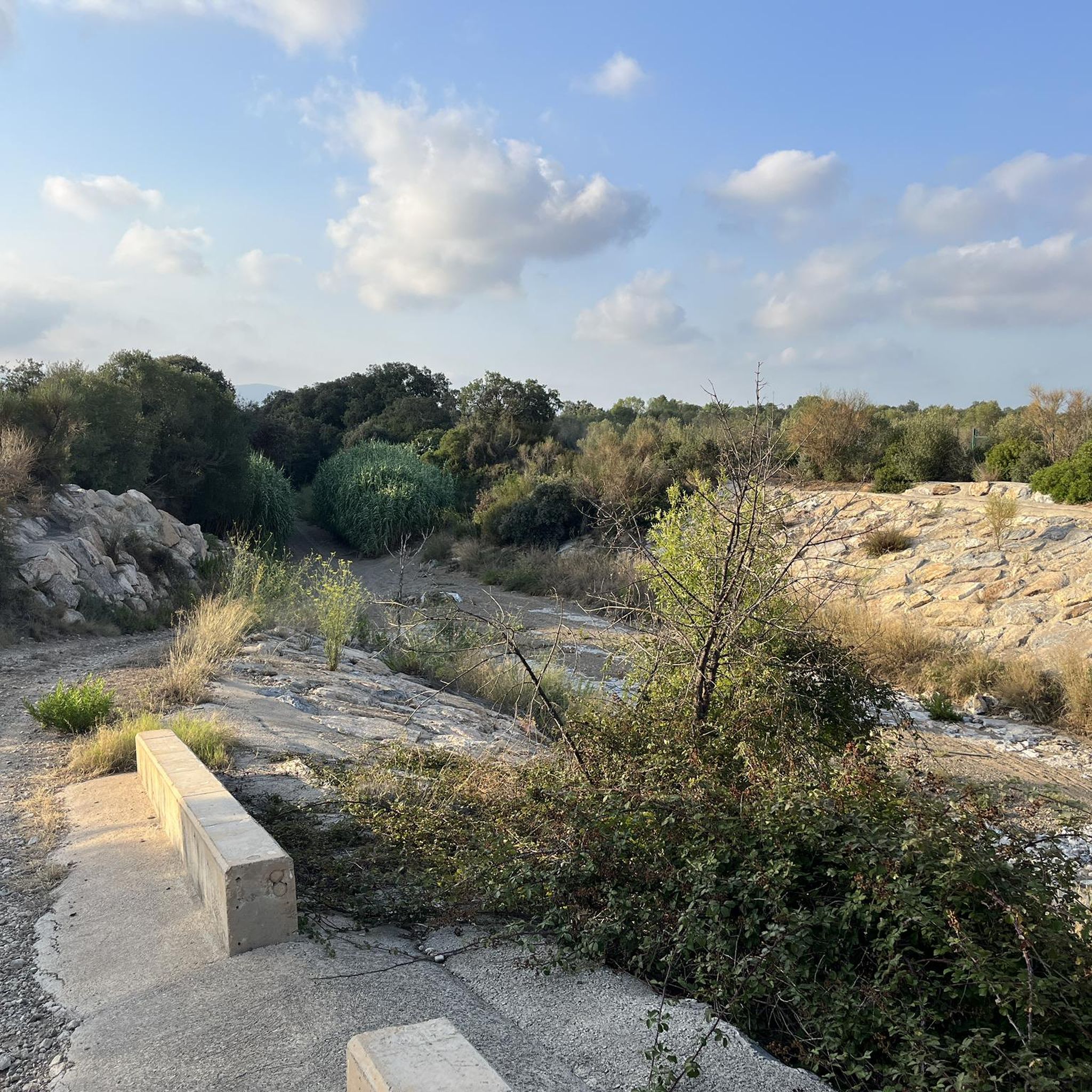
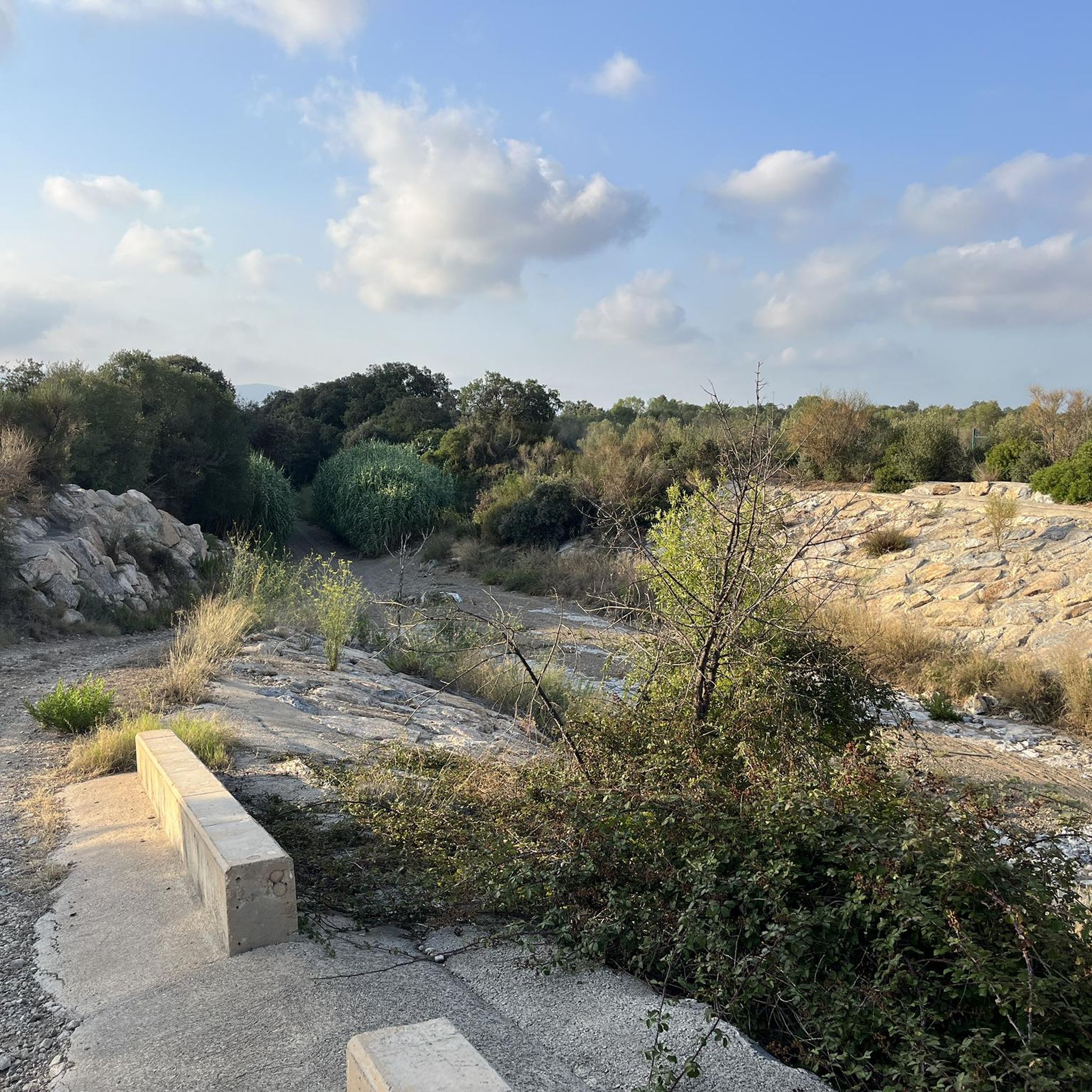
Uniquely beautiful hiking trail with great views of wonderful bays.
0
0

The Selva Castle was for centuries the stately residence of the prefects of Tarragona and the archbishops of the metropolis. It belonged to the Papordia of the archbishop of Tarragona, and was probably built at the end of the 12th century. It was a residence very frequented by the paborde, but it mainly served as a storehouse for nuts and tithes. In 1411 Pope Benedict XIII decreed the abolition of the pabordia and the Castle was administered directly by the Archbishop of Tarragona and in the s. In the 16th century, the building was expanded with residential buildings and an upper floor accessed by a staircase. The action of the Constituent Courts during the Biennium of 1822 ended, in fact, with the lordships. This work was complemented by the confiscation laws of the middle of the 19th century, and thus the Selva Castle would become the property or usufruct of the Town Council. Passing through various users after the ecclesiastical confiscation, the Castle, the town's largest heritage building had become a ruin that the Selvatans have lived with for decades. Finally, in a municipal economic boom, the City Council, entering the new millennium, decided to carry out an ambitious project such as that of restoring the monument and giving it a function of public use in accordance with its identity , a first-rate cultural facility.
0
0

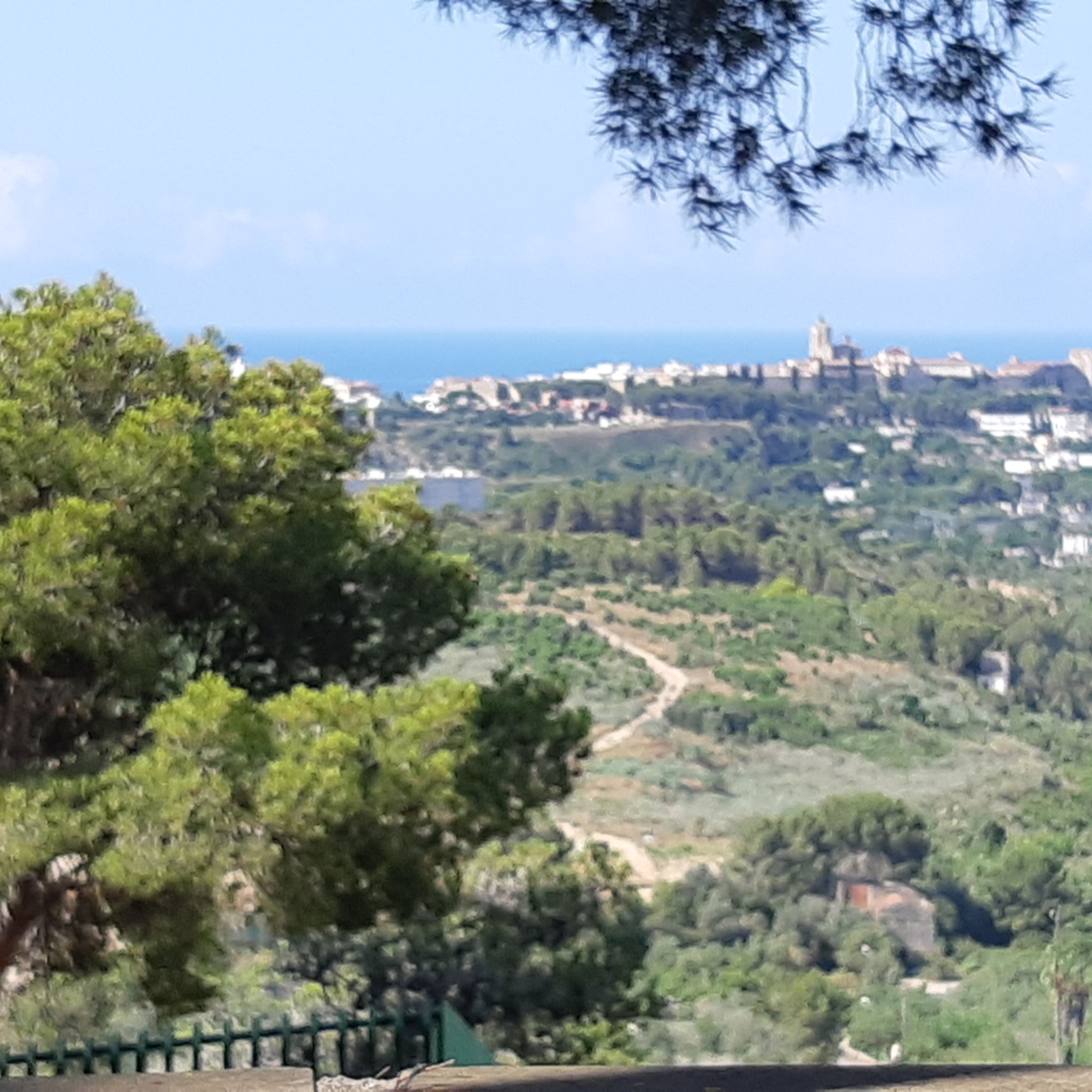
Very nice view to Tarragona. Right next door is a nice campsite with shopping and catering options.
0
0

The Castillo de la Selva, also known as the Paborde castle, is located in the town of La Selva del Camp. There are also remains of the medieval wall. Its construction dates from the 12th century.
3
0

The wall of Tarragona is one of the first constructions of the Roman Empire in the Catalan territory after the town of Empúries (northern Catalonia). From this construction it became a key, military point in the south of the Mediterranean.
2
1
Paborde Castle, its construction dates back to the 12th century and was the residence of Paborde and later the Archbishop of Tarragona.
1
0
Frequently Asked Questions
What kind of castles and historical sites can I visit near Constantí?
While Constantí's own historic castle was largely destroyed, the wider Tarragona province offers a rich collection of historical sites. You can explore medieval fortresses like Castillo del Paborde, ancient Roman structures such as the Roman Walls of Tarragona and the Amphitheatre and Wall of Tarragona, and impressive towers like La Mora Tower. The region also features Knights Templar fortresses like Castell de Miravet and Romanesque castles such as Castell de la Santa Creu in Calafell.
Are there any well-preserved medieval castles near Constantí?
Yes, several well-preserved medieval castles are accessible from Constantí. The Castillo del Paborde in La Selva del Camp, dating back to the 12th century, offers a glimpse into ecclesiastical power. Further afield, Castell de Miravet is an outstanding example of Knights Templar architecture, and Castell de la Santa Creu (Calafell Castle) is an 11th-century Romanesque fortress with panoramic views.
What are the most popular historical sites around Constantí according to visitors?
Visitors frequently enjoy La Mora Tower, an 18-meter-high tower recognized as a cultural asset of national interest. The Amphitheatre and Wall of Tarragona, a key military point from the Roman Empire, and the Roman Walls of Tarragona, the oldest Roman construction still conserved outside Italy, are also highly appreciated.
Can I find family-friendly historical sites near Constantí?
Yes, the Amphitheatre and Wall of Tarragona is noted as family-friendly. Castell de la Santa Creu (Calafell Castle) also offers an immersive experience with local guides sharing captivating stories, which can be engaging for families.
What kind of views can I expect from these castles and historical sites?
Many sites offer stunning views. La Mora Tower provides very nice views of Tarragona. Castell de Miravet, perched above the Ebro River, offers panoramic views of the river and surrounding area. Castell de la Santa Creu in Calafell boasts breathtaking panoramic views of colorful rooftops, hills, and the seafront. The Torre del Pretorio of Tarragona also offers a great view over the whole of Tarragona.
Are there any walking or hiking routes near the castles around Constantí?
Yes, the region offers various outdoor activities. For example, you can find numerous road cycling, mountain biking, and gravel biking routes around Constantí. While not directly adjacent to every castle, these routes provide opportunities to explore the scenic surroundings. You can find more details on routes like the 'Llarga Beach – Jaume I Promenade loop' or 'Vilallonga – Pont dels Moros loop' in the Road Cycling Routes around Constantí or MTB Trails around Constantí guides.
What is the historical significance of the castles in this region?
The castles and historical sites around Constantí hold significant historical value. The Castillo del Paborde served as a residence for archbishops, reflecting medieval ecclesiastical power. The Roman structures like the Roman Walls of Tarragona highlight the region's importance as a major Roman center. Castell de Miravet showcases the influence of the Knights Templar, and Castell de la Santa Creu was a crucial border point between the Frankish Empire and Al-Andalus.
Is it possible to visit castles that were once summer residences for archbishops?
Yes, the Castillo del Paborde in La Selva del Camp served for centuries as the stately residence for the prefects and archbishops of Tarragona. Although Constantí's original castle, which was also an archbishop's summer residence, was largely destroyed, the Castillo del Paborde offers a similar historical context.
Are there any castles with a coastal setting near Constantí?
Yes, La Mora Tower is a coastal watchtower located in the municipality of Tarragona. Additionally, Castell de Tamarit, while less detailed in historical features, is known for its picturesque setting on the Costa Daurada, making it a visually appealing coastal destination.
What is the best time of year to visit the castles and historical sites?
The region generally enjoys a Mediterranean climate. Visiting during spring (April-May) or autumn (September-October) often provides pleasant temperatures for exploring historical sites and walking around. Summer can be hot, but coastal sites like La Mora Tower might offer sea breezes. Winter visits are also possible, especially for those interested in quieter experiences.
What are the oldest historical constructions I can see near Constantí?
The Roman Walls of Tarragona are among the oldest, being the oldest Roman construction still conserved outside Italy. These walls were built in the 2nd century B.C. and are a testament to the region's ancient Roman heritage.
Are there any castles that offer an immersive experience with local guides?
Yes, Castell de la Santa Creu (Calafell Castle) provides an immersive experience with local guides who share captivating stories about knights and the castle's history. It also features updated museography as part of an open-air archaeological park.
Most popular routes around Constantí
Most popular attractions around Constantí

Get inspired with the komoot mobile app


Explore more
Looking for the best castles somewhere else? Discover other guides around Constantí:
