Top 5 Lakes around Puertollano
Lakes around Puertollano offer diverse aquatic destinations within the surrounding region of Ciudad Real, particularly in Castilla-La Mancha. While Puertollano itself features reservoirs, the broader area includes spectacular natural lake systems. These locations provide opportunities for recreation, nature observation, and relaxation. The landscape is characterized by both man-made reservoirs and natural volcanic lagoons.
Best lakes around Puertollano
- The most popular lakes is Pantano del Montoro, a lake that borders the CR-501 road. The concrete dam containing the waters of…
Last updated: November 16, 2026
Laguna de Almodóvar
Highlight • Lake
Translated by Google •
Tip by

Argamasilla de Calatrava
Highlight • Settlement
Translated by Google •
Tip by
Sign up now to discover places like this
Get recommendations on the best single tracks, peaks, & plenty of other exciting outdoor places.
Maar and Strombolian volcano of Almodóvar del Campo
Highlight • Volcano
Translated by Google •
Tip by
Pantano del Montoro
Highlight (Segment) • Lake
Translated by Google •
Tip by

Laguna Blanca
Highlight • Lake
Translated by Google •
Tip by
Start today with a free account
Your next adventure awaits.

Tips from the Community

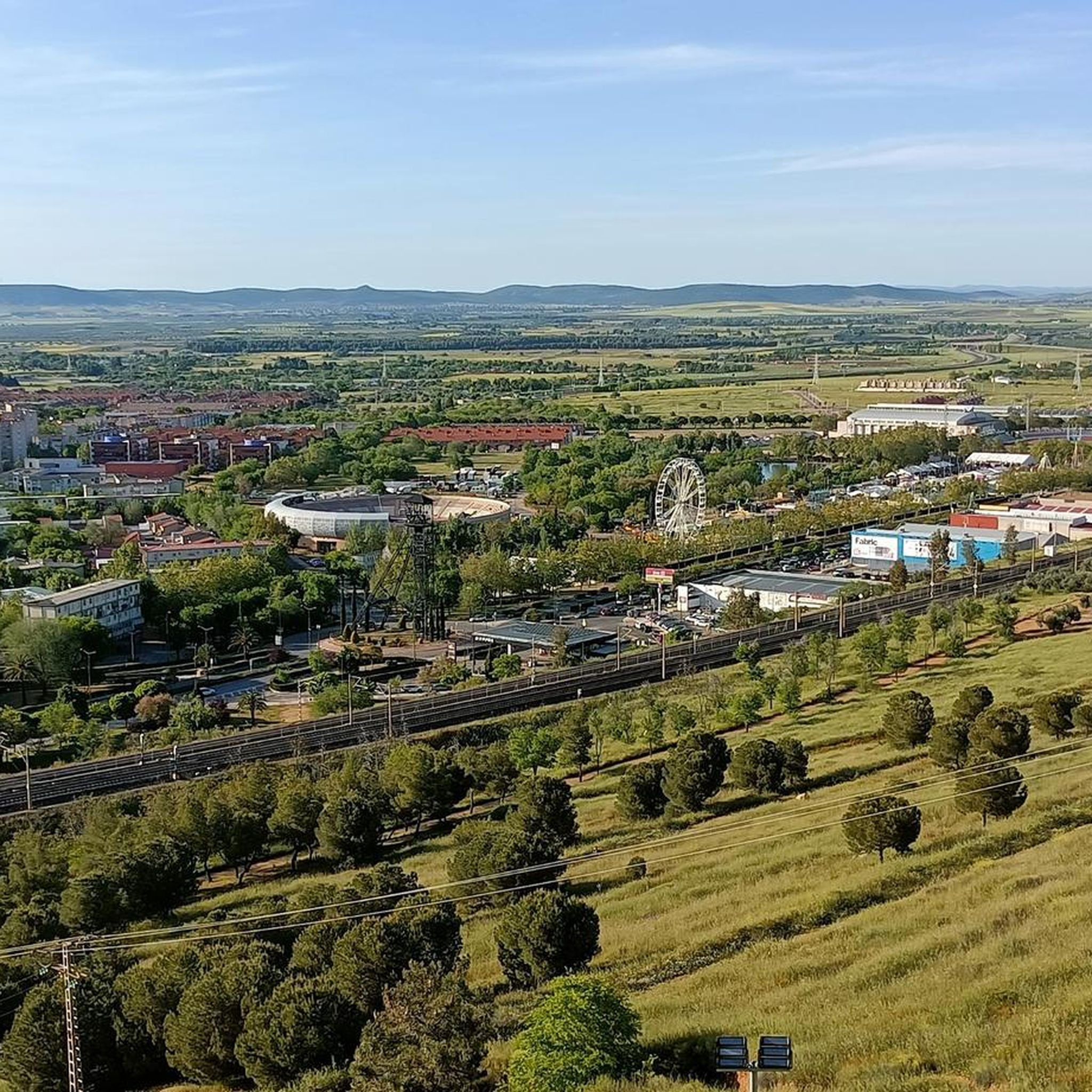
The Almodóvar del Campo Lagoon is a unique natural and geological feature located in the province of Ciudad Real, within the Campo de Calatrava region, famous for its volcanic landscapes. It is a lagoon formed in the crater of a volcano after a phreatomagmatic eruption (interaction between magma and groundwater). This type of lagoon is called a maar.
4
0
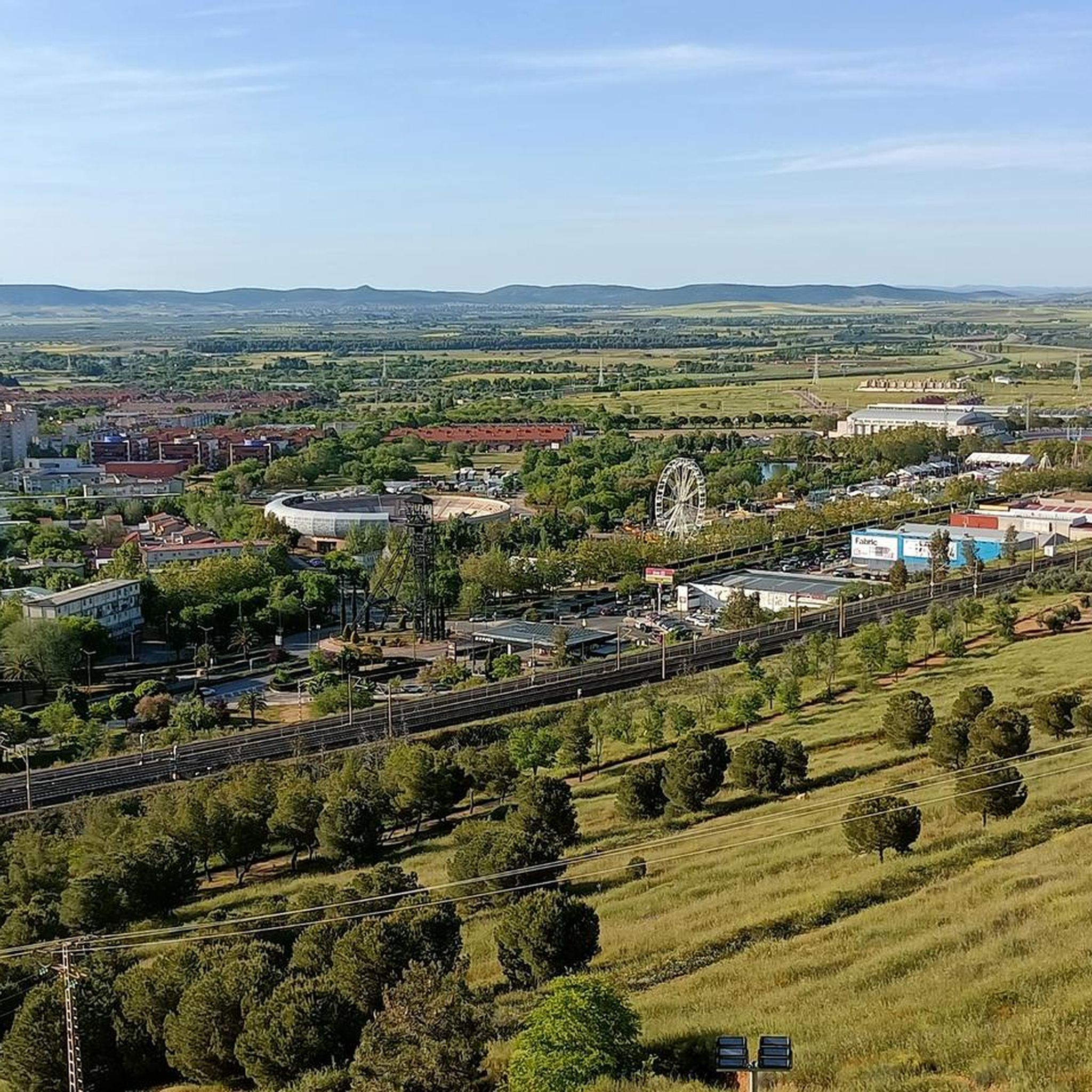
The Laguna Blanca in Argamasilla de Calatrava is an interesting natural formation. It was created by volcanic explosions that created depressions filled with rainwater1. This lagoon is known for the whitish colour of its waters, a result of the minerals present in the soil, such as bicarbonate and sodium sulphate. It is an excellent place for bird watching, as many species choose it as a stopover, resting or nesting point. In addition, the area around the lagoon has archaeological remains dating back to the Paleolithic, which adds historical value to the place.
22
0
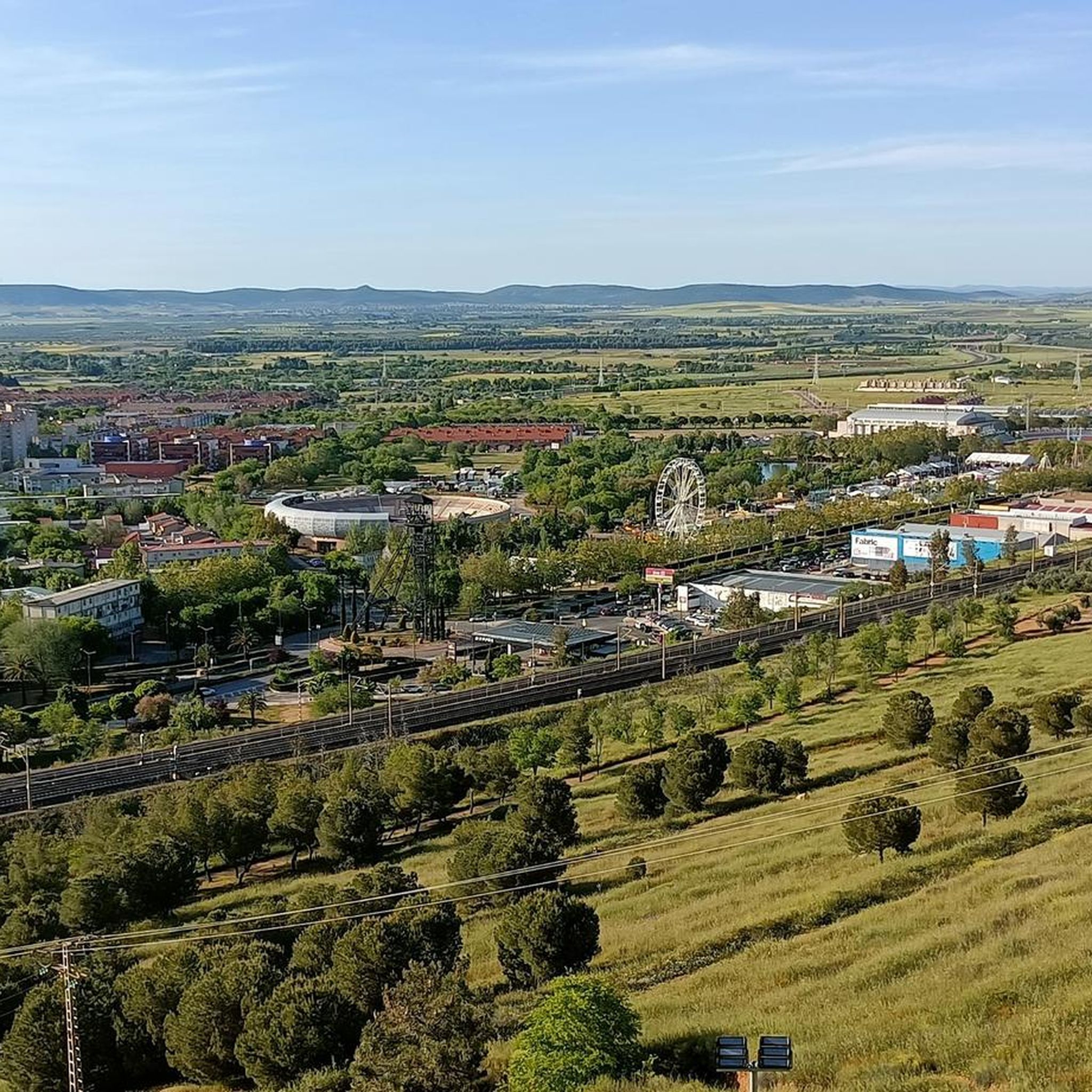
It is formed by a Strombolian volcanic cone of pyroclasts, and due to the quarry in it, its internal structure is exposed. Attached to the foot of this volcano is the Almodóvar maar, which is a phreatomagmatic explosion crater that erupted at the edge of the Paleozoic series, cutting a substrate of hard lithology and destroying part of the previous volcano. The maar crater is funnel-type (hard-type substrate) and houses an ephemeral lagoon inside. In its southern and eastern contour the maar has a ring of tuffs, with pyroclastic facies. The phreatomagmatic deposits of the maar ring are located on a Cenozoic red colluvium. The main interest is of a volcanological (petrological) type and as a secondary interest the geomorphological interest stands out.
2
0
It is formed by a Strombolian volcanic cone of pyroclasts, and due to the quarry in it, its internal structure is exposed. Attached to the foot of this volcano is the Almodóvar maar, which is a phreatomagmatic explosion crater that erupted at the edge of the Paleozoic series, cutting a substrate of hard lithology and destroying part of the previous volcano. The maar crater is funnel-type (hard-type substrate) and houses an ephemeral lagoon inside. In its southern and eastern contour the maar has a ring of tuffs, with pyroclastic facies. The phreatomagmatic deposits of the maar ring are located on a Cenozoic red colluvium. The main interest is of a volcanological (petrological) type and as a secondary interest the geomorphological interest stands out.
29
0
It is a volcanic formation made up of a crater and the Cerro de los Molinos. The crater gives rise to the lagoon and the hill is composed of solid lava. It is located near Almodóvar del Campo, in an easterly direction and, according to historians, it gave origin and name to the settlement of the population.
1
0

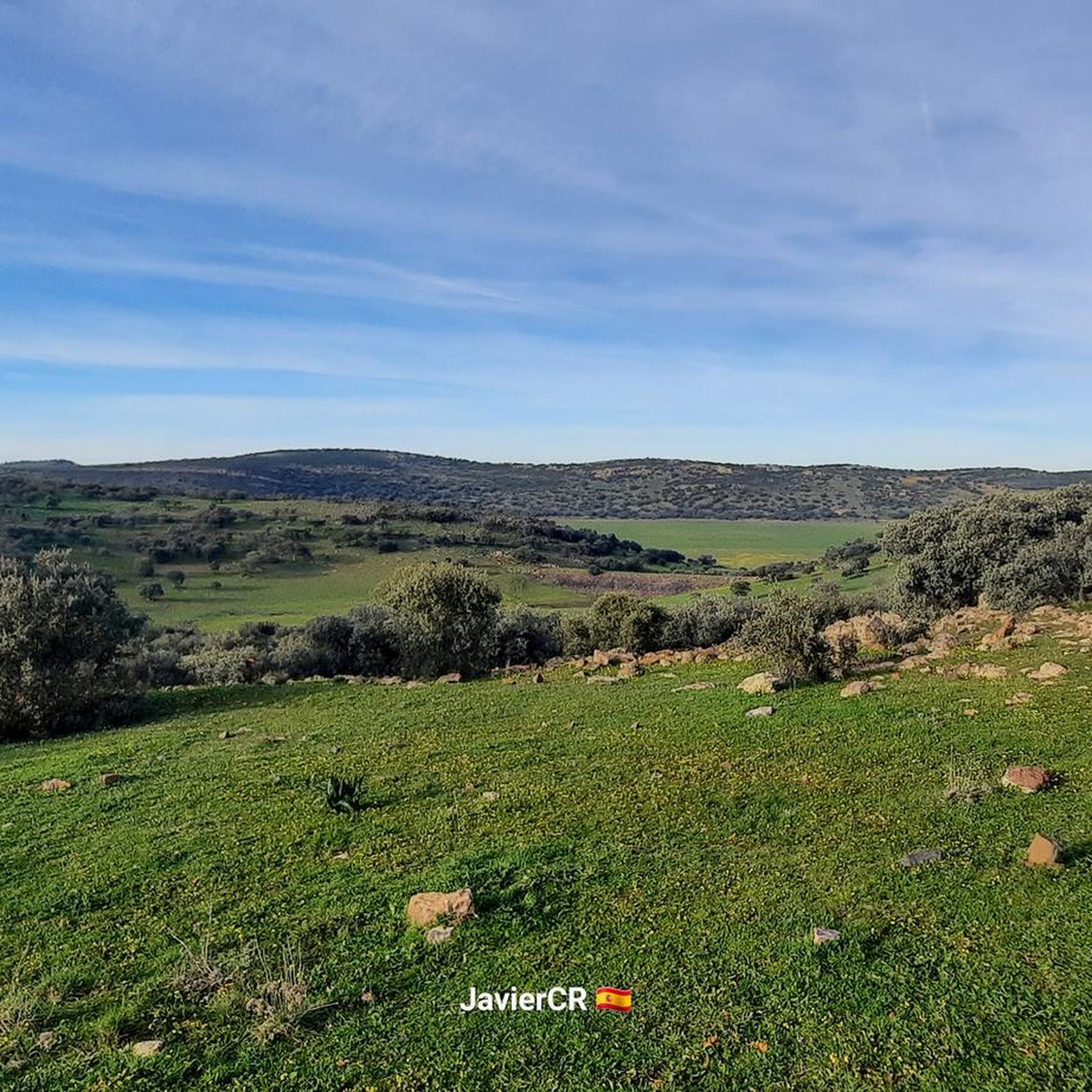
Lagoon that is located on the east side of the center of Almodóvar del Campo and that, depending on the time of year, is more or less full of water!
0
1

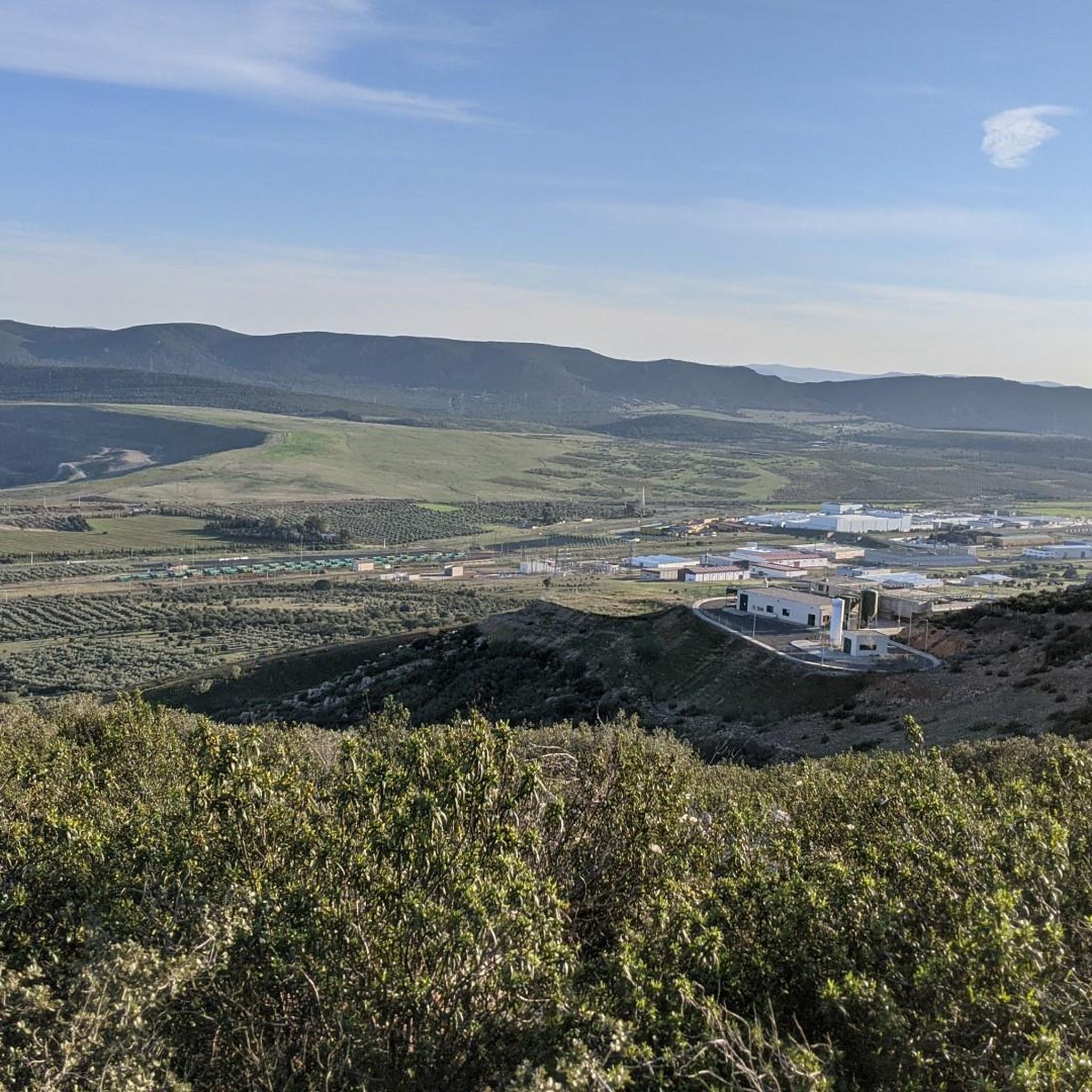
Cycling along the CR-501 road bordering the Pantano del Montoro. The concrete dam that contains the waters of the Montoro River is impressive.
2
0

Almodóvar del Campo Volcanic Lagoon is a seasonal lagoon of volcanic origin typical of the area. They are lagoons associated with phreatic and phreatomagmatic eruptions. The crater of the maar is of the funnel type.
2
0
Frequently Asked Questions
What kind of lakes can I expect to find around Puertollano?
The region around Puertollano offers a mix of aquatic environments. You'll find significant man-made reservoirs like the Embalse del Tablillas and Pantano del Montoro, which are important for water supply and recreation. Additionally, there are unique natural formations such as volcanic lagoons, including the ephemeral lagoon within the Maar and Strombolian volcano of Almodóvar del Campo, and the mineral-rich Laguna Blanca.
Are there any family-friendly lakes or activities near Puertollano?
Yes, Laguna Blanca is considered family-friendly, offering opportunities for bird watching and enjoying the natural surroundings. For a broader range of family activities including swimming and hiking, the Lagunas de Ruidera Natural Park, though a bit further, is highly recommended with its 15 interconnected lakes.
Where can I go for birdwatching near Puertollano?
For excellent birdwatching opportunities, Laguna Blanca is an ideal spot, as many bird species use it as a stopover or nesting point. Further afield, the Tablas de Daimiel National Park is renowned for its rich biodiversity and numerous bird species, making it a crucial site for ecological observation.
What historical or geological sites are associated with the lakes in this region?
The Maar and Strombolian volcano of Almodóvar del Campo offers significant volcanological and geomorphological interest with its ephemeral lagoon. Additionally, Laguna Blanca has archaeological remains dating back to the Paleolithic era, adding historical value to its natural beauty. The town of Argamasilla de Calatrava, near some volcanic lagoons, also boasts historical heritage including a 16th-century church and other ancient structures.
Can I go fishing in any of the lakes around Puertollano?
Yes, the Embalse del Tablillas is particularly popular for sport fishing, with common carp and black bass being attractive species for anglers. The Peñarroya Reservoir within the Lagunas de Ruidera Natural Park is also a popular spot for fishing during the summer months.
Are there hiking trails near the lakes around Puertollano?
Absolutely. The natural surroundings of the Embalse del Tablillas offer opportunities for outdoor activities. For more structured options, you can explore various routes in the region. Check out the Hiking around Puertollano guide for trails like the Cerro de la Cruz de Hinojosas Trail or the Fuente Agria – Paseo de San Gregorio loop.
What cycling opportunities are there around the lakes?
You can enjoy cycling along the CR-501 road bordering the Pantano del Montoro, which offers impressive views of the concrete dam. For a dedicated route, consider the 'Montoro and Tablillas Reservoirs Loop' found in the Cycling around Puertollano guide.
Is wild swimming permitted in any of the lakes?
While specific regulations vary, many of the lakes within the Lagunas de Ruidera Natural Park are suitable and popular for swimming, especially during the summer. Always check local signage and conditions before entering the water.
What is the best time to visit the lakes near Puertollano?
The spring and autumn months generally offer pleasant temperatures for outdoor activities like hiking and birdwatching. Summer is ideal for water-based activities like swimming and fishing, particularly in places like the Lagunas de Ruidera, though it can be quite warm. Winter offers a different, quieter perspective, especially for birdwatching at sites like Tablas de Daimiel.
Are there any hidden gem lakes worth exploring?
While not exactly 'hidden,' the ephemeral lagoon inside the Maar and Strombolian volcano of Almodóvar del Campo offers a unique geological experience that might be less known than the larger reservoirs or natural parks. Its volcanological interest makes it a distinctive visit.
What are the most scenic lakes in the area?
The Lagunas de Ruidera Natural Park, with its 15 stepped lakes and often turquoise waters interconnected by waterfalls, is widely considered one of the most impressive and scenic natural landscapes in Castilla-La Mancha. The vibrant colors and cascading waters provide excellent opportunities for photography and nature appreciation.
Most popular routes around Puertollano
Most popular attractions around Puertollano

Get inspired with the komoot mobile app


Explore more
Still not found your perfect lake around Puertollano? Check out the guides of these regions to see even more beautiful places.
