Top 15 Lakes in Cantabria
Best lakes in Cantabria are found across a region in northern Spain known for its diverse landscapes, from coastal areas to high-altitude glacial pools. This area features a variety of natural and artificial lakes, offering opportunities for hiking and observing natural features. Cantabria's geography includes significant mountain ranges and a coastline, contributing to its varied aquatic environments. The region's lakes provide insight into its natural and industrial history.
Best lakes in Cantabria
- The most popular lakes is Oyambre Natural Park, a natural monument that spans 57 square kilometers, featuring beaches and extensive forest. It is a territory of great ornithological richness, particularly in its estuaries and marshes.
- Another must-see spot is Las Llamas Atlantic Park, an urban park with artificial lakes. It offers extensive paths for walking, artificial lakes, and fountains, serving as a significant green space in Santander.
- Visitors also love Pozos de Noja, two artificial lagoons. These lakes are a result of the area's industrial legacy and offer views of the Noja wells, with potential views of the Santander coast on clear days.
- Cantabria is known for natural coastal lakes, artificial lagoons with industrial heritage, and high-altitude glacial pools. These include unique karst lakes, urban park lakes, and those formed from mining operations.
- The lakes in Cantabria are appreciated by the komoot community, with 17 upvotes and 7 photos shared across 15 highlights.
Last updated: October 6, 2026
Las Llamas Atlantic Park
Highlight • Rest Area
Translated by Google •
Tip by

Pozo Menor de Valcaba
Highlight • Lake
Translated by Google •
Tip by

Sign up now to discover places like this
Get recommendations on the best single tracks, peaks, & plenty of other exciting outdoor places.
Pozos de Noja
Highlight • Lake
Translated by Google •
Tip by
Oyambre Natural Park
Highlight • Natural Monument
Translated by Google •
Tip by

Santoña, Victoria and Joyel Marshes Natural Park
Highlight • Natural
Translated by Google •
Tip by
Lloroza Lakes
Highlight • Lake
Translated by Google •
Tip by

Lago Mayor de los Pozos de Valcaba
Highlight • Lake
Translated by Google •
Tip by
PozoMayor
Highlight • Lake
Translated by Google •
Tip by

El Juncal Reservoir
Highlight • Lake
Translated by Google •
Tip by
Alsa Reservoir
Highlight • Lake
Translated by Google •
Tip by
Sign up for free to discover even more lakes in Cantabria.
Already have an account?
Start today with a free account
Your next adventure awaits.
Popular around Cantabria
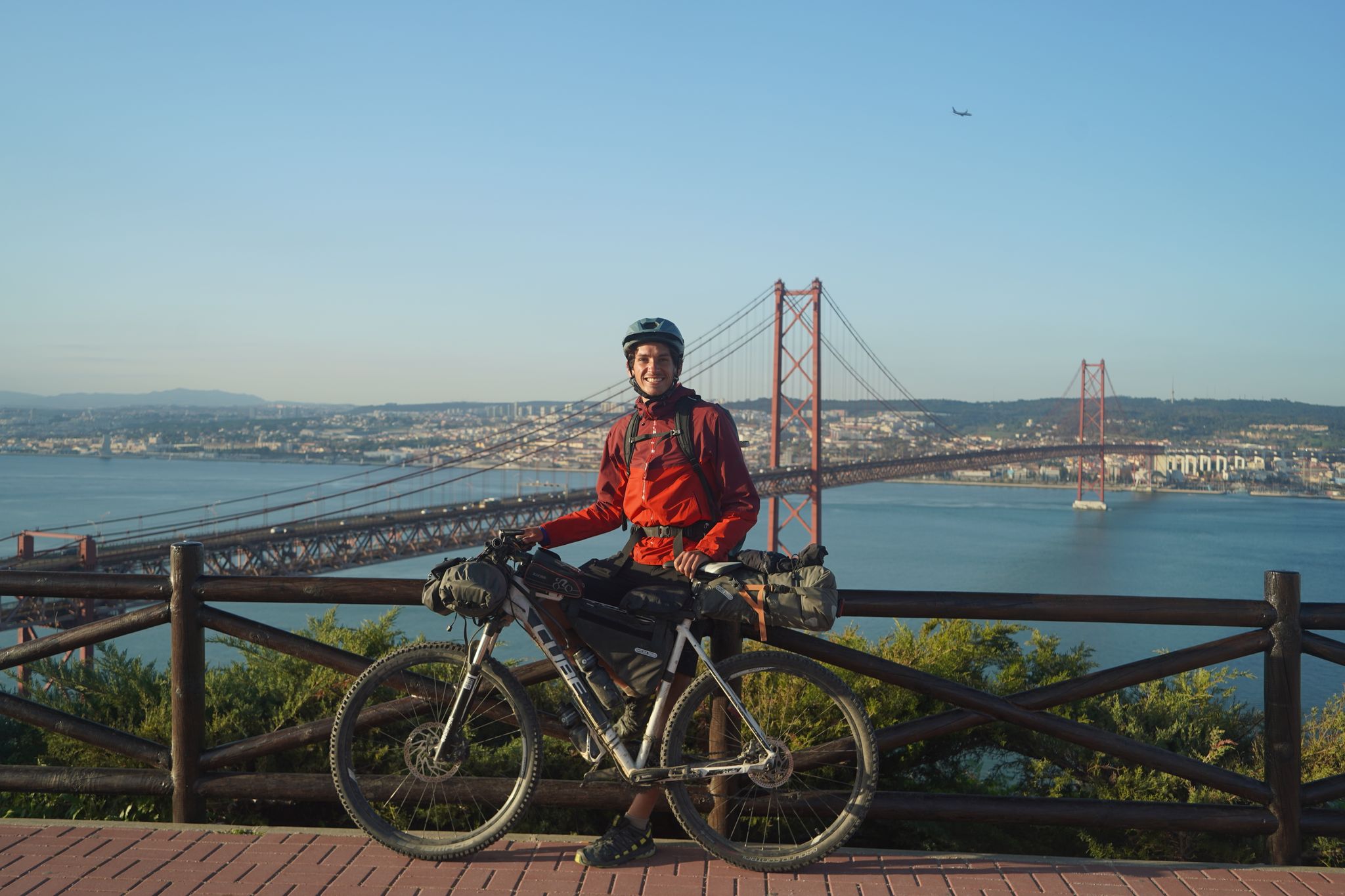
Road to Lisbon – bikepacking the Alps, Pyrenees and Picos de Europa
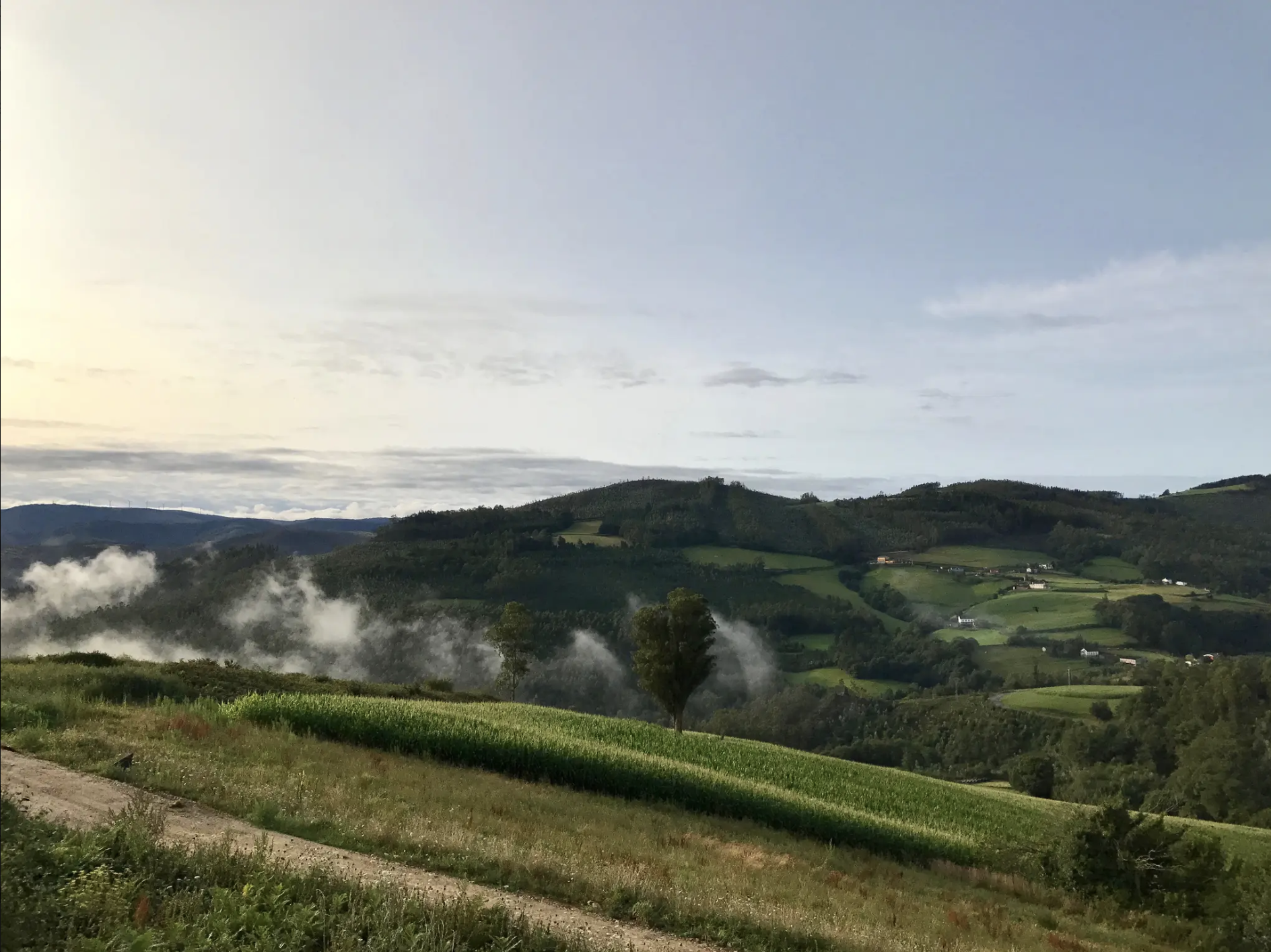
Camino del Norte (in reverse) – Discovering northern Spain's stunning coastline
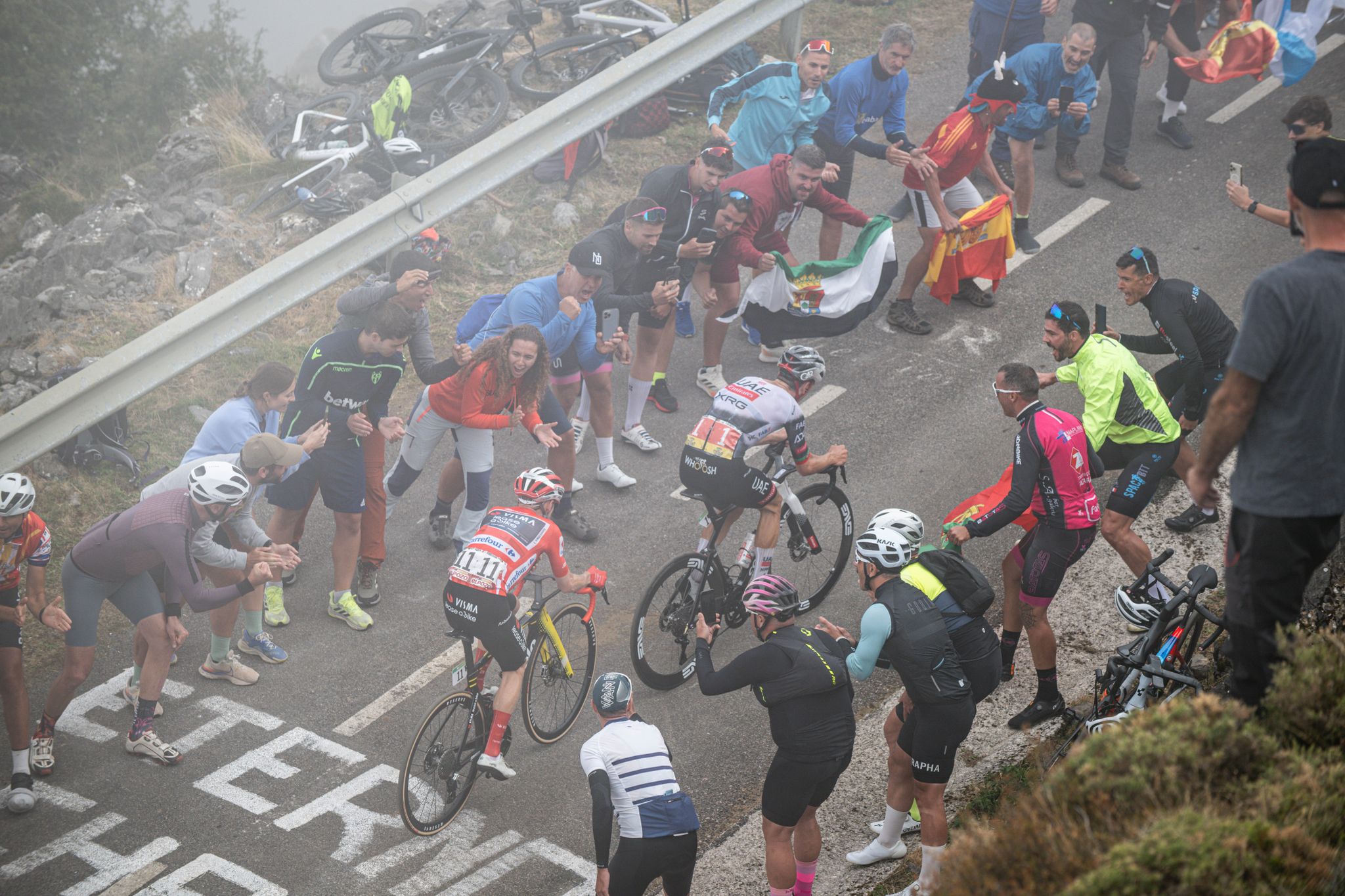
Mythical Passes and Sections of La Vuelta
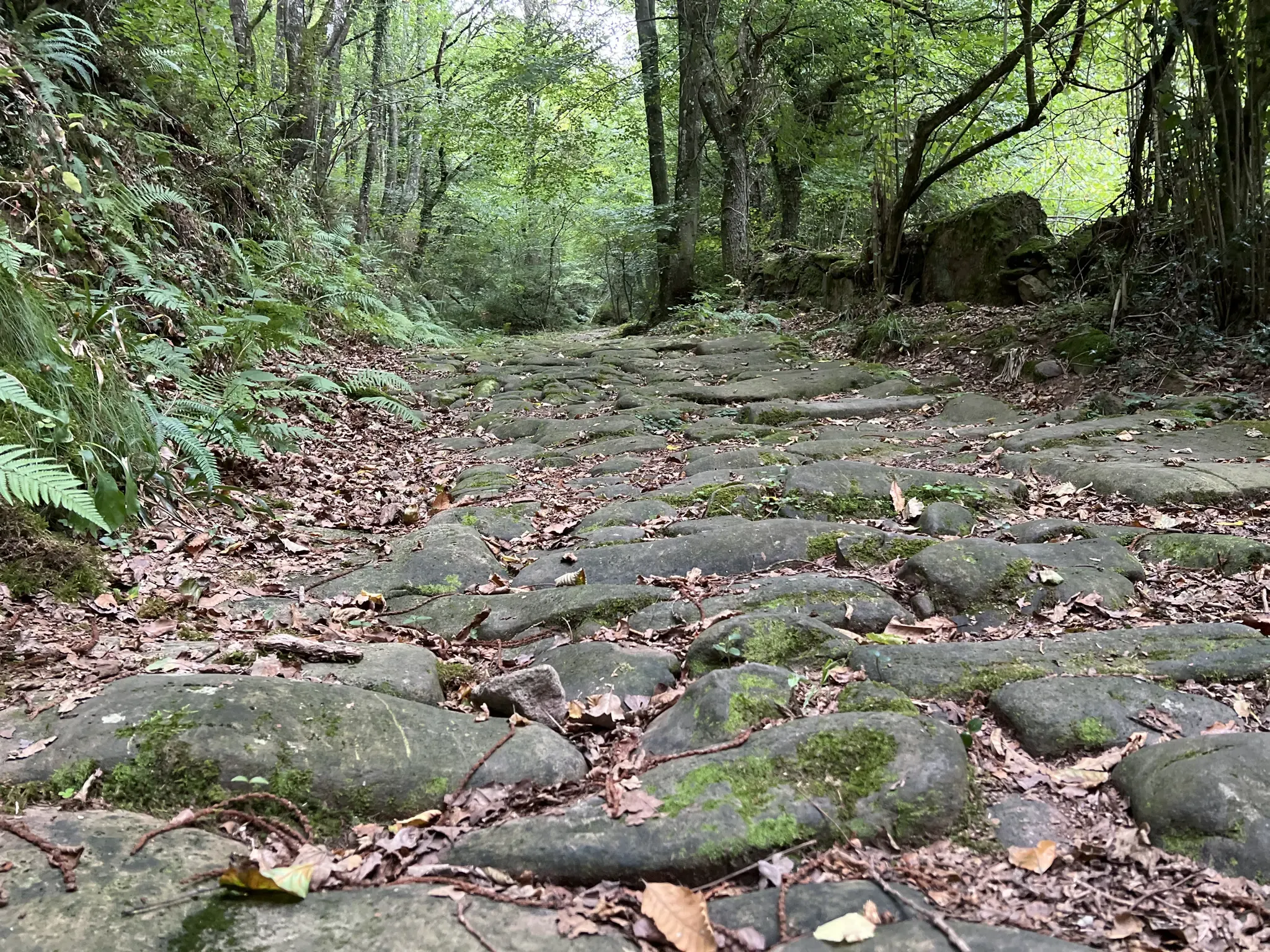
La Calzada de los Blendios (GR 73) — From the plateau to the sea
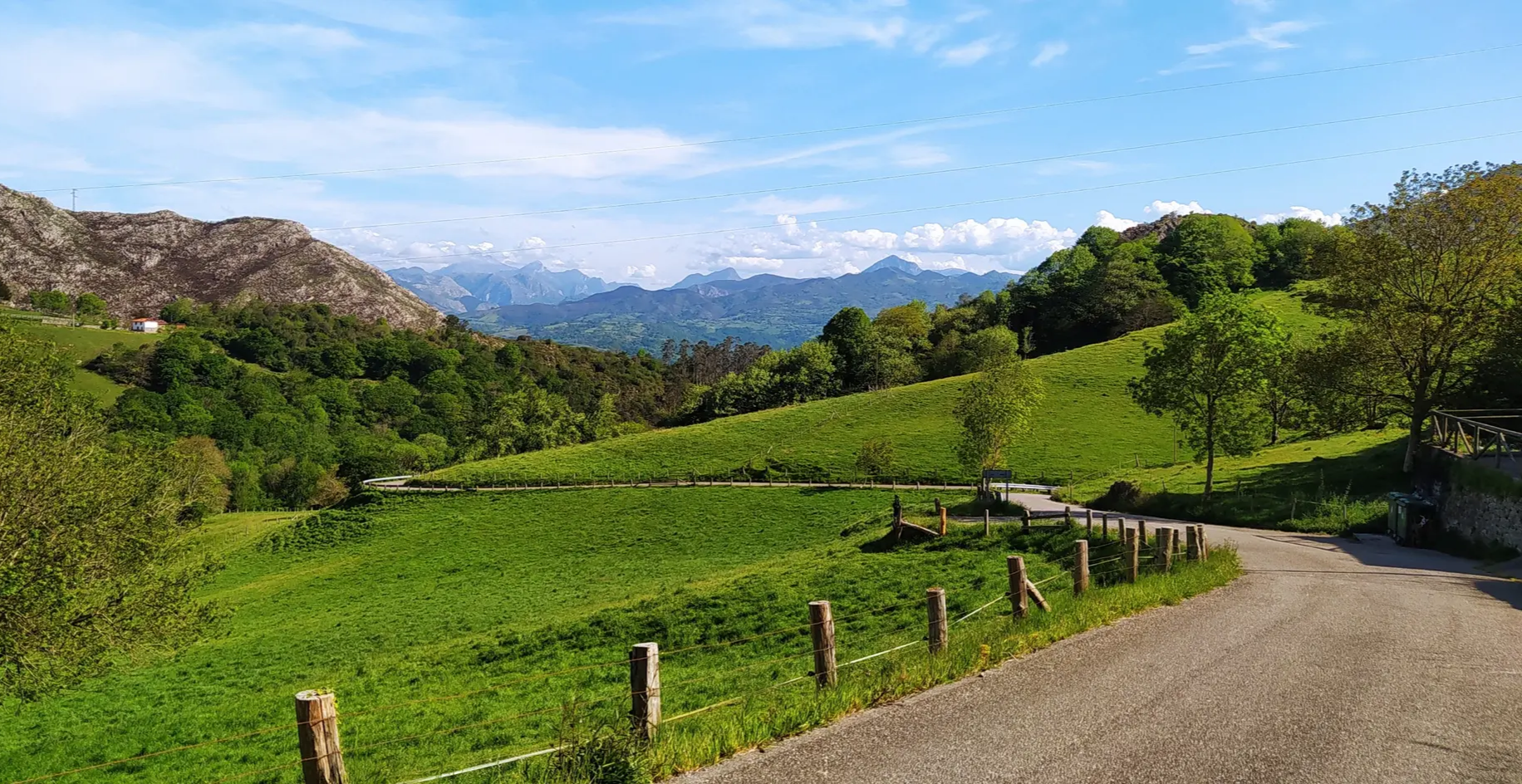
Great mountain passes of Picos de Europa on road bikes
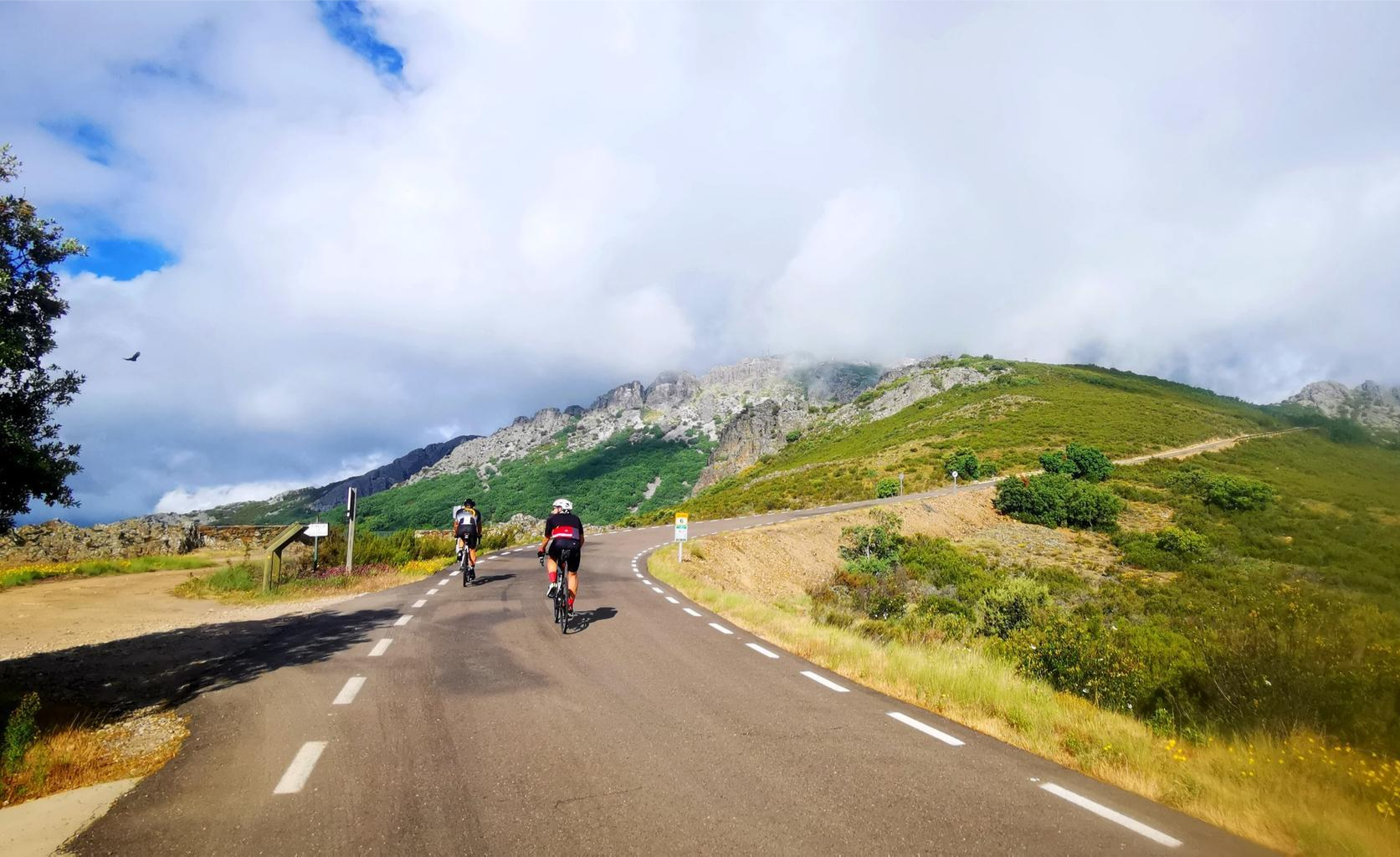
Legendary climbs - Ports of La Vuelta a España
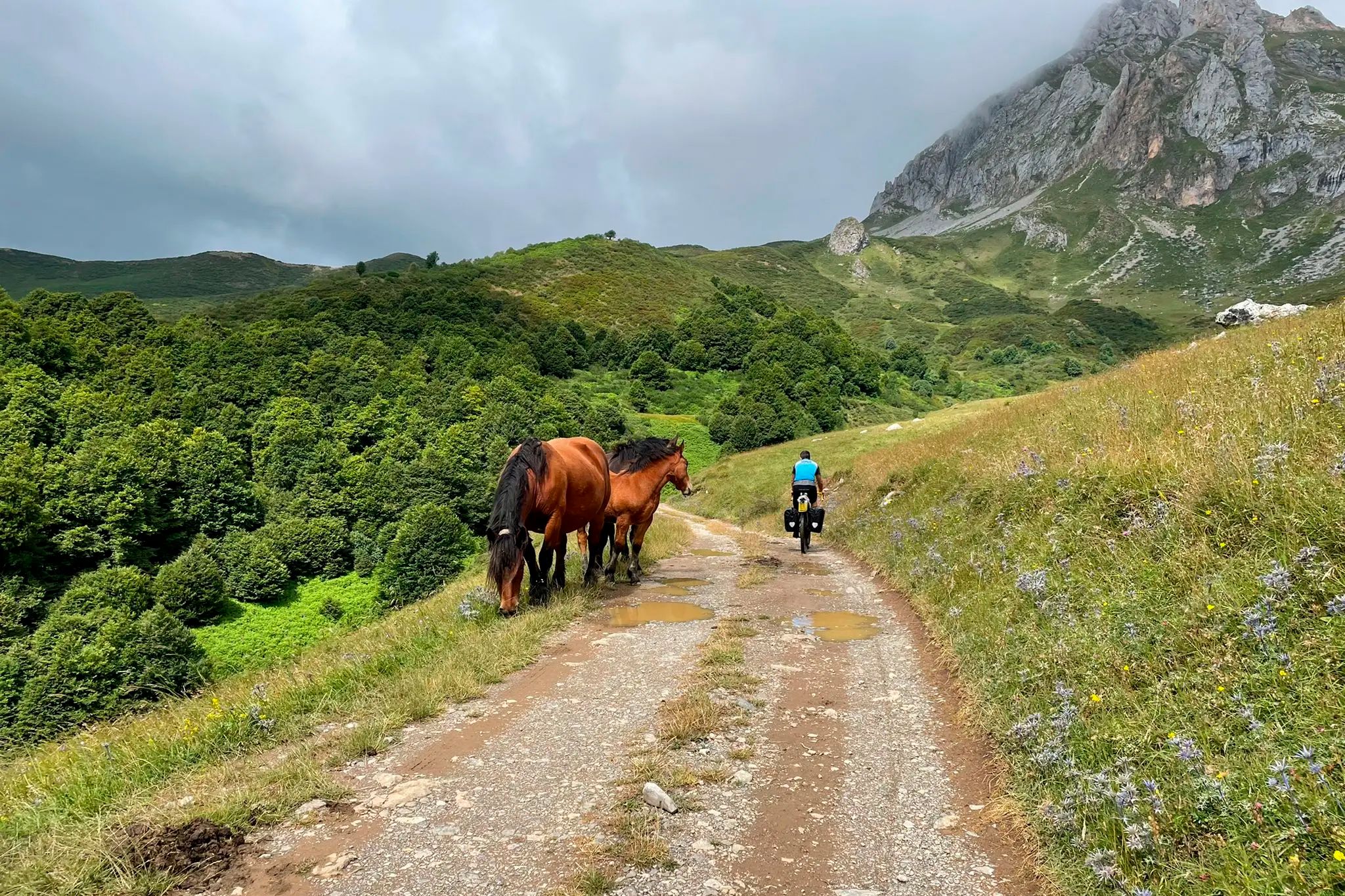
TransCantabrica – Extreme mountain biking in northern Spain
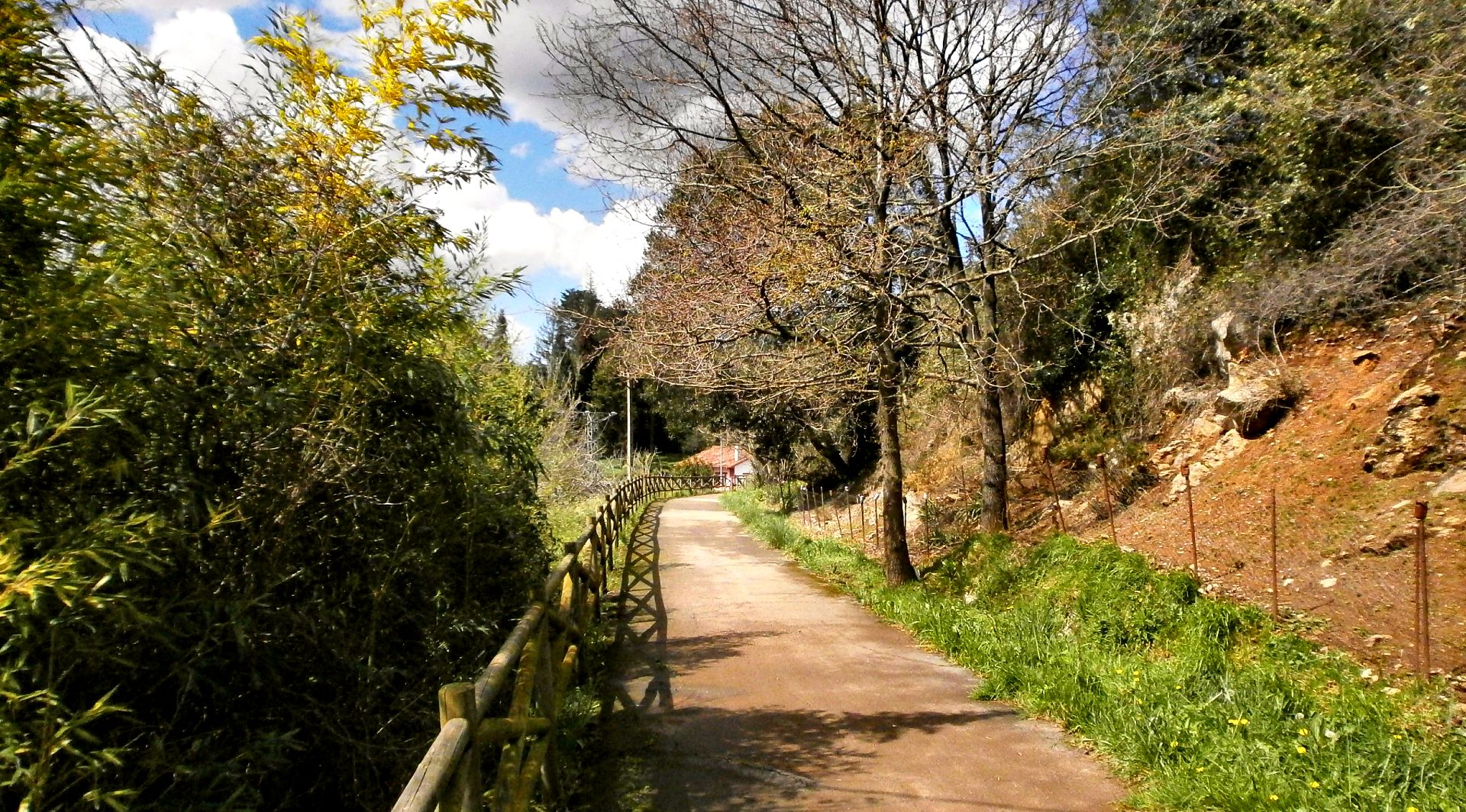
Vía Verde del Pas - Along the Riverbank through Cantabria
Cycle between land and sea in northern Spain – Pedales de Cantabria
Paths and waves – surf trip by bike in Cantabria
Other adventures in Cantabria


Tips from the Community


Las Llamas Park or Las Llamas Valley Park (officially Las Llamas Atlantic Park) is an 11-hectare urban park in the city of Santander, in the autonomous community of Cantabria (Spain). The first phase of this green space opened to the public on May 11, 2007. Another 426,000 m² are planned, extending almost to the border with La Albericia. Once completed, it will be the most wooded park in the city.
1
0

Hike from the mountain station around the three Lagos de Lloroza, where rare amphibians can be found
0
0

The Pozos de Noja, known for its two artificial lagoons, the result of the industrial legacy of the old electricity company in the area, are proud to present their latest tourist innovation: a swing and a giant bench, unique spots for contemplating the landscape but also promising to be the setting for countless memories and photographs that will capture the essence of Cantabria. Access via SENDA DE TUERRA, with a bicycle path to the wells.
0
0

Almost 2 hectares, it must be beautiful on a cloudy day. I tried to skirt it but had to give up.
3
0
A joyful corner, to think, to stop.
2
0

The Natural Park of the Marismas de Santoña, Victoria and Joyel is the largest wetland in Cantabria with an area that covers 6679 hectares. It is the ideal place for bird watching - more than 121 species of waterfowl live here.
1
0
The Oyambre Natural Park has an extension of 57 square kilometers and consists of enormous beaches surrounded by an extensive forest mass. The Picos de Europa mountain range in the background is impressive. It is a territory of great ornithological richness, located mainly in its estuaries and marshes.
0
0
Frequently Asked Questions
Are there family-friendly lakes in Cantabria?
Yes, several lakes in Cantabria are ideal for families. Las Llamas Atlantic Park in Santander is a large urban park with artificial lakes, extensive paths for walking, and fountains, perfect for a relaxed outing. The Oyambre Natural Park, while known for its beaches and forests, also features water bodies and is considered family-friendly. The Pozos de Noja, with their recent additions of a swing and a giant bench, offer a fun and scenic spot for all ages. Additionally, the Lago de Cabárceno, located near the entrance of Cabárceno Natural Park, provides a tranquil setting after exploring the park's wildlife.
What kind of hiking trails can I find around Cantabria's lakes?
Cantabria offers a diverse range of hiking experiences near its lakes. You can find easy walks around urban lakes like Las Llamas Atlantic Park, or more challenging routes to high-altitude glacial lakes such as Lago Curavaca or Pozo de los Altares. For specific hiking routes, you can explore options like the 'Embalse de la Tejera – Pico Jano loop' which is a moderate mountain hike, or various running trails that pass by water bodies, such as the 'Santander – circular to Parque Atlántico de Las Llamas'. For more detailed routes, check out the Mountain Hikes in Cantabria guide.
Are there lakes in Cantabria with historical or industrial significance?
Yes, Cantabria's lakes often reflect its rich history and industrial past. The Pozos de Noja are two artificial lagoons that are a direct result of the area's industrial legacy, originally created for electricity production. Similarly, the Pozos de Valcaba, including Pozo Menor de Valcaba and Lago Mayor de los Pozos de Valcaba, originated from mining operations at the foot of the Peña Cabarga massif, offering a glimpse into the region's industrial heritage alongside natural beauty.
Which lakes are best for birdwatching in Cantabria?
For birdwatching enthusiasts, the natural parks featuring extensive wetlands are prime locations. The Santoña, Victoria and Joyel Marshes Natural Park is the largest wetland in Cantabria and a vital habitat for numerous bird species, especially waterfowl. The Oyambre Natural Park, with its estuaries and marshes, also boasts great ornithological richness, making both excellent choices for observing diverse birdlife.
Can I find any unique natural lakes in Cantabria?
Absolutely. Pozo Tremeo in Polanco is a unique natural lake and the only natural lake on Cantabria's coastline. It's a karst lake formed by a ground collapse, known for its 'trembling' edges and local legends. Swimming is prohibited, but it's an Area Natural of Special Interest and part of the UNESCO Global Geopark of Costa Quebrada, offering a mysterious and enchanting visit.
Are there any hidden gem lakes in Cantabria worth discovering?
For those seeking a hidden gem, Lago Curavaca near Dobres is a magical high-altitude lake at 2,400 meters. Reaching it requires a challenging hike, but the stunning natural beauty and immense satisfaction upon arrival make it a truly rewarding experience for adventurous nature lovers. Another charming, albeit more urban, hidden spot is the Estanque Secreto de la Magdalena in Santander, offering a quiet escape within the city.
What is the best time to visit Cantabria's lakes?
The best time to visit Cantabria's lakes largely depends on your planned activities. For hiking and enjoying the natural landscapes, spring and autumn offer pleasant temperatures and vibrant scenery. Summer is ideal for enjoying the coastal areas and parks, though it can be busier. If you're interested in high-altitude lakes like Lago Curavaca, summer and early autumn are generally safer for hiking due to less snow and more stable weather conditions.
Are there opportunities for cycling near Cantabria's lakes?
Yes, cycling is a popular activity in Cantabria, and you can find routes that pass by or near various lakes. For example, the Pozos de Noja are accessible via the Senda de Tuerra, which includes a bicycle path. The Parque Atlántico de Las Llamas in Santander also offers extensive paths suitable for cycling. For more dedicated cycling routes, explore the Road Cycling Routes in Cantabria guide, which includes routes through diverse landscapes.
Which lakes are easily accessible from Santander for a day trip?
From Santander, several lakes are easily accessible for a day trip. Las Llamas Atlantic Park and La Vaguada de Las Llamas Park are both within the city itself, offering immediate access to green spaces and artificial lakes. The Estanque Secreto de la Magdalena is also in Santander. For a short drive, the Pozos de Noja are a popular choice, offering scenic views and recreational facilities.
What natural features can I expect to see around Cantabria's lakes?
Cantabria's lakes are surrounded by diverse natural features. You can encounter coastal landscapes near Pozo Tremeo, extensive forests and beaches at Oyambre Natural Park, and significant wetlands and marshes in the Santoña, Victoria and Joyel Marshes Natural Park. In the higher altitudes, particularly in the Cantabrian Mountains, you'll find exemplary glacial modeling with well-preserved cirques, basins, and moraines, especially around the Complejo glaciar de Los Altares y Valle de Río Frío, which includes the high-altitude Pozo de los Altares.
Are there any lakes in Cantabria where wild swimming is permitted?
While many natural water bodies in Cantabria are beautiful, wild swimming is often restricted or not recommended for safety and environmental reasons. For instance, swimming is prohibited at Pozo Tremeo due to its unique ecosystem. It's always best to check local regulations and signage at each specific lake or natural area before attempting to swim, as many are protected natural monuments or have specific rules for visitor safety.
Most popular routes in Cantabria
Most popular attractions in Cantabria

Get inspired with the komoot mobile app


Didn’t find what you were looking for?
Find the best lakes in Cantabria per region:
