Top 20 Castles around Linter
Best castles around Linter are found in a region of Belgium, characterized by its rural landscapes and historical significance. This area, spanning parts of Walloon Brabant and Limburg, features a collection of historical estates and ancient fortifications. Many sites are set within extensive parks, often including nature reserves and located near waterways. The region provides opportunities to explore centuries of history and diverse architectural styles.
Best castles around Linter
- The most popular castles is Hélécine Estate, an estate that…
Last updated: May 3, 2026
Hélécine Estate
Highlight • Parking
Translated by Google •
Tip by

Château d'Opheylissem
Highlight • Castle
Translated by Google •
Tip by
Sign up now to discover places like this
Get recommendations on the best single tracks, peaks, & plenty of other exciting outdoor places.
Sign up for free
Ordingen Castle
Highlight • Castle
Translated by Google •
Tip by

Binderveld Moated Castle
Highlight • Castle
Translated by Google •
Tip by

Zuurbemde Castle
Highlight • Castle
Translated by Google •
Tip by

Sign up for free to discover even more castles around Linter.
Sign up for free
Already have an account?
Start today with a free account
Your next adventure awaits.
Login or Signup

Other adventures around Linter

Tips from the Community

The description is very accurate. Thank you.
1
0

Whatever the future brings, the fact remains that the castle domain is very beautiful to walk in. Tip the glaze walk of Visit Vlaams-Brabant (https://www.visitvlaamsbrabant.be/wandelen/vind-een-wandeling/vlakwandeling)
11
0

Former moated castle. Originally a castle of the Lords of Ordingen; played an important role due to its strategic location on the border of the County of Loon, the Prince-Bishopric of Liège and the Duchy of Limburg; destroyed during the Battle of Brustem (1467), but rebuilt by W. de Horion during the 16th century. Purchased in 1611 by the Land Commandery Alden Biesen, and converted into a Commandery of the Teutonic Order in 1633; the castle remained in that form until the beginning of the 19th century, when P. de Libotton, who had bought the property after its expropriation during the French occupation, replaced the residence of the order's brothers and the chapel with a castle in late-classicist style; this castle was replaced in the second half of the 19th century by the current neo-Renaissance castle, built by order of H. de Pitteurs Hiegaerts. In its current form a moated complex, on the northern bank of the Melsterbeek, and accessible via a wide avenue; the park was divided into plots and cleared in the course of the sixties. The following parts of the 17th-century commandery have been preserved: the gatehouse with guardhouse, a corner tower, and the commander's house. To the southeast, gatehouse with guardhouse: elongated building of eight bays and two storeys under a slightly curved saddle roof (slate) with dormers, and leaning against the northeast facade, a square tower of one bay and three storeys under a hipped roof (weather vanes, and stepped dormer window on the northeast side); the year 1633 on a facade stone with the coat of arms of commander van Amstenraedt. To the north, commander's house: L-shaped building of two storeys under saddle roofs (slate) with dormers. Brick building with wrought iron wall anchors and the use of limestone for corner bands and frames. Stepped southwestern side wall with a round arched window in the top provided with neg blocks, and later built-in facade stone with the date 1740 and coat of arms of the Teutonic Order. The southwestern wing, probably the stable section, is soberly finished: rectangular wall openings (with loading window on the second floor). Now freestanding, western corner tower: square tower of one bay and three floors under a broken tent roof. To the northeast, neo-Renaissance castle from the second half of the 19th century, almost completely rebuilt after the bombing in 1940. Inventory of Immovable Heritage: Kasteel van Ordingen, https://id.erfgoed.net/erfgoedobjecten/23085
5
1

Always very pleasant to walk/run in this beautiful park
1
0

It is a Hotel, Restaurant Aurum, Bistro Richard, Meetings Rooms
3
0
The Castle of Ordingen is located in the village of Ordingen, in the city of Sint-Truiden, south of the Belgian province of Limburg, near the well-known river Melsterbeek. The Castle of Ordingen originated in the early Middle Ages as a border guard of the county of Loon. Later this county became part of the prince-bishopric of Liège. Lords of the castle will rule over Ordingen until the beginning of the 17th century. The commanders of the castle and the Teutonic Order. Then the castle is sold to the land commander of the bailiwick Biesen of the Teutonic Order. Ordingen had 25 commanders during two centuries who were represented on site by stewards, especially in the 18th century. Commander Hendrik van Hoensbroeck made himself noticed by the extensive restoration of the castle. From the French Revolution to the 21st century. At the beginning of the 19th century, the wealthy coal baron Charles Pitteurs-Hiégaeerts acquired the estate. When the man died in 1863, his third son Léon, baron for life and mayor of Ordingen, took possession of the estate. He thoroughly renovated the castle in 1879 and built up a large art collection. The next owner, in 1902, was his unmarried son Antoine. A German bombardment in 1940, difficulties with restoration files and family quarrels were the reason for a new sale. Antoine died in 1962, the castle was sold in 1964 to a general practitioner from Tongeren, Henri Beckers. This owner renovated the western corner tower and the gatehouse. Together with his son Gerard, Henri Beckers ran a restaurant and tavern in the Commandeurshuis. A restoration of 21 years instead of 5 years In 1997, Henri Beckers sold the castle to the current owner, the Bemas company with Richard Sleurs as manager. The restoration of the castle took a little longer than planned: namely 21 instead of 5 years. But when lord of the castle Richard Sleurs (73) does something, he certainly doesn't do things halfway. For example, the hotel has 32 suites, designed by the famous decorator Pieter Porters. Chef Gary Kirchens is at the stove of restaurant Aurum, which has been awarded its first Michelin star since May 2022. In addition to the hotel and restaurant, Bistro Richard, a high-level brasserie, will follow. https://kasteelvanordingen.be/geschiedenis
4
0
Kasteel Binderveld is currently for sale, although you can't see it from the outside. You'll have to ask the price yourself if you're looking for "absolute peace and refined luxury in breathtaking surroundings" and still have a sock full of money under your bed somewhere. https://www.luxevastgoed.be/nl/pand/19807360159/landhuis-binderveld The VRT also paid attention to the sale: https://www.vrt.be/vrtnws/nl/2024/10/07/kasteel-van-binderveld-in-nieuwerkerken-staat-te-koop/
6
0
Motorists and cyclists who have passed along the road in front of the castle entrance have undoubtedly already seen the vineyard. That is part of the castle that is referred to here as "Wijnslot Byrleveldt". The vineyard was planted in 2019 and covers 1.5 hectares with 4500 special chardonnay vines. The wine from Wijnslot Byrleveldt is given the name 1661, referring to the year the gatehouse was built. Pressing the grapes, vinification, storage and bottling takes place on the estate. According to a winemaker from the Maas region who was also there, it is a wine that is certainly worth a try.
6
0
Frequently Asked Questions
What types of castles can I explore around Linter?
The Linter region offers a diverse range of castles, including historical estates like Hélécine Estate with its vast parks, classic moated castles such as Binderveld Moated Castle, and sites with monastic origins like Château d'Opheylissem. You'll find structures with turbulent histories and those extensively restored, some even functioning as luxury hotels.
Are there family-friendly castles to visit near Linter?
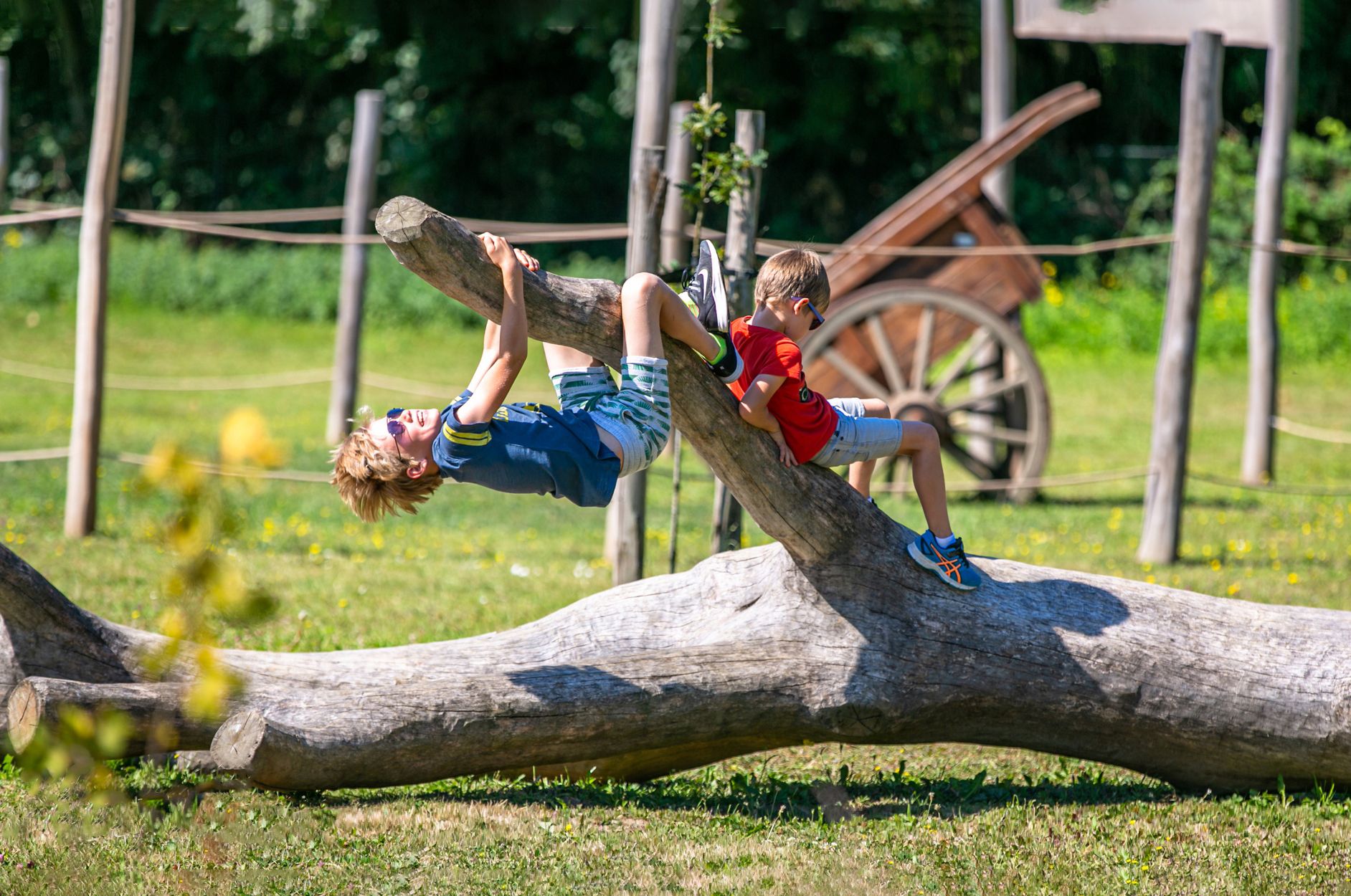
Yes, several castles in the Linter area are excellent for families. Hélécine Estate is particularly well-suited, featuring a 28-hectare park with a nature reserve, two playgrounds, and fishing ponds. Nieuwenhoven Castle, set amidst forests and farmland, also offers a pleasant family outing.
What historical insights can I gain from visiting these castles?
The castles around Linter offer a deep dive into regional history. Château d'Opheylissem, for instance, traces its origins back to an early 12th-century monastery, providing a glimpse into medieval life. Binderveld Moated Castle has a turbulent past, having been plundered, destroyed, and rebuilt multiple times since its first mention in 1135. Nieuwenhoven Castle has seen successive structures built and demolished since the year 800, reflecting centuries of change.
Are there opportunities for outdoor activities like hiking or cycling near the castles?
Absolutely. The Linter region is surrounded by beautiful landscapes perfect for outdoor activities. You can find numerous routes for mountain biking, road cycling, and touring cycling. For example, there are routes like the 'Gravel Path Through the Fields' for MTB, or the 'Hélécine Castle – Racour Station' route for road cycling. You can explore these and many more options on the MTB Trails around Linter, Road Cycling Routes around Linter, and Cycling around Linter guide pages.
Which castles offer a luxurious or unique stay experience?
Ordingen Castle stands out as a luxurious option. Extensively restored and modernized, it now functions as a hotel, blending historical grandeur with modern comfort. Its 32 rooms and suites are designed with gilding, antiques, and Flemish Renaissance architecture, offering a unique holiday experience between the cities of Liège, Maastricht, and Brussels.
What natural features can I expect to see around the castles?
Many castles in the Linter area are set within beautiful natural surroundings. Hélécine Estate boasts a 28-hectare park with a nature reserve, an educational pond, and three fishing ponds. Nieuwenhoven Castle is nestled amidst forests and farmland, offering serene natural views. The region's rural landscapes often include waterways like the Gete river, adding to the scenic beauty.
Are there any less crowded or 'hidden gem' castles in the Linter region?
While the main highlights are popular, exploring the smaller, lesser-known sites or visiting during off-peak hours can offer a more tranquil experience. Binderveld Moated Castle, with its private grounds but accessible moat walk, offers a unique historical perspective away from larger crowds. Many of the castles are situated in rural settings, providing a sense of discovery.
What is the best season to visit the castles around Linter?
The best season to visit the castles around Linter largely depends on your preferences. Spring and summer offer lush greenery, blooming gardens, and pleasant weather for exploring the extensive parks and outdoor areas, such as those at Hélécine Estate. Autumn brings beautiful foliage, while winter can offer a quieter, more atmospheric experience, especially for interior visits or if you're staying at a castle hotel like Ordingen Castle.
What do visitors enjoy most about the castles in the Linter area?
Visitors frequently appreciate the blend of history and natural beauty. The extensive parks, like the one at Hélécine Estate, are popular for walks and picnics. The rich historical narratives, from monastic origins at Château d'Opheylissem to the turbulent past of Binderveld Moated Castle, captivate many. The komoot community has shared over 110 photos and 70 upvotes, highlighting the picturesque scenery and historical significance.
Are there any castles around Linter that are wheelchair accessible?
Accessibility can vary significantly between historical sites. While many older castles may have limited accessibility due to their historical architecture, modern facilities or extensively restored sites might offer better access. For specific accessibility information, it is recommended to check the official websites of individual castles like Hélécine Estate, which has a large park that may be more navigable.
Can I find places to eat or drink near the castles?
Yes, some castles, especially those that have been modernized or converted, offer dining options. Ordingen Castle, for example, features a gourmet restaurant, Aurum, and a brasserie, Bistro Richard. Additionally, the surrounding towns and villages near the castles will have local pubs and cafes where you can enjoy regional cuisine and refreshments.
How long should I allocate for visiting a castle in the Linter region?
The time needed for a visit varies greatly depending on the castle and your interests. For a site like Hélécine Estate with its extensive park and activities, you could easily spend half a day or even a full day. For smaller historical sites like Château d'Opheylissem or Binderveld Moated Castle, an hour or two might suffice to explore the grounds and exterior. If you plan to combine a visit with nearby hiking or cycling, allocate more time.
Most popular attractions around Linter

Get inspired with the komoot mobile app


Explore more
Looking for the best castles somewhere else? Discover other guides around Linter:
