Top 6 Gorges around Limbourg
Canyons around Limbourg are characterized by river-carved valleys and gorges, offering diverse natural landscapes. The region, which includes parts of Belgium and the Netherlands, features geological formations where rivers wind through hills and plateaus. These areas are notable for their botanical interest, scenic routes, and historical towns. Visitors can explore a variety of natural environments, from riverbeds with quartzite blocks to valleys known for specific flora.
Best canyons around Limbourg
- The most popular canyons is Sawe Valley, a waterfall…
Last updated: October 3, 2026
Hohnbach Valley
Highlight (Segment) • River
Translated by Google •
Tip by

Mine entrance and Geul sinkhole — Plombières Nature Reserve
Highlight • Cave
Translated by Google •
Tip by

Sign up now to discover places like this
Get recommendations on the best single tracks, peaks, & plenty of other exciting outdoor places.
Sawe Valley
Highlight • Waterfall
Translated by Google •
Tip by

Plénisses Stream
Highlight • River
Translated by Google •
Tip by
Sawe Valley
Highlight (Segment) • River
Translated by Google •
Tip by

Sign up for free to discover even more gorges around Limbourg.
Already have an account?
Start today with a free account
Your next adventure awaits.


Tips from the Community

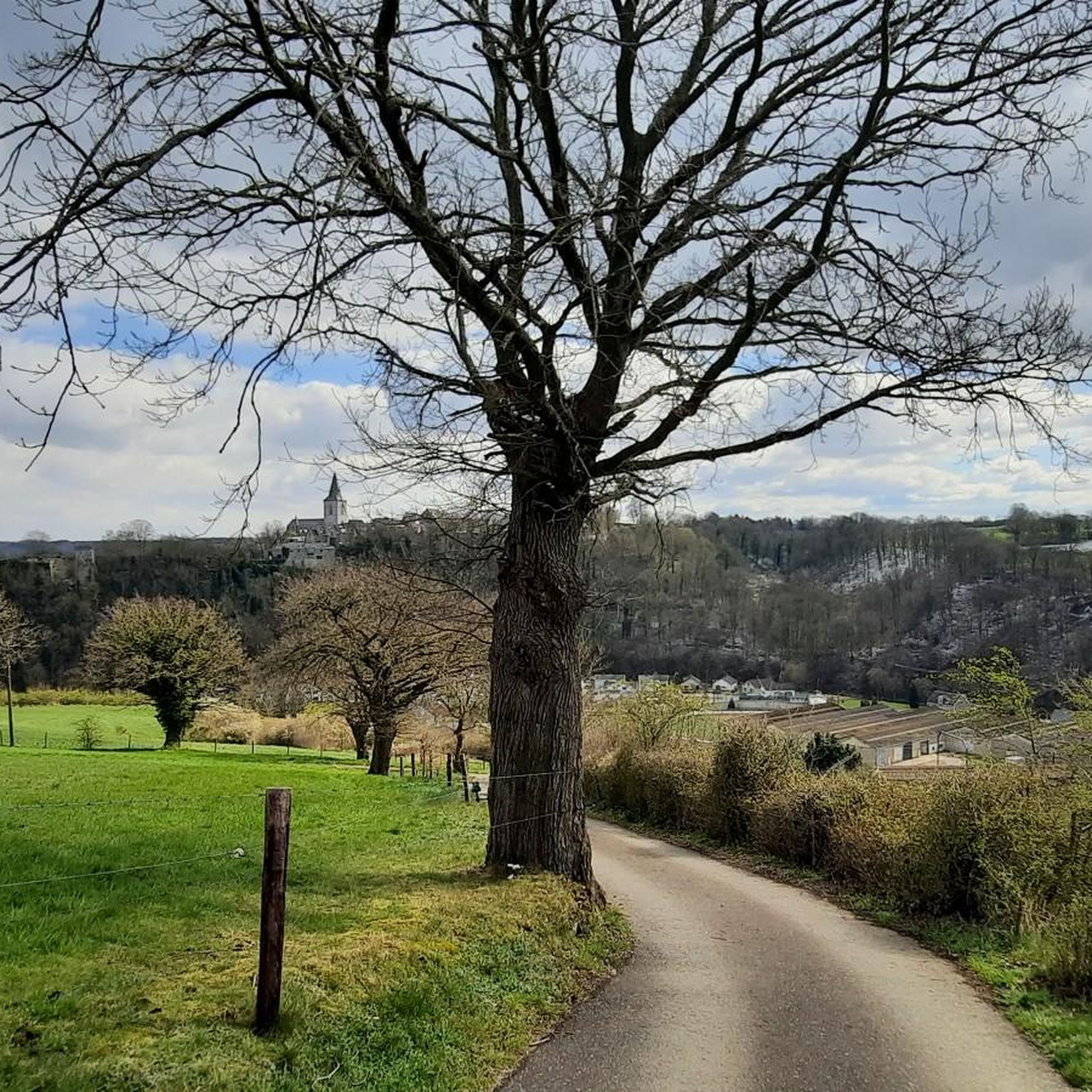
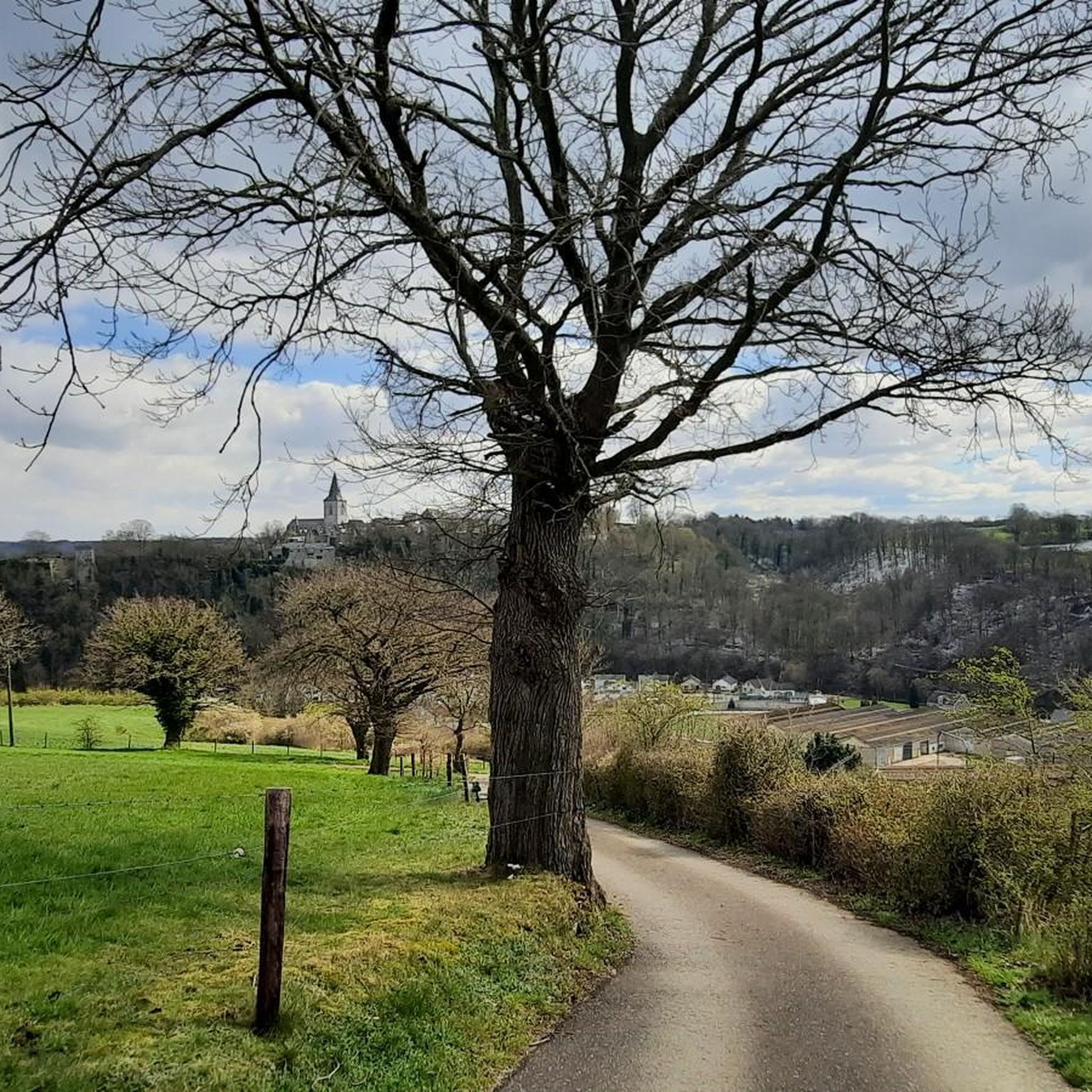
Here, nature seems to have kept its rights. The Sawe carves its path through the heart of a dense forest, crossing rocks and small reliefs before joining the Statte. The route alternates between peaceful passages and wilder sections, with that pleasant feeling of being far from everything. A hike that is well worth the detour for lovers of raw nature.
2
0

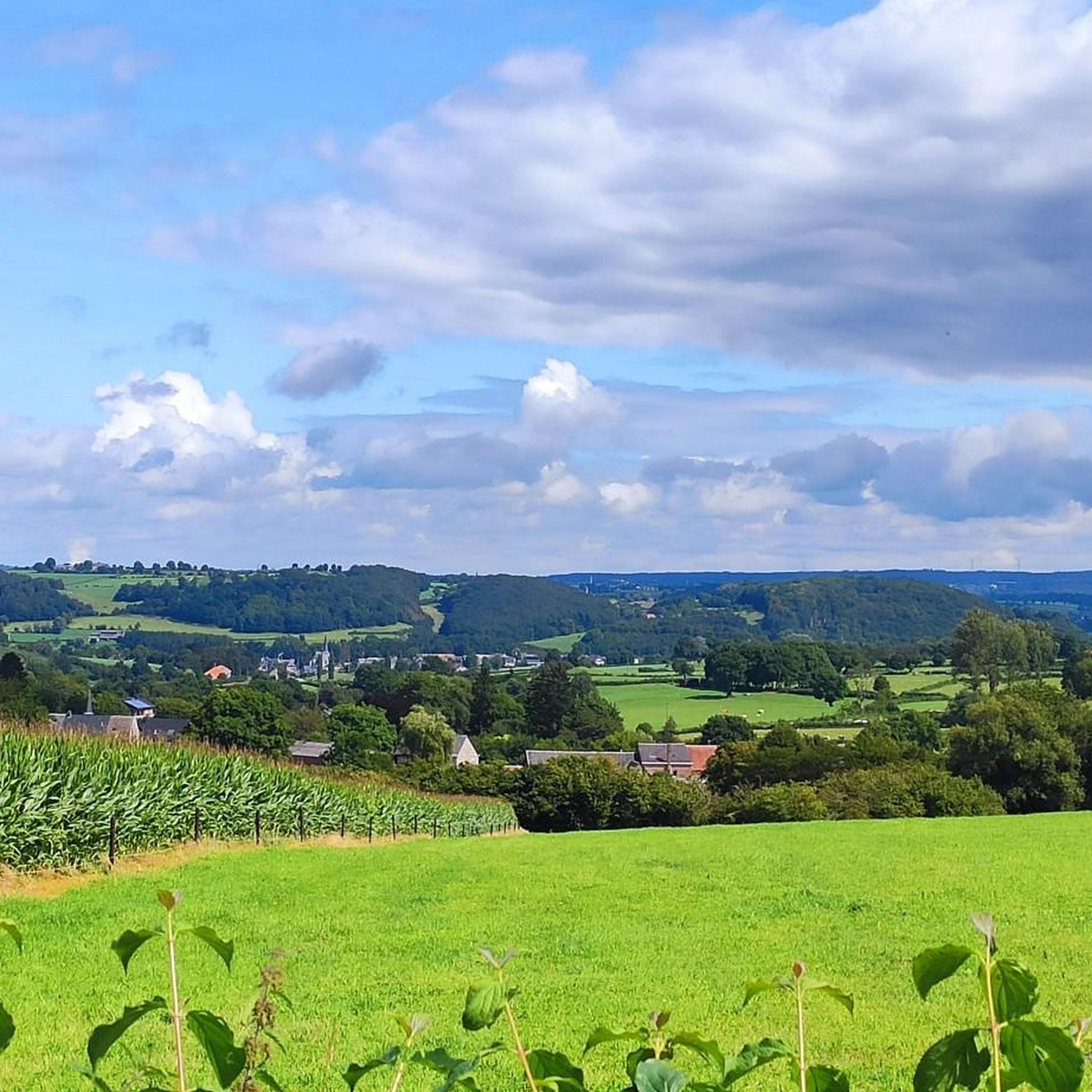
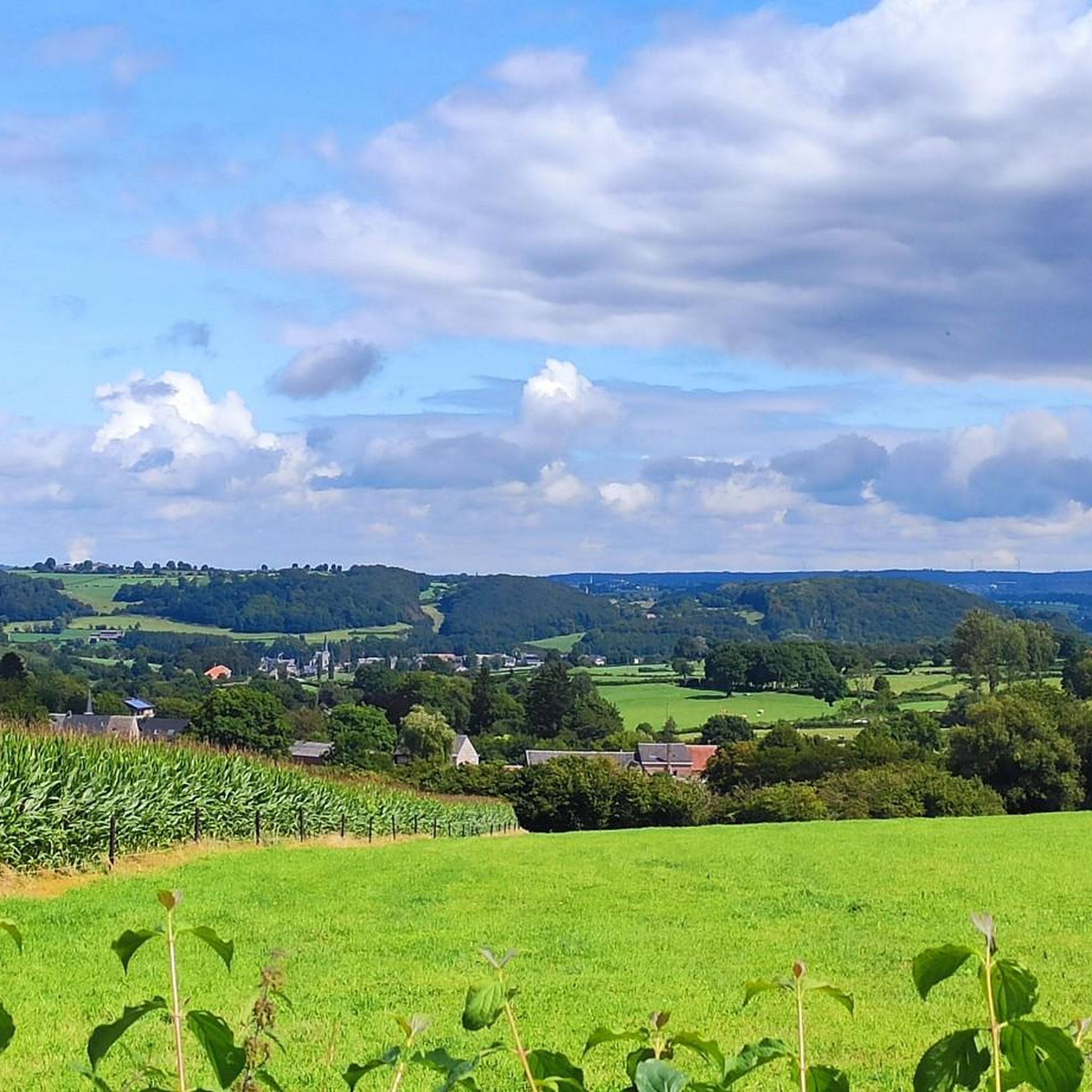
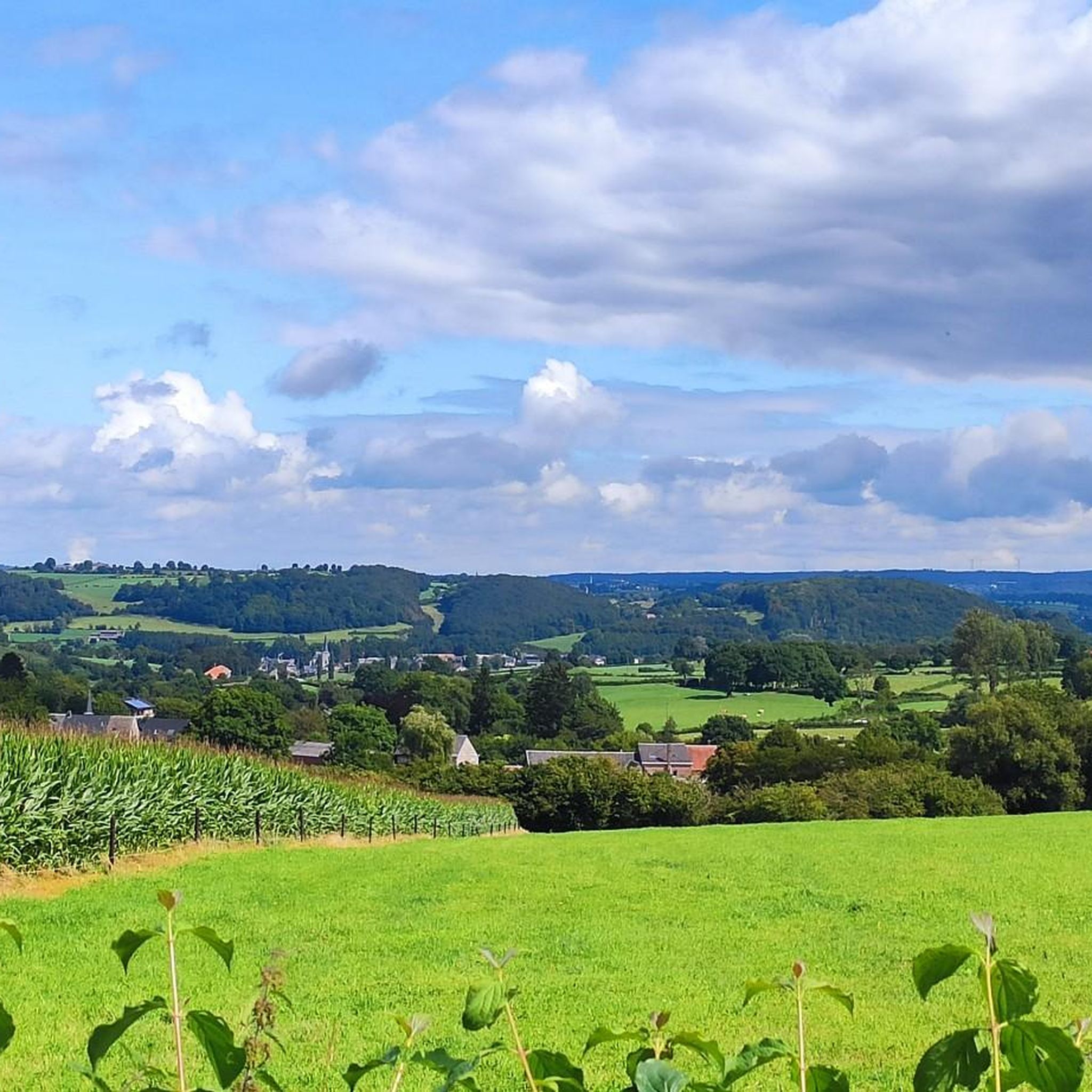
The Sawe Valley is a tranquil and green valley in the Belgian Ardennes, characterized by its natural beauty and intimate landscape. The valley is formed by the Sawe stream, which meanders through forests, meadows, and gently rolling hills. Along the banks, dense deciduous forests alternate with open grasslands and rocky areas, giving the Sawe Valley a varied and harmonious character. Known for its tranquility and unspoiled nature, the area is particularly attractive to hikers and nature lovers seeking to avoid crowds. Narrow paths follow the course of the water, offering beautiful views of the stream valley while still allowing flora and fauna ample space. The Sawe Valley is not a spectacular tourist attraction, but rather a hidden landscape where simplicity, tranquility, and the experience of nature are paramount.
3
1

Really very beautiful.
1
0

In the mid-19th century, flooding from the Göhl River posed a major threat to the mine in Bleyberg/Plombières: Water repeatedly penetrated the tunnels and claimed lives. To prevent this, a diversion of part of the river was requested and approved in 1861. By 1862, a tunnel several hundred meters long was built beneath the rock, keeping the Göhl away from the mine. The construction cost approximately 200,000 francs. The tunnel is a technical monument to mining engineering from an era when hazards were deliberately controlled while simultaneously harnessing hydropower. It demonstrates how work-related accidents were prevented while simultaneously harnessing resources.
54
0

The site of the former Plombières mine is home to species-rich calcareous grassland meadows, now protected as a nature reserve. The exceptional flora and fauna of this area are due to the heavy metal-rich soils, particularly the presence of zinc in the subsurface. Among the natural meadow relics, visible traces of the former metal industry can still be found: – Walls from former foundry floors – Remains of old smelting furnaces – Stones from former industrial buildings A small stream meandering through the area further enriches the ecological diversity of this special place. The "Gueule" viewpoint, which offers a glimpse into a cave opening, is particularly impressive and worth a visit.
53
0

Sturdy shoes are necessary, it can be slippery and wet.
0
0

Beautiful walk along the Sawe. Pure pleasure in raw nature 👌
8
0
Frequently Asked Questions
What are some of the most beautiful gorges and valleys to explore around Limbourg?
The Limbourg region offers several picturesque river-carved valleys and gorges. Among the most popular are the Sawe Valley, known for its riverbed with mighty quartzite blocks and numerous small wooden bridges, and the Hohnbach Valley, celebrated for its unique yellow calamine violet and stunning daffodil meadows in spring. Another magnificent option is the Plénisses Stream, which offers adventurous nature trails and beautiful waterfalls.
What kind of natural features can I expect to see in the gorges around Limbourg?
You'll encounter diverse natural landscapes, including riverbeds with quartzite blocks, lush forests, and areas with waterfalls. The Sawe Valley is particularly noted for its successions of waterfalls and unique rock formations. The region also boasts significant botanical interest, with areas like the Hohnbach Valley being home to rare flora such as the yellow calamine violet and extensive daffodil meadows in spring.
Are there any family-friendly gorges or valleys suitable for walks with children?
Yes, the Hohnbach Valley is considered family-friendly, offering versatile trails that are enjoyable for all ages. Its beautiful daffodil meadows in spring make it a particularly charming destination for families. Many of the river valleys provide pleasant, shaded paths, though some sections can be more technical, especially in autumn and winter.
What is the best time of year to visit the gorges and valleys in Limbourg?
Spring is an excellent time to visit, especially to witness the vibrant daffodil meadows in areas like the Hohnbach Valley. The Hoëgne Valley, a notable natural monument, offers a pleasantly shaded experience throughout warmer months. However, trails can become more technical and slippery in autumn and winter due to fallen leaves and potential ice, particularly near waterfalls.
What outdoor activities can I do near these gorges and valleys?
The region around Limbourg is ideal for various outdoor activities. You can find numerous hiking trails, such as the moderate 'Historic Center of Limbourg – Fortifications of Limbourg loop' or the easy 'Grünhaut Wildlife Overpass loop'. For mountain biking enthusiasts, there are trails like the 'Gileppe Dam – Lake Gileppe loop'. Running trails, including the challenging 'Champs de Wooz – Chemin des Échaliers loop', are also available. You can explore more options on the Hiking around Limbourg, MTB Trails around Limbourg, and Running Trails around Limbourg guide pages.
Are there any historical or cultural sites near the gorges and valleys?
Yes, the historic town of Limbourg itself is a significant cultural site. Perched on a rocky promontory overlooking the Vesdre Valley, it preserves its medieval charm and architectural heritage. Walking along the town's walls offers magnificent views over the valley, the Herve plateau, and surrounding villages like Bilstain, Dolhain, and Goé. Additionally, the Nutons' Cave, located on the bank of the Bilstain ru, is steeped in local folklore about mischievous gnomes.
What do visitors enjoy most about the gorges and valleys around Limbourg?
Visitors frequently praise the natural beauty and the versatile trails. Many appreciate the unique botanical features, such as the daffodil meadows in spring in the Hohnbach Valley. The adventurous walks along riverbeds with quartzite blocks and the numerous small waterfalls, particularly in the Sawe Valley, are also highly regarded. The region's charm is reflected in over 1000 upvotes and more than 1000 photos shared by the komoot community.
Can I find any caves in the Limbourg region's valleys?
Yes, the Nutons' Cave is a notable natural feature located on the left bank of the Bilstain ru. According to local legend, this cave is home to 'nutons,' small, clever beings from Ardennes folklore who perform minor repair work. It's a unique spot that adds a touch of mystery to the region's natural landscape.
What is the Hoëgne Valley and what makes it special?
The Hoëgne Valley is a magnificent natural monument around Limbourg, known for its river, a significant tributary of the Vesdre. It's renowned for its remarkable botanical interest, featuring a rich diversity of liverworts, mosses, ferns, and other flora. A picturesque walk from Pont de Belleheid to Pont du Centenaire is highly recommended, especially uphill, to fully appreciate its waterfalls, including those named after King Leopold II and his wife.
Where can I experience waterfalls in the Limbourg region?
Several valleys in Limbourg feature beautiful waterfalls. The Sawe Valley is particularly known for its many small wooden bridges and successions of waterfalls. Similarly, the Plénisses Stream offers an adventurous walk where you can admire waterfalls, especially when walking from the Belleheid Bridge to the Centennial Bridge.
Are there any specific trails recommended for nature lovers interested in flora?
Absolutely. The Hohnbach Valley is a must-visit for its unique yellow calamine violet and spectacular daffodil meadows in spring. The Hoëgne Valley is also celebrated for its rich diversity of liverworts, mosses, ferns, and other flora, making it an exceptional natural monument for botanical enthusiasts.
Most popular routes around Limbourg
Most popular attractions around Limbourg

Get inspired with the komoot mobile app


Explore more
Already discovered everything in this region? See additional gorges around Limbourg for your next adventure:
