Top 13 Caves around Herstal
Best caves around Herstal are found within the broader Liège Ardennes region of Belgium, where Herstal is situated. This area is known for its impressive underground formations, offering unique natural beauty and historical insights. Visitors to Herstal can explore several spectacular caves within a reasonable distance. The region's limestone subsoil, formed over 65 million years ago, has created diverse underground landscapes.
Best caves around Herstal
- The most popular caves is Thier de Lanaye Underground Quarries, a cave that features…
Last updated: June 3, 2026
Thier de Lanaye Underground Quarries
Highlight • Cave
Source: oupeyeinfo.be/Page032.html
Translated by Google •
Tip by

Heyoule Nature Reserve
Highlight • Natural
Translated by Google •
Tip by
Sign up now to discover places like this
Get recommendations on the best single tracks, peaks, & plenty of other exciting outdoor places.
Sign up for free
Sentier des Meuniers in Réserve Naturelle Heyoule
Highlight (Segment) • Trail
Casino Grotto, Parc de la Chartreuse
Highlight • Cave
Translated by Google •
Tip by

Wonck Caves
Highlight • Cave
Translated by Google •
Tip by

Sign up for free to discover even more caves around Herstal.
Sign up for free
Already have an account?
Start today with a free account
Your next adventure awaits.
Login or Signup
Tips from the Community

The trail leads through sunny chalk grasslands and old sunken roads on Montagne Saint-Pierre, where millers once worked. Along the path, you'll discover rare plants, butterflies, and beautiful views of the Jeker Valley.
1
0
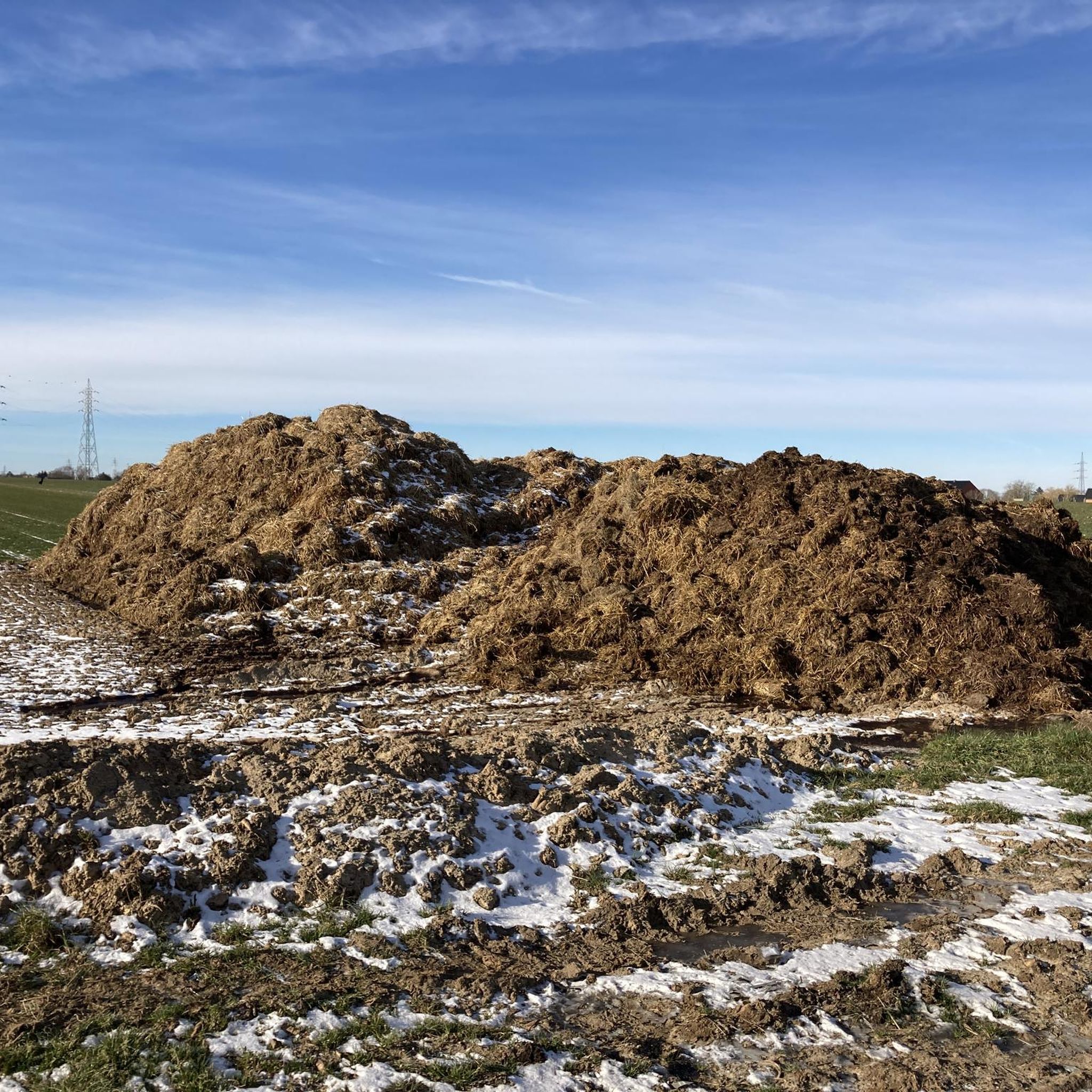
It's a small but valuable reserve consisting of calcareous grasslands, scrub, and former quarry and slope areas. Thanks to the calcareous soil, rare plants such as orchids and thyme thrive here, and butterflies and insects abound. It's a quiet, sunny spot where nature has slowly reclaimed the old quarry slopes.
1
0

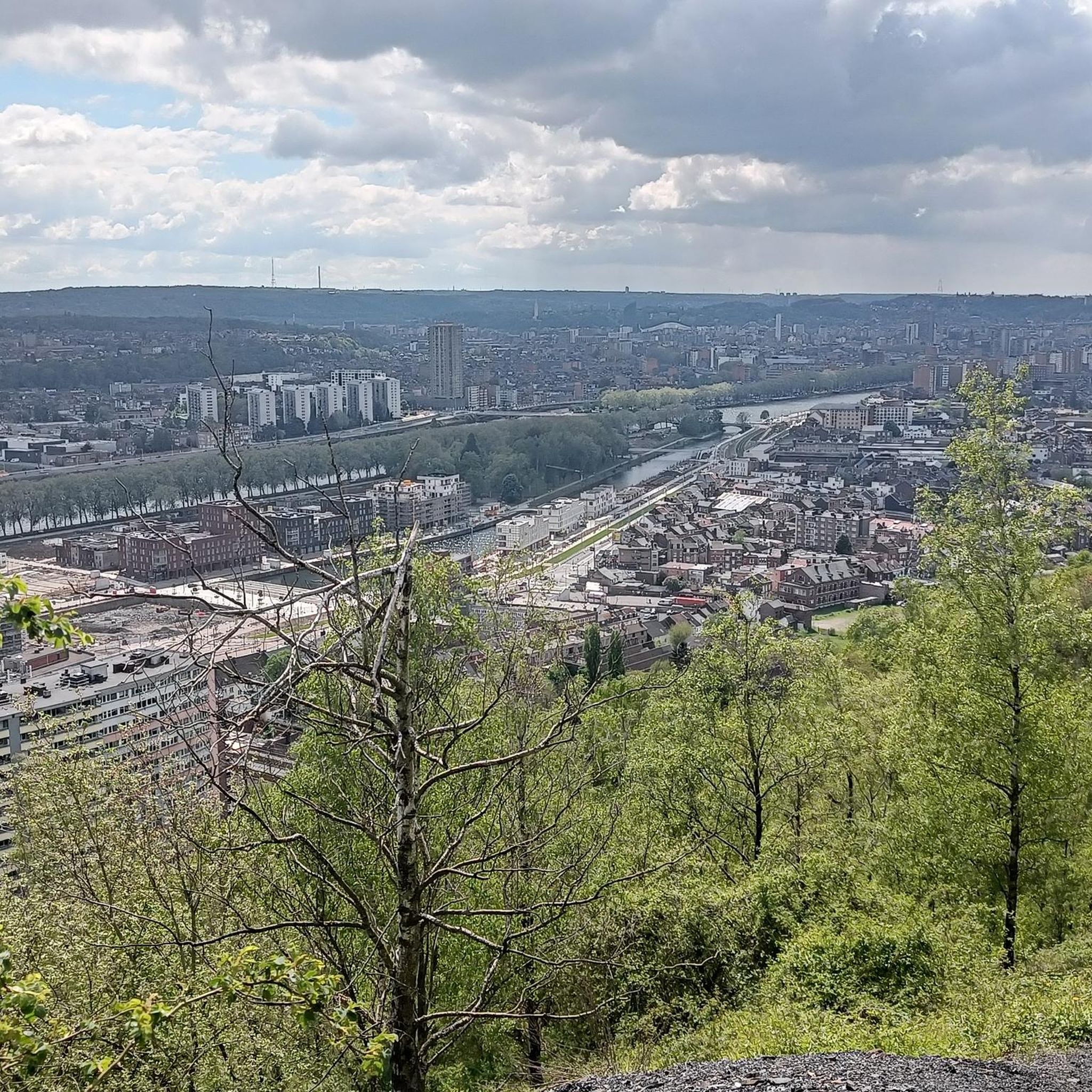
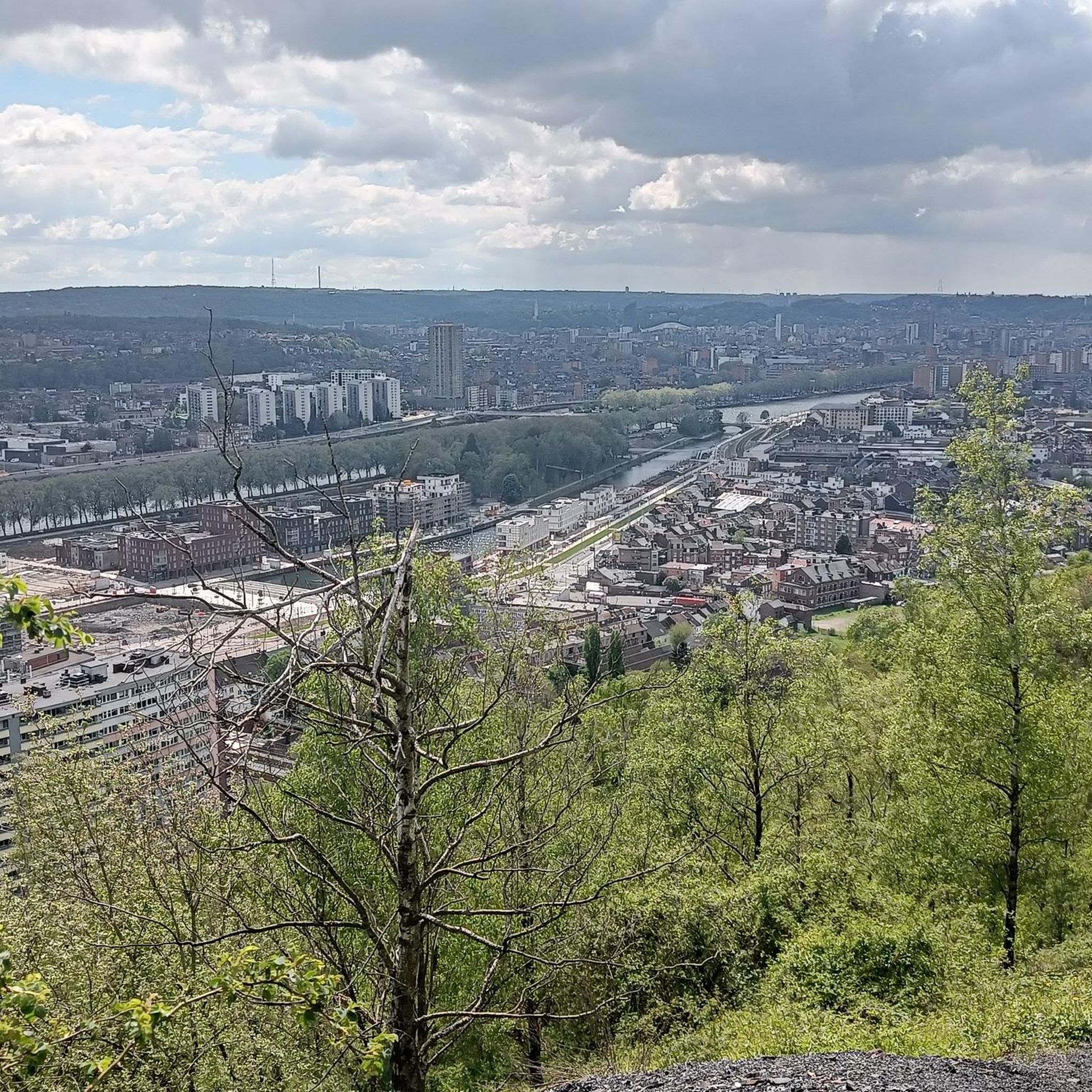
Unexpected spot in the middle of the park, next to a viewpoint over the city (let's see if we can still see that far when the trees have turned green...), a reminder of a time when the walking routes were punctuated by https://www.dogwhistlings.com
0
0

The 'Sentier de Meunier', the miller's path, also takes you past the 'Trou du Loup', the Wolf's Cave.
3
0
Heyoule, also called after its founder, Charles Tihon, is a nature reserve east of Eben. The area covers more than 3.8 hectares and is managed by Natagora. It is the first nature reserve that was established on the Belgian part of the Sint-Pietersberg in 1973. There are several former flint quarries and calcareous grasslands are also found there. These are home to rare plant species, including bee orchid and green night orchid. Southern insect species, including solitary bee species, are also found there. Bats live in the former quarries. Furthermore, badger and natterjack toad can be mentioned.
4
0

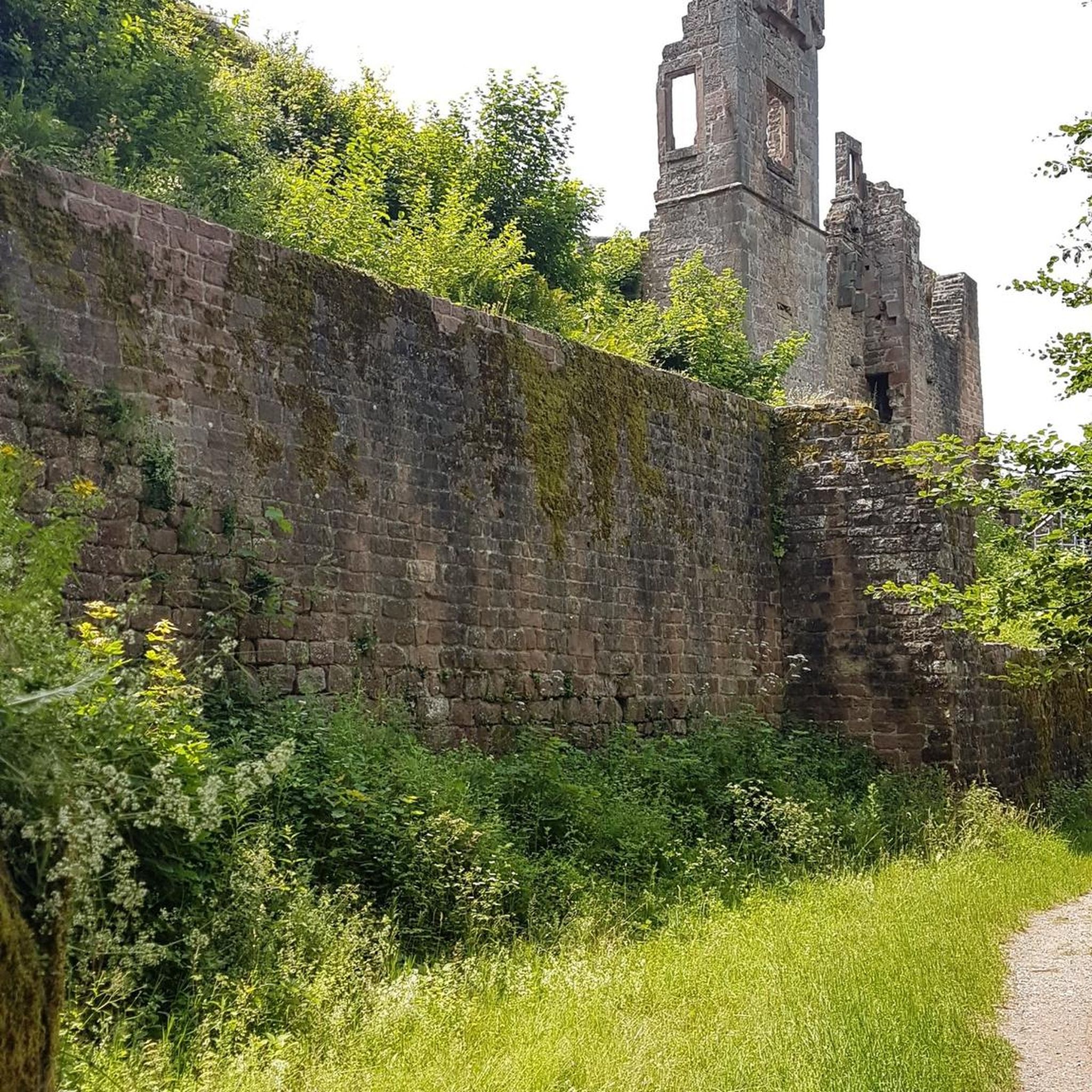
The surface area of the Wonck caves is over 10,000 m². This part of the Geervallei has always been known for the peculiarities of the subsoil and especially for the flint found in abundance. This was popular because of its hardness, which allowed it to be used to make tools. It was also a very strong building material, as evidenced by the church tower. The age of the caves is estimated at over 2000 years. There are currently no fewer than a few hundred kilometers of galleries underground in the region. During every war they served as a refuge. Numerous engravings testify to this. Births have even taken place. Source: https://cyberliege.be/tourisme/grottes-wonck/
1
1

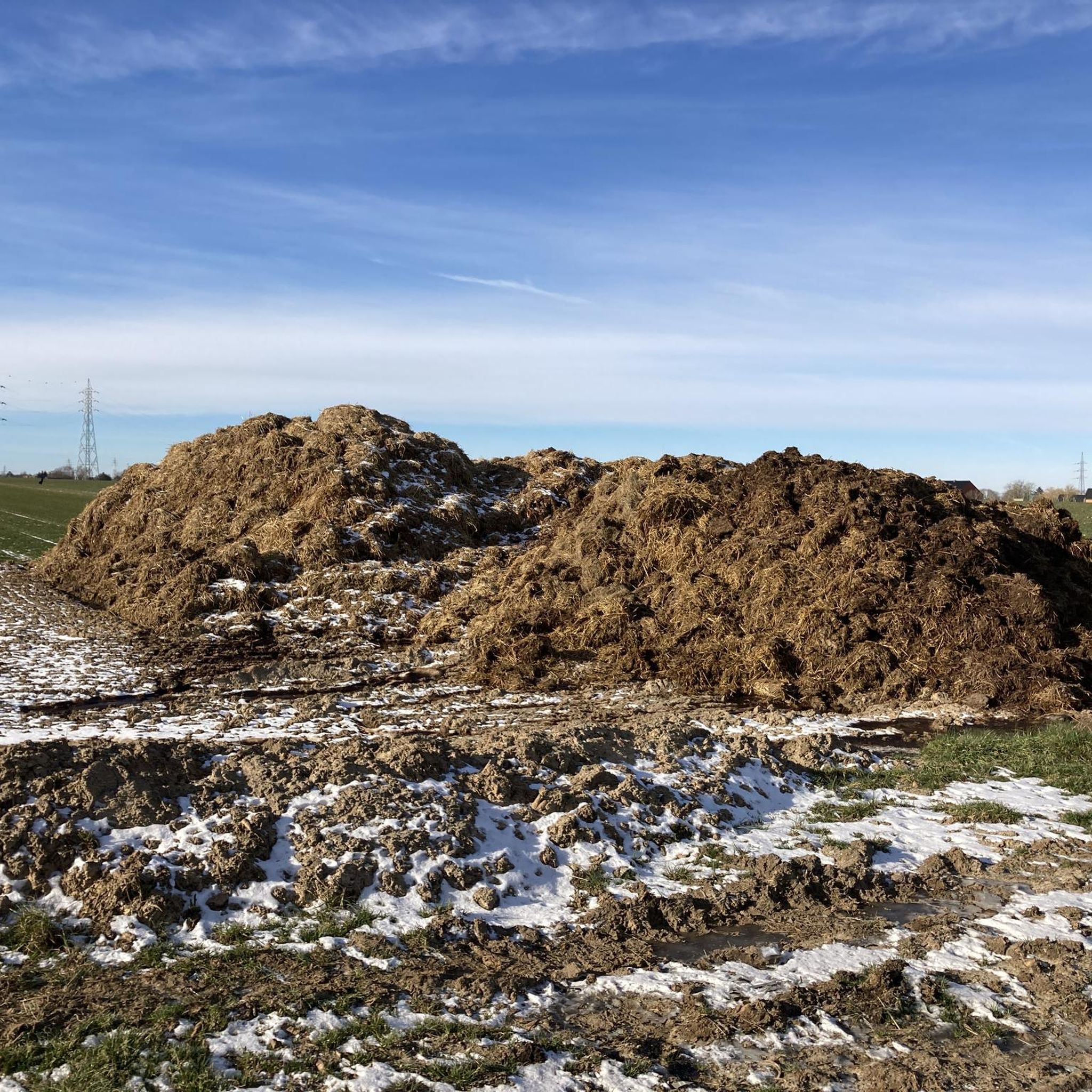
Nice sunken road, on the way to even more beautiful things... Beautiful rolling landscape...
7
2
Frequently Asked Questions
What types of underground formations can I explore around Herstal?
The region around Herstal offers a variety of underground formations. You can find extensive networks of underground galleries like the Thier de Lanaye Underground Quarries, natural reserves with subterranean tunnels such as the Heyoule Nature Reserve, and historical grottoes like the Casino Grotto, Parc de la Chartreuse. These sites showcase the diverse underground landscapes formed by the region's limestone subsoil.
Are there caves near Herstal that are significant for wildlife?
Yes, several caves and underground tunnels around Herstal are crucial for wildlife. The Thier de Lanaye Underground Quarries serve as an important wintering center for thousands of bats. Similarly, the underground tunnels of the Heyoule Nature Reserve are a refuge for bat colonies during winter.
What historical insights do the caves around Herstal offer?
The caves and underground sites in the Herstal area provide glimpses into history. The Thier de Lanaye Underground Quarries are a result of centuries-long marl exploitation. The Casino Grotto, Parc de la Chartreuse, is a reminder of historical ornamental constructions along walking routes. Further afield, the Caves of Remouchamps served as a shelter during WWII.
Are there family-friendly caves to visit near Herstal?
While specific family-friendly activities within the immediate Herstal caves are not detailed, the Grotto of the Immaculate Conception is categorized as family-friendly. For a broader family experience, the Caves of Han-sur-Lesse, though a bit further, are highly recommended and include a historic tram ride and an adjacent wildlife park.
What are some notable natural features to observe in the caves or reserves?
In the Thier de Lanaye Underground Quarries and the surrounding Montagne Saint-Pierre, you can observe rare plant and animal species, including wall lizards, orchids, and various insects, thriving in the unique calcareous grassland biotope. The Heyoule Nature Reserve also boasts a dozen species of orchids on its sunny slopes.
What outdoor activities can I do near the caves around Herstal?
Beyond exploring the caves, the region offers various outdoor activities. You can find numerous MTB trails, running trails, and road cycling routes. For example, there are routes like the 'View of the Albert Canal – Fort Eben-Emael loop' for MTB, 'Albert I Memorial (Monsin) – Meuse Cycle Path (RAVeL) loop' for running, and 'Fort Eben-Emael – View of the Albert Canal loop' for road cycling. You can explore more options in the MTB Trails around Herstal, Running Trails around Herstal, and Road Cycling Routes around Herstal guides.
How do the caves directly around Herstal compare to the more famous ones in the broader Liège Ardennes region?
The caves directly around Herstal, such as the Thier de Lanaye Underground Quarries and Heyoule Nature Reserve, are notable for their extensive gallery networks and importance as bat refuges. In contrast, the Caves of Remouchamps are famous for Belgium's longest underground boat trip, and the Caves of Han-sur-Lesse are renowned for their gigantic dripstone formations and immersive experiences, often accessed by a historic tram.
Are there any caves known for unique geological features or formations?
Yes, the broader Liège Ardennes region is known for impressive geological features. The Caves of Han-sur-Lesse are celebrated for their gigantic dripstone formations and echoing chambers. The Hotton Caves are unique as Belgium's only entirely classified cave, known for their stalactites and an underground river. La Merveilleuse Cave near Dinant also offers a breathtaking spectacle of sound and light within its rare dimensions.
Can I find viewpoints or scenic trails near the caves?
Yes, the Casino Grotto, Parc de la Chartreuse, is located next to a viewpoint overlooking the city. Additionally, the Sentier des Meuniers in Réserve Naturelle Heyoule offers beautiful views and is a pleasant sunken road leading through the Heyoule nature reserve.
What is the significance of the Montagne Saint-Pierre area near some of the caves?
The Montagne Saint-Pierre is a plateau between the lower valleys of the Geer and the Meuse. Its limestone subsoil, formed over 65 million years ago, has created a unique environment. This area, which includes the Thier de Lanaye Underground Quarries and Heyoule Nature Reserve, is home to rare plant and animal species, many of Mediterranean origin, due to its sunny slopes and permeable calcareous soil.
Are there any caves that offer a combination of walking and other unique experiences?
The Caves of Remouchamps, located about half an hour from Liège, offer a unique combination of walking through vast chambers and a nearly kilometer-long underground boat trip along the Rubicon River, which is the longest in Belgium. This provides a distinct experience compared to purely walking tours.
Where can I find more information about the Caves of Remouchamps or Han-sur-Lesse?
For more details on the Caves of Remouchamps, you can visit visitwallonia.com. Information about the Caves of Han-sur-Lesse can be found on visitardenne.com.
Most popular routes around Herstal
Most popular attractions around Herstal

Get inspired with the komoot mobile app


Explore more
Extend your search for the best caves by checking out these guides of the top ones around Herstal:
