Top 10 Lakes around Oreye
Best lakes around Oreye include the local Oreye Nature Reserve, a 5-hectare wetland environment known for its biodiversity and opportunities for nature observation. While large recreational lakes are not directly within Oreye, the broader Liège province offers several options. This region features a mix of ecologically rich nature reserves and larger lakes suitable for various outdoor activities. The area provides diverse landscapes for hiking and appreciating local wildlife.
Best lakes around Oreye
- The most popular lakes is Haut-Geer Nature Reserve…
Last updated: June 3, 2026
Haut-Geer Nature Reserve
Highlight • Lake
Translated by Google •
Tip by

Zammelen Nature Reserve and Mombeek Valley
Highlight • Natural
Translated by Google •
Tip by

Sign up now to discover places like this
Get recommendations on the best single tracks, peaks, & plenty of other exciting outdoor places.
Sign up for free
City Park
Highlight • Rest Area
Translated by Google •
Tip by

Heers Castle
Highlight • Castle
Charles the Bold and his troops destroyed this gem after their victory at the Battle of Brustem in 1467. …
Translated by Google •
Tip by

Fonteinbeek Nature Trail
Highlight (Segment) • Trail
Translated by Google •
Tip by

Sign up for free to discover even more lakes around Oreye.
Sign up for free
Already have an account?
Start today with a free account
Your next adventure awaits.
Login or Signup

Tips from the Community

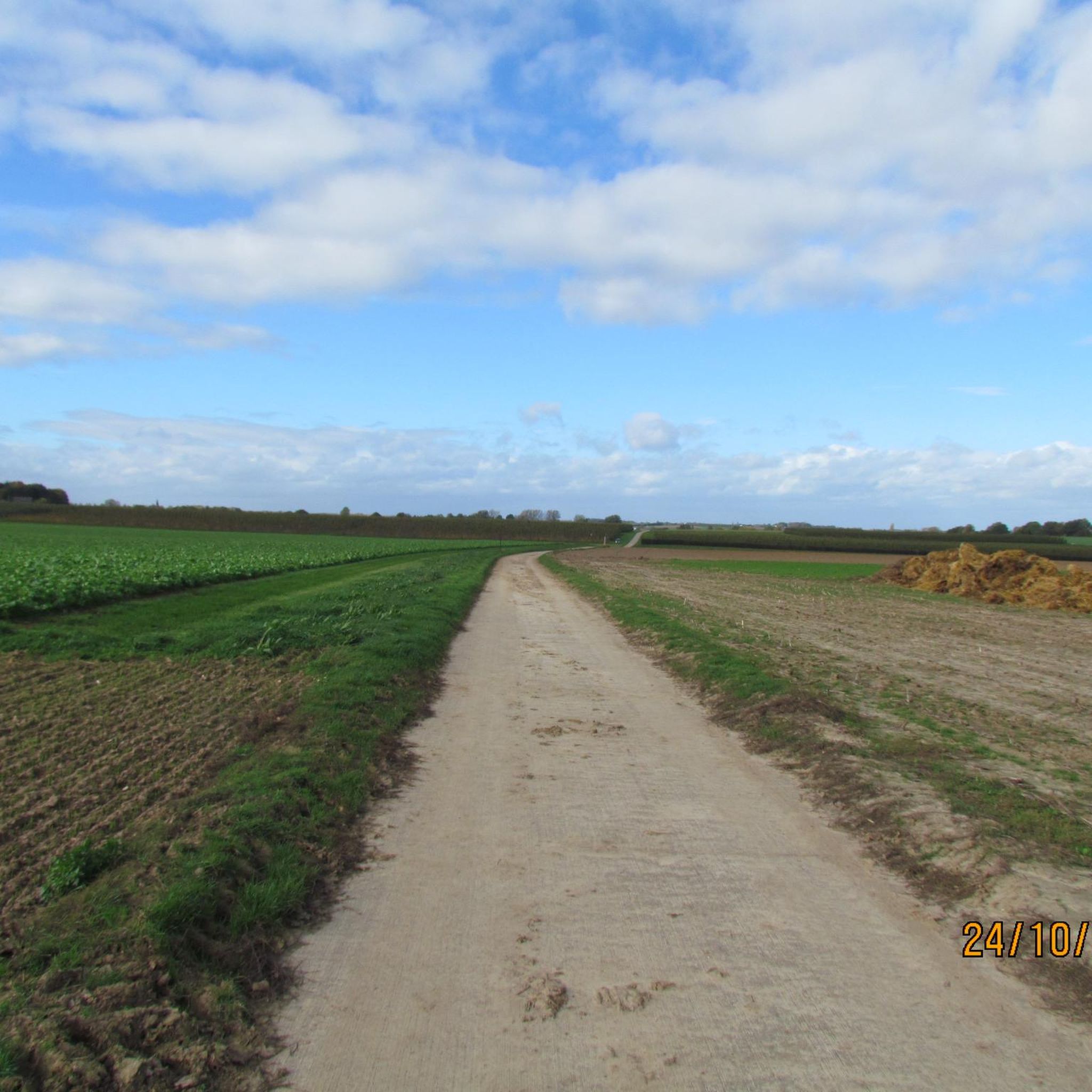
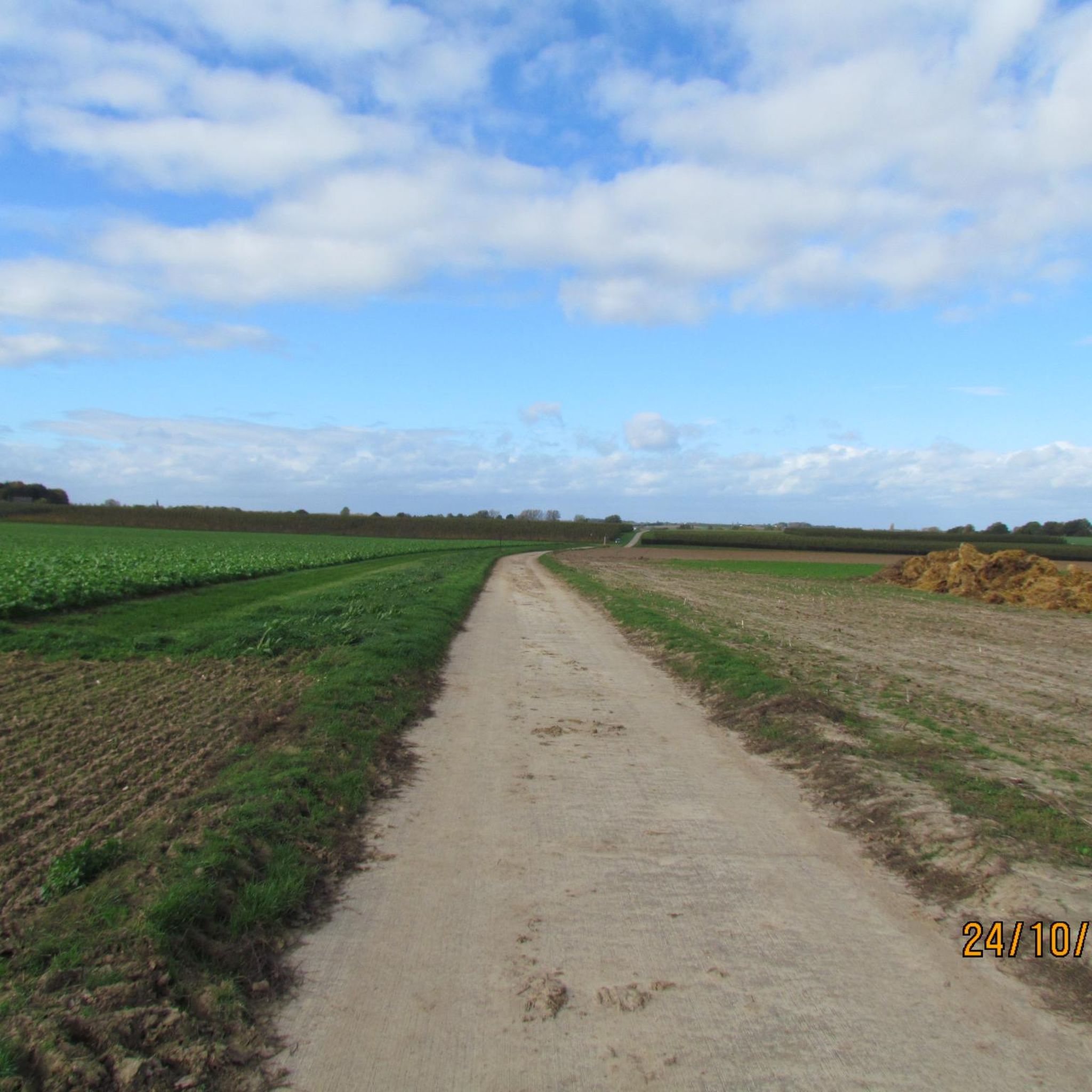
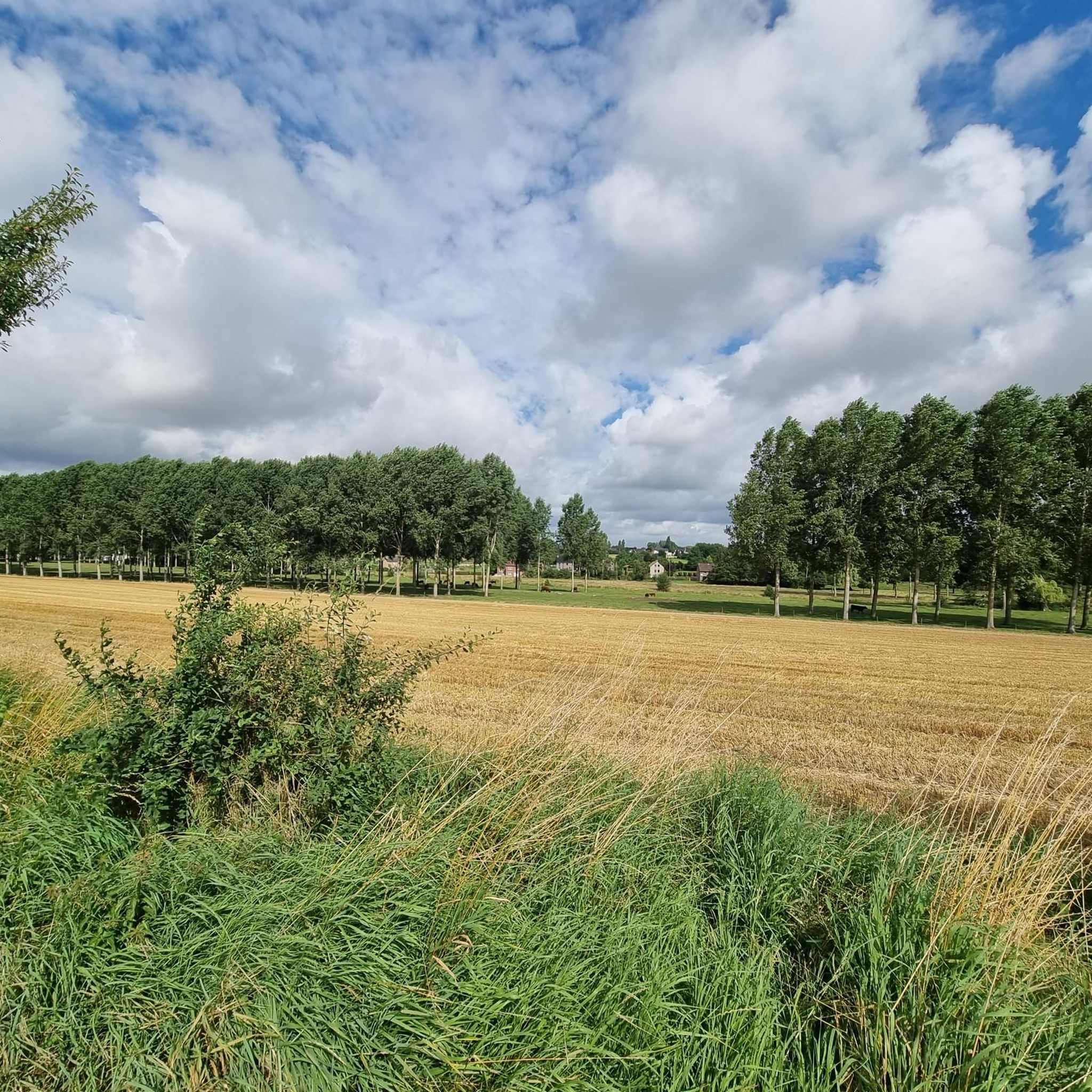
The old Tongeren railway embankment is a valuable piece of nature that crisscrosses the cultural landscape in Haspengouw like a ribbon. The Spoorwegzate, formerly a heavily used connection between Tongeren and Tienen, is today a valuable piece of nature. Around 1879, a network of railway and tram lines was constructed between Tienen and Liège for rapid and mass transport between the agglomerations and for the transfer of goods. The old railway bed cuts through Wet Haspengouw. The subsoil consists of clay and sand layers, covered by a layer of loam. The valley floors are very wet and were therefore used exclusively as hayfields and pastures. Later, poplars were also planted. The Fonteinbeek crosses the landscape and flows into the Mombeek further downstream. Rooi Castle, Hoevenaars Castle, and Kolmont Castle are historical attractions. On one side of the embankment are badger burrows, orchards with tall trees, and fields. On the other side of the bed, at a distance of approximately 50 meters, flows the Fonteinbeek, with damp grasslands and hay meadows, some planted with poplars.
1
0

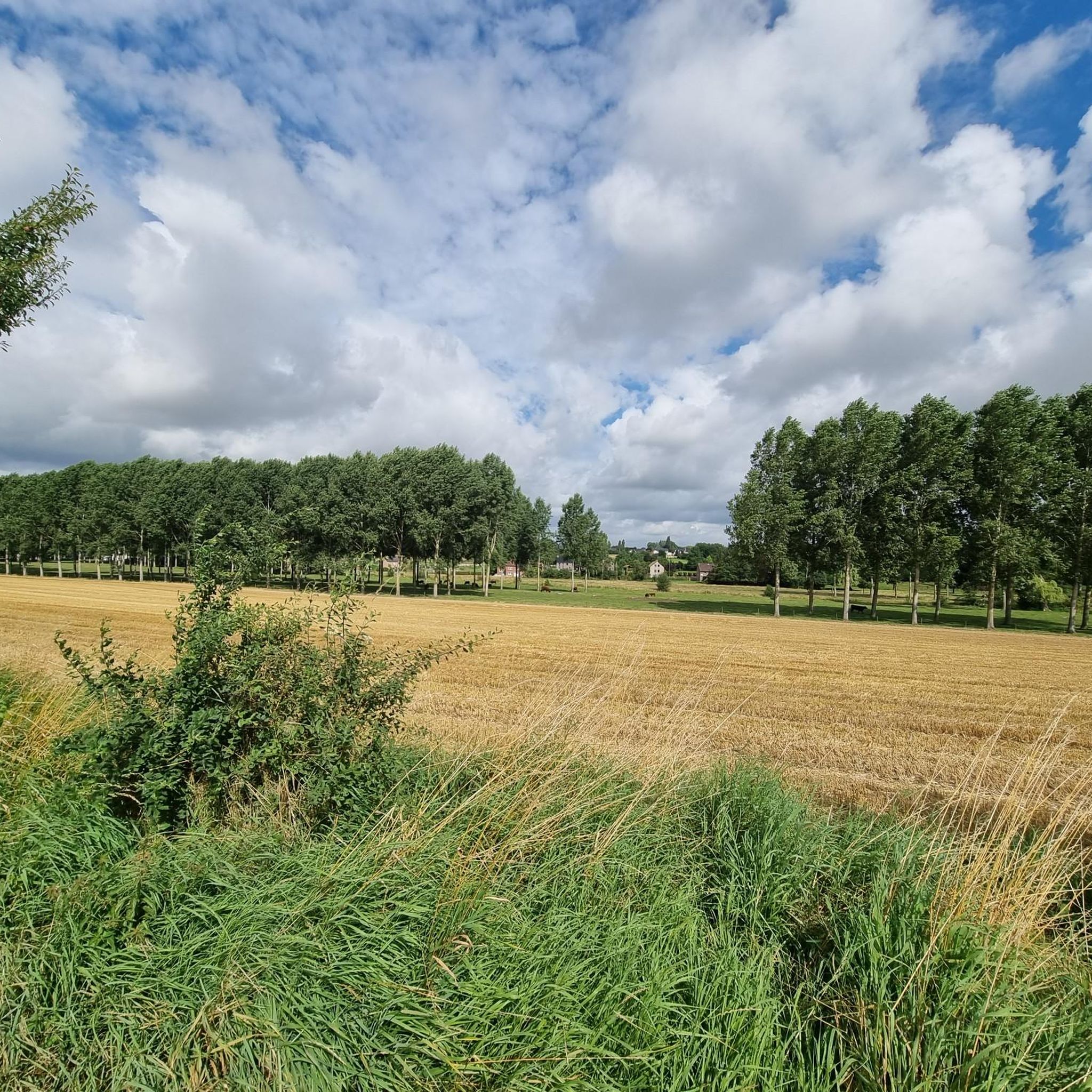
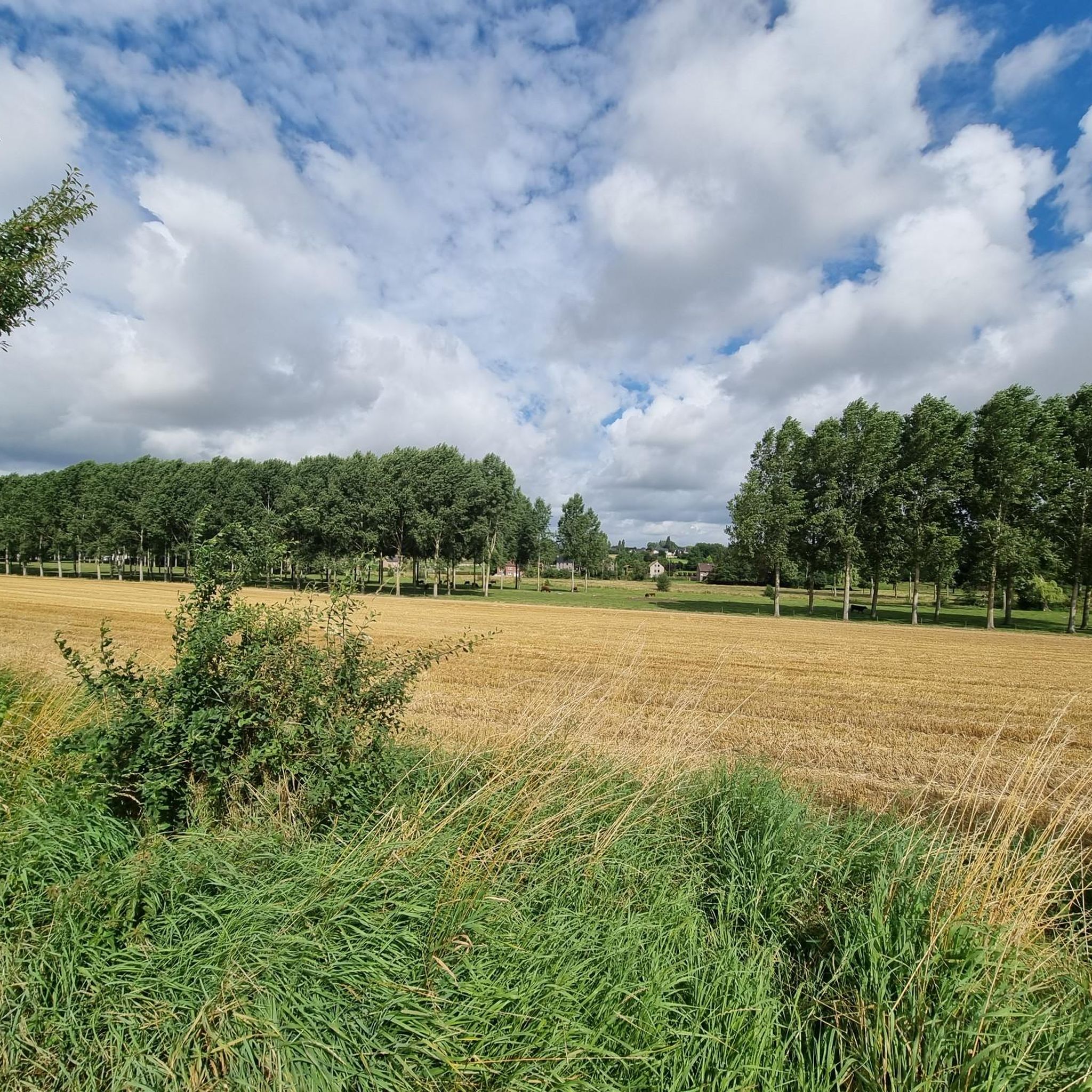
A beautiful area of (only) 34.5 hectares, characterized by reed beds, cattail ponds, and pools fringed by shrubs or with open banks... These diverse habitats offer countless bird species places to forage, nest, hibernate, or rest during their migration. No fewer than 212 species have already been observed! (Source: www.natagora.be)
3
0
Today, the park is extremely overgrown, overgrown, and covered with car wrecks – we counted about twenty – and most of the park's trees are overgrown or have even become picturesque ruins that overhang the ponds or block the walking path. Solitary trees no longer stand alone; new growth plagues the entire park, disrupting the large lawn and the sightlines. However, careful clearing, a few mowings, and judicious new plantings of trees and flowering shrubs would suffice to restore the structure to its legibility and offer captivating and varied views.
2
0
1274: Heers Castle is first mentioned in a historical document. A century later, it is plundered and burned by the troops of Charles the Bold. The current castle is a result of reconstruction and dates from around 1500. The following centuries continued to be ravaged by war: the Dutch, French, and Germans all made their appearances. The De Rivière family, who had owned the castle since the 14th century, was declared bankrupt in 1757. From 1859 onward, the castle came into the possession of the Desmaisières family, who lived and enjoyed it lavishly... until the costs became too high. In the 21st century, the castle fell into complete disrepair due to conflict and lack of funds. Local volunteers launched a rescue initiative. Today, many partners are working on a new future for this impressive place steeped in history.
4
1

Green path on the old railway in the Spoorwegzate nature reserve
3
0
In agricultural South Limburg, near the division between Dry and Moist Haspengouw, a tiny church village, Zammelen, is located on top of a slope, surrounded by a valuable piece of nature. Here in the Mombeek valley is an area that amazes you at any time of the year with its exceptionally rich and exceptionally varied nature. The nature reserve has the same name as the village on top of the slope: Zammelen. Here you can see the best of what the Mombeek has in store: a beautiful variety of ponds, standard orchards, hillside and swamp forests in the vicinity of the winding Mombeek. A wooded gorge is the old railway from Tongeren to Sint-Truiden that now functions as a cycle path.
3
0

In the Roman period, De Motten was located near the current city park. the Jeker a modest harbour. Even in the Middle Ages, this area was one of the most important trading areas of our city ('de Leuren'). However, in the first half of the 20th century the neighborhood fell into decline. The existing ponds were filled in and dump pits were built in their place. The site was only revalued in the 1950s. De Motten has since formed the connection between the city center and the new, more southerly residential areas. An outdoor swimming pool (now gone) was built as well as a sports stadium and tennis courts. Many Tongeren sports clubs found a home here! It was also in the 1950s that the then highly polluted Jeker was hidden underground! Thanks to many efforts, the water quality of the river has improved significantly in recent years! It was therefore decided to reopen the Jeker. It recently flows prominently again from the Velinx along the Kastanjewal towards Moerenpoort and city gardens. In this way, it is the link between the city center, the park and the neighborhoods around it. She connects the Kevie with the Velinx, nature with culture. Almost every Tongue resident or visitor can go to this park for some form of leisure experience. Sports, heritage and culture are central!
9
0
Frequently Asked Questions
What kind of nature and wildlife can I expect to see around Oreye's lakes?
The Oreye area is rich in wetland environments, particularly at the Oreye Nature Reserve. This 5-hectare site, a former settling basin, is known for its exceptional biodiversity, including 46 observed bird species, various amphibians, and specific flora. You can also find similar rich habitats at the Haut-Geer Nature Reserve, which is a paradise for birds with over 212 species observed, and the Zammelen Nature Reserve and Mombeek Valley, offering varied landscapes with ponds, orchards, and forests.
Are there specific nature reserves worth visiting for birdwatching near Oreye?
Absolutely. The Haut-Geer Nature Reserve is highly recommended. It's recognized as one of the most beautiful observation sites in the Walloon Region, with reed beds, cattail ponds, and pools attracting over 212 bird species. The Oreye Nature Reserve also offers excellent birdwatching opportunities.
Are there family-friendly lakes or activities near Oreye?
Yes, the Oreye Nature Reserve offers a game bag from late 2023 to help families explore and learn about its environment in a fun way. For a more recreational experience, City Park provides recreational and sports zones within a green setting. Further afield in Liège province, Lake Bütgenbach is very family-friendly with a wide range of water sports and land-based activities at its Worriken sports and leisure center.
What are the best lakes for hiking near Oreye?
For nature walks and observation, the Oreye Nature Reserve has peaceful settings. The Zammelen Nature Reserve and Mombeek Valley offers varied landscapes and information boards along its paths. The Fonteinbeek Nature Trail, located on an old railway embankment, is another valuable piece of nature for walking. For more extensive hiking, Lake Eupen and Lake Robertville in the broader Liège province offer numerous trails through forests and deep valleys.
Can I bring my dog to the lakes around Oreye?
While specific rules for the Oreye Nature Reserve regarding dogs are not detailed, many nature reserves in Belgium require dogs to be on a leash to protect wildlife. It's always best to check local signage or official websites before visiting. For general walks, many trails around the region are dog-friendly, provided they are kept under control.
Are there opportunities for water sports like swimming or boating near Oreye?
Directly within Oreye, the nature reserves are primarily for observation and walking, not traditional water sports. However, if you're willing to travel a bit further into the Liège province, Lake Bütgenbach offers a wide range of water sports including sailing, surfing, swimming, canoeing, kayaking, and pedal boating. Lake Robertville also has an outdoor swimming pool with a grassy area for sunbathing.
What are the unique natural features of the Oreye Nature Reserve?
The Oreye Nature Reserve is a unique wetland environment, originally a settling basin, that has been reclaimed by nature. Its most notable features are its significant biological interest and exceptional biodiversity, supporting 46 bird species, various amphibians, and specific flora within its 5 hectares. It's a prime example of ecological restoration.
What outdoor activities can I do near these lakes, besides walking?
Beyond walking, the region around Oreye offers various cycling opportunities. You can find numerous road cycling routes, such as the 'Montée des Awirs – Château de Jehay loop', or touring bicycle routes like the 'Château d'Otrange – Path Along the Geer loop'. For more adventurous riders, there are gravel biking routes like the 'Haspengouw MTB Tour'. You can explore these routes further on the Road Cycling Routes around Oreye, Cycling around Oreye, and Gravel biking around Oreye guide pages.
Is there parking available at the Oreye Nature Reserve?
While specific dedicated parking for the Oreye Nature Reserve isn't detailed, visitors typically find parking in nearby areas or designated spots for nature reserves. It's advisable to check local signage upon arrival or consult local tourist information for the most precise parking options.
Are there any historical or cultural sites near the lakes around Oreye?
Yes, the region has historical connections. For instance, the Fonteinbeek Nature Trail passes by historical attractions like Rooi Castle, Hoevenaars Castle, and Kolmont Castle. The City Park itself has a history dating back to Roman times, with the Jeker river playing a significant role in the city's past. Further afield, Lake Robertville is near the medieval Reinhardstein castle.
What is the best time of year to visit the lakes and nature reserves near Oreye?
The best time to visit largely depends on your interests. Spring and autumn are ideal for birdwatching at reserves like Oreye Nature Reserve and Haut-Geer, as these are peak migration seasons. The lush greenery of spring and summer makes them perfect for hiking and enjoying the flora. For water sports at recreational lakes like Bütgenbach, the warmer summer months are most suitable.
Are there any amenities like cafes or restaurants near the nature reserves?
The immediate vicinity of the Oreye Nature Reserve is primarily natural, so direct amenities like cafes might be limited. However, the nearby town of Oreye and surrounding villages offer various local shops, supermarkets, cafes, pubs, and accommodation options. For recreational lakes like Lake Gileppe, you'll find a restaurant at the top of its panoramic viewing tower.
Most popular attractions around Oreye

Get inspired with the komoot mobile app


Explore more
Still not found your perfect lake around Oreye? Check out the guides of these regions to see even more beautiful places.
