The best gravel rides around Oreye
4.6
(21)
419
riders
11
rides
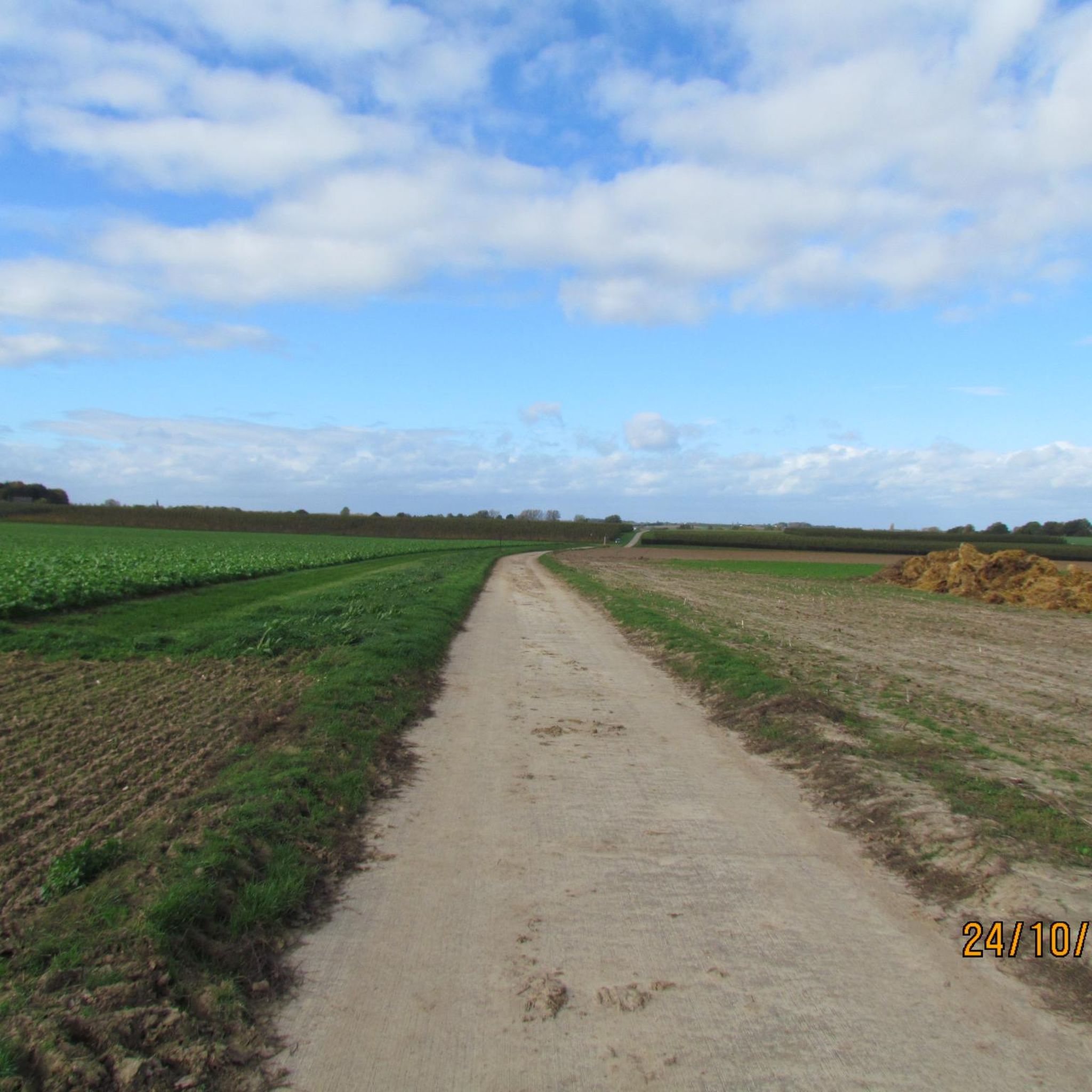
Gravel biking around Oreye offers diverse terrain across a rolling landscape in the Belgian province of Liège. The region is characterized by picturesque orchards, historical sunken lanes, and agricultural scenery near the Geer river. Situated in the Hesbaye region, Oreye's gravel routes often follow ancient pathways, including sections of a Roman road, providing varied challenges for cyclists. The central plateau of Belgium, where Oreye is located, features hilly terrain beyond flat routes.
Best gravel bike trails around Oreye
- The most…
Last updated: August 12, 2026
4.8
(6)
110
riders
101km
07:08
770m
770m
Experience challenging gravel biking through Limburg's Haspengouw region, featuring orchards, sunken lanes, and cobbled sections.
5.0
(1)
61
riders
Hard gravel ride. Very good fitness required. You may need to push your bike for some segments of this route.

Sign up for free
5.0
(1)
18
riders
79.8km
04:40
500m
500m
Hard gravel ride. Very good fitness required. You may need to push your bike for some segments of this route.
5.0
(1)
28
riders
96.0km
05:42
630m
620m
Hard gravel ride. Very good fitness required. You may need to push your bike for some segments of this route.
5.0
(1)
18
riders
32.8km
01:50
200m
210m
Hard gravel ride. Good fitness required. You may need to push your bike for some segments of this route.
Get access to more routes and recommendations from other explorers.
Sign up for free
Already have an account?
Our route recommendations are based on thousands of hikes, rides, and runs completed by other people on komoot.
Start today with a free account
Your next adventure awaits.
Login or Signup
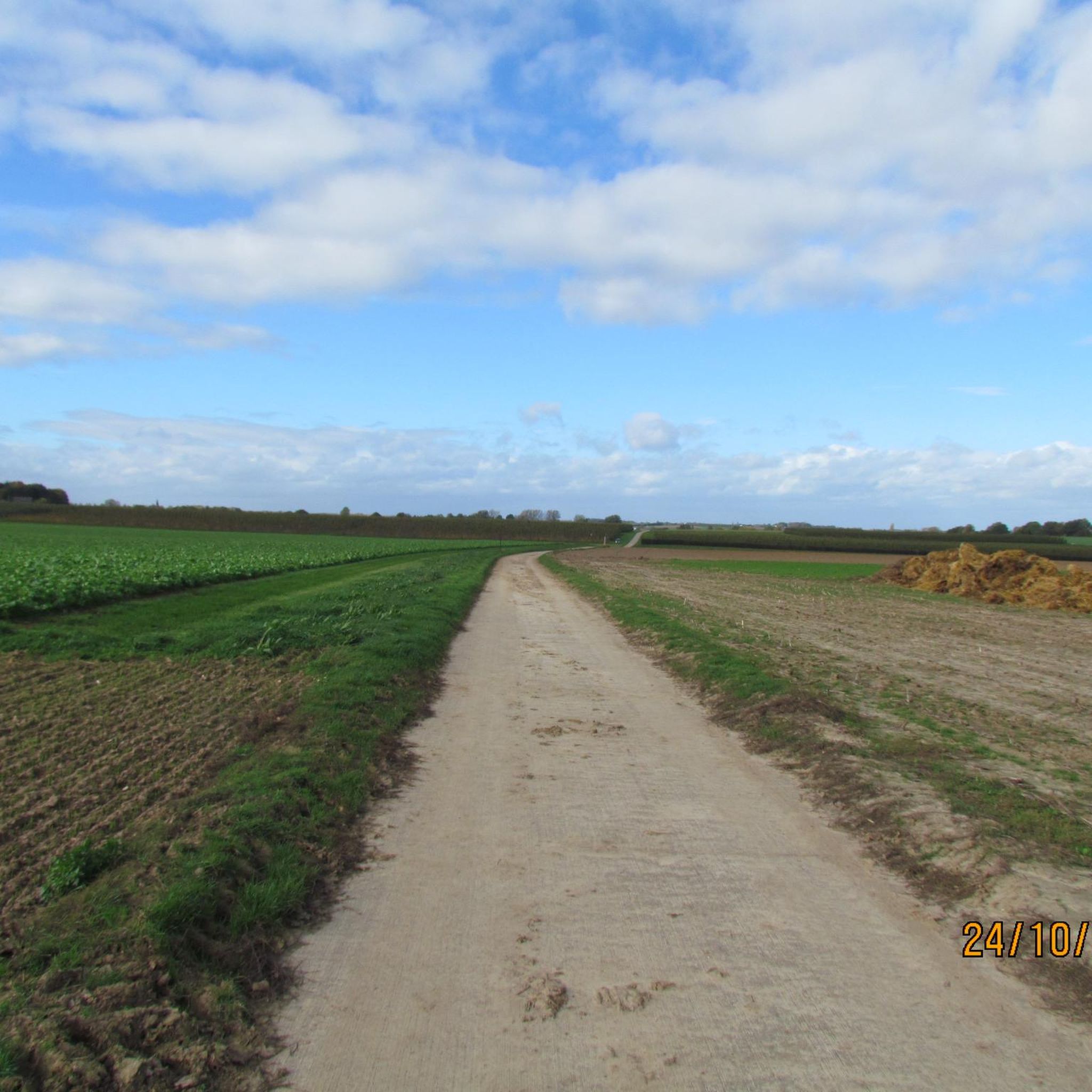
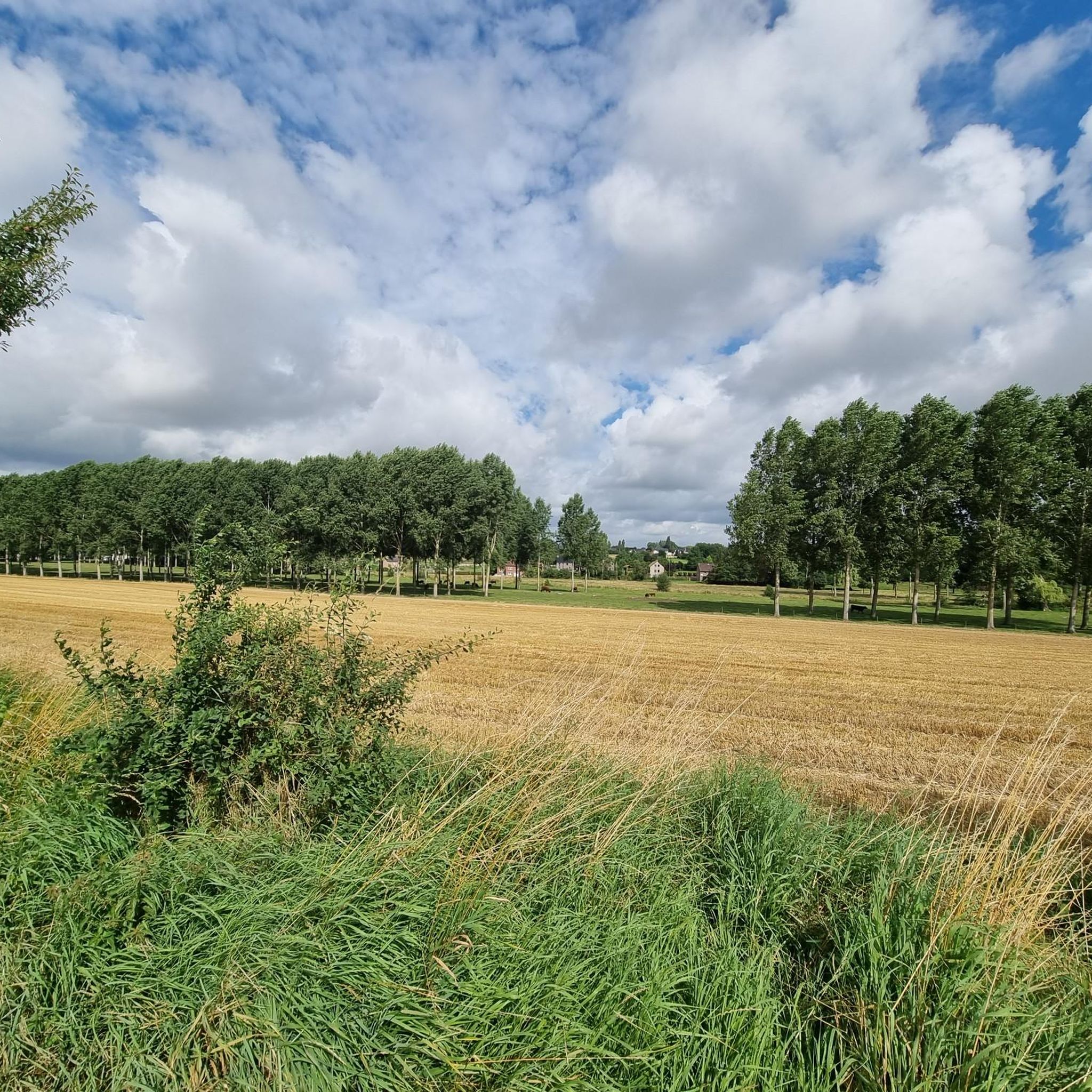
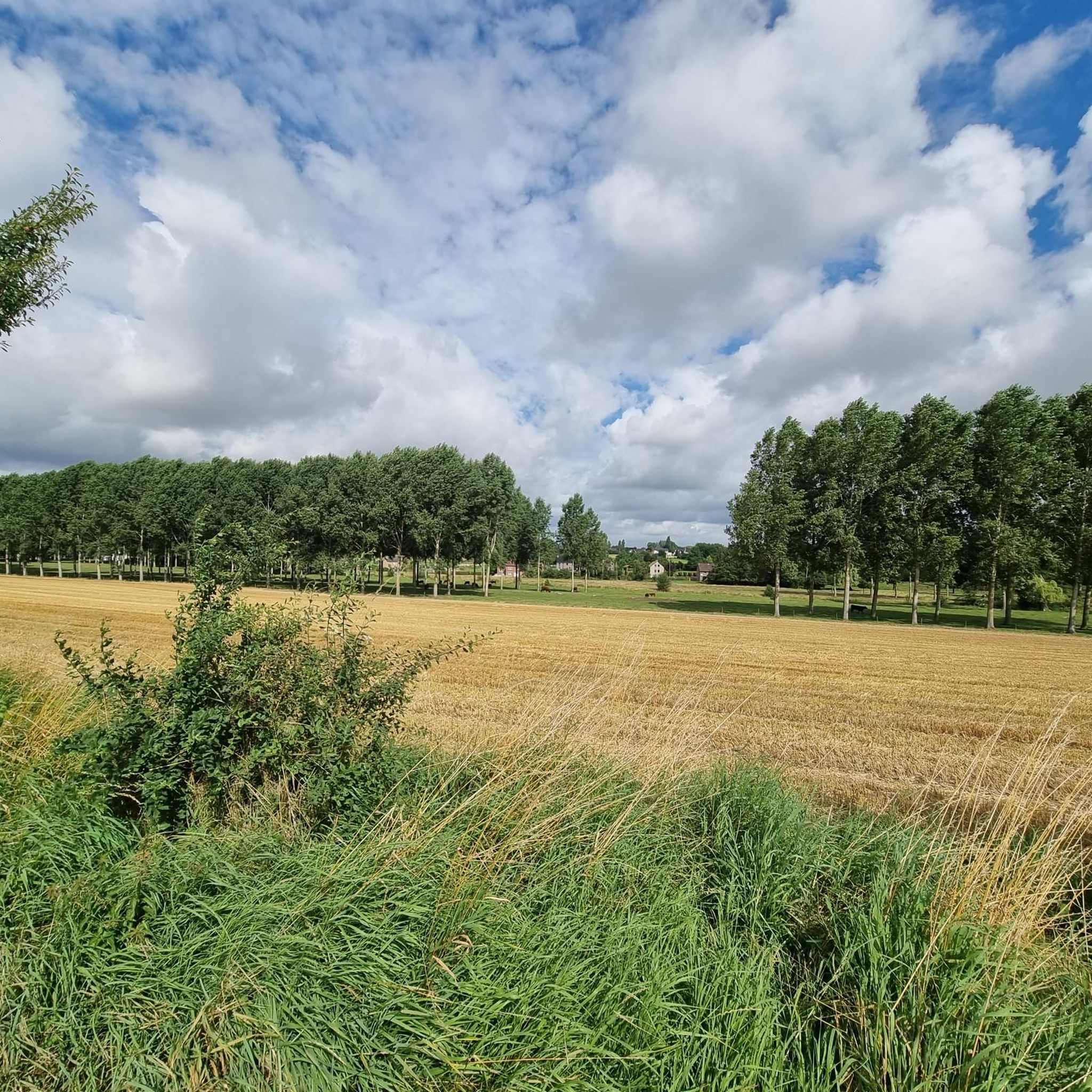
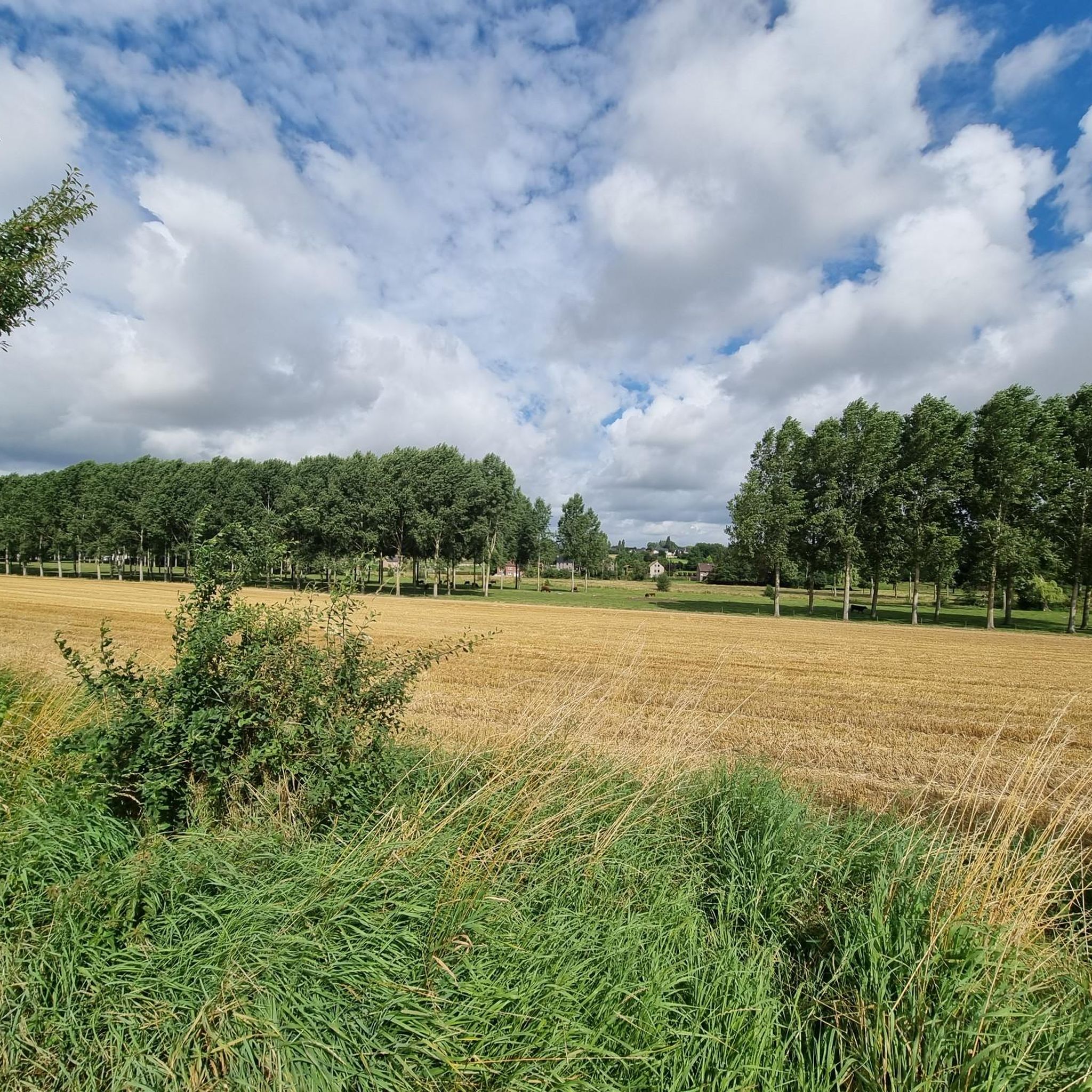
Tips from the Community


The new Castle De Klee was built on behalf of and for the baroness Sneyers-d'Attenhoven in 1904-07. After a fire in 1933, it was restored again. The whole is located in a landscape-style park, enclosed by an iron entrance gate between bluestone pillars.
4
0

in exceptionally warm weather, lovely in the shade
0
0

Cycling across the heath takes you right through the Hoge Kempen National Park. In this park, vast pine forests alternate with endless heathlands. Thanks to the new connection between cycle nodes 550 and 551, nature is presented to you on a platter. You cycle across the Mechelse Heide, with 700 hectares, one of the largest heathland areas in Flanders. The highlight of this route is undoubtedly the almost 300-meter-long wooden bridge, a recognizable element in the landscape. From the bridge, you have a panoramic view of the natural surroundings.
0
0
On the border of the poor Kempen and fertile Haspengouw lies the Munsterbos. Northeast of the village center of Munsterbilzen, 450 hectares of forests, ponds, marshes, and grasslands stretch out. Here and there, even a patch of purple heather peeks through. The area is so special due to its location on the transition from the sandy Kempen Plateau to the Haspengouw clay region.
4
0
This section, together with the water lock and the outer bailey, belongs to the oldest parts: in the Apostles' House, remains of the late Gothic ordinance from the second half of the 16th century from the building campaign of Land Commander Wijnandt van Brijel have been preserved. The complex is located at the highest point of the domain, on the eastern side of the commandery. Seven avenues converge at the gate, symbolizing the Seven Sorrows and Joys of Mary. To the right of the gatehouse was the now disappeared Apostles' House; it was an L-shaped building of two storeys, with a chapel on the ground floor, and twelve rooms for needy men, hence the name Apostles' House; late Gothic core from the second half of the 16th century, enlarged and adapted in 1716-1726, under Commander Damian Hugo von Schönborn, as indicated by a facade stone. After World War II, the Apostles' House slowly deteriorated but has since been restored.
2
0
The Katteberg is said to owe its name to a quarry in the nearby Leten called 'In de Kat'. This nature reserve on the Demer is very varied with its fish ponds, species-rich meadows, rough areas, an orchard and a slope forest. The walking path that leads via the Leterweg to Alden Biesen follows the route of a vanished tram line. This was built in 1908-1910 to connect the industrial area of Liège with the Limburg coal mines. The tram line had to bridge a height of 25 meters here and crossed the Demer via a double arched bridge in masonry. The tram tracks were removed in 1952. The pond behind the tram bridge was created by the extraction of clay for the Belisia tile factory in the Zeepstraat.
5
0

In the middle of the rolling landscape of Haspengouw lies the stately Gors castle, a place where centuries of history converge. What once began as a medieval fortress grew into an elegant 19th-century country house in the magnificent Empire style. Be impressed by the monumental columned portico, the graceful dome, and the watchful stone lions at the entrance. Admire the landscape park with its soft lawns and old trees, where traces of former castle life are still visible. Here you will discover not only a special building, but a story of power, change, and refinement — a place where past and present meet. Definitely worth a stop and experience the charm of this unique heritage for a moment.
4
0
Frequently Asked Questions
How many gravel bike trails are there in Oreye?
There are over 10 gravel bike trails around Oreye, offering a variety of experiences for different skill levels. The komoot community has explored these routes over 400 times, highlighting the region's appeal for off-road cycling.
What kind of terrain can I expect on gravel bike trails around Oreye?
The terrain around Oreye is characterized by a lovely rolling landscape, featuring picturesque orchards, historical sunken lanes, and occasional challenging cobbled sections. You'll also find routes traversing agricultural scenery, sometimes near the Geer river, providing a diverse and engaging gravel biking experience.
Are there any historical features to explore on these routes?
Yes, the region is rich in history. Oreye is notably crossed by an ancient Roman road connecting Bavay and Cologne, and many gravel routes follow these historical pathways. You might also encounter charming villages with historical architecture, including ancient mills, fortified churches, and well-preserved farms, adding a cultural dimension to your ride.
Are there family-friendly gravel biking options in the Oreye area?
While many routes in the Oreye area are rated moderate to difficult, there are options that cater to varying fitness levels. For a moderate ride through agricultural scenery, consider the Market Square, Tongeren – Blossom Trail loop from Tongeren, which is 43.6 miles (70.2 km) long and often completed in about 4 hours 50 minutes.
What are the best times of year to go gravel biking in Oreye?
The Haspengouw region, where Oreye is located, is particularly beautiful during spring when the orchards are in blossom, and in autumn with vibrant fall colors. These seasons generally offer pleasant temperatures for cycling. However, the rolling landscape and varied terrain can be enjoyed throughout much of the year, though some sections might be more challenging in wet or winter conditions.
Are there any circular gravel bike routes available?
Yes, many of the gravel bike routes around Oreye are designed as loops, allowing you to start and finish at the same point. Examples include the Groenstraat cycle path – Café Coureur loop from Kerniel and the Market Square, Tongeren – Blossom Trail loop from Tongeren, both offering circular journeys through the region's diverse landscapes.
Where can I find parking for gravel biking in Oreye?
Specific parking information varies by trailhead. Many routes start from villages or towns where public parking may be available. For routes originating from larger towns like Tongeren or Kerniel, designated parking areas are often accessible. It's advisable to check the starting point of your chosen route for the most accurate parking details.
What kind of attractions or landmarks can I see along the gravel routes?
Beyond the natural beauty, you can discover several interesting landmarks. The area features beautiful castles like Heks Castle, Castle of Betho, and Widooie Castle. These historical sites provide fascinating points of interest along your ride, often nestled within scenic landscapes.
Are there any nature reserves or scenic natural spots accessible by gravel bike?
Absolutely. The region boasts several natural highlights that can be incorporated into your gravel biking adventures. You can explore areas like the Haut-Geer Nature Reserve, the Zammelen Nature Reserve and Mombeek Valley, or the Fonteinbeek Nature Trail. These spots offer tranquil environments and beautiful scenery for a refreshing break.
What do other gravel bikers say about the trails in Oreye?
The gravel biking trails around Oreye are highly rated by the komoot community, with an average score of 4.7 stars from over 20 reviews. Cyclists often praise the diverse terrain, the beauty of the rolling landscapes and orchards, and the challenge provided by historical sunken lanes and cobbled sections.
Are there options for more challenging gravel rides?
Yes, Oreye offers several challenging gravel rides for experienced cyclists. Routes like the Haspengouw MTB Tour, a 62.9 miles (101.3 km) trail with significant elevation gain, are rated as difficult and require good fitness and advanced riding skills. Some segments may even require pushing your bike.
Can I access these trails using public transport?
While Oreye itself is a smaller municipality, larger nearby towns like Tongeren, which serve as starting points for some routes, are generally well-connected by public transport. From these hubs, you may be able to cycle to the trailheads. It's recommended to check local bus or train schedules to plan your journey to the starting points of specific routes.
Are there places to stop for refreshments or food along the routes?
The region around Oreye features charming villages with historical architecture, and many of these offer opportunities for refreshments. You can often find local cafes or pubs in the villages along the routes, especially in more established cycling hubs. For example, the 'Café Coureur' is mentioned in one of the popular routes, indicating such stops are available.
Are there any specific routes that showcase the orchards of the Haspengouw region?
Yes, the Haspengouw region is renowned for its extensive orchards, and many gravel routes are designed to highlight this feature. The Haspengouw MTB Tour, for instance, explicitly explores the varied terrain of the Haspengouw region, featuring these picturesque orchards. The Alden Biesen Gatehouse – Wijngaerdbos Trail loop from Kerniel also offers a great way to experience the agricultural scenery.
Most popular attractions around Oreye

Get inspired with the komoot mobile app


Explore more
Browse the best Gravel rides in other regions.
