Top 6 Castles around Buggiano
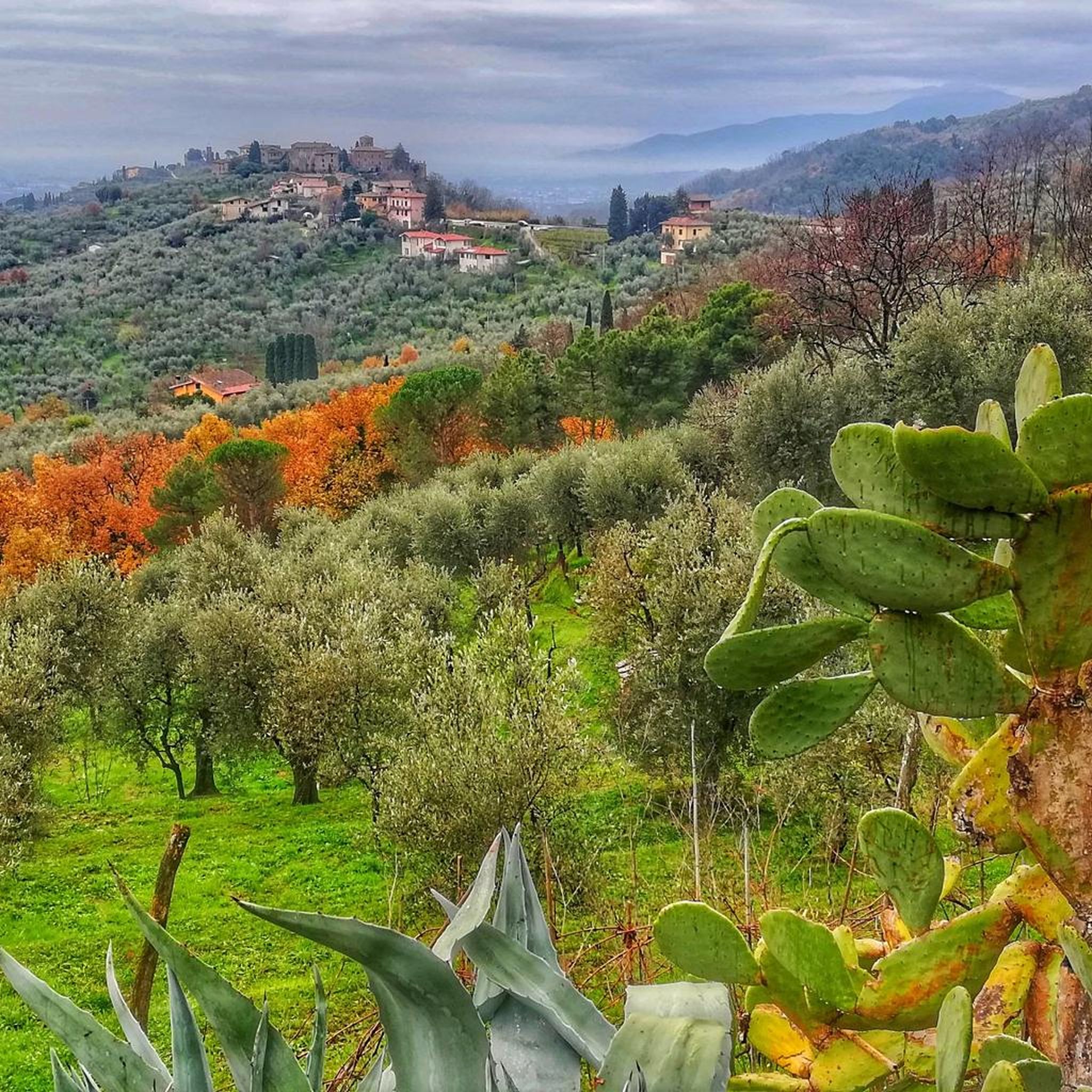
Best castles around Buggiano are found within a charming area of Tuscany, characterized by its historic hilltop settlements and fortified structures. The region's landscape features medieval villages that have preserved much of their original urban structure. These sites offer insights into the area's defensive and administrative past, providing a glimpse into medieval life. The Valnienvole area, where Buggiano is located, is known for its historical significance and cultural heritage.
Best castles around Buggiano
- The most popular castles is Cozzile Castle…
Last updated: July 14, 2026
Cozzile Castle and the Clock Tower
Highlight • Castle
Translated by Google •
Tip by

Rocca del Cerruglio, Montecarlo
Highlight • Castle
Translated by Google •
Tip by
Sign up now to discover places like this
Get recommendations on the best single tracks, peaks, & plenty of other exciting outdoor places.
Sign up for free
Cozzile Medieval Village
Highlight • Settlement
Translated by Google •
Tip by

Porta Nuova, Cozzile
Highlight • Historical Site
Translated by Google •
Tip by
Cecina village (Larciano)
Highlight • Settlement
Translated by Google •
Tip by

Sign up for free to discover even more castles around Buggiano.
Sign up for free
Already have an account?
Start today with a free account
Your next adventure awaits.
Login or Signup

Tips from the Community

a village definitely worth visiting!
0
0

very intimate and typical village, with a beautiful view of the reserve.
0
0

Fantastic village with a view and a place to stop; there is also public water with fountains.
0
0

I was lucky enough to stay right below the fortress of this wonderful town.
3
0

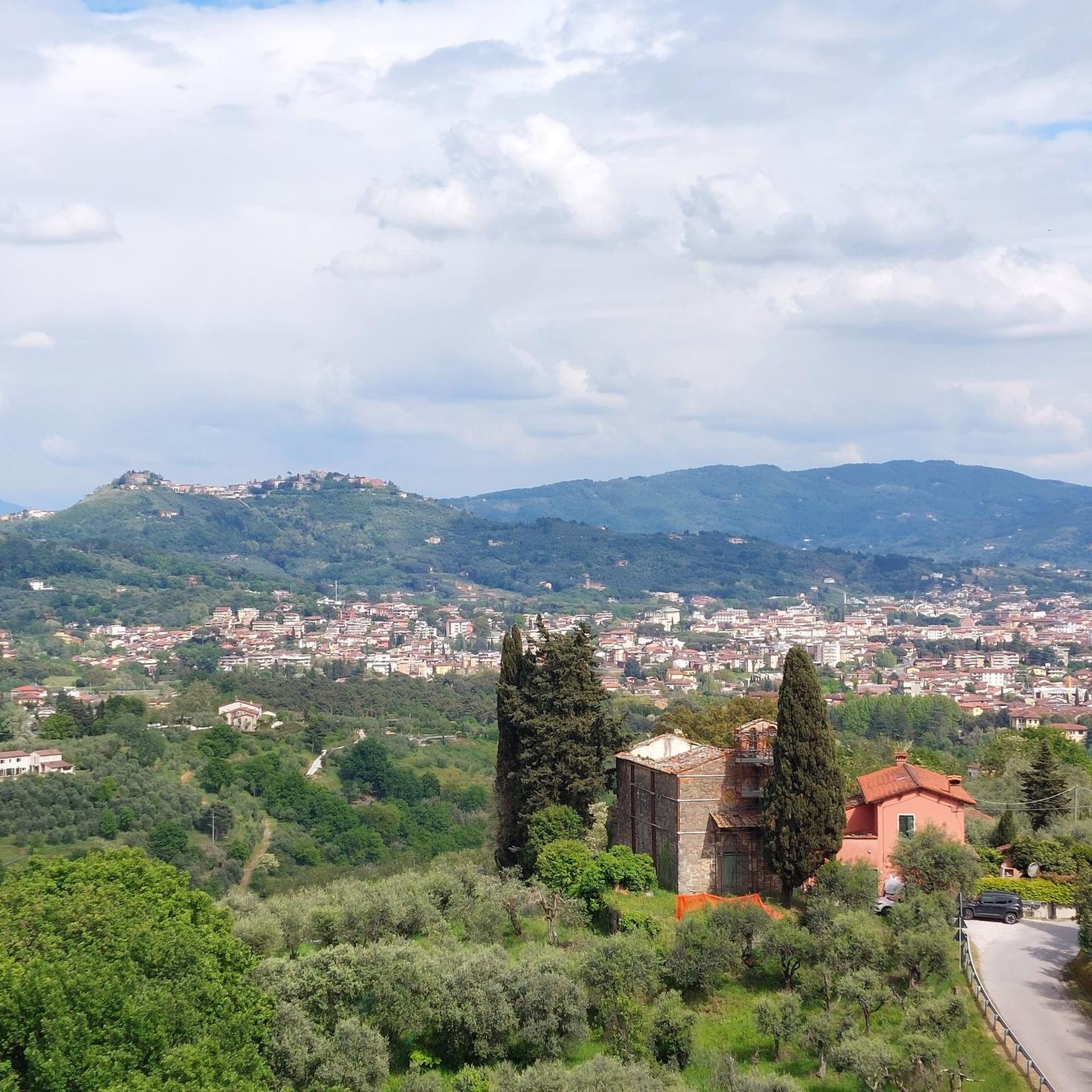
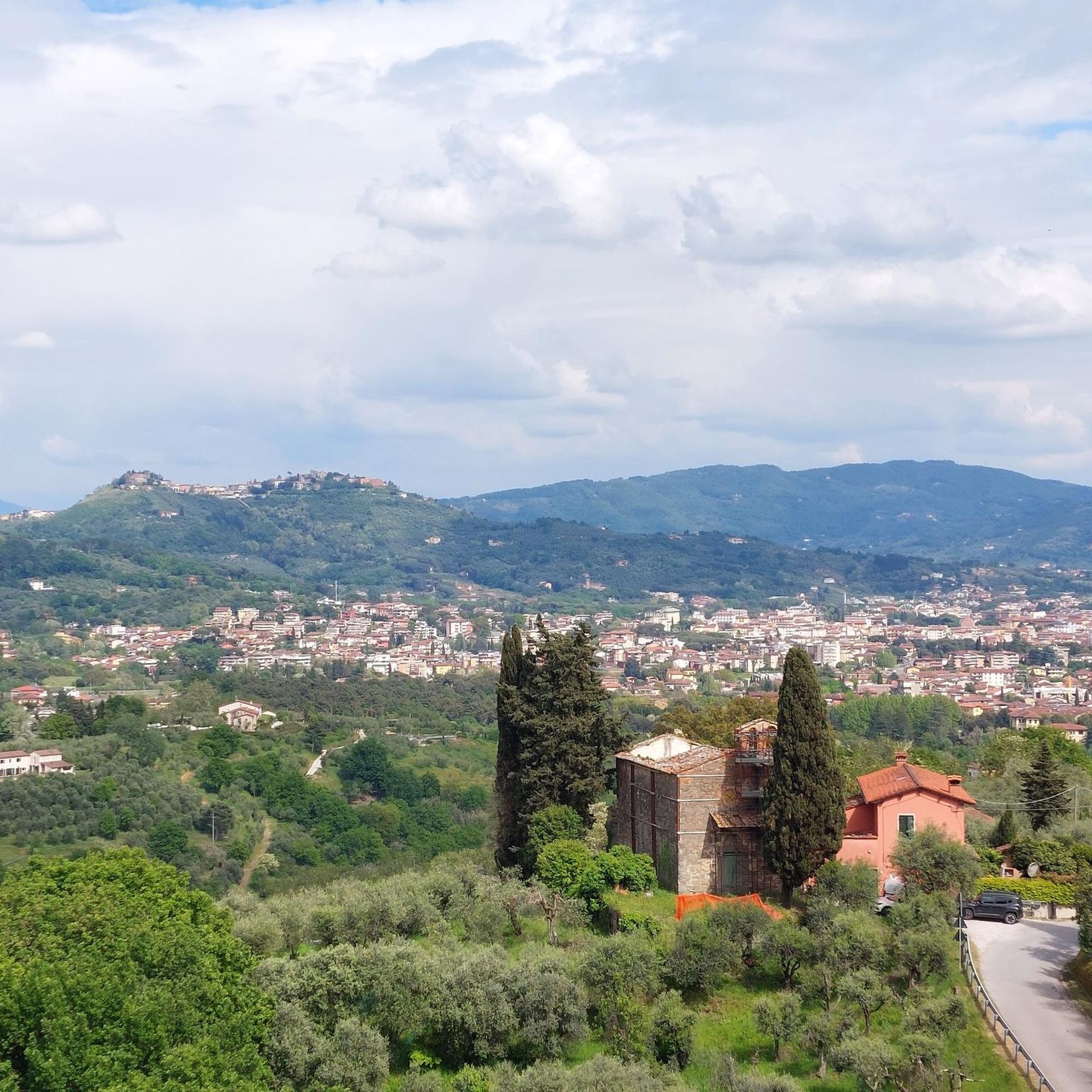
Montecarlo is a charming medieval village located in the province of Lucca, in Tuscany. It stands on a hill overlooking the Valdinievole and the Lucca plain, offering breathtaking panoramic views. The town is famous for its fortress, the Rocca del Cerruglio, built in the 14th century to defend against external attacks, and for its well-preserved walls.
1
0

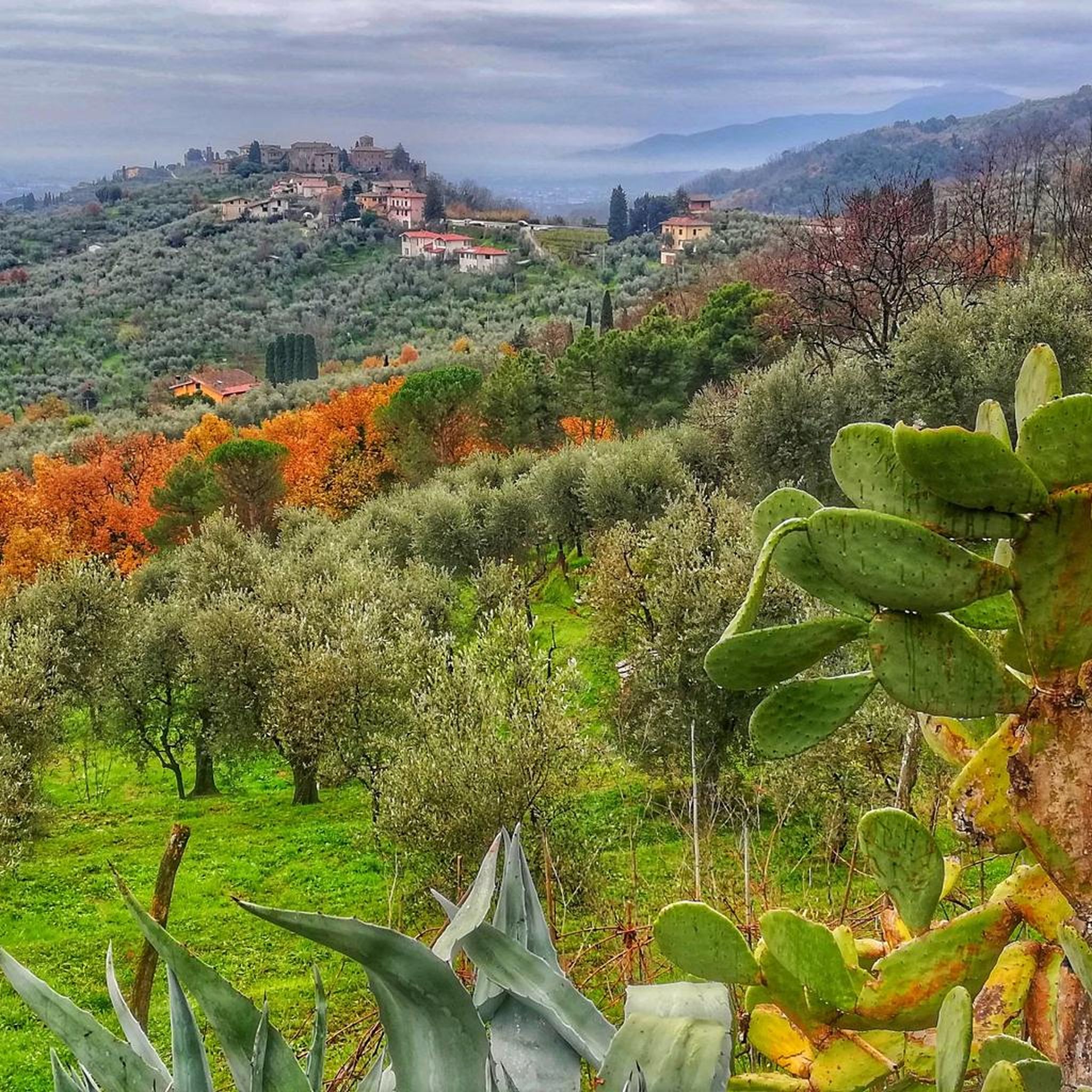
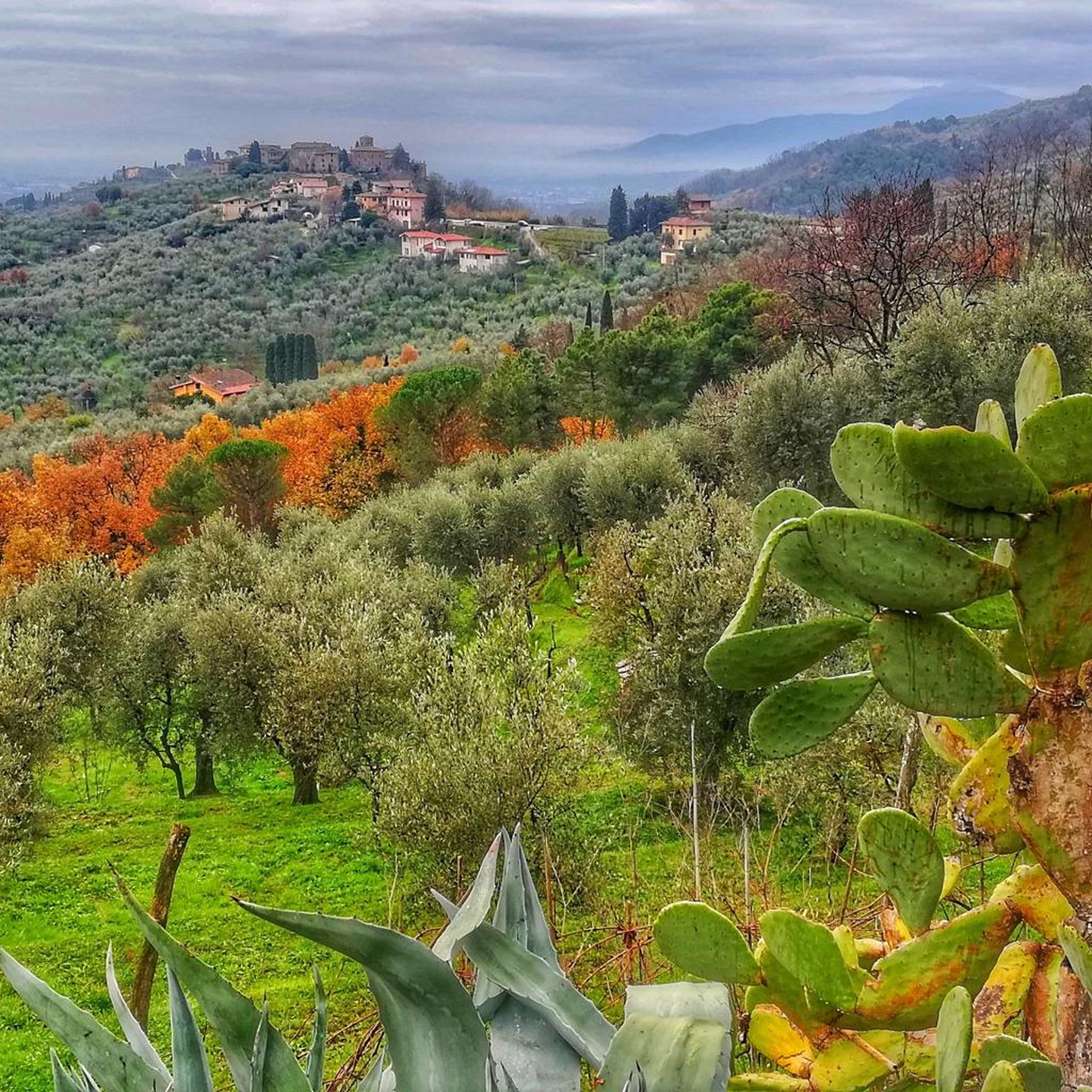
Cozzile was probably founded at the end of the 12th century around fortification works with lookout and extreme defense functions. Even at the beginning of the 14th century they hosted a castellan and a small garrison on behalf of the people of Lucca. Around the fortress a fortified town arose with a structure similar to that of Massa, organized in a "fishbone" pattern on both sides of the road that crossed it and which, exiting at the other end of the town, led towards the Apennines and towards Modena. The houses were grouped into two neighborhoods or "deeds" (Volata to the East, and Cessana to the West of the main road) with the square located to the north and the church to the south. In the city walls, of which important remains are still visible incorporated into the houses built above them, three doors opened: one to the east, corresponding to the entrance to the town of the medieval road from Massa (gate to Massa), one to the west , on the diametrically opposite side (Porta Vecchia)
0
0
Cozzile was probably founded at the end of the 12th century around fortification works with lookout and extreme defense functions. Even at the beginning of the 14th century they housed a castellan and a small garrison on behalf of the people of Lucca. Around the fortress a fortified town arose with a structure similar to that of Massa, organized in a "fishbone" pattern on both sides of the road that crossed it and which, exiting at the other end of the town, led towards the Apennines and towards Modena. The houses were grouped into two neighborhoods or "deeds" (Volata to the East, and Cessana to the West of the main road) with the square located to the north and the church to the south. In the city walls, of which important remains are still visible incorporated into the houses built above them, three doors opened: one to the east, corresponding to the entrance to the town of the medieval road from Massa (gate to Massa), one to the west , on the diametrically opposite side (Porta Vecchia)
0
0
Cozzile was probably founded at the end of the 12th century around fortification works with lookout and extreme defense functions. Even at the beginning of the 14th century they housed a castellan and a small garrison on behalf of the people of Lucca. Around the fortress a fortified town arose with a structure similar to that of Massa, organized in a "fishbone" pattern on both sides of the road that crossed it and which, exiting at the other end of the town, led towards the Apennines and towards Modena. The houses were grouped into two neighborhoods or "deeds" (Volata to the East, and Cessana to the West of the main road) with the square located to the north and the church to the south. In the city walls, of which important remains are still visible incorporated into the houses built above them, three doors opened: one to the east, corresponding to the entrance to the town of the medieval road from Massa (gate to Massa), one to the west , on the diametrically opposite side (Porta Vecchia)
0
0
Frequently Asked Questions
What kind of historical fortifications can I explore around Buggiano?
The Buggiano area is known for its well-preserved fortified medieval villages and structures rather than grand, standalone castles. You can explore places like Buggiano Castello, a historic hilltop settlement, and the fortified hamlet of Colle di Buggiano. Additionally, the region features sites such as Cozzile Castle and the Clock Tower and Rocca del Cerruglio in Montecarlo.
What makes Buggiano Castello a unique place to visit?
Buggiano Castello is a unique fortified medieval village, often called 'Borgo degli Agrumi' (Village of Citrus) due to its many private gardens cultivating citrus fruits within its ancient walls. It offers an authentic medieval atmosphere with structures like the Rocca di Buggiano and the Palazzo Pretorio, and provides panoramic views of the Valdinievole.
Are there specific historical landmarks within Buggiano Castello?
Yes, within Buggiano Castello, you can visit the Rocca di Buggiano, which includes an intact Clock Tower offering panoramic views. The Palazzo Pretorio, located in the main square, is a significant example of medieval civil architecture. The Romanesque Church of Madonna della Salute e San Niccolao is also a notable landmark.
Can I find walking or hiking trails near the castles and fortified villages?
Absolutely. The area around Buggiano offers various walking and hiking opportunities. For example, you can find moderate hiking routes like the 'View of the gate of Cozzile Castle. – View of Massa e Cozzile loop' or the 'Rocca di Buggiano Castello – View of Montecarlo, Tuscany loop'. You can explore more options in the Hiking around Buggiano guide.
What are some of the best viewpoints near these historical sites?
Many of the fortified villages and castles offer excellent panoramic views. From the Rocca di Buggiano within Buggiano Castello, you can enjoy stunning vistas over the Valdinievole. Similarly, Rocca del Cerruglio in Montecarlo also provides breathtaking views over the Valdinievole and the Lucca plain.
What is the best time of year to visit the castles and villages around Buggiano?
The spring and autumn months are generally ideal for visiting the Buggiano area. The weather is pleasant for exploring the medieval villages and engaging in outdoor activities like hiking. If you're interested in the unique citrus gardens of Buggiano Castello, consider visiting during the biennial 'Campagna dentro le Mura' event when private gardens are open to the public.
Are there family-friendly activities or walks around the castles?
Exploring the medieval villages like Buggiano Castello and Cozzile Medieval Village can be a family-friendly activity, offering a glimpse into history. There are also easy hiking routes available, such as the 'View of the Valdinievole Plain – Creekside Nature Trail loop' from Buggiano, which are suitable for families.
How long should I plan for a visit to the castles and fortified villages?
To thoroughly explore Buggiano Castello, including its Rocca, Palazzo Pretorio, and charming streets, you might need half a day. If you plan to visit other nearby fortified sites like Colle di Buggiano, Cozzile, or Montecarlo, a full day or even a weekend would allow for a more relaxed and comprehensive experience, especially if combined with some walking or hiking.
Are there options for cycling or mountain biking near the castles?
Yes, the region offers routes for cycling and mountain biking. You can find challenging cycling routes like the 'Vellano Village and Tower – Cozzile Castle loop' or explore various mountain bike trails. For more details, check out the Cycling around Buggiano guide and the MTB Trails around Buggiano guide.
Where can I find cafes or restaurants near Buggiano Castello?
Buggiano Castello, being a living village, has local establishments. You can find cafes and restaurants within the village itself or in the immediate vicinity, offering opportunities to enjoy local Tuscan cuisine and refreshments after exploring the historical sites.
Is there parking available near Buggiano Castello?
Parking is typically available at the base of Buggiano Castello, from where you can walk up to the medieval village. Specific parking areas are usually signposted. It's advisable to check local signage upon arrival for the most convenient options.
What is the historical significance of Cozzile Castle?
Cozzile Castle and the Clock Tower, along with the Cozzile Medieval Village, were founded around the end of the 12th century. They served as crucial fortification works with lookout and extreme defense functions, housing a castellan and garrison on behalf of the people of Lucca. The village developed around the fortress with a distinctive 'fishbone' pattern.
Most popular routes around Buggiano
Most popular attractions around Buggiano

Get inspired with the komoot mobile app


Explore more
Looking for the best castles somewhere else? Discover other guides around Buggiano:
