The best road cycling routes around Buggiano
4.2
(435)
11,999
riders
35
rides
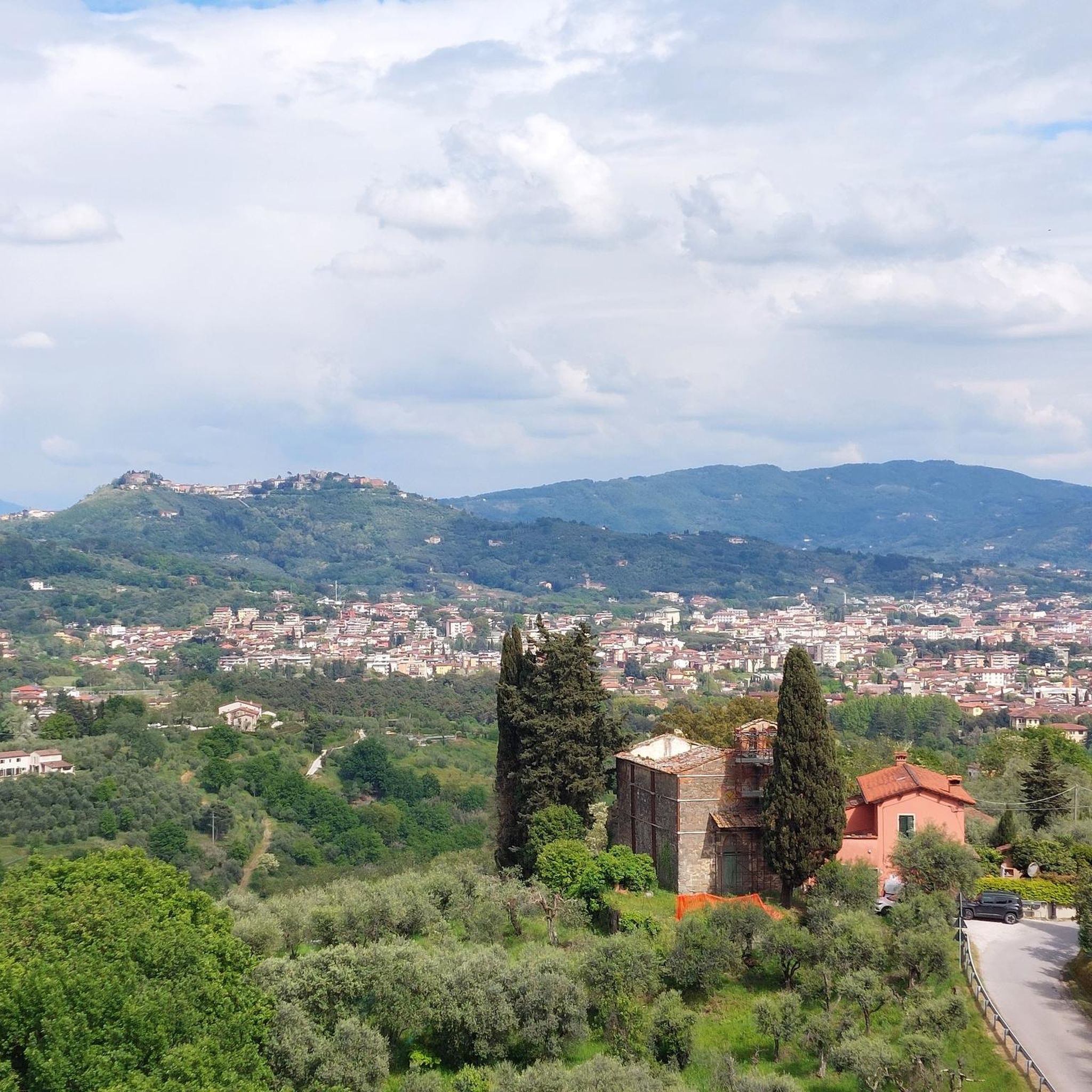
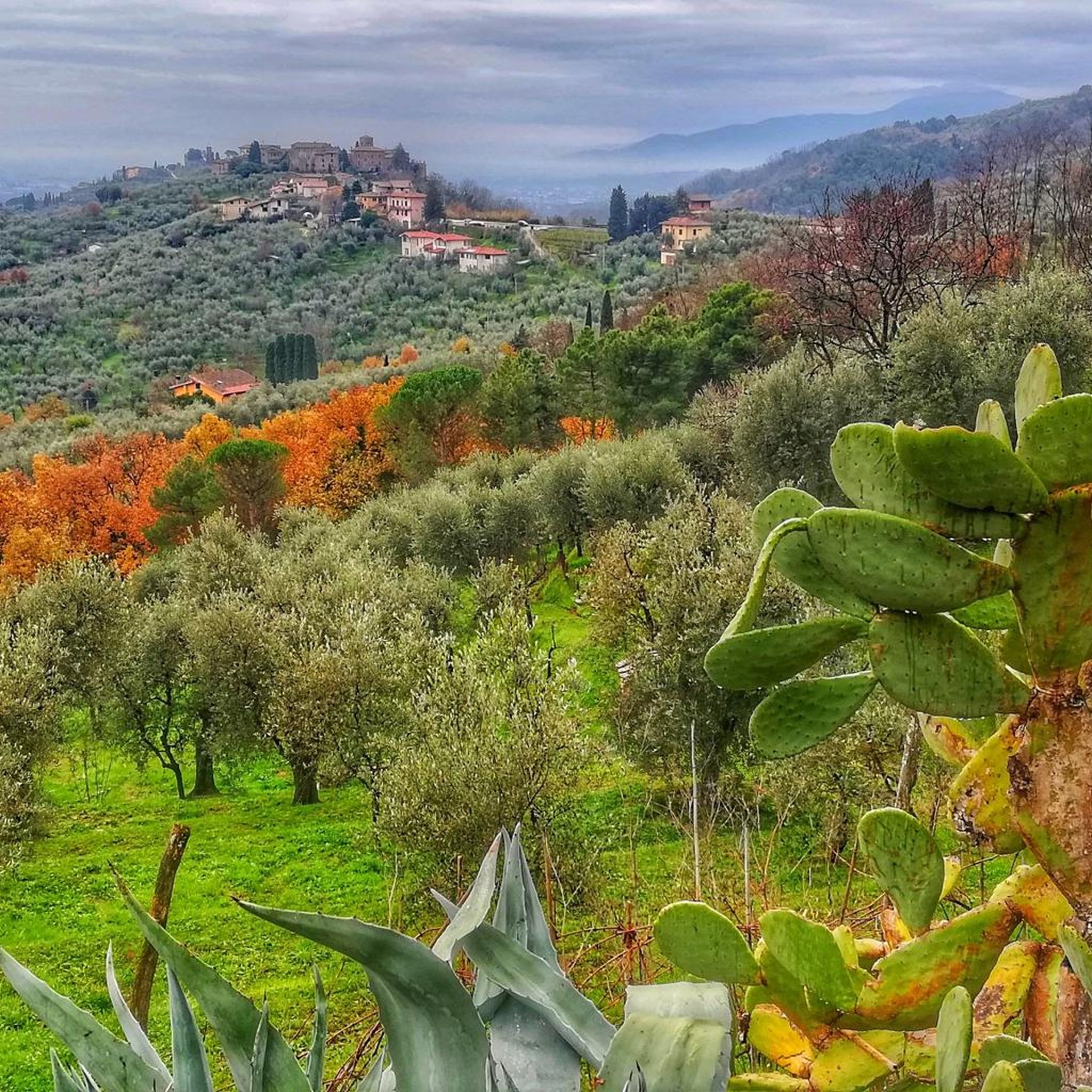
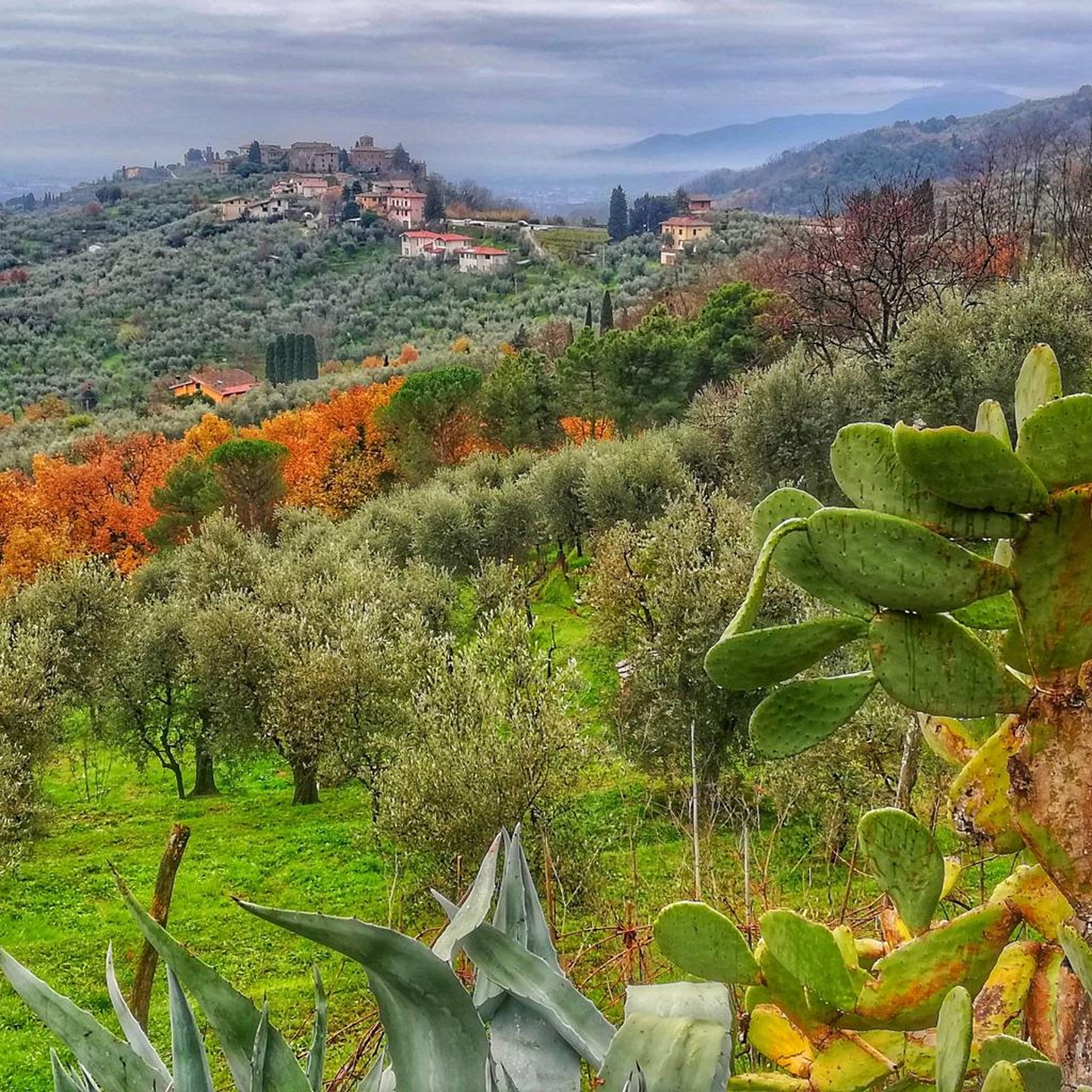
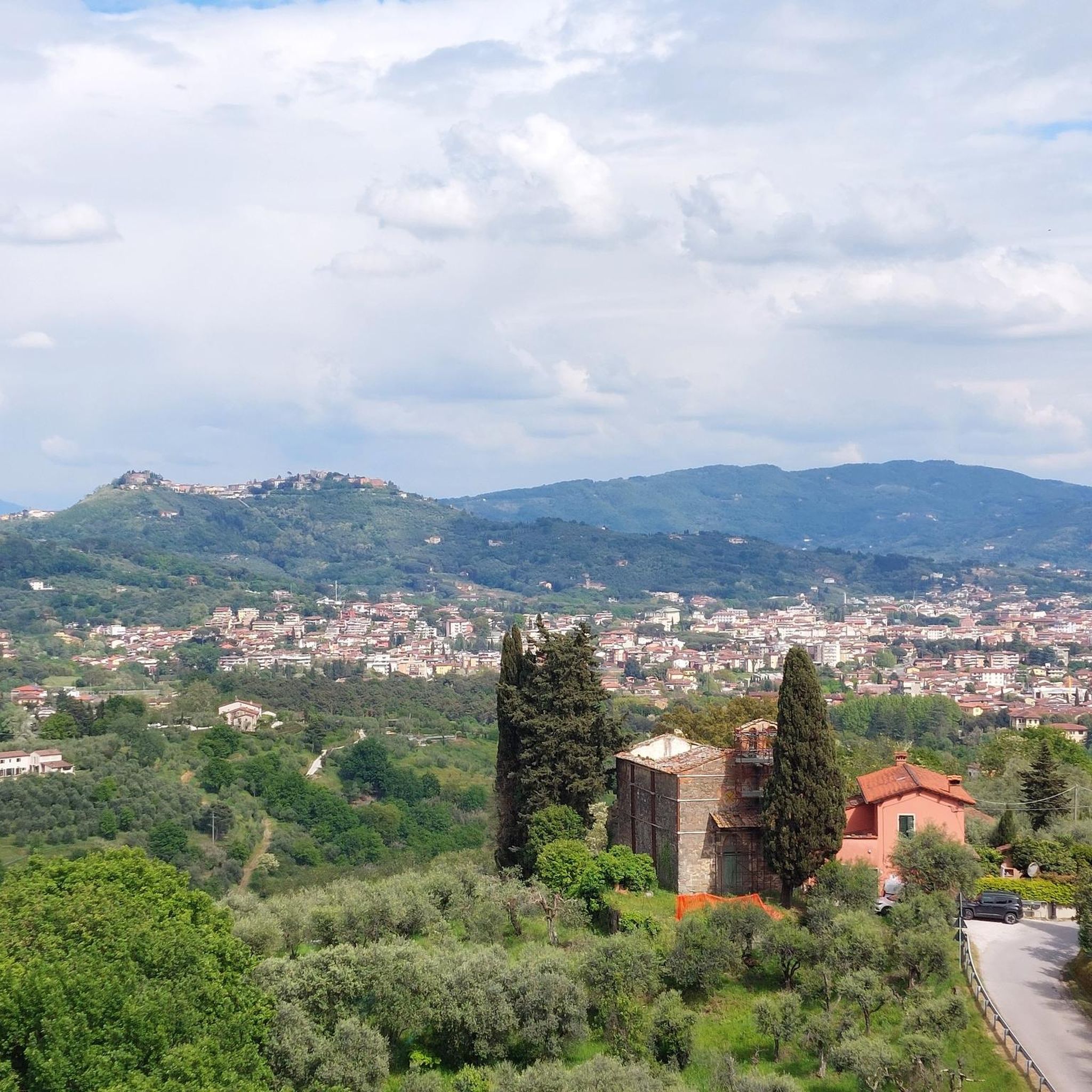
Road cycling around Buggiano offers diverse landscapes in the Valdinievole region of Tuscany, Italy. The area features rolling hills, extensive olive groves, and wooded sections, providing varied terrain for cyclists. Routes often include mostly paved surfaces, with some segments potentially featuring unpaved sections. Elevated villages like Buggiano Castello offer panoramic views across the Valdinievole valley.
Best road cycling routes around Buggiano
- The most popular road cycling route is Villa Bellavista – Prunetta loop from Borgo a Buggiano, a 55.5…
Last updated: November 9, 2026
3.4
(12)
167
riders
52.8km
02:31
630m
630m
Moderate road ride. Good fitness required. Mostly well-paved surfaces and easy to ride.
5.0
(1)
96
riders
52.3km
02:08
260m
260m
Moderate road ride. Good fitness required. Mostly well-paved surfaces and easy to ride.

4.0
(8)
120
riders
40.1km
01:35
190m
190m
Easy road ride. Mostly well-paved surfaces and easy to ride.
63
riders
Moderate road ride. Good fitness required. Mostly well-paved surfaces and easy to ride.
3.5
(2)
47
riders
63.2km
03:11
950m
950m
Hard road ride. Very good fitness required. Mostly well-paved surfaces and easy to ride.
Get access to more routes and recommendations from other explorers.
Already have an account?
Our route recommendations are based on thousands of hikes, rides, and runs completed by other people on komoot.
Start today with a free account
Your next adventure awaits.

Tips from the Community

untouched landscapes and absolute silence
0
0

The Porta Sant'Anna (officially Porta Vittorio Emanuele) is one of the newer city gates in Lucca's historic city walls. In contrast to the mighty Renaissance gates of the fortress, this is a modern, purely functional opening from the early 20th century.
0
0

The historic center of Lucca is one of the best-preserved medieval hearts of Europe, enclosed entirely by a splendid, intact Renaissance city wall from the 16th-17th century. Known as the city of "100 churches" for its extraordinary density of religious buildings, the center is a large pedestrian area full of cobbled streets, soaring medieval towers, and unique squares.
2
0
The Walls of Lucca are one of the most famous historical monuments in Italy, known worldwide for being the only Renaissance city walls to have survived completely intact to this day. Built between 1504 and 1648 mainly to defend against the expansionist ambitions of Florence, they completely surround the historic center of the city. During the 19th century, by the will of Maria Luisa of Bourbon, the military fortification was transformed into an immense elevated public park and a charming tree-lined promenade.
3
0
The Walls of Lucca are one of the most famous historical monuments in Italy, known worldwide for being the only Renaissance city walls to have survived completely intact to this day. Built between 1504 and 1648 mainly to defend against the expansionist ambitions of Florence, they completely surround the historic center of the city. During the 19th century, by the will of Maria Luisa of Bourbon, the military fortification was transformed into an immense elevated public park and a charming tree-lined promenade.
0
0

A walk on the walls of Lucca is absolutely recommended!
2
0

The route that connects Lucca to Versilia can be done with two itineraries that - combined with each other - constitute an interesting loop tour. The first part of the tour involves leaving Lucca from Porta S. Anna and continuing on the SS 439 Sarzanese to Maggiano, where the road begins to climb gradually until reaching the Monte Quiesa pass (at an altitude of almost 200 m at the junction for Chiatri) and then descending to the village of Quiesa with a short series of hairpin bends. Continuing on the SS 439 after Massarosa and Piano di Mommio, turn right at the junction for Camaiore, where the second part of the tour begins. After passing Camaiore, continue on the Camaiore-Lucca Provincial Road (which overlaps with the Via Francigena and the EV 5) and, leaving the junction for Nocchi behind, begin to climb with a series of curves towards Montemagno (200 m above sea level) and then descend gradually along the valley of the Freddana stream, first to Valpromaro (where you separate from the Francigena), then to S. Martino in Freddana and finally Monte San Quirico, where you cross the Serchio to return to Lucca from Borgo Giannotti.
4
0

a village definitely worth visiting!
0
0
Frequently Asked Questions
How many road cycling routes are available around Buggiano?
There are over 40 road cycling routes around Buggiano, offering a wide range of options for different skill levels and preferences. You can find routes varying in distance and elevation gain, from easy loops to challenging climbs.
What kind of terrain can I expect on road cycling routes in Buggiano?
Road cycling routes in Buggiano feature diverse terrain, including rolling hills, extensive olive groves, and wooded sections. Most surfaces are paved, ideal for road bikes, though some segments might include unpaved sections, adding variety to your ride.
What is the best time of year for road cycling in Buggiano?
The Valdinievole region, where Buggiano is located, benefits from a temperate climate. Spring and autumn generally offer the most pleasant conditions for road cycling, with comfortable temperatures and beautiful scenery. Summer can be warm, but early morning or late afternoon rides are still enjoyable.
Are there road cycling routes suitable for beginners in Buggiano?
Yes, Buggiano offers several easier road cycling routes. For instance, the Villa Bellavista – Ponte a Cappiano loop from Borgo a Buggiano is an easy 49.9 km trail with a moderate elevation gain, perfect for those looking for a less strenuous ride through cultivated countryside.
Are there challenging road cycling routes for experienced cyclists in Buggiano?
Absolutely. Experienced cyclists will find plenty of challenging routes. The Villa Bellavista – Prunetta loop from Borgo a Buggiano is a difficult 89.2 km route with significant elevation gain, taking you through the region's demanding hills. Another option is the San Baronto Cyclists' Monument – Vinci loop from Borgo a Buggiano, a difficult 70.8 km path connecting a cyclists' monument with the historic town of Vinci.
What scenic viewpoints can I find along road cycling routes in Buggiano?
Many routes pass through elevated villages like Buggiano Castello and Colle di Buggiano, which offer spectacular panoramic views over the entire Valdinievole valley. On clear days, you can even see the sea, providing rewarding vistas during your cycling excursions.
Are there any historical or natural landmarks to see while cycling in Buggiano?
Yes, cycling routes often traverse ancient cobblestone streets, pass through historic bridges, and wind through medieval villages. You might encounter landmarks such as the seventeenth-century Villa Bellavista, or the well-preserved medieval structure of Buggiano Castello with its Palazzo del Podestà. The region is also known for its centuries-old citrus gardens.
Are there family-friendly road cycling options in Buggiano?
While many routes involve hills, some easier loops through the cultivated countryside can be suitable for families with older children or those comfortable with moderate distances. Always check the route's difficulty and elevation profile to ensure it matches your family's capabilities.
Where can I find parking for road cycling routes in Buggiano?
Many routes start from Borgo a Buggiano, where you can typically find public parking. It's advisable to check local parking regulations and availability, especially in smaller villages, before you set out.
Can I access road cycling routes in Buggiano using public transport?
Buggiano is connected by local public transport, including bus services, which can help you reach starting points for various routes. However, transport options for bicycles may be limited, so it's best to verify with local operators beforehand.
Are there cafes or places to stop for refreshments along the routes?
Yes, many road cycling routes pass through or near charming villages and towns where you can find cafes, restaurants, and shops to refuel. These stops offer a chance to experience local Tuscan hospitality and cuisine.
What do other road cyclists enjoy most about cycling in Buggiano?
The area is highly rated by the komoot community, with an average score of 3.9 stars from over 30 reviews. Cyclists often praise the diverse landscapes, the mix of challenging climbs and scenic descents, and the opportunity to explore historic villages and panoramic viewpoints along the way.
Most popular attractions around Buggiano

Get inspired with the komoot mobile app


Explore more
Browse the best Road cycling routes in other regions.
