Top 20 Caves around Cortina D'Ampezzo
Best caves around Cortina D'Ampezzo are situated within the Dolomites, a mountain range recognized for its distinctive geological formations. This region features a landscape characterized by high peaks, valleys, and a history shaped by natural processes and human events. The area offers diverse underground experiences, from natural caves to historical tunnels. Its terrain provides opportunities for exploration and understanding of both geology and past conflicts.
Best caves around Cortina D'Ampezzo
- The most popular caves is Kaiserjägersteig Trail, a trail…
Last updated: June 2, 2026
Kaiserjägersteig Trail
Highlight • Trail
Tip by

Snow Cave
Highlight • Cave
Translated by Google •
Tip by

Sign up now to discover places like this
Get recommendations on the best single tracks, peaks, & plenty of other exciting outdoor places.
Sign up for free
Lagazuoi Tunnels and World War I Trenches
Highlight • Historical Site
Descend better in the tunnel and choose a different route for ascent over the (quite simple) via ferrata
Translated by Google •
Tip by

Cengia Martini World War I Outpost
Highlight • Historical Site
Translated by Google •
Tip by

Goiginger Tunnel
Highlight (Segment) • Cave
Translated by Google •
Tip by

Sign up for free to discover even more caves around Cortina D'Ampezzo.
Sign up for free
Already have an account?
Start today with a free account
Your next adventure awaits.
Login or Signup
Popular around Cortina D'Ampezzo
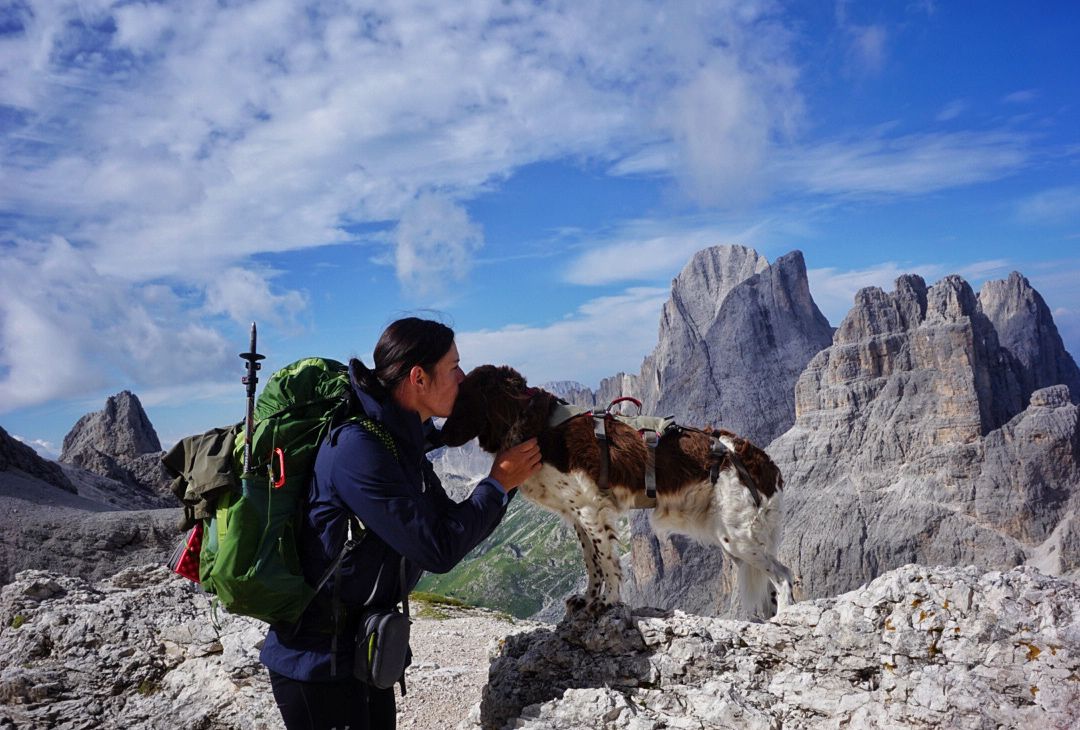
The extra-large Dolomites round – an out-of-this-world hiking adventure
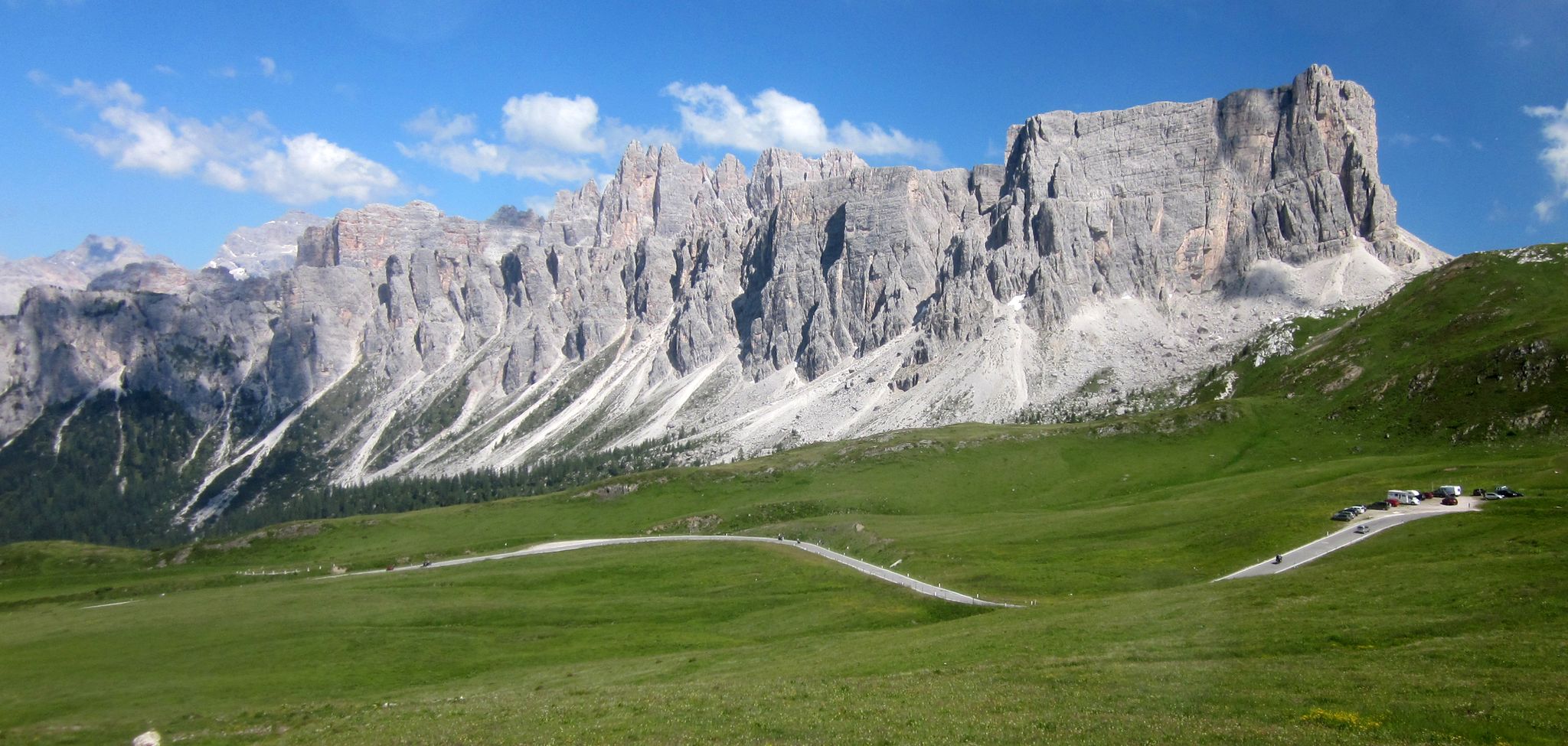
Traversing the Dolomites — the world's most beautiful mountain range
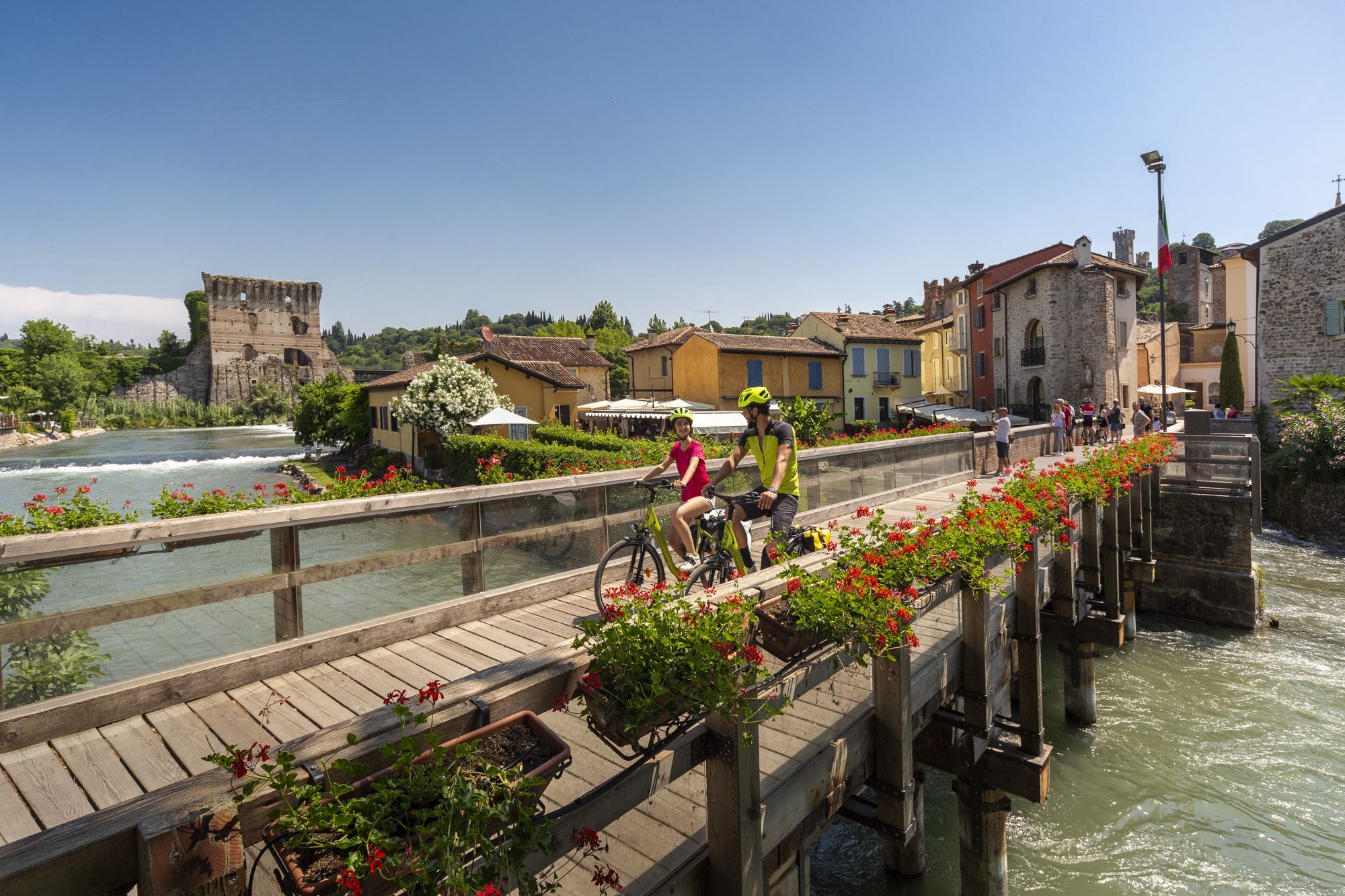
Explore Veneto at a slow pace – day trips by bike
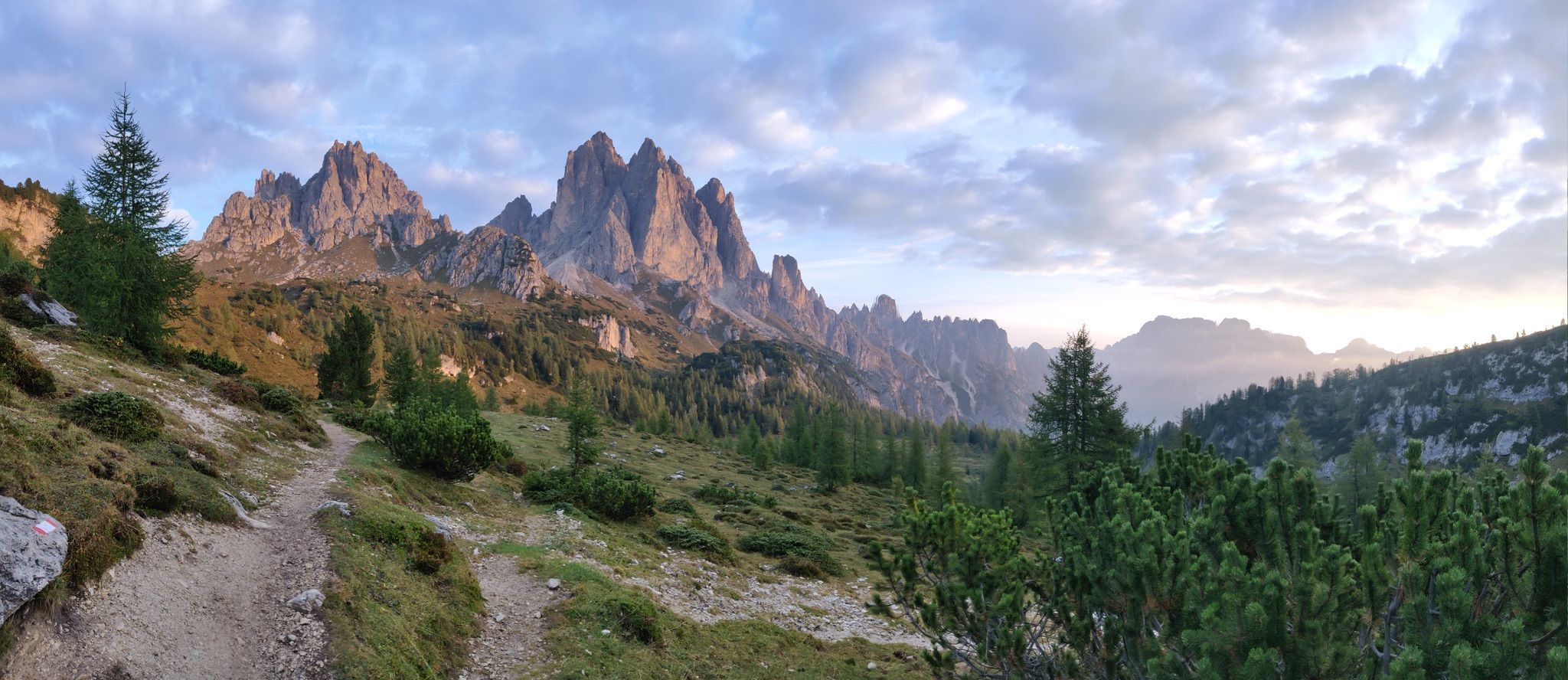
Hike majestic landscapes in the Italian Dolomites – Alta Via 4
Trail running between the peaks of the Dolomites – Lavaredo Ultra Trail
Among the peaks of the Dolomites – trail running from Cortina d'Ampezzo
Cycle and climb from the Dolomites to the Balkans
In the heart of the Dolomites – trail running from Cortina d'Ampezzo
Wild routes – a week in Italy’s Dolomites
Run through the clouds – Alta Via 1 in the Dolomites
Other adventures around Cortina D'Ampezzo


Tips from the Community

Wonderful panoramic viewpoint overlooking the Falzarego Pass.
0
0

Temporary ice cave which disappears in the late summer months
1
0

Easy to reach from Armentara, less easy to get there from the La Crusc refuge
1
0
Unusual and magical place, watch out for the rocks that continually roll down from above
2
0

Partially restored fortifications from the First World War, which make the tunnels even more tangible.
3
0

Imposing construction built by the army of the Kingdom of Italy to conquer the Austro-Hungarian lines positioned on the Lagazuoi. A mine tunnel was built to bring down the top of the mountain, but the operation failed and the huge crater can still be seen. To be covered with a minimum of attention and the right equipment
2
1

the route is provided by cables on some sections. There are a few wooden or metal steps. The route is feasible without belay equipment for people without vertigo and experienced. A helmet is definitely not a bad decision, although I didn't see any rockfall during my visit.
2
2

In early summer, the ice cave is still there. You should have seen it
0
0
Frequently Asked Questions
What unique natural cave formations can I explore near Cortina d'Ampezzo?
The region offers diverse natural cave experiences. The Snow Cave is an unusual and magical place, though caution is advised due to falling rocks. The Grotta di Tofana is notable for its spectacular ice stalagmites that form in spring, transforming the interior into a natural wonder. The Volpera Caves, formed from ancient landslides, offer a distinct geological experience.
Are there historical underground experiences available around Cortina d'Ampezzo?
Yes, the area is rich in historical tunnels from World War I. The Lagazuoi Tunnels and World War I Trenches offer extensive tunnels winding through the mountain, providing insight into wartime efforts. The Goiginger Tunnel, approximately 500 meters long, crosses the east wall of the Hexenstein and can be visited with a short hike. Additionally, the Cengia Martini World War I Outpost features partially restored fortifications, making the tunnels tangible.
What is the difficulty level for exploring caves in this region?
Difficulty varies significantly. Some historical tunnels like the Goiginger Tunnel are accessible via a short, less strenuous hike. However, exploring the Grotta di Tofana requires via ferrata equipment due to exposed passages. The Kaiserjägersteig Trail, which includes tunnels, is considered challenging. The Lagazuoi Tunnels involve many steps, so those with knee problems should be mindful.
What equipment is recommended for exploring the caves and tunnels?
For many of the historical tunnels, such as the Lagazuoi Tunnels and the Kaiserjägersteig Trail, a helmet and a headlamp are essential due to dark sections and potential rockfall. For natural caves like the Grotta di Tofana, which involves a via ferrata approach, appropriate via ferrata equipment is highly recommended.
Are there any caves accessible via an easy hike near Cortina d'Ampezzo?
Yes, the Volpera Caves are accessible via an easy hike directly from the center of Cortina, passing through Mortisa. The hike to include the caves and Lake d'Aiàl typically takes about 5 hours. While the caves themselves have climbing routes and an easy via ferrata, the approach is straightforward.
What are the seasonal considerations for visiting caves around Cortina d'Ampezzo?
The Grotta di Tofana is particularly renowned for its spectacular ice stalagmites that form during spring due to melting snow, offering a unique natural spectacle. For other caves and historical tunnels, weather conditions for the approach hike are the main consideration. Some routes might be less accessible or require specific winter gear during colder months.
Can I find caves that offer scenic viewpoints of the Dolomites?
Yes, several cave-related experiences offer stunning views. The Grotta di Landro climbing crag provides splendid views extending from Lake Landro to Monte Cristallo. Near the famous Tre Cime di Lavaredo, there are rock shelters or smaller cave-like formations that provide unique frames for viewing and photographing the iconic three peaks.
Are there caves known for climbing opportunities in the Cortina d'Ampezzo area?
Absolutely. The Grotta di Landro is primarily known as a climbing crag, featuring two large caves and slabs with a wide range of climbing routes from 4c to 8c. The Volpera Caves also have large rock walls outside them equipped with climbing routes and an easy via ferrata, catering to those interested in both caving and climbing.
What outdoor activities can I combine with visiting the caves?
The region around Cortina d'Ampezzo offers numerous outdoor activities that can be combined with cave exploration. You can find excellent Mountain Hikes, including routes like the Lagazuoi Hut loop. There are also extensive MTB Trails, such as the Cortina d'Ampezzo to Lake Dürrensee loop, and various Running Trails like the Cortina d'Ampezzo to Dobbiaco route.
What do visitors enjoy most about the caves and tunnels in Cortina d'Ampezzo?
Visitors frequently highlight the unique blend of natural beauty and historical significance. The 'historical goosebump moments' when crossing the WWI galleries are often mentioned, as is the opportunity to see partially restored fortifications. The challenging yet rewarding nature of trails like the Kaiserjägersteig Trail and the magical atmosphere of places like the Snow Cave are also highly appreciated.
Are there any caves suitable for families with children?
While specific 'family-friendly' designations are not always given, the Volpera Caves are accessible via an easy hike, which might be suitable for families looking for a less strenuous outdoor activity. However, many of the historical tunnels and natural caves involve challenging terrain, exposed passages, or require specific equipment, so parental discretion and assessment of children's abilities are crucial.
What is the origin of the Volpera Caves?
Unlike many karst caves, the Volpera Caves are primarily formed from ancient landslides rather than being of karst origin. The name 'Volpera' is believed to come from the foxes ('volpe' in Italian) that still inhabit the area, adding to their unique character.
Most popular routes around Cortina D'Ampezzo
Most popular attractions around Cortina D'Ampezzo

Get inspired with the komoot mobile app


Explore more
Extend your search for the best caves by checking out these guides of the top ones around Cortina D'Ampezzo:
