Top 8 Castles around Scorzè
Best castles around Scorzè are primarily historical fortifications, elegant Venetian villas, and significant architectural structures. The area, located in the Venetian hinterland, features buildings largely from the 16th and 17th centuries, reflecting the region's historical prosperity. These sites offer insight into the rich past of the area.
Best castles around Scorzè
- The most popular castles is Stigliano Castle, a castle that originated as a Roman fortification and was later adapted into a stately Venetian villa. Its strategic position on the border between Treviso and Padua made it a site of numerous battles.
- Another must-see spot is Bastione San Paolo, a man-made monument that is part of the city walls of Treviso. This bastion is among the best preserved defensive works in the city, erected to protect against enemy attacks.
- Visitors also love Forte Carpenedo, a historical site that is one of 12 locations designed to protect the city of Venice. The fort is well preserved and includes a small museum.
- Scorzè is known for historical fortifications, villas, and defensive structures. The region offers a variety of historical sites to see and explore.
- The castles around Scorzè are appreciated by the komoot community, with more than 120 upvotes and 40 photos shared by visitors.
Last updated: July 27, 2026
Stigliano Castle
Highlight • Castle
Over the centuries the complex passed through the hands of various owners. In 1152 to the bishop of Treviso, from 1158 the Tempesta family were vassals and in January 1220, Count Guido ceded the rights to Aldevrandino da Superno. Built in a strategic position, on the border between the territories of Treviso and Padua, it was the scene of numerous battles. Conquered definitively by the Venetians in the seventeenth century, the complex passed to the Venier family who carried out renovations.
After a long period of abandonment, recently, thanks to the renovation work by Paolo Bertan, the building has undergone further adaptations to be adapted into an accommodation facility
villeveneteforyou.com/castelli/castello-di-stigliano
Translated by Google •
Tip by

Bastione San Paolo
Highlight • Monument
Translated by Google •
Tip by

Sign up now to discover places like this
Get recommendations on the best single tracks, peaks, & plenty of other exciting outdoor places.
Sign up for free
Castello on the Sile, Treviso
Highlight • Castle
Translated by Google •
Tip by

Forte Carpenedo
Highlight • Historical Site
Translated by Google •
Tip by

Tempesta Fortress, Noale
Highlight • Castle
Constructed in the 12th century, the Rocca bears witness to the ebb and flow of centuries, embodying the resilience of bygone eras. Its imposing towers and sturdy walls served both as a noble residence and a defensive stronghold, playing a vital role in the intricate dance of power and politics.
Tip by

Sign up for free to discover even more castles around Scorzè.
Sign up for free
Already have an account?
Start today with a free account
Your next adventure awaits.
Login or Signup

Tips from the Community

La Rocca dei Tempesta is the monumental heart of Noale and one of the most fascinating medieval defensive structures in the Veneto region. Built in the 12th century at the behest of the Tempesta family, the fortress stood on a strategic area, protected by an ingenious system of moats fed by the waters of the Marzenego river. The imposing brick structure, of which today the majestic perimeter walls and corner towers remain, preserves the intact charm of a lowland castle. Although the interior is now a suggestive green meadow used for historical re-enactments such as the Palio, the remains still allow us to read the original layout of the noble residence. The Rocca represents a symbol of power and resistance, offering a unique setting where nature intertwines harmoniously with ancient medieval vestiges.
0
0
Il Bastione San Paolo constitutes a fundamental part of Treviso's 16th-century city walls, located in the north-eastern sector of the city. Designed as part of the defensive enhancement desired by the Serenissima, it presents itself as a massive earth and brick structure, engineered to withstand the modern artillery systems of the time. Currently, the area has lost its military function to become one of the most evocative green areas in the historic center. Its tree-lined avenues offer an elevated panoramic walk overlooking the canals below, once defensive moats. It is a perfect example of urban regeneration, where Renaissance engineering blends with the tranquility of the city's river landscape.
0
0
Although commonly called the "Castle" for its imposing appearance and dominant position over the Sile river, it was actually built as an ancient medieval hospital. Overlooking the Riviera Garibaldi, this historic building has been masterfully restored to house university campuses. Its red brick architecture, which is directly mirrored in the waters of the river, creates one of the most iconic views of the city. Today, it is no longer a defensive fortress, but a center of culture where the monumental structure blends with the liveliness of students, maintaining that solemn charm that makes it a visual reference point for anyone walking along the banks of the Sile in the historic center.
2
0

The medieval fortress of Stigliano was first mentioned in 1152 as a feudal property of the Bishop of Treviso. However, its origins may date back to Roman times due to its location in the "graticolato" area. In 1158, it was entrusted to the Tempesta family of Noale and then to the Teutonic Knight Aldobrandino da Superno. Built in a strategic position, alongside the Muson dei Sassi stream, it marked the border between the territories of Padua and Treviso. Therefore, it was the scene of numerous brutal battles until the end of the fourteenth century. It was here, however, that the disputes between the Carraresi and the Serenissima Republic of Venice began. It was the Venetians who finally conquered it in 1520, when it was sold to the Priuli family, who transformed it into a typical Venetian villa of the time. The entire complex then became the property of the Venier family, who further renovated it. Today, only the northeast corner tower remains of the original castle.
1
0


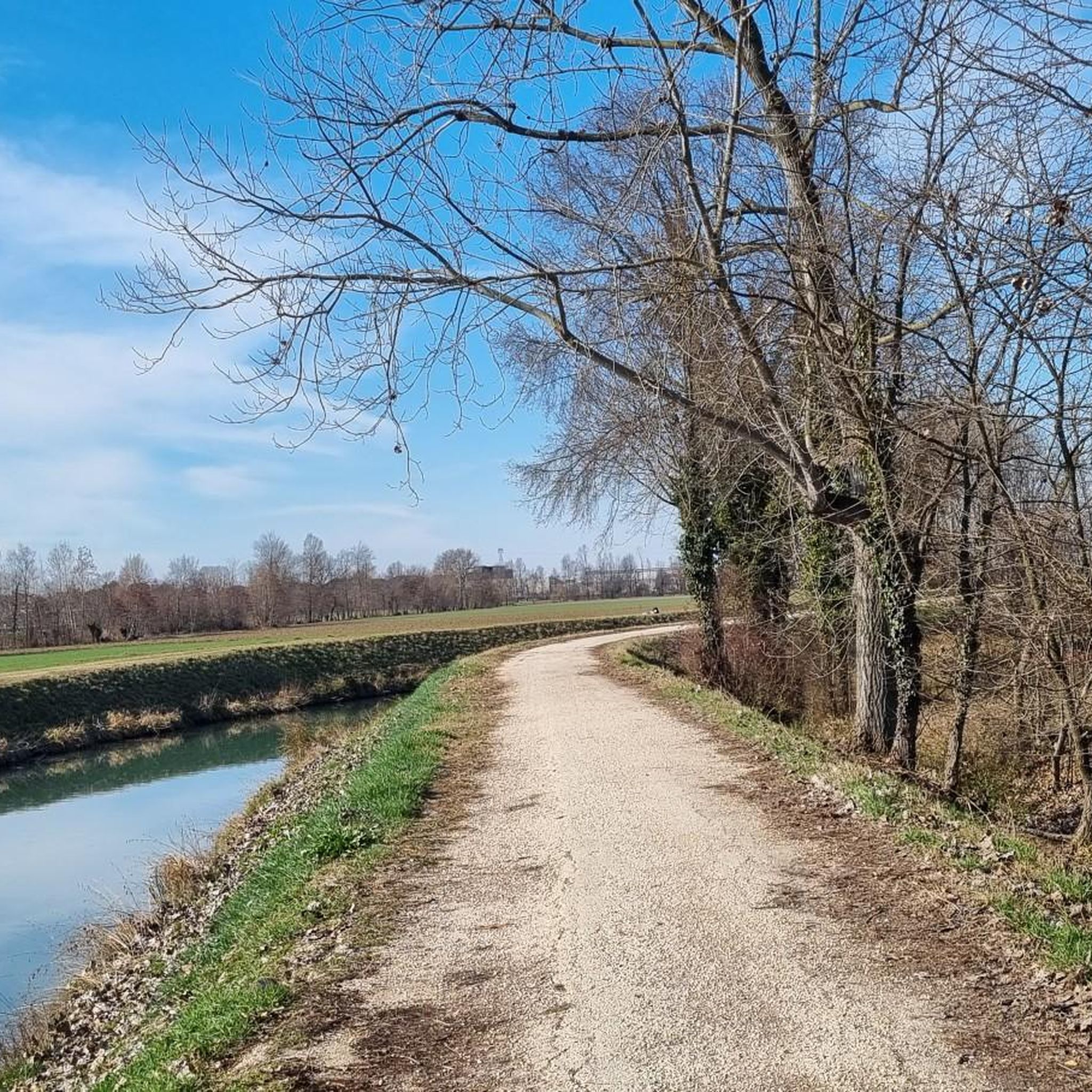
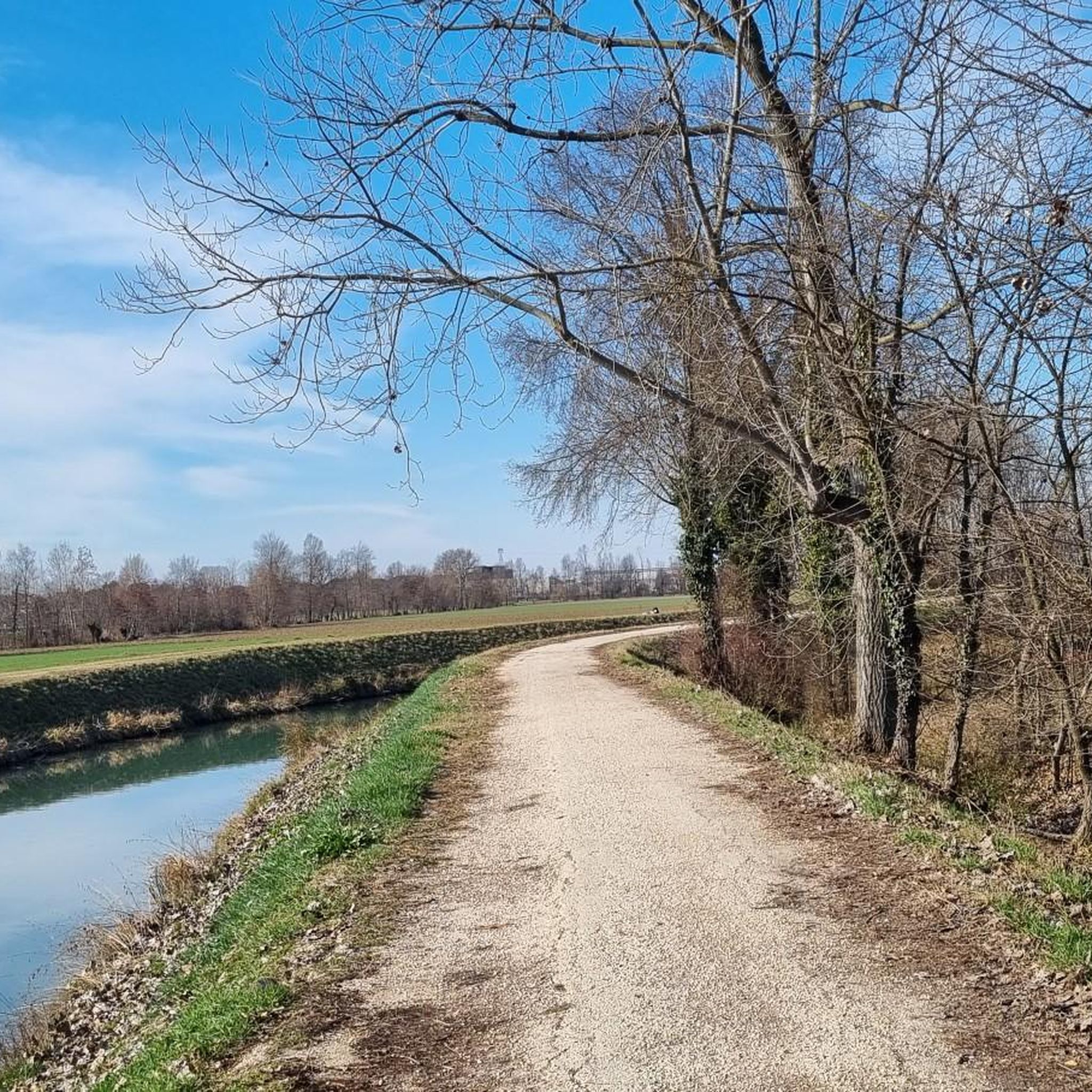
The cycle path directly along the Sile towards Mestre is a lovely place to ride. The scenery is beautiful.
1
0
Treviso is a beautiful city and definitely worth a visit.
7
0

moon of the most beautiful towns in the region
9
0
Frequently Asked Questions
What kind of 'castles' can I expect to find around Scorzè?
While Scorzè doesn't feature traditional medieval castles, the region is rich in historical architecture, including elegant Venetian villas, fortifications, and significant historical buildings. These structures, largely from the 16th and 17th centuries, showcase the area's prosperity under the Republic of Venice. Examples include stately villas adapted from older fortifications, and defensive structures like bastions and forts.
Are there any historical villas worth visiting in Scorzè itself?
Yes, Scorzè is home to several notable historical villas. These include Villa Soranzo Conestabile, known for its 16th-century architecture and frescoes; Villa Dolfin – De Ferrari, an elegant 17th-century building with valuable frescoes and stucco work; and Villa Orsini (now Villa Orsinioggi), which functions as an arts center. Other significant villas are Villa Tombacco and Villa Barbiero.
Which historical fortifications are recommended to visit near Scorzè?
You can explore several historical fortifications. Stigliano Castle, originally a Roman fortification, was later adapted into a stately Venetian villa and played a strategic role in numerous battles. Bastione San Paolo is a well-preserved part of Treviso's city walls, built for defense. Forte Carpenedo is one of 12 forts designed to protect Venice and includes a small museum. Additionally, Forte Marghera is a large 19th-century fortress that now serves as a public park and cultural venue.
Are there any castles or historical sites suitable for families with children?
Many of the historical sites and fortifications around Scorzè are family-friendly. For instance, Stigliano Castle, Bastione San Paolo, Forte Carpenedo, and Forte Marghera are all listed as family-friendly. Forte Marghera, in particular, is a public park with cultural events and commercial activities, making it a good option for a family day out.
What outdoor activities can I do near these historical sites?
The area around Scorzè offers various outdoor activities. You can find numerous routes for gravel biking, road cycling, and mountain biking. For example, you can explore routes like the 'Tergola River – Park of Thoughts loop' for gravel biking, the 'Treviso–Ostiglia Cycle Path' for road cycling, or the 'Cyclopedestrian Bridge over the Muson loop' for mountain biking. You can find more details on these routes in the Gravel biking around Scorzè, Road Cycling Routes around Scorzè, and MTB Trails around Scorzè guides.
Are there any historical sites in Scorzè that are not villas or fortifications?
Yes, beyond villas and fortifications, Scorzè also features other significant historical buildings. The Chiesa di San Benedetto, built between 1761 and 1767, is an important religious and architectural landmark designed by Giorgio Massari, featuring impressive artworks and a tall bell tower. Palazzo Zardo, once the winter home of the Soranzo family, also served as the seat of Scorzè Town Hall.
What is the best season to visit the historical sites around Scorzè?
The Venetian hinterland, where Scorzè is located, generally enjoys pleasant weather in spring (April-May) and autumn (September-October), making these ideal times for exploring historical sites. The temperatures are mild, and the natural scenery is beautiful. Summer can be warm, but still suitable for visits, especially if you plan activities for cooler parts of the day. Winter visits are possible, but some sites might have reduced hours.
Can I visit Castello Romano, and what is its history?
Castello Romano in Treviso is a unique structure built between the late 19th and early 20th centuries by the Romano family, not a medieval castle. It was designed by Fortunato Romano with his imagination. While it offers an exclusive view of the city, it is not generally open to the public as it remains a private residence of the Romano family. It features early 20th-century furnishings, frescoes by Molossi, and statues by Feltrin.
What do visitors particularly enjoy about the historical sites near Scorzè?
Visitors appreciate the rich history and architectural beauty of the sites. For example, Forte Carpenedo is noted for being well-preserved and fully open to visitors, often with a bar nearby. Forte Marghera is loved for its transformation into a public park and cultural hub, offering art exhibitions, refreshment breaks, and a chance to relax by the lagoon.
Are there any sites that offer panoramic views?
While not explicitly described as panoramic viewpoints, defensive structures like Bastione San Paolo, part of the city walls of Treviso, would have been strategically placed to offer views over the surrounding area. Similarly, Castello Romano is described as an 'exclusive balcony overlooking the city,' suggesting excellent views, though it's not publicly accessible.
How can I learn more about the art and architecture of these historical buildings?
Many of the Venetian villas and historical buildings in the Scorzè area are renowned for their artistic elements. Villa Soranzo Conestabile features frescoes from the Art School of Verona, and Villa Dolfin – De Ferrari preserves important frescoes, stucco work, and a valuable altar by Lazzarini. Villa Orsini (now Villa Orsinioggi) serves as an arts center, hosting exhibitions. The Chiesa di San Benedetto also houses a rich series of artworks. Visiting these sites allows for direct appreciation of their architectural and artistic heritage.
Most popular attractions around Scorzè

Get inspired with the komoot mobile app


Explore more
Looking for the best castles somewhere else? Discover other guides around Scorzè:
