The best walks and hikes around Scorzè
4.3
(341)
2,856
hikers
25
hikes
Hiking around Scorzè offers access to diverse ecosystems, primarily centered around the Parco Naturale Regionale del Fiume Sile. This region is characterized by its flat, spring-water landscapes where waterways like the Dese and Sile rivers originate from natural springs, creating a unique riverine environment with clear waters and "fontanassi" springs. The terrain features green forests, expansive meadows, and wetlands, with minimal elevation changes. Elevated banks, known as "Restere," provide structured pathways for exploration.
Best hiking trails around Scorzè
- The most…
Last updated: July 22, 2026
3.6
(8)
90
hikers
10.9km
02:45
20m
20m
Moderate hike. Good fitness required. Easily-accessible paths. Suitable for all skill levels.
4.3
(4)
74
hikers
7.78km
01:58
10m
10m
Easy hike. Great for any fitness level. Easily-accessible paths. Suitable for all skill levels.

Sign up for free
4.0
(1)
12
hikers
9.01km
02:16
10m
10m
Moderate hike. Good fitness required. Easily-accessible paths. Suitable for all skill levels.
4.0
(2)
15
hikers
11.4km
02:52
20m
20m
Moderate hike. Good fitness required. Easily-accessible paths. Suitable for all skill levels.
2.0
(1)
9
hikers
4.60km
01:10
10m
10m
Easy hike. Great for any fitness level. Easily-accessible paths. Suitable for all skill levels.
Get access to more routes and recommendations from other explorers.
Sign up for free
Already have an account?
Our route recommendations are based on thousands of hikes, rides, and runs completed by other people on komoot.
Start today with a free account
Your next adventure awaits.
Login or Signup

Tips from the Community

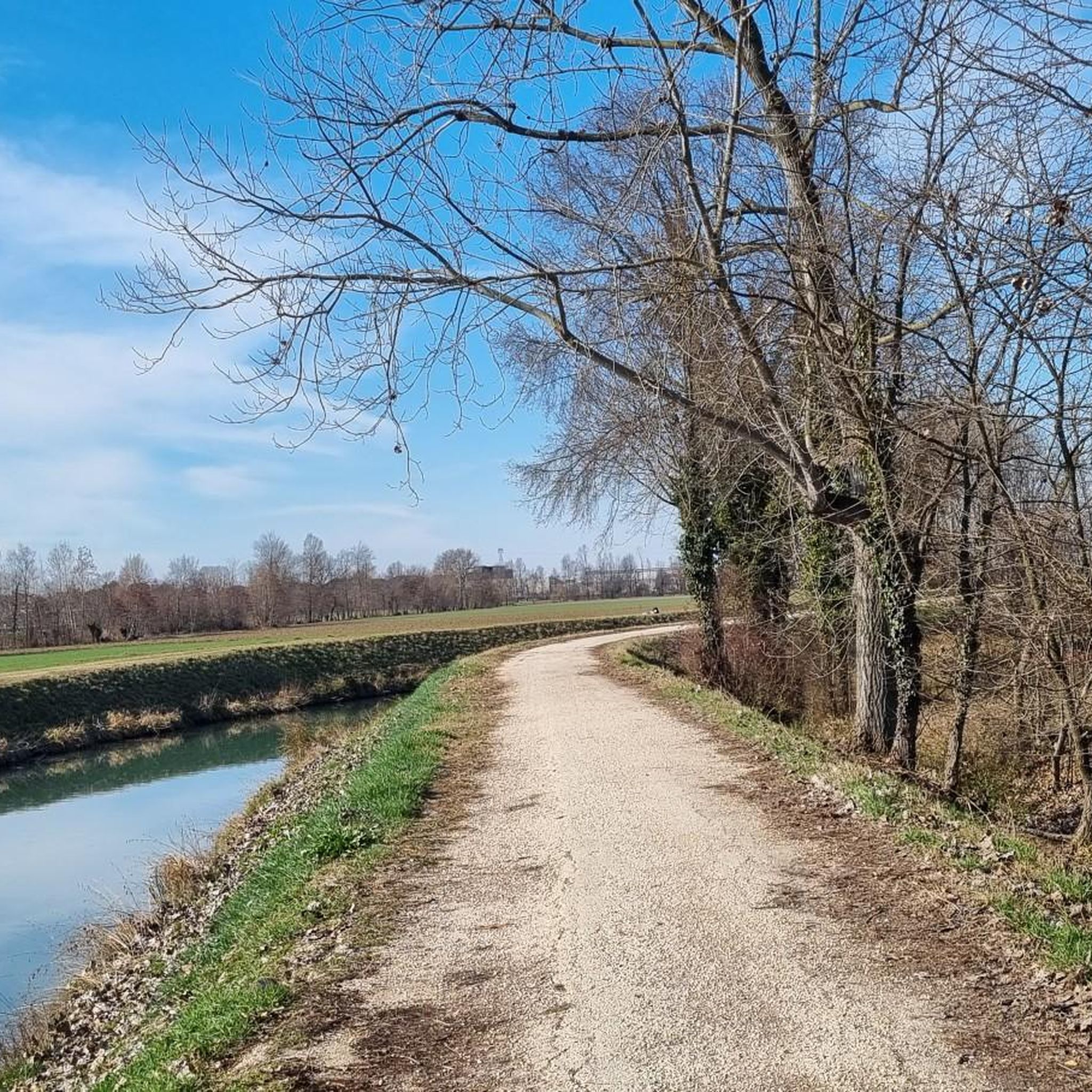
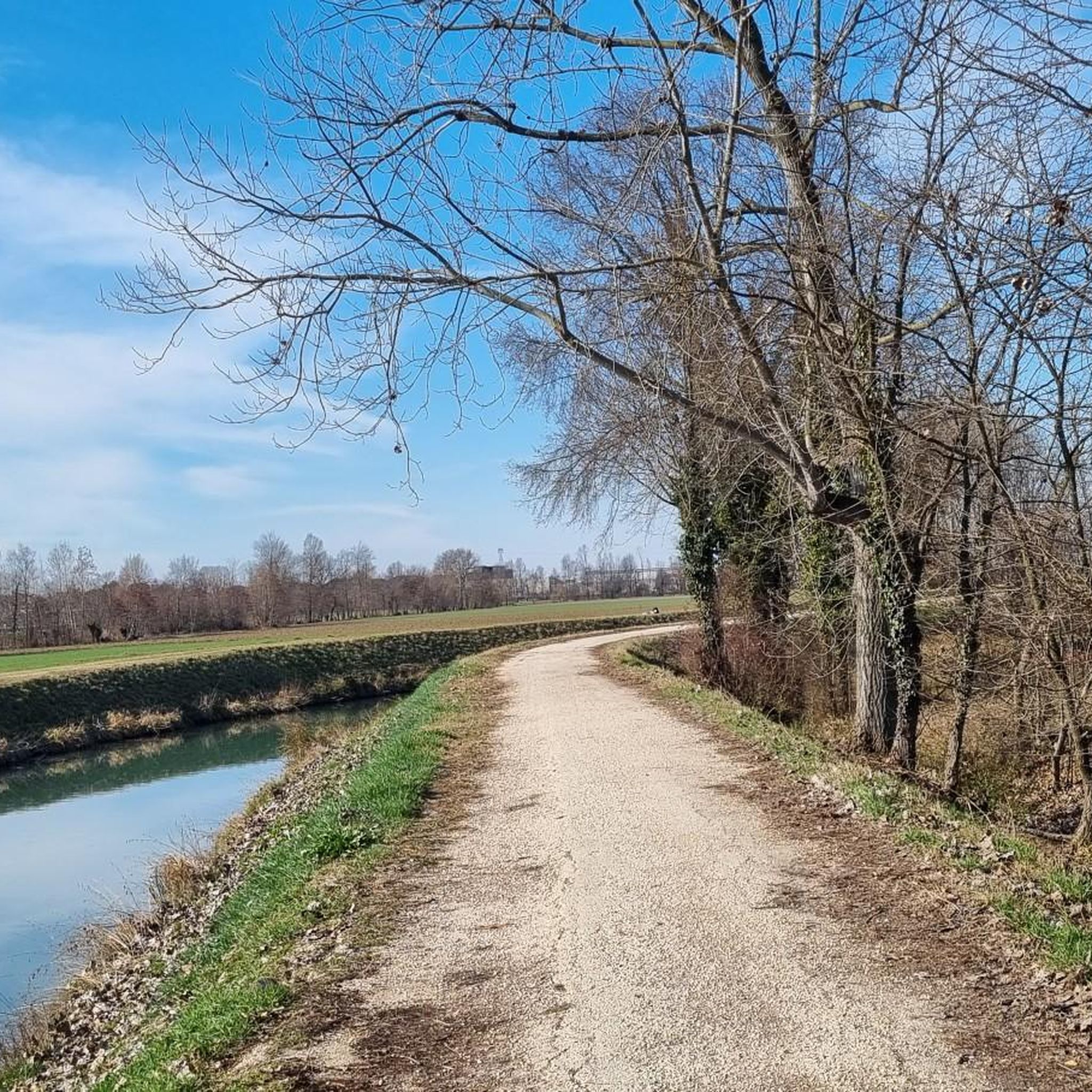
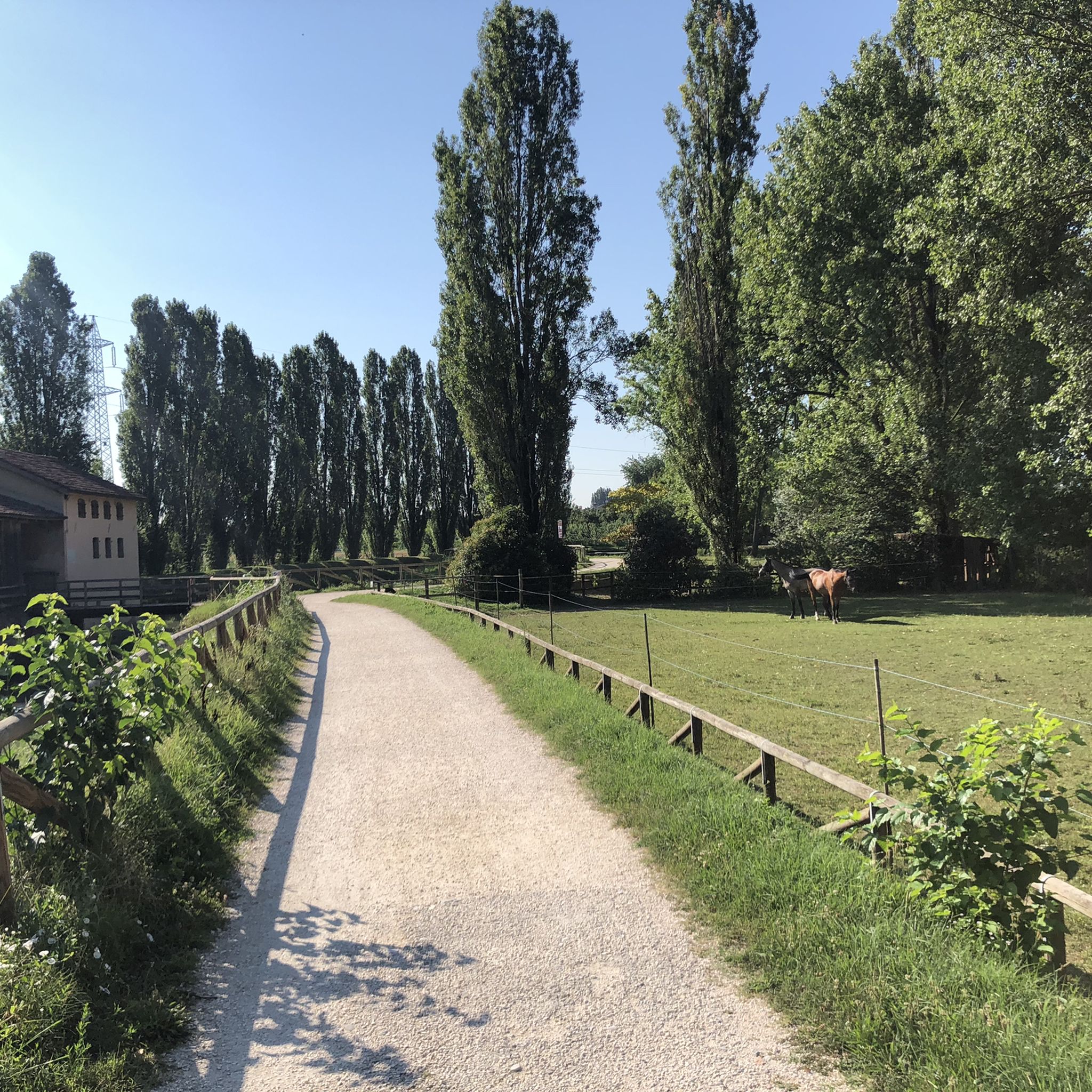
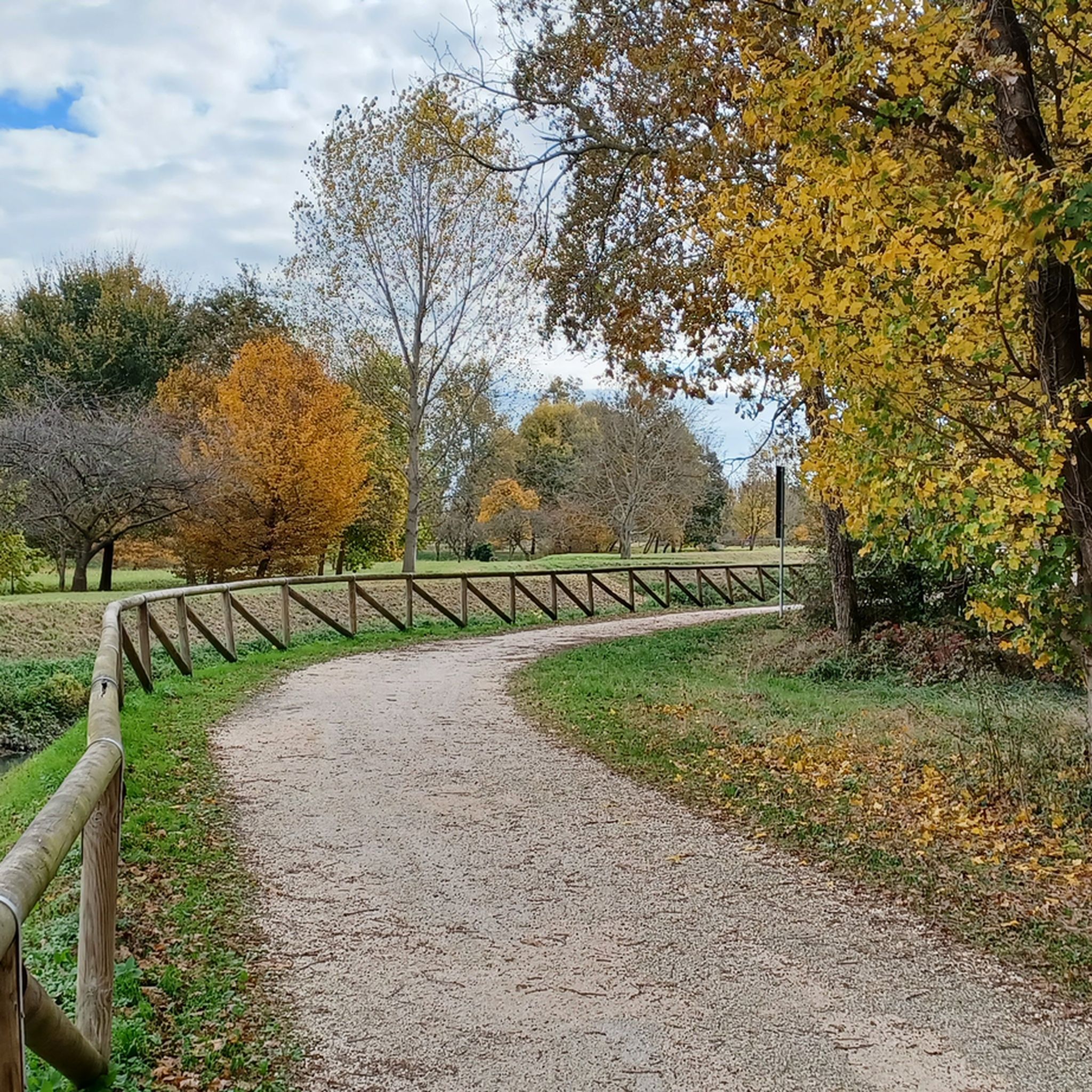
Mulino Michieletto (formerly Pamio), the “middle mill”, the smallest of the Scorzè mills. Of sixteenth-century origin, it passed through various owners and was managed by the millers of the Pamio family who took care of its operation and productive activity. Today it is a private property with horse breeding; in addition to the two barns (haylofts) for sheltering vehicles, the two entry holes for the spindles (pins) have been preserved on the south wall. From here, without a doubt, begins the most interesting area from a landscape point of view of the Quattro Mulini Cycle-Pedestrian Path. Leaving the urban area, you immerse yourself completely in the countryside. The path, bordered by a wooden fence, follows the sinuous course of the river and its many bends up to the Mulino Todori, between the localities of Contea and Canove.
1
0
Mulino Bonotto (formerly Soranzo), a property now completely redeveloped and converted into an accommodation facility (Hotel Antico Mulino). Dating back to the 16th century, it belonged to the noble Soranzo family until the end of the 19th century. In 1920, it passed to the historic Bonotto family of millers, originally from Biadene, who carried on the business until its closure. It consisted of two paddle wheels that powered as many grinding stones for cereals and grains.
1
0
The Cosma Mill (formerly Pavanetto) is one of the four currently present in the municipal area, silent witnesses of a time when water was a precious resource and marked daily life. Dating back to the 15th century, as per a document that sets its construction date to 1470, and belonging to the noble families Donà, Contarini, and Zen, it remained active until 1995. It marks the initial/final stage of the Four Mills cycle path completed in 2019.
1
0
The Il Mulino Todori (formerly Pamio) stands between the localities of Contea and Canove. The existence of a mill in this area has been known since 1455. Run by as many as three families, all belonging to the Todori branch of the Pamio family, it had three millstones: for maize, for wheat, and for the waste of corn and cobs. The mill was subsequently rebuilt by the noble Soranzo family, who created the adjoining manor house with the architectural characteristics typical of Venetian villas, of which the central trifora can still be identified. The milling activity definitively ceased in the early 1960s. The mill, today privately owned, is located within the Oasi Todori, a municipal green area inaugurated in 201. Characterized by high biodiversity, it currently occupies an area of 2.5 hectares as a refuge and protection area for various species of flora and fauna, including woodpecker, swallow, robin, blackbird, sparrow, finch, water rail. Among the tree species are field maple, hornbeam, poplar, willow, elder, and dogwood.
1
0

Located in Scorzè, along the banks of the Dese river, the Mulino Michieletto represents one of the most fascinating testimonies of Venetian hydraulic civilization. An integral part of the charming Percorso dei Quattro Mulini, this historic structure evokes a past when the local economy revolved around the power of water. Although no longer operational, the building retains its architectural charm intact, with visible signs of the ancient water wheels that once ground the area's cereals. Immersed in a valuable natural setting, a short distance from the Oasi Todori, the mill is today a privileged destination for those who enjoy cycle touring or slow walks, offering an authentic and silent glimpse into the symbiosis between man and the riverine territory.
1
0
Il Mulino Cosma, in Martellago, is a symbol of the milling evolution along the Dese. Founded in the 19th century, it distinguishes itself from neighboring mills by transforming tradition into a cutting-edge industrial activity, specializing in flour and animal feed. Located within the river park, it represents a perfect blend of productive archaeology and natural landscape. It is a fundamental stop for those exploring the cycle-pedestrian routes to discover Venetian roots.
2
0
Il Mulino Todari, located in Scorzè along the Dese river, is a striking example of industrial archaeology and Venetian rural history. Dating back to the 16th century, it testifies to the importance of cereal grinding for the past local economy. Today, nestled in a protected natural area, the site is a beloved destination for walks and cycle tourism. Its well-preserved structure evokes the ancestral bond between man and water, fitting perfectly into the landscape of the "Mulini del Dese".
1
0

Frequently Asked Questions
How many hiking trails are available around Scorzè?
Scorzè offers a good variety of hiking opportunities, with over 20 trails available. These routes cater to different preferences, ranging from easy strolls to more moderate excursions through the region's unique landscapes.
What is the general difficulty level of hiking trails in Scorzè?
The hiking trails around Scorzè are predominantly easy to moderate. You'll find 10 easy routes and 13 moderate routes, making the area accessible for a wide range of fitness levels. There are no difficult trails listed, ensuring a relaxed outdoor experience.
What do other hikers say about the trails in Scorzè?
The hiking routes in Scorzè are highly regarded by the komoot community, with an average rating of 4.4 stars from over 300 reviews. More than 2,700 hikers have explored the area, often praising the gentle, flat terrain and the serene riverine environments.
Are there easy or beginner-friendly hiking options in Scorzè?
Yes, Scorzè is an excellent destination for easy and beginner-friendly hikes. The terrain is predominantly flat with minimal elevation changes, especially within the Parco Naturale Regionale del Fiume Sile. An example is the Todari Mill loop from Scorzè, an easy 5.2 km trail.
Can I find circular hiking routes in Scorzè?
Many of the hiking routes in Scorzè are designed as loops, offering convenient circular walks. For instance, the Mulino Bonotto – Cosma Mill loop from Scorzè is an easy 6.4 km option, allowing you to start and end at the same point.
Are the hiking trails around Scorzè suitable for families with children?
Absolutely. The predominantly flat terrain and minimal elevation changes make many trails around Scorzè very suitable for families with children. The accessible paths within the Parco Naturale Regionale del Fiume Sile, with its green forests and meadows, provide a pleasant environment for family outings.
Are there dog-friendly hiking trails in Scorzè?
While specific regulations for dogs may vary, the natural and open character of the trails around Scorzè, particularly within the Parco Naturale Regionale del Fiume Sile, generally makes them suitable for walks with dogs, provided they are kept on a leash and owners follow local etiquette.
What kind of landscapes can I expect to see while hiking in Scorzè?
Hiking in Scorzè offers diverse landscapes centered around the Parco Naturale Regionale del Fiume Sile. You'll encounter unique riverine environments with clear waters and 'fontanassi' springs, green forests, expansive meadows, and wetlands. Elevated banks known as 'Restere' also provide structured pathways.
Are there any interesting natural attractions or landmarks to see along the trails?
Yes, the area around Scorzè is rich in natural and historical points of interest. You can explore highlights such as the Gran Bosco Fontanassi, the Mulino Cervara Nature Oasis, and the Motta del Buffetto Bronze Age Mound. Many routes also pass by historical mills, adding a cultural dimension to your hike.
Can I explore historical sites or mills on the hiking routes?
Yes, several routes in Scorzè connect historical mill sites. For example, the Todari Mill – Cosma Mill loop from Cappella is a moderate 10.9 km trail that links these historical landmarks within the riverine landscape. The region also features areas with historical boat wrecks, like the Cimitero dei Burci.
What is the best time of year for hiking in Scorzè?
Given the region's mild climate and predominantly flat terrain, hiking in Scorzè is enjoyable for much of the year. Spring and autumn offer pleasant temperatures and vibrant scenery, while summer can also be suitable, especially for early morning or late afternoon walks to avoid the midday heat.
Are there opportunities for wildlife spotting while hiking?
The diverse ecosystems of the Parco Naturale Regionale del Fiume Sile, with its wetlands, forests, and riverine habitats, provide excellent opportunities for birdwatching and observing local wildlife. Keep an eye out for various bird species and other small animals that thrive in this protected natural environment.
Is there parking available near the hiking trailheads in Scorzè?
While specific parking details for every trailhead are not provided, Scorzè is a well-established area with local amenities. It is generally possible to find parking in or near the towns and villages that serve as starting points for the various hiking routes, such as Scorzè itself or Cappella.
Most popular attractions around Scorzè

Get inspired with the komoot mobile app


Explore more
Browse the best Hikes in other regions.
