Top 15 Castles around Avigliano Umbro
Best castles around Avigliano Umbro are found within this medieval hamlet nestled in Umbria, Italy. The region features several notable castles and fortified structures, offering a glimpse into its rich history. Many of these structures are integrated into historic villages, often overlooking the Tiber valley or surrounded by ancient woods. The area combines medieval architecture with natural landscapes, including significant paleontological sites.
Best castles around Avigliano Umbro
- The most popular castles is Historic Village of Montecchio, a settlement with…
Last updated: October 3, 2026
Historic Village of Montecchio
Highlight • Settlement
Translated by Google •
Tip by

Acqualoreto Historic Village
Highlight • Historical Site
Translated by Google •
Tip by
Sign up now to discover places like this
Get recommendations on the best single tracks, peaks, & plenty of other exciting outdoor places.
Castle and Village of Izzalini
Highlight • Castle
Translated by Google •
Tip by
Melezzole Village
Highlight • Settlement
Translated by Google •
Tip by
Castello di Moruzze
Highlight • Castle
Translated by Google •
Tip by

Sign up for free to discover even more castles around Avigliano Umbro.
Already have an account?
Start today with a free account
Your next adventure awaits.
Tips from the Community

Book Crossing along the Silent Villages trail
0
0

It is said that the ancient fortress took its current name from some followers of the Ghibelline tyrant Ezzelino da Romano (1194-1259) Ghibelline, the living Satan, mayor of Verona, son-in-law of Frederick II (in 1238 he married his daughter Selvaggia), who, having driven out the Guelphs, took possession of it, fortifying with walls and towers that locality with about 160 souls which before then was called villa and had the new name of Izzalini. https://www.iluoghidelsilenzio.it/castello-di-izzalini-todi-pg/
0
0

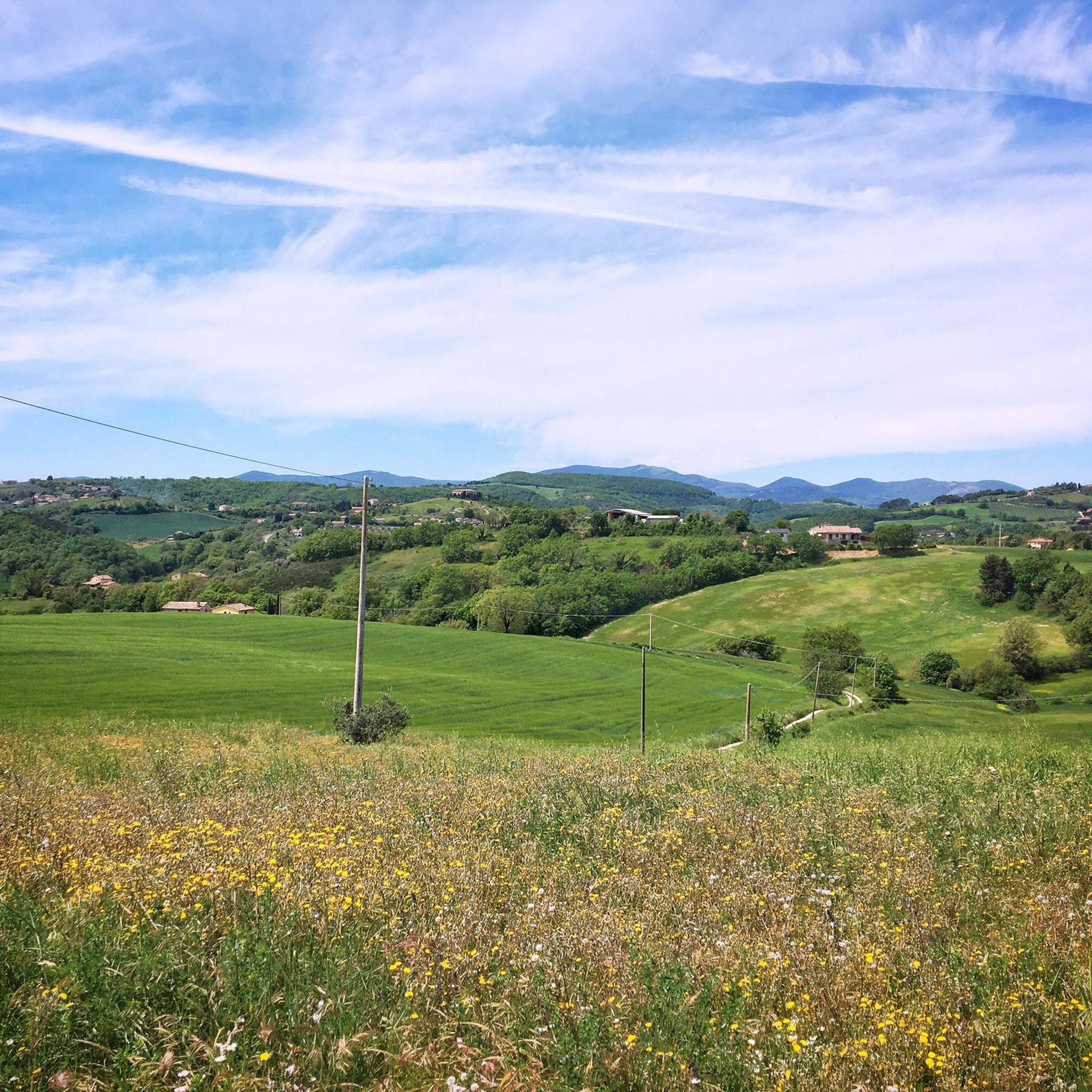
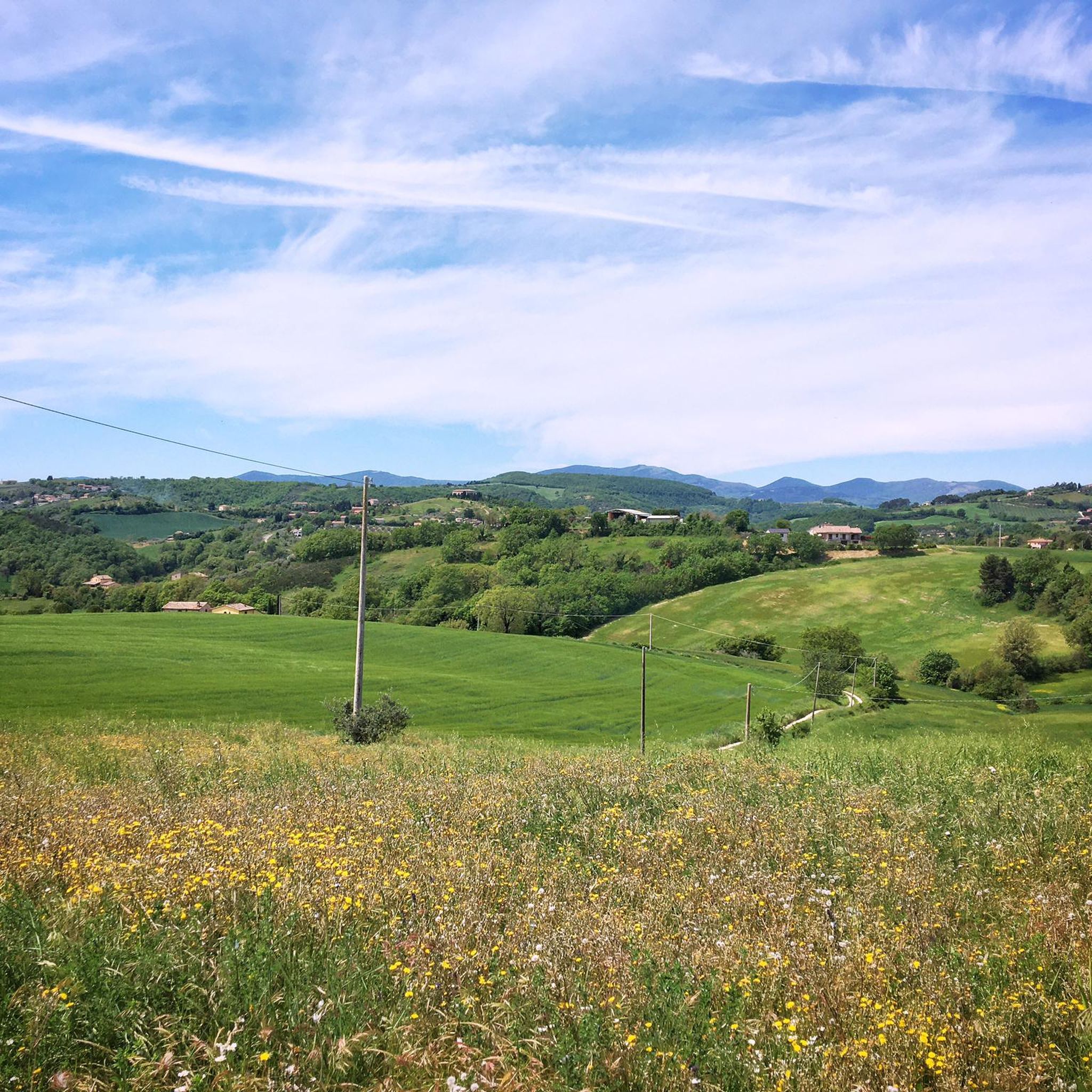
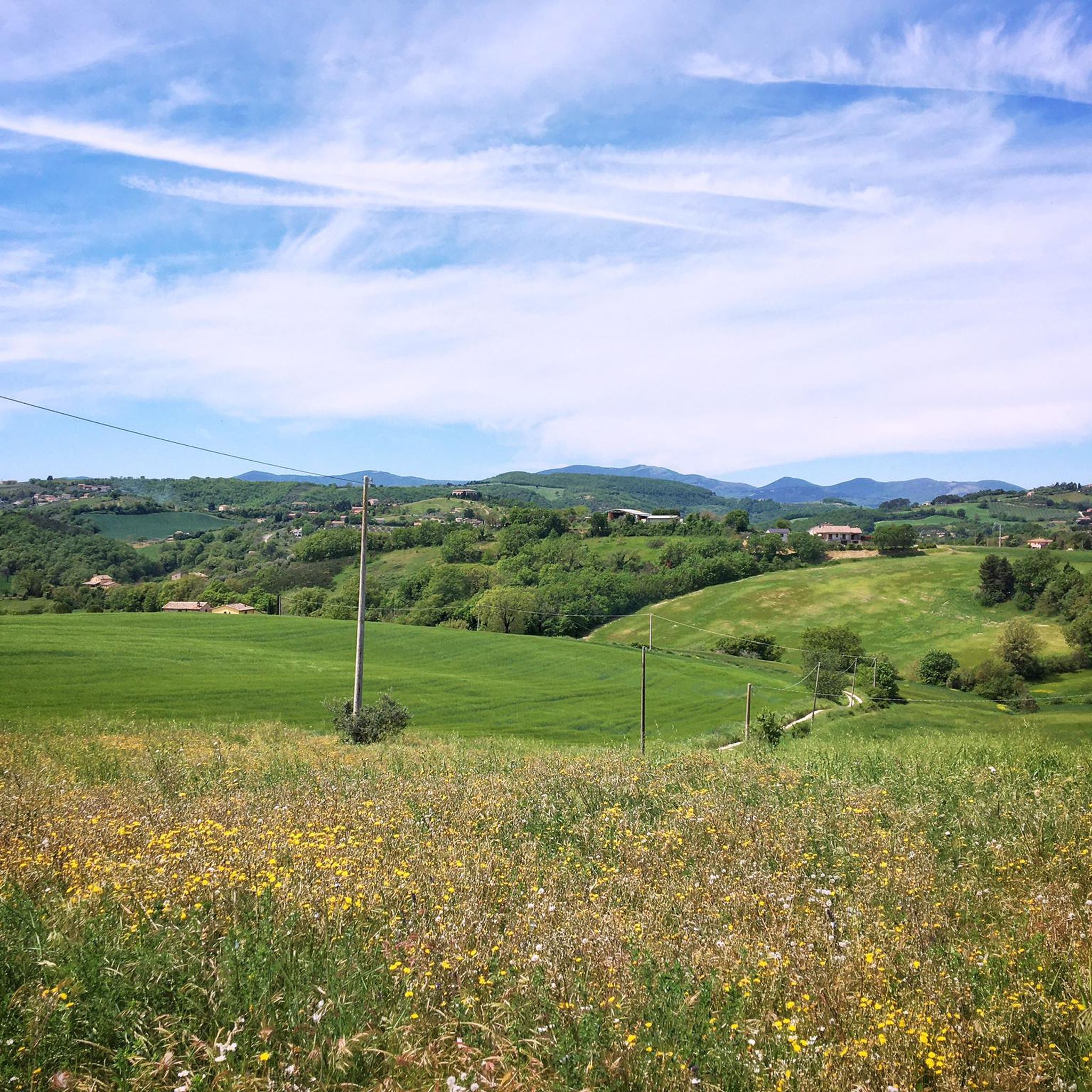
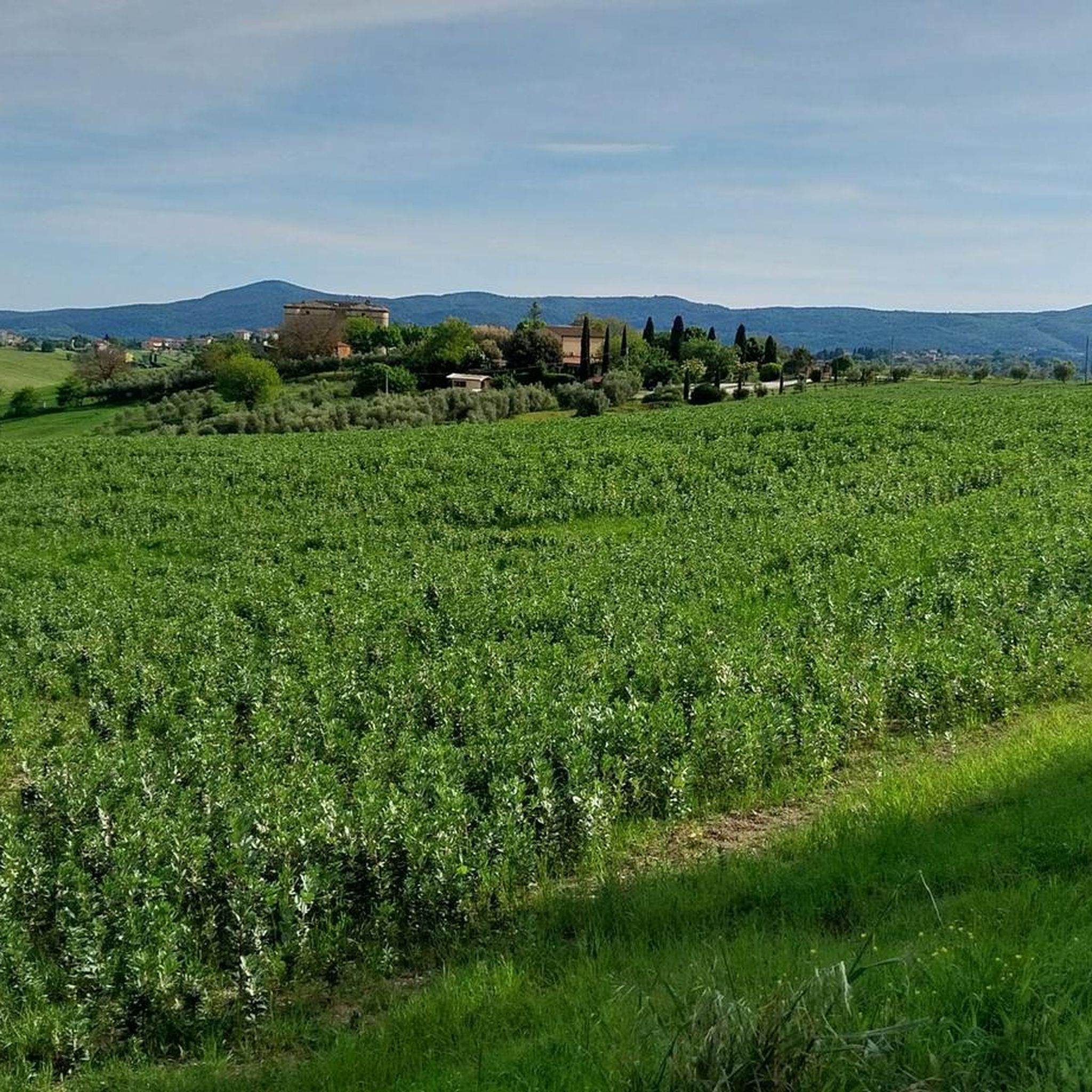
ocated on a hill overlooking the Tiber valley, Montecchio preserves the charm of the Middle Ages intact with its alleys, squares, the light tones of the stone and the mighty walls with defense towers. With a vaguely elliptical shape, the village is one of the best preserved in the valley. Soft hills of olive trees draw its territory. Dense woods make the landscape vivid and lush in the summer, while autumn paints the Mediterranean scrub in orange and red.
0
0
It owes its name to the abundance of waters that were in the area and to the numerous laurel trees that were found in the dense woods. The castle was born in the 10th century. as a fief of the Trinci di Todi family. After 1810 it became part of the Podesta office of Baschi. In the current entrance to the town, once the chapel of S. Valentino, frescoes from the 1400s are visible, which although they have been almost completely lost, still testify to their ancient and mystical beauty. In its territory there is the "Romitorio della Pasquarella" with the altar dedicated to the coming of the Magi and therefore to the epiphany.
0
0
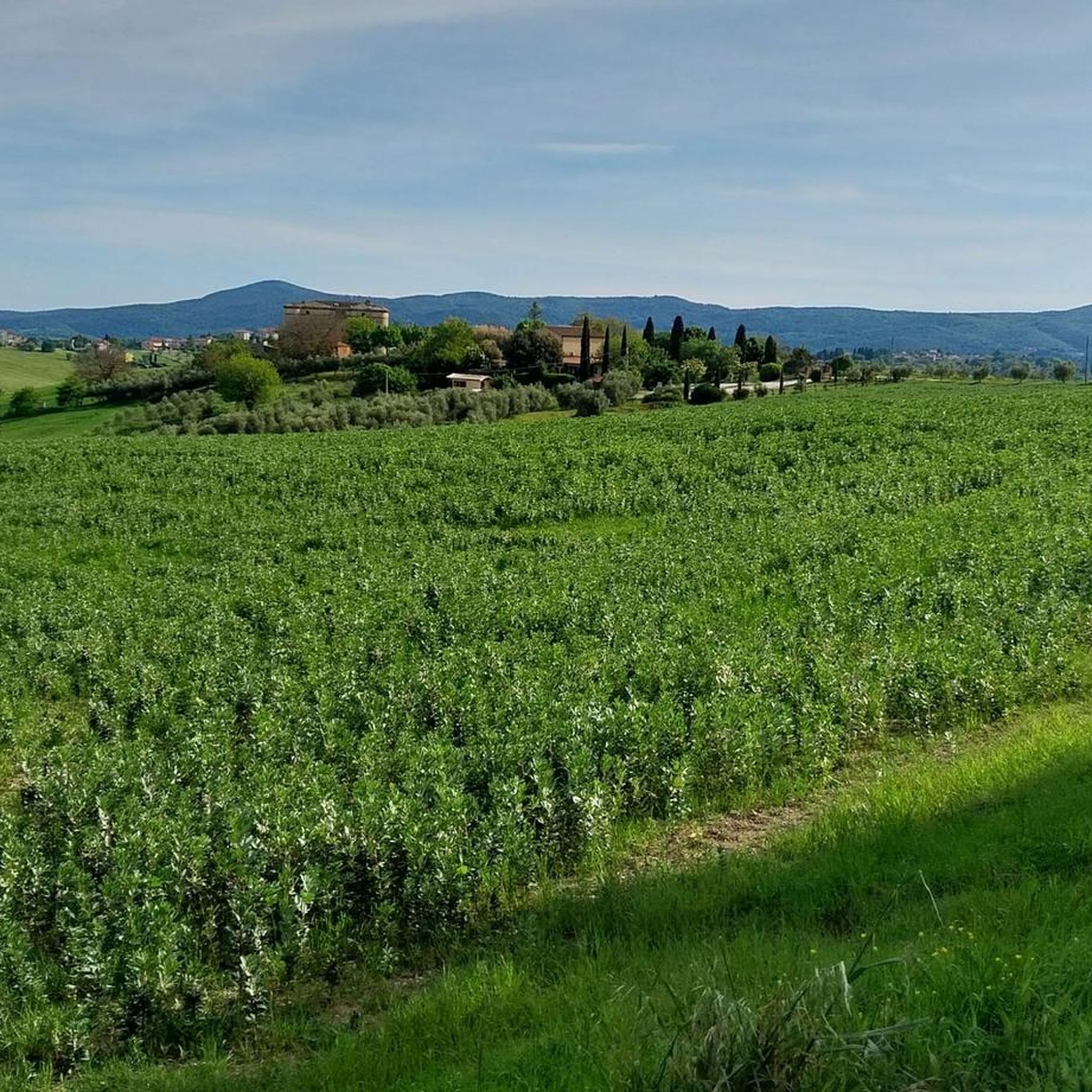
Villa built between 1147 and 1149. The proud and proud inhabitants called "Morruzzesi" badly tolerated the corvèes that the city of Todi on which they depended asked them. At the end of the fifteenth century. Altobello Chiaravalle committed violence and robbery, followed by soldiers of Charles VIII with the complacency of their partisan Atti Tuderti. In the seventeenth century. it became the property of the Paparini family, who enlarged the palace and founded the Oratory of S. Ambrogio. To visit the church of S. Giovanni with its baptismal font from 1500. Do not miss the immense view up to the Consolation of Todi which can be enjoyed from the town square.
0
1
Melezzole is a fraction of the municipality of Montecchio (TR), located on the Amerini mountains on the border with the Tuderte. It is located at a height of 611 m a.s.l.
0
0

The village of Montecchio has medieval origins. Built around the twelfth century. on Roman pre-existences, by the Chiaravalle di Todi family, it served as a fortified castle with two circles of walls, controlling the underlying Tiber valley. It is one of the best preserved medieval villages in the area and is today a lively town with various activities. It was ruled by several noble families, after the Chiaravalle, the Alviano, the Baschi and the Colonna, and then passed under the Acts.
0
0
The Borgo di Izzalini Castle has this name because the ancient fortress on which it was built was occupied by some followers of the Ghibelline Ezzelino da Romano, remembered as the Living Satan, who was Podestà of Verona and son-in-law of Federico II having married his daughter in 1238 Wild. The Castle overlooks a square square with its tower with bell tower and clock, but the door of the village is located in the back. A crack that allows the passage of a person is present in the facade of the tower and leads into the street inside the village. A particularity that is often overlooked. Inside there is a fountain with fresh water.
0
0
Frequently Asked Questions
What historical significance do the castles around Avigliano Umbro hold?
The castles and fortified villages in the Avigliano Umbro region are deeply rooted in medieval history, often serving as defensive strongholds during conflicts between powerful cities like Todi and Amelia. Many, like the Historic Village of Montecchio, were built with extensive fortifications to control strategic valleys. They reflect centuries of noble family rule and the architectural evolution of Umbria.
Can I visit castles that are still inhabited or have unique historical features?
Yes, several castles offer unique experiences. The Castle of Sismano, for instance, is partly a period residence and a working farm, maintaining the charm of an ancient village. The Historic Village of Montecchio is one of the best-preserved medieval villages in the area, with its original alleys, squares, and defense towers. The Castle and Village of Izzalini also retains its historic character with a unique entrance.
Are there any castles with archaeological or natural historical significance nearby?
Absolutely. The Castle of Santa Restituta is near the Grotta Bella, an important archaeological area with protohistoric and Roman findings. Additionally, the Castle of Dunarobba is notable for its proximity to the renowned Fossil Forest of Dunarobba, an impressive prehistoric natural park with fossilized conifer trunks dating back over a million years.
Which castles offer a glimpse into medieval village life?
Many of the castles are integrated into historic villages, allowing you to experience medieval life. The Historic Village of Montecchio and Acqualoreto Historic Village are excellent examples, both featuring well-preserved medieval layouts with alleys, squares, and ancient fortifications. Melezzole Village also developed around an ancient medieval castle, with narrow stairways and a prominent ancient tower.
Do any castles offer scenic views or natural attractions?
Yes, many castles are strategically located for stunning views. Acqualoreto Historic Village overlooks the Tiber valley, offering panoramic vistas. The Historic Village of Montecchio is set amidst soft hills of olive trees and dense woods. From Castello di Moruzze, you can enjoy an immense view up to the Consolation of Todi. The Castle of Dunarobba is unique for its proximity to the ancient Fossil Forest.
Are there family-friendly castles to visit near Avigliano Umbro?
The Historic Village of Montecchio is considered family-friendly, offering a charming medieval setting to explore. Many of the fortified villages, with their pedestrian-friendly centers and historical ambiance, provide an engaging experience for families, allowing children to imagine life in medieval times.
What is the best time of year to visit the castles in Avigliano Umbro?
The best time to visit is typically during spring (April-June) and autumn (September-October). During these seasons, the weather is pleasant for exploring, and the natural landscapes surrounding the castles are particularly beautiful, with blooming flowers in spring and vibrant foliage in autumn. Summer can be hot, while winter might be chilly but offers a quieter experience.
What outdoor activities can I do near these castles?
The region around Avigliano Umbro offers various outdoor activities. You can find numerous cycling routes, including touring bicycle and road cycling options, that pass by or near these historic sites. For hiking enthusiasts, there are trails ranging from moderate to difficult, allowing you to explore the natural beauty and reach viewpoints near the castles. You can find more details on routes like 'Montecastrilli Historic Center – Roman Gate, Amelia loop' or 'Monte Croce di Serra Summit – Croce del Monte Melezzole loop' on the Cycling around Avigliano Umbro and Hiking around Avigliano Umbro guide pages.
Are there hiking trails near these castles?
Yes, there are several hiking trails that allow you to explore the areas around the castles. For example, you can find moderate to difficult routes like the 'Monte Croce di Serra Summit – Croce del Monte Melezzole loop from Santa Restituta' or the 'Melezzole – Monte Cerentino Trail loop from Torre Errighi'. These trails often lead through scenic forest landscapes and offer views of the medieval villages. For more hiking options, refer to the Hiking around Avigliano Umbro guide.
What amenities are available near the castles or in the nearby villages?
Many of the historic villages, such as Melezzole Village and Acqualoreto Historic Village, have local amenities. Melezzole offers a bar, butcher, minimarket, and a flower shop. Acqualoreto has a restaurant, 'La Cruccola,' and a bar in the square. These villages often provide basic services, and larger towns nearby will have more extensive options for dining and accommodation.
What do visitors enjoy the most about the castles and villages in Avigliano Umbro?
Visitors frequently appreciate the well-preserved medieval charm, the stunning panoramic views over the Tiber valley, and the sense of stepping back in time. The unique combination of historical architecture with lush natural landscapes, including ancient woods and significant paleontological sites like the Fossil Forest, is also a major draw. The quiet, authentic atmosphere of these smaller villages is often highlighted.
How can I get to Avigliano Umbro and its surrounding castles?
Avigliano Umbro is a medieval hamlet in Umbria, Italy. While specific public transport details for each castle might vary, the region is generally best explored by car, allowing flexibility to visit the various scattered villages and castles. Some villages may have limited local bus services. For general information on the region, you can consult the Umbria Tourism website.
Most popular routes around Avigliano Umbro
Most popular attractions around Avigliano Umbro

Get inspired with the komoot mobile app


Explore more
Looking for the best castles somewhere else? Discover other guides around Avigliano Umbro:
