Top 7 Caves around Baschi
Caves around Baschi are primarily found within the Forello Gorge, where the Tiber River has carved out karstic inlets and cave complexes. The region is characterized by its high, jagged banks and dense vegetation, offering a natural landscape for exploration. Nearby areas also feature significant cave systems, including both natural formations and extensive man-made underground structures. This geological diversity provides a range of caving experiences.
Best caves around Baschi
- The most popular caves is Historic village of Civita di Bagnoregio…
Last updated: June 2, 2026
Historic village of Civita di Bagnoregio
Highlight • Historical Site
Translated by Google •
Tip by

Entrance to Orvieto Underground
Highlight • Cave
The Orvieto tufa graves are dry cavities created by human intervention and are located below the …
Translated by Google •
Tip by

Sign up now to discover places like this
Get recommendations on the best single tracks, peaks, & plenty of other exciting outdoor places.
Sign up for free
Necropolis of San Lorenzo
Highlight • Historical Site
Translated by Google •
Tip by

Pasquarella Hermitage
Highlight • Religious Site
Translated by Google •
Tip by

Well of the Quarry
Highlight • Historical Site
Translated by Google •
Tip by

Sign up for free to discover even more caves around Baschi.
Sign up for free
Already have an account?
Start today with a free account
Your next adventure awaits.
Login or Signup
Popular around Baschi
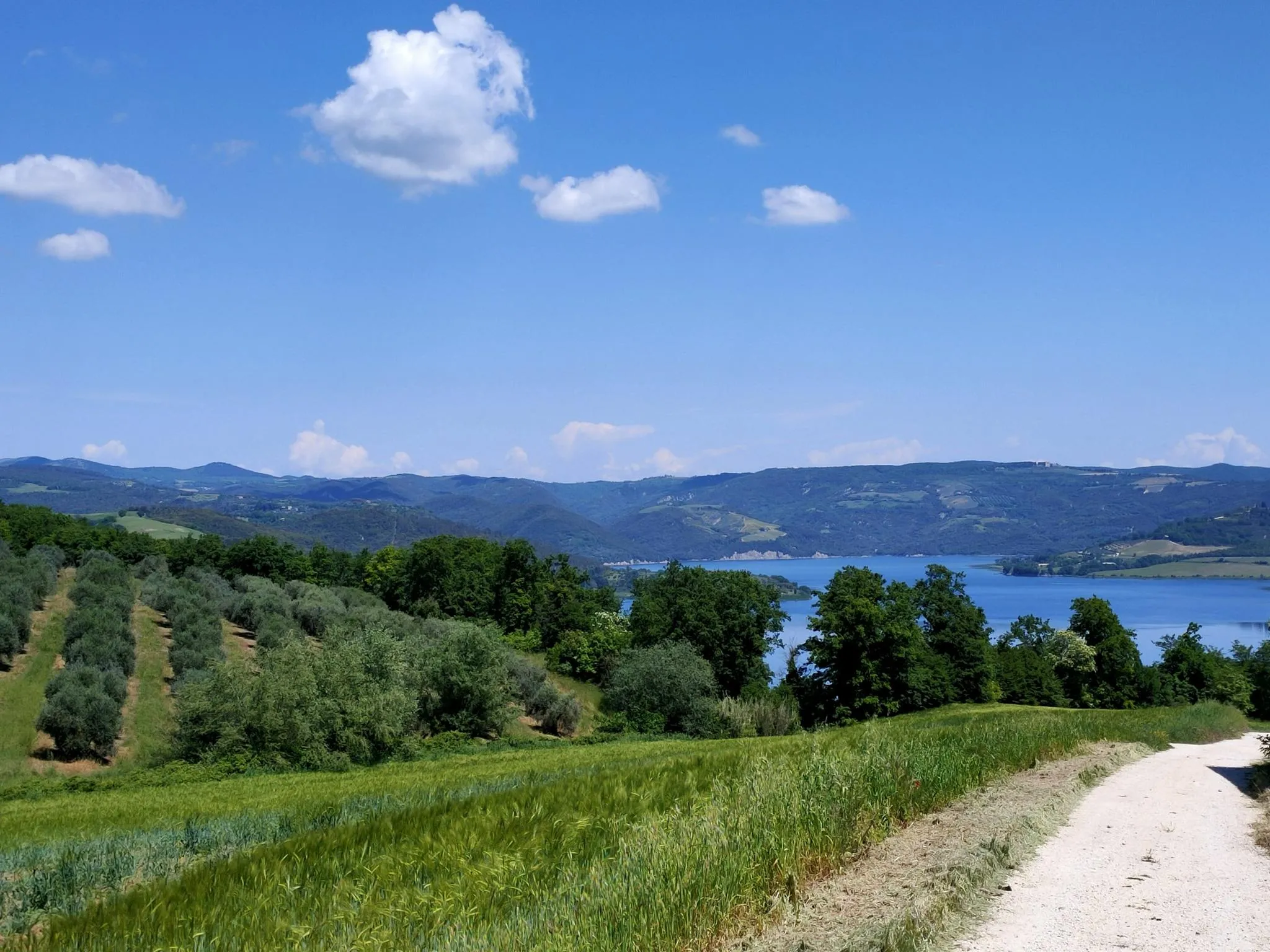
Italian Coast2Coast – From Portonovo to Orbetello
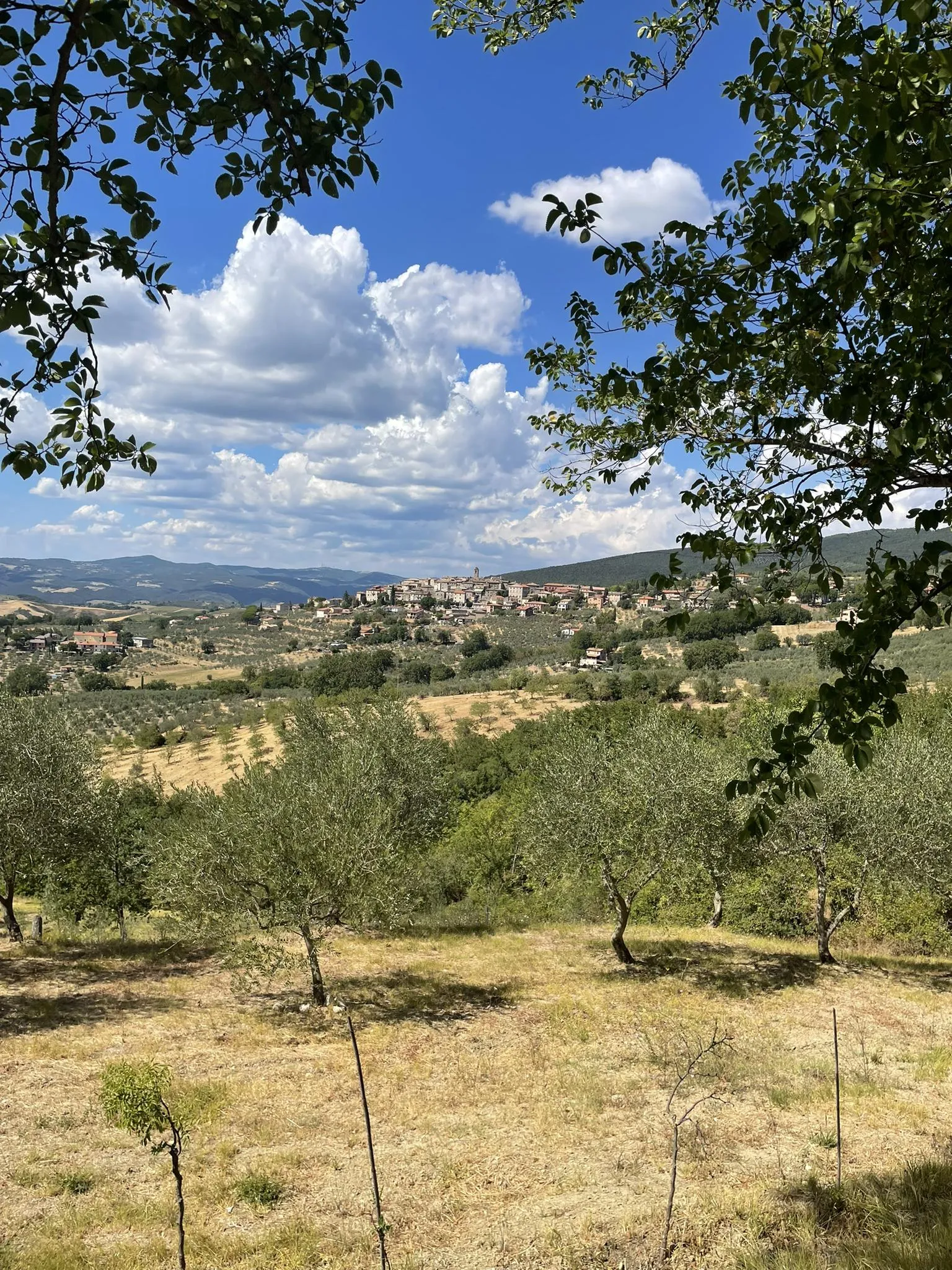
Hiking in Italy’s Umbria region – Cammino dei Borghi Silenti
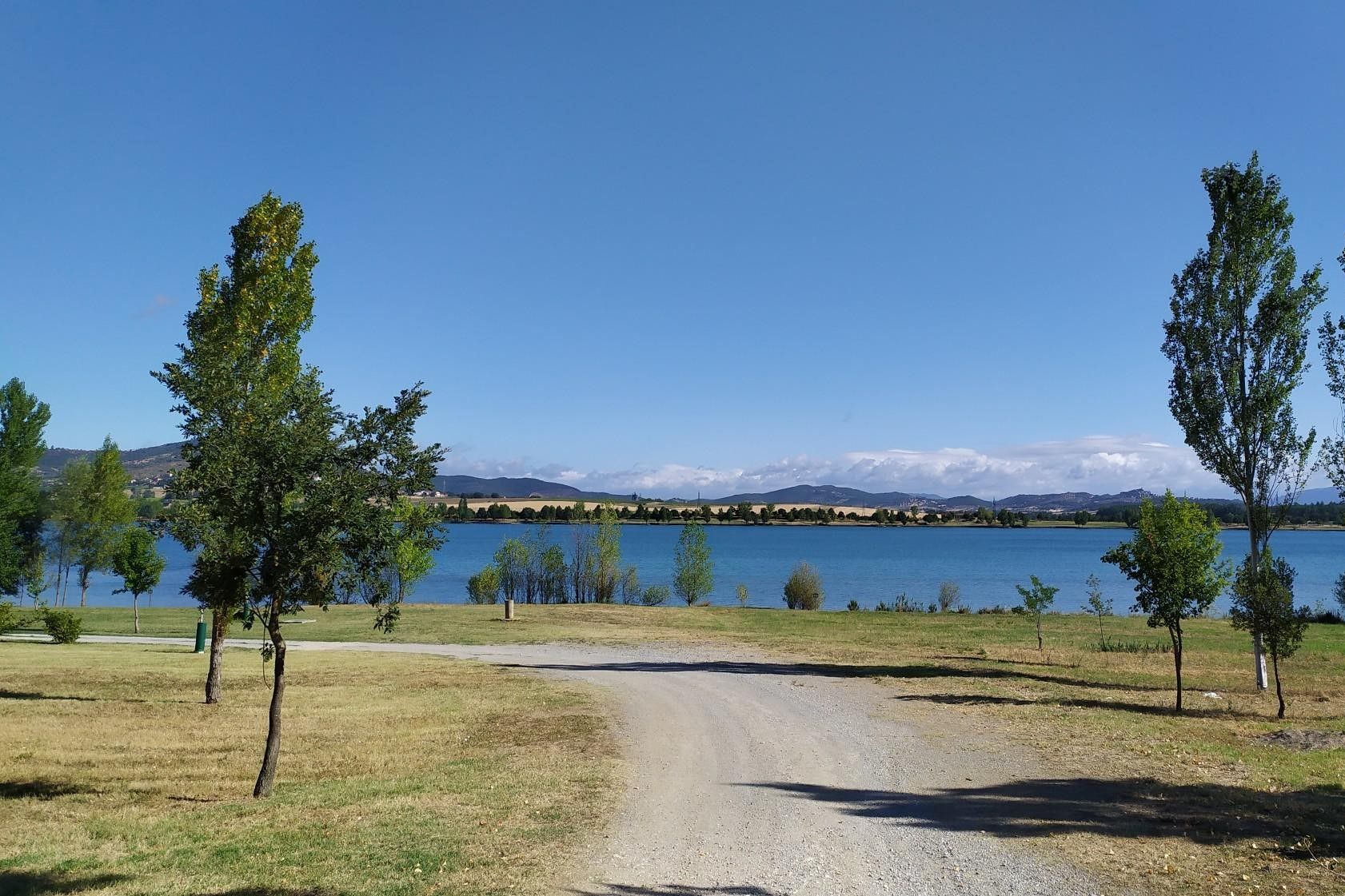
Between villages and white roads – gravel of the Umbrian lakes
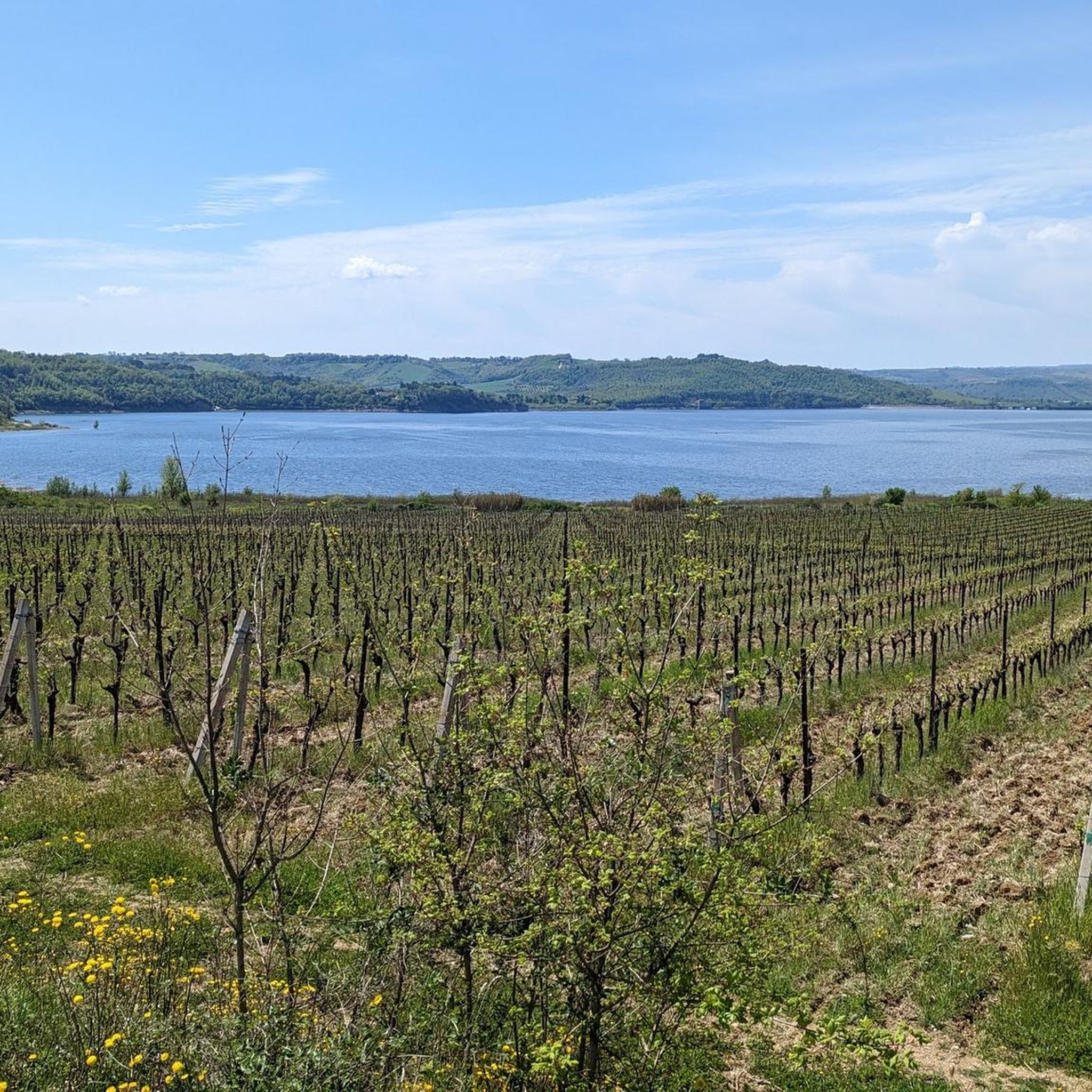
Hiking around Baschi
MTB Trails around Baschi
Road Cycling Routes around Baschi
Cycling around Baschi

Gravel biking around Baschi
Running Trails around Baschi
Other adventures around Baschi


Tips from the Community

The complex, with its entrance on Via della Cava, lies beneath Orvieto's oldest neighborhood. Divided into nine underground areas, it is rich in Etruscan, medieval, and Renaissance finds, brought to light only recently after nearly four centuries of abandonment. The tour isn't very long (about 30 minutes if you read each description carefully), but it's absolutely worth it, especially for the price of just 4 euros.
0
0

Very beautiful and worth seeing.
1
0

Civita di Bagnoregio is a magical, surreal, fantastic place, located on the top of a tuff hill and reachable only through a narrow pedestrian bridge from which you can enjoy one of the most spectacular views of all of Lazio. Nicknamed the dying city, due to the constant erosion of the tuff rocks on which it is located, this citadel halfway between Orvieto and Lake Bolsena has Etruscan and medieval origins.
2
0

Fascinating place, full of history
0
0
It appears in front of you after a breathtaking descent (very muddy, due to rain!), nestled in the middle of the woods, clinging to the rock. A gem.
1
0

The Pasquarella Hermitage is a small sanctuary dating back to the 11th century. Nearby there are caves frequented by hermits in the early Middle Ages.
2
0

The little village of Civita di Bagnoregio is a place from another time. Accessible only by a pedestrian bridge, the place is inhabited by only a few people. Nevertheless, there are shelters in the abandoned city. The once proud city, which lies like a crown on the top of a tuff rock and which mainly attracts with beautiful medieval and partly antique buildings within its historic walls, was already considered a dying village in the 70s and 80s of the last century. At times no more than 5-12 people lived here. Back then, landslides were unsafe and regular house maintenance was too expensive. Civita di Bagnoregio is now considered one of the most beautiful villages in Italy. Since it can only be reached via a pedestrian bridge and has therefore been completely spared from cars to this day, it offers a brief but intensive look right into the heart of Italy's history. In the early evening it gets quiet in the town, which is heavily frequented by tourists during the day. This is the best time to enjoy the historic city.
3
0

A pleasant guided tour, along a comfortable path, through which you can get to know the underground of the city of Orvieto.
0
0
Frequently Asked Questions
What types of caves can I explore around Baschi?
The Baschi area offers a diverse range of underground experiences. You'll find natural karstic caves, historical sites with underground elements, and extensive man-made tufa cavities. The Forello Gorge, carved by the Tiber River, features magnificent cave complexes. Nearby, you can explore archaeological caves and ancient underground cities.
Are there historical or archaeological caves near Baschi?
Yes, the region is rich in historical and archaeological cave sites. The Necropolis of San Lorenzo is an Umbrian-Etruscan necropolis with cave features, one of the largest pre-Roman necropolises discovered in Umbria. Further afield, the Tane del Diavolo in Parrano contain archaeological findings from the Neolithic to the late Bronze Age, while Orvieto Underground reveals over 1200 man-made tufa caves excavated over 3000 years.
Can I visit the Tane del Diavolo caves near Baschi?
Yes, the Tane del Diavolo (Devil's Lairs) in Parrano are accessible from Baschi. This archaeological area features eight karstic caves in a gorge with thermal waters. Guided tours are available, offering a blend of natural beauty and historical interest. Equipped routes provide an adventurous experience, and guided speleological visits can be arranged by reservation. For more information, you can check Umbria Tourism.
What is Orvieto Underground and how can I visit it?
Orvieto Underground is an extensive network of over 1200 man-made tufa caves beneath the city of Orvieto, excavated by residents over approximately 3000 years. It offers a fascinating journey through centuries of human history, revealing tunnels, Etruscan and medieval structures, and olive presses carved into the rock. Visits are typically by guided tour, which can be booked in Orvieto.
Are there family-friendly cave experiences around Baschi?
While specific 'family-friendly' cave designations are not always clear, sites like the Historic village of Civita di Bagnoregio offer a unique experience with cave elements that can be enjoyed by families. The village itself is a pedestrian-only area with historical significance and stunning views. For more adventurous families, guided tours of sites like Tane del Diavolo might be suitable, depending on the age and ability of participants.
What outdoor activities can I do near the caves around Baschi?
The area around Baschi offers various outdoor activities. You can find numerous cycling routes, including road cycling and gravel biking, that pass through scenic landscapes near the caves. For example, there are Road Cycling Routes around Baschi and Gravel biking around Baschi. These routes often incorporate views of the Forello Gorge and nearby historical sites.
When is the best time to visit the caves around Baschi?
The best time to visit caves in the Baschi area generally depends on whether you are exploring natural formations or underground historical sites. For natural caves and outdoor activities in the Forello Gorge, spring and autumn offer pleasant temperatures for hiking and exploration. Historical underground sites like Orvieto Underground can be visited year-round, as their internal temperatures are more stable.
Are there any religious sites with cave connections near Baschi?
Yes, the Pasquarella Hermitage is a small sanctuary dating back to the 11th century, with nearby caves that were frequented by hermits in the early Middle Ages. This site offers a glimpse into the spiritual history of the region and its connection to natural cave dwellings.
What should I know about visiting the <a href="https://www.komoot.com/highlight/1114035" target="_blank" rel="noopener">Historic village of Civita di Bagnoregio</a>?
The Historic village of Civita di Bagnoregio is a unique medieval town situated on a tufa spur, accessible only by a pedestrian bridge. It features Etruscan and Roman remains, including cave elements. While popular, it can get crowded during the day. The early evening is often recommended for a quieter experience. The village has cafes, restaurants, and a small hotel, and some residents offer tours of their homes and underground cave dwellings for a voluntary contribution.
Where can I find parking near the caves around Baschi?
Parking availability varies by specific cave site. For popular attractions like Civita di Bagnoregio, parking is typically available in the newer town of Bagnoregio, from where you access the pedestrian bridge. For Orvieto Underground, parking can be found in Orvieto itself. For more remote natural caves in the Forello Gorge, parking might be less formal, often along access roads or designated trailheads.
What kind of archaeological finds have been made in the caves near Baschi?
Significant archaeological finds have been made in the region's caves. The Tane del Diavolo in Parrano, for instance, have yielded archaeological findings dating from the Neolithic Age (early third millennium B.C.) to the late Bronze Age, including hut foundations, pottery, and animal bone fragments. The Necropolis of San Lorenzo also testifies to a thriving ancient center with its pre-Roman burials.
Can I explore caves in Baschi if I'm a beginner?
Yes, there are options for beginners. While the Forello Gorge offers karstic caves for more experienced cavers, sites like Orvieto Underground provide guided tours through man-made cavities that are accessible and safe for those new to underground exploration. Similarly, guided tours of the Tane del Diavolo can be tailored to different experience levels.
Are there any unique natural cave features in the Baschi area?
The Forello Gorge itself is a significant natural feature, with magnificent cave complexes carved by the Tiber River into its high, jagged banks. The Buche del Vento are also notable for being rock holes from which a cold wind blows, indicating interesting geological formations.
Most popular attractions around Baschi

Get inspired with the komoot mobile app


Explore more
Extend your search for the best caves by checking out these guides of the top ones around Baschi:
