Top 5 Caves around Custonaci
Caves around Custonaci, Sicily, offer a glimpse into ancient human presence and unique geological formations. This region is characterized by its rugged coastline, the prominent Monte Cofano, and a rich history of human habitation within its numerous caves. The area provides a natural landscape where historical significance meets speleological interest. Custonaci is known for its diverse cave systems, many of which are located within the Monte Cofano Oriented Nature Reserve.
Best caves around Custonaci
- The most popular caves is Uzzo…
Last updated: October 3, 2026
Uzzo Cave
Highlight • Cave
Translated by Google •
Tip by

Zingaro Nature Reserve
Highlight • Natural Monument
Translated by Google •
Tip by

Sign up now to discover places like this
Get recommendations on the best single tracks, peaks, & plenty of other exciting outdoor places.
Grotta di Mastro Peppe Siino
Highlight • Cave
Translated by Google •
Tip by
Crocefisso Cave
Highlight • Cave
Translated by Google •
Tip by

Chapel of the Crucifix
Highlight • Religious Site
Translated by Google •
Tip by
Sign up for free to discover even more caves around Custonaci.
Already have an account?
Start today with a free account
Your next adventure awaits.

Other adventures around Custonaci

Tips from the Community

A fascinating and beautiful grotto. A sign just before the cave warns of falling rocks.
0
0

The hike is completely overcrowded, and you're charged twice. You pay €9 at the parking lot and then another €5 per person. There's almost no shade anywhere, and the small swimming coves are completely overcrowded.
0
0

Grotta di Mastro Peppe Siino, a window to the sea. In the latter, which takes its name from the owner, there was even a mill for grain, an oven and a press.
0
0
It is located between the Museum of Peasant Civilization of the Zingaro Nature Reserve and the Museum of Weaving of the Nature Reserve
0
1
It is located in the Monte Cofano nature reserve
1
0

These caves were not only a safe haven in times of war, but also housed a millstone, an oven and a press that allowed people to survive there for long periods of time. Just the idea that these caves once secured the life of a community gives them a special historical significance. The path there is adventurous and leads through a rough but beautiful landscape. From the cave entrance you have an impressive view of the sea, which beautifully sets off the contrast between the rough rocky landscape and the calm, blue waters of the Mediterranean. As you explore the caves you will discover the traces of times gone by that are carved in stone here. A real highlight for hikers who are equally enthusiastic about history and nature.
1
0
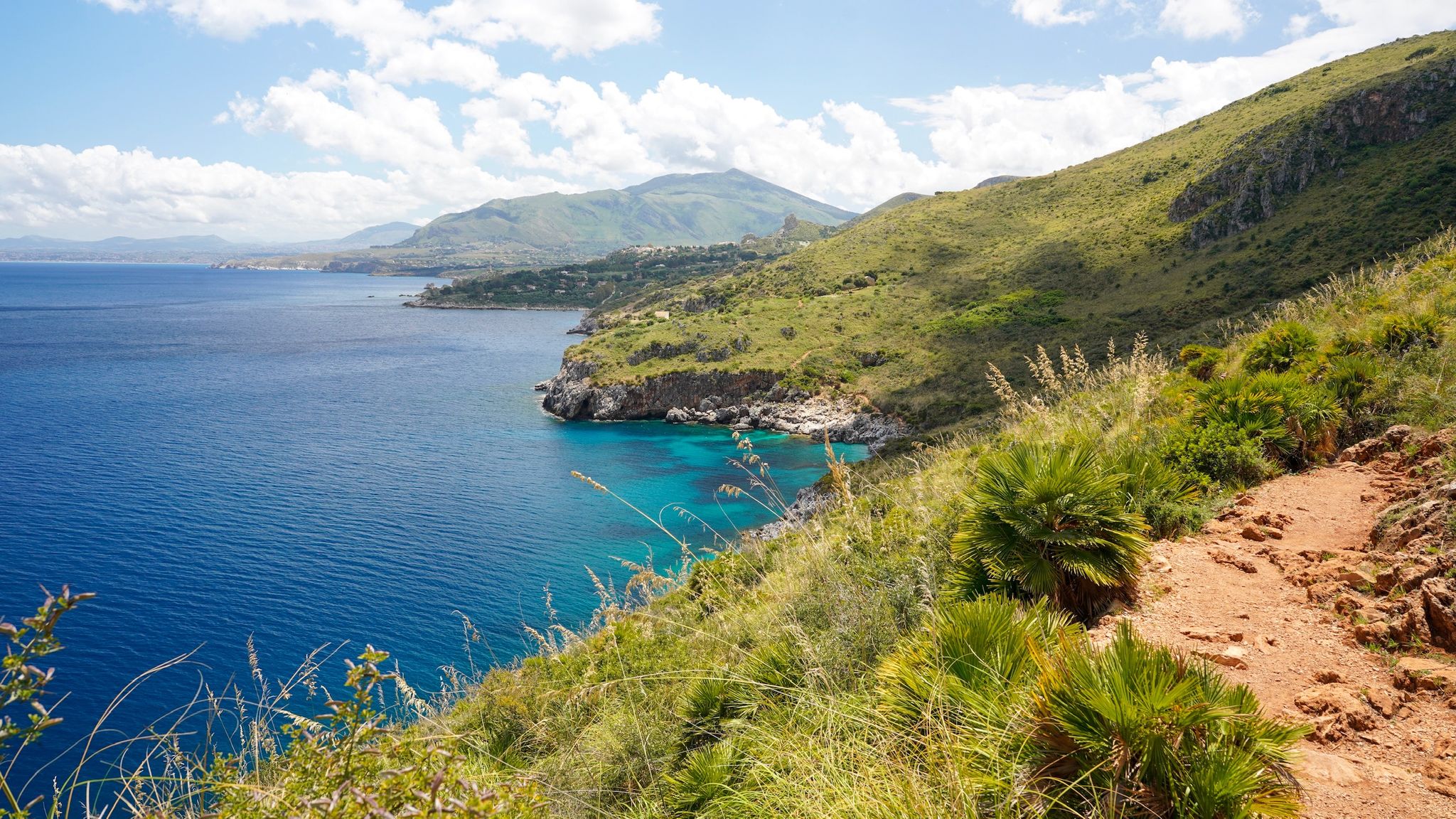
The Riserva Naturale Orientata dello Zingaro is a real treasure for hikers who want to embark on a journey of discovery along the Sicilian coast. The approximately 7-kilometer-long path winds through untouched nature, past breathtaking limestone formations and hidden bays with crystal-clear water. The variety of landscapes is impressive - from the dense vegetation with dwarf palms to the rocky cliffs that drop dramatically into the turquoise sea. If you decide to take the path, be aware that there are no comfortable coastal roads that lead you through the reserve. This is what makes the Zingaro so charming - the wilderness remains untouched here. It is worth starting early, especially in midsummer, as the sun can be merciless in the midday hours. Sturdy shoes and plenty of water are essential in your backpack. It is also interesting that this nature reserve emerged from a fight against the construction of a coastal road. Thanks to the commitment of the population, the Zingaro was designated as the first nature reserve in Sicily in 1981. It is a symbol of resistance and love of nature that is still protected and cared for today. Although a fire destroyed large parts of the reserve in 2012, nature is slowly recovering. Particularly impressive is Monte Speziale, the highest elevation of the Zingaro, from which you can see as far as San Vito Lo Capo in good weather. The path along the coast is not a strenuous mountain tour, but an impressive hike through a piece of nature that is unparalleled in its pristine state.
2
1
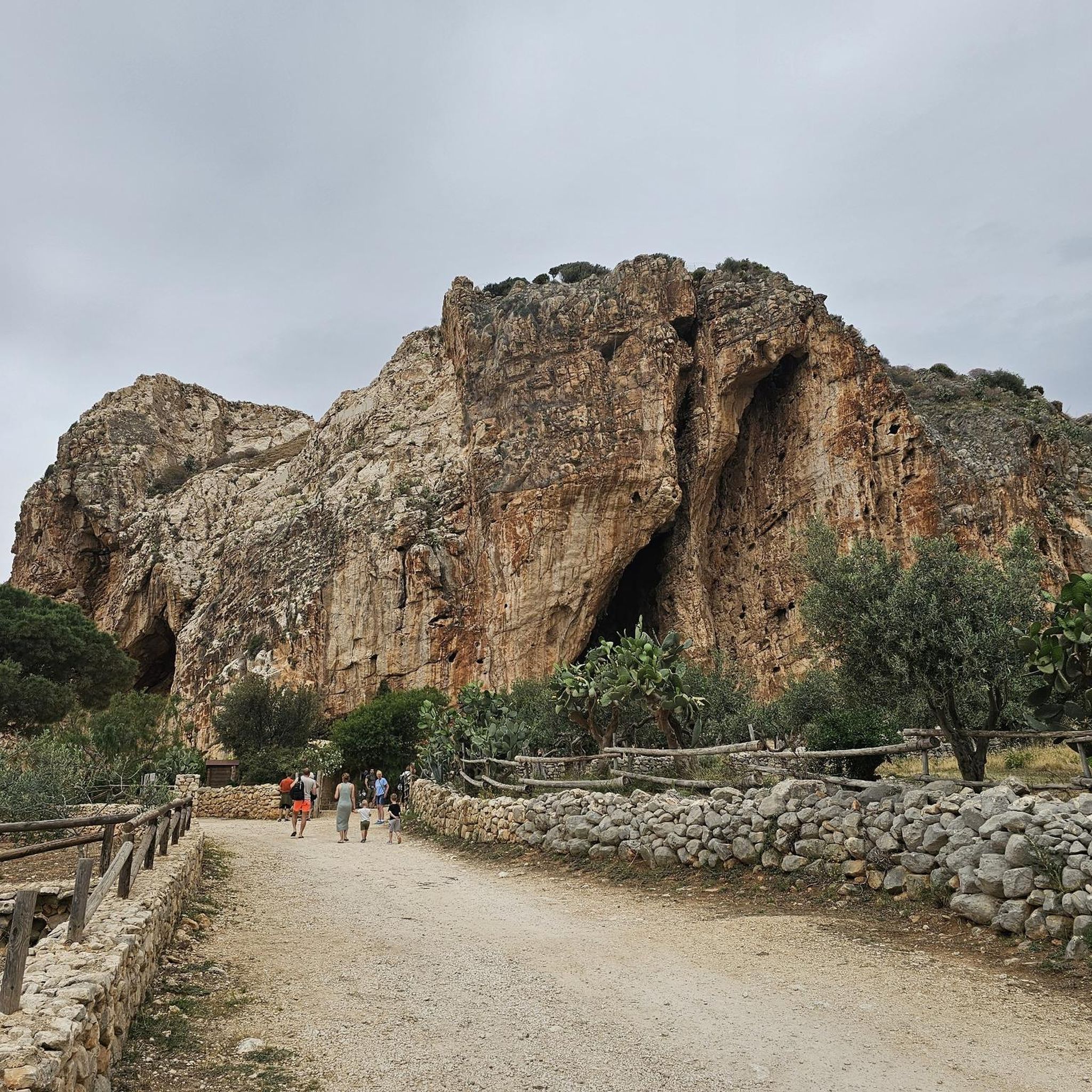
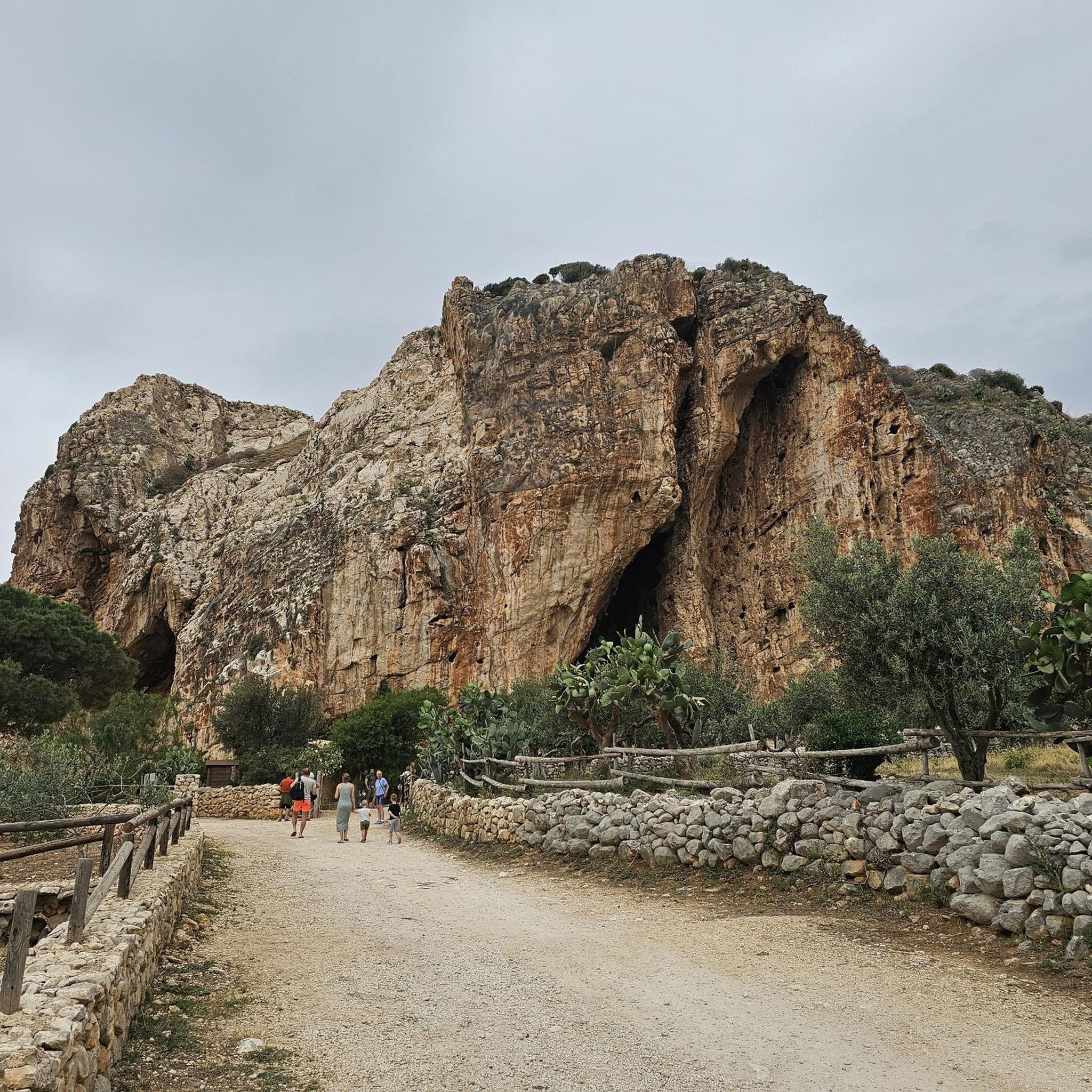
The hike to Uzzo Cave in the Riserva Naturale Orientata dello Zingaro offers you an impressive mix of history and nature. This prehistoric site is not only a visual highlight, but also archaeologically significant - finds from the cave indicate human presence around 10,000 years ago. As soon as you enter the shaded area of the cave, the cool air offers a welcome respite after an intense hike under the Sicilian sun. The rocky landscape around the cave is just as fascinating as the cave itself - buried fossils and petrified bones tell of a distant past when this cave was used as both a shelter and a resting place. Here you can enjoy the peace and quiet and reflect on the people who lived here many millennia ago. Tip: Be sure to pay attention to local regulations as you are in a protected area and respect nature.
0
1
Frequently Asked Questions
What are the most historically significant caves around Custonaci?
Custonaci is rich in historical caves. The Uzzo Cave is known for its imposing opening and archaeological finds, including petrified bones, indicating its use as a resting and living space. Another significant site is Grotta di Mastro Peppe Siino, which once housed a millstone, oven, and press, serving as a safe haven for a community during times of danger. The Crocefisso Cave, located within the Monte Cofano nature reserve, has yielded numerous Palaeolithic finds.
Are there any caves in Custonaci that offer impressive viewpoints?
Yes, several caves offer great views. From the entrance of Grotta di Mastro Peppe Siino, you can enjoy an impressive view of the sea, contrasting with the rugged rocky landscape. The Crocefisso Cave also provides views of the sea from its location within the Monte Cofano nature reserve.
What kind of geological features can I expect to see in Custonaci's caves?
The caves around Custonaci, particularly within the Scurati Caves complex, are known for their unique geological formations. While specific details for all caves are not always available, the region's speleological heritage includes caves with calcitic deposits, stalactites, and stalagmites. Grotta Rumena, part of the Scurati Caves, is recognized as a geosite of world interest due to its exceptional geological importance.
Are there family-friendly caves to visit in the Custonaci area?
While specific 'family-friendly' designations are not always explicit, many caves, especially those with historical significance and easy access, can be suitable for families. Grotta Mangiapane, for example, functions as an open-air museum, offering a tangible insight into Sicilian rural traditions, which can be an engaging experience for all ages. It also hosts the 'Living Nativity of Custonaci' during Christmas, a significant family event.
What outdoor activities can I do near the caves around Custonaci?
The area around Custonaci offers a variety of outdoor activities. You can find numerous hiking routes, such as the 'Riserva del Monte Cofano, ring tour' or routes within the Monte Cofano Nature Reserve. For cycling enthusiasts, there are road cycling and touring bicycle routes, including the 'Monte Cofano Park: Green Loop' or coastal paths. You can explore more options on the Hiking around Custonaci, Road Cycling Routes around Custonaci, and Cycling around Custonaci guide pages.
Is there parking available near the main cave attractions in Custonaci?
Yes, for popular sites like Grotta Mangiapane, there are routes that allow you to reach the cave easily. For instance, the route to Provincial-Grotta Mangiapane allows you to avoid main road traffic via a small dirt road and then asphalt, making it accessible for visitors arriving by car.
What is the best time of year to explore the caves in Custonaci?
The caves can be visited year-round, but the best time often depends on your preference for weather and crowds. The Grotta Mangiapane hosts the 'Living Nativity of Custonaci' during the Christmas season, making winter a unique time to visit. For general exploration, spring and autumn offer milder temperatures, ideal for combining cave visits with outdoor activities like hiking in the Monte Cofano Nature Reserve. Summer can be hot, but the caves offer a cool respite.
Are there any less crowded or alternative caves to visit besides the most famous ones?
While Grotta Mangiapane is the most famous, the Scurati Caves complex includes several other significant caves that might be less crowded, such as Grotta Buffa, Grotta Rumena, Grotta Miceli, Grotta Cufuni, Grotta della Clava, Grotta Maria Santissima, and Abisso del Purgatorio. These offer historical and speleological value within the Monte Cofano Oriented Nature Reserve. Additionally, the region has approximately 60 cataloged caves, providing many options for exploration beyond the main highlights.
What makes Grotta Mangiapane unique compared to other caves in Custonaci?
Grotta Mangiapane stands out due to its continuous habitation until the mid-20th century. The Mangiapane family lived inside the cave from 1819, building a small village with homes, stables, and workshops. Today, it functions as a unique open-air museum, offering a tangible insight into Sicilian rural traditions and daily life. Its vast size (70 meters high, 13 meters wide, 50 meters deep) and historical significance, including prehistoric artifacts and rock paintings, also set it apart.
Can I find cafes or amenities near the caves in Custonaci?
The area around Custonaci, particularly near popular sites like Grotta Mangiapane, has amenities. While specific cafes directly at cave entrances are not detailed, the hamlet of Scurati and the town of Custonaci itself offer various services, including cafes, restaurants, and accommodation options for visitors exploring the caves and the Monte Cofano region.
What is the difficulty level for accessing caves in Custonaci?
The difficulty level varies depending on the specific cave. Some caves, like Uzzo Cave, are generally accessible. However, accessing others, such as Grotta di Mastro Peppe Siino, involves an adventurous path through a rough but beautiful landscape. The Monte Cofano Cave is noted as challenging, with the way up into the caves being difficult to find. It's advisable to check specific route details or local information for each cave you plan to visit.
Are there any caves in Custonaci with archaeological significance beyond prehistoric finds?
Yes, beyond prehistoric finds, some caves hold unique archaeological value. For example, the Grotta di Polifemo, though not directly within Custonaci but nearby, contains ancient pictograms believed to be around 3000 BC. This adds to its archaeological significance, alongside its natural light phenomenon during the summer solstice.
Most popular routes around Custonaci
Most popular attractions around Custonaci

Get inspired with the komoot mobile app


Explore more
Extend your search for the best caves by checking out these guides of the top ones around Custonaci:
